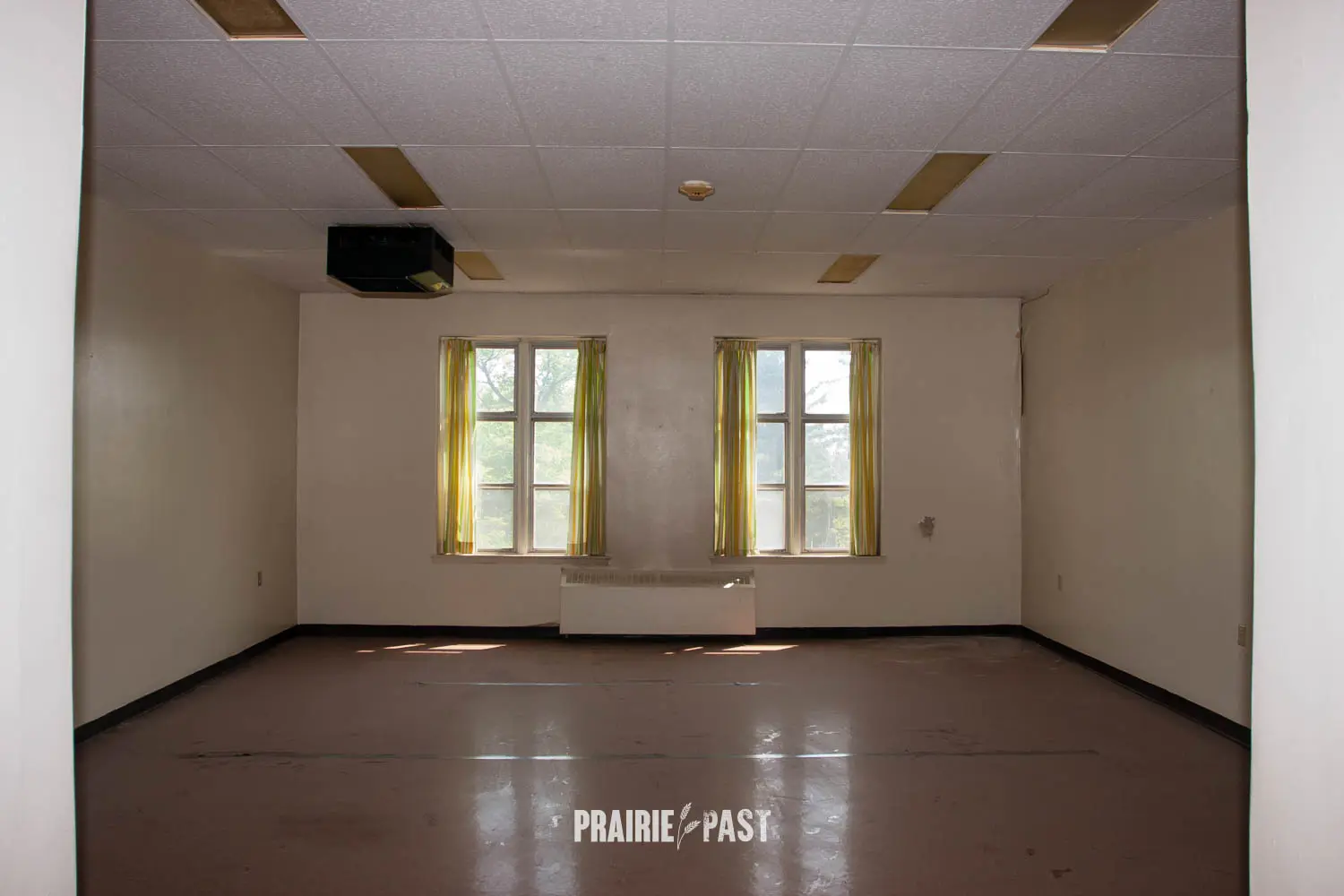
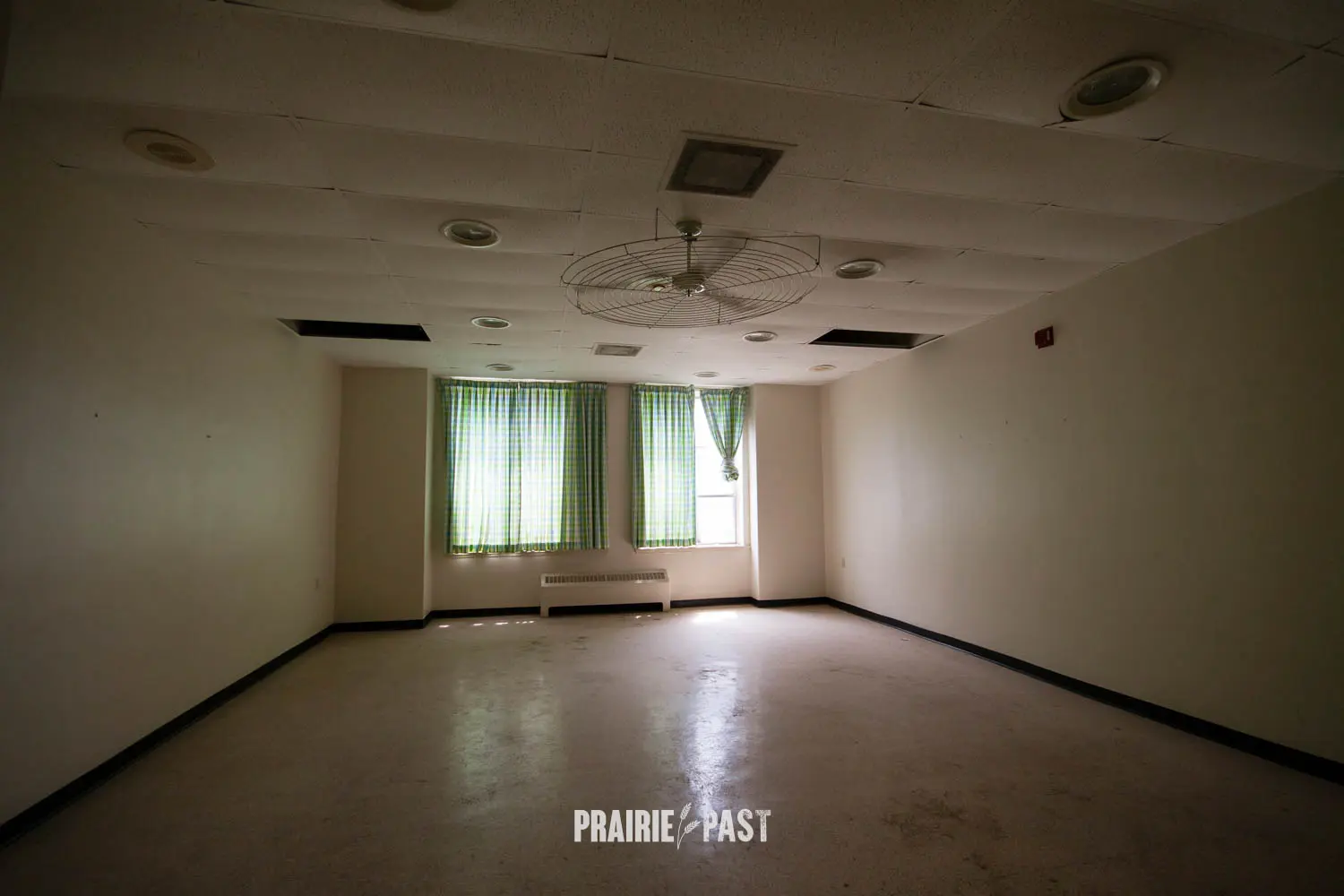
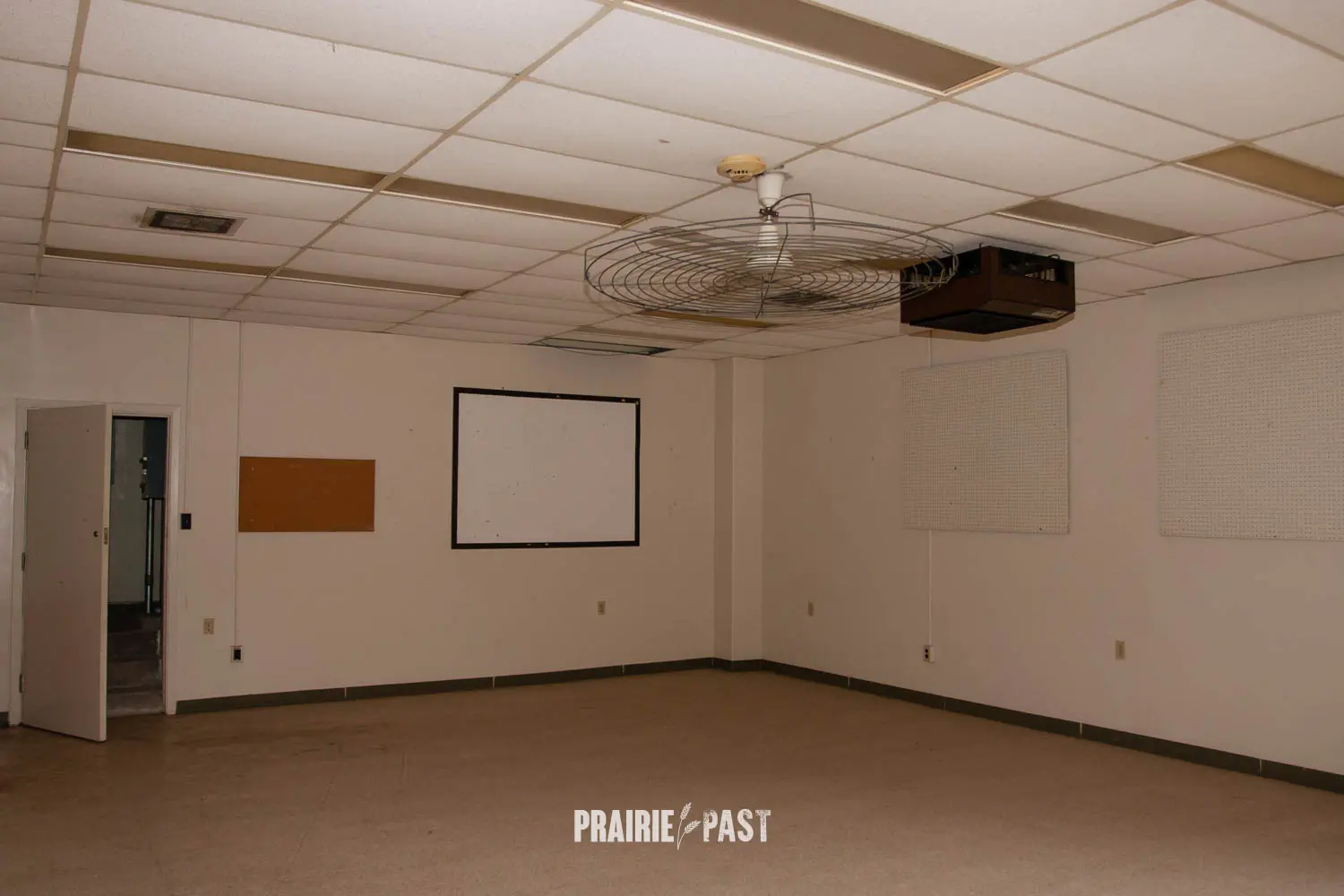
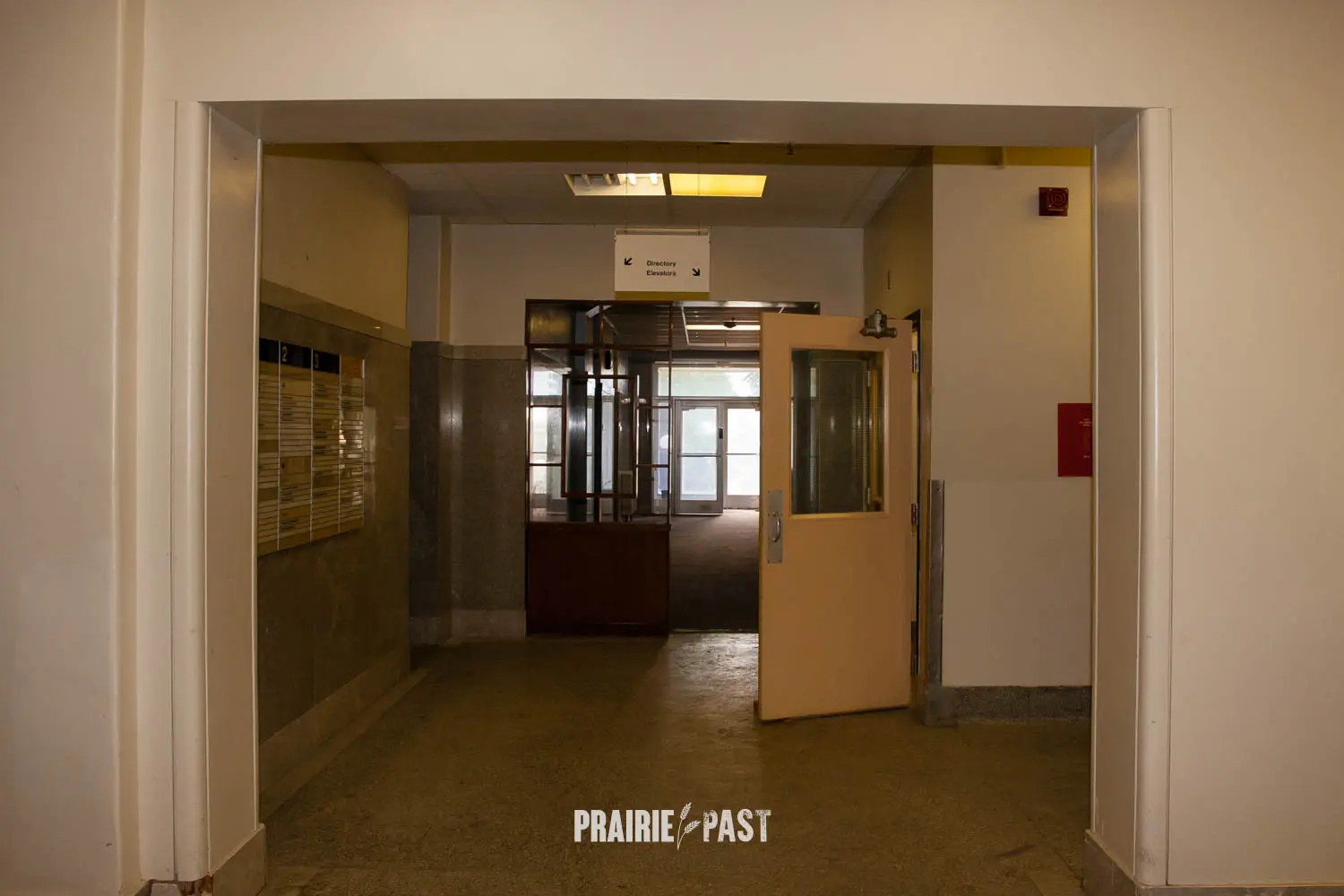
The Parkland Building: Heart of the Brandon Asylum's Legacy
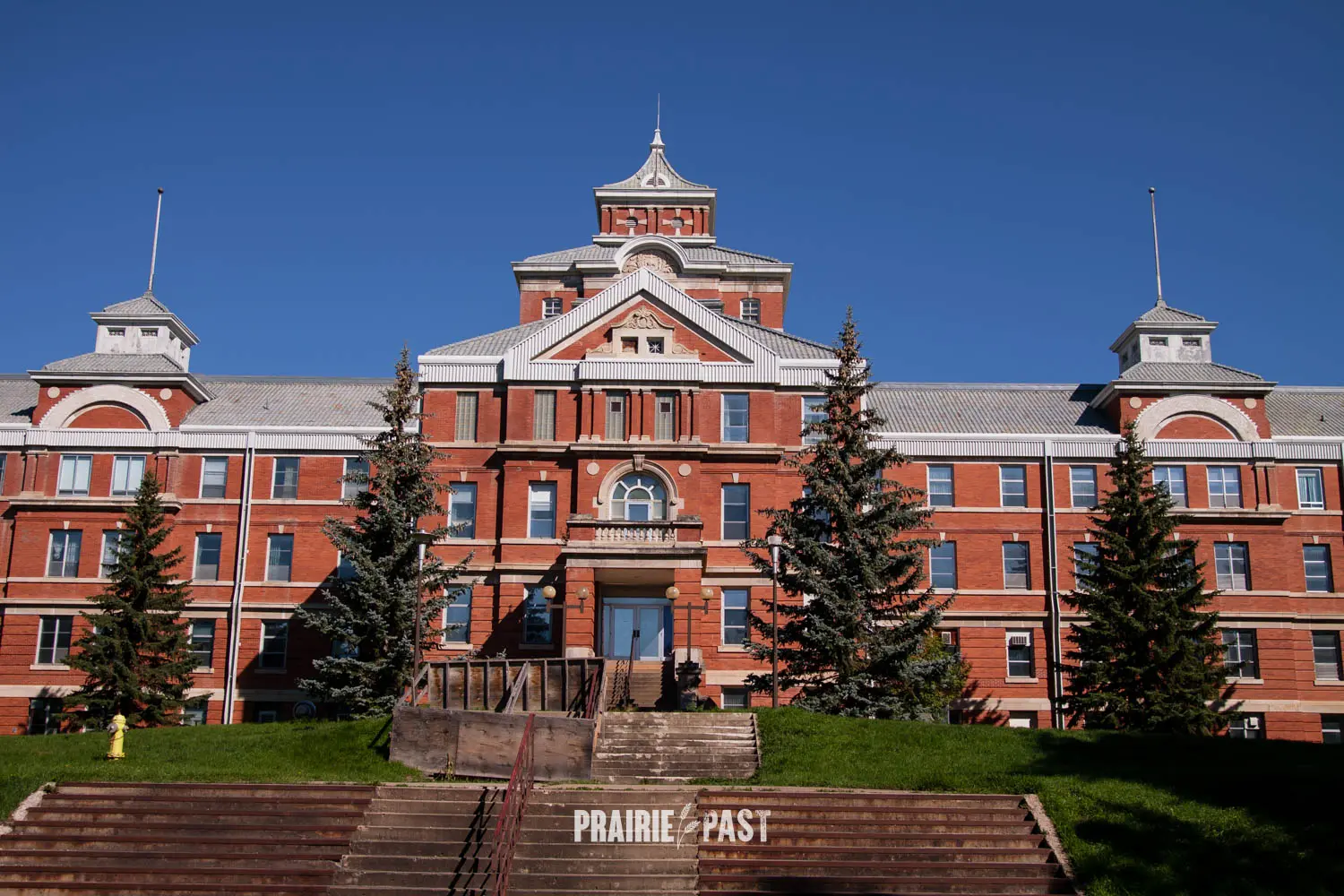
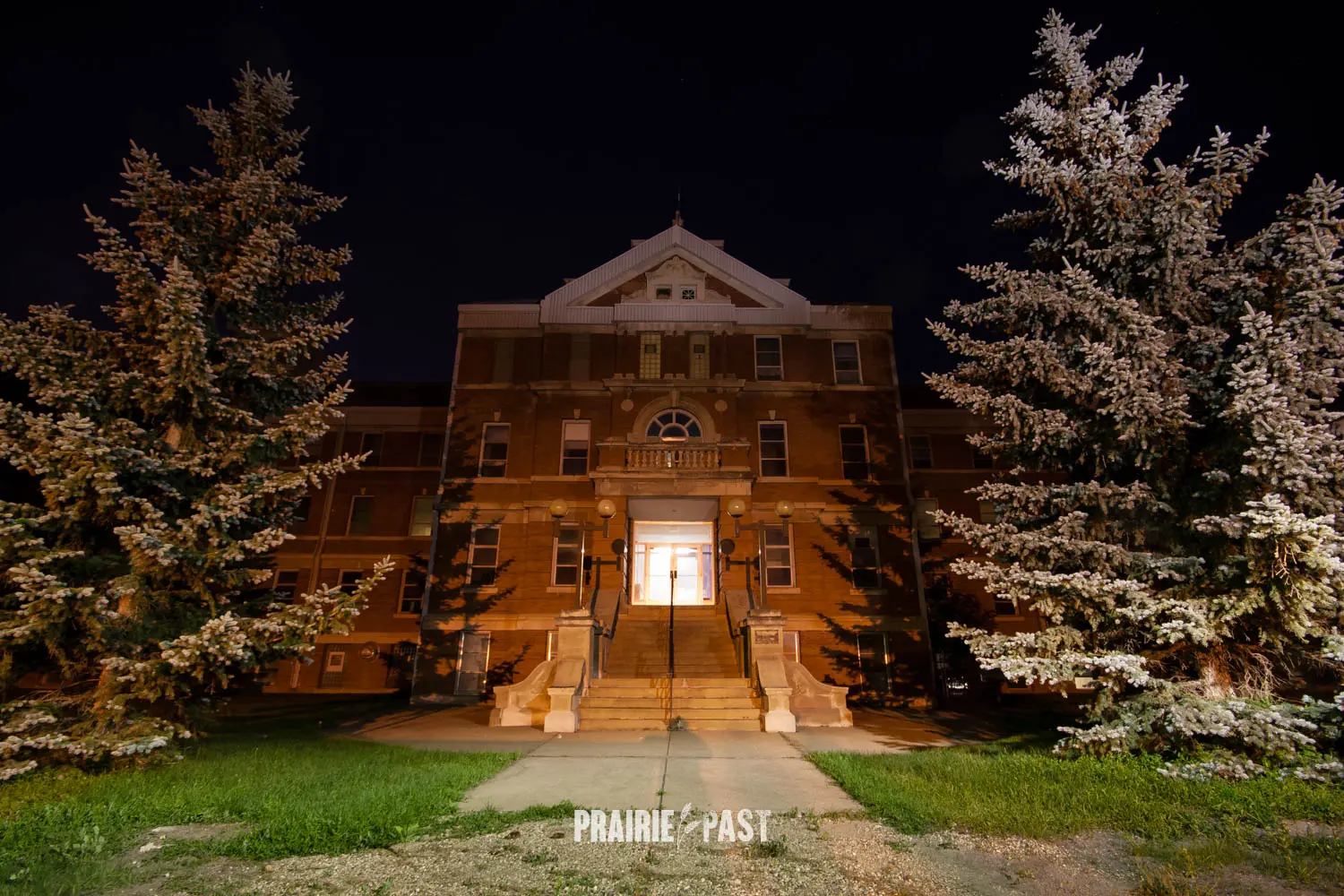
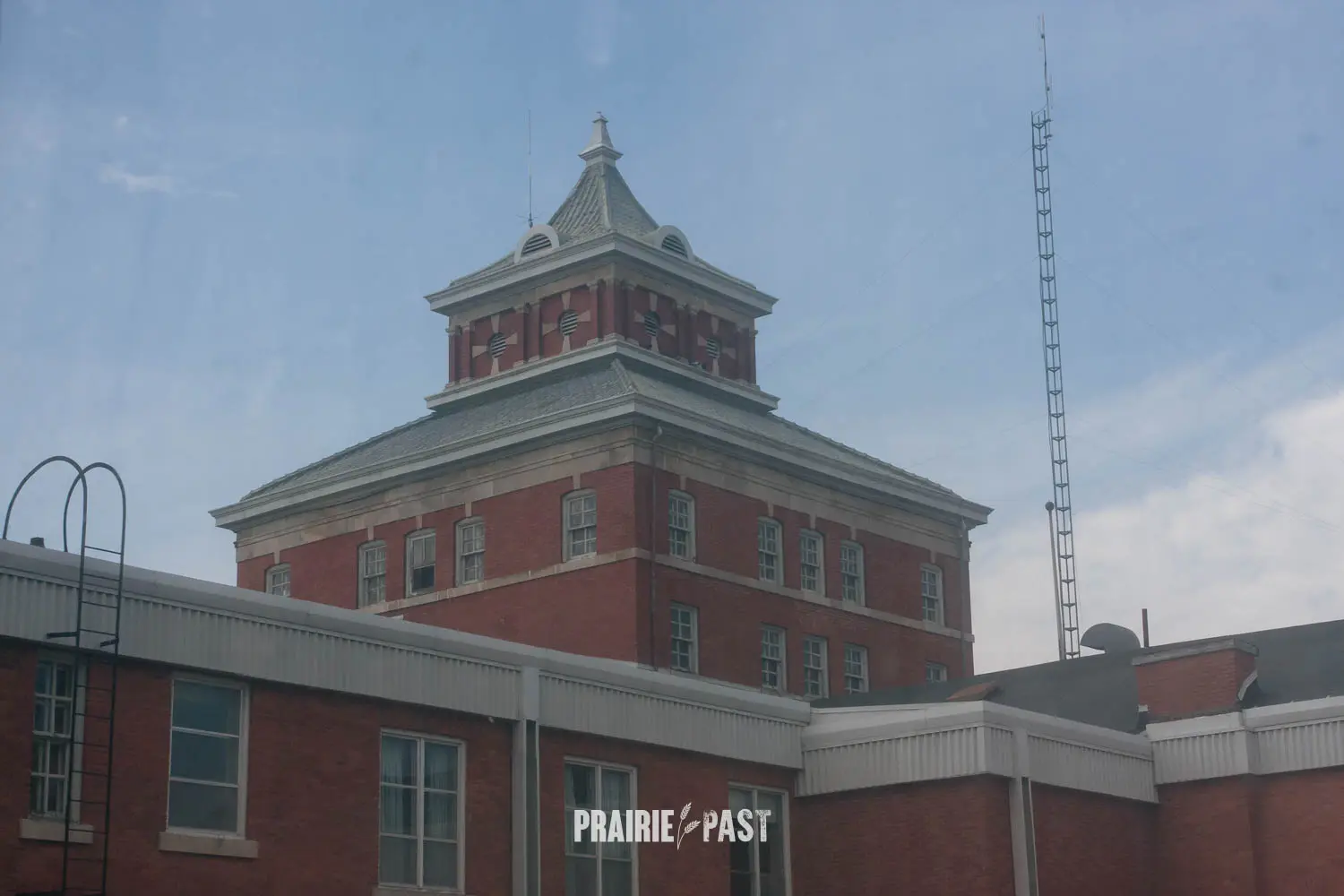
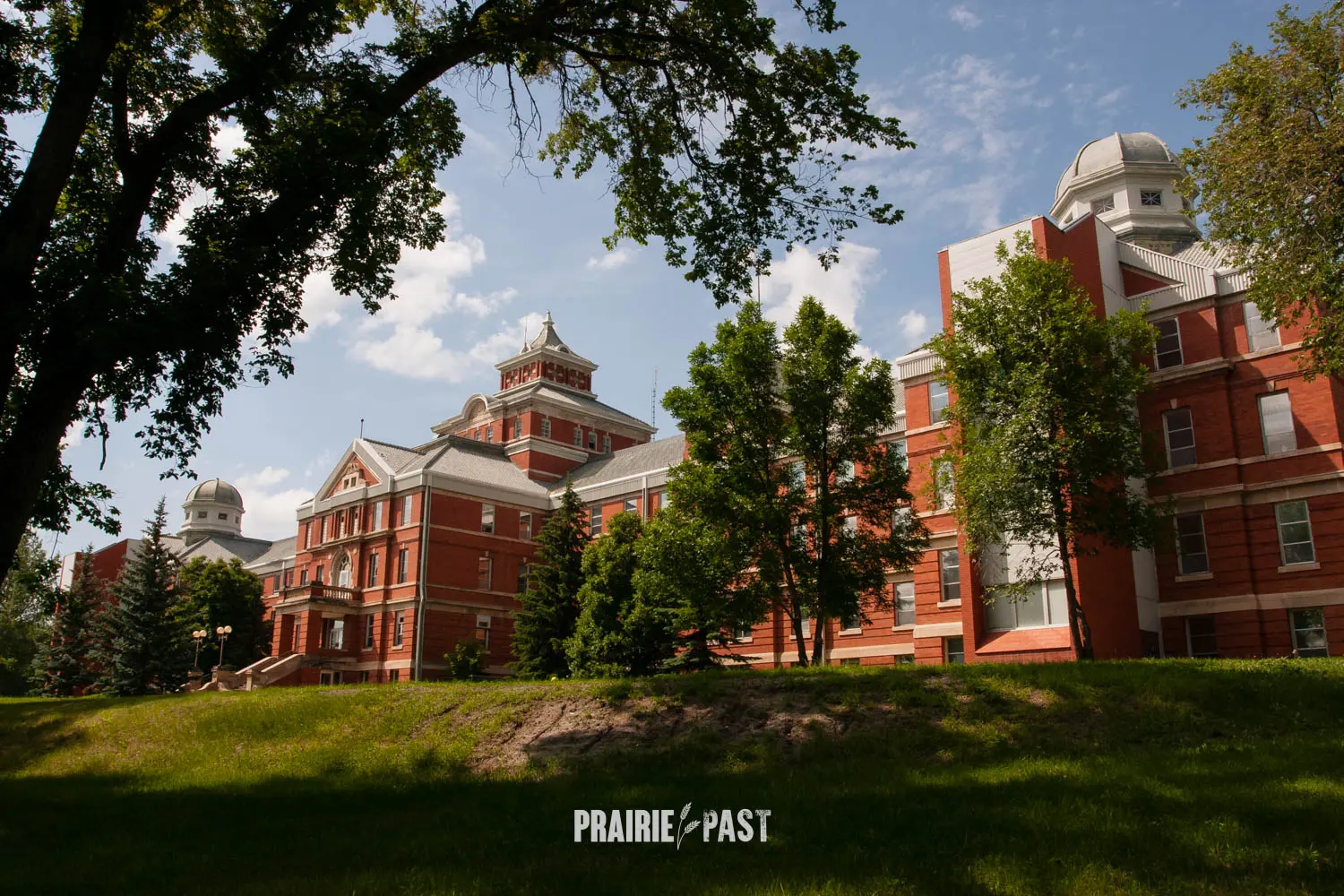
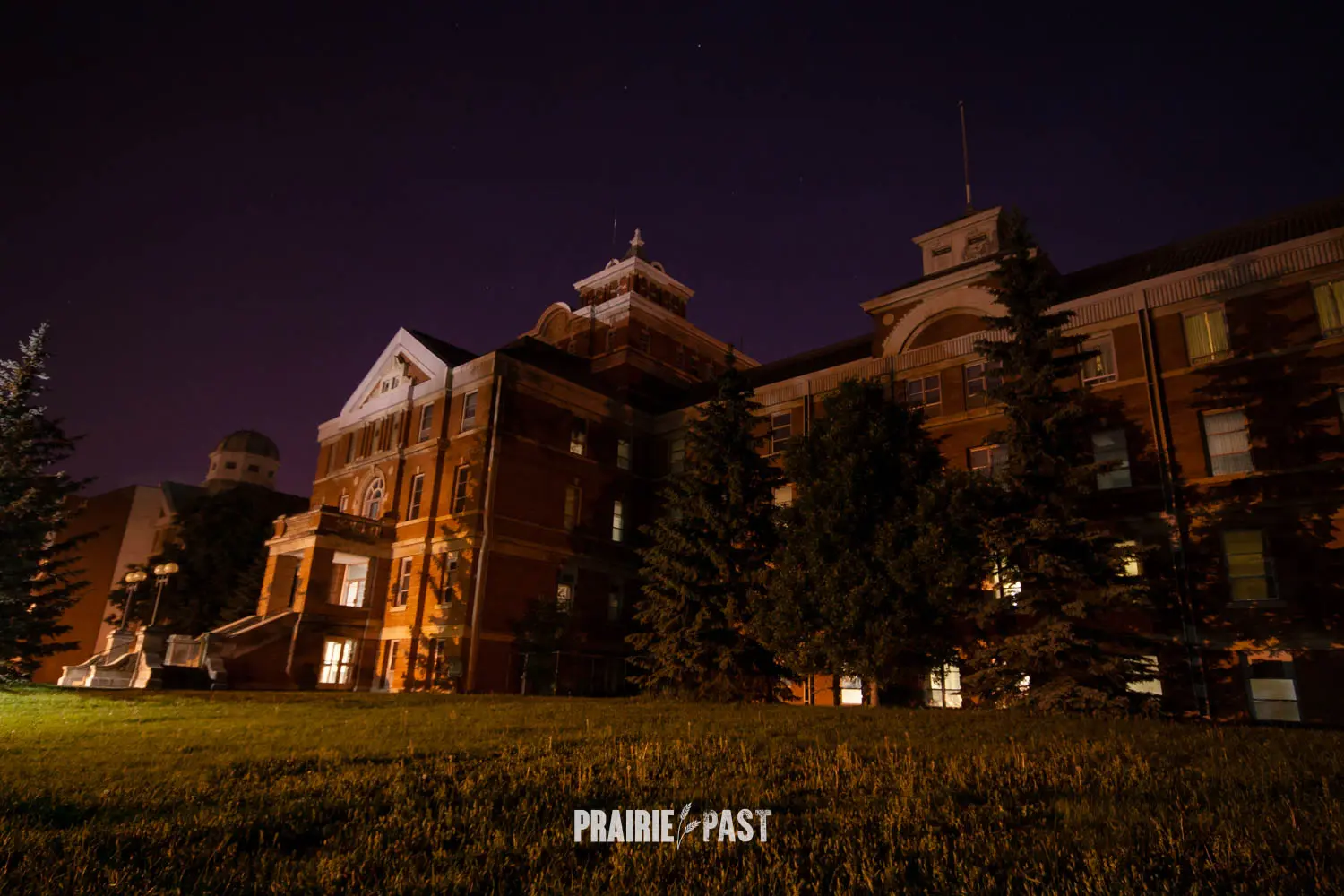
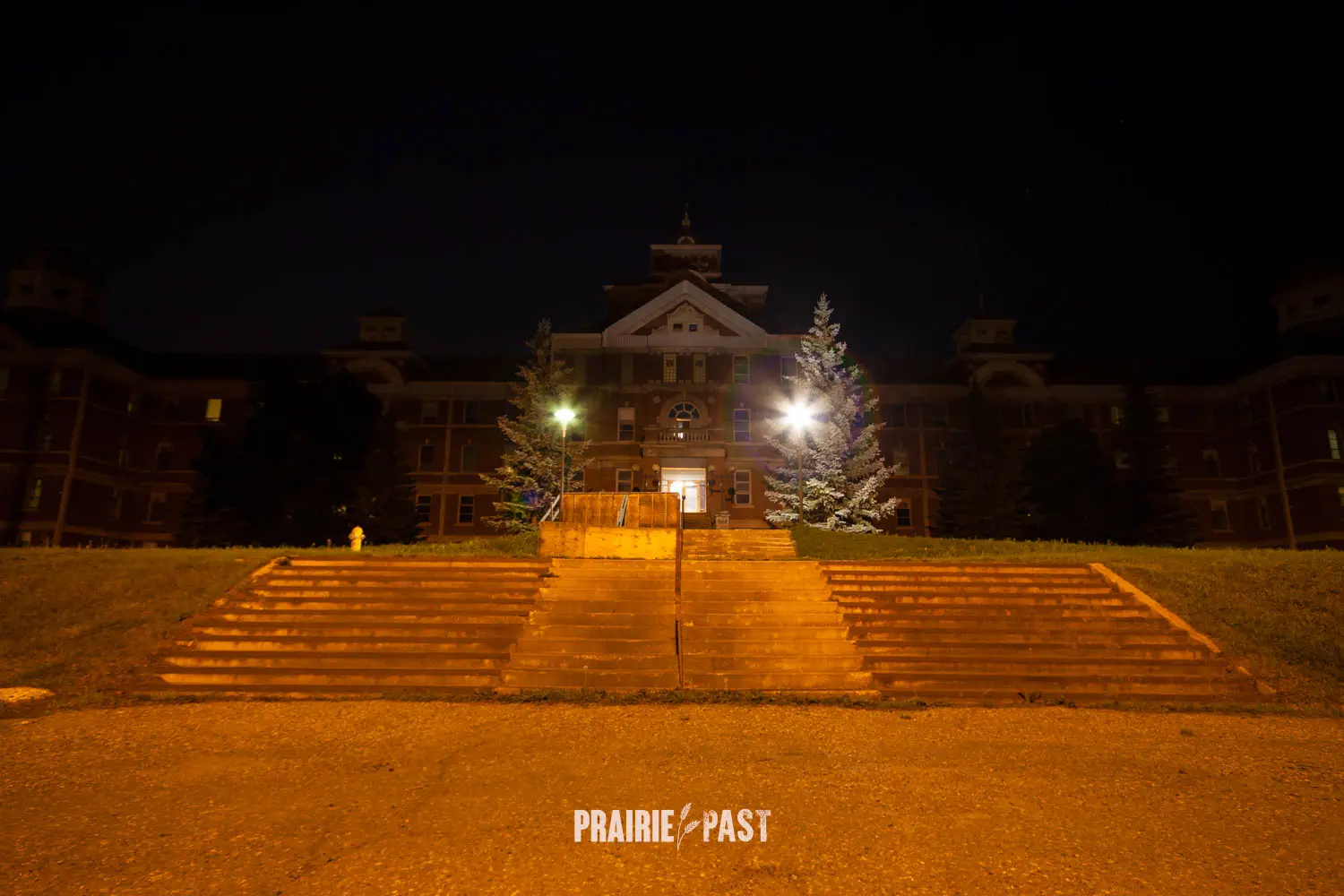
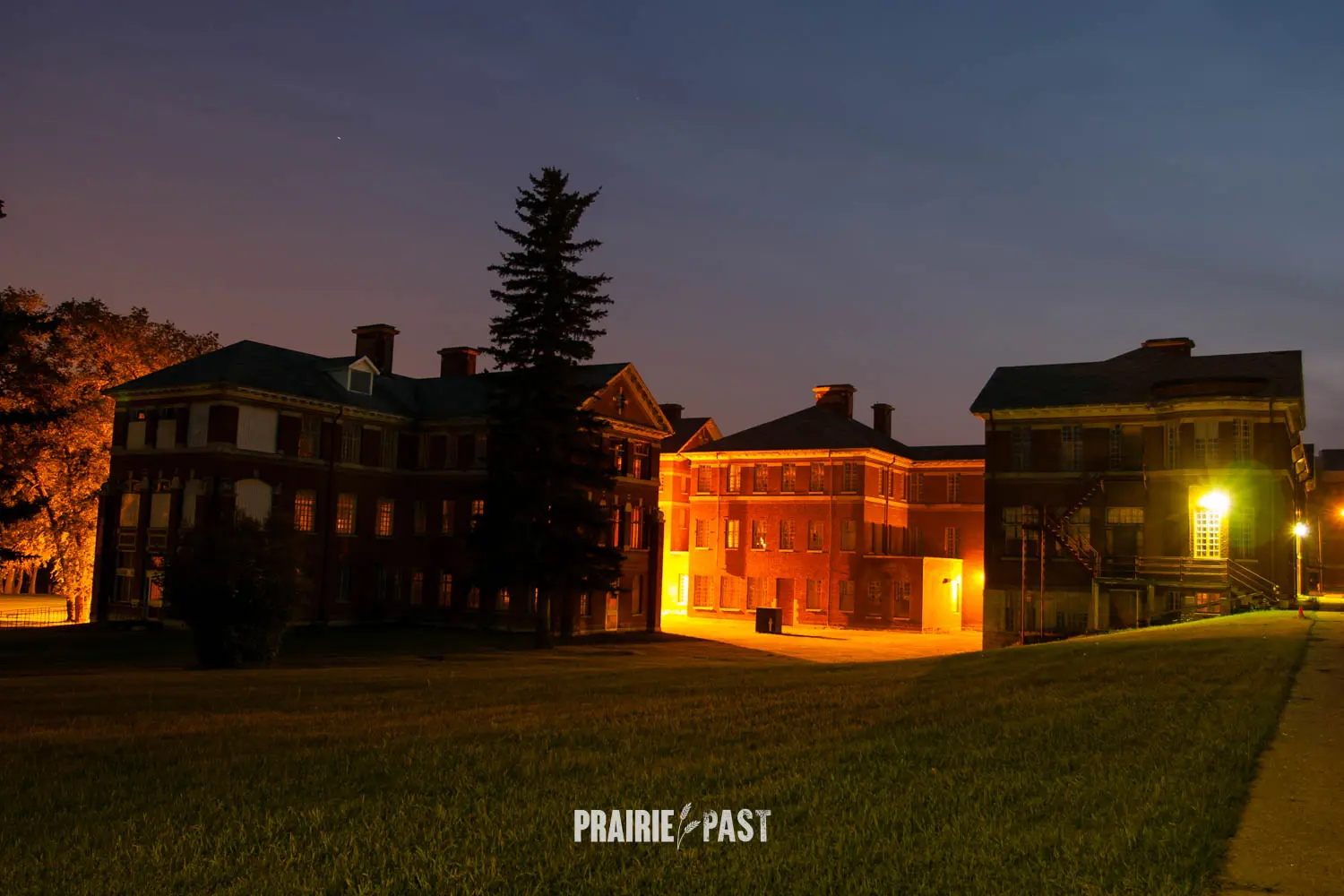
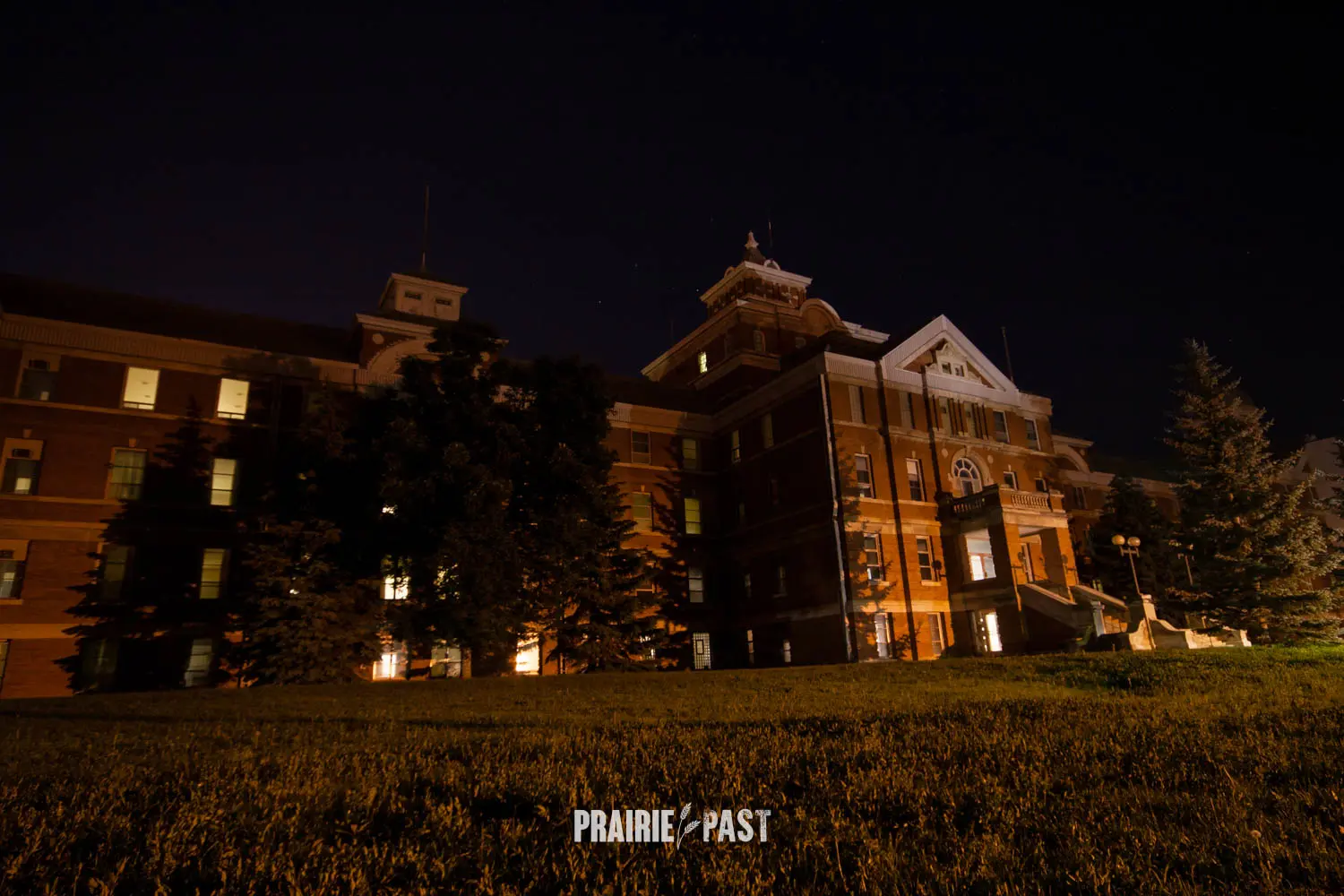
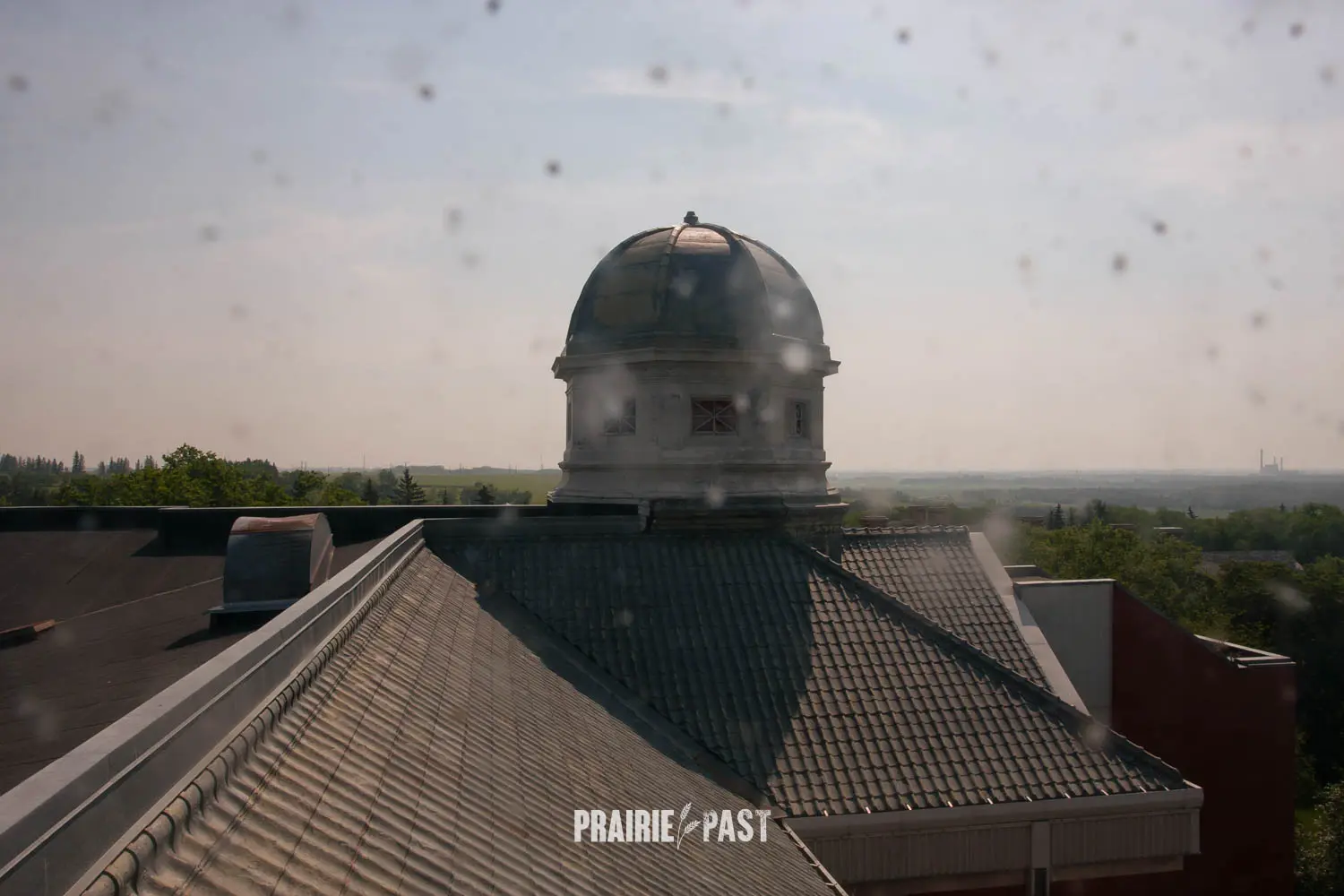
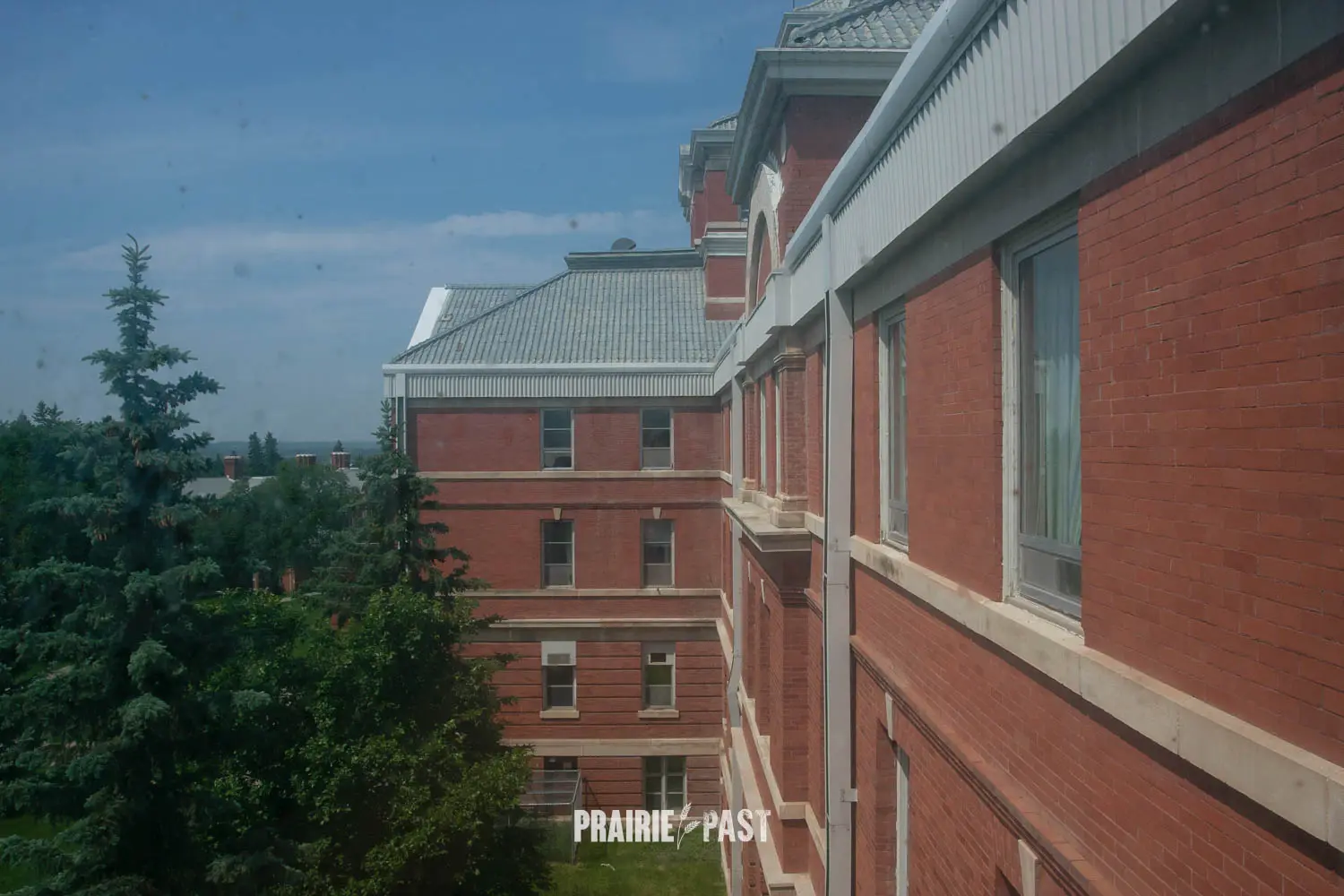
Perched on the north hill overlooking Brandon, Manitoba, the Parkland Building stands as a symbol of both architectural ambition and the evolving philosophy of mental health care in Canada. This monumental three-storey structure was once the centerpiece of the Brandon Asylum for the Insane, later known as the Brandon Mental Health Centre and remains one of the most prominent historical buildings in Manitoba’s prairie landscape.
The site’s institutional roots date back to 1890, when the Brandon Reformatory for Boys was constructed. Designed by architect Walter Chesterton and built by William Henry Rourke for $30,000, the building was intended to house 45 young offenders. However, it quickly became a political embarrassment. At one point, it had only a single inmate, a nine-year-old boy named Billy Mulligan, being overseen by a full staff of six.
In early 1891, the government announced the reformatory would be repurposed into a facility for individuals with mental illness from both Manitoba and the North West Territories. It was officially reopened as the Brandon Asylum for the Insane later that year.
As the institution grew, so did its facilities. Between 1892 and 1893, the original building was expanded with an addition, followed by a second expansion between 1903 and 1905. Despite these efforts, overcrowding and structural concerns persisted.
Then, in November 1910, disaster struck. A catastrophic fire engulfed the entire complex, forcing the evacuation of hundreds of patients. While there were no fatalities, the facility was a total loss.
Construction of a replacement began almost immediately. The new building was ambitious in scale and modern in design. Built by local contractors, the structure became known as the Parkland Building. It officially opened in 1912, capable of housing nearly 700 patients.
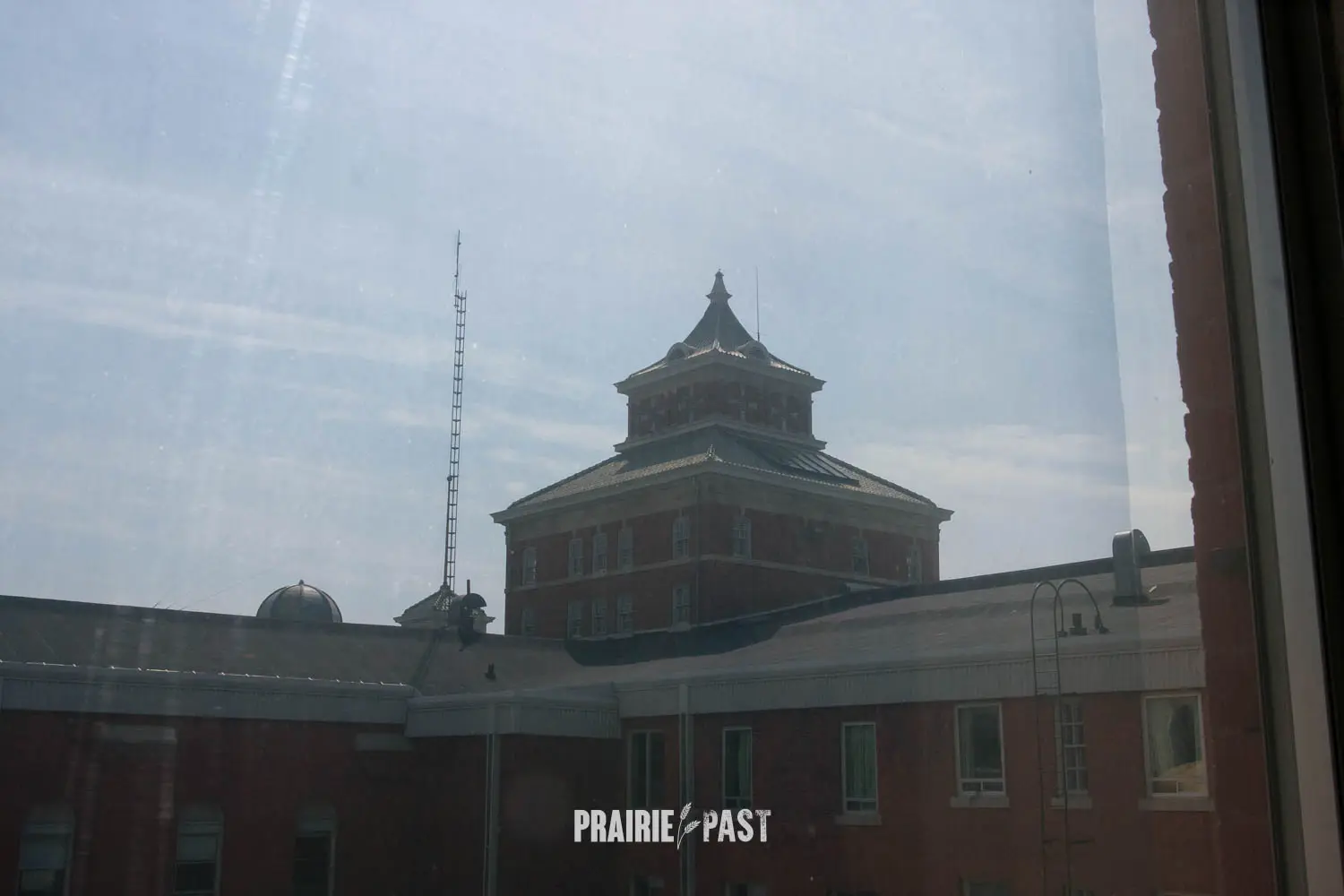
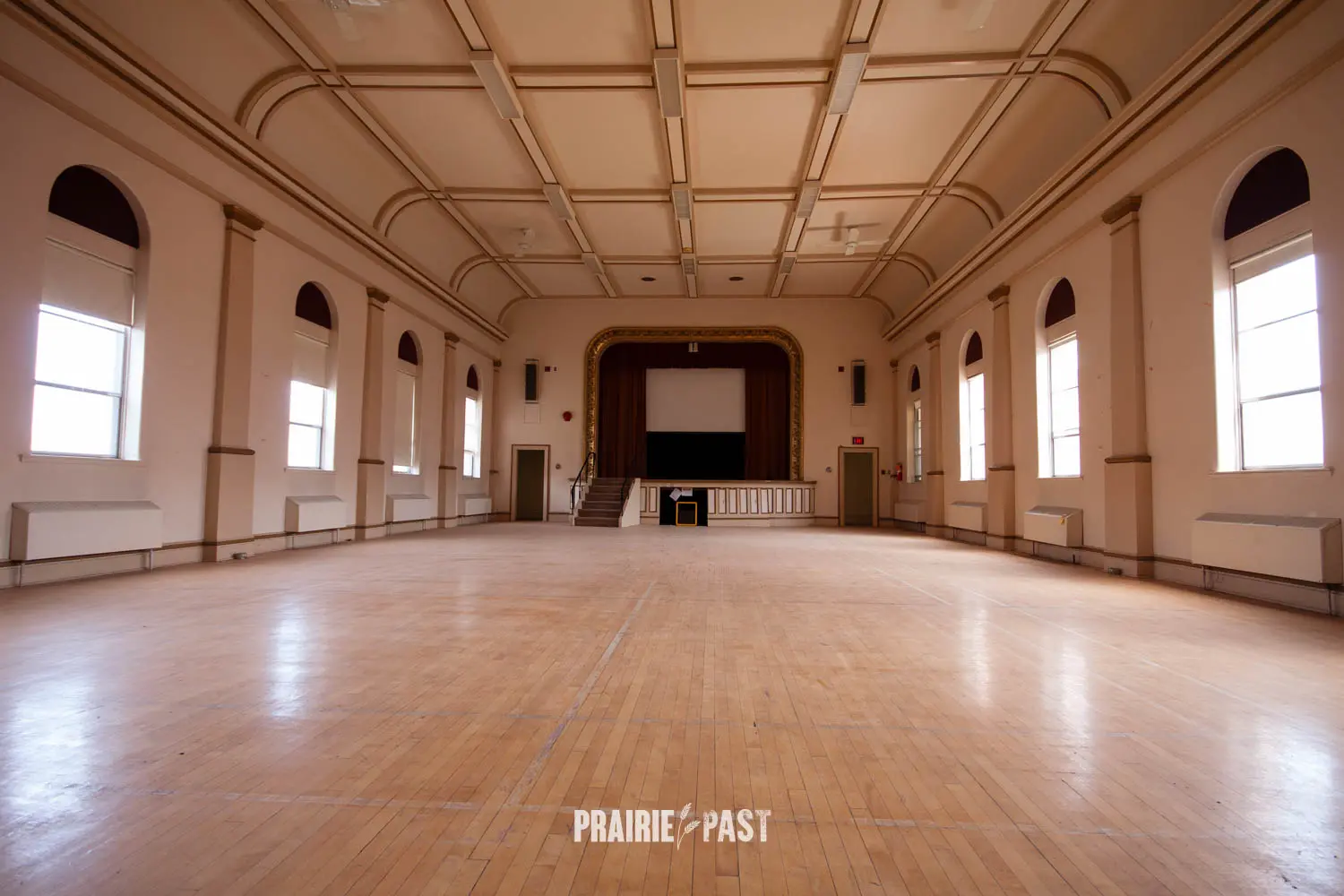
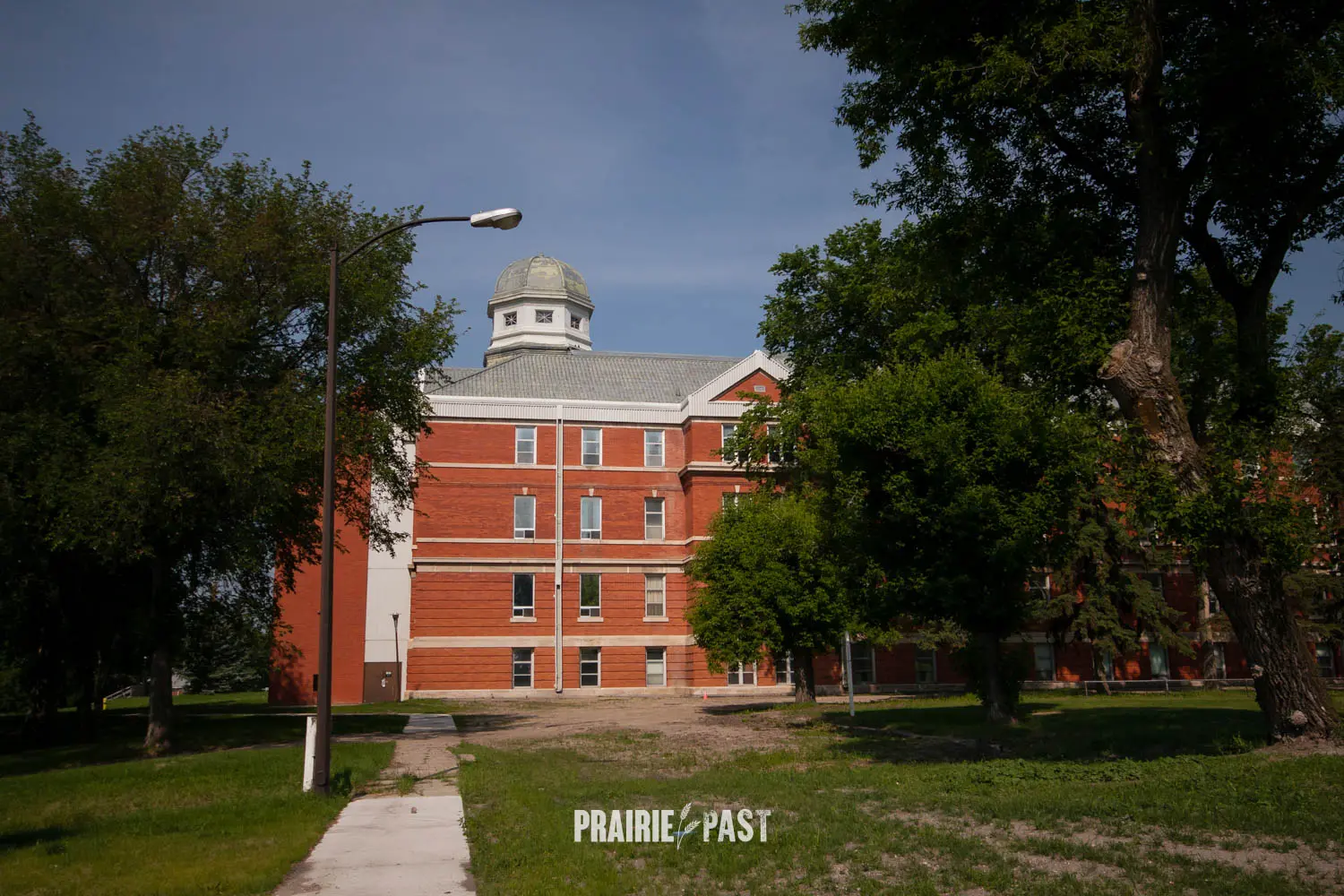
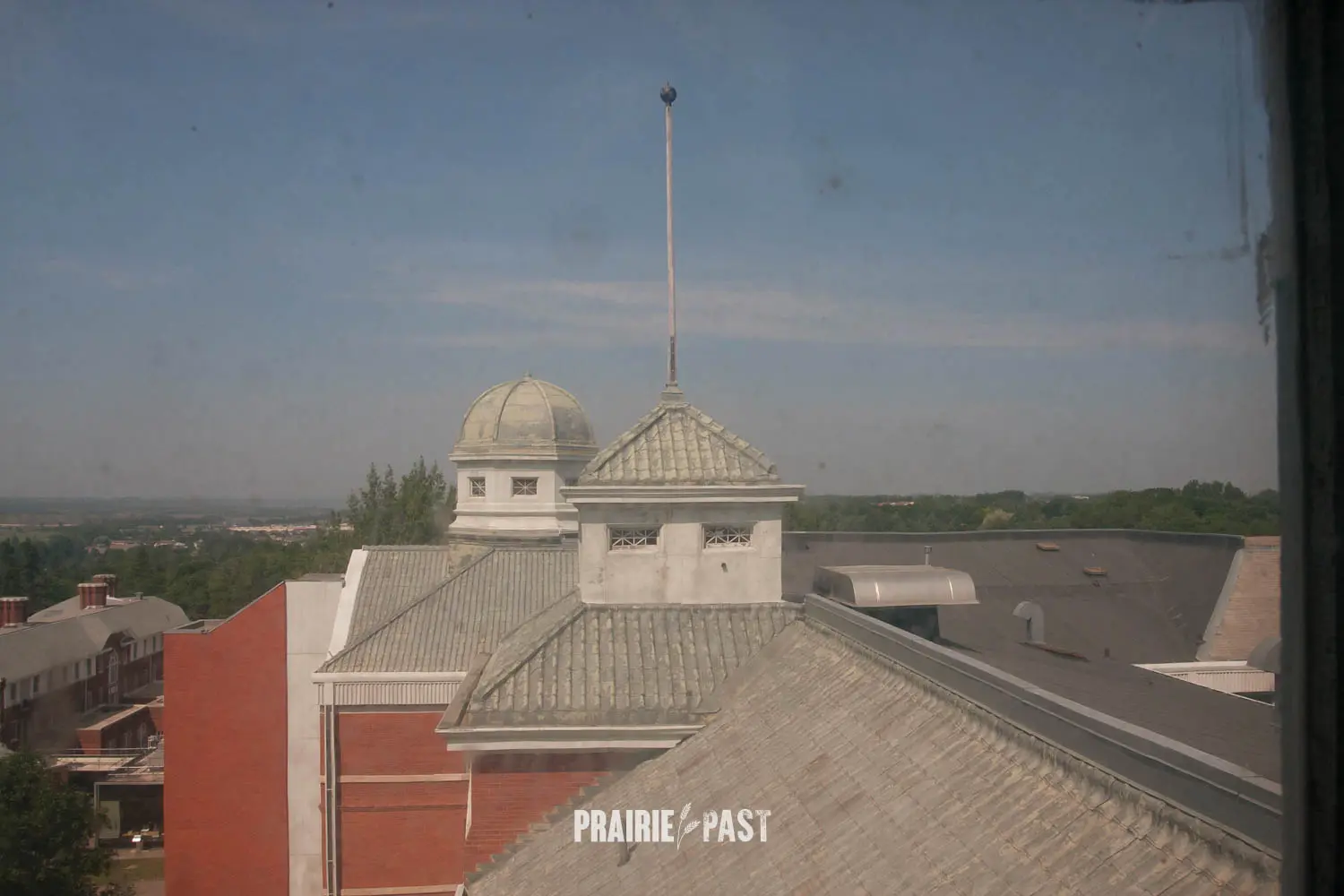
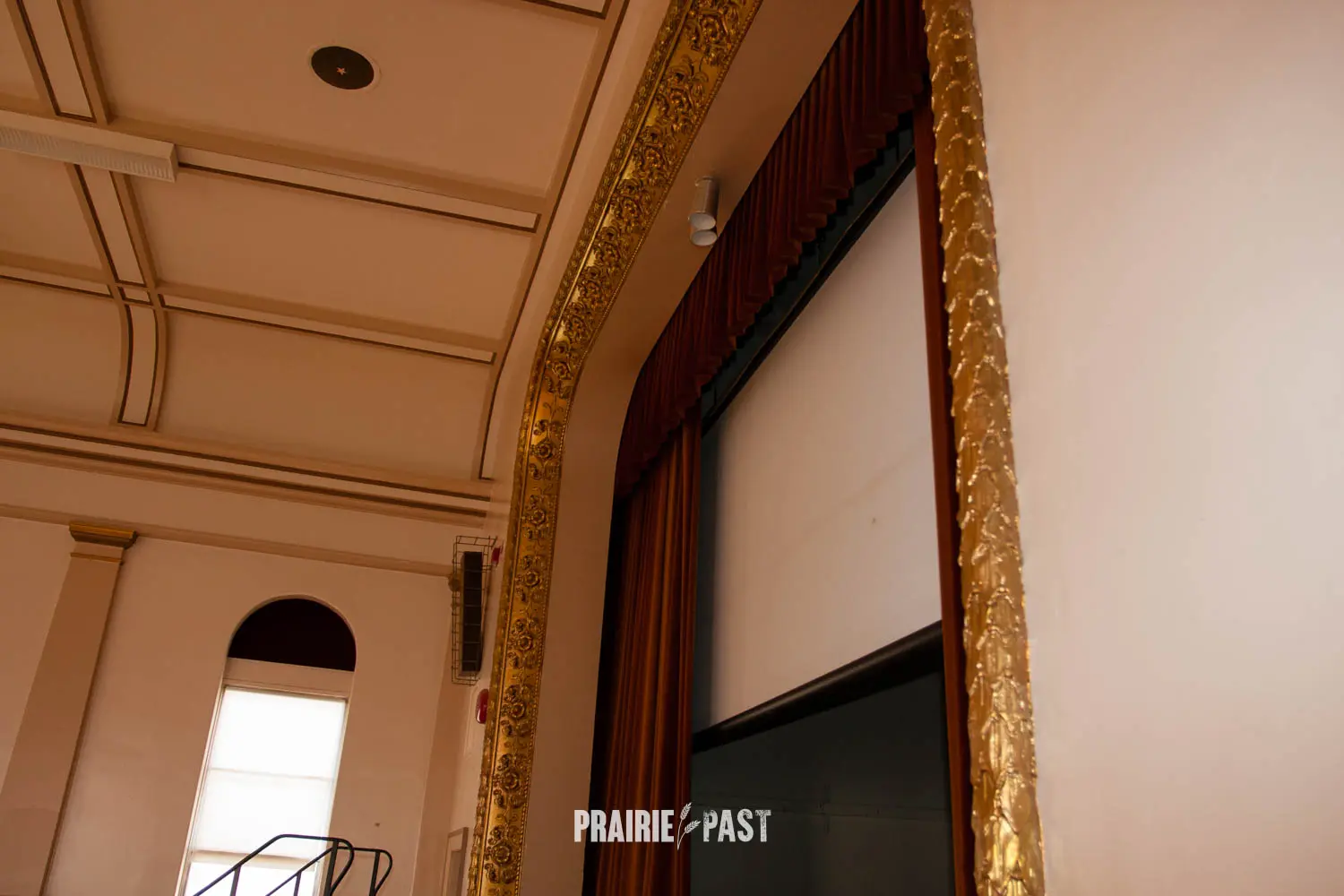
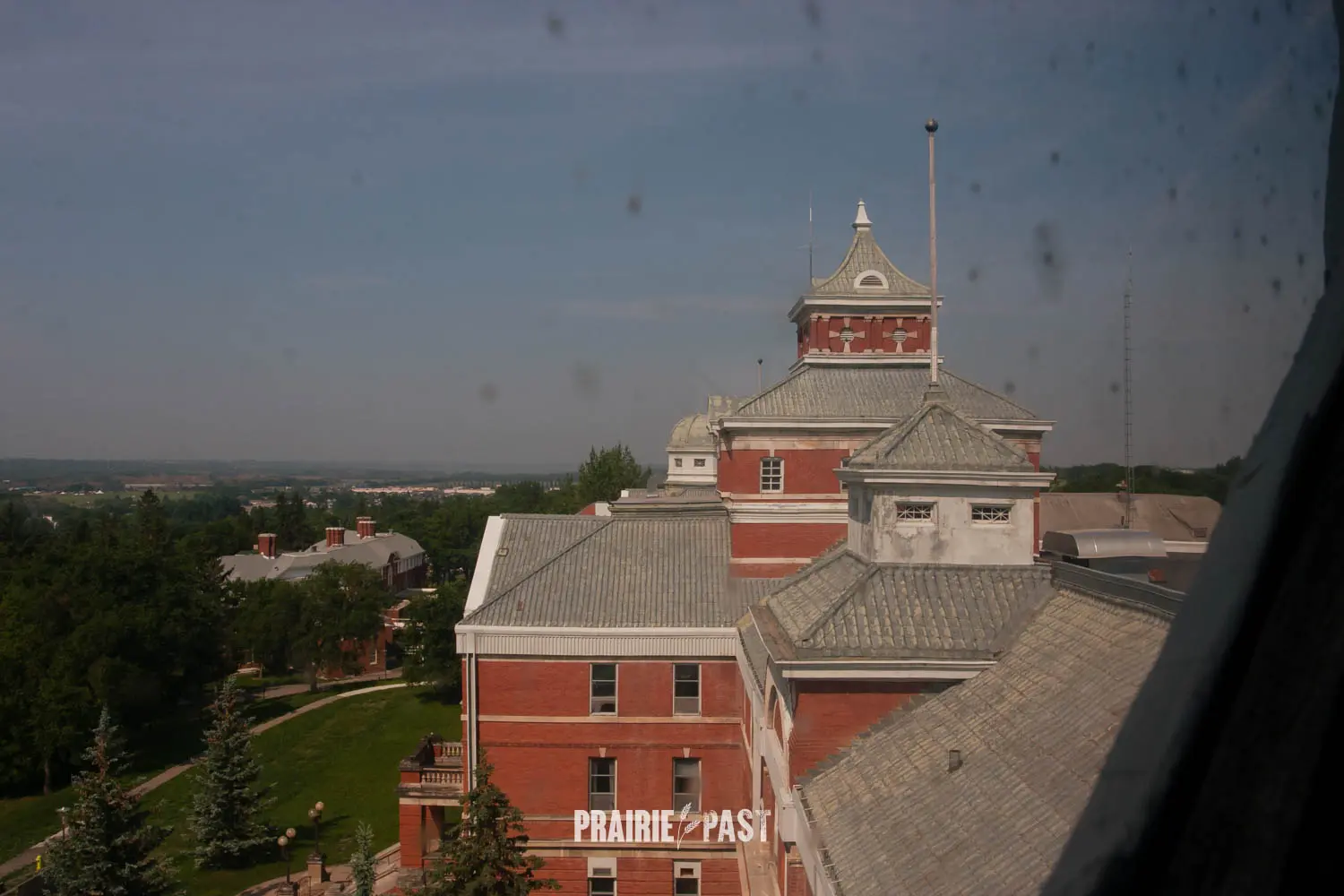
Architecturally, the Parkland Building reflected early 20th-century ideals of institutional design. With its symmetrical form, red brick and Tyndall stone facade, and expansive footprint, it symbolized both the state’s commitment to mental health care and the era’s approach to large-scale institutionalization. The building was one of the most advanced of its kind at the time and stood as the new heart of the Brandon mental health campus.
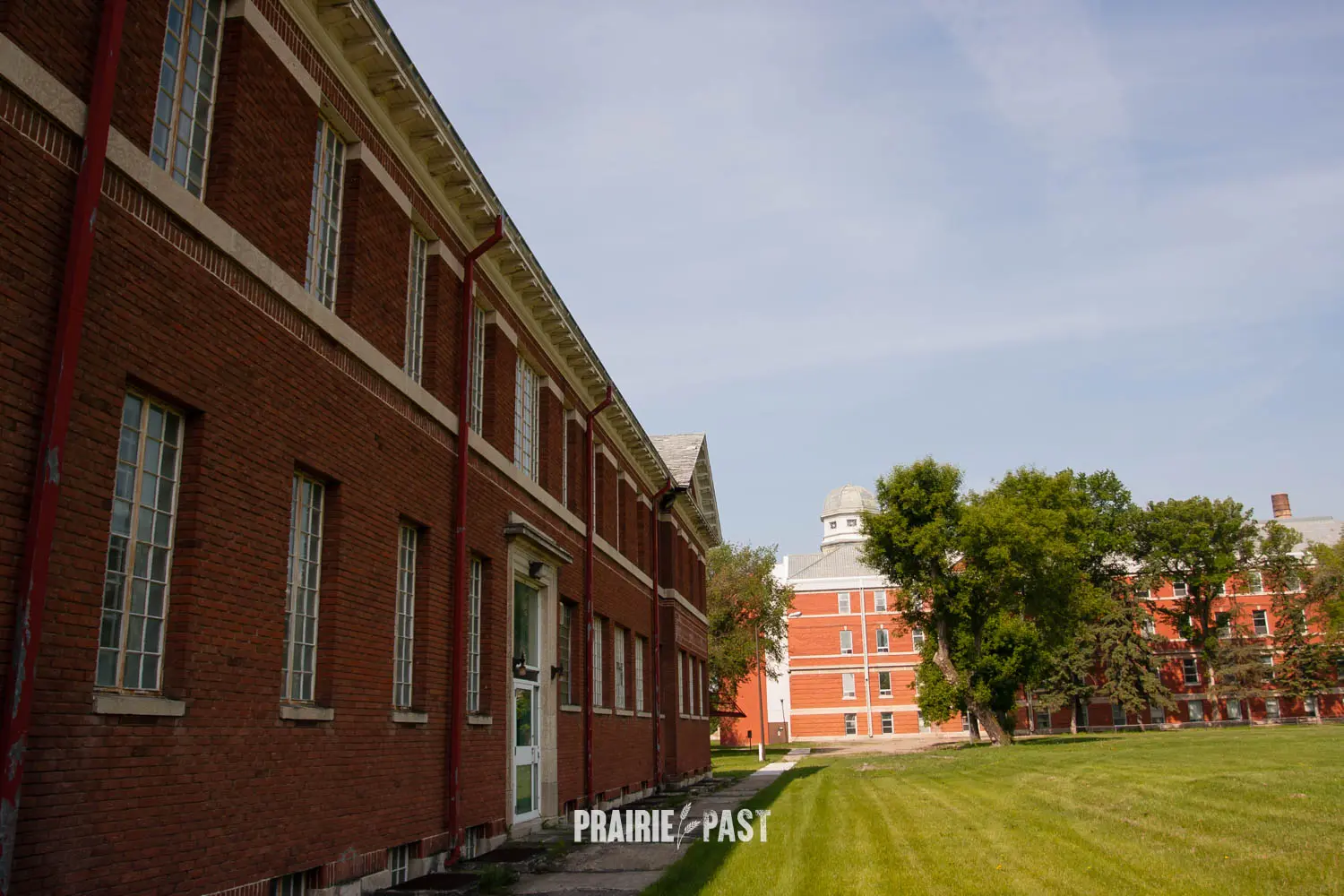
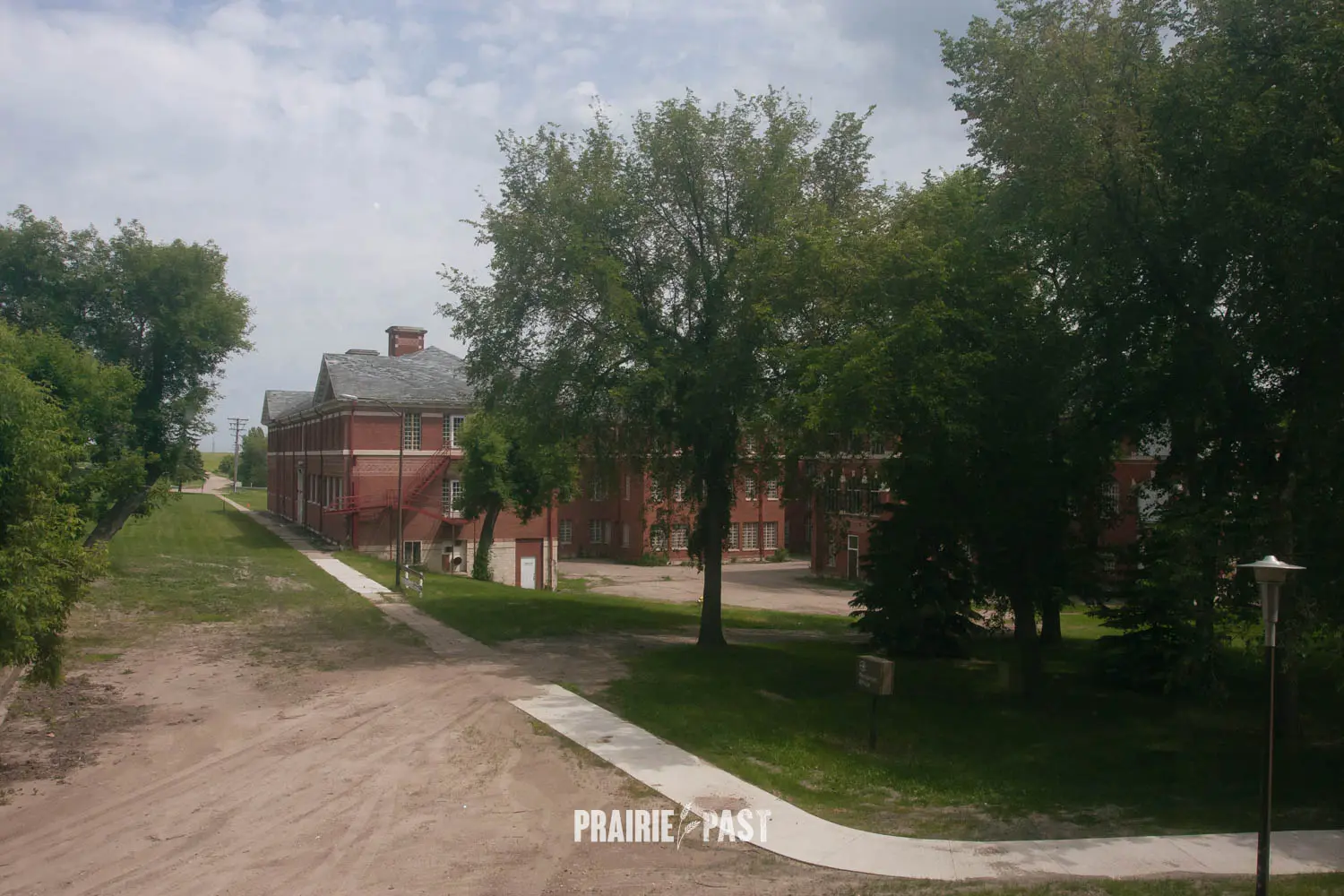
The Parkland Building was not isolated; it was part of a growing and self-sustaining complex. Over the years, the following buildings were added to support the institution’s operations:
- Superintendent’s Residence (1909)
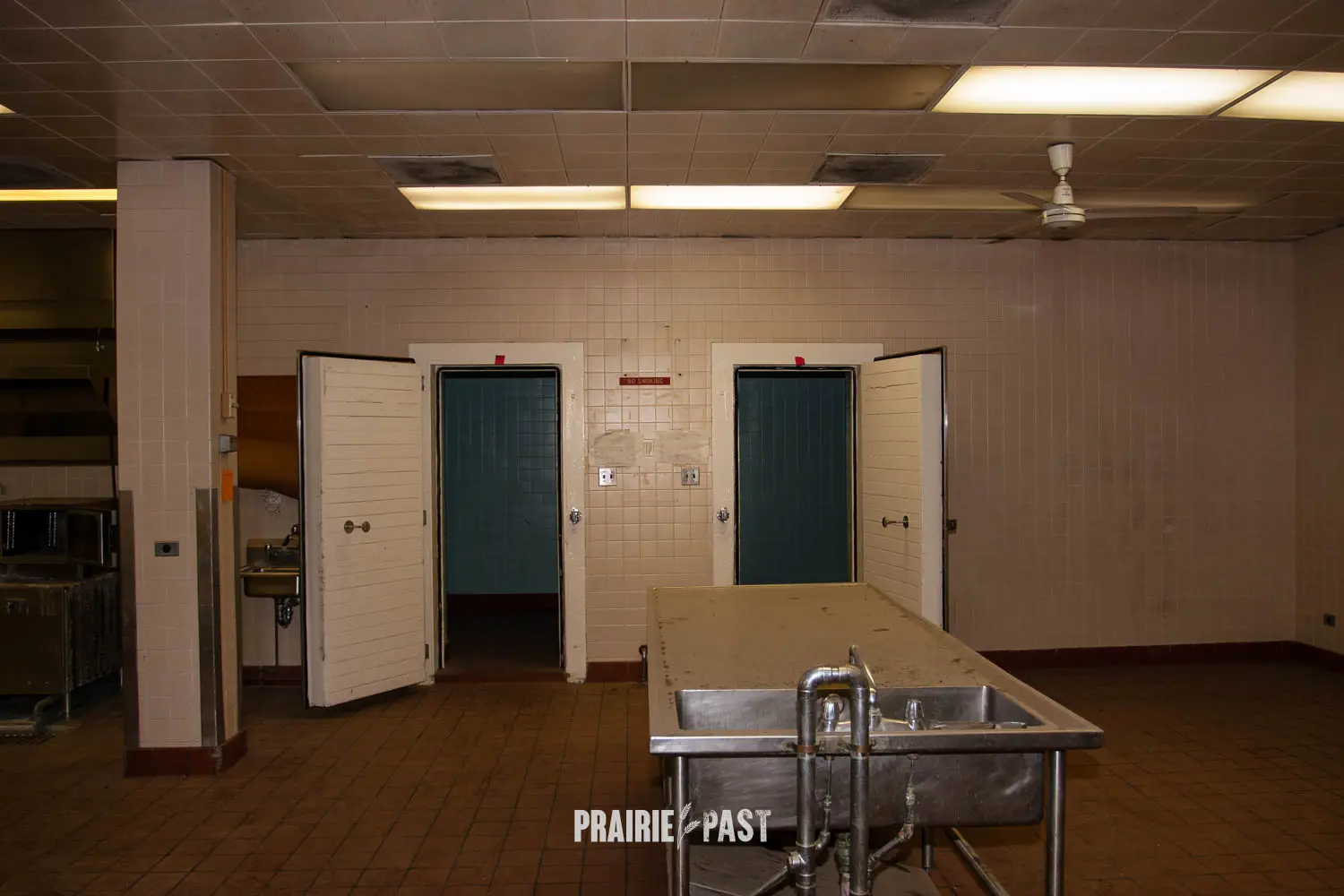
- Morgue (1913)
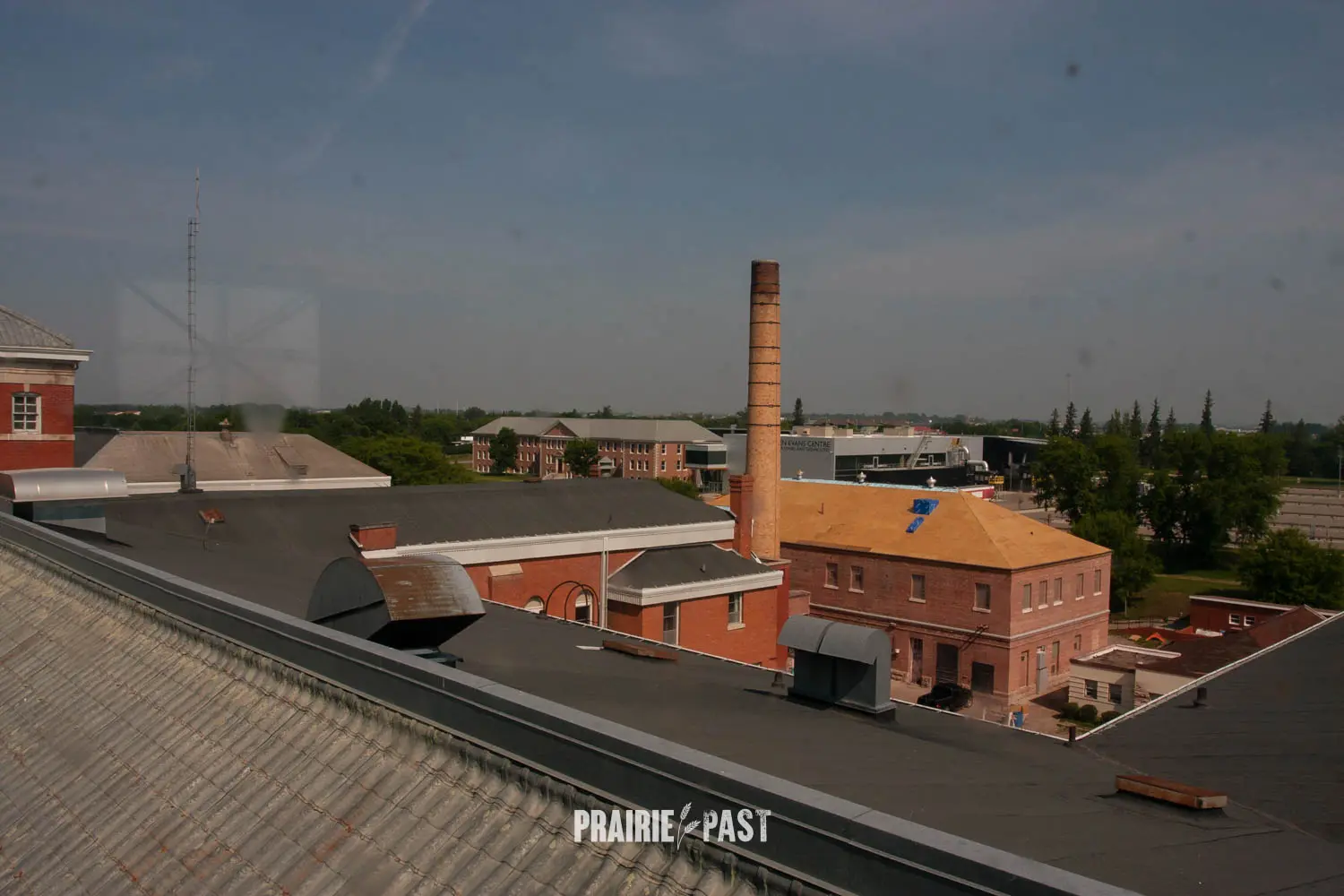
- Power House and Stores Building (1912)
- Coal House (1914)
- Five employee cottages
- A laundry facility
- A working farm, which provided fresh produce and operated as part of patient rehabilitation programs
Later expansions included:
- Nurses’ Residence (1920–1923)
- Valleyview Building (1920–1924) *click to see our exploration*
- Pine Ridge Building (1931–1932)
- Trades Building (1953–1954)
- Physician’s Residence (1960)
- A new laundry facility (1961)
By 1964, the entire complex was connected to the city’s sewage system, modernizing its infrastructure. At its peak, the site functioned as a small, self-contained village with residences, workplaces, and farmland.
The asylum was renamed the Brandon Hospital for Mental Diseases in 1919, and later the Brandon Mental Health Centre in 1972, reflecting evolving attitudes toward mental illness. However, as mental health care policy shifted away from institutionalization and toward community-based models, the need for such large-scale facilities declined.
The Valleyview Building was closed in 1992, and in 1993, the provincial government announced the full closure of the centre. The final patients were transferred to a new facility in November 1998, marking the end of an era.
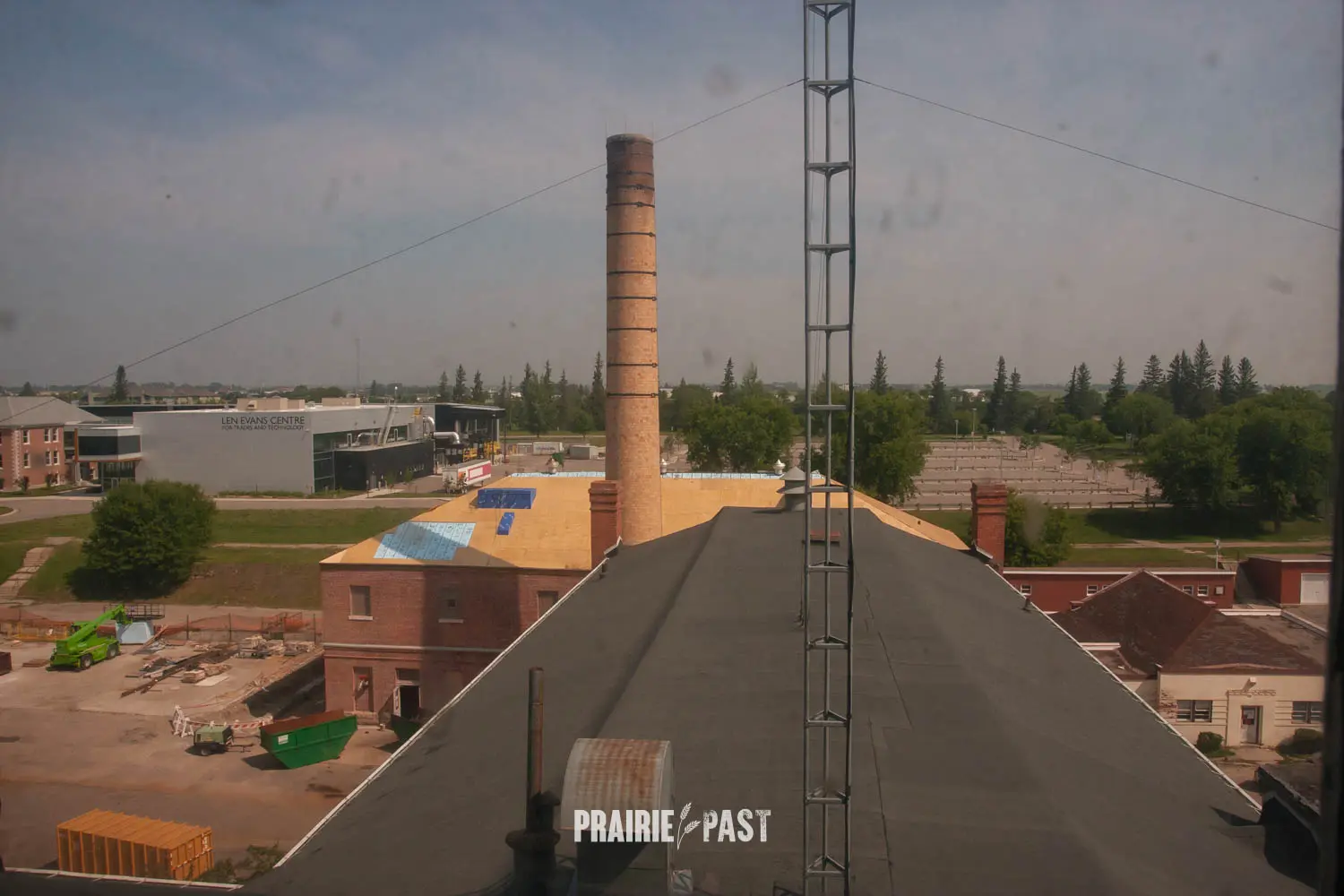
Though many of the original buildings stood vacant for years, the site has slowly begun to find new life. The Nurses’ Residence was the first to be repurposed, and is now home to the Manitoba Institute of Culinary Arts, part of Assiniboine Community College.
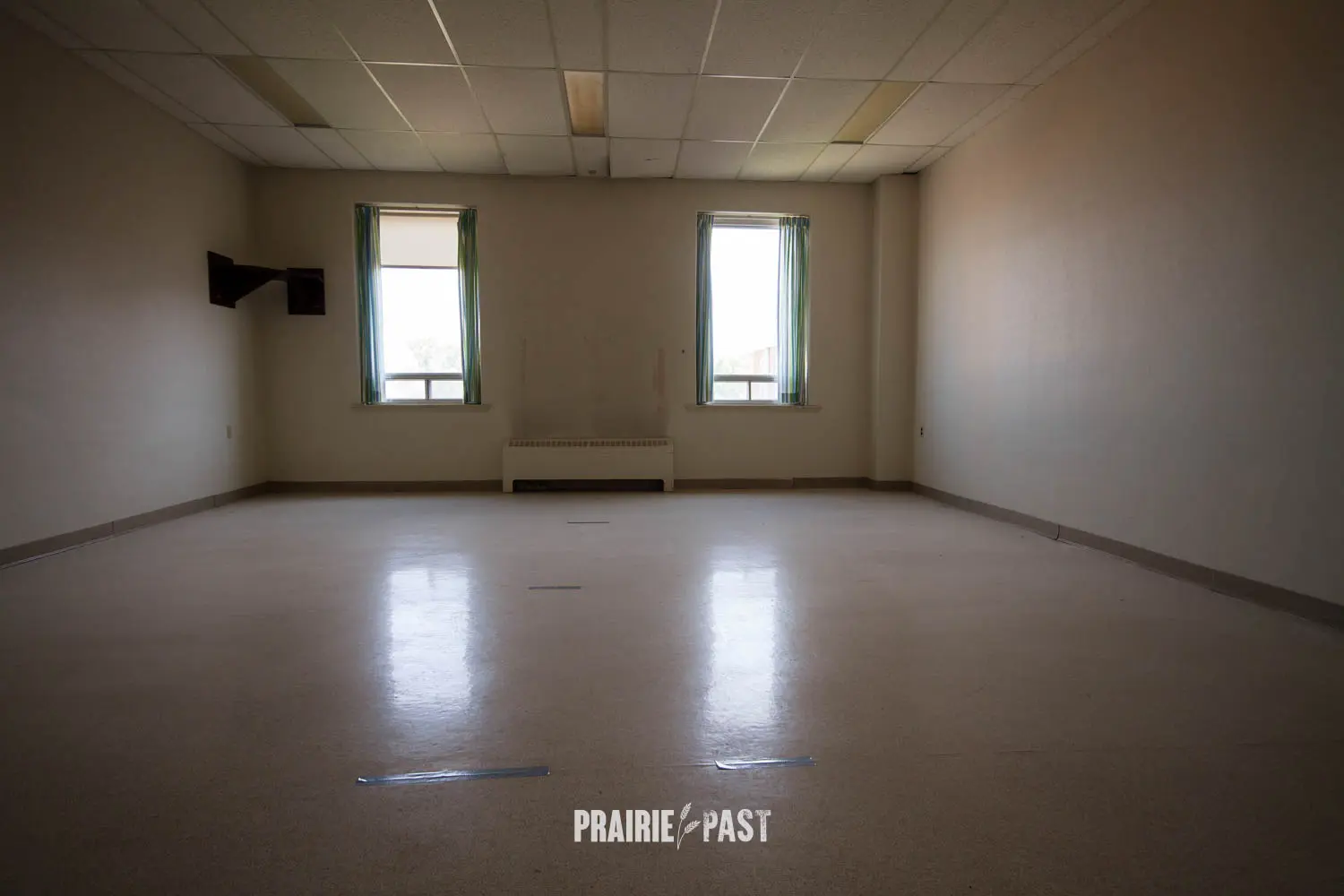
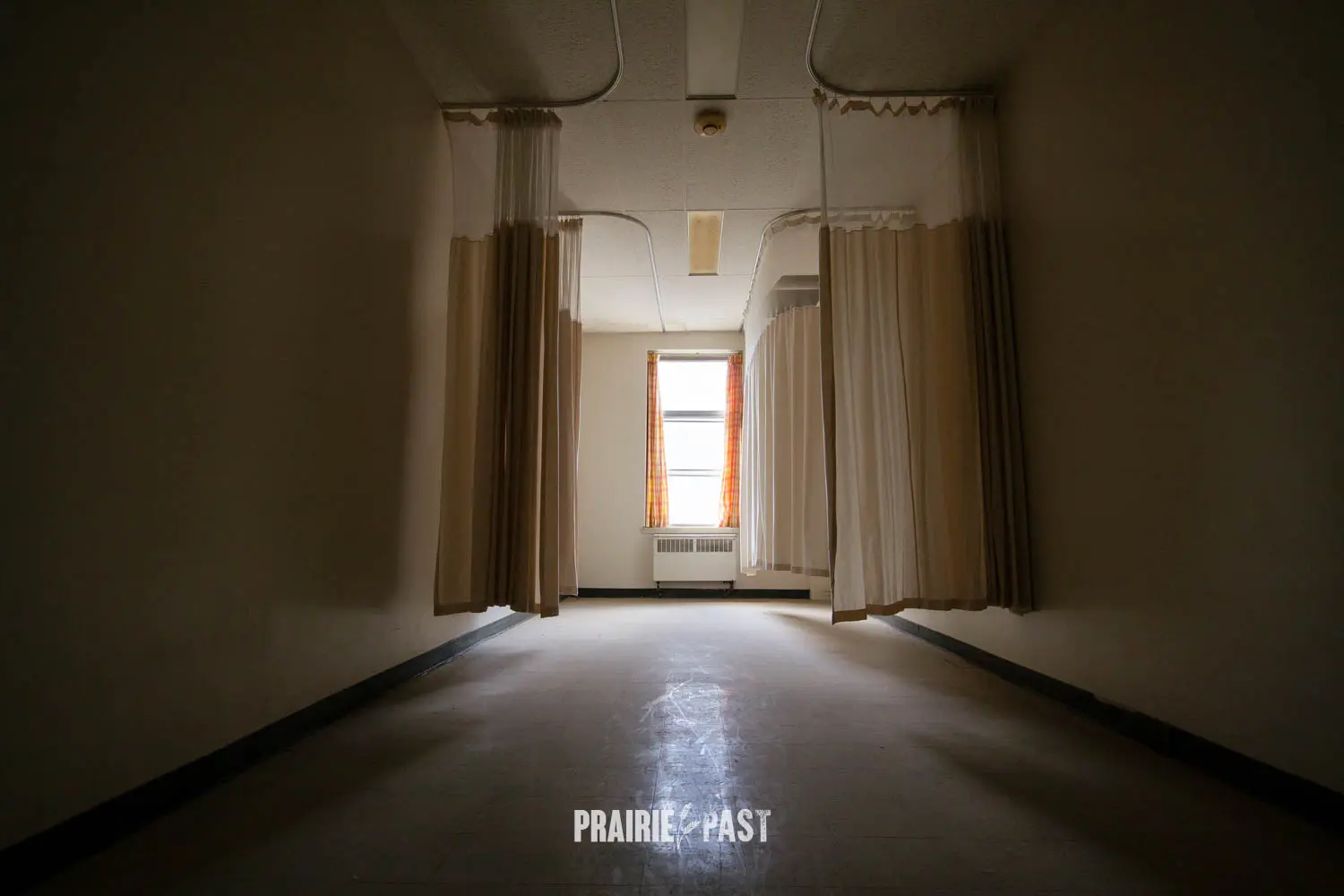
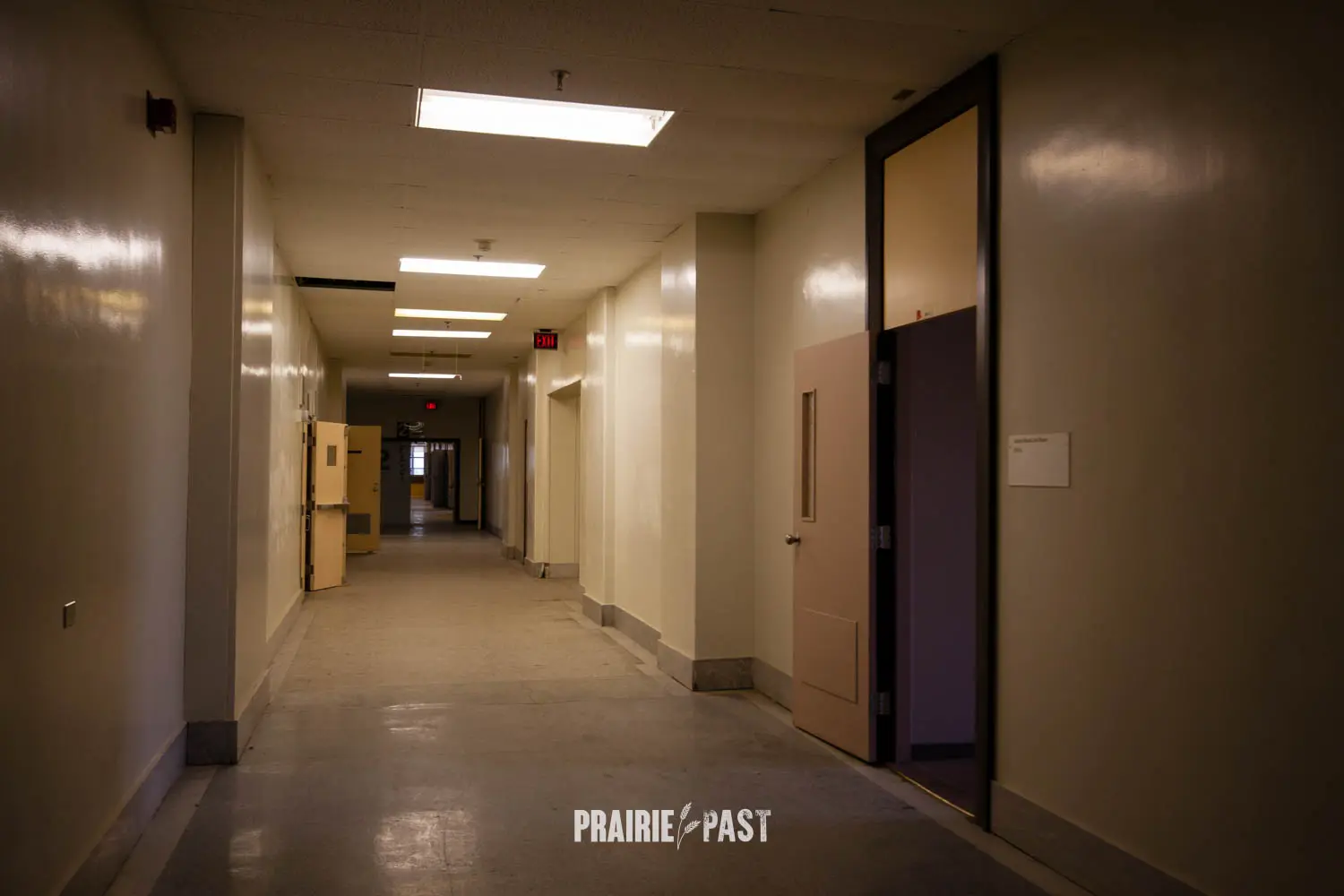
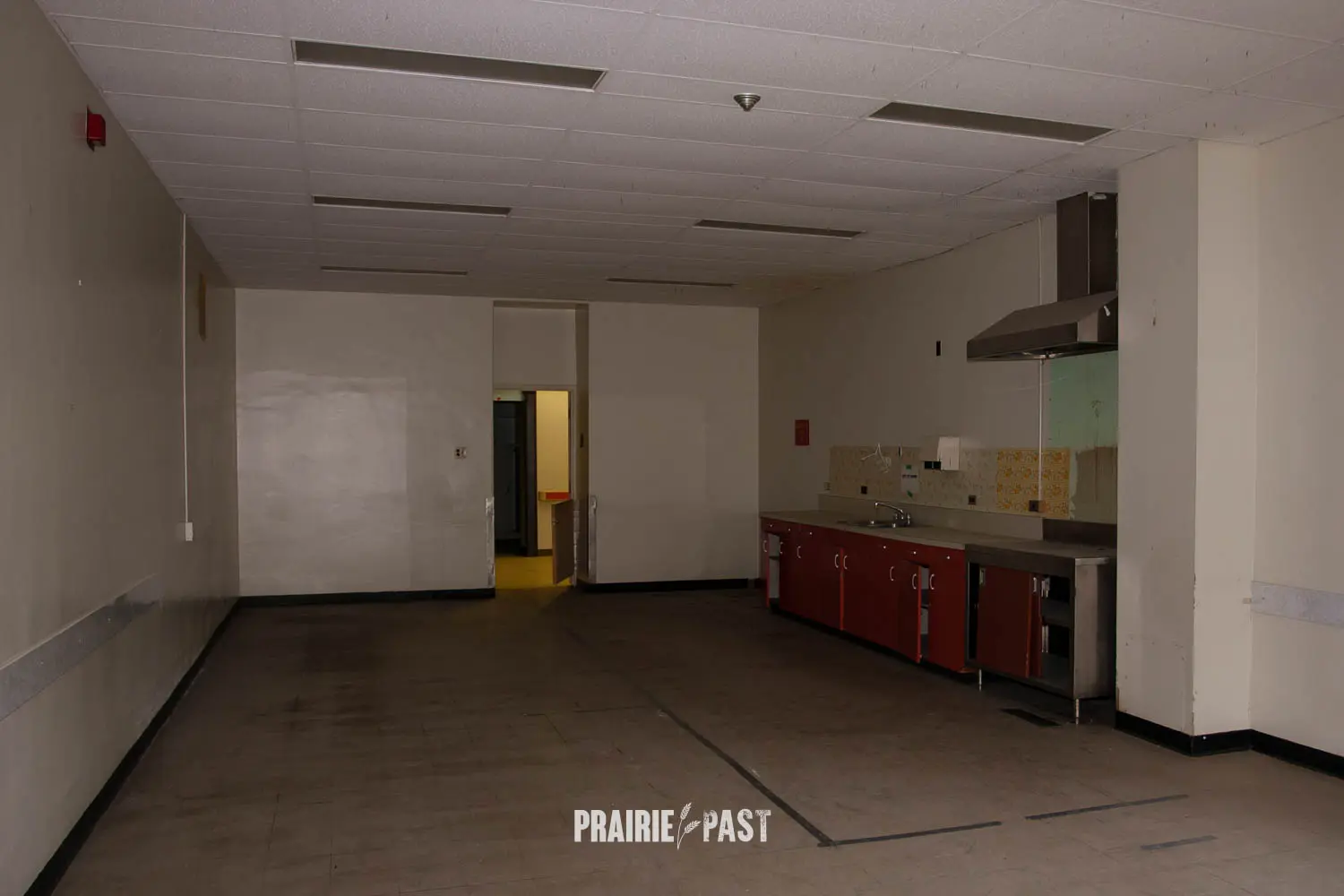
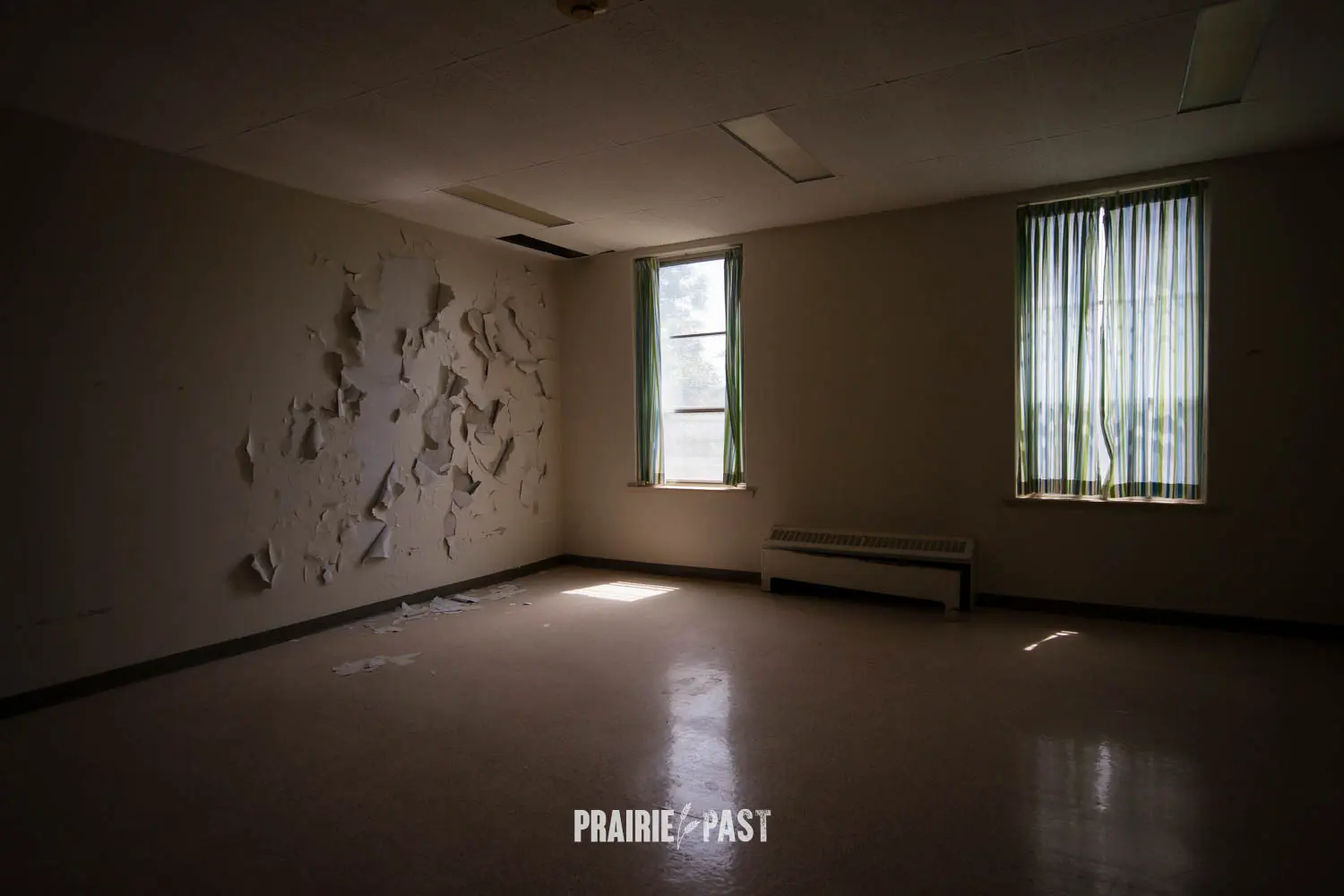
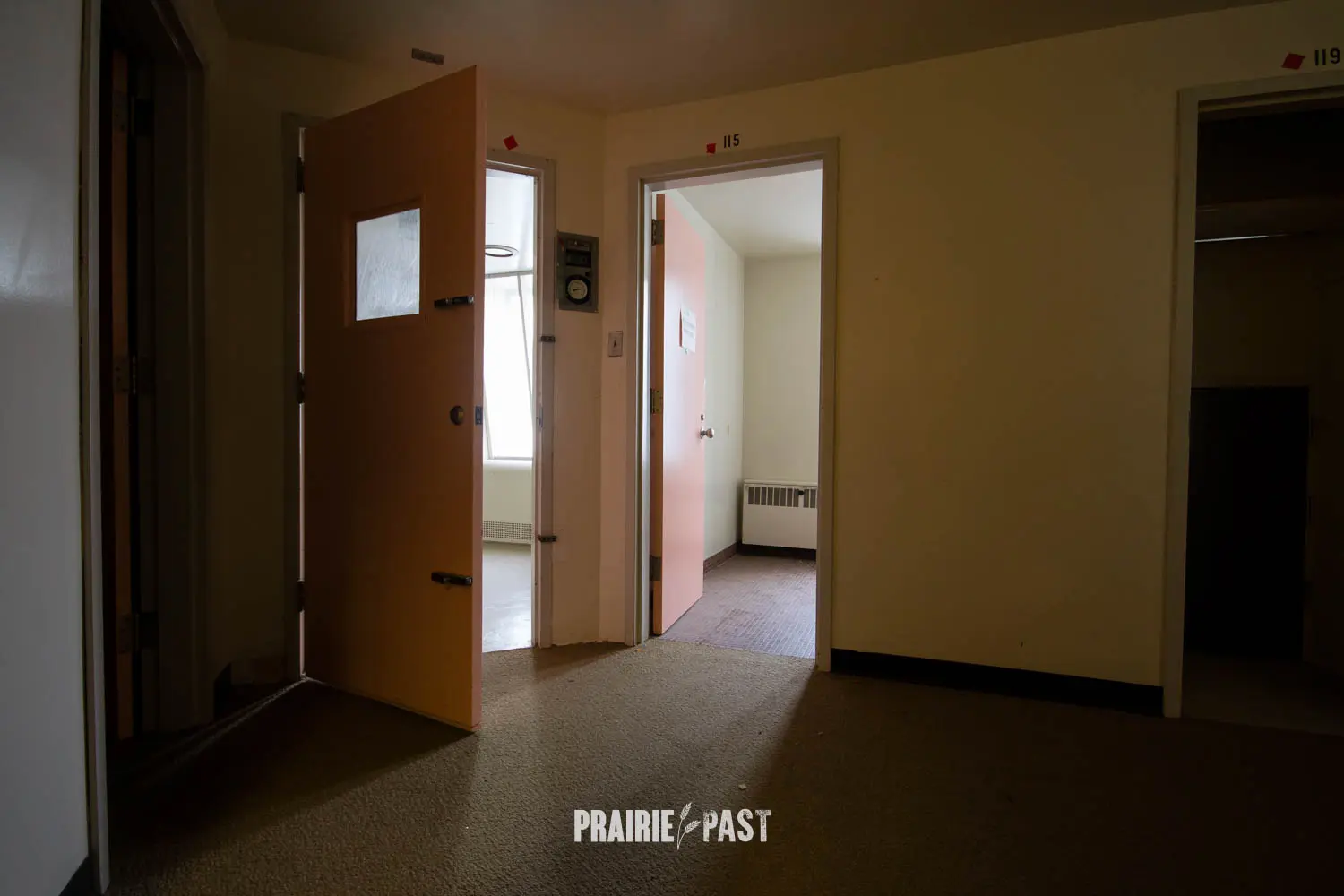
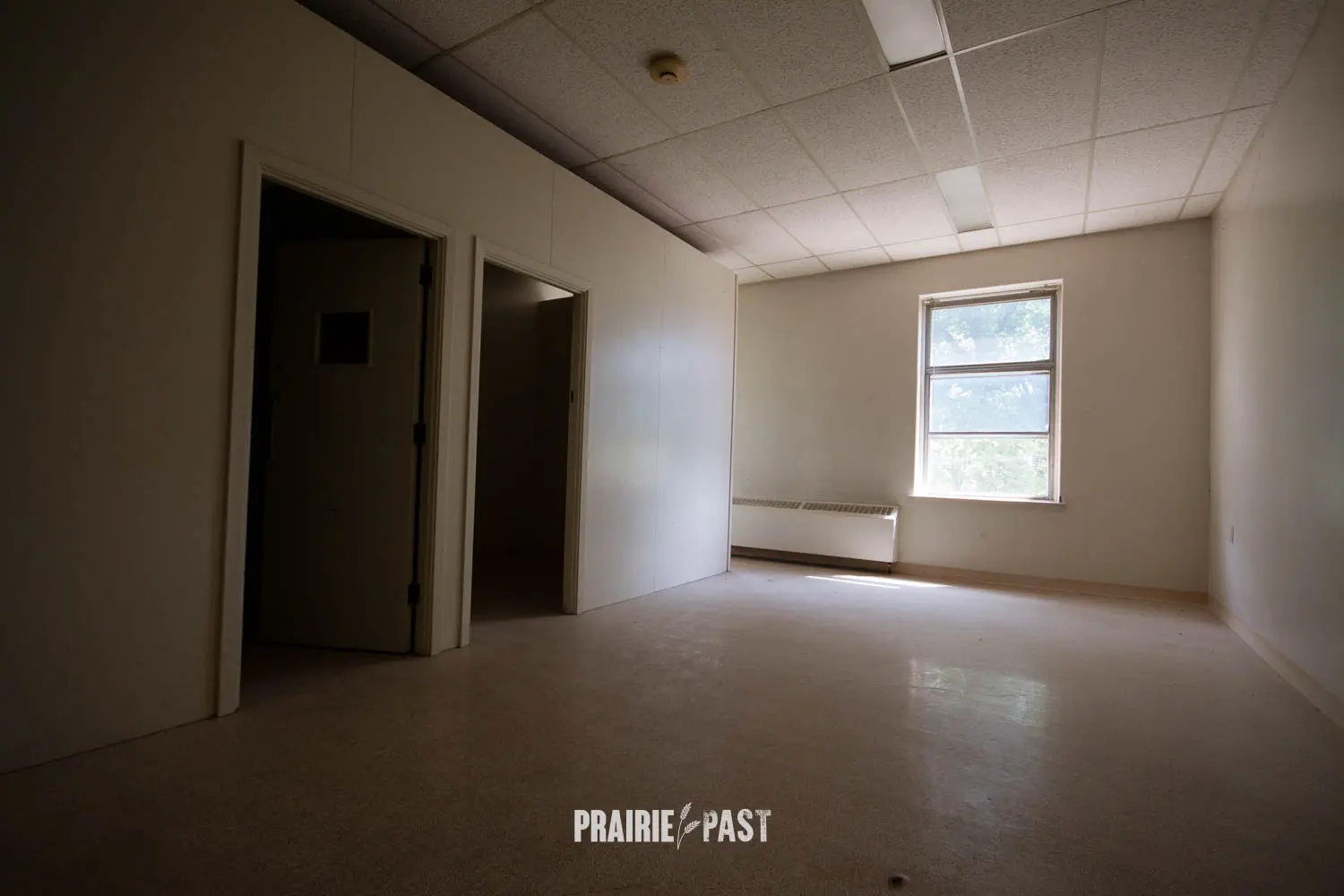
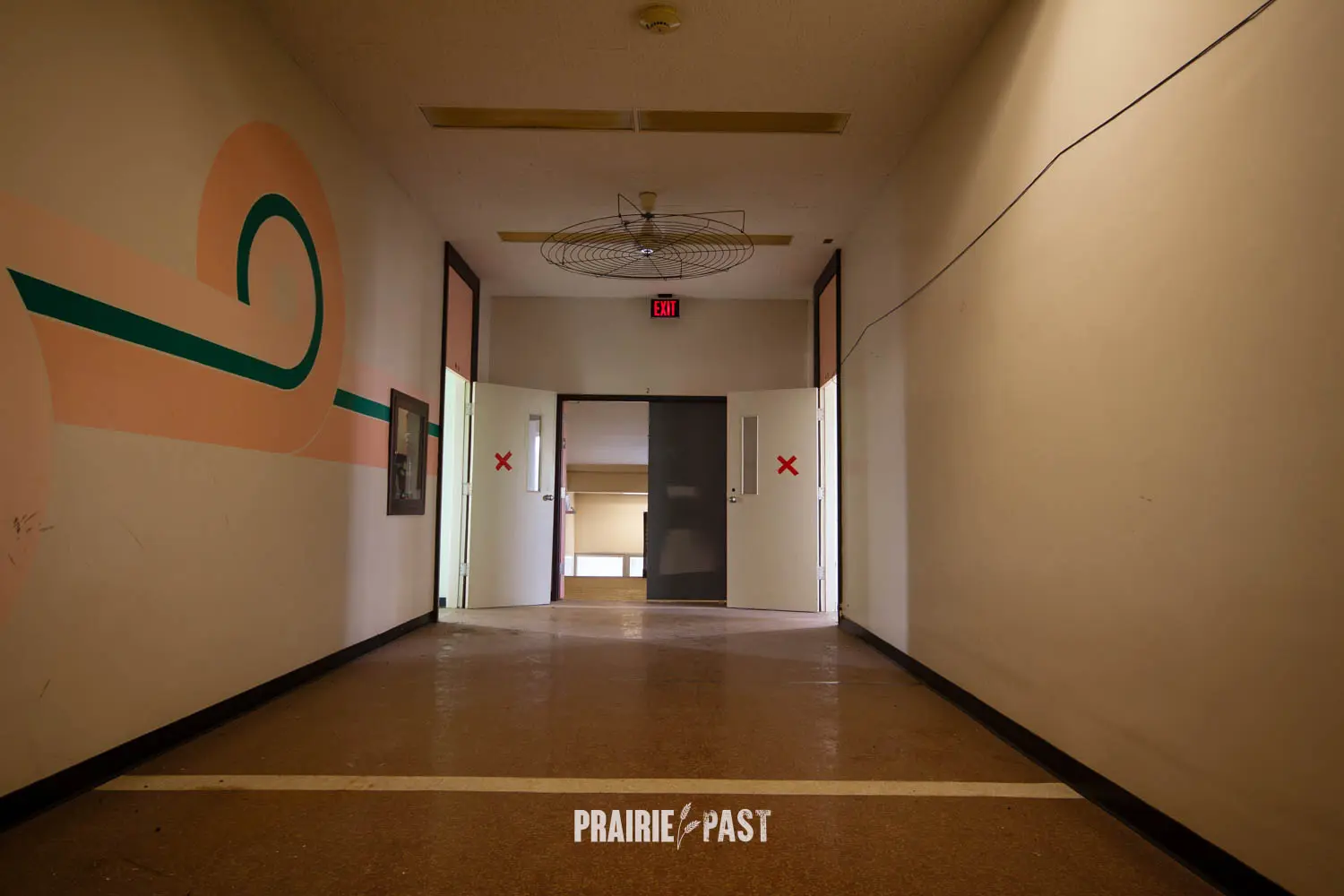
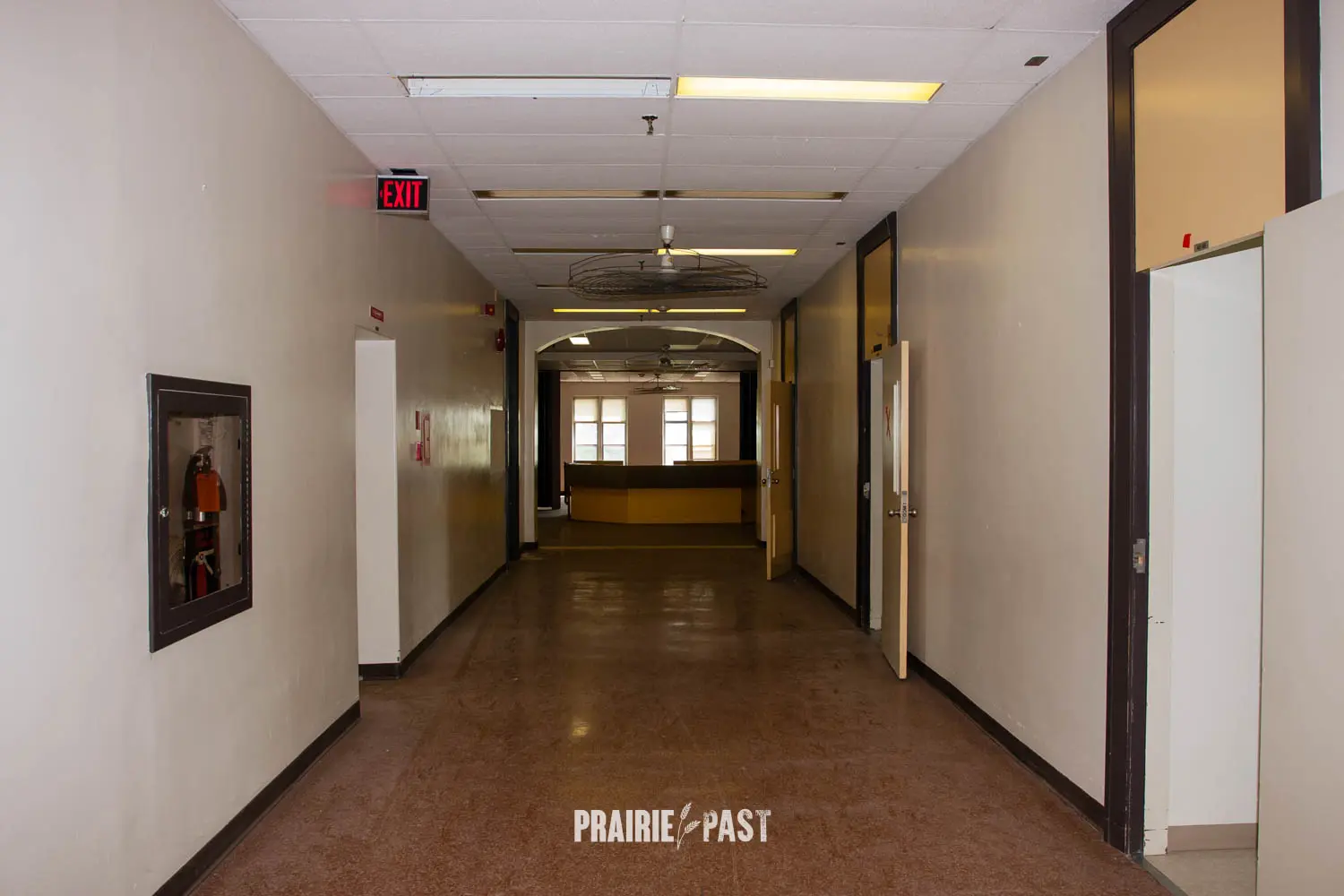
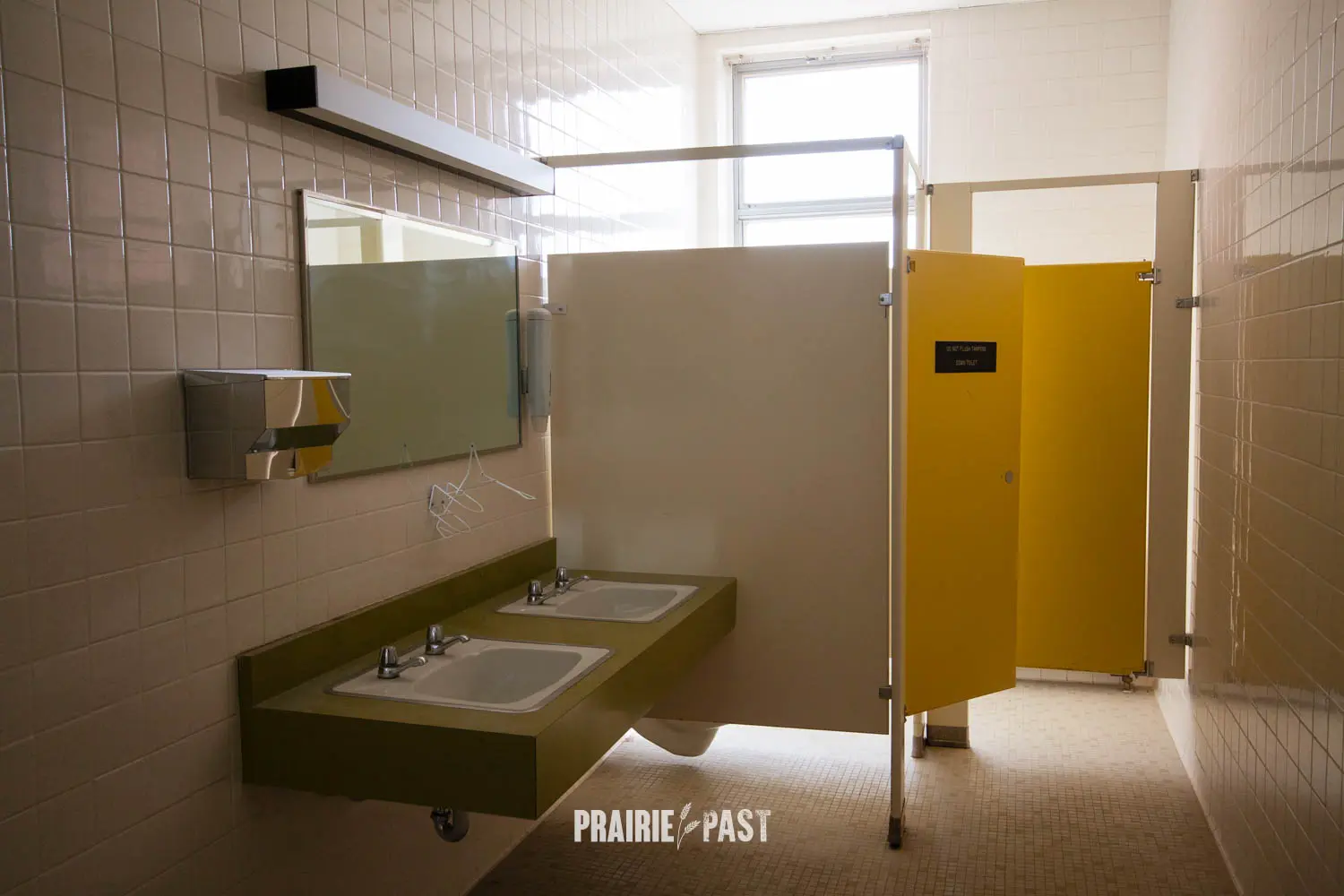
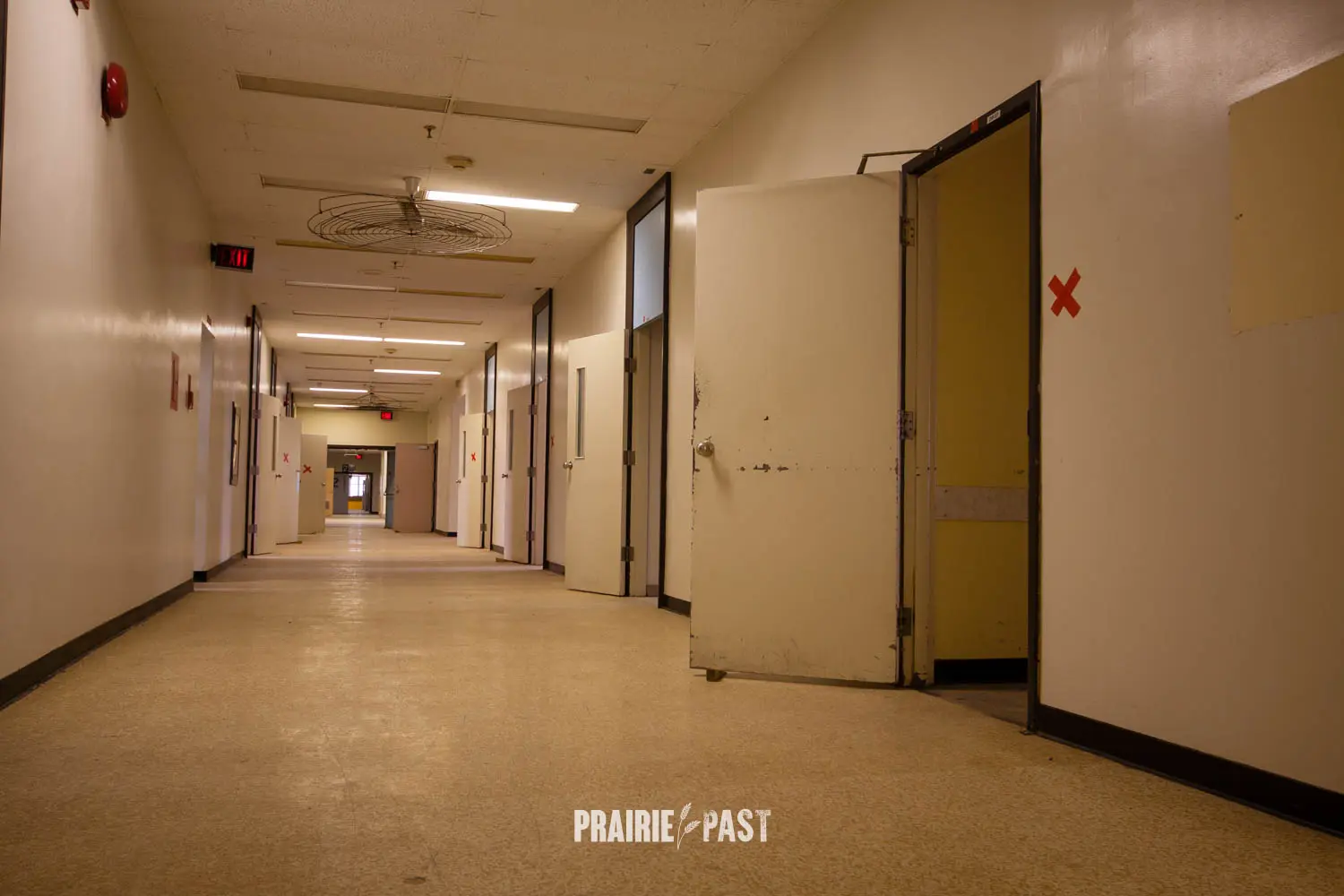
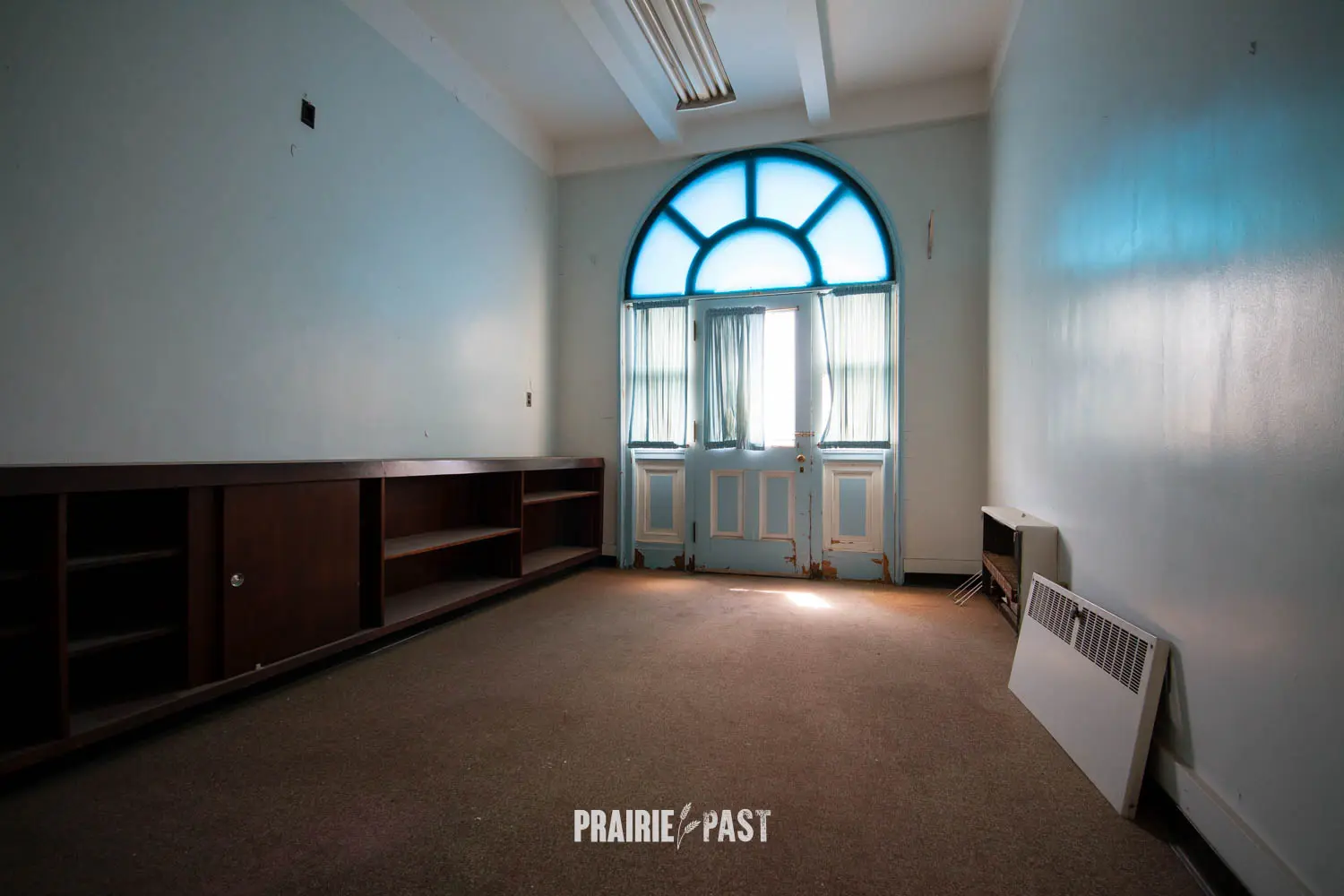
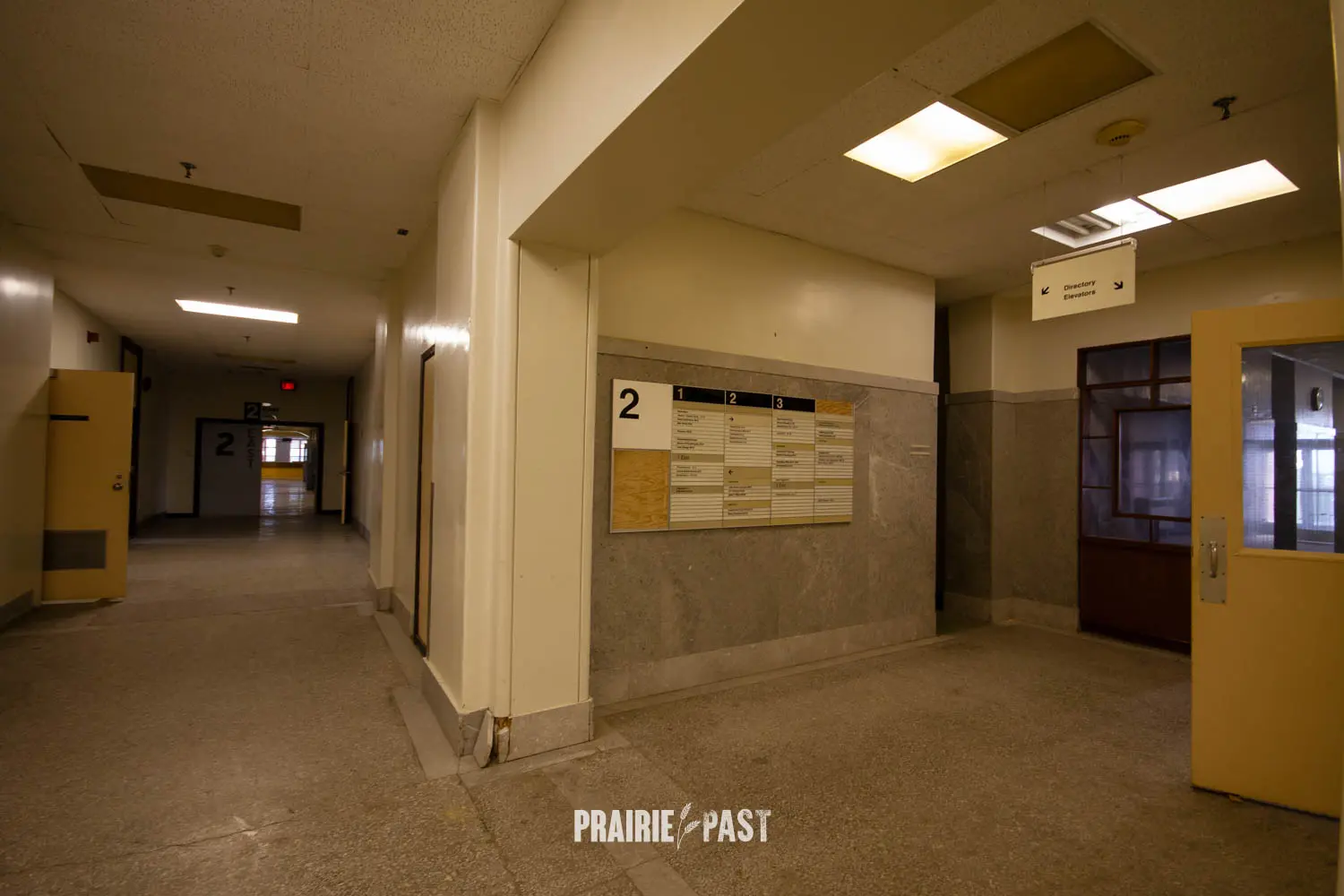
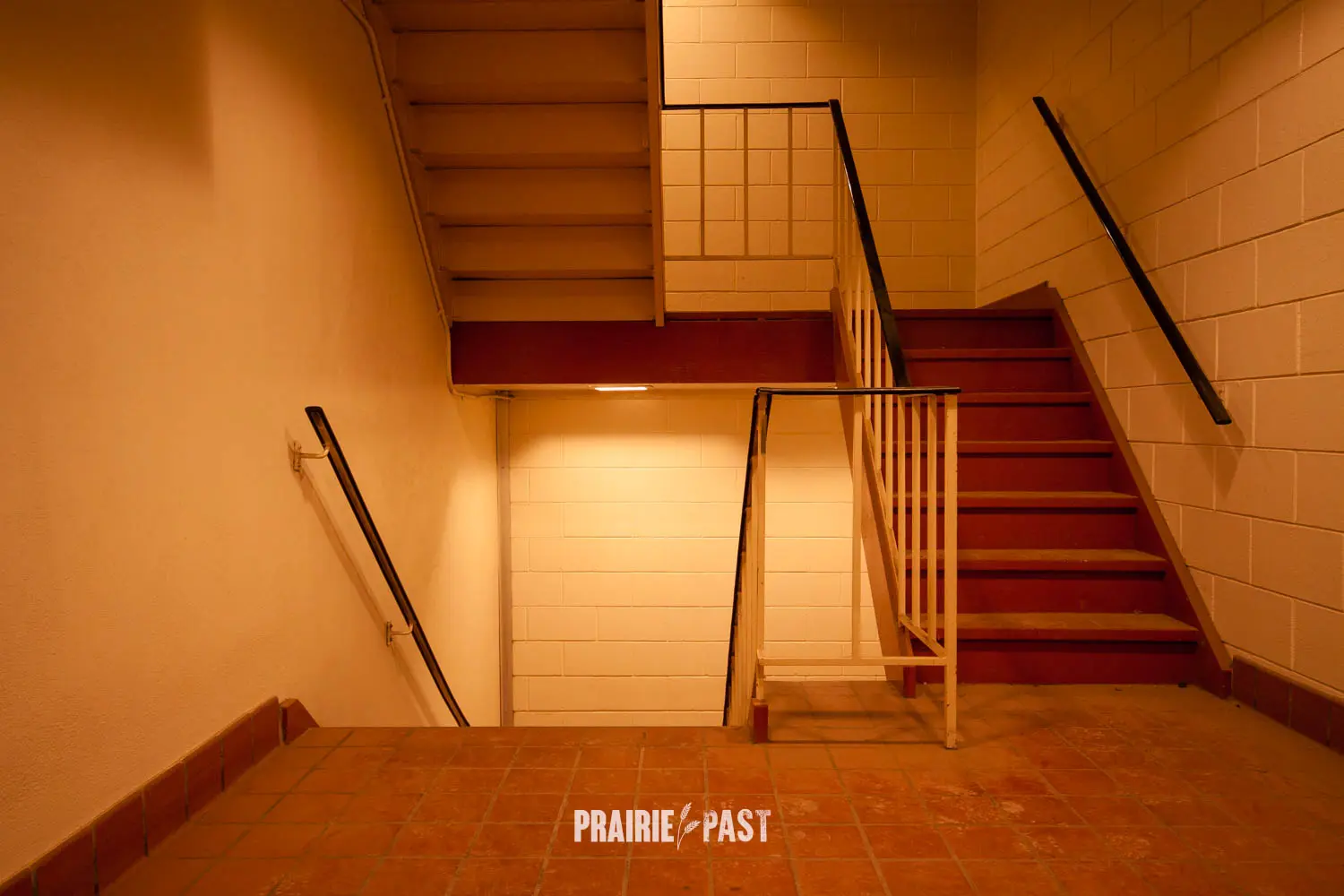
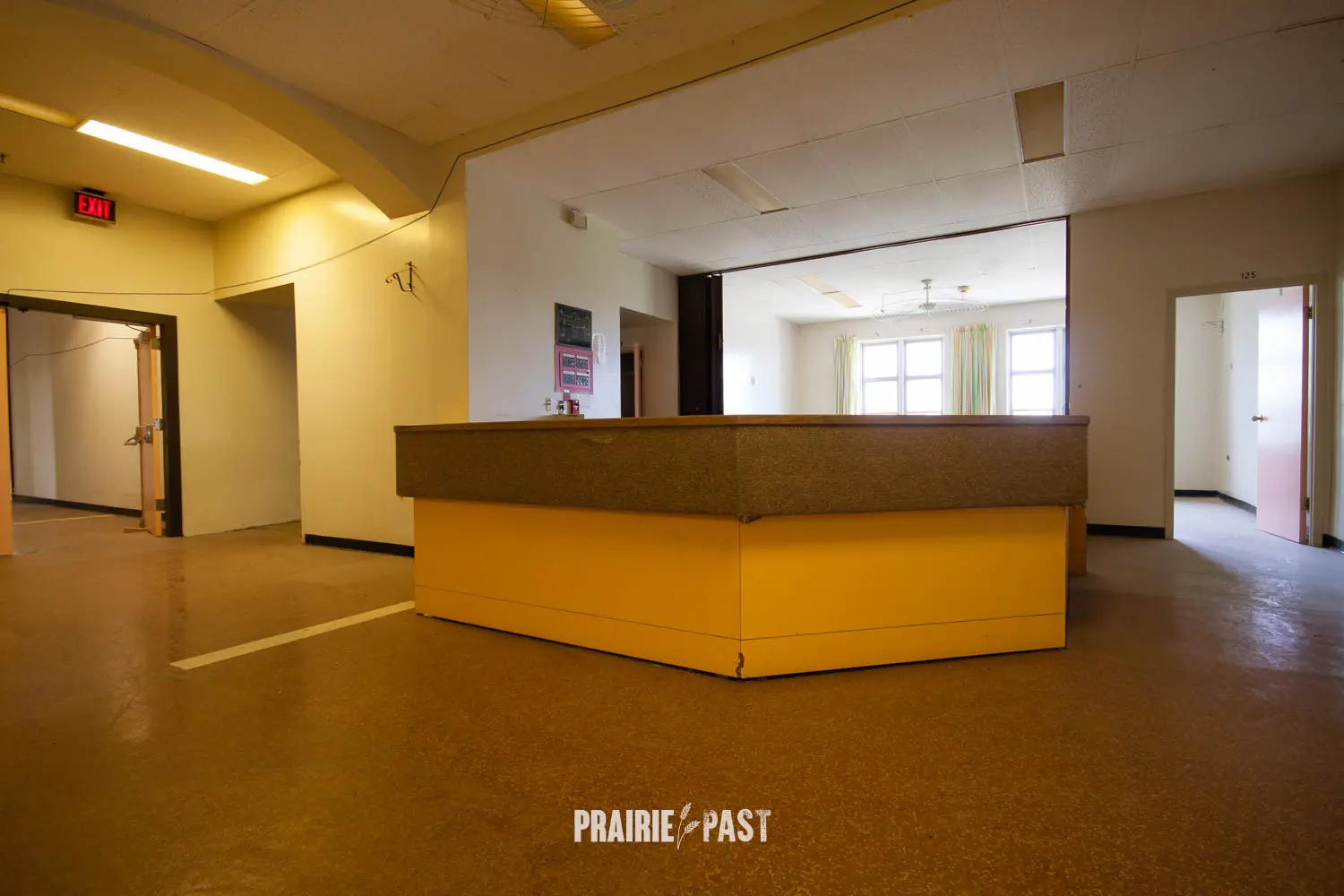
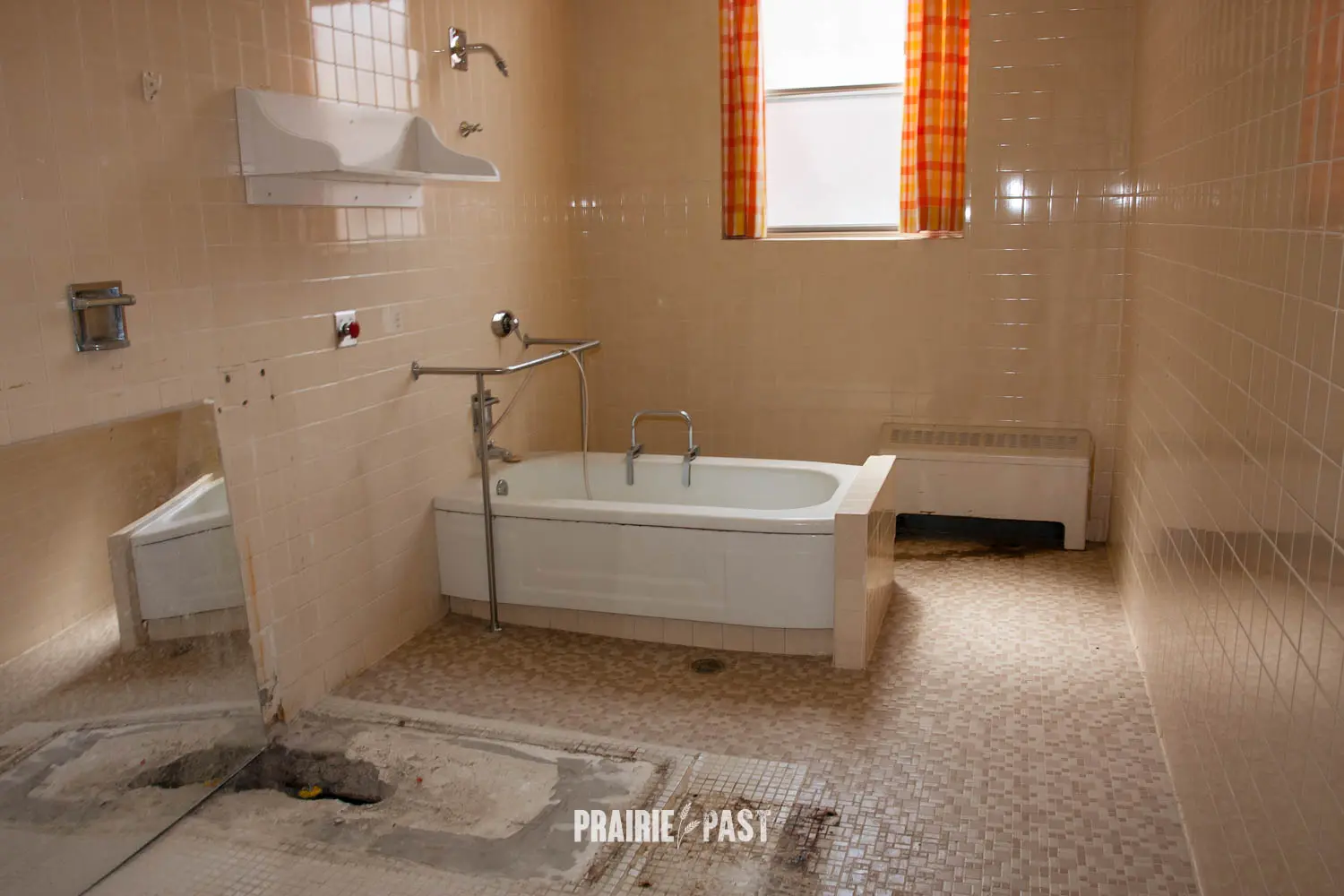
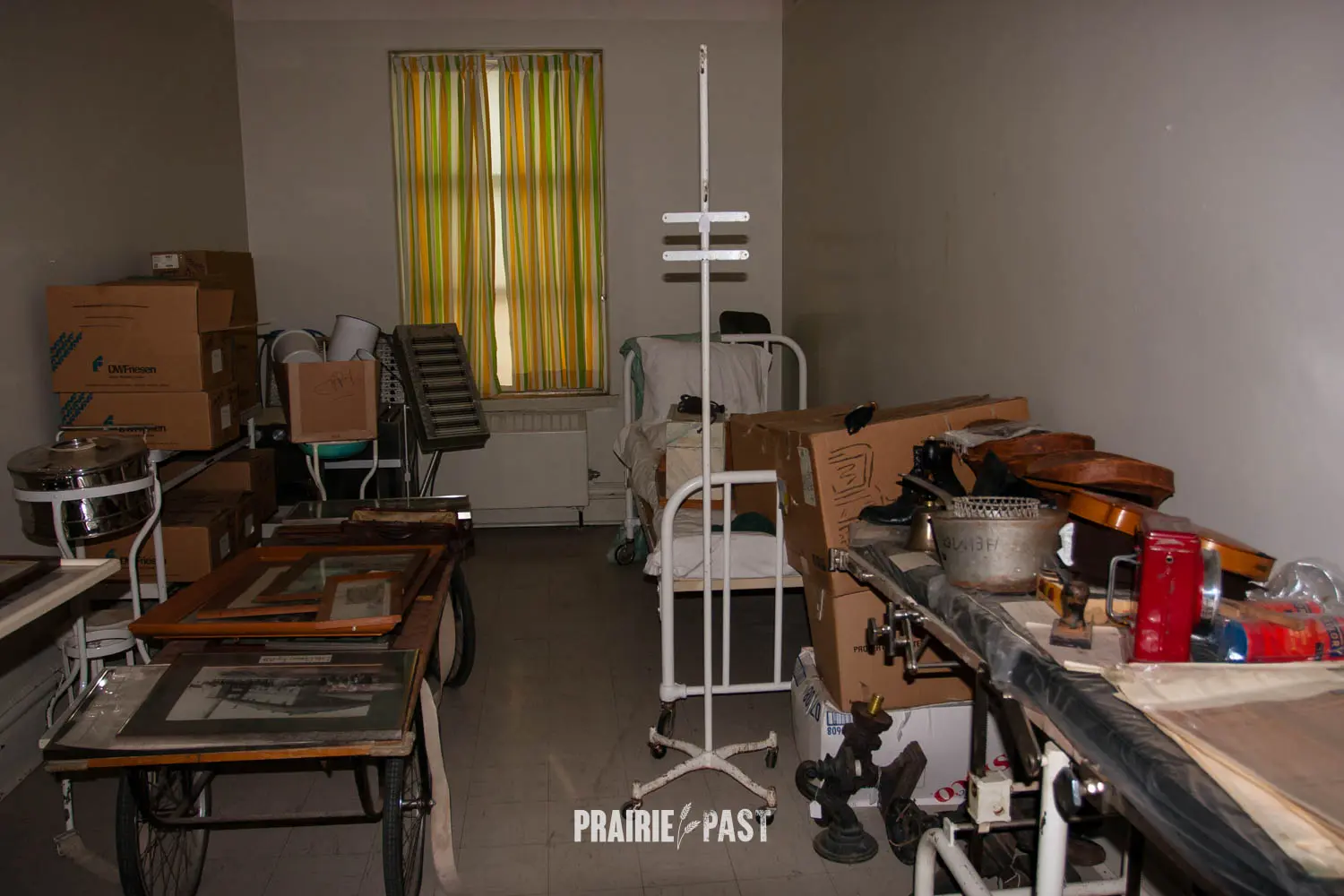
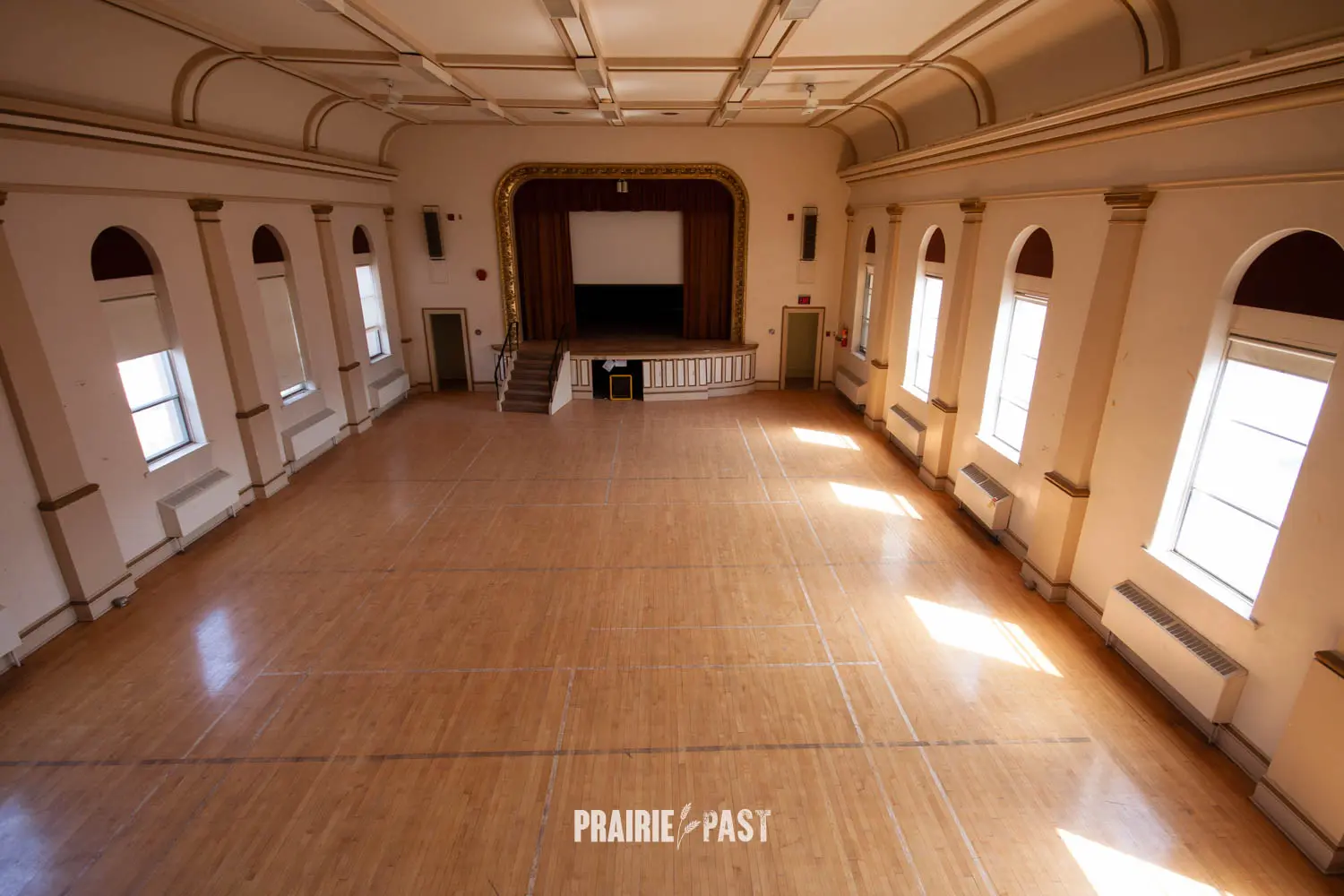
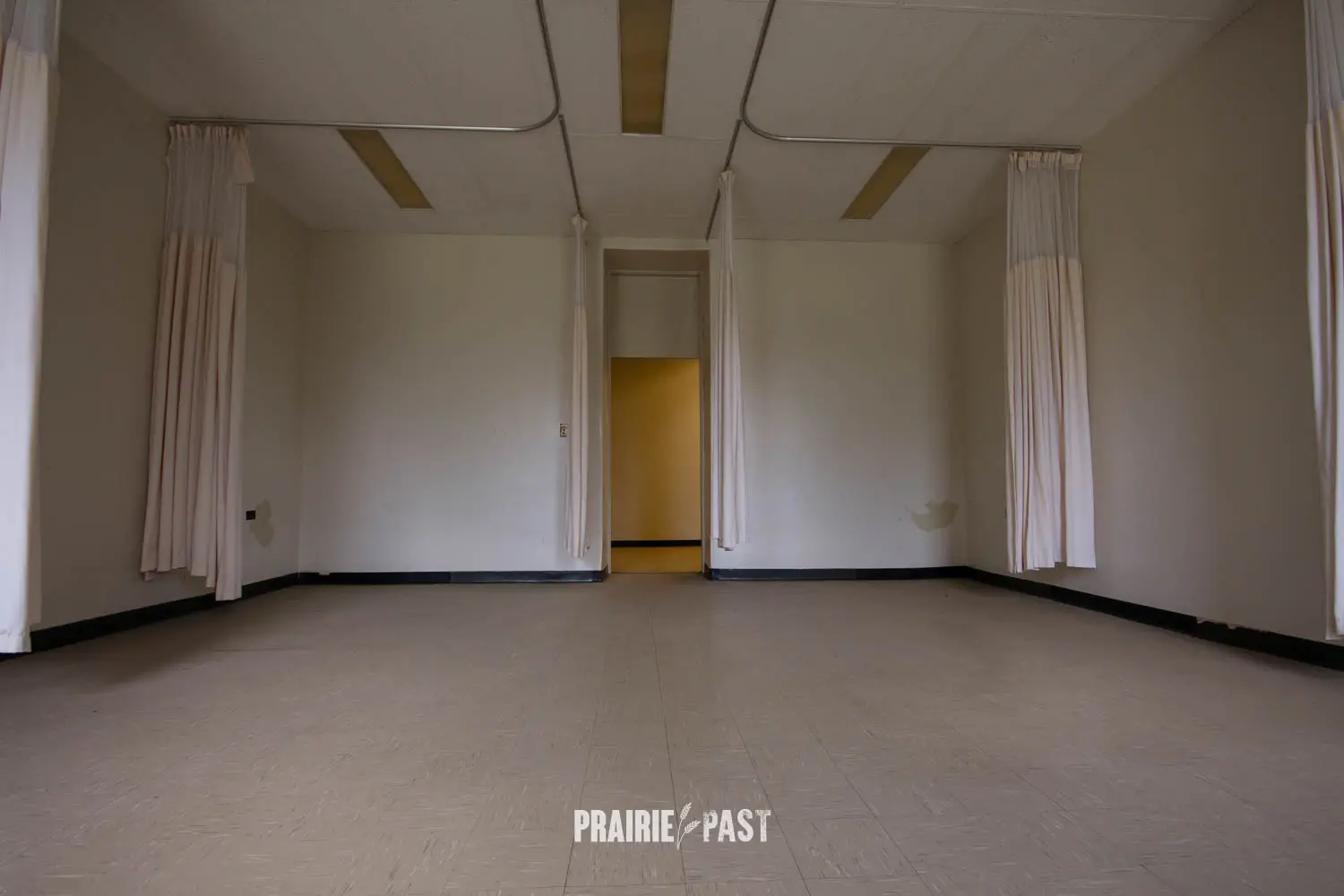
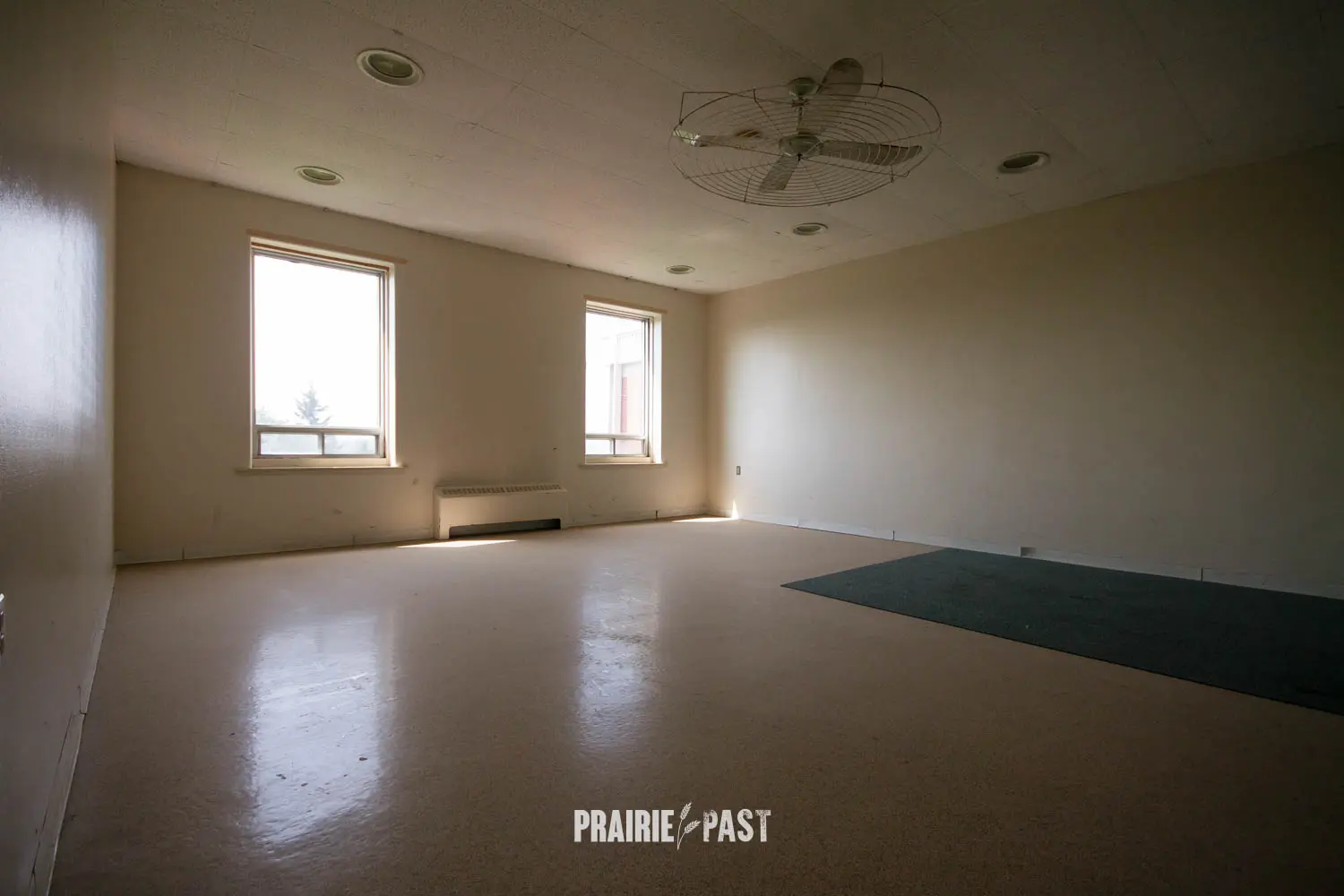
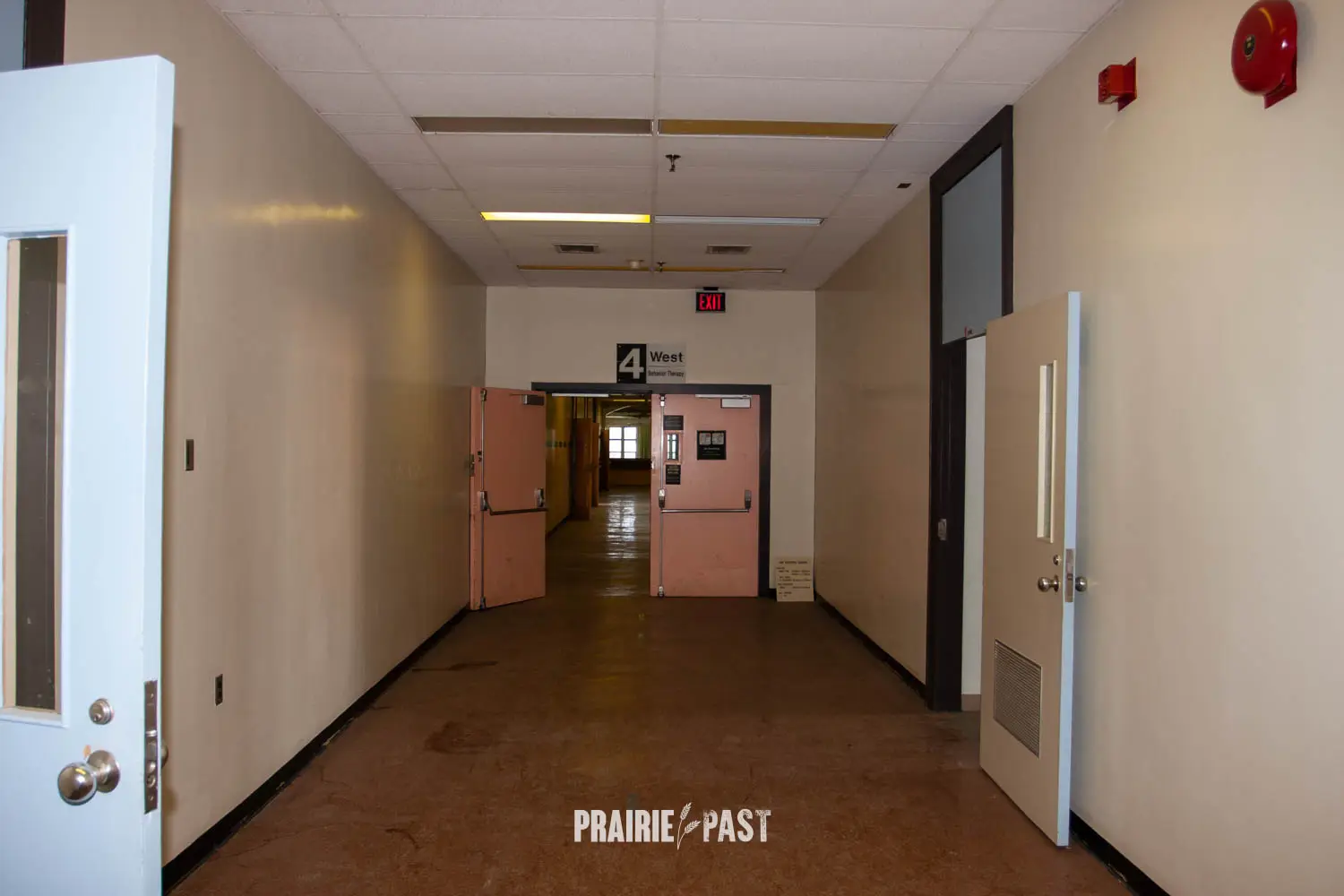
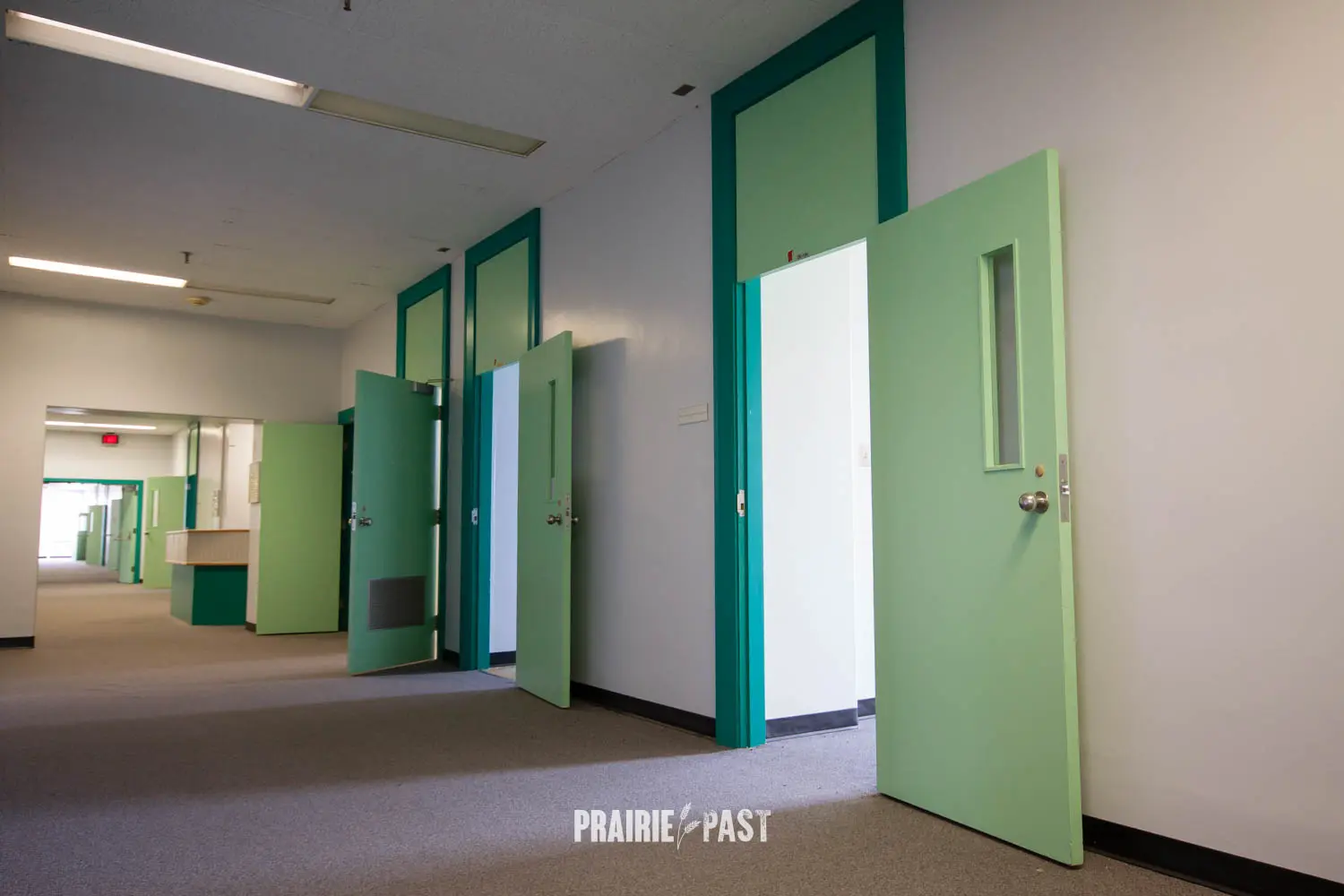
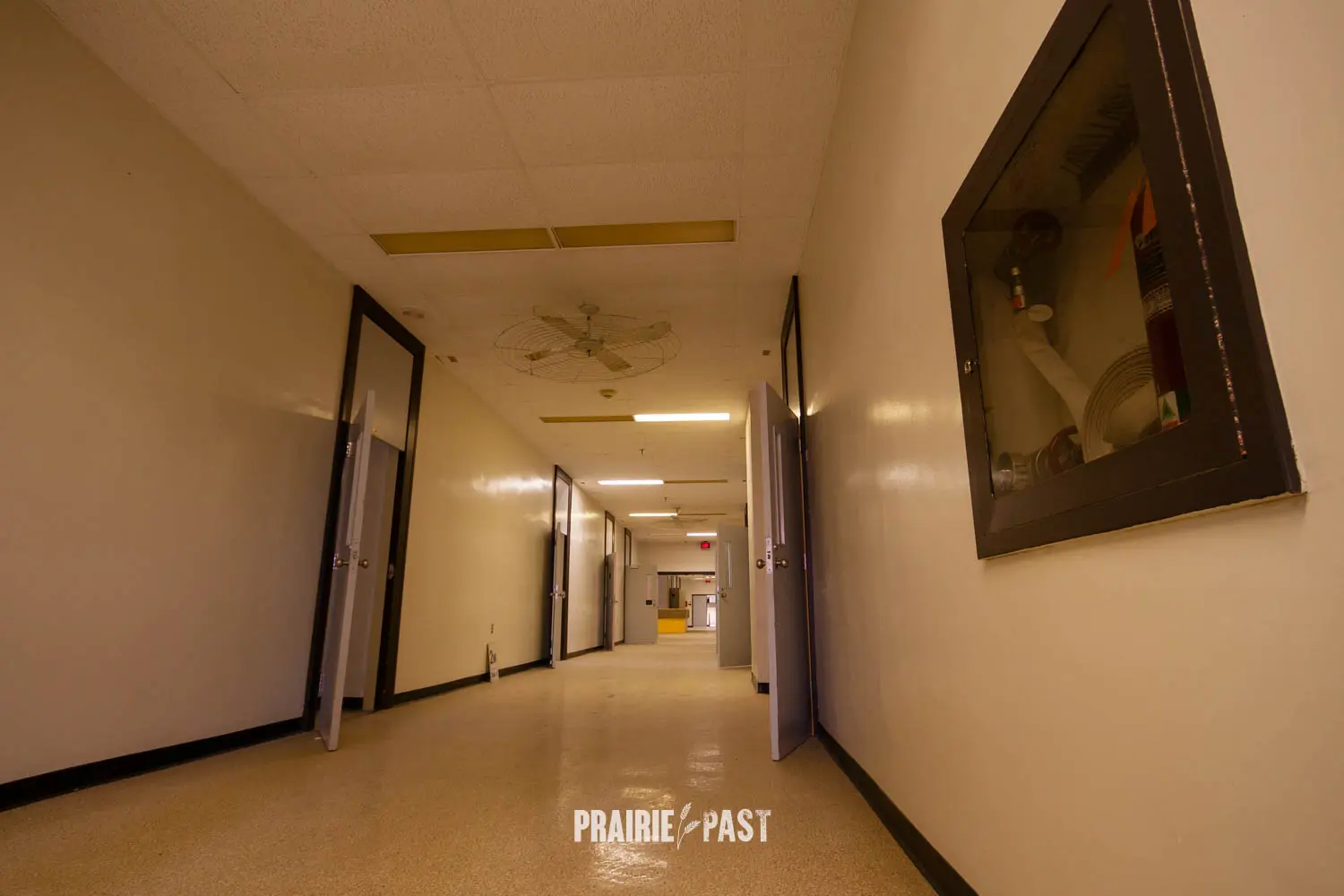
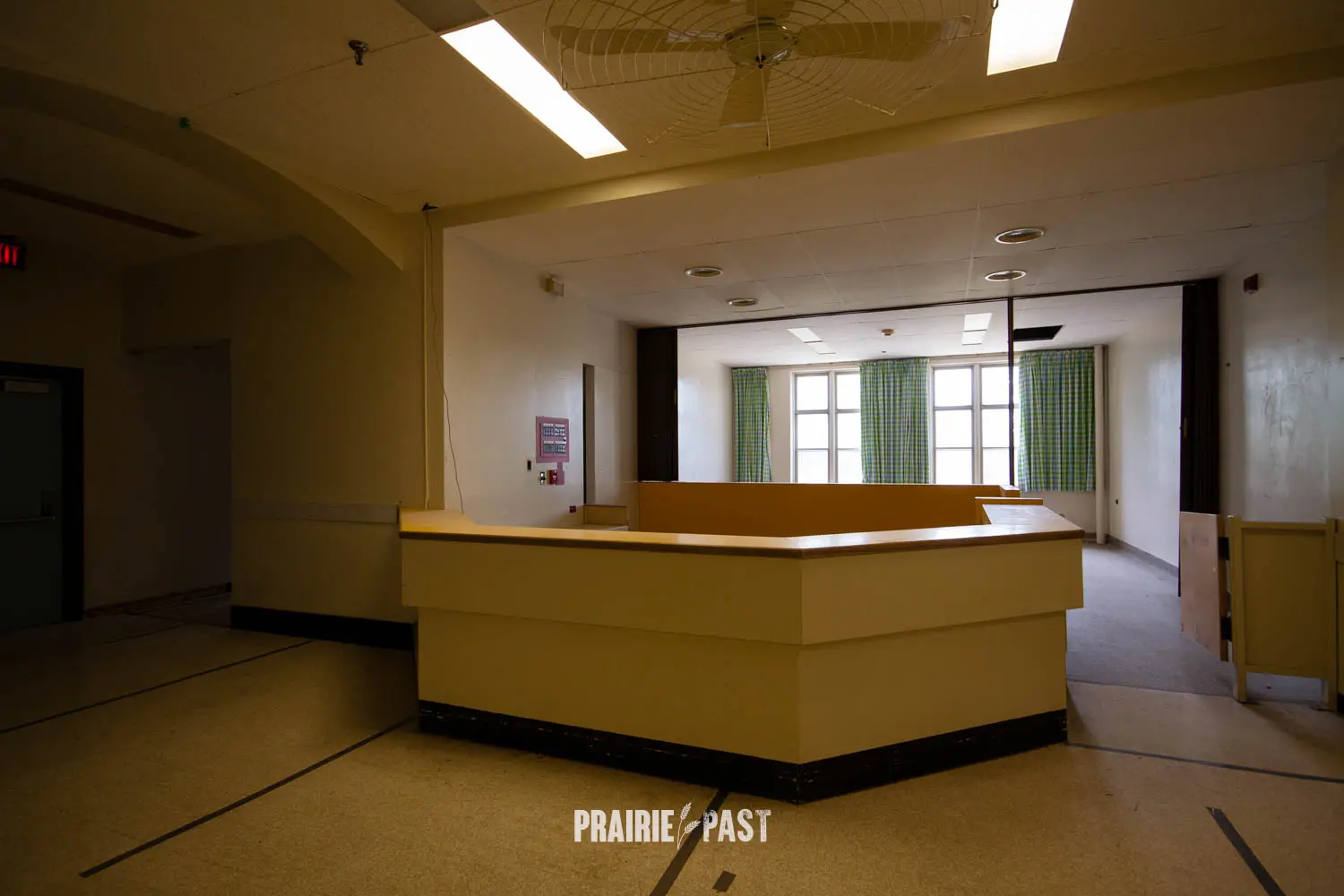
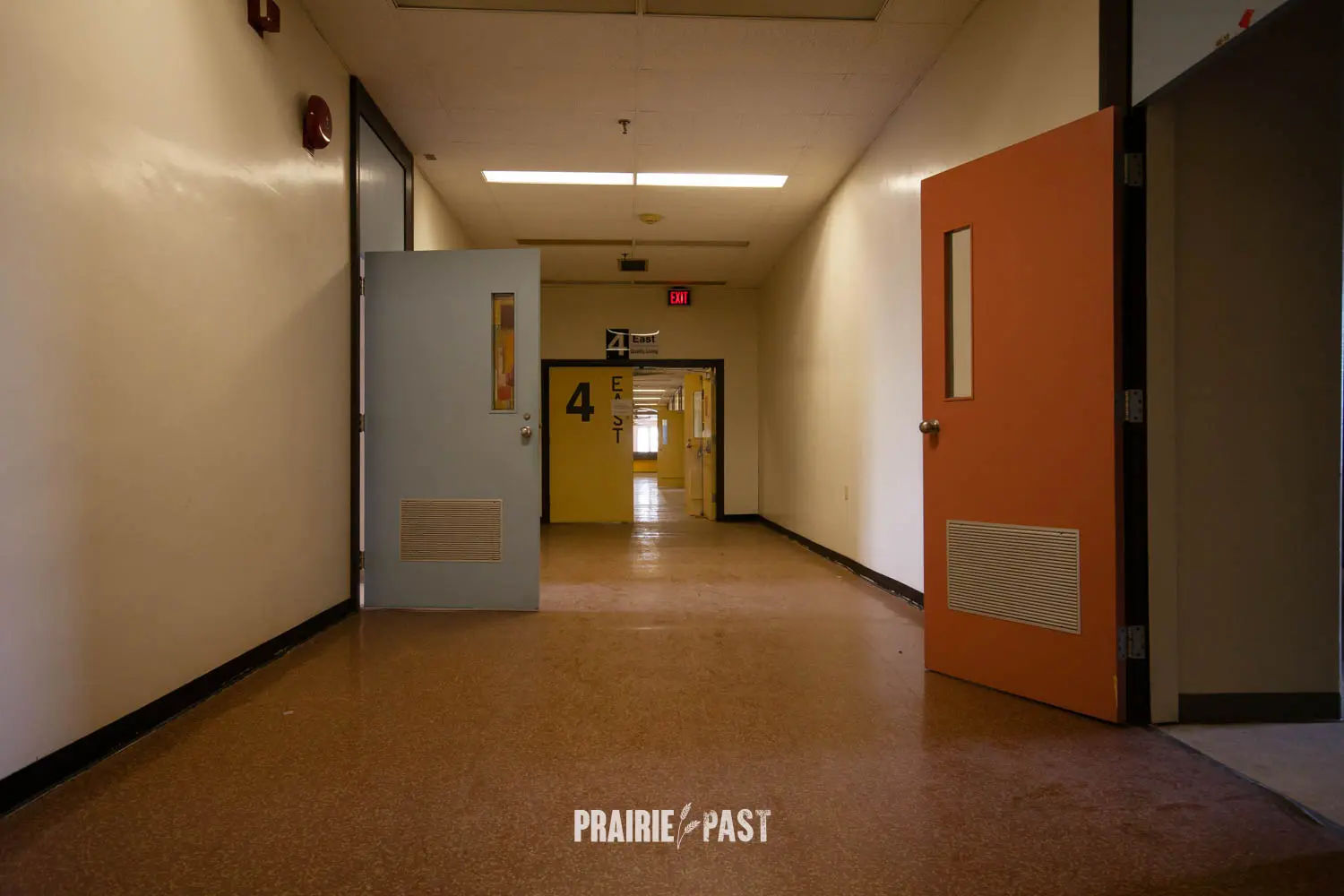
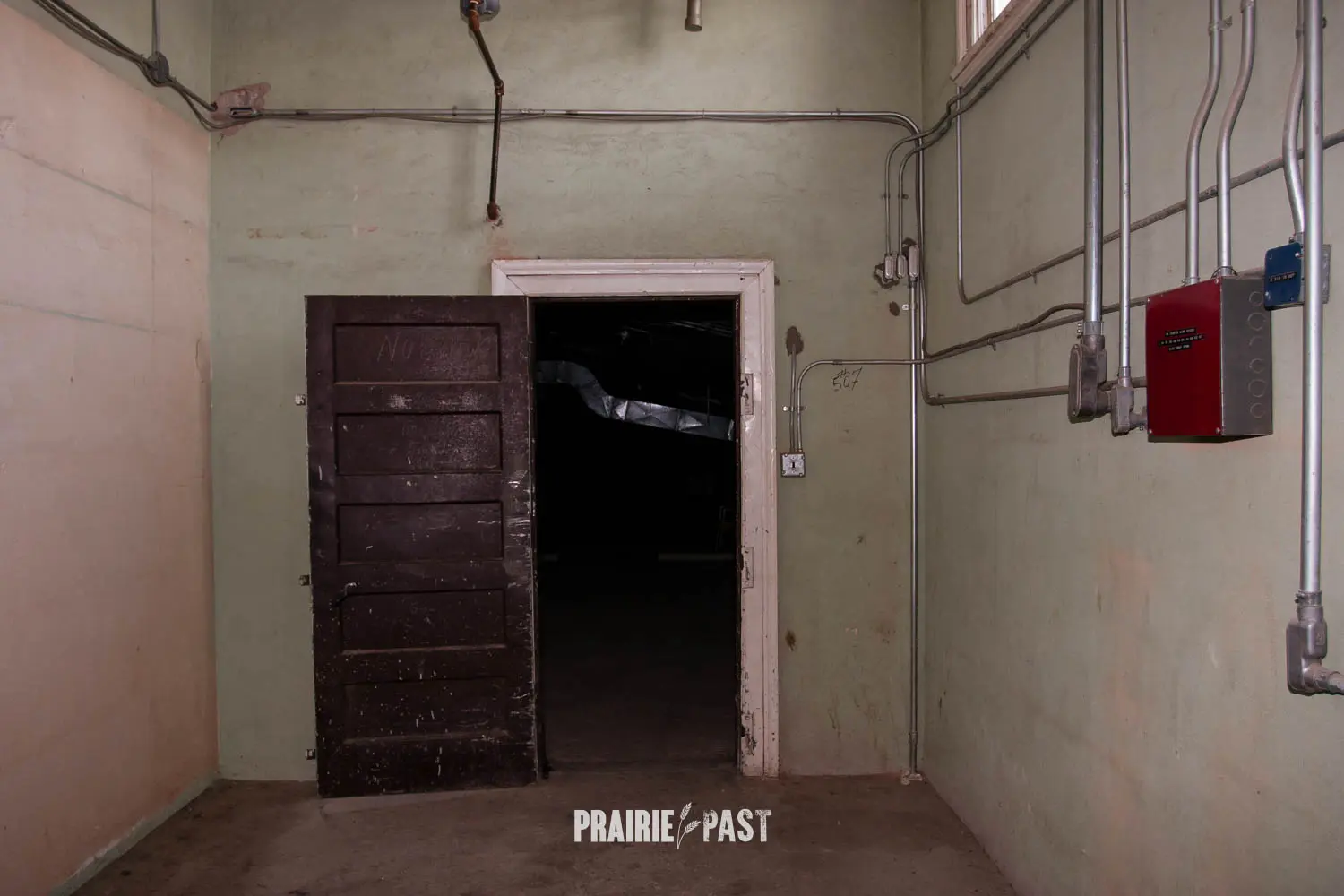
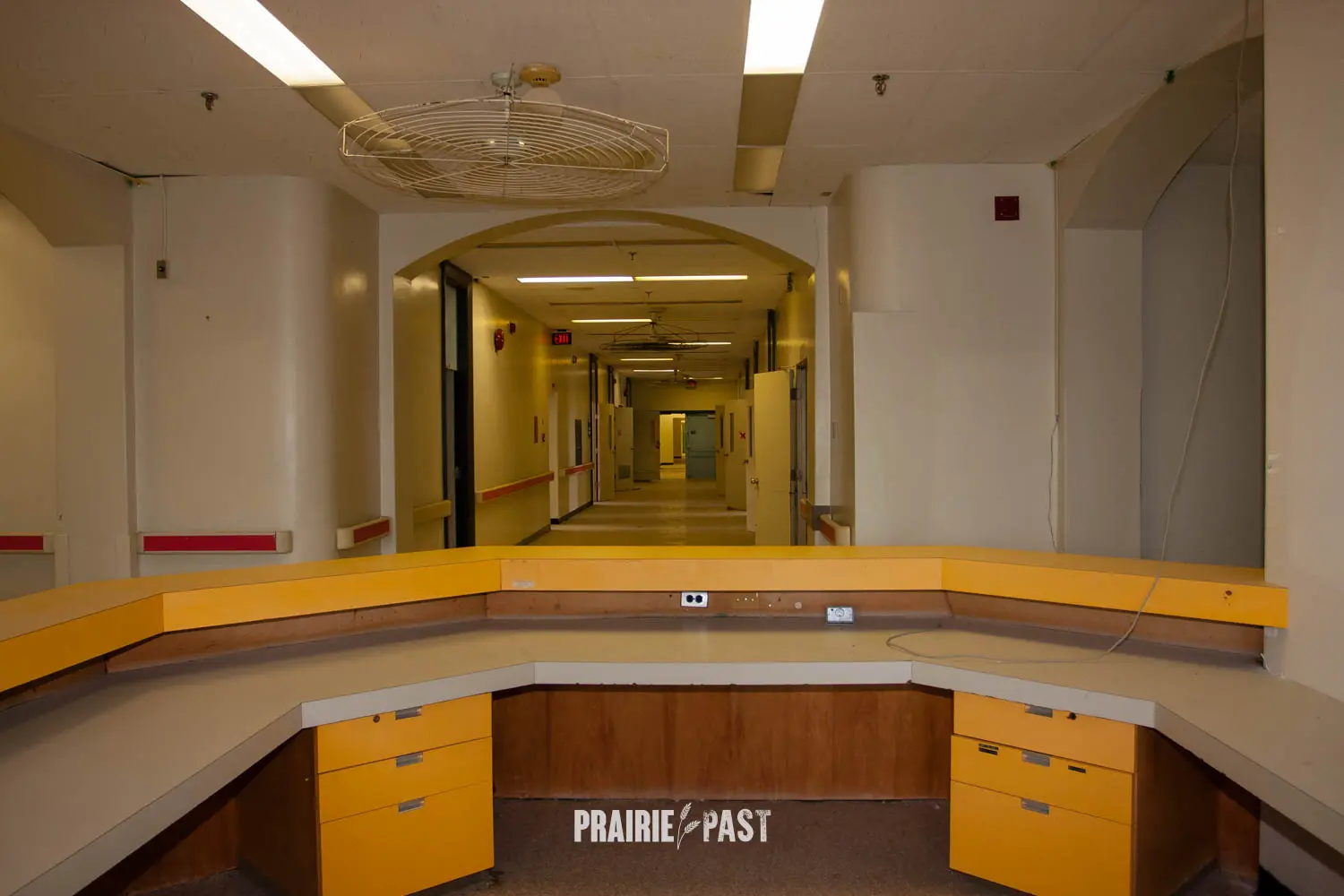
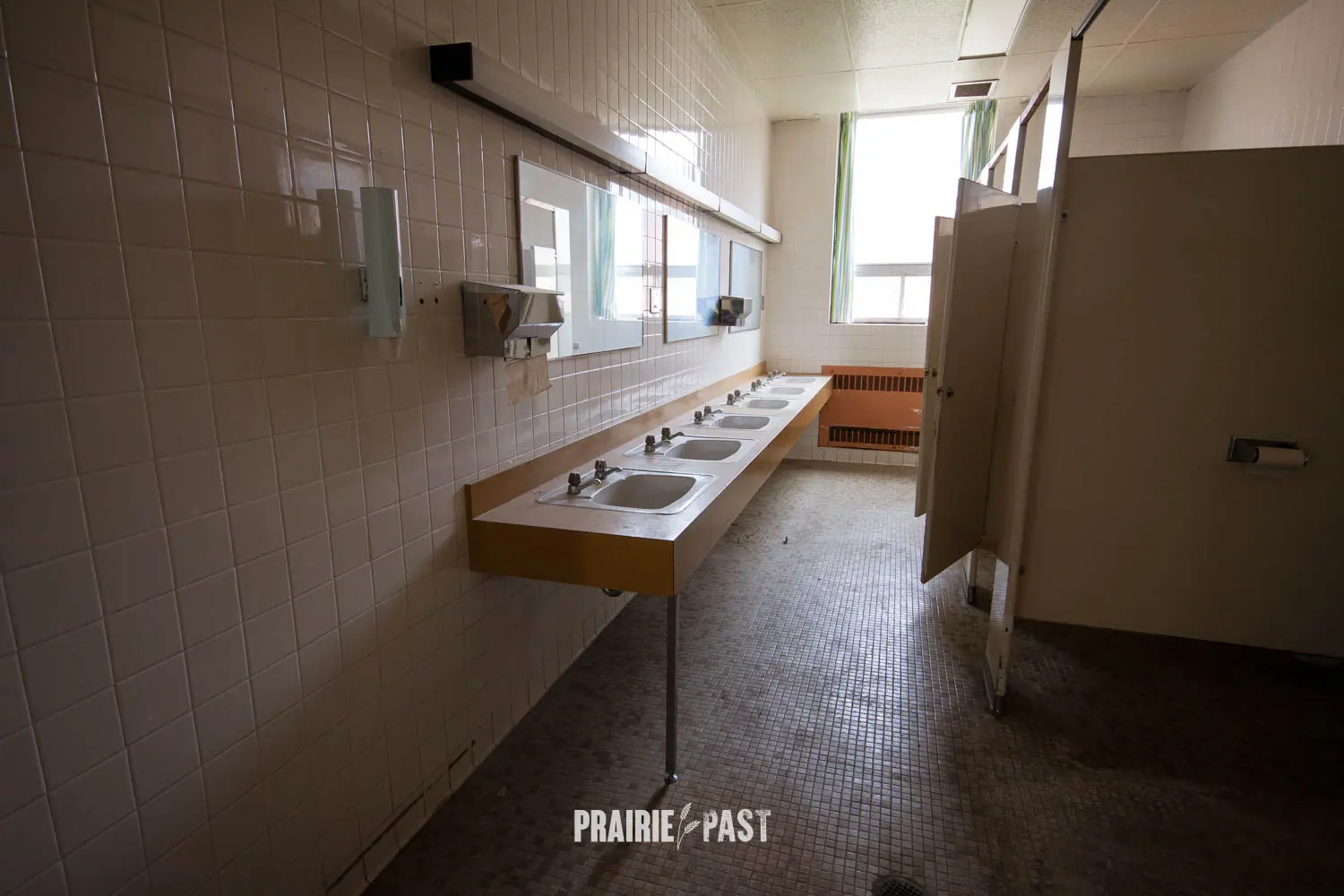
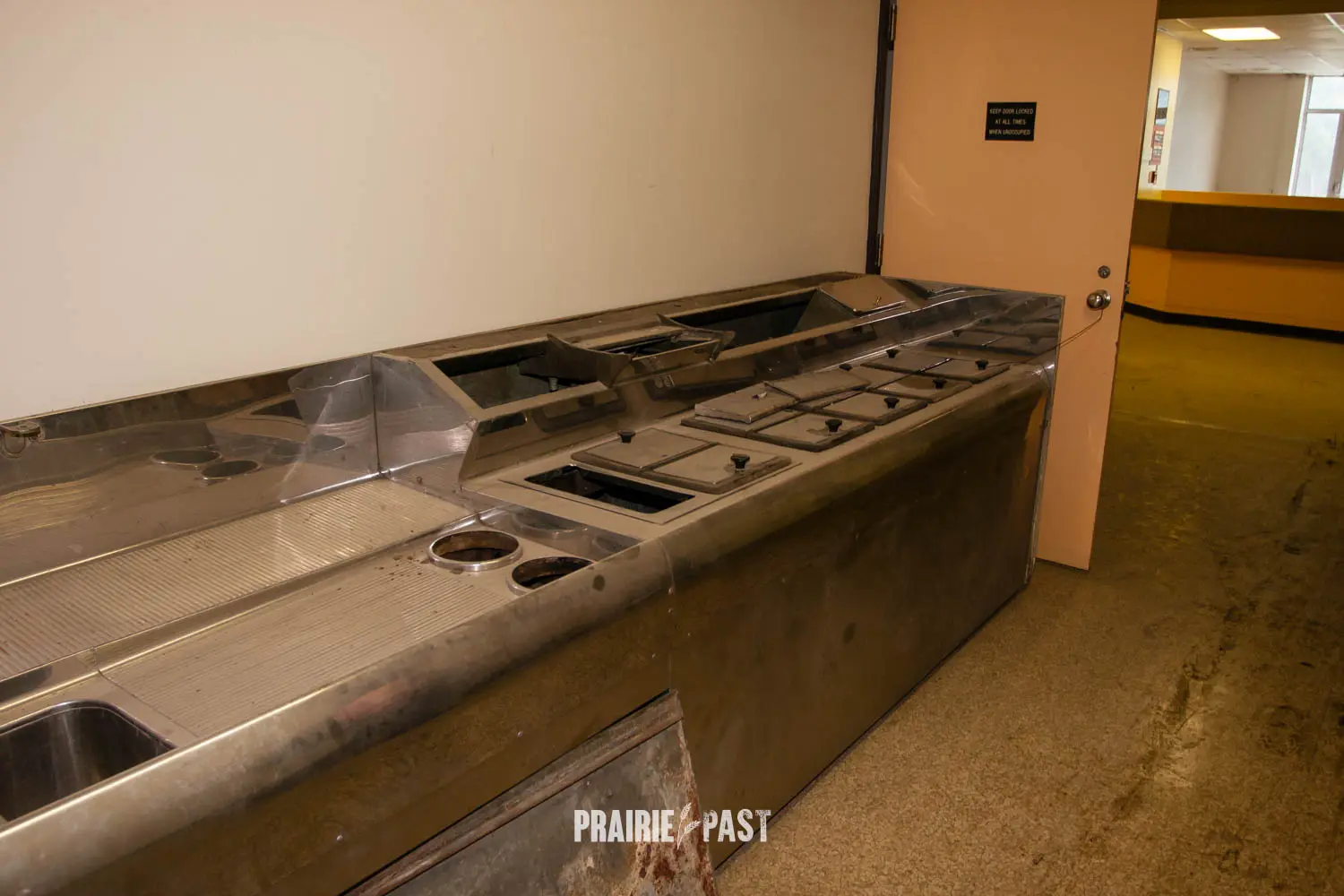
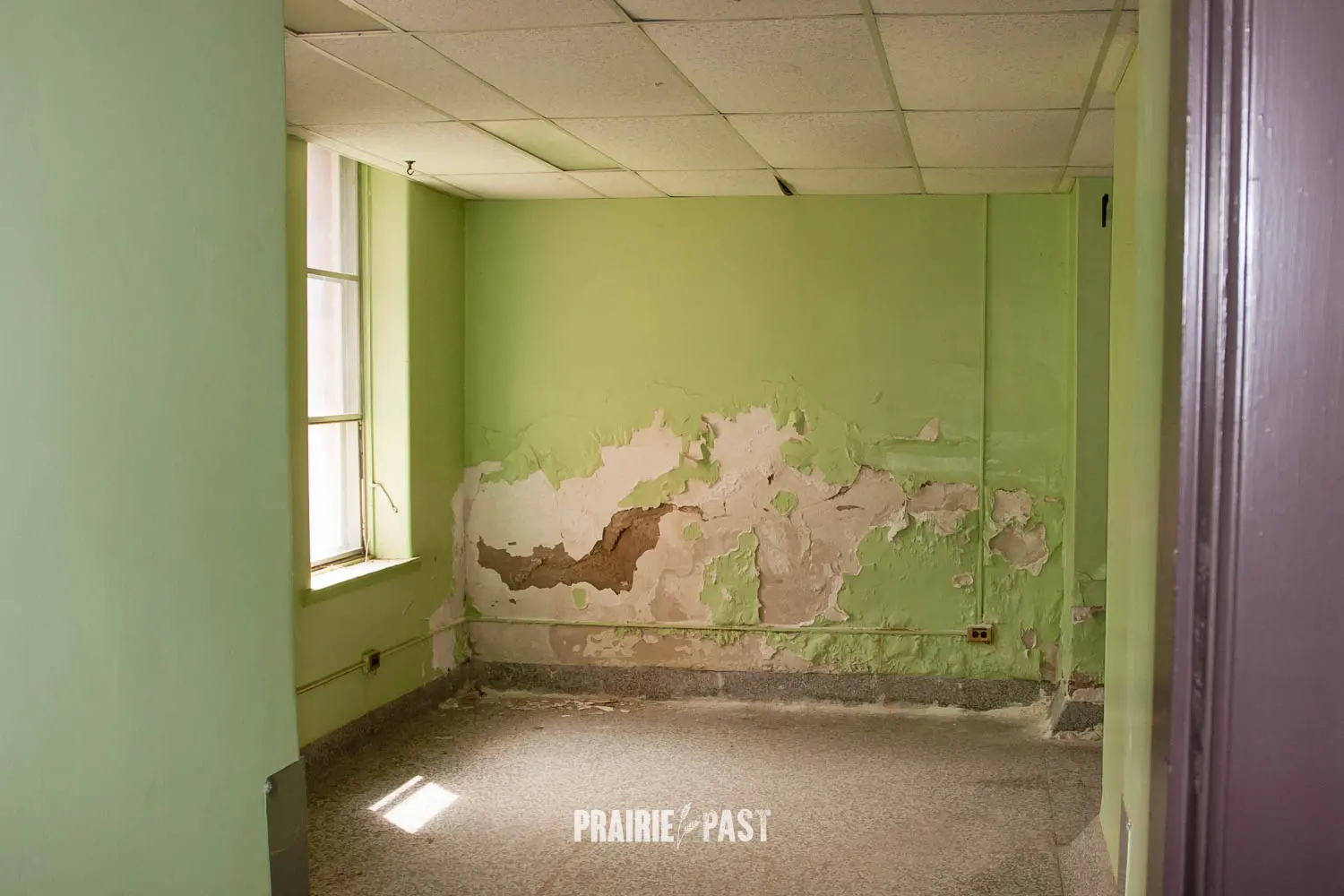
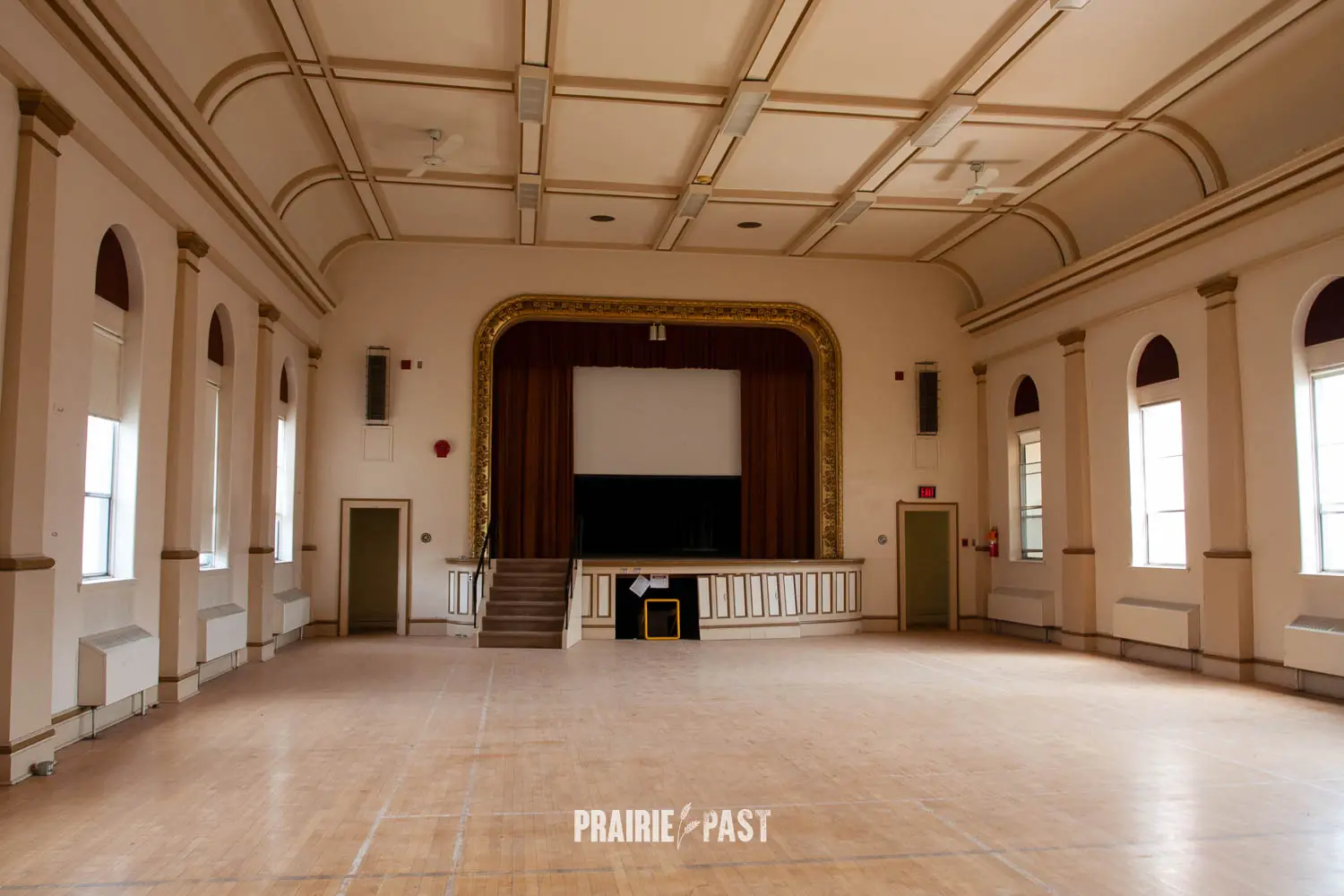
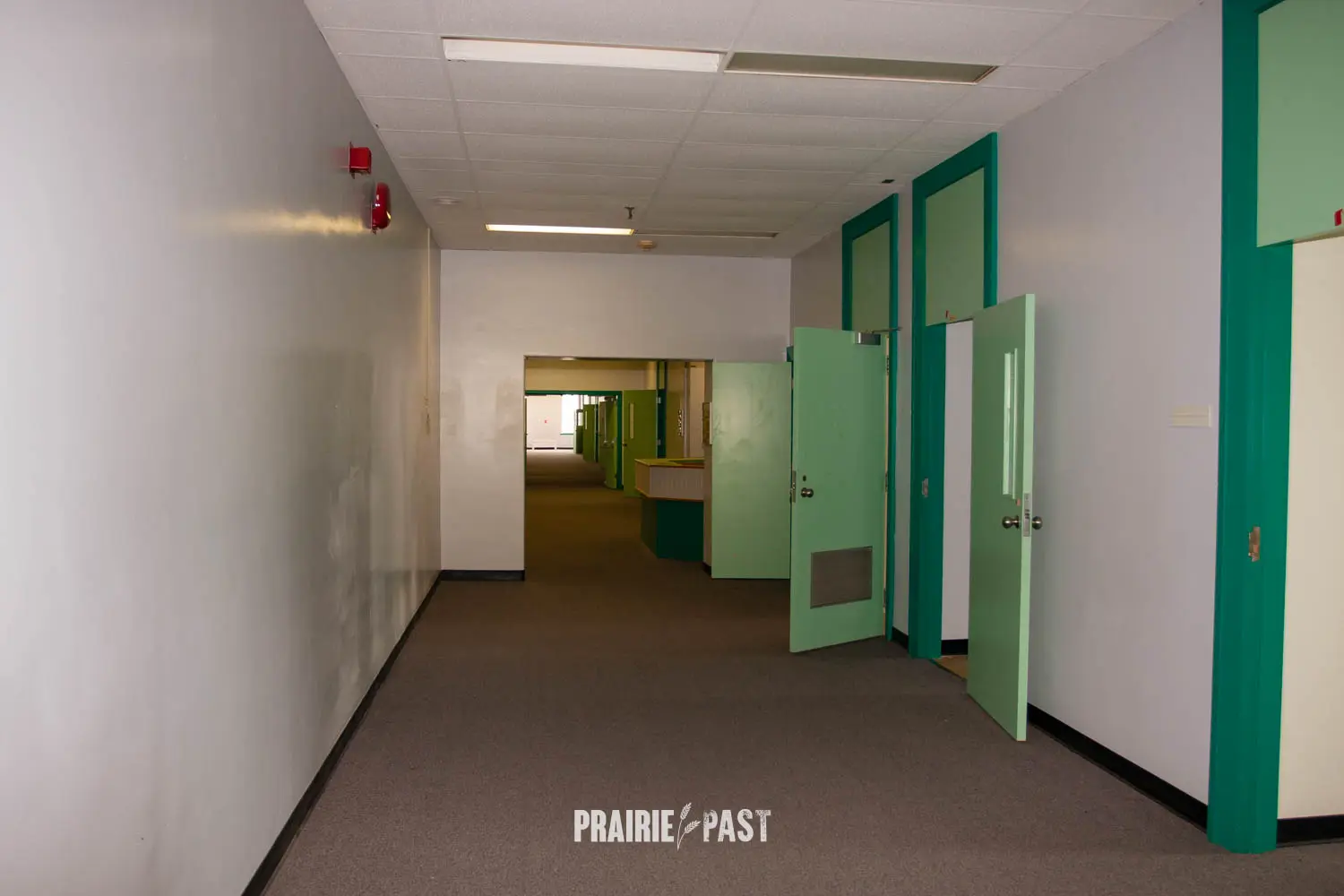
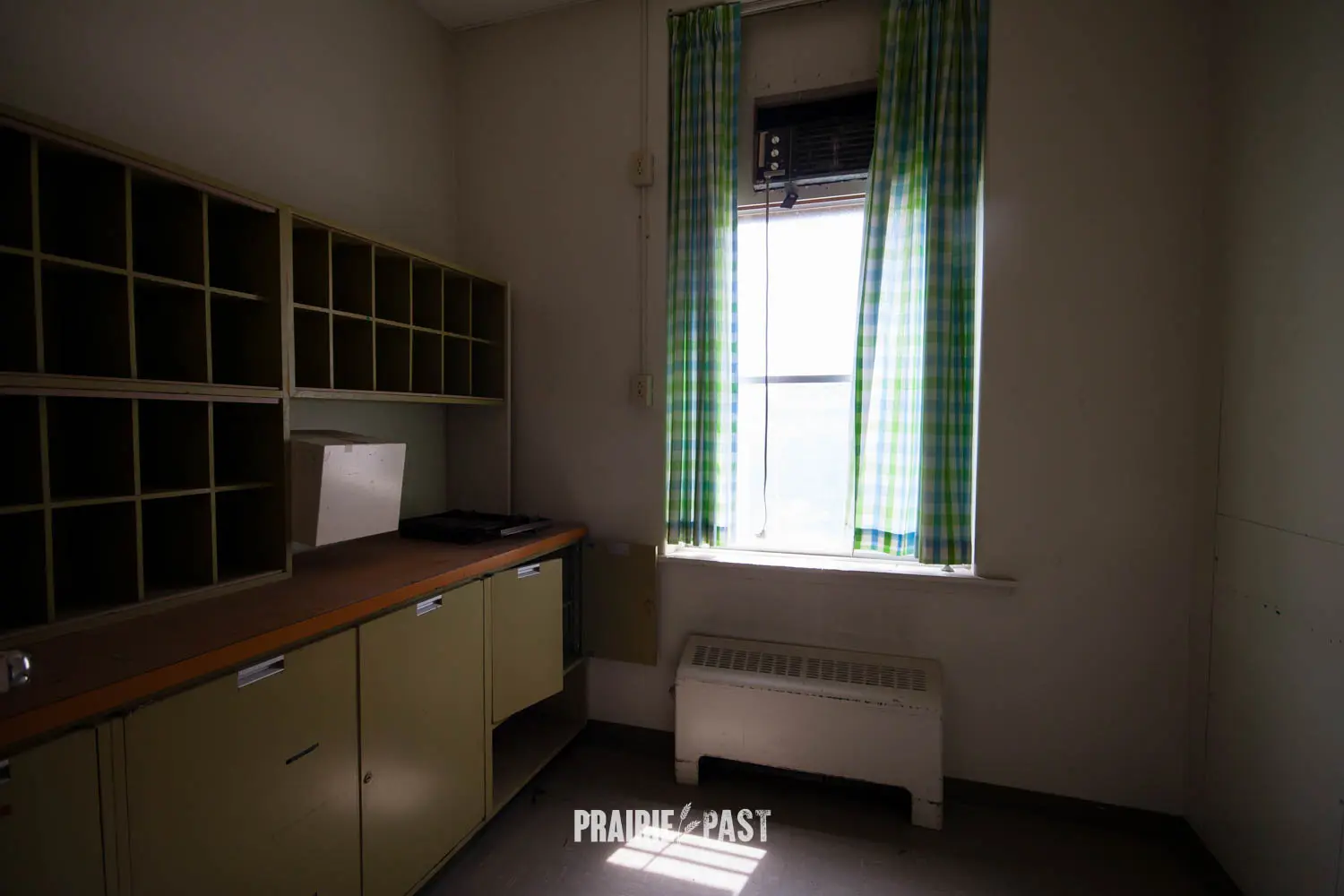
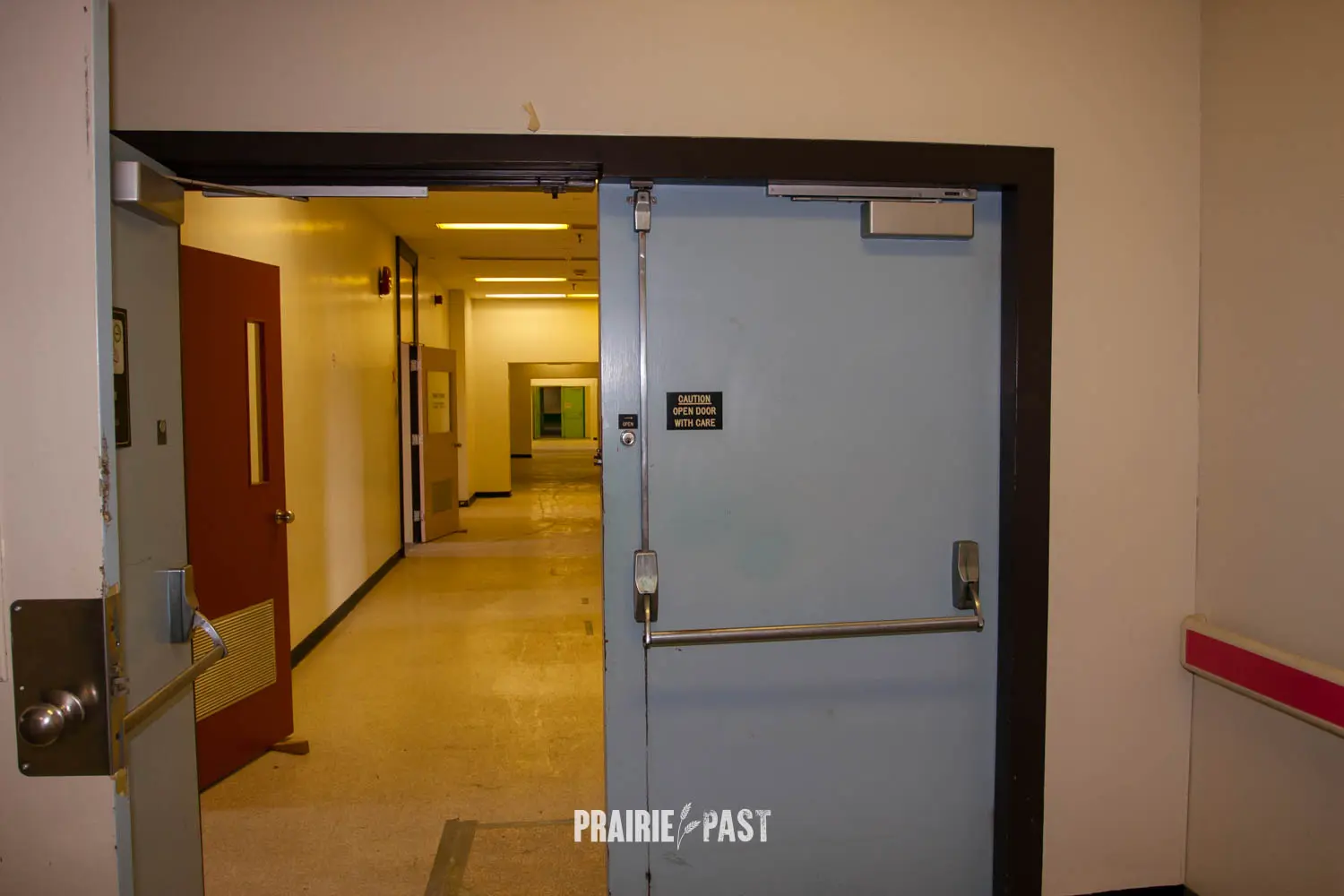
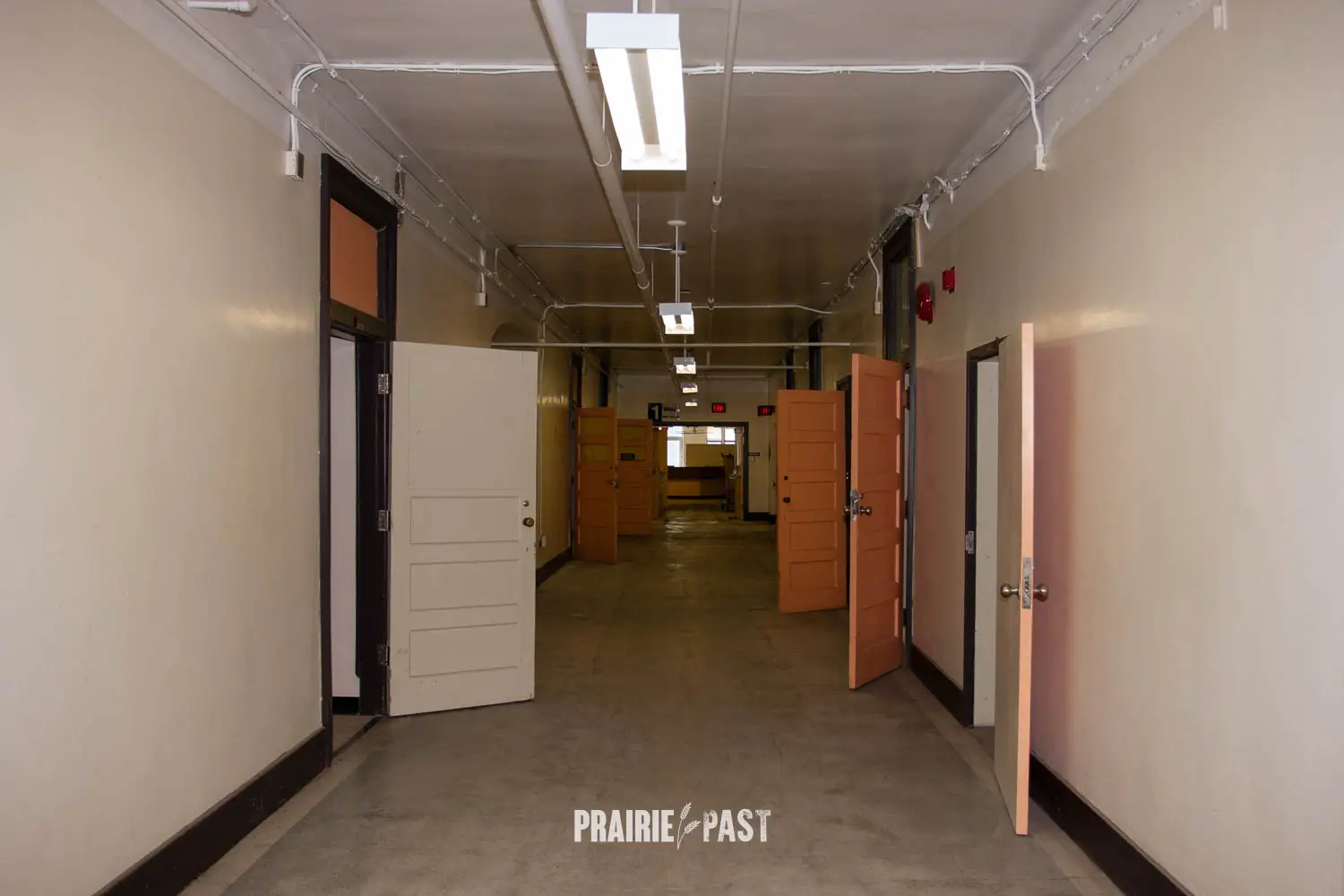
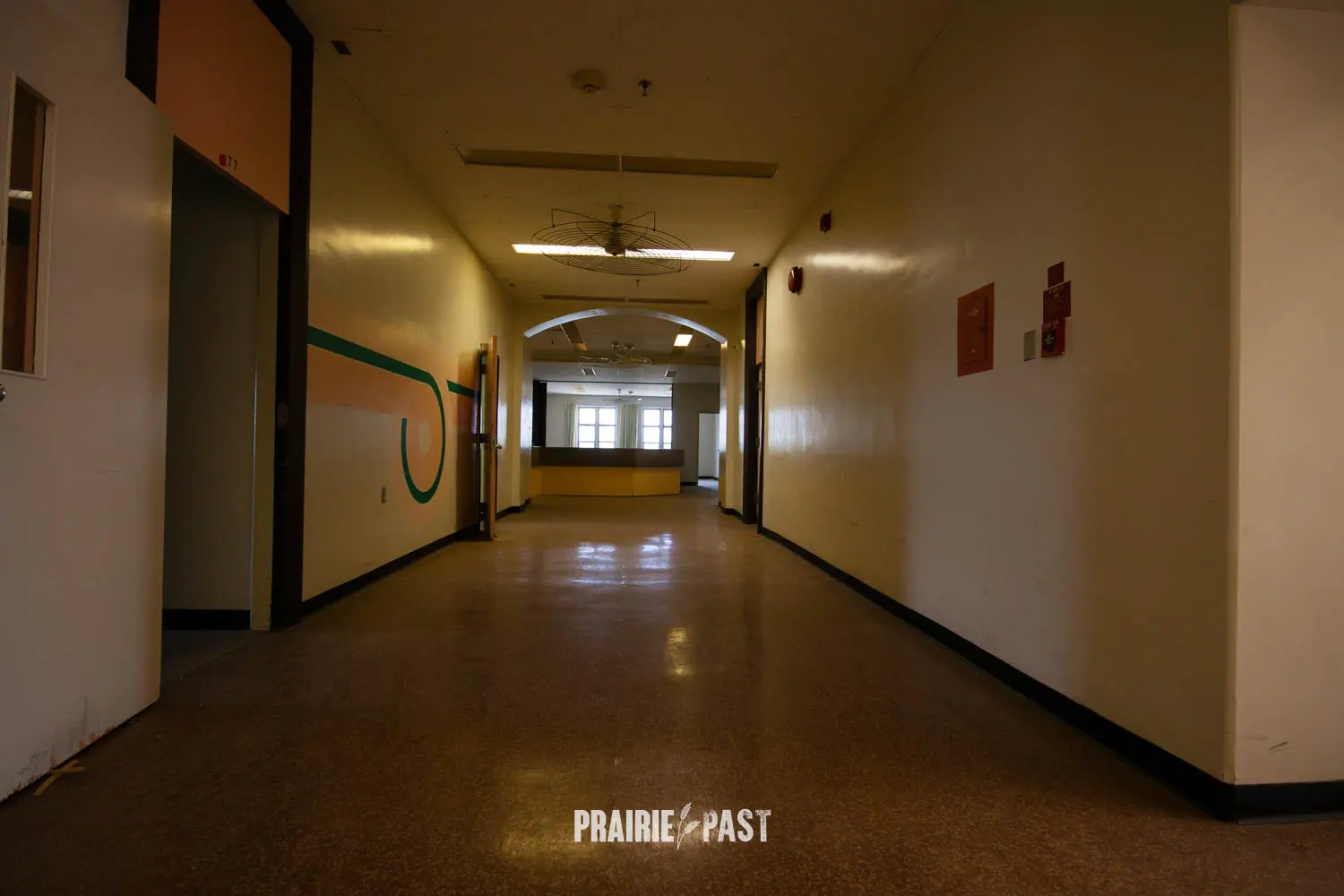
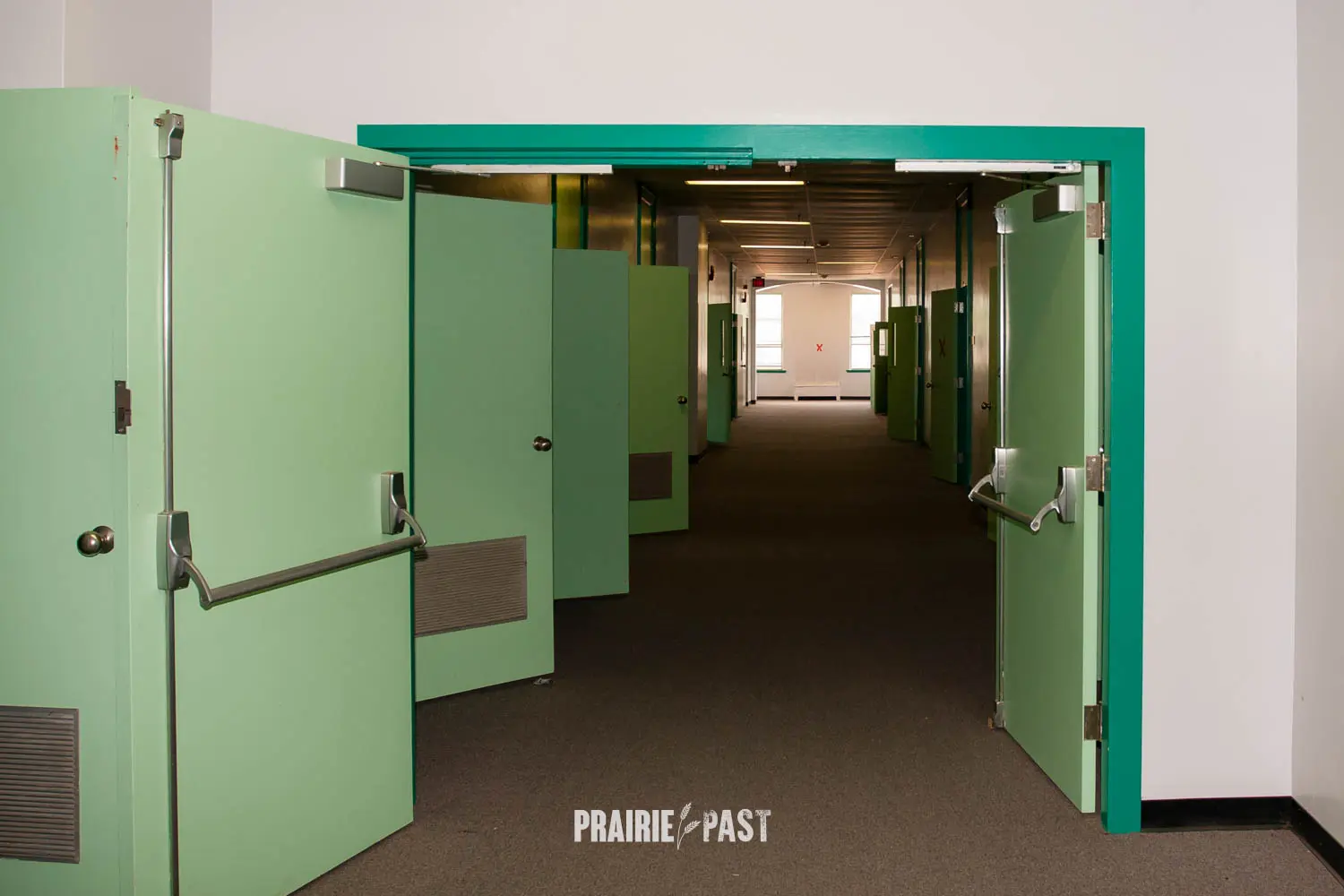
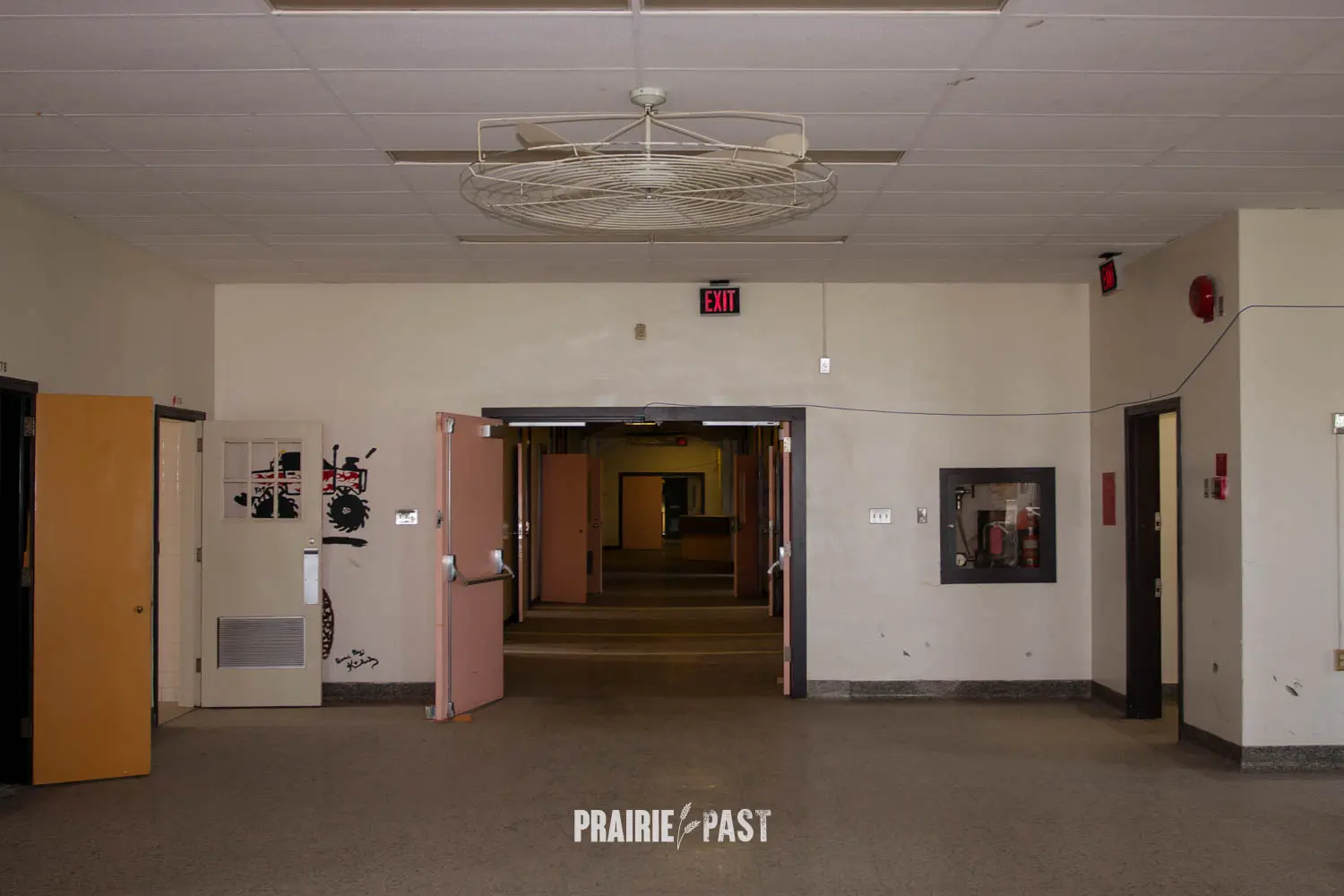
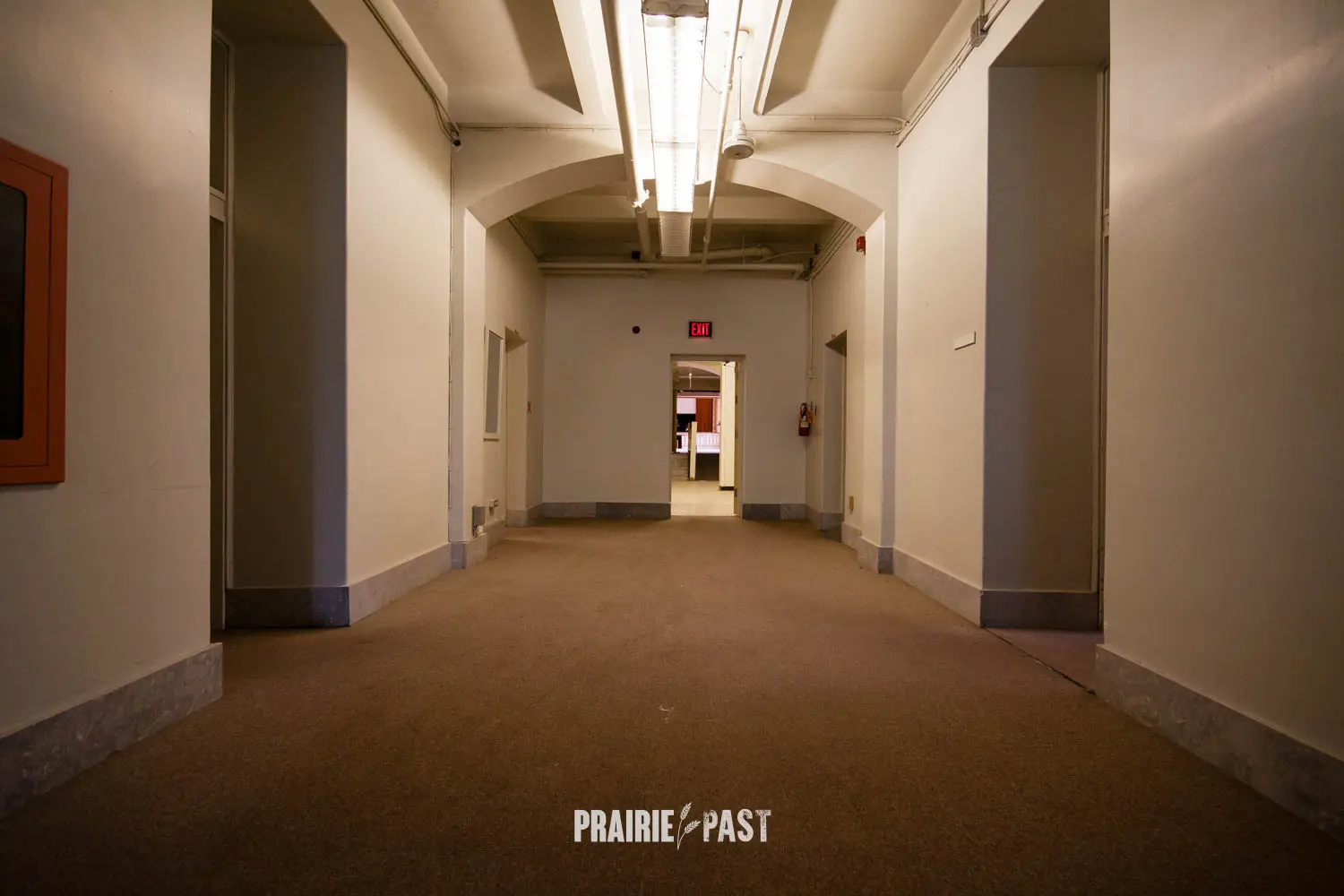
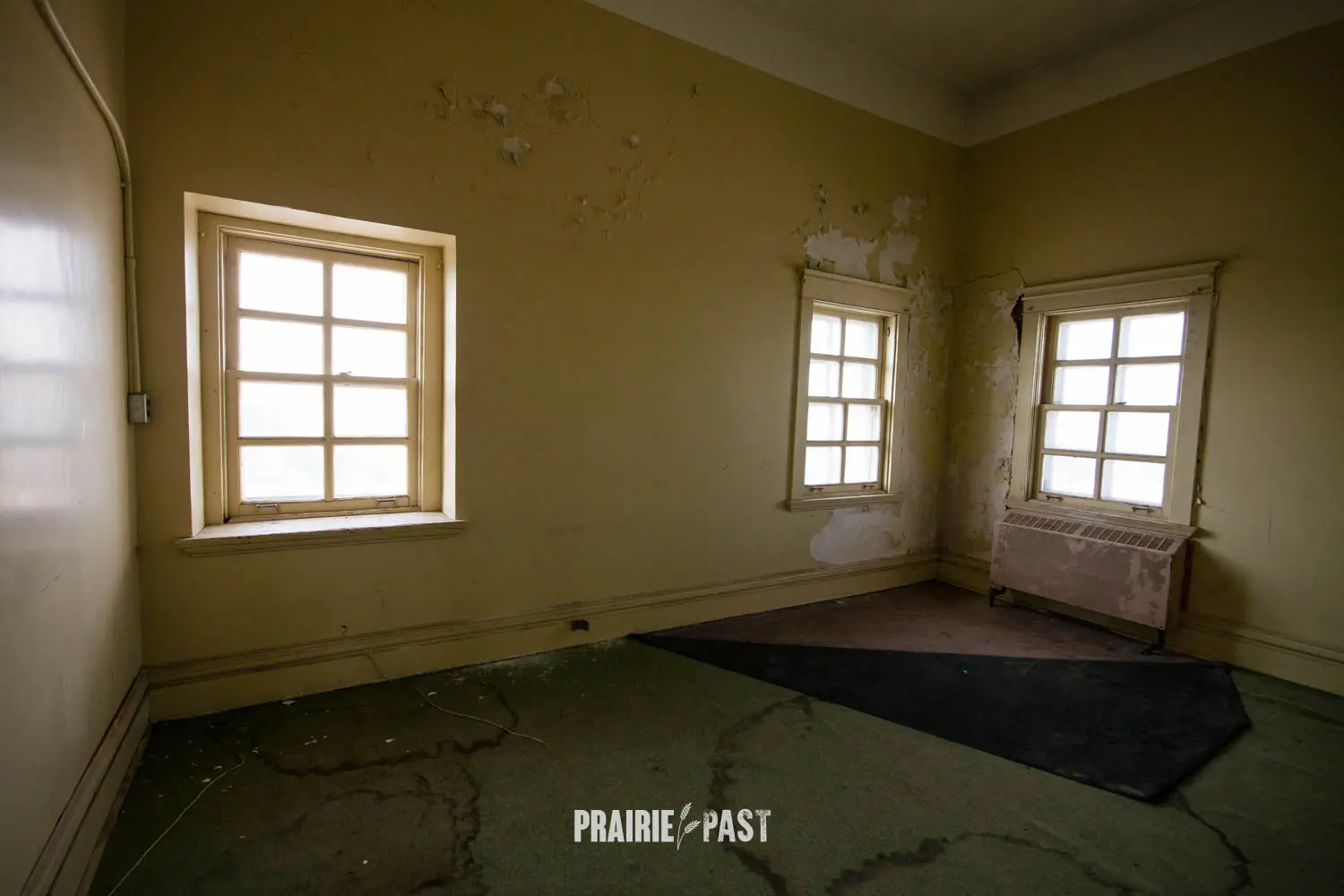
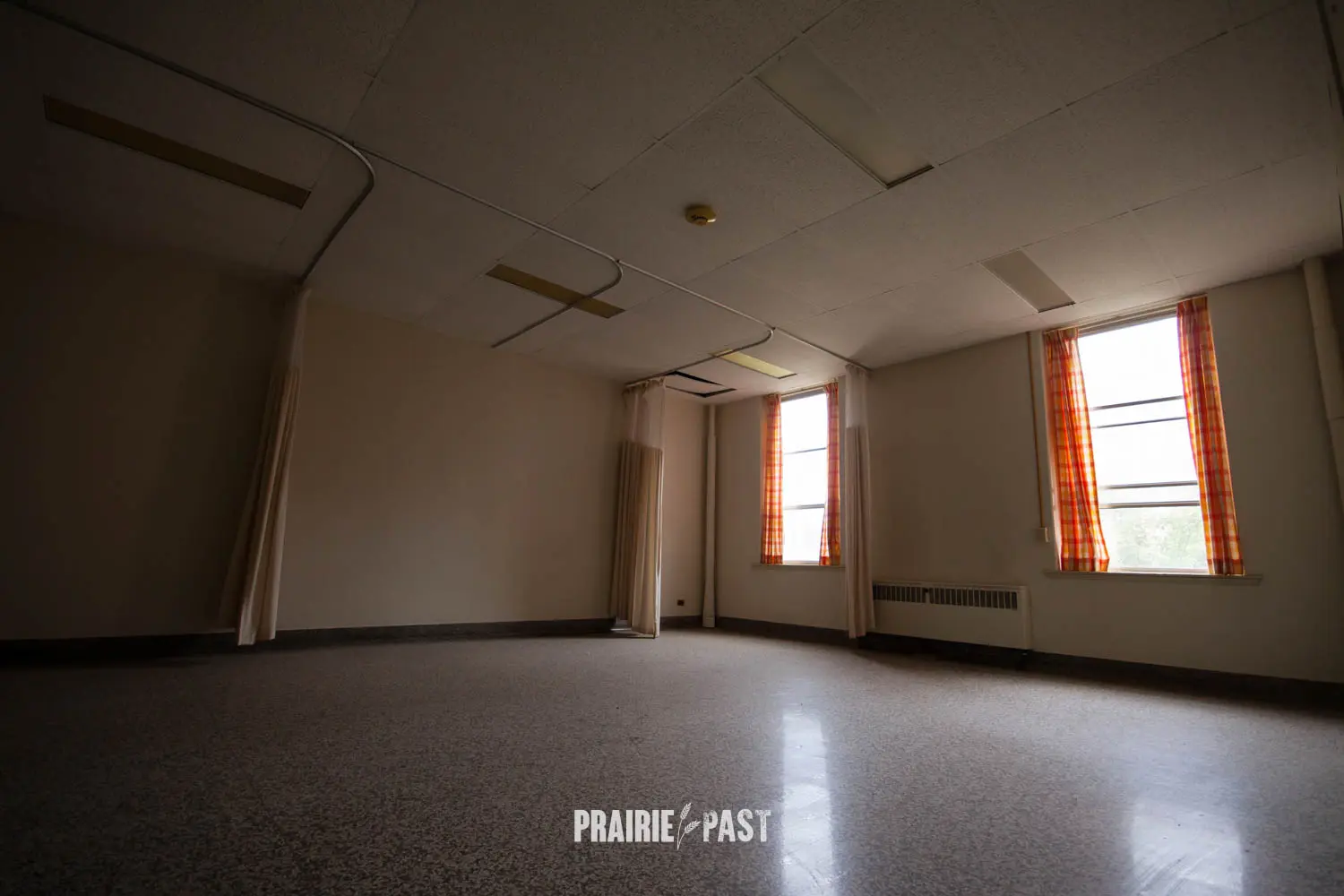
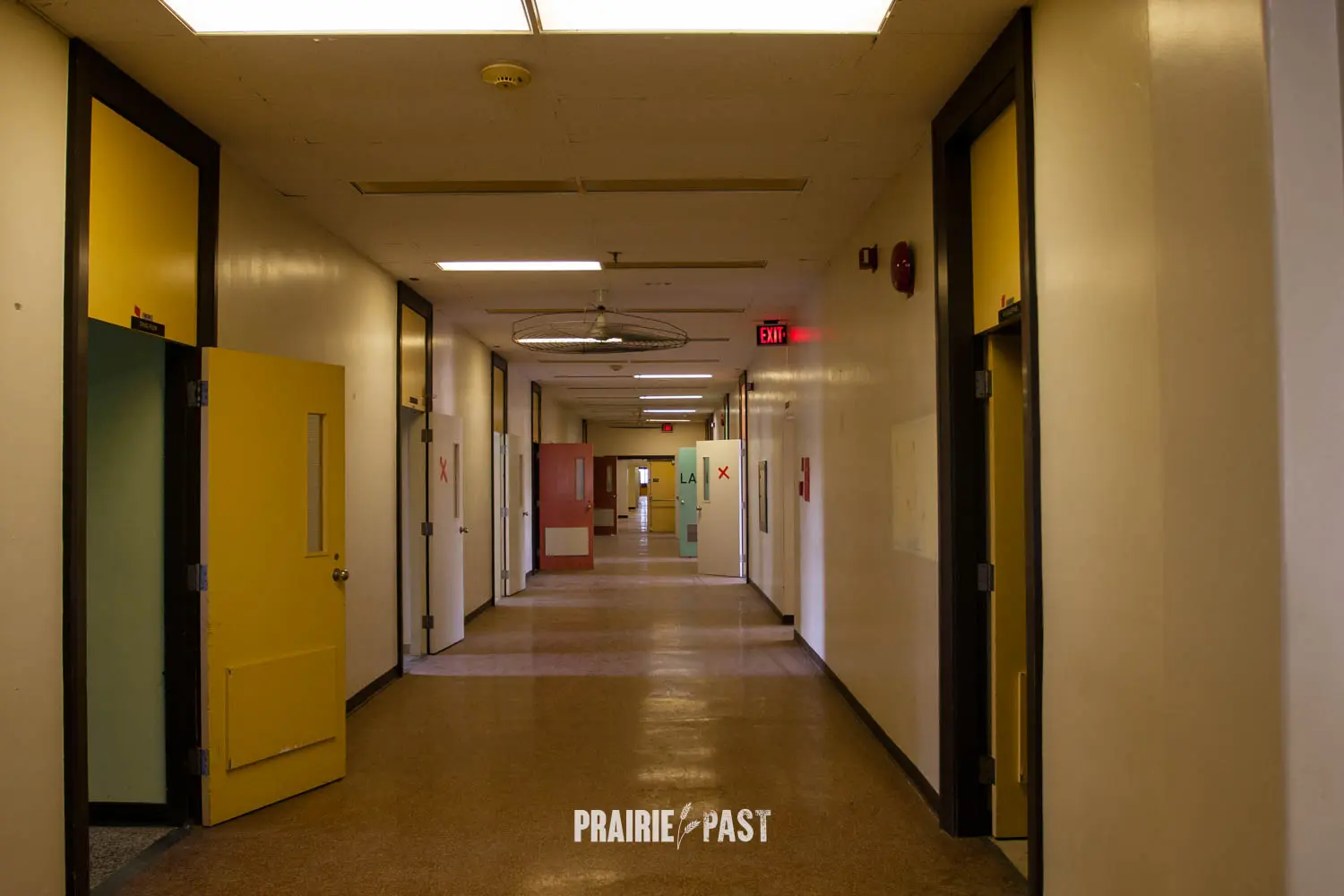
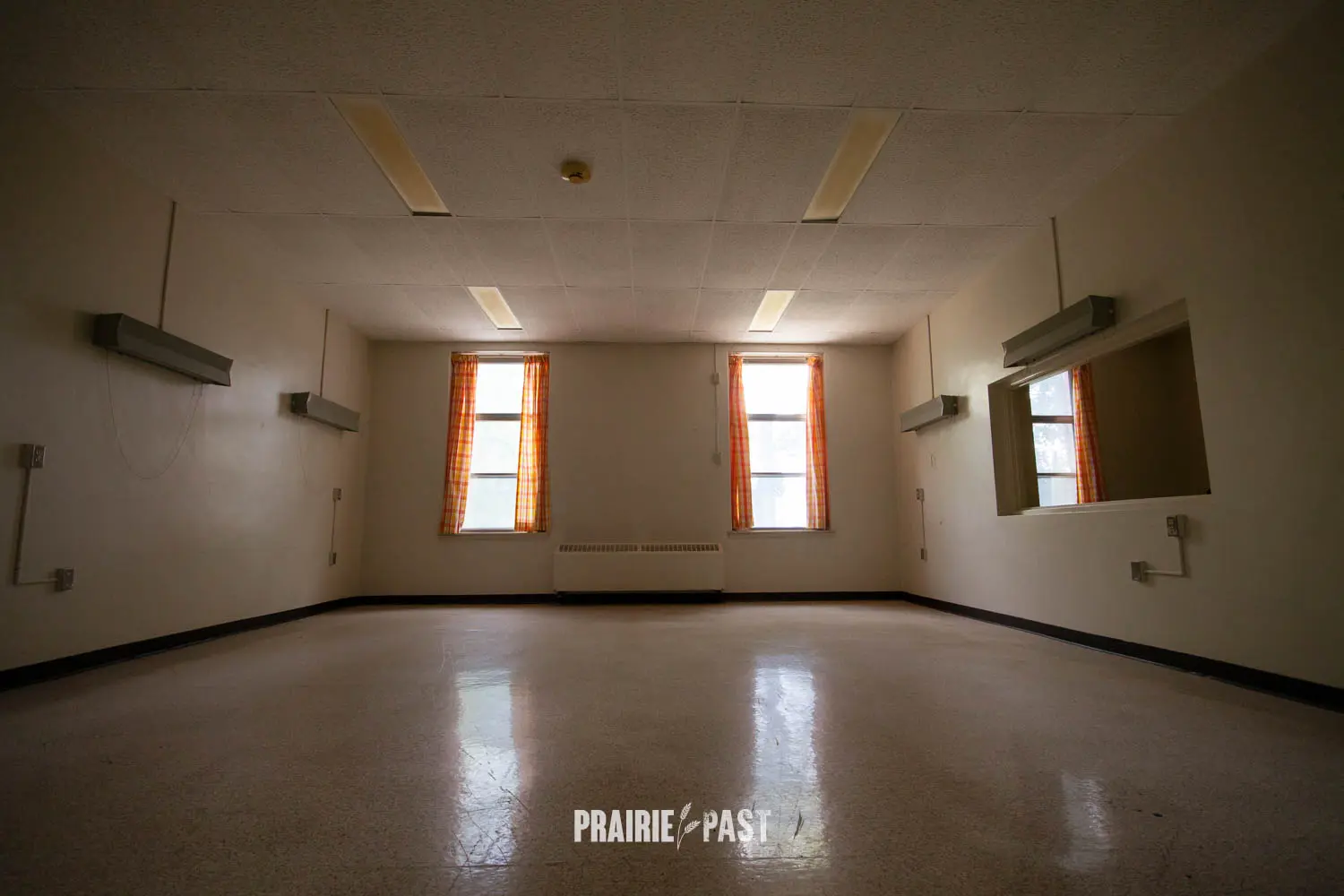
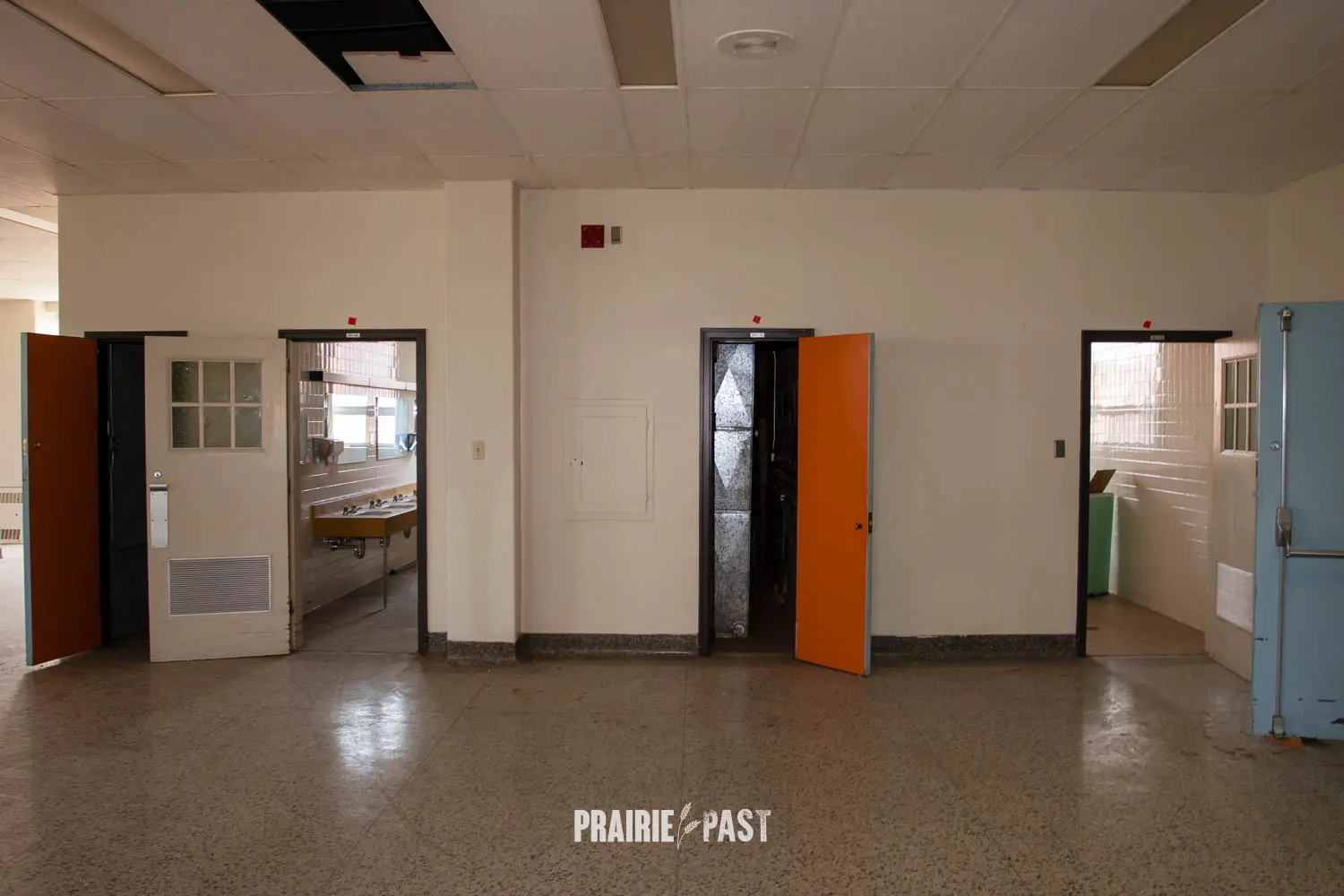
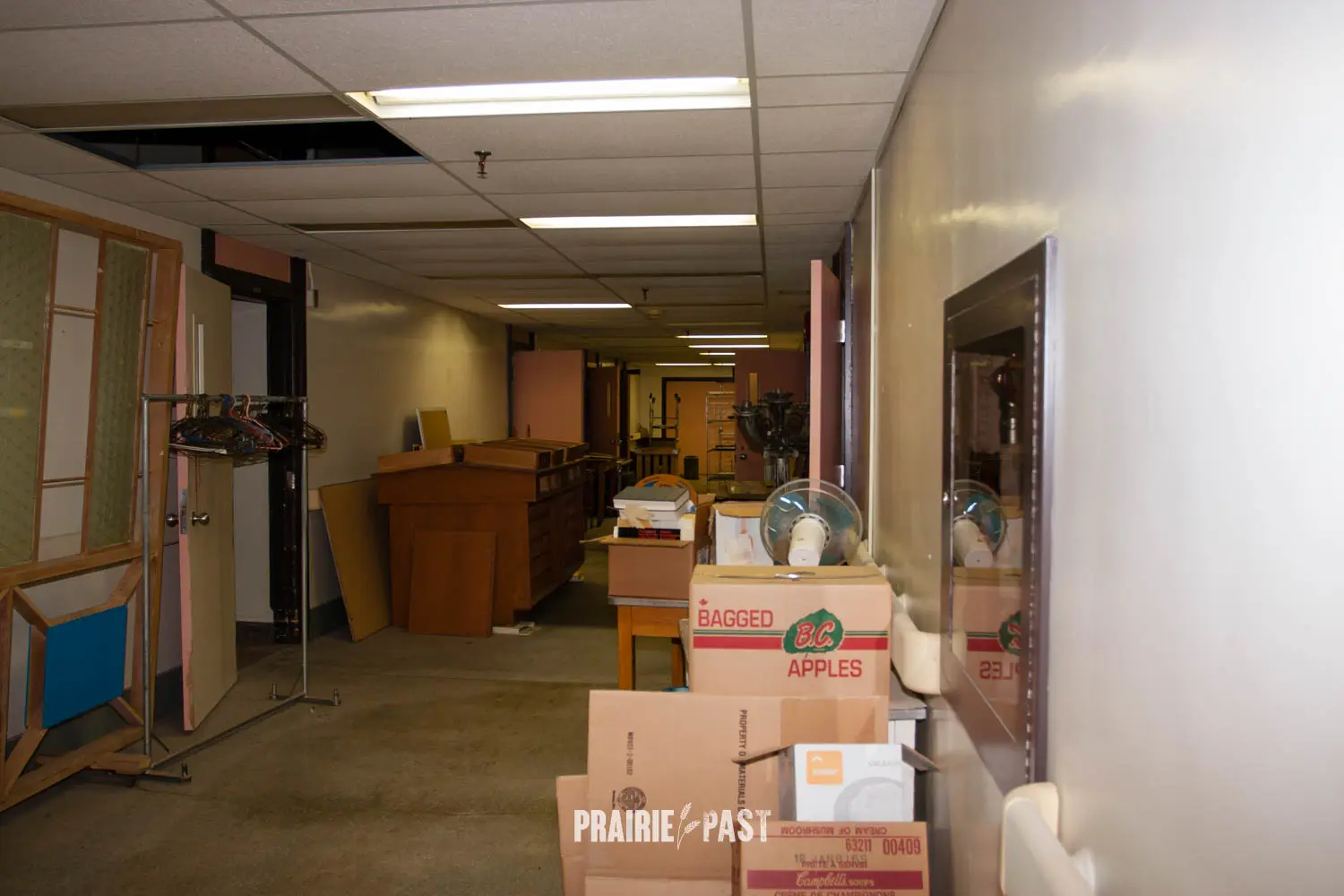
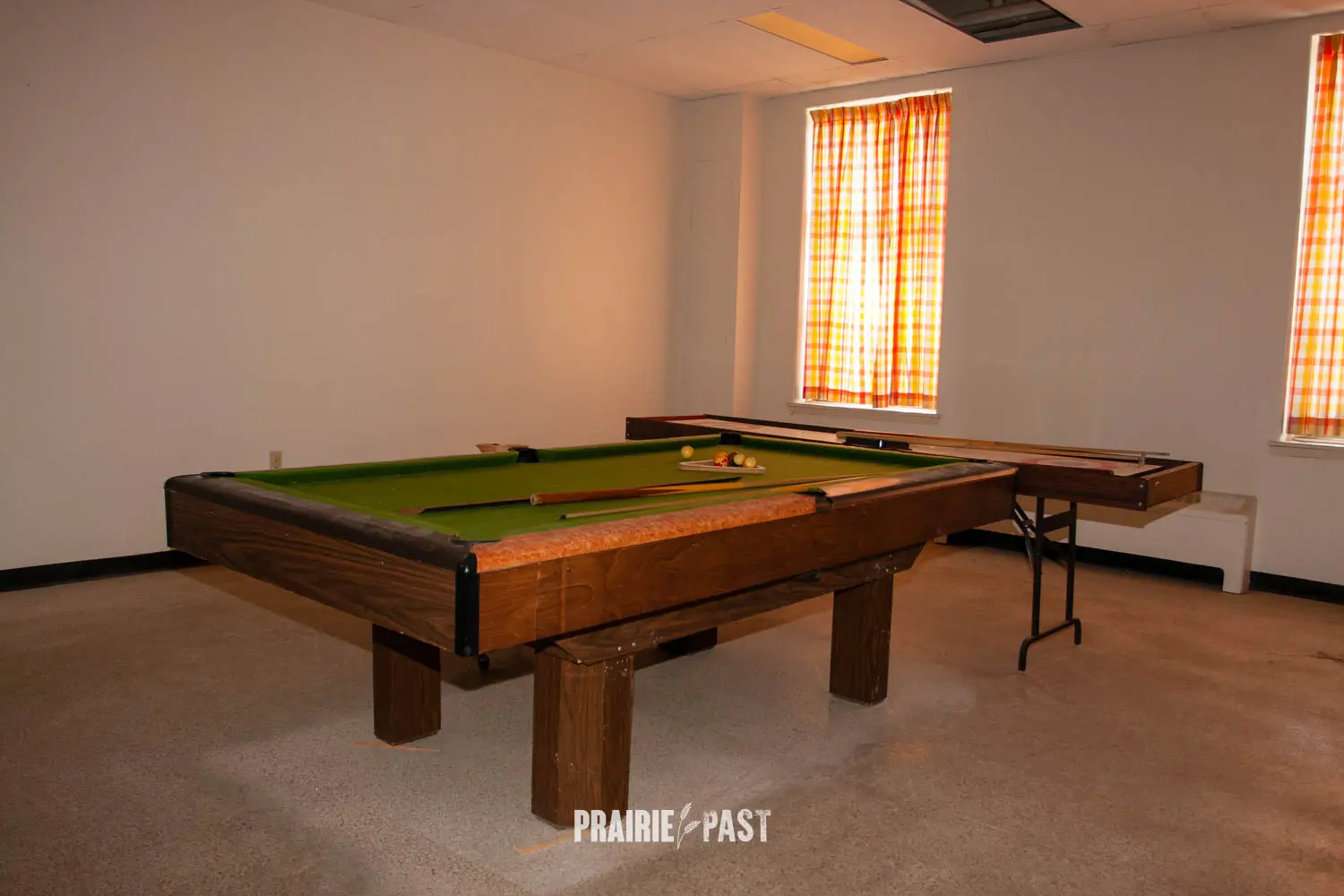
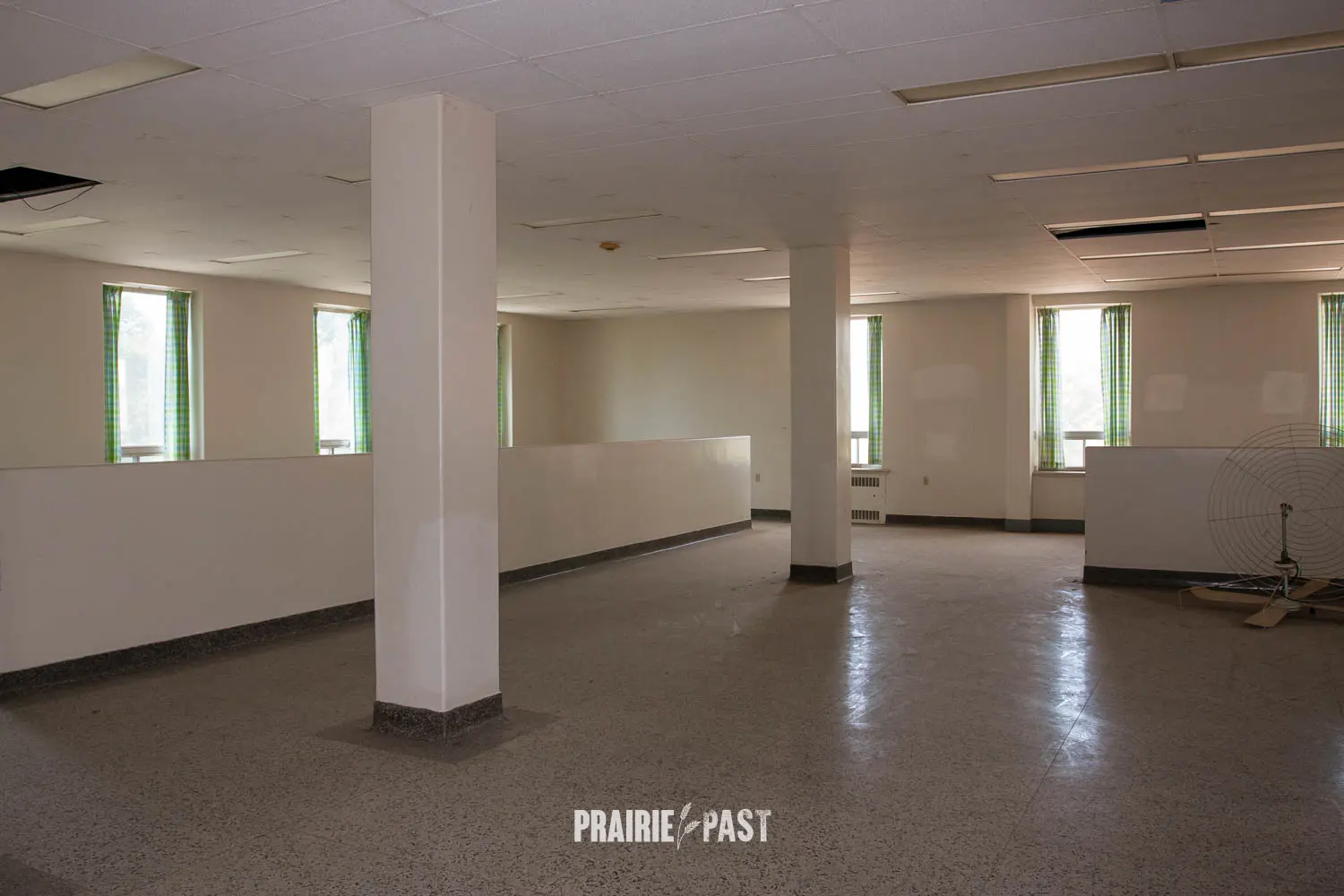
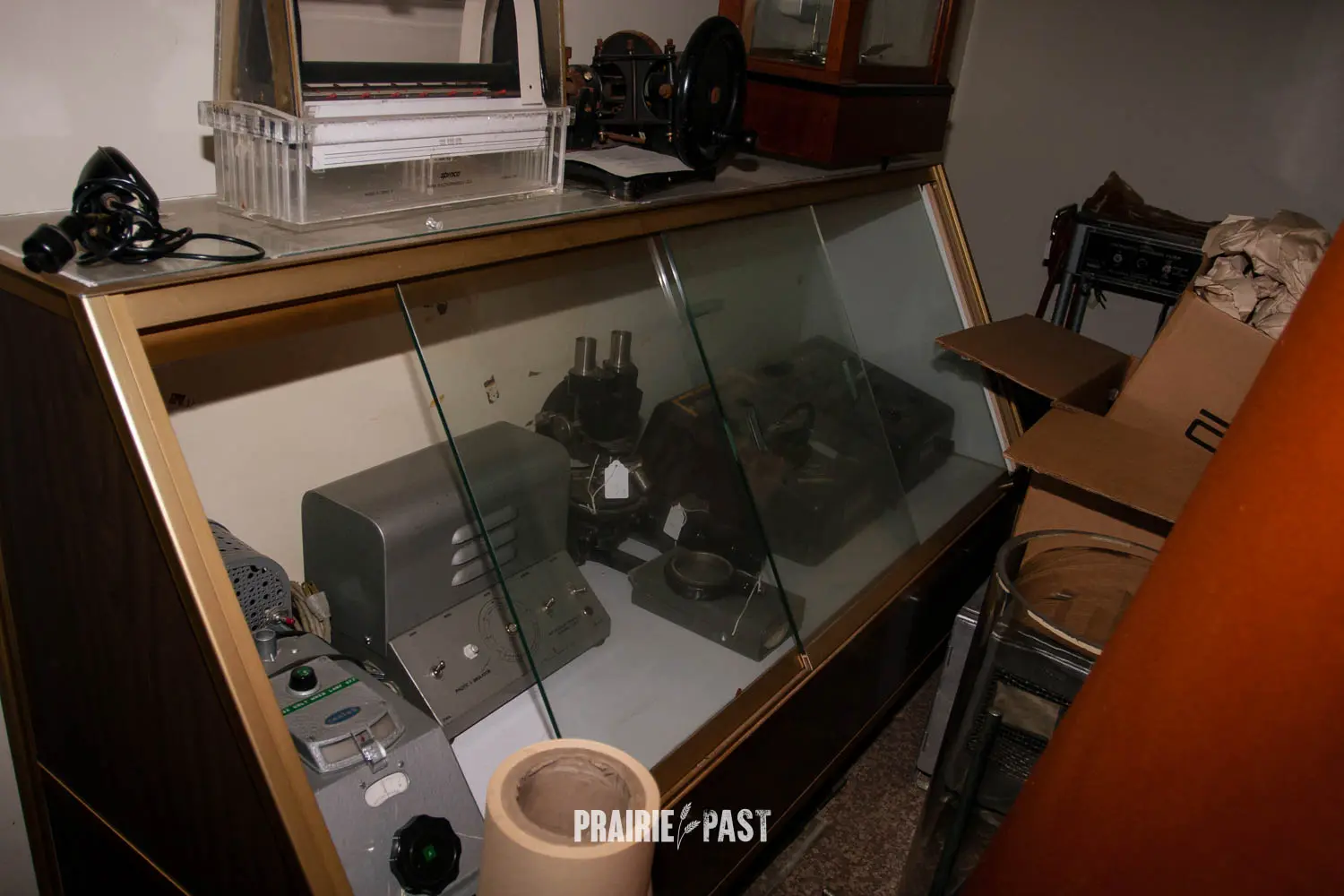
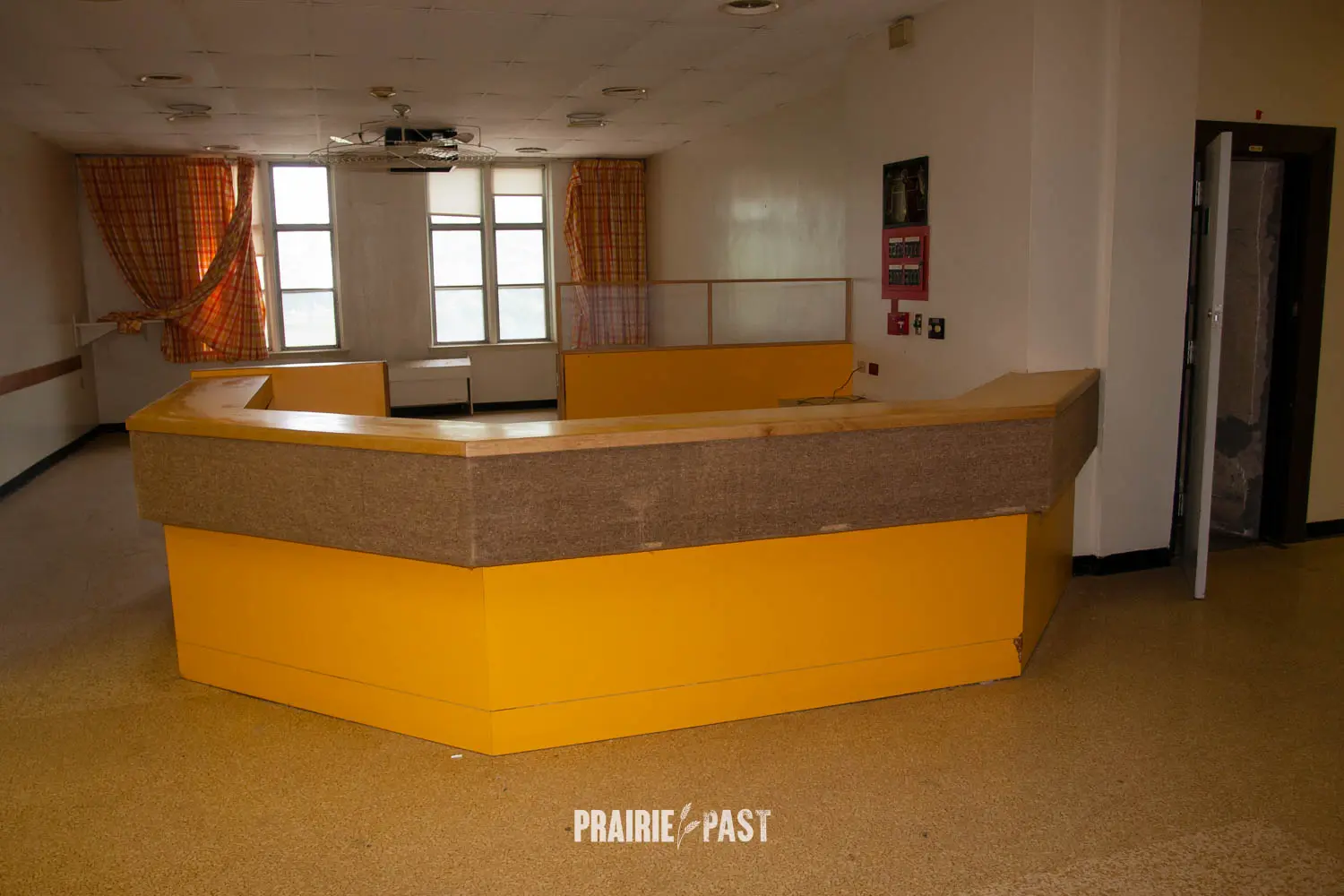
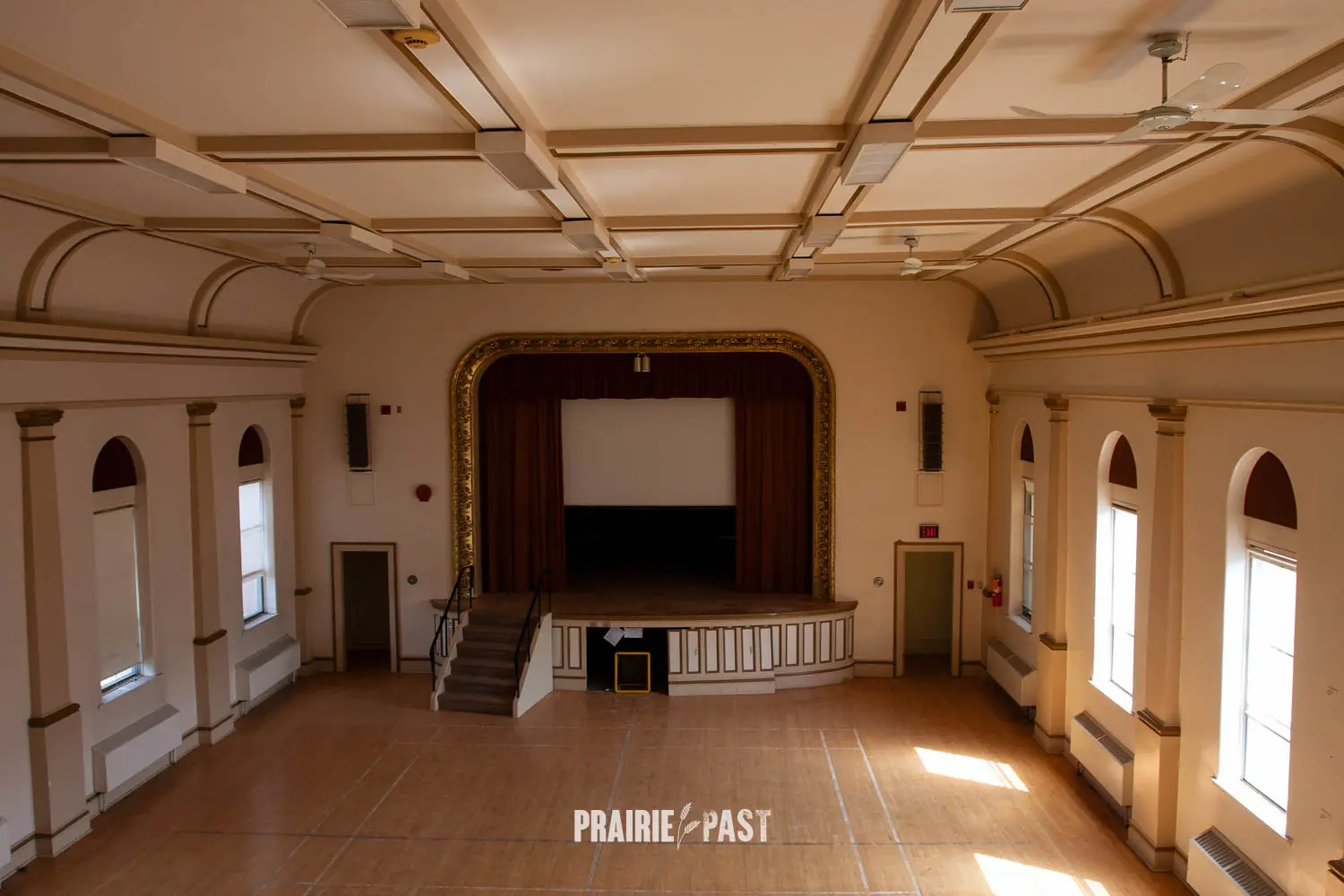
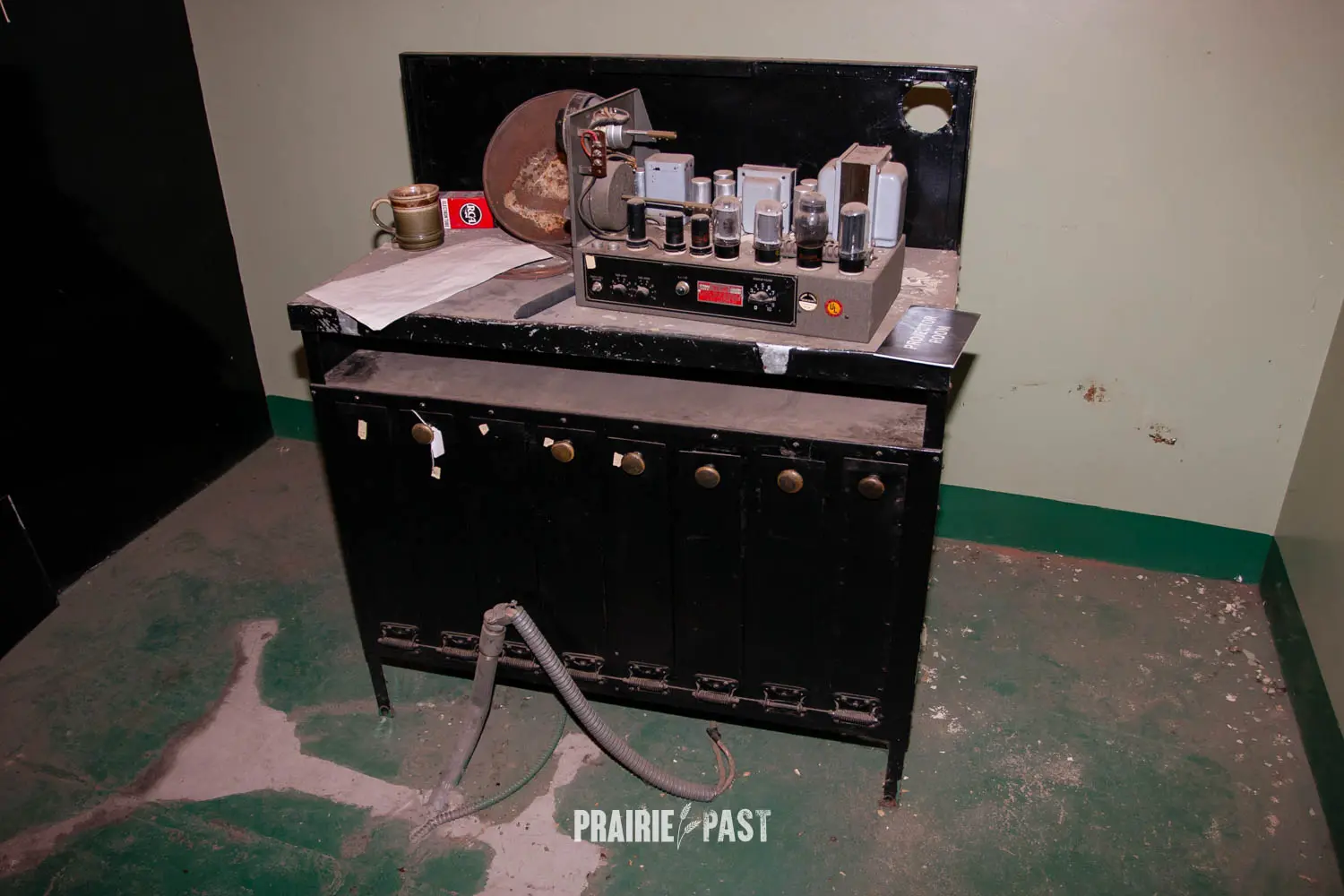
The Parkland Building itself is now part of ACC’s North Hill Campus, with long-term plans in place for renovation and reuse. Before its asbestos abatement and remodeling, the building remained a powerful reminder of the province’s medical and architectural history.
In 1991, the facility’s 100th anniversary was commemorated with a plaque from the Manitoba Heritage Council and a monument near the Nurses’ Residence. The site is also home to two cemeteries, marking the final resting place of those who lived and died within the institution. The South Cemetery contains burials from 1898 to 1925, while later burials occurred in the North Cemetery.
The Parkland Building, with its storied past and imposing presence, stands as a testament to a complex and evolving chapter in Manitoba’s social and medical history. As it prepares to enter a new phase of life as part of a modern educational institution, its walls continue to hold the echoes of more than a century of care, change, and community.
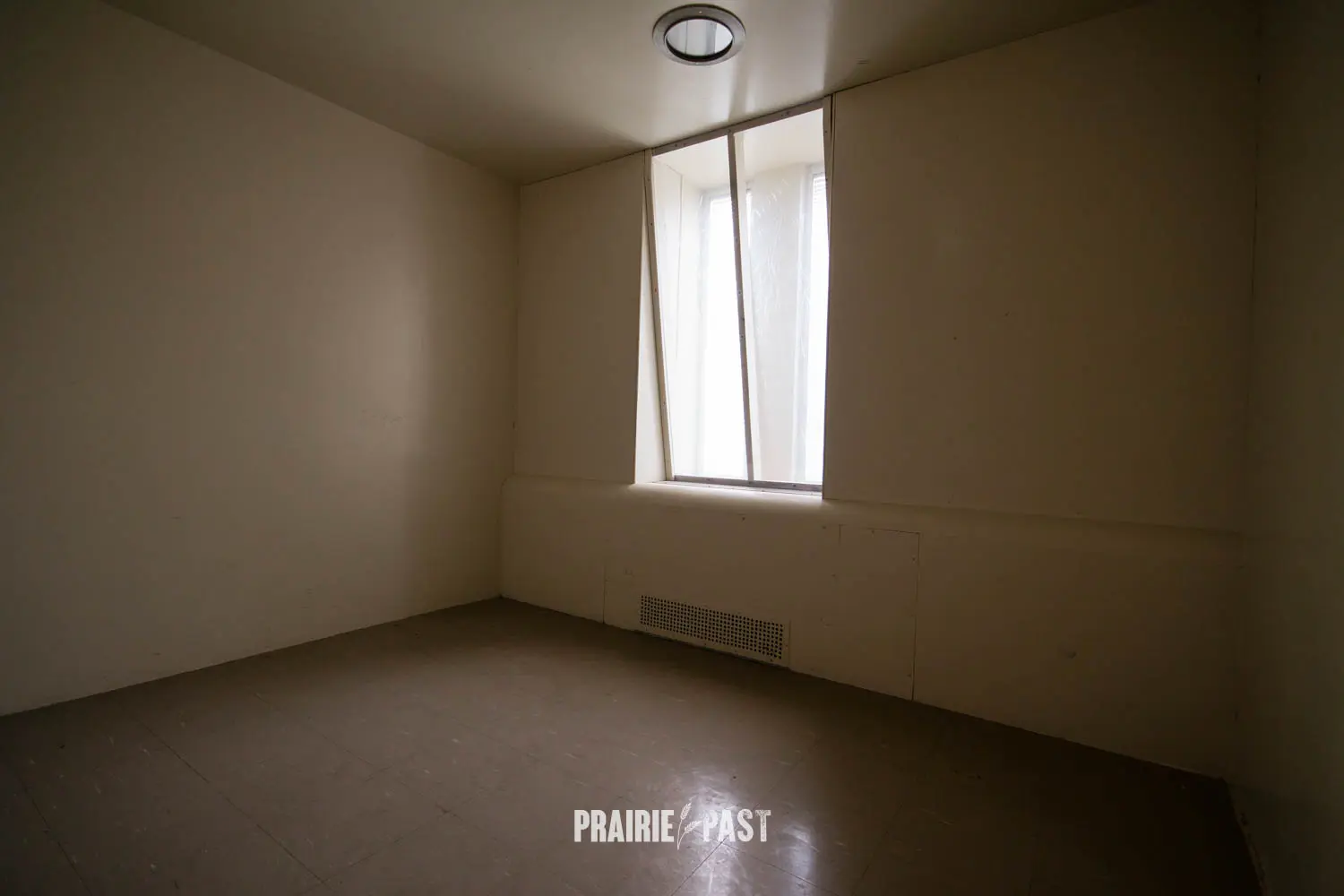
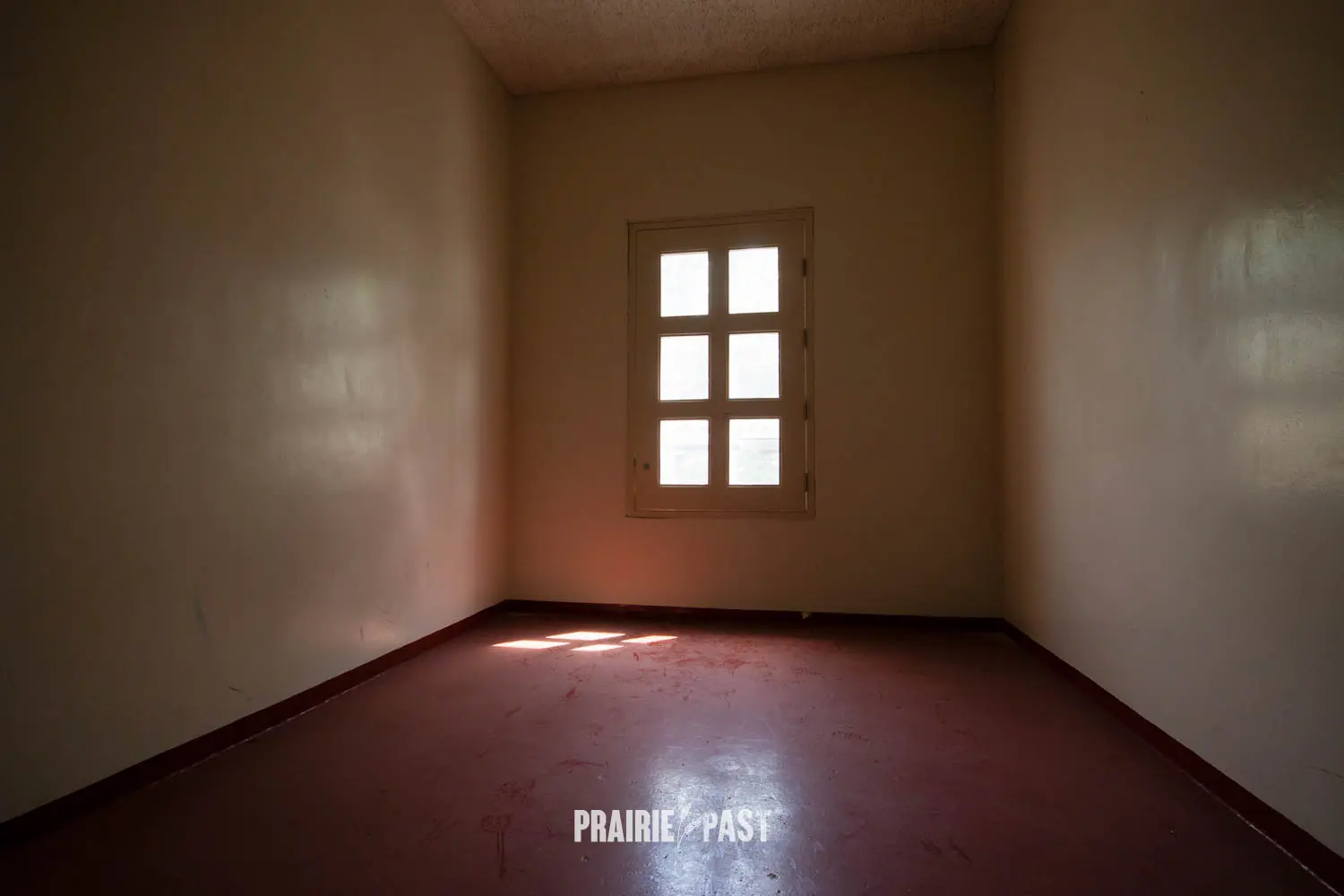
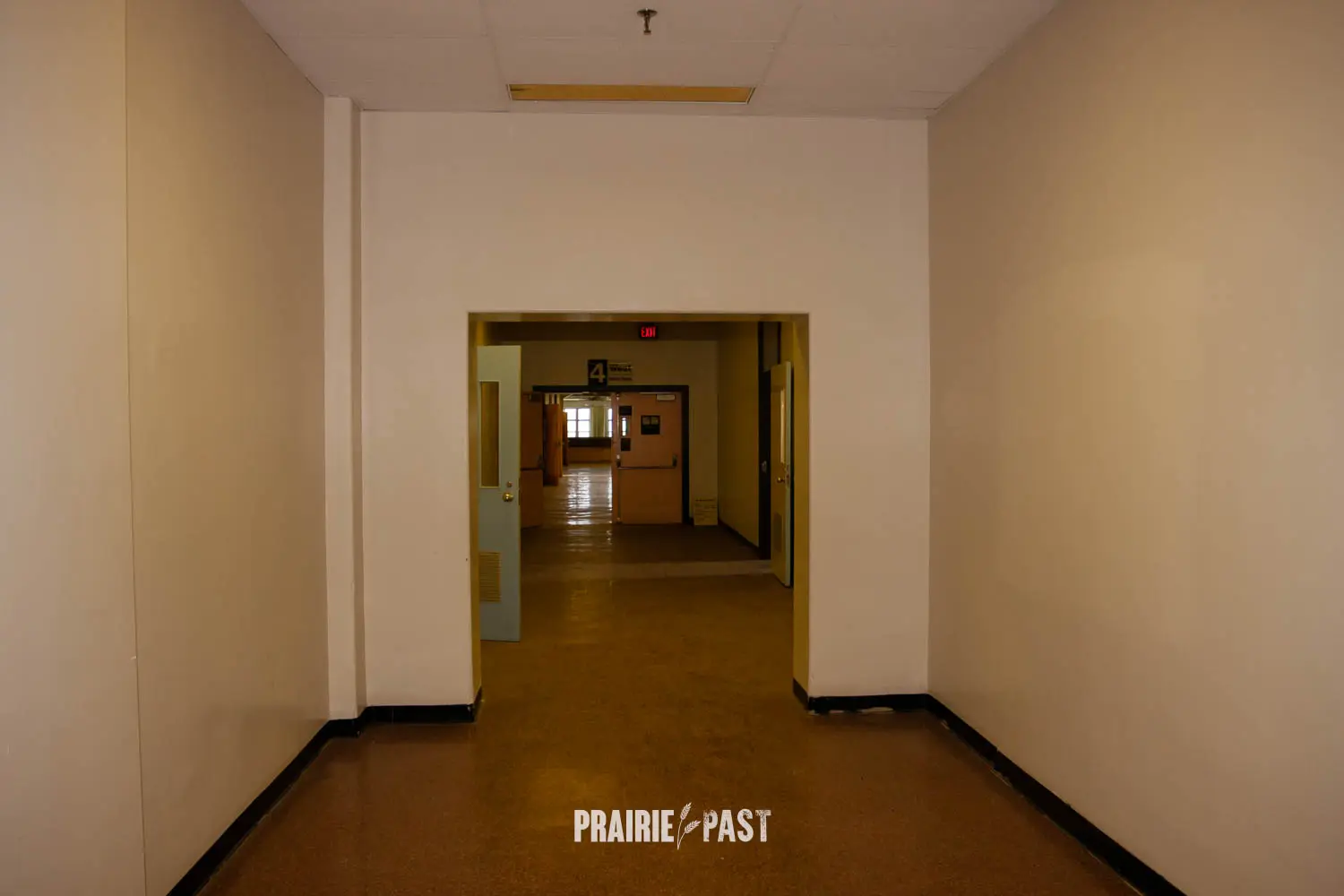
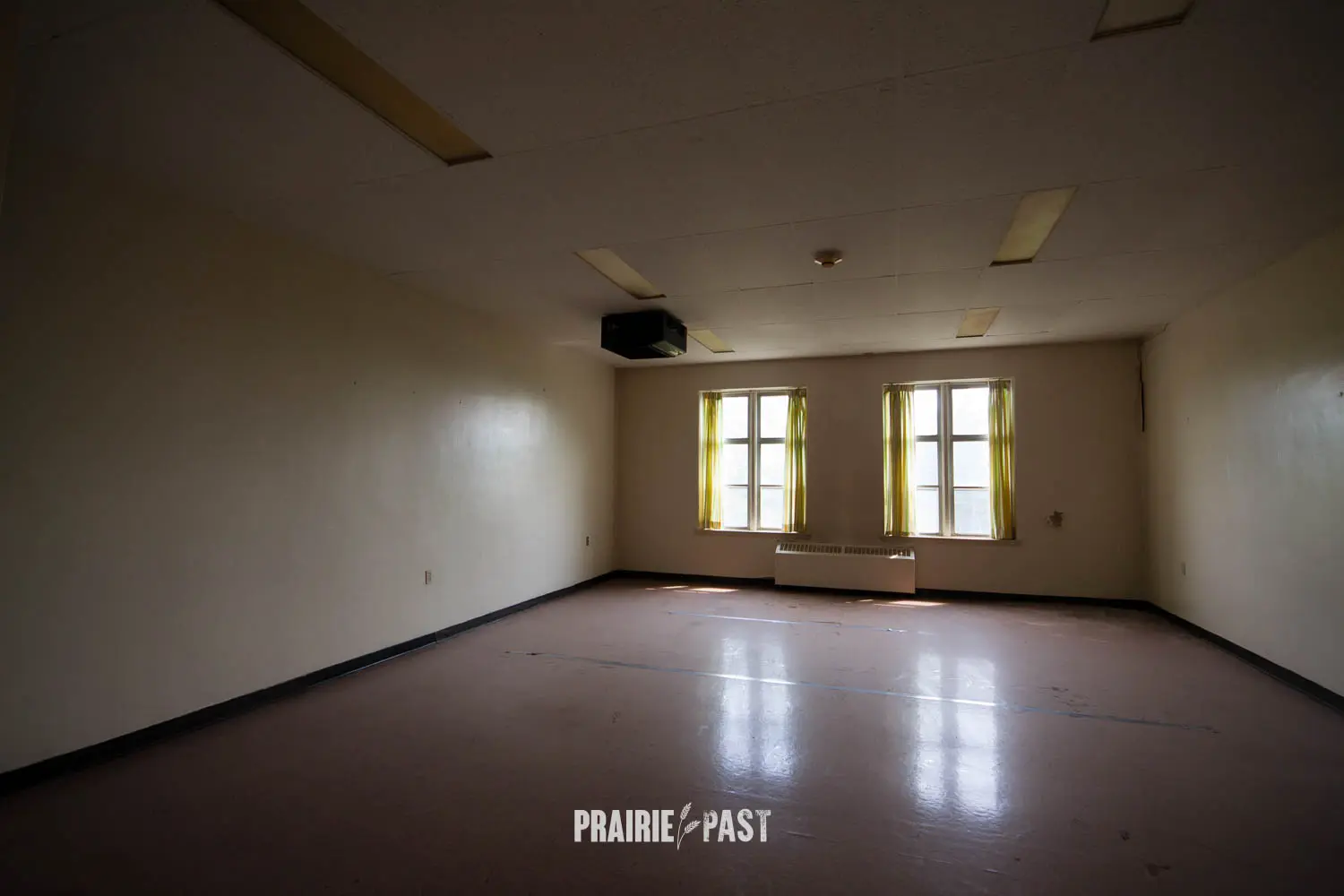
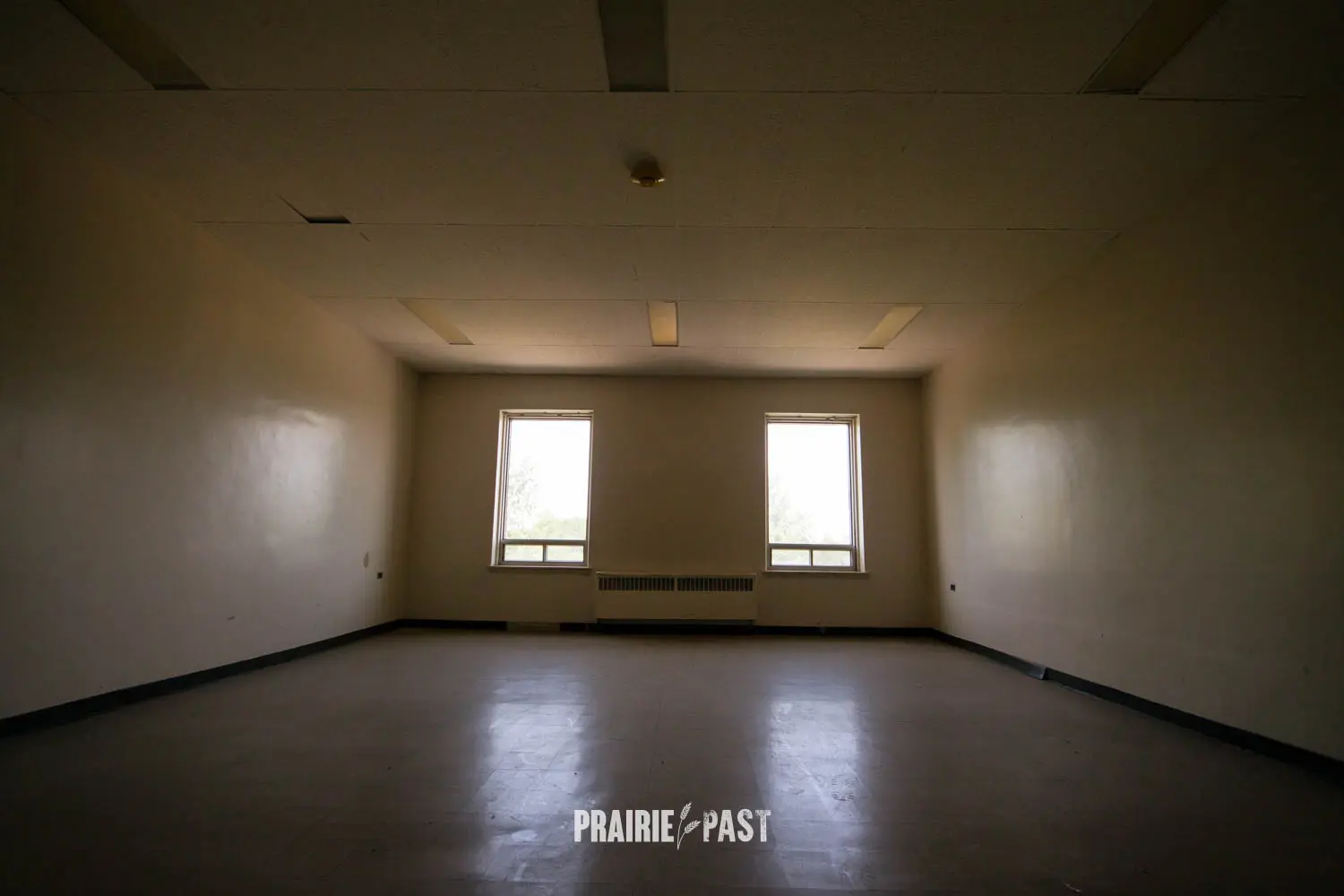
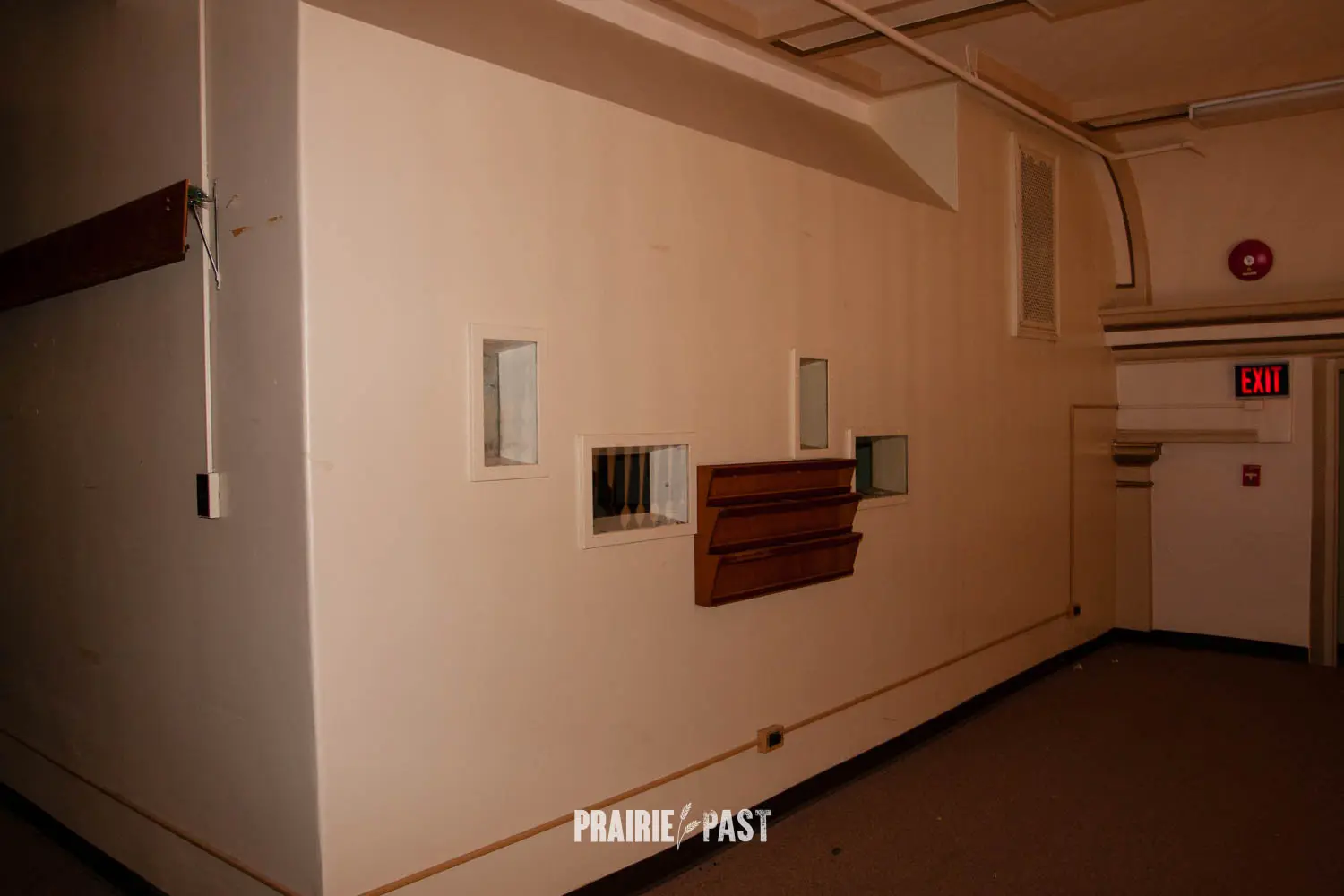
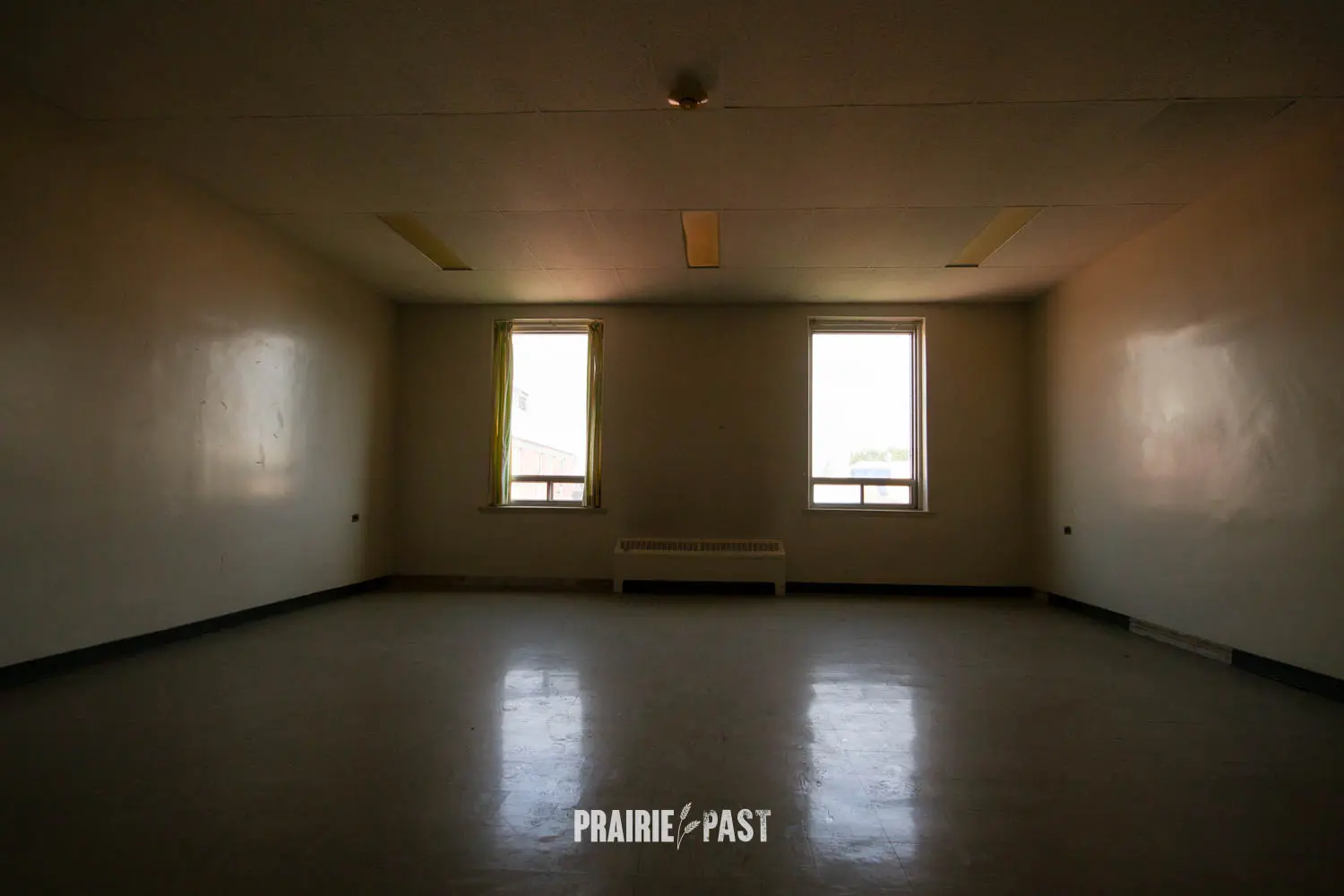
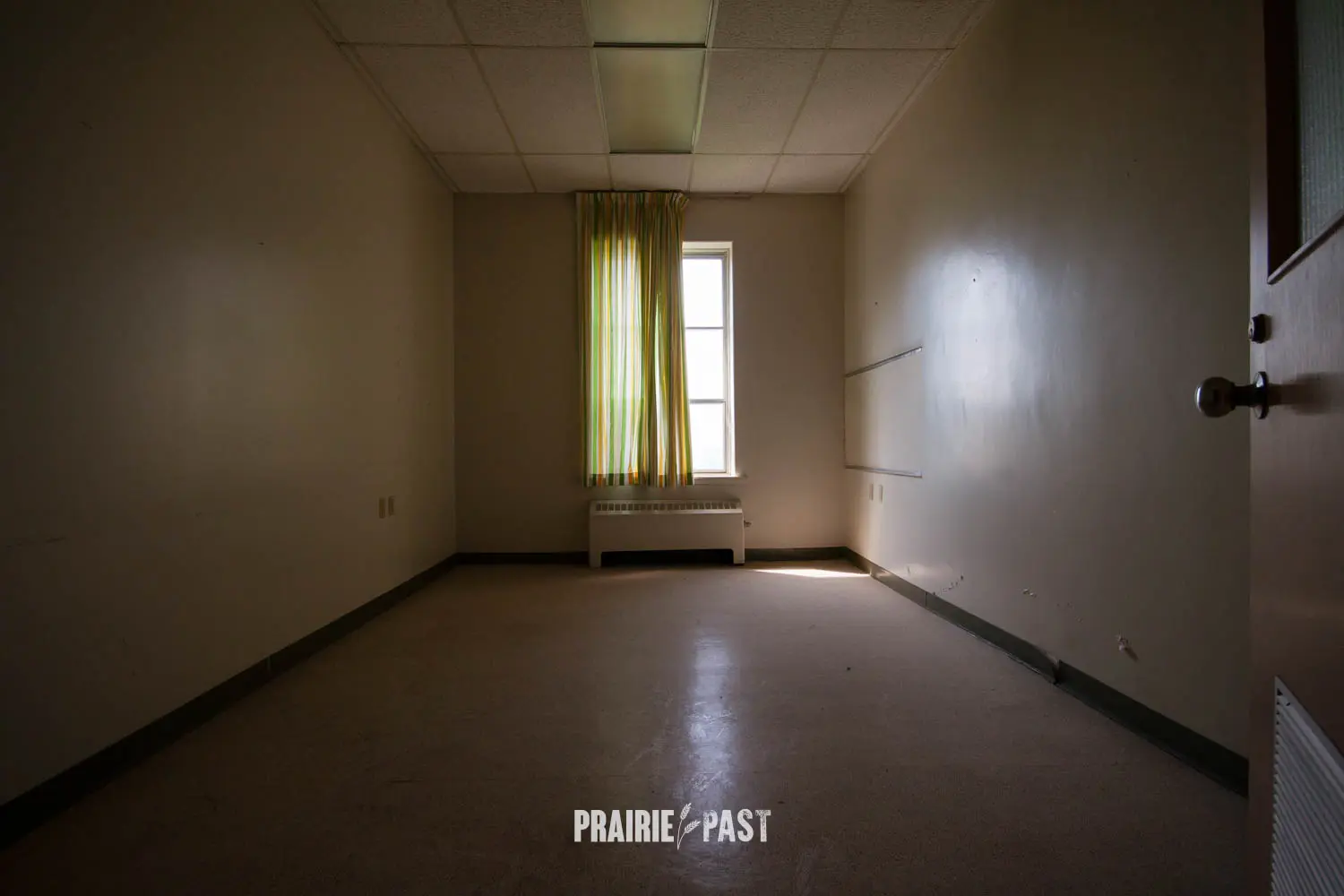
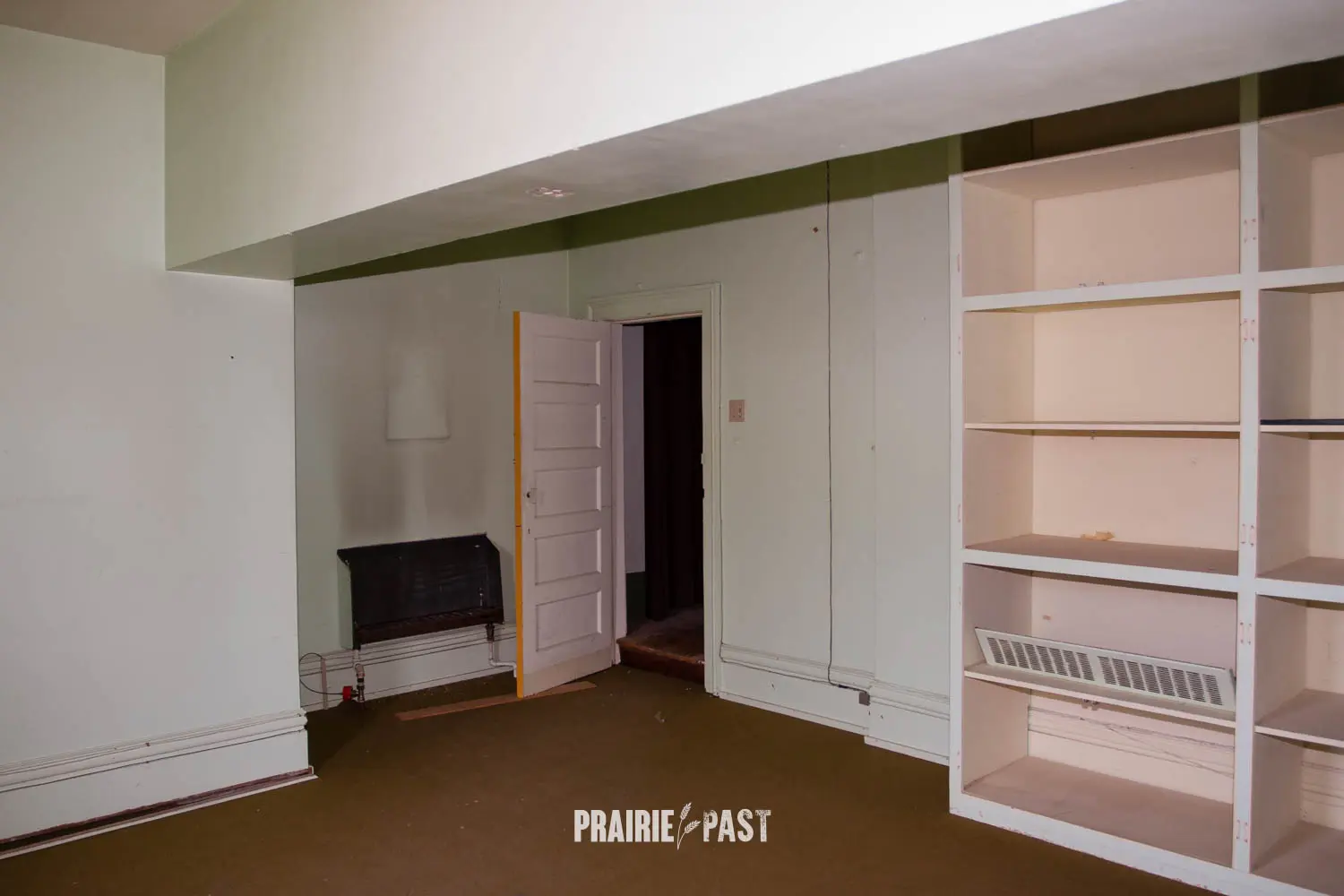
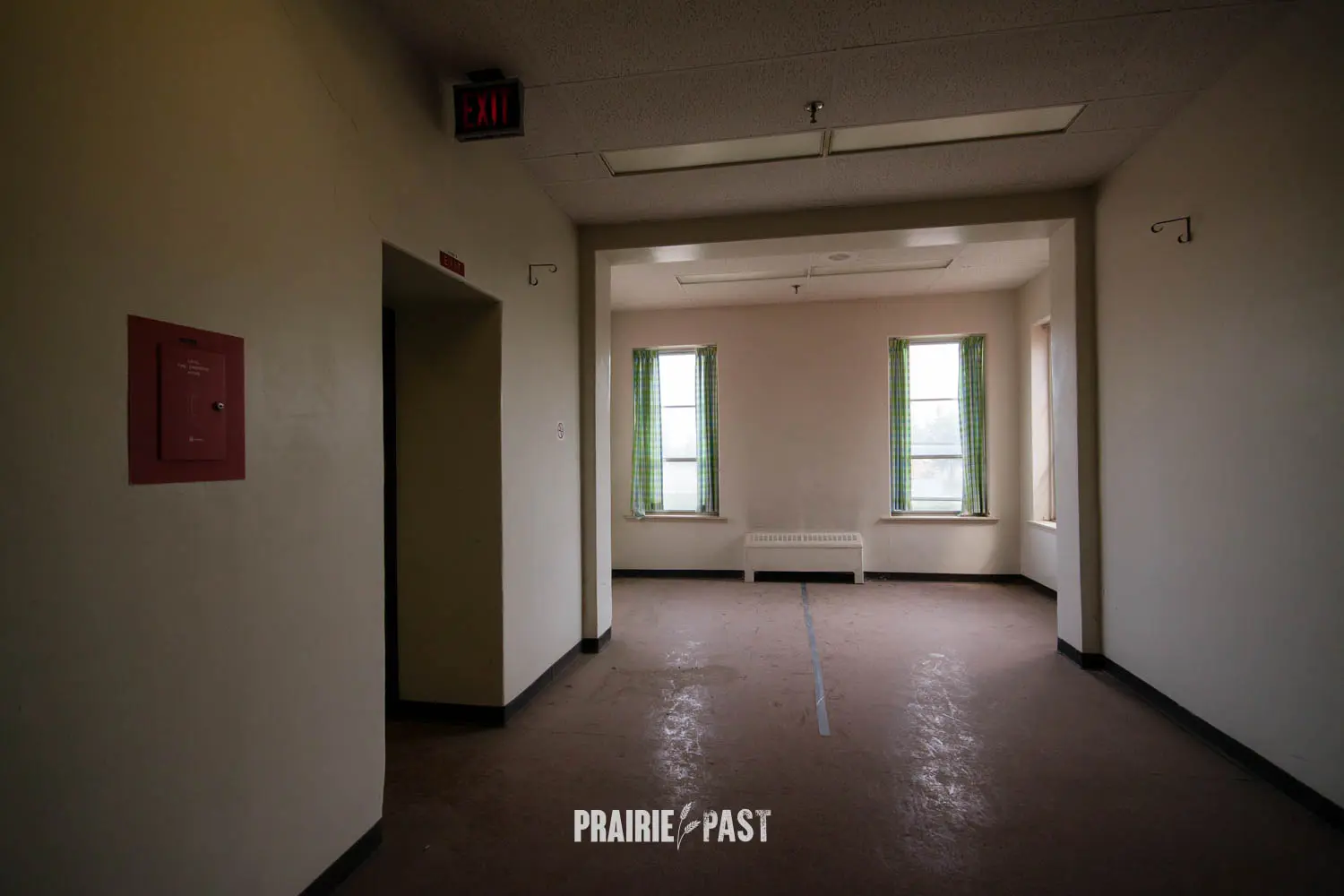
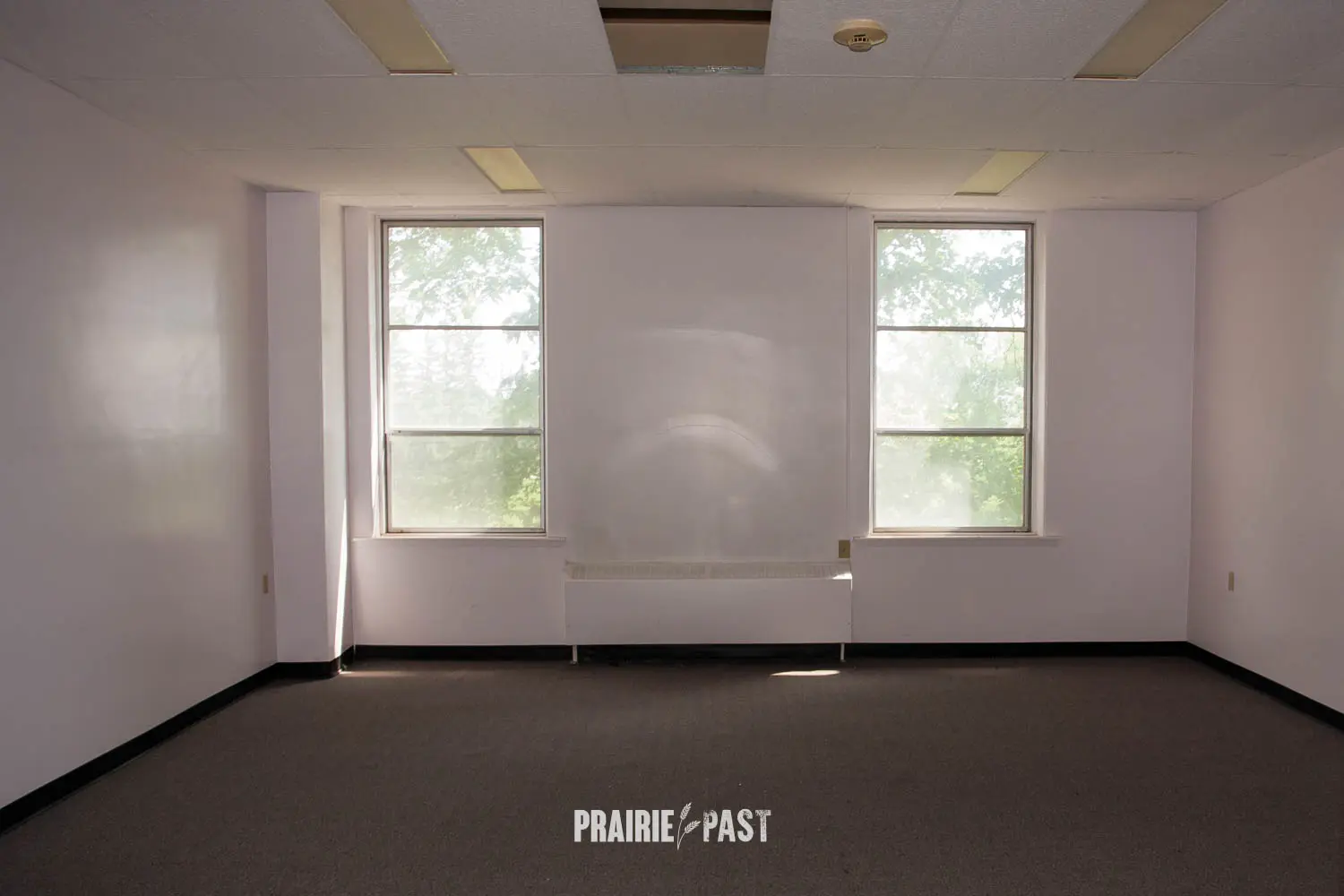
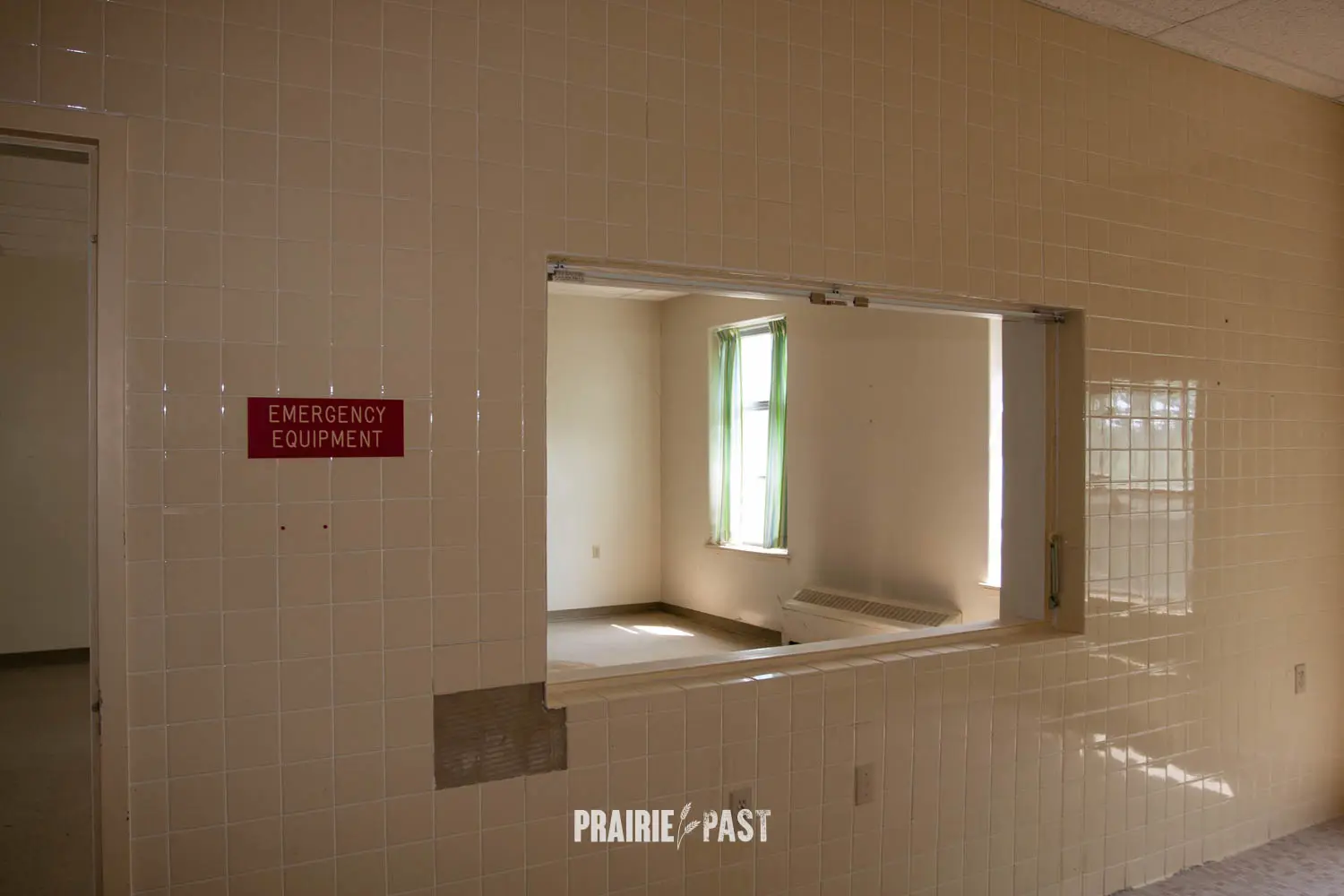
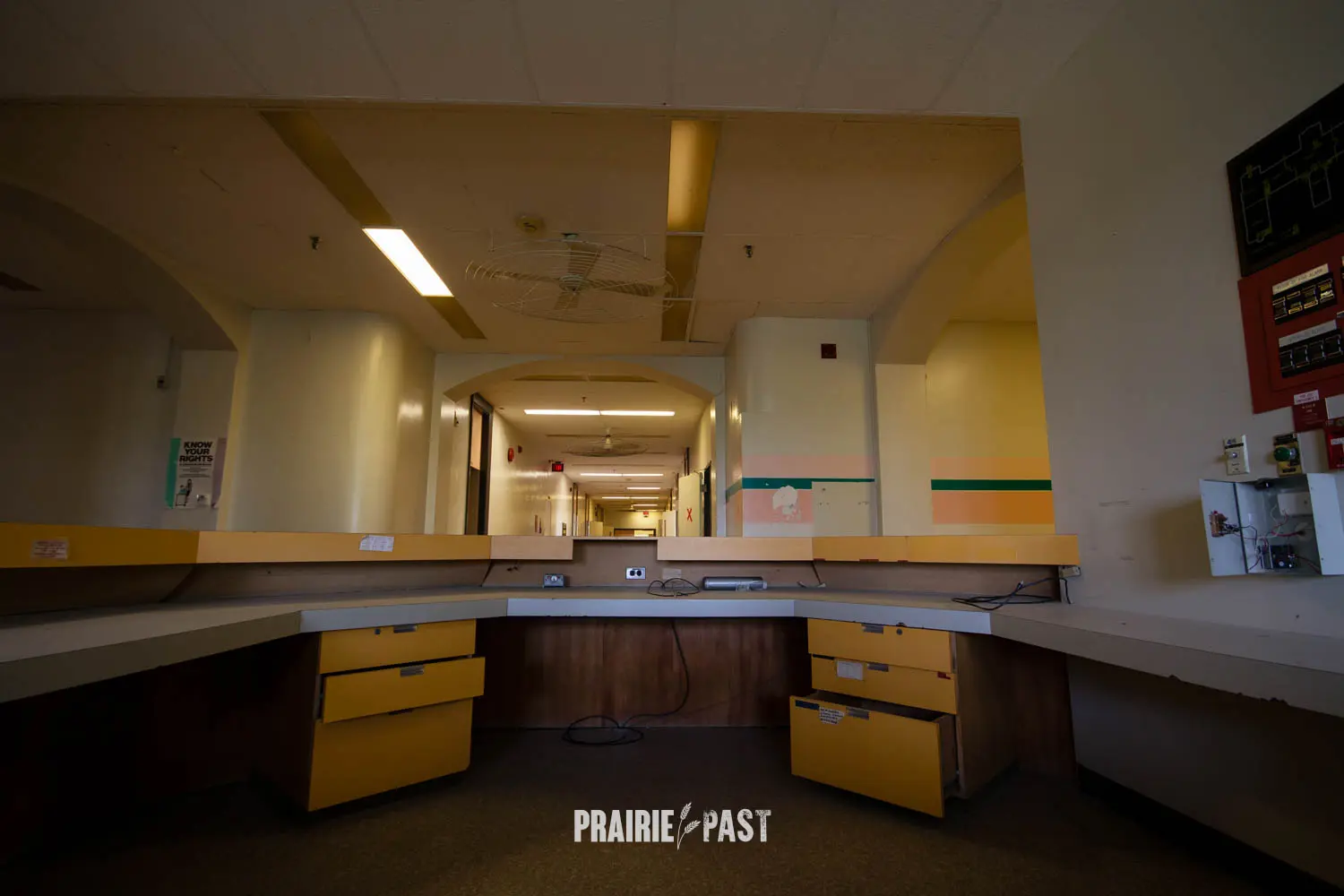
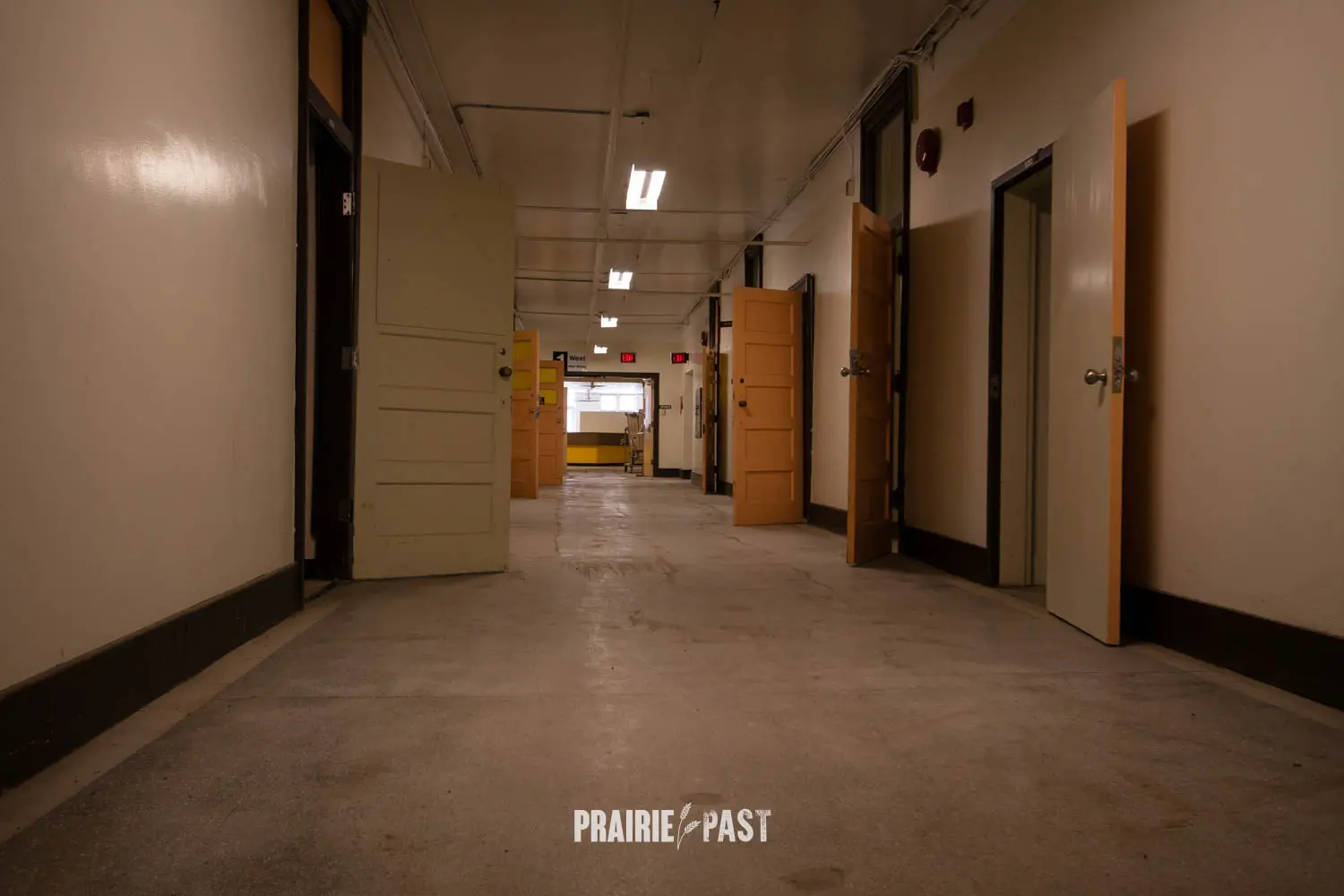
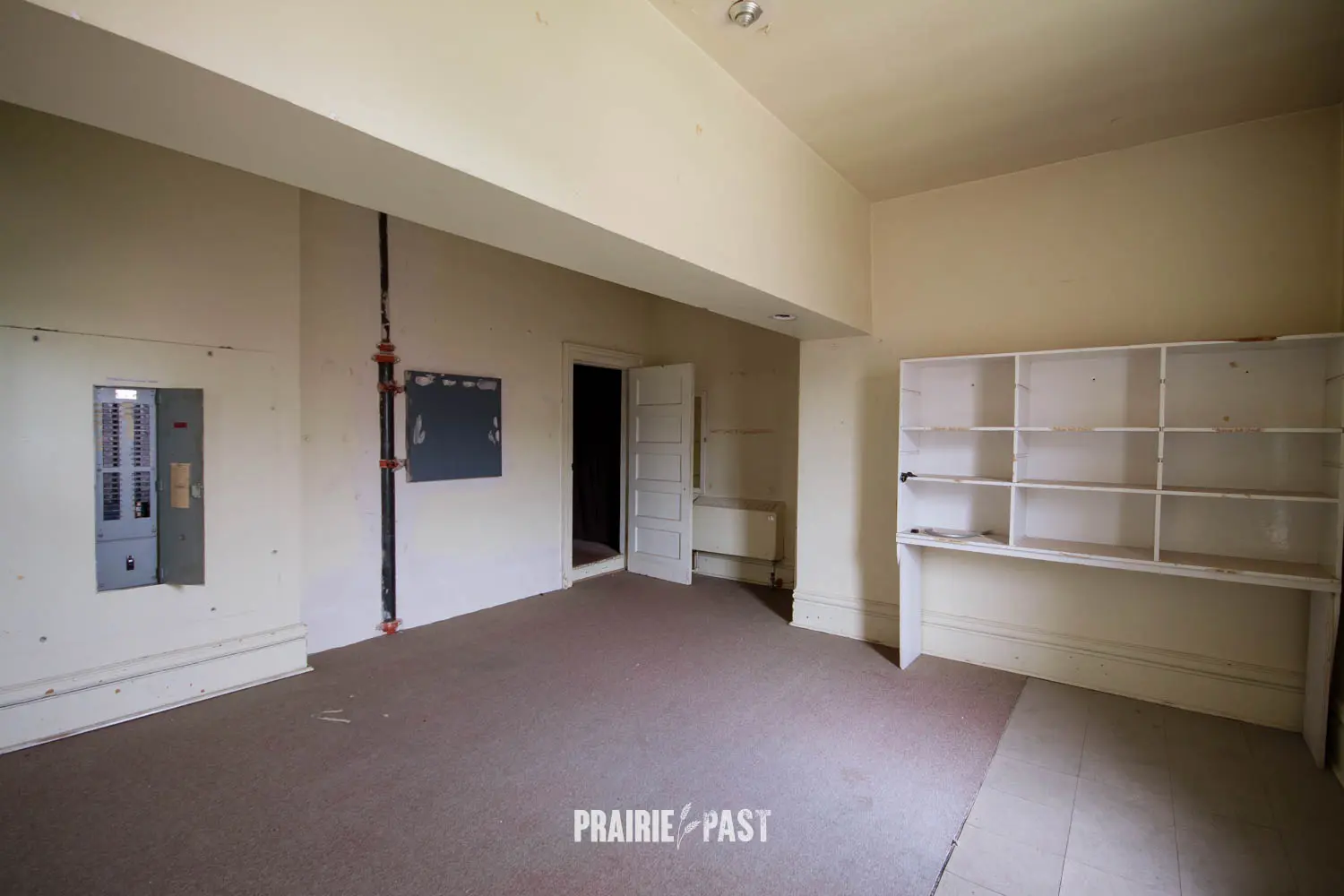
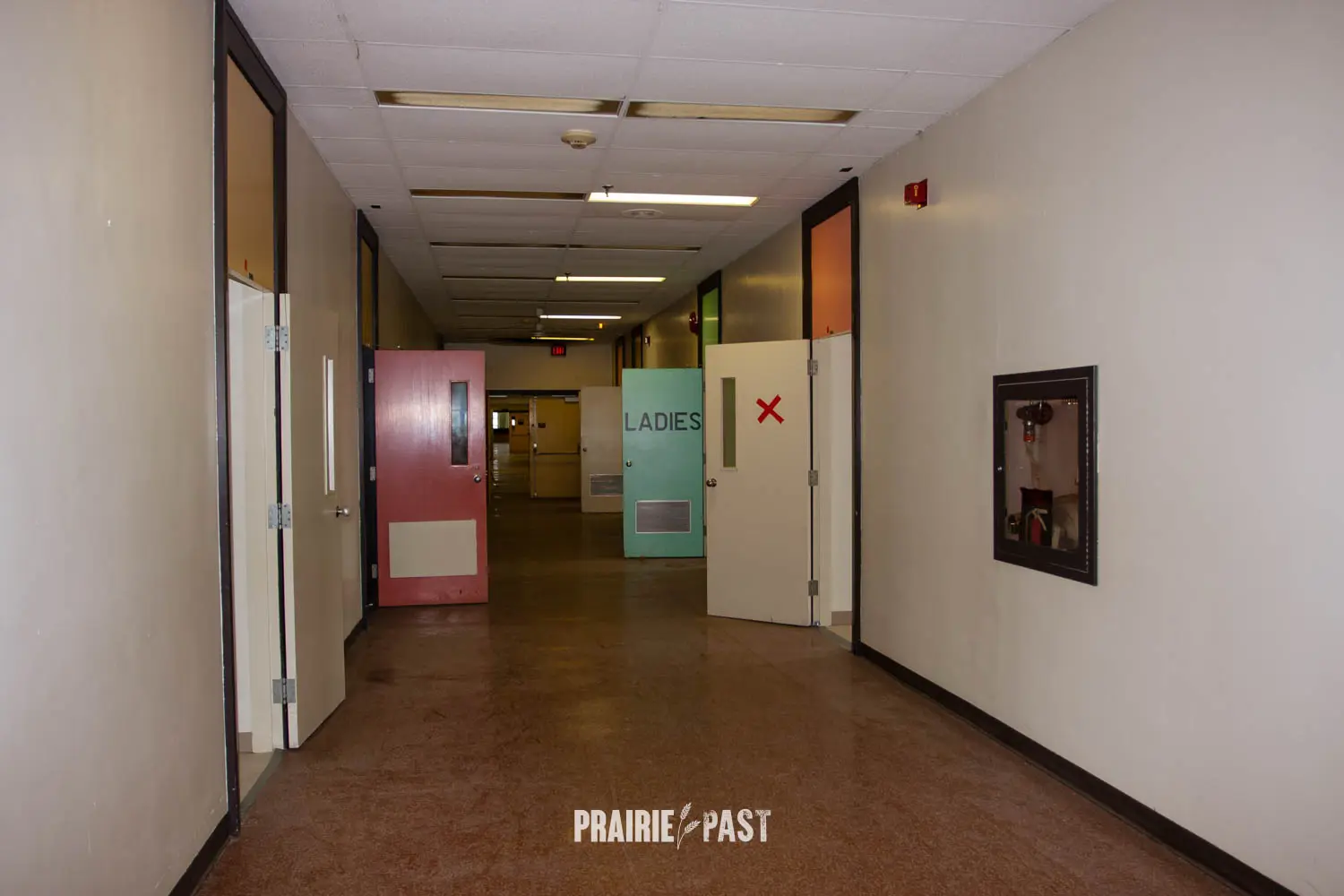
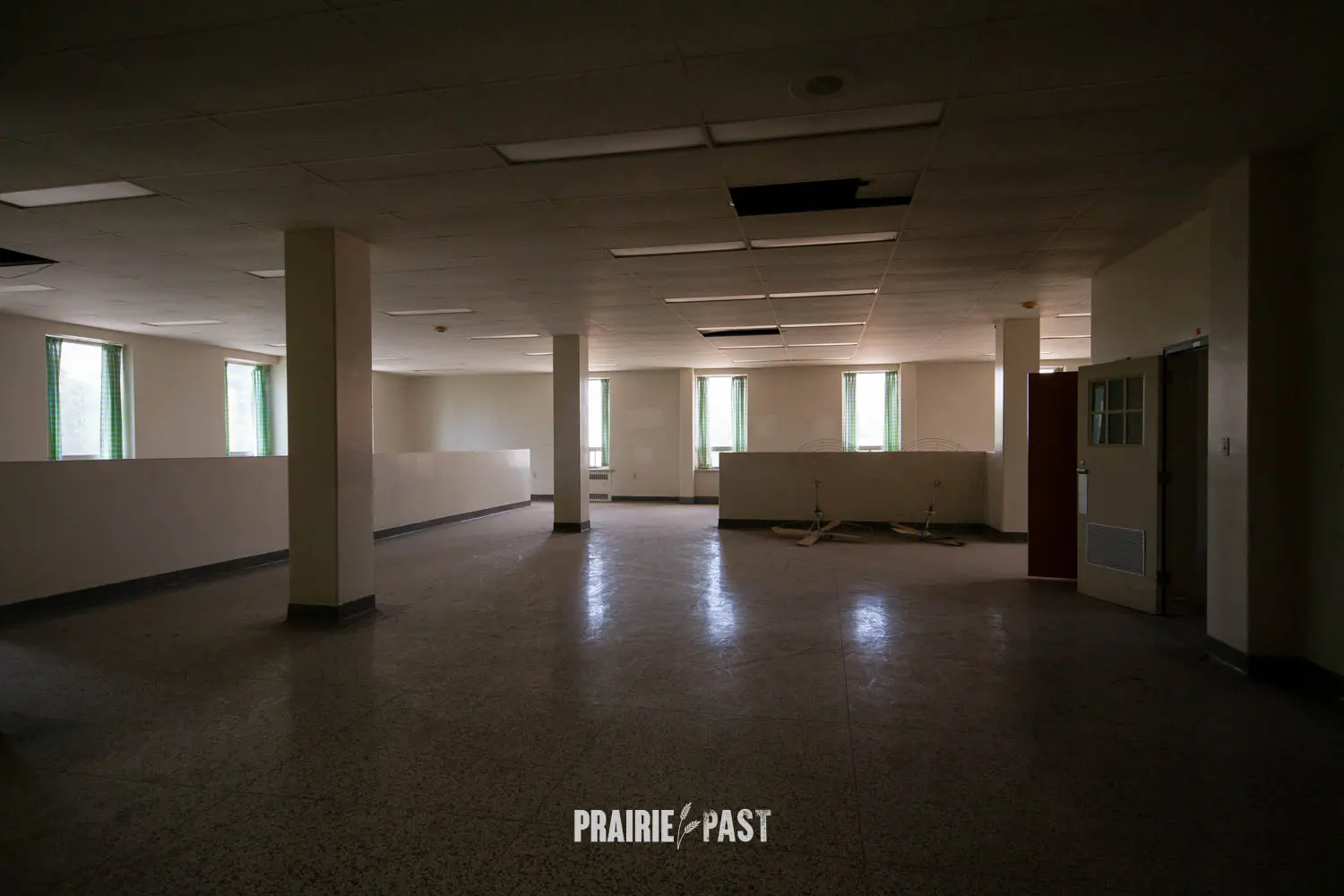
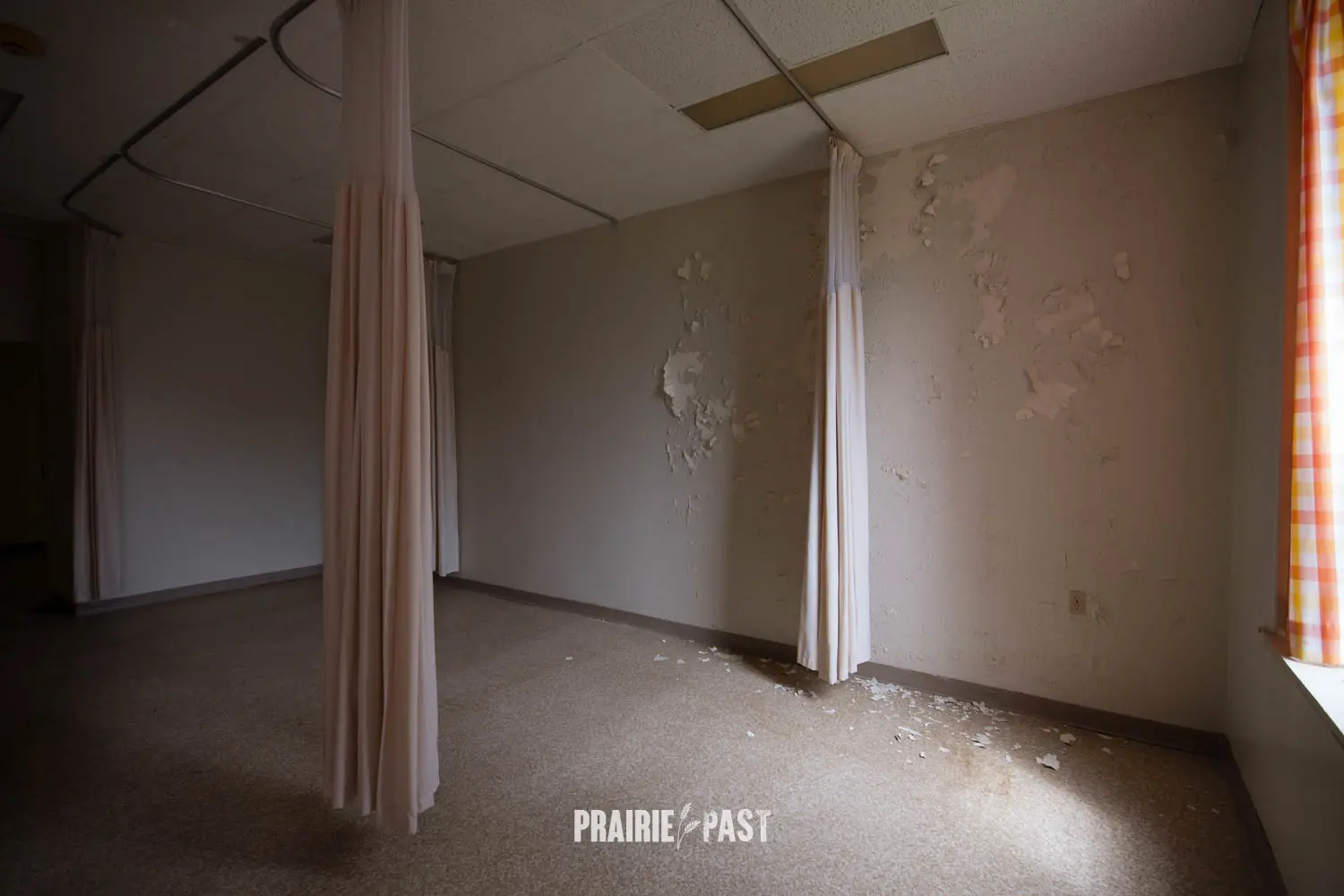
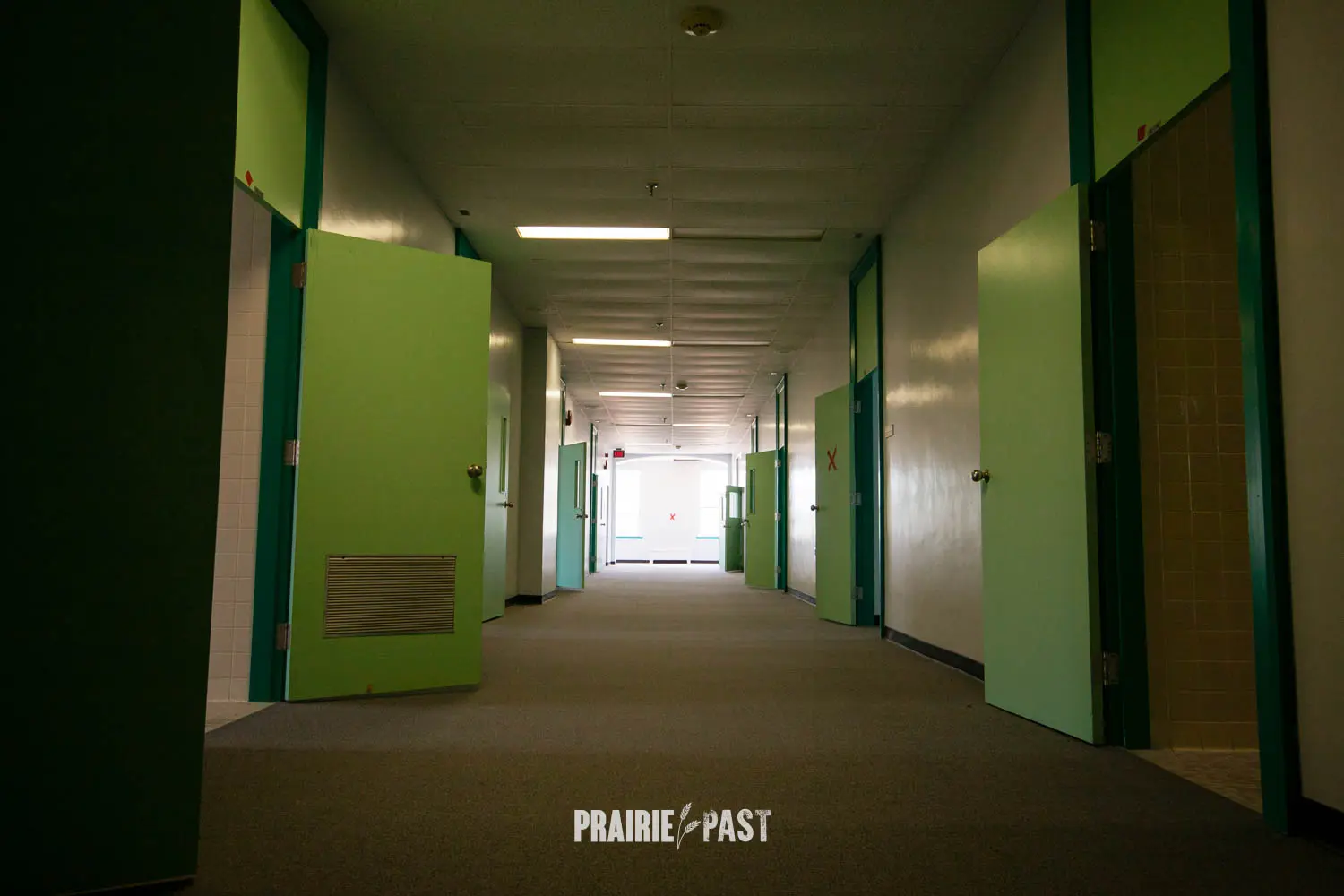
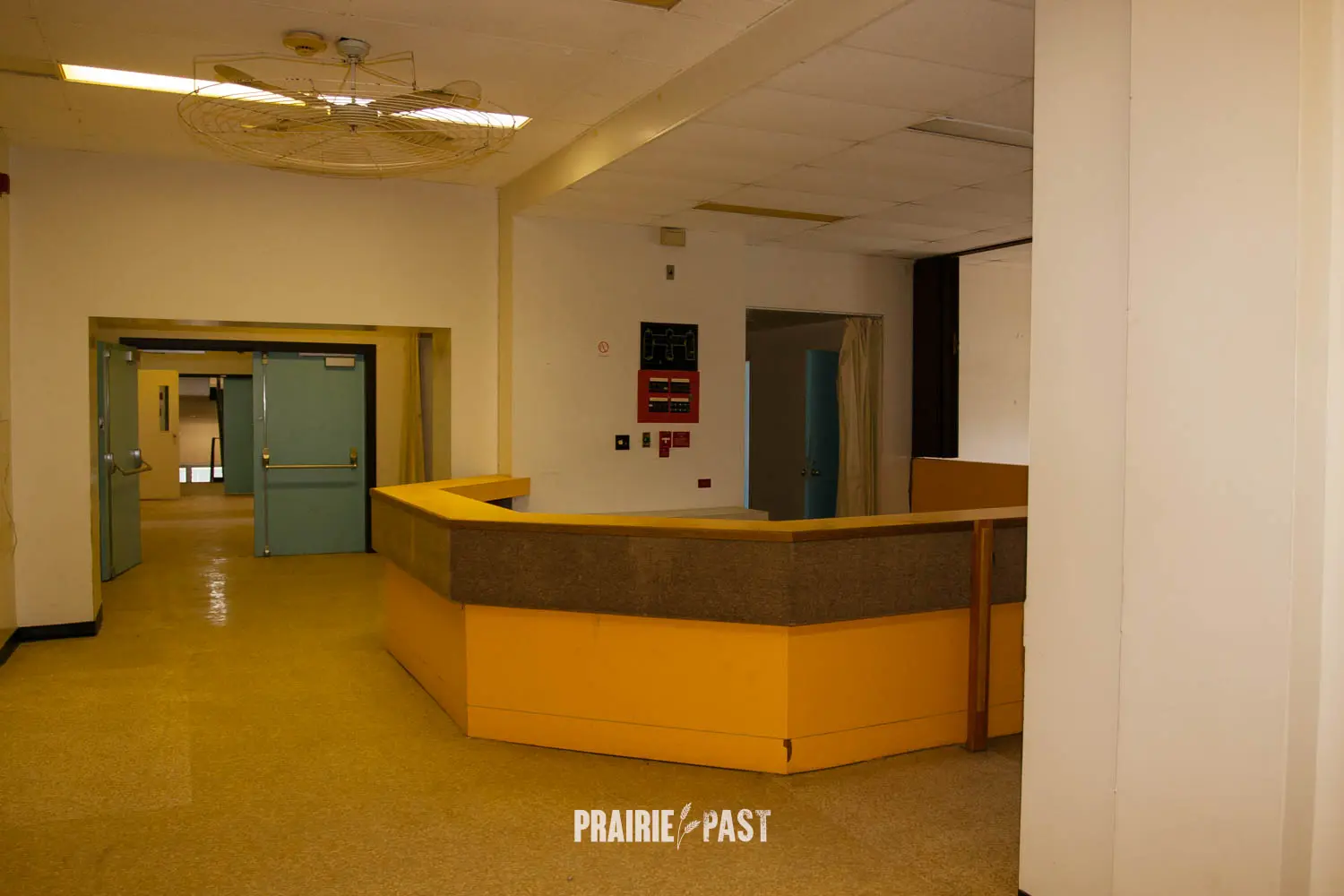
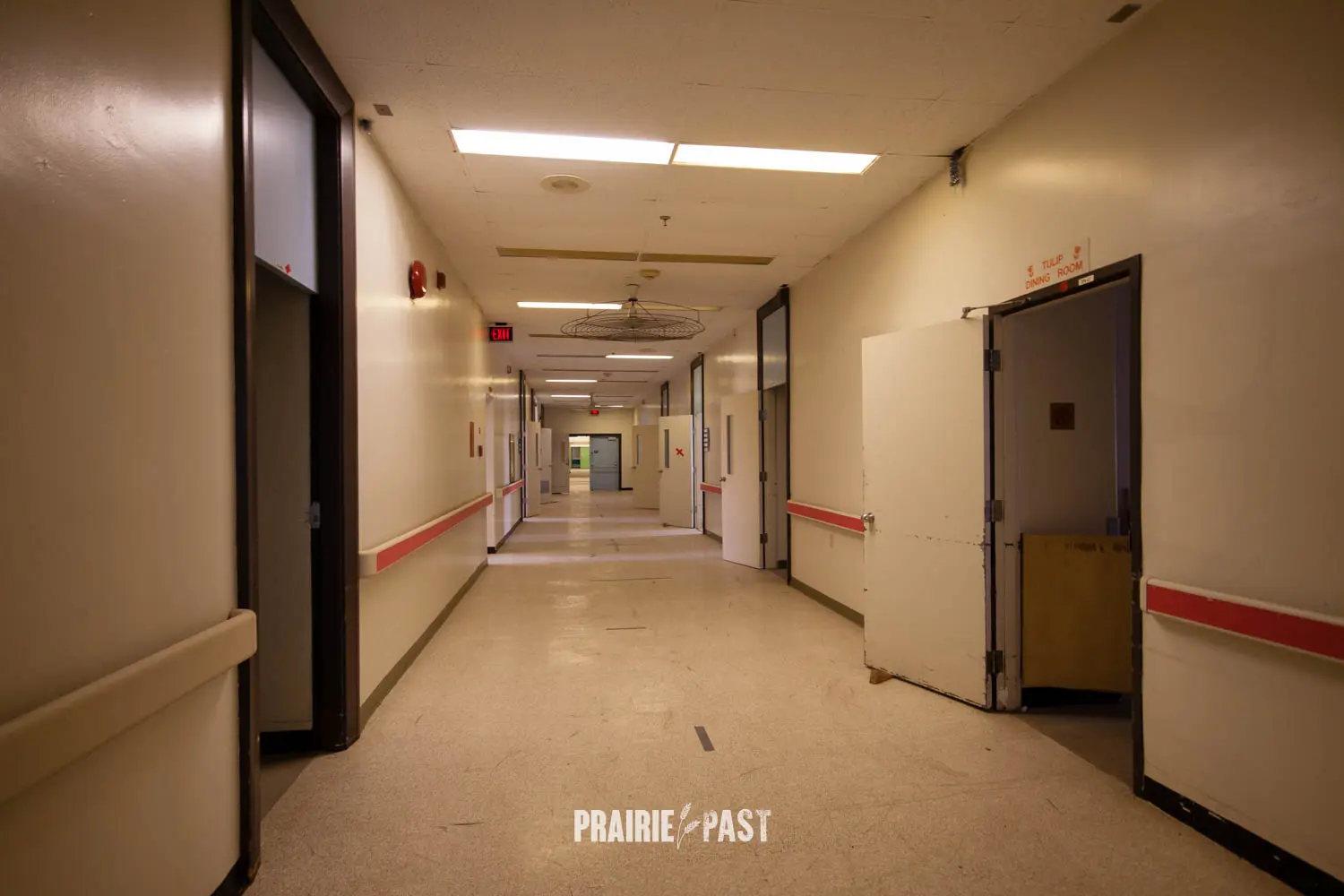
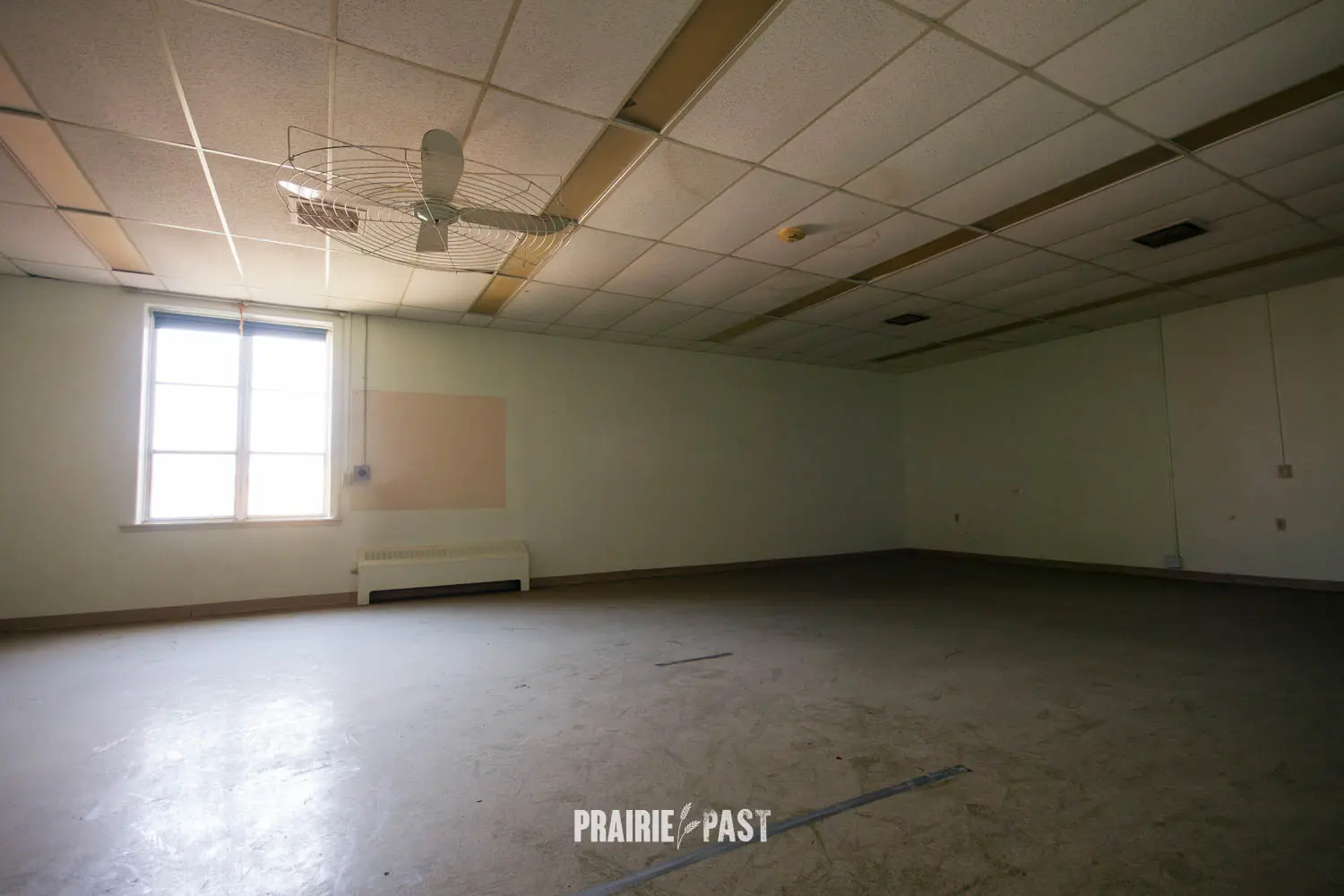
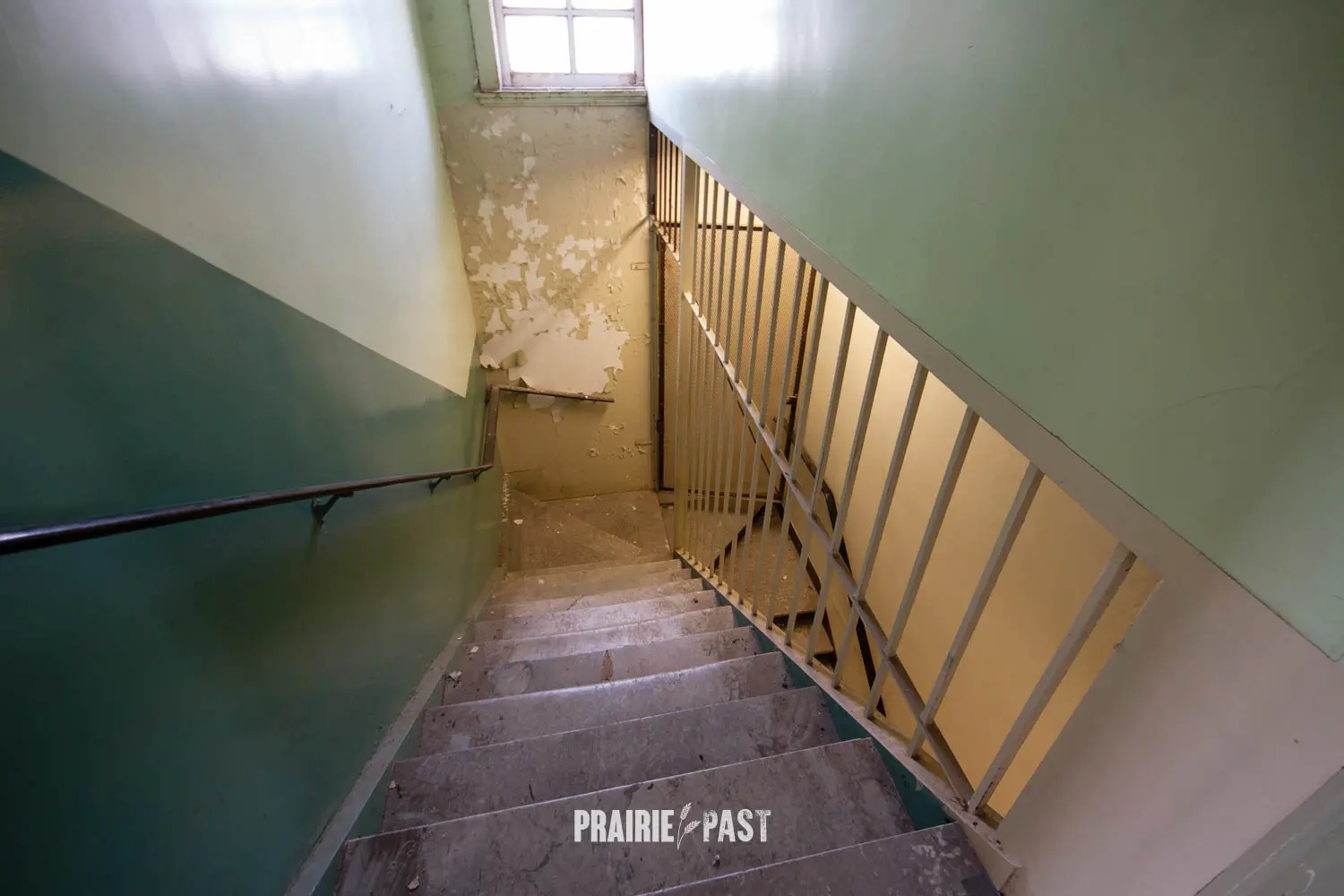
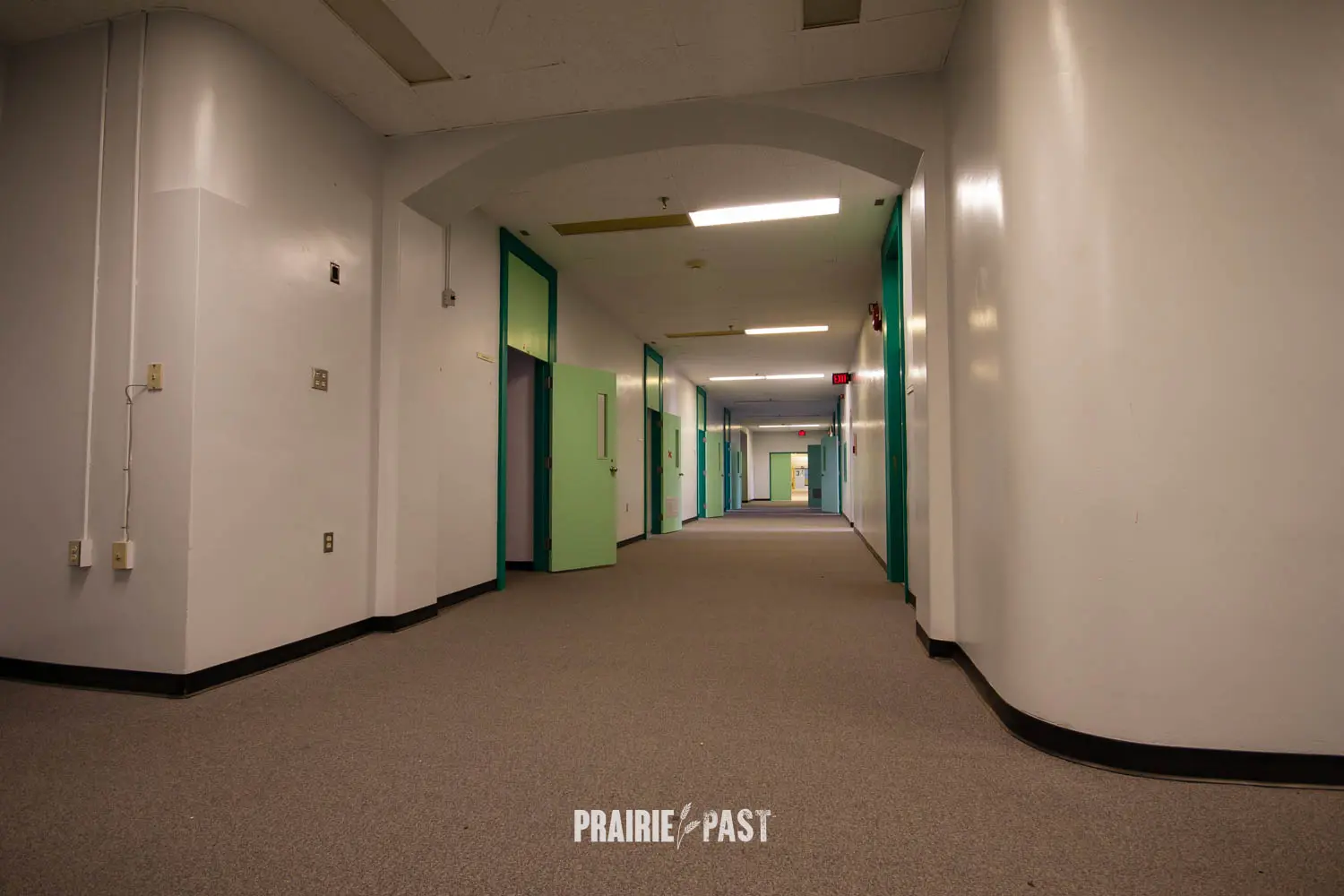
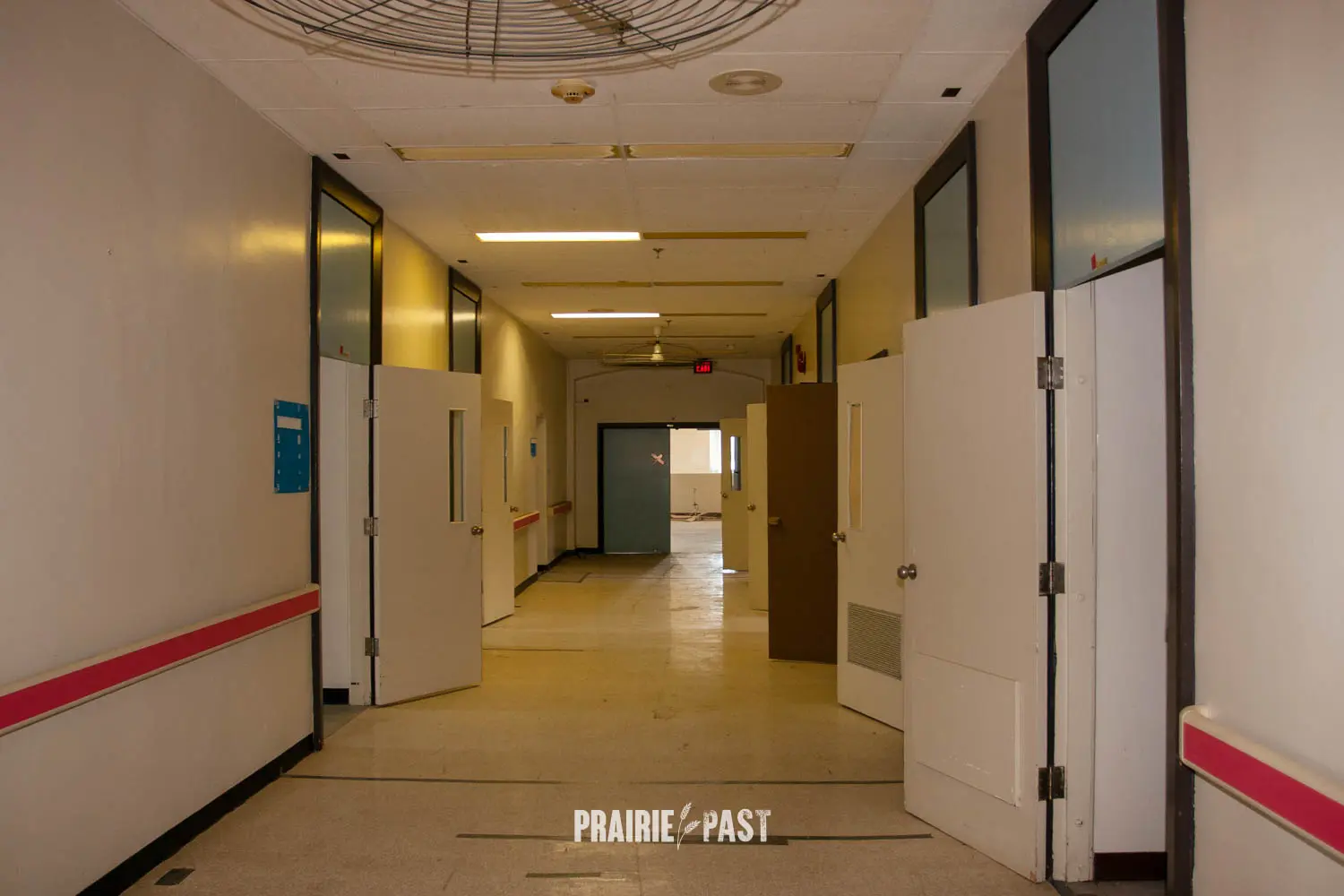
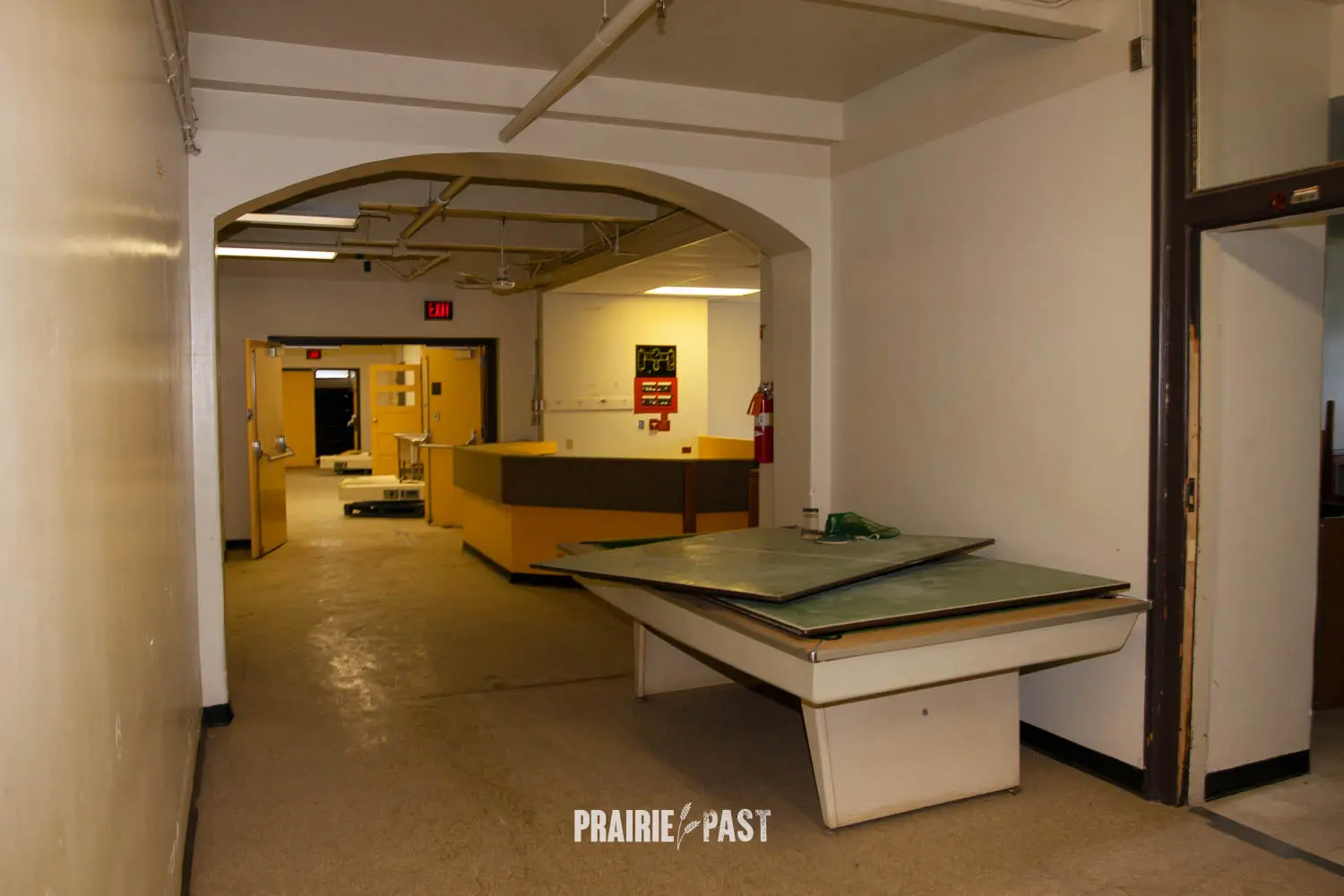
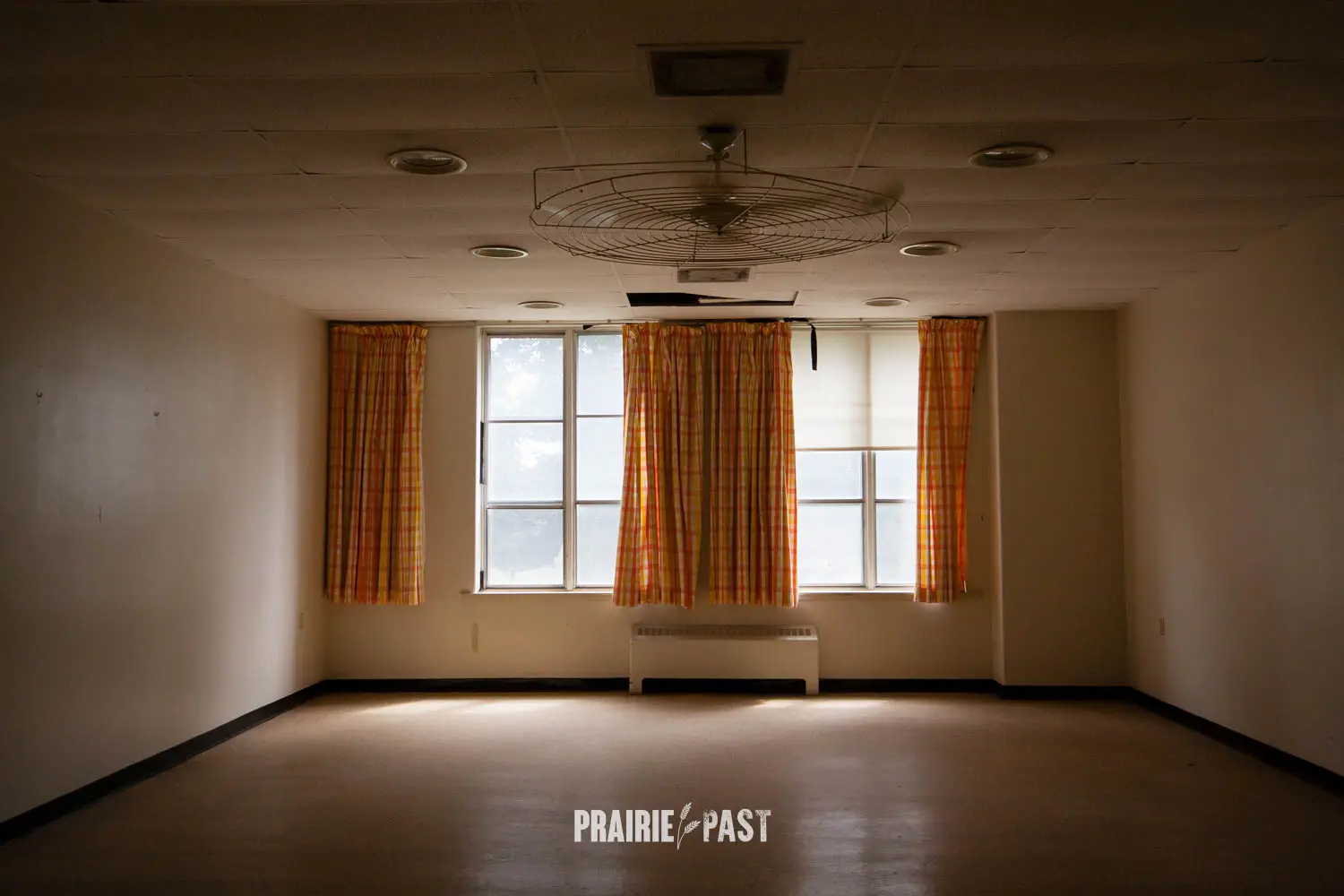
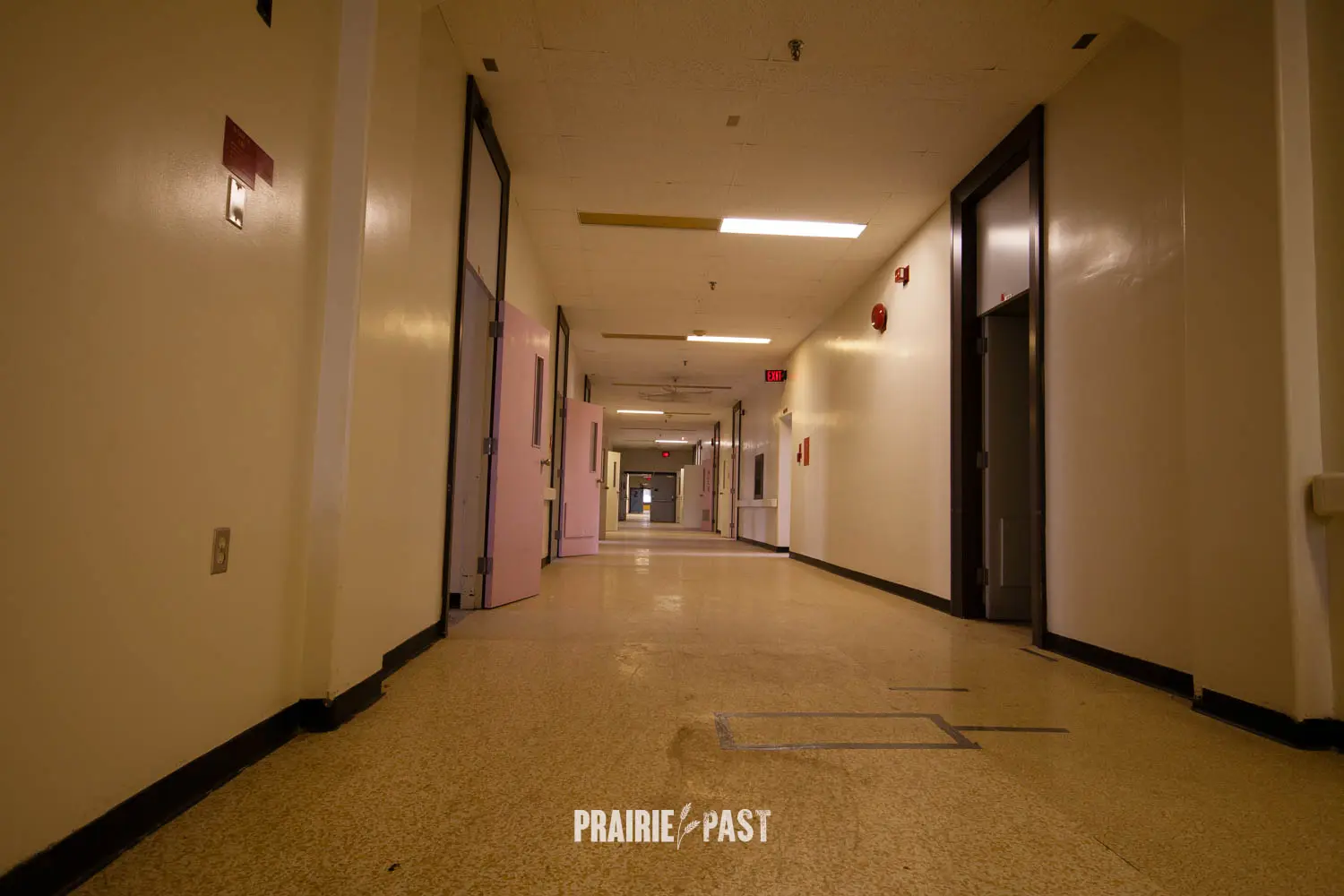
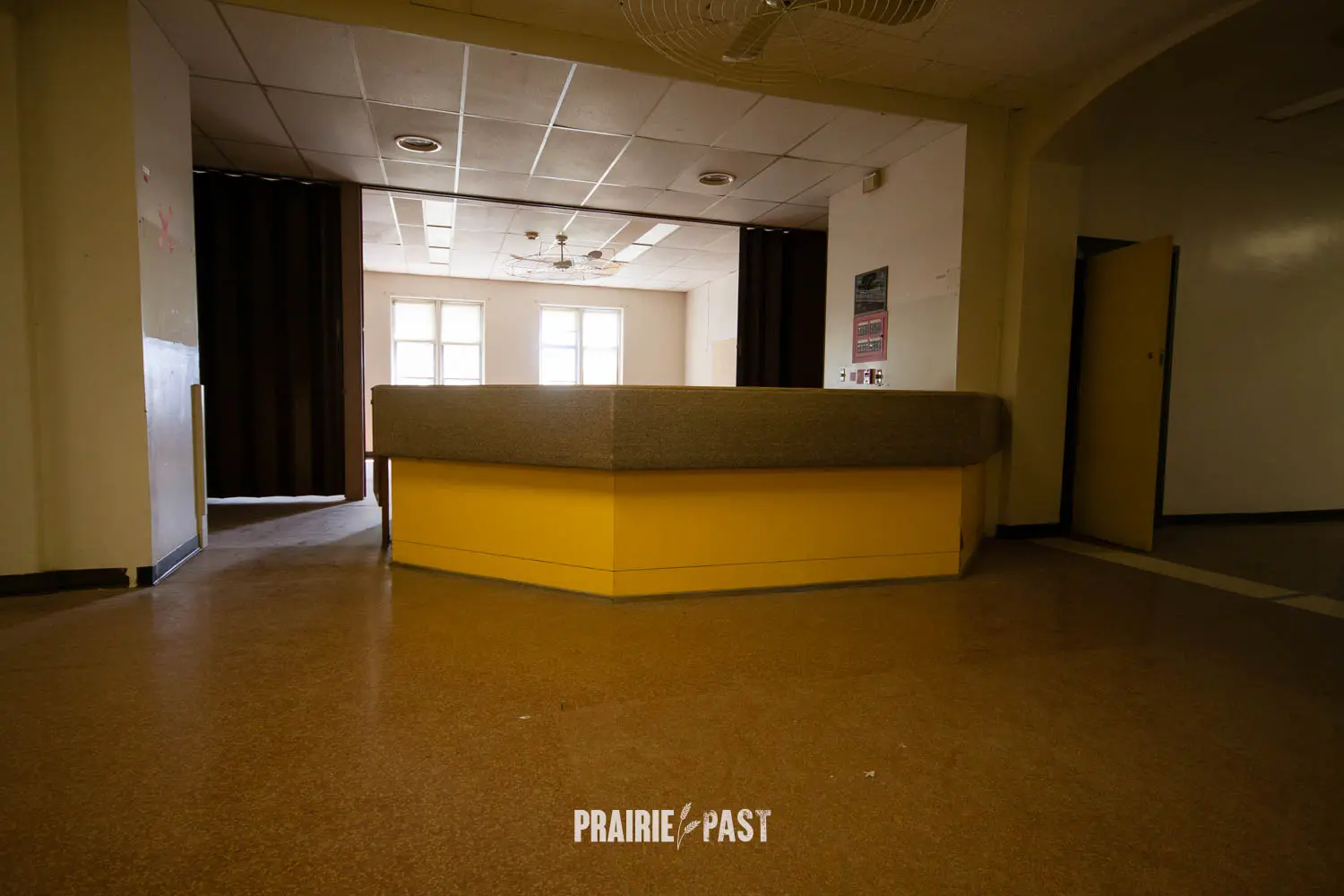
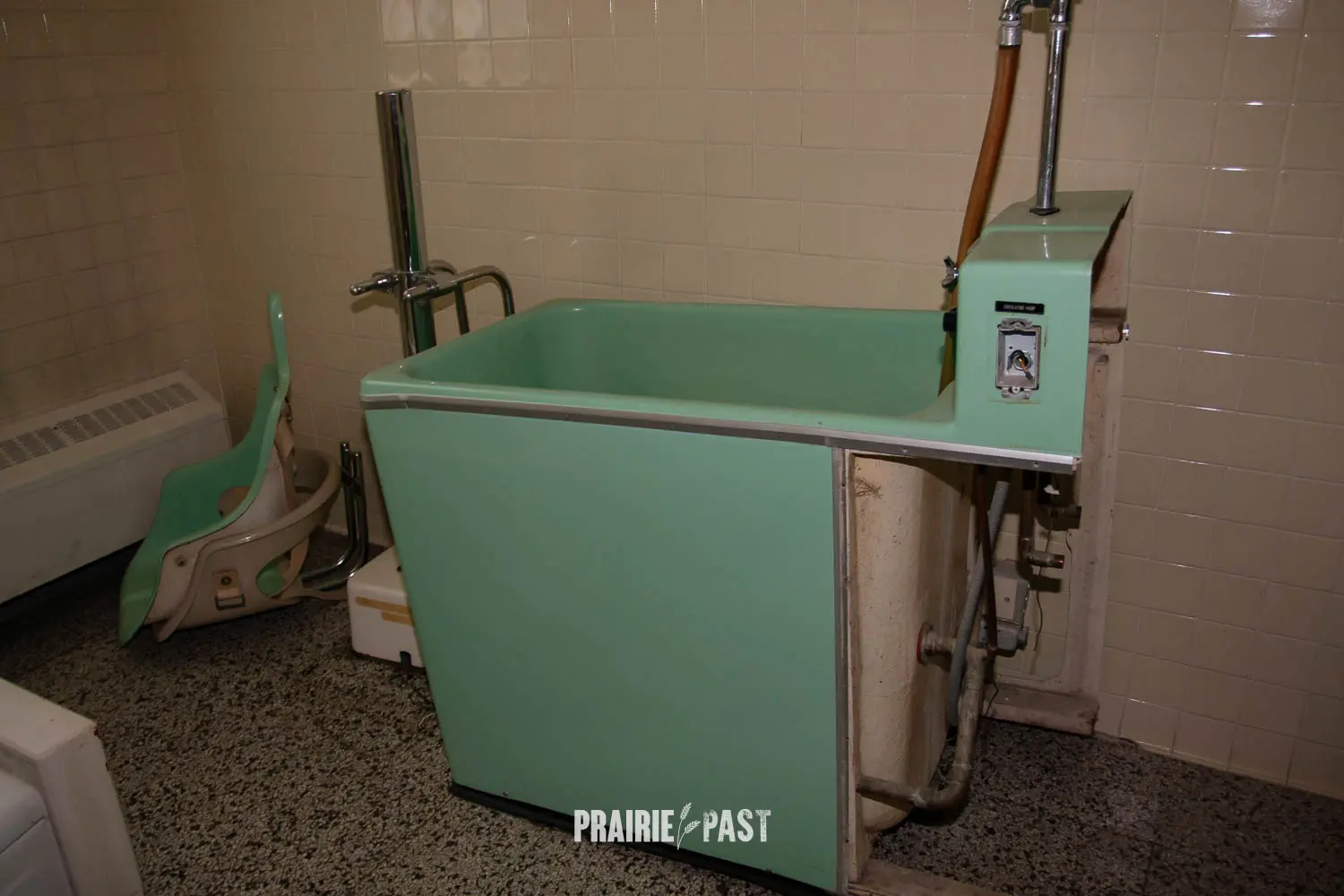
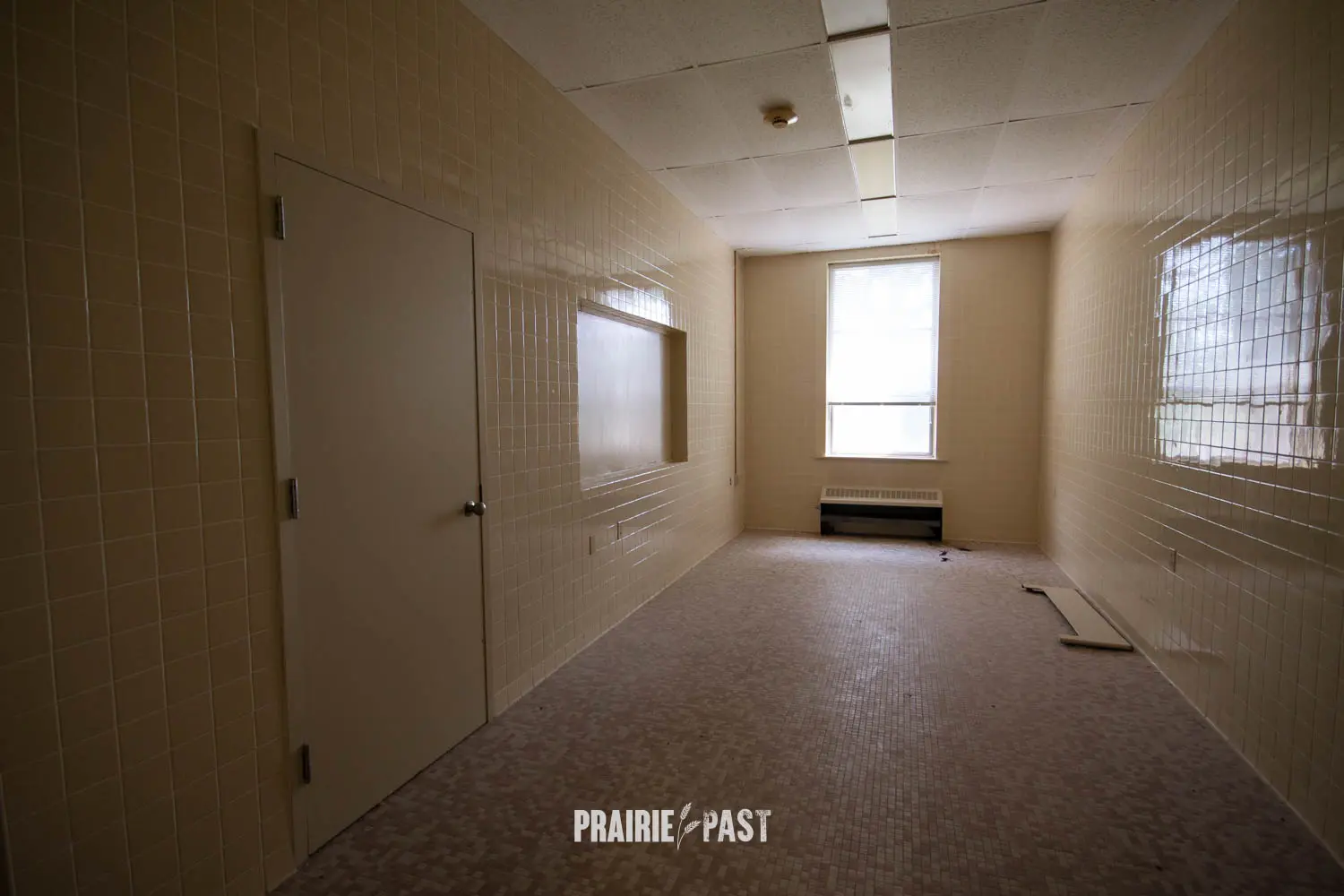
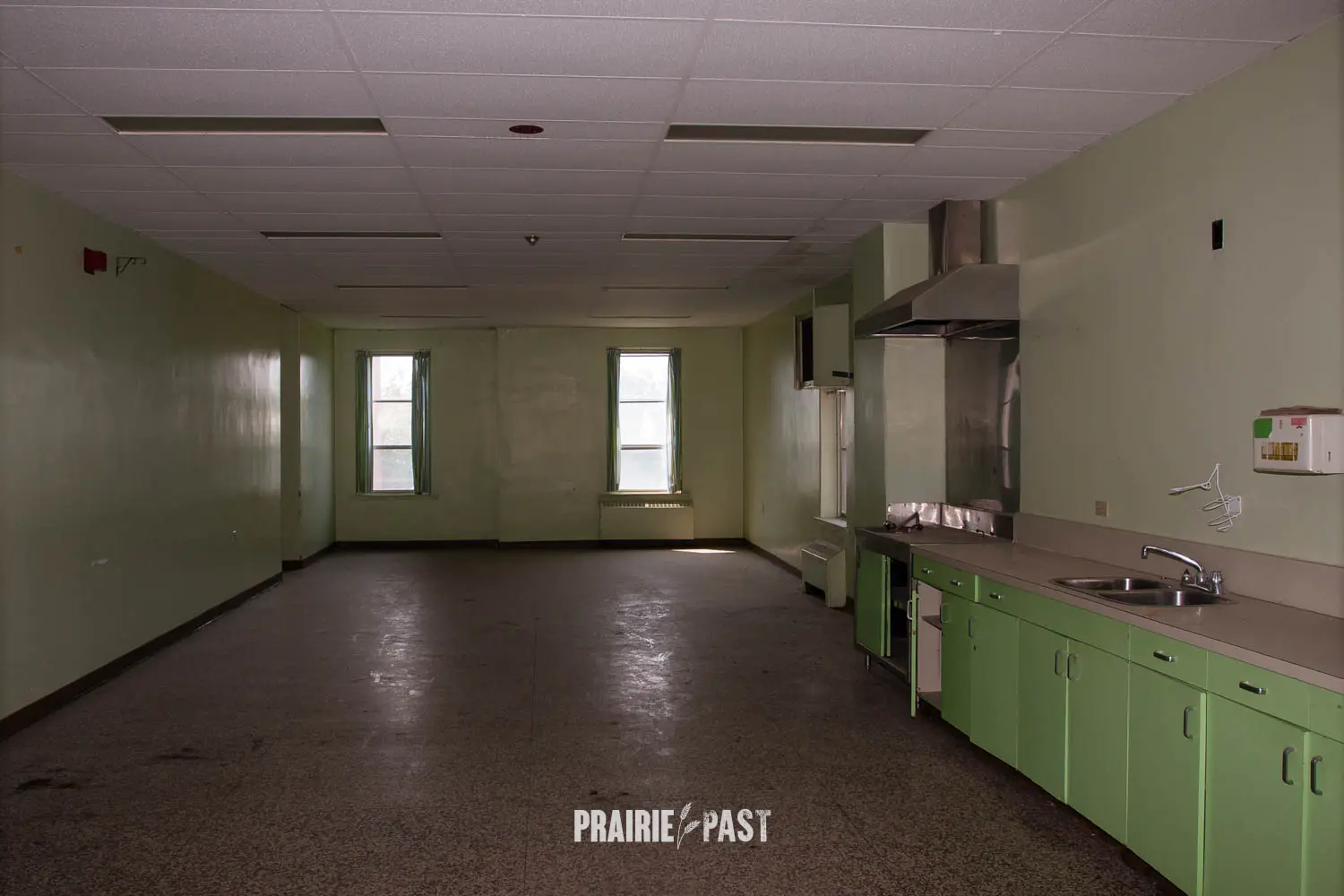
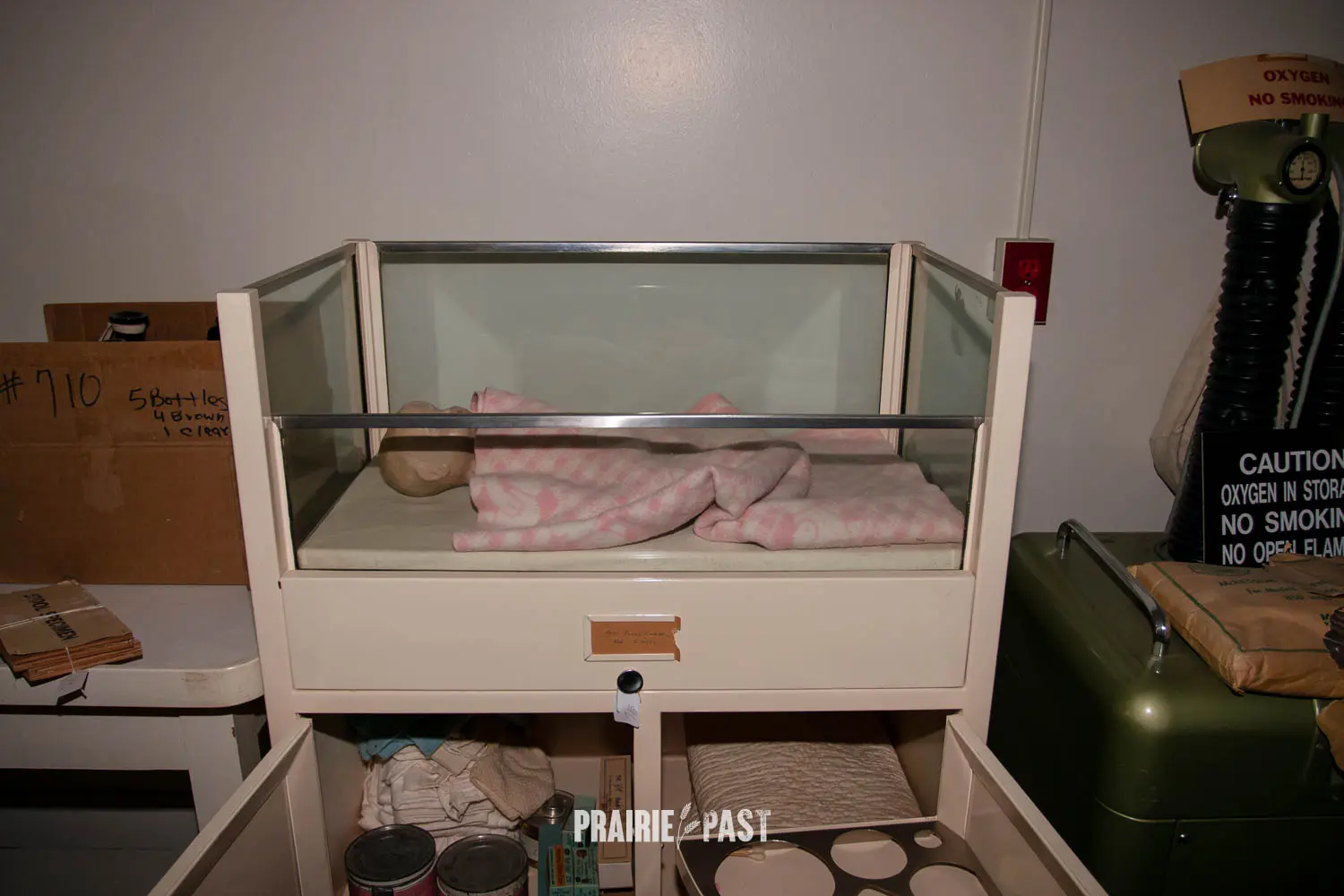
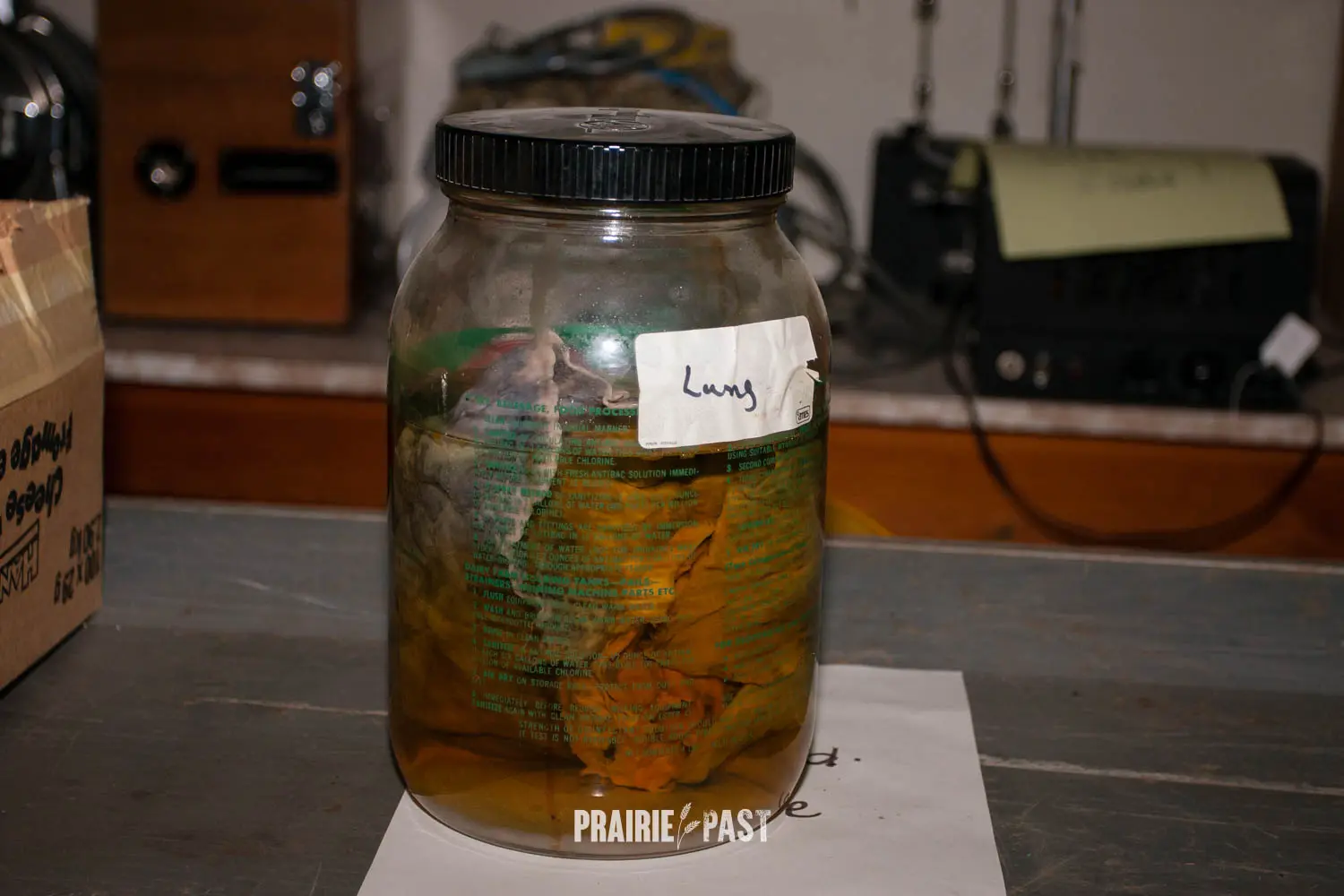
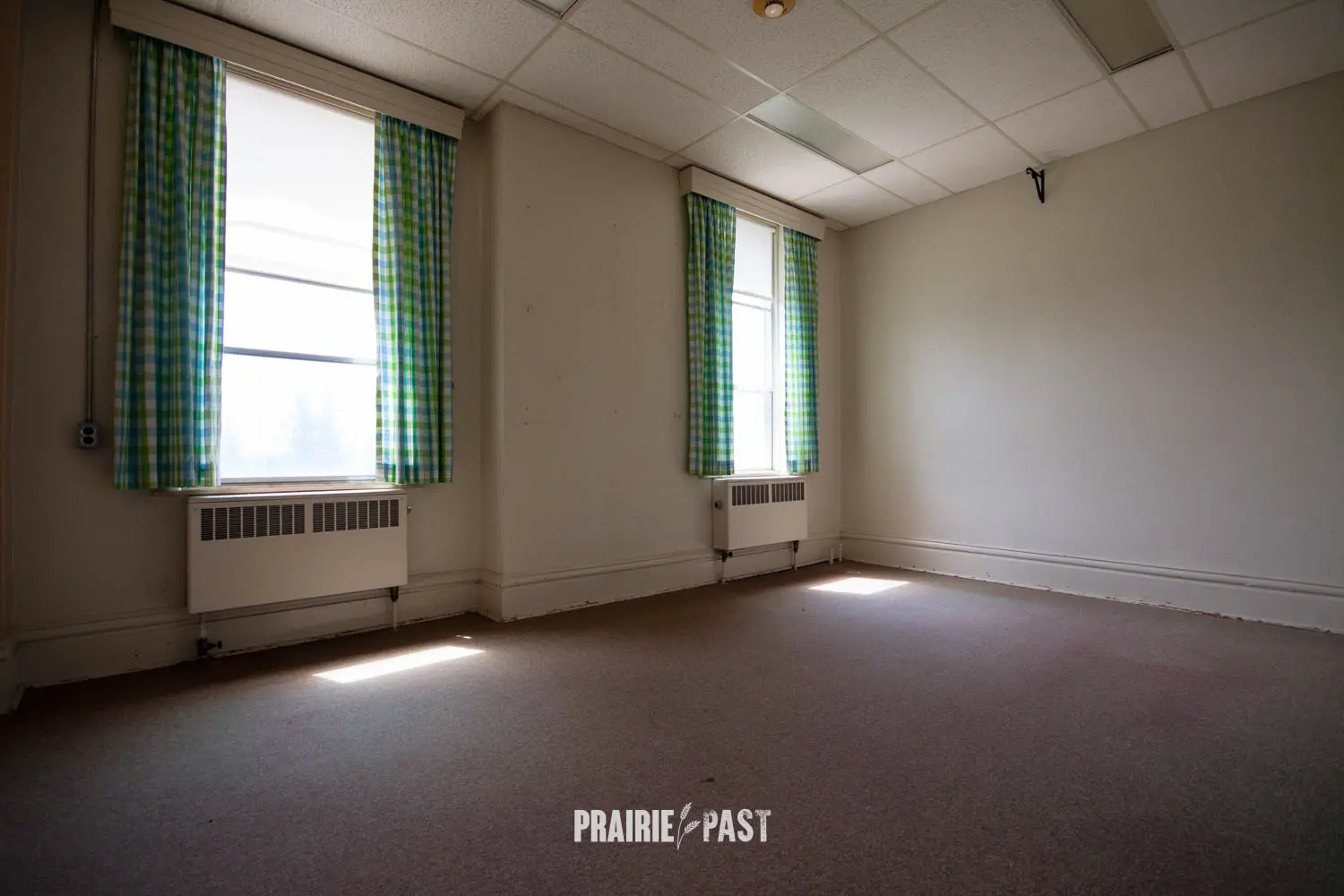
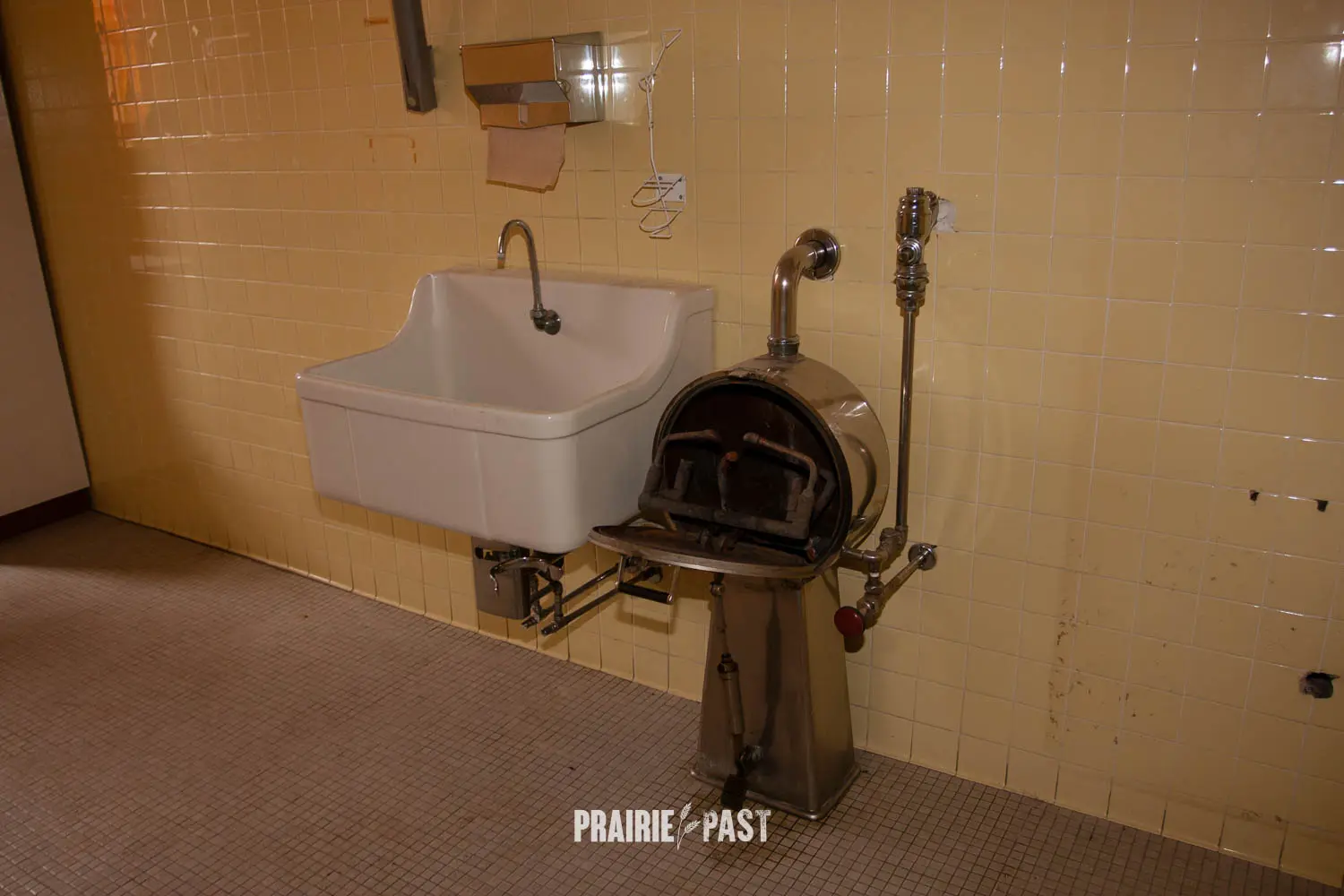
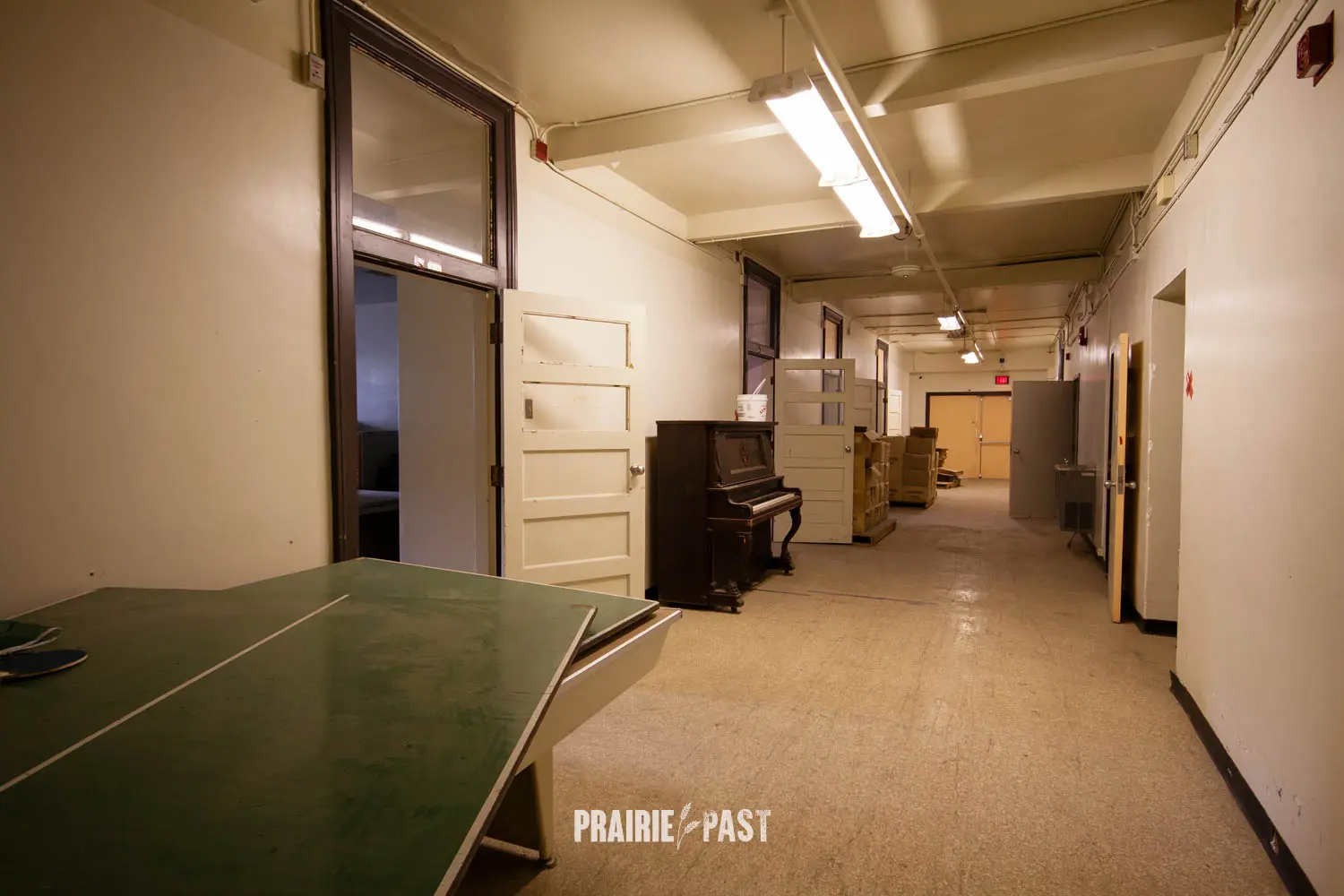
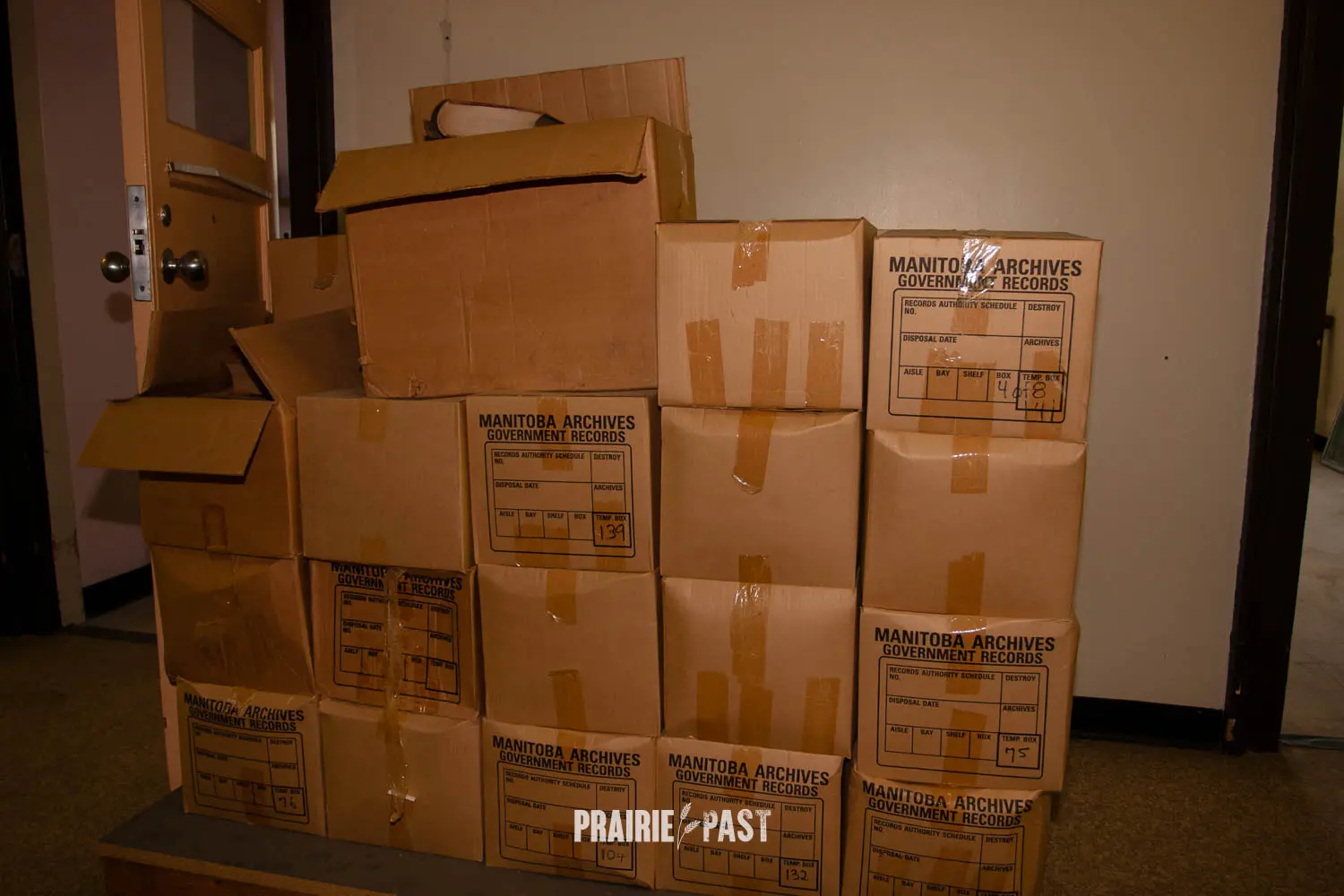
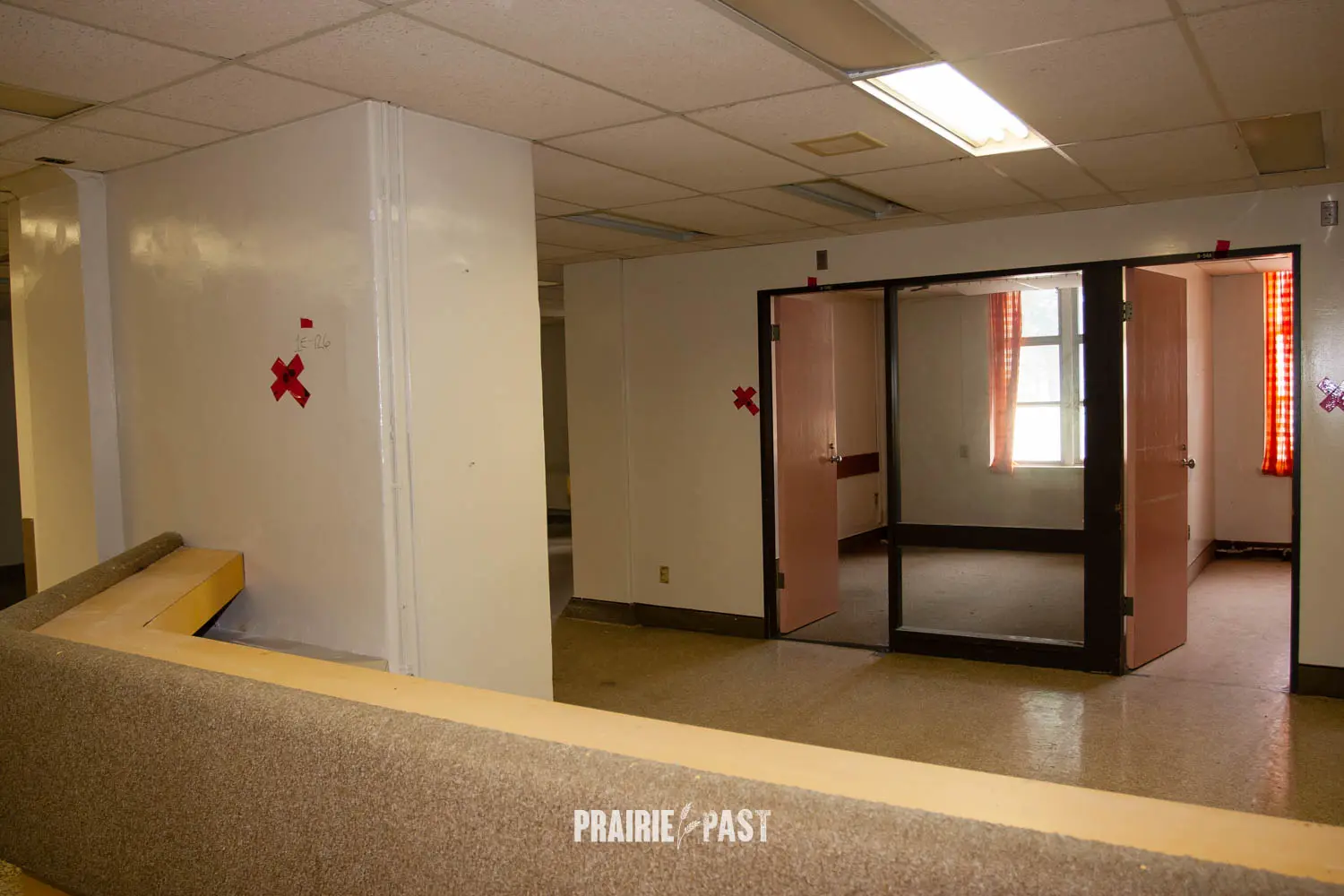
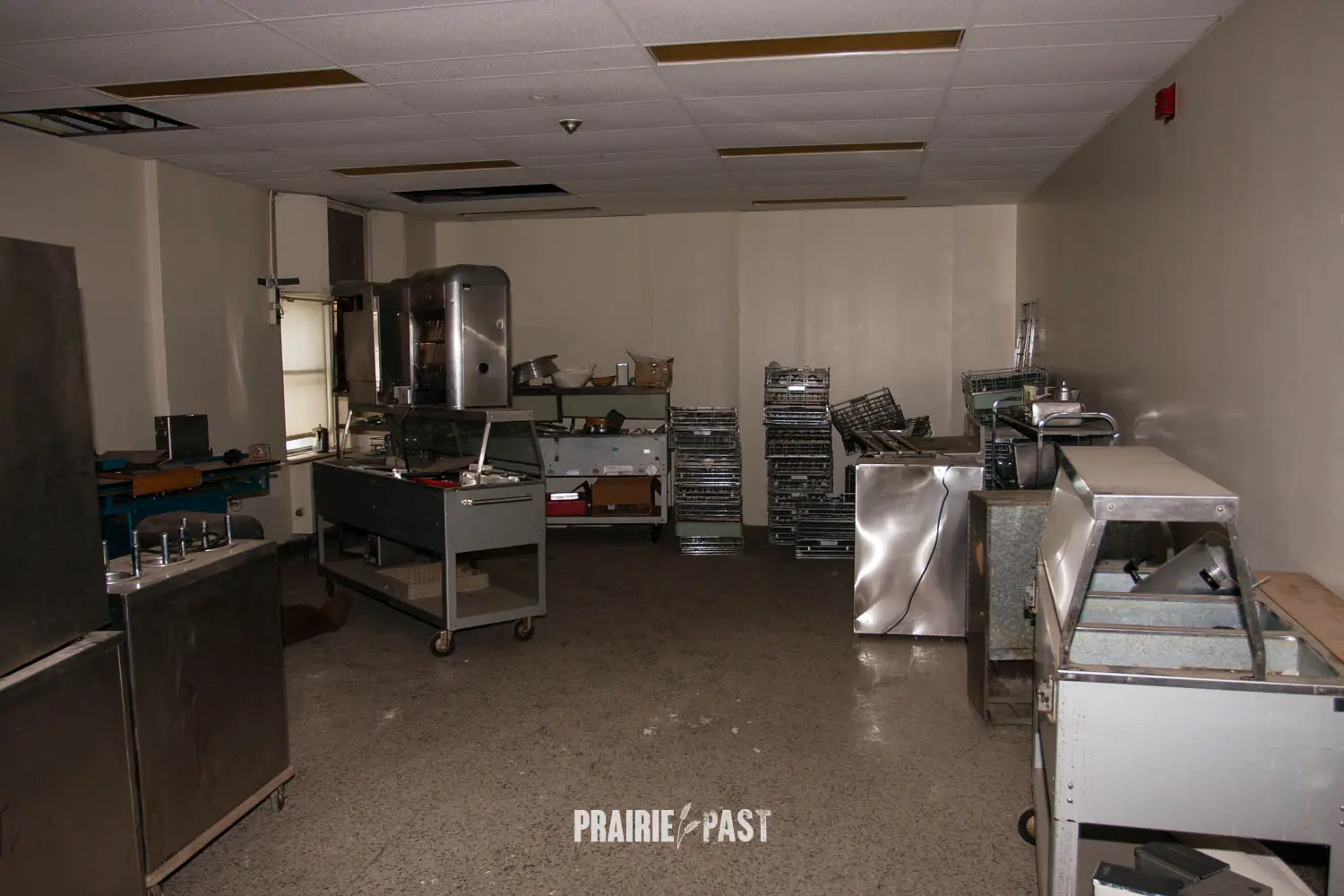
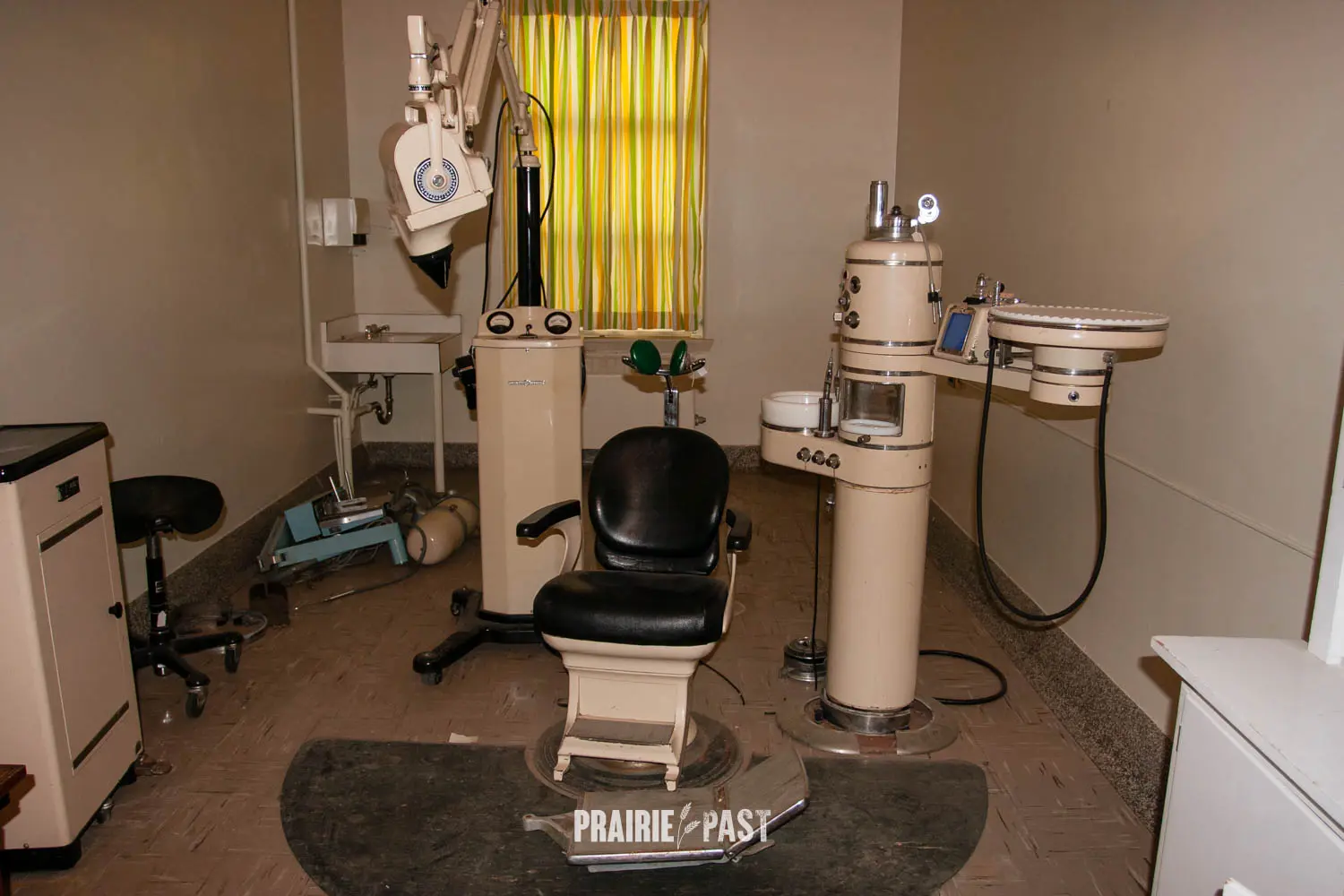
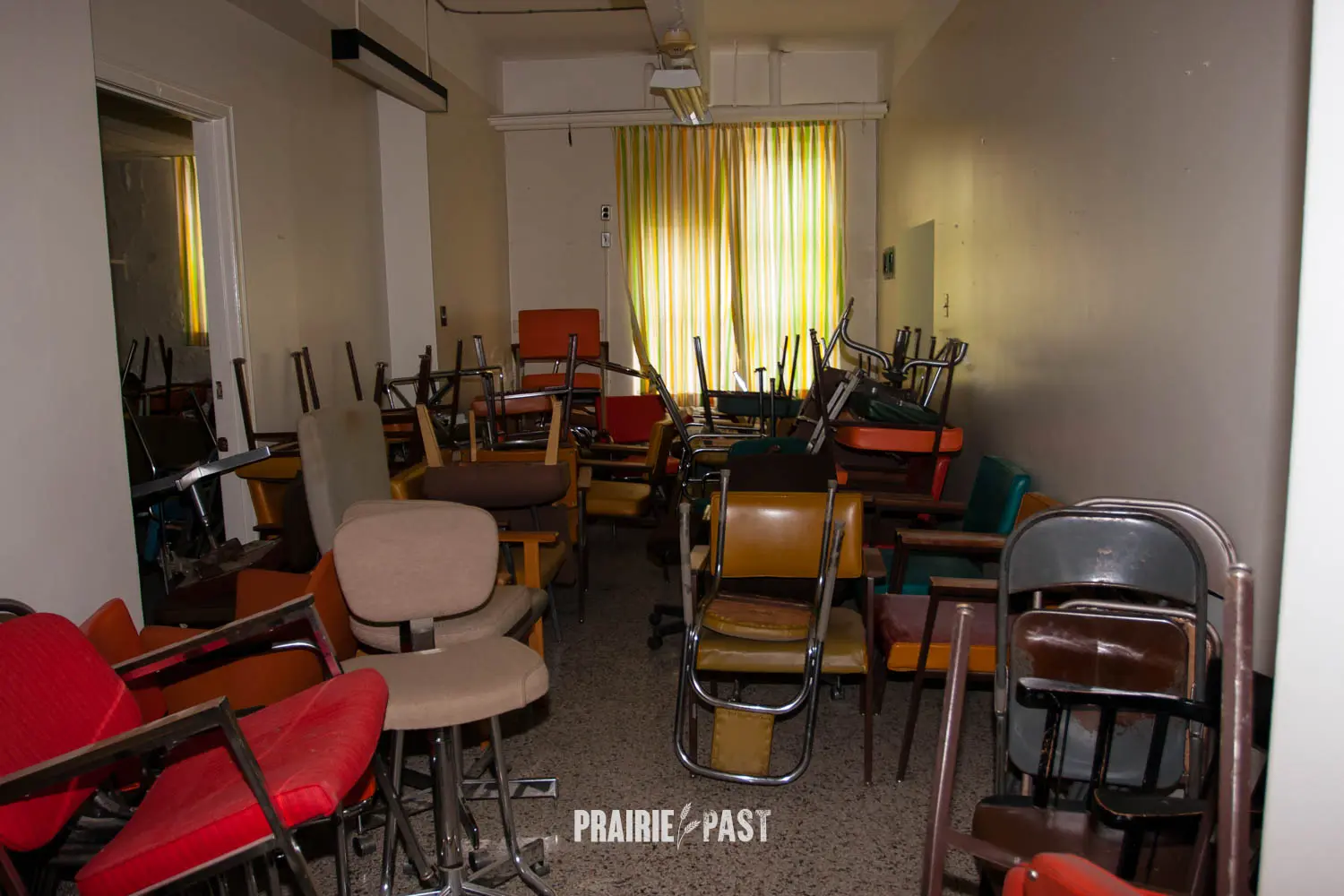
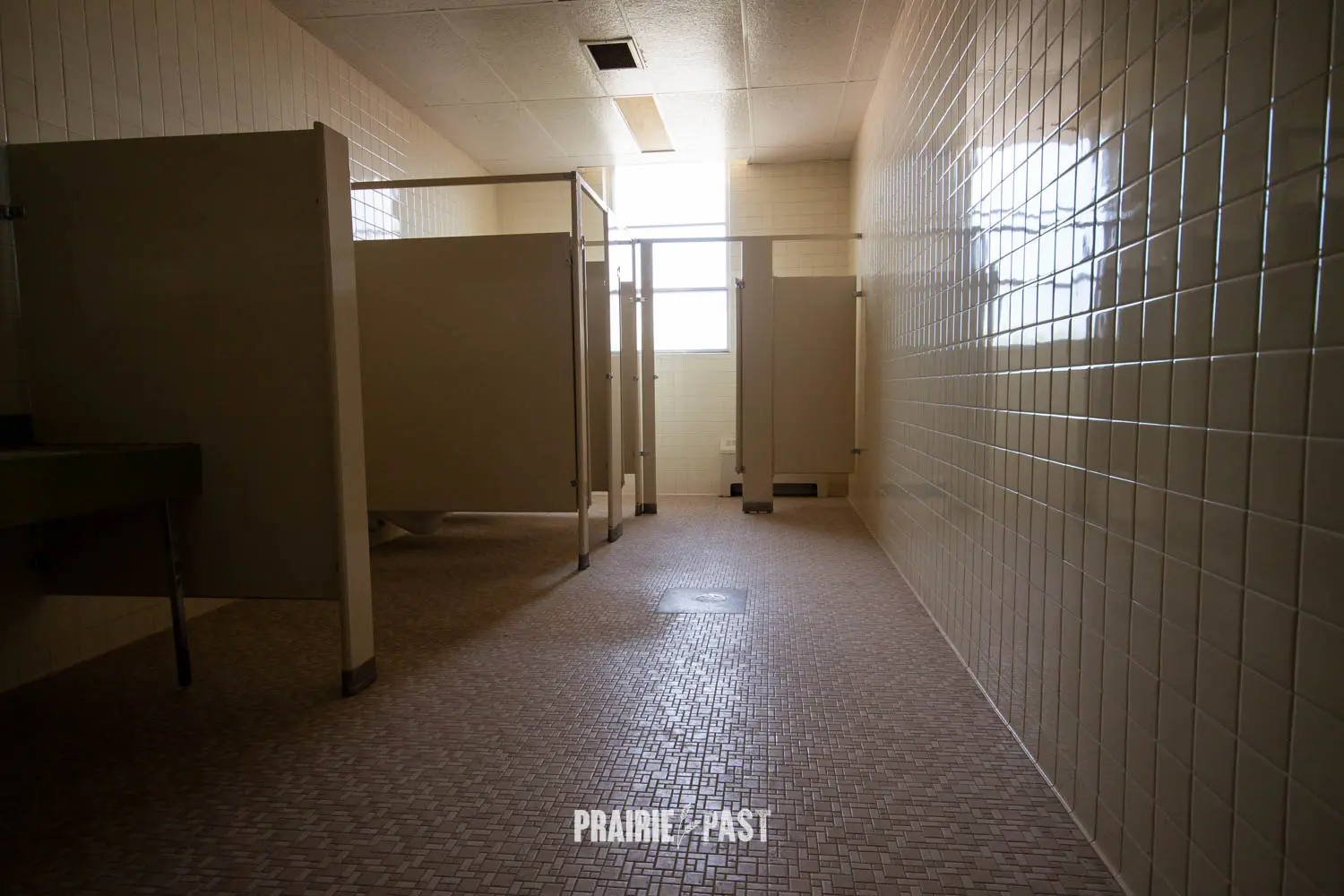
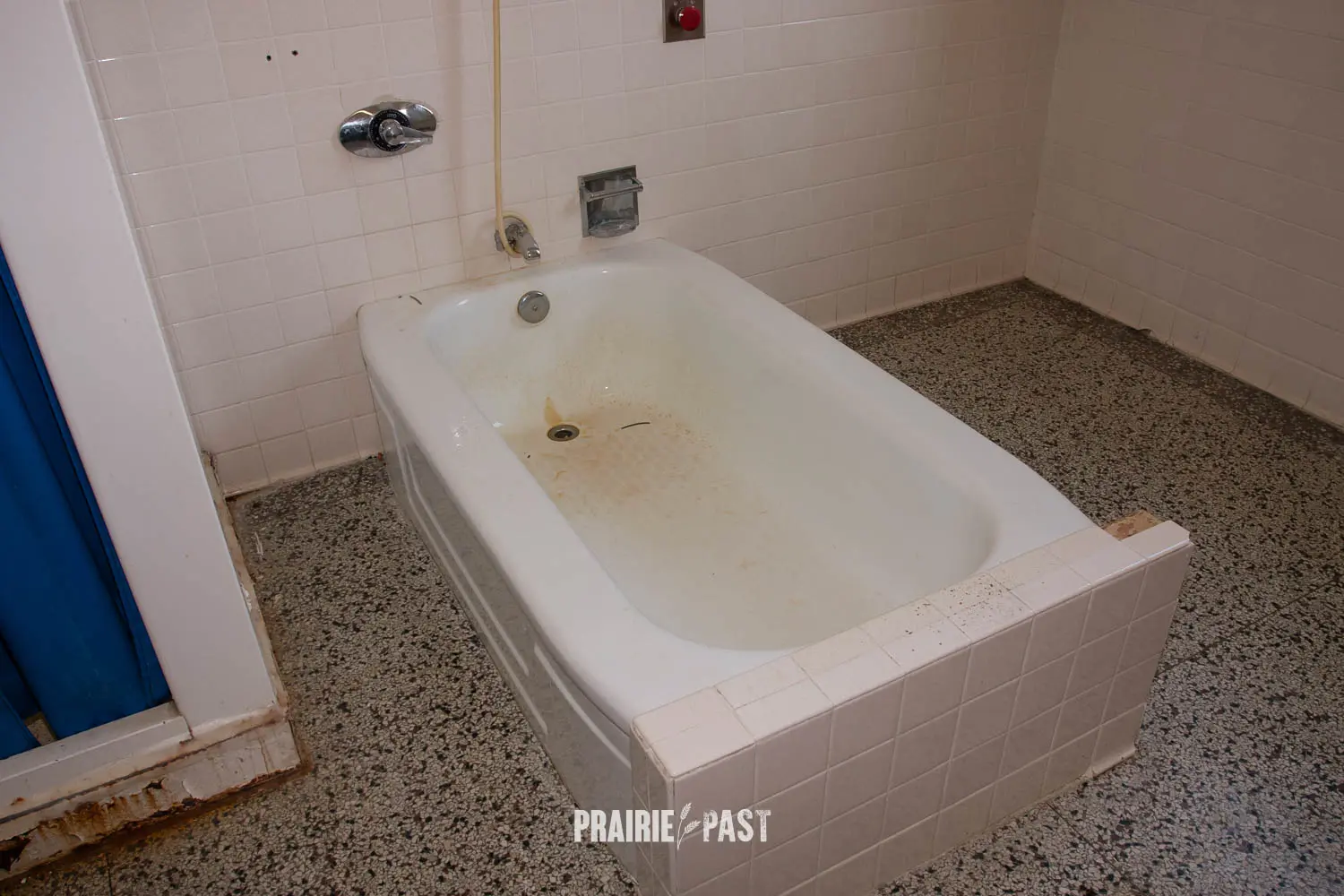
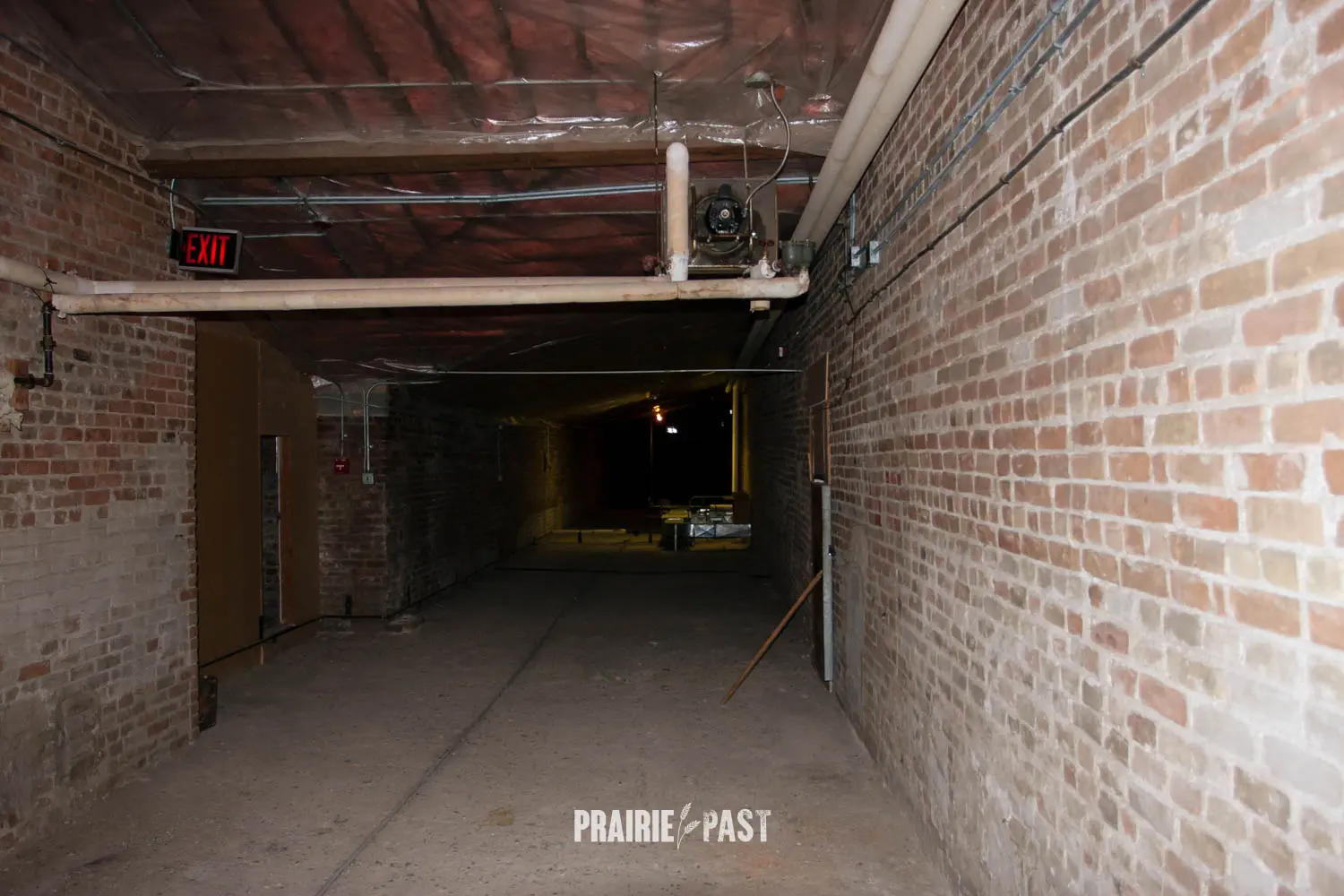
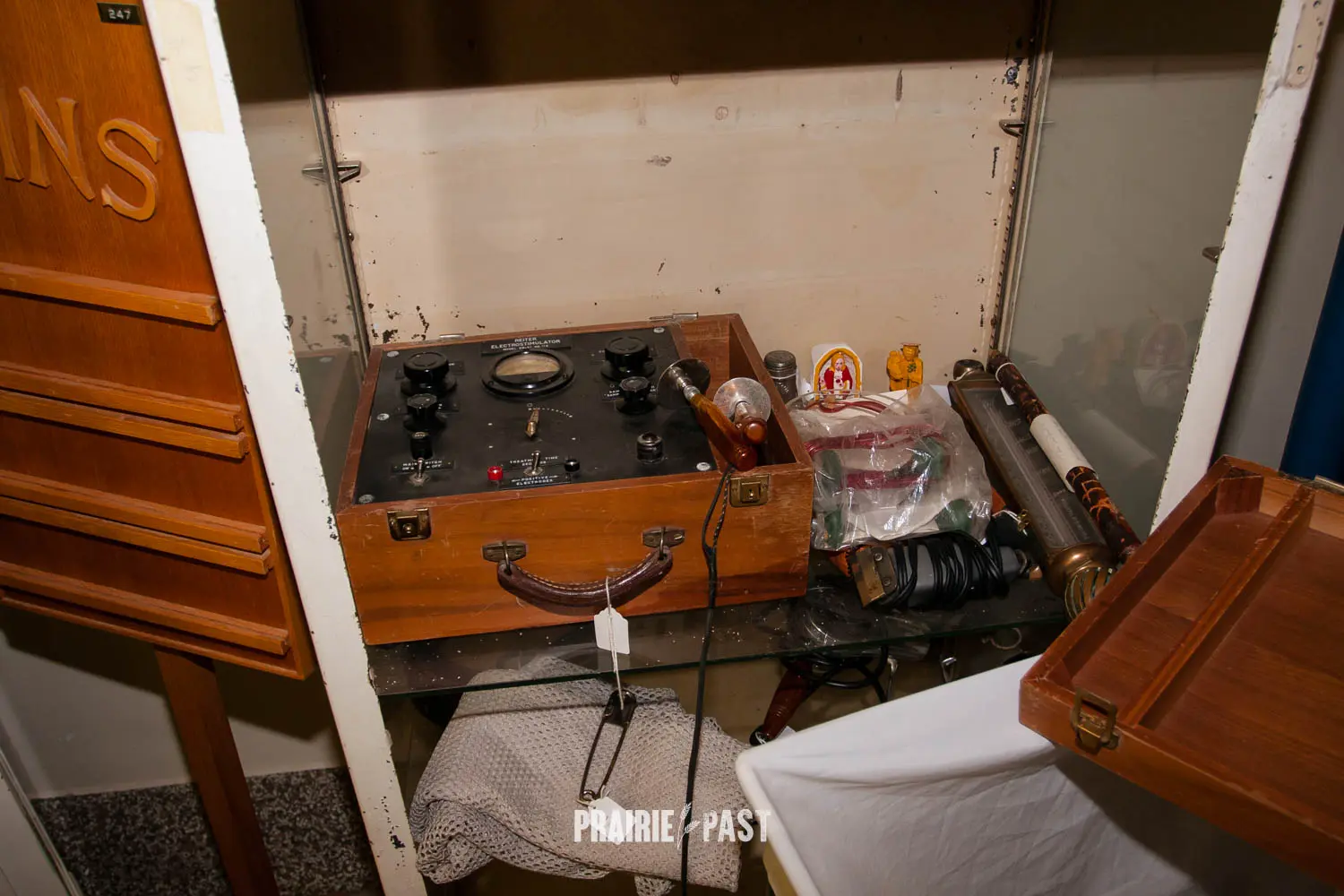
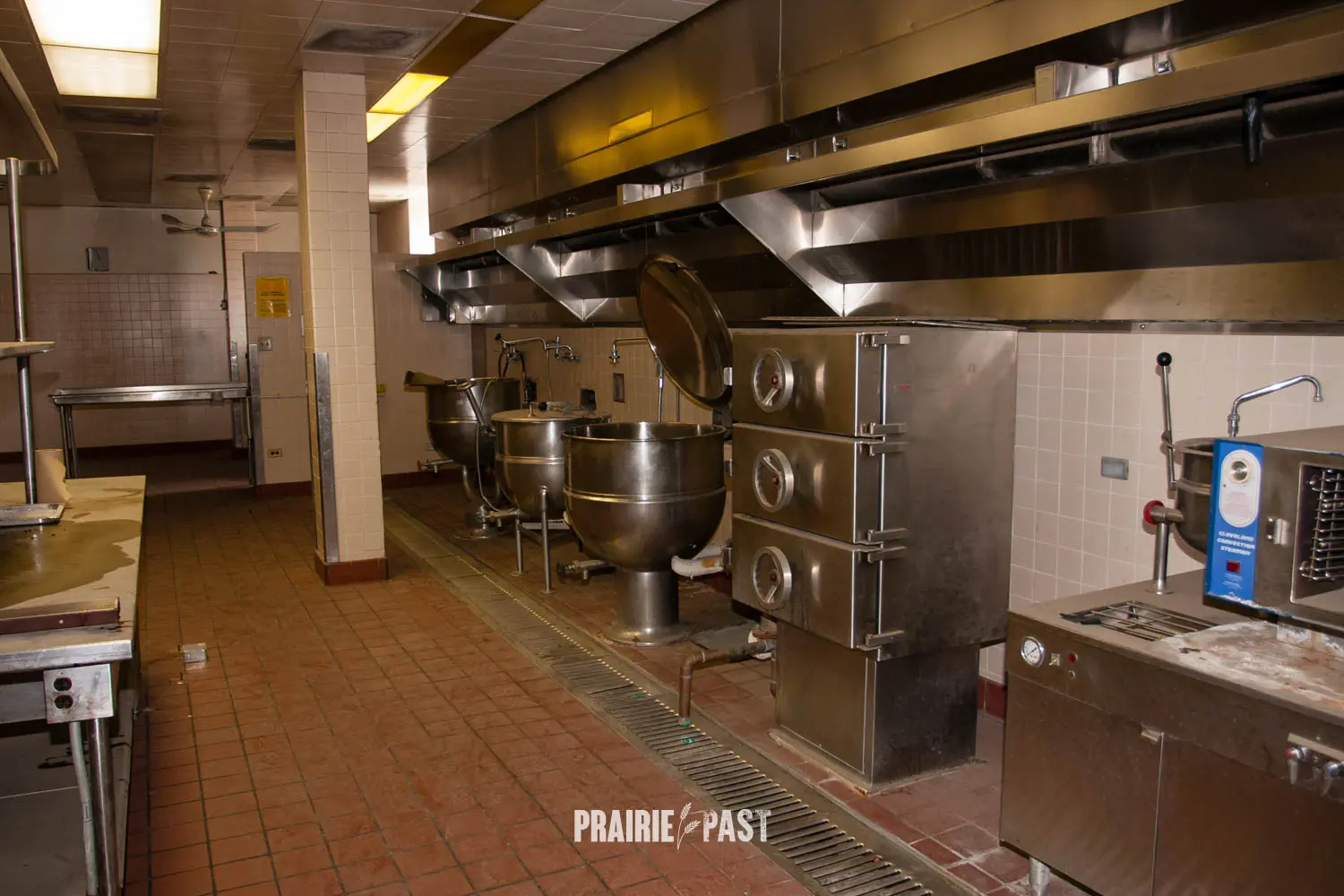
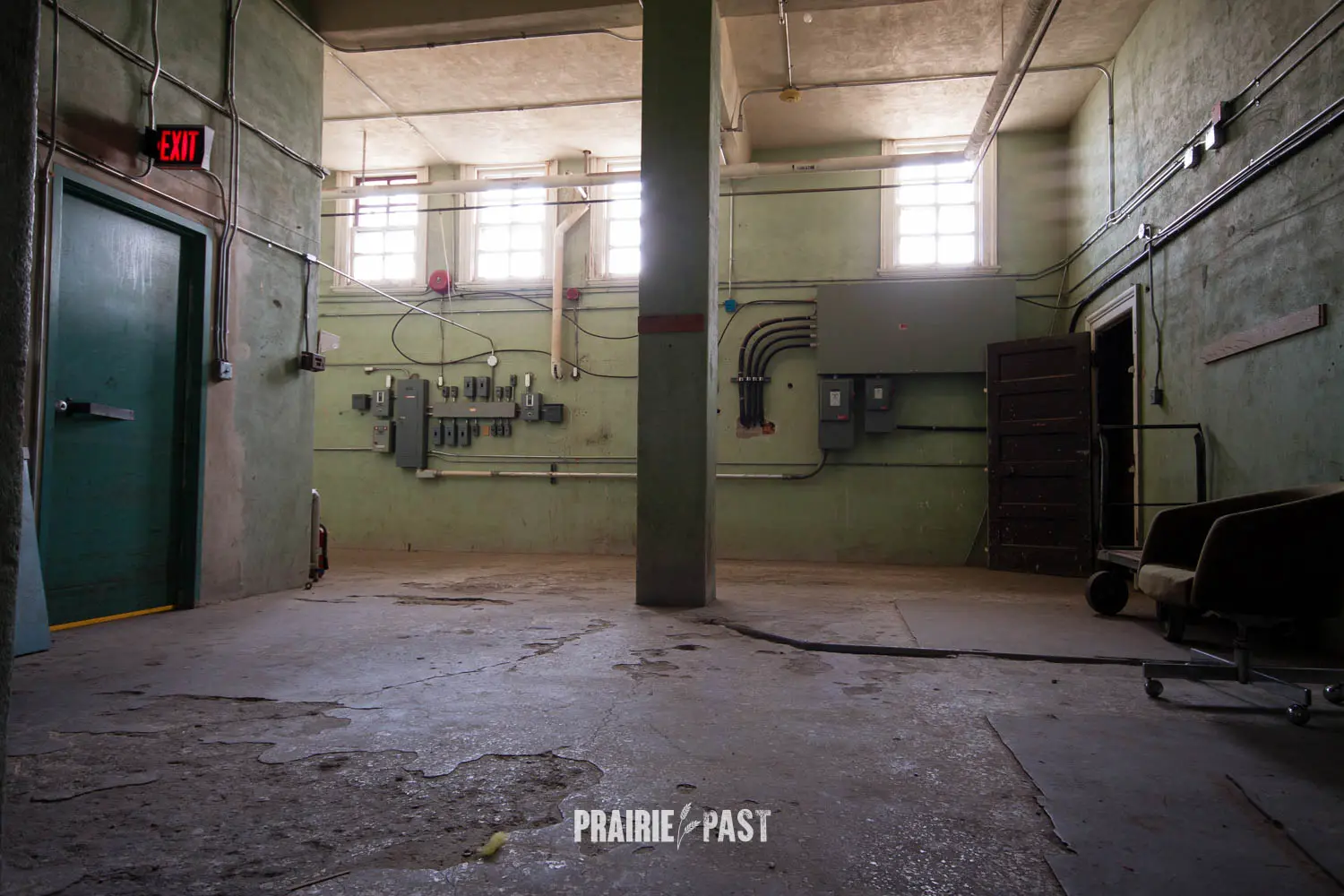
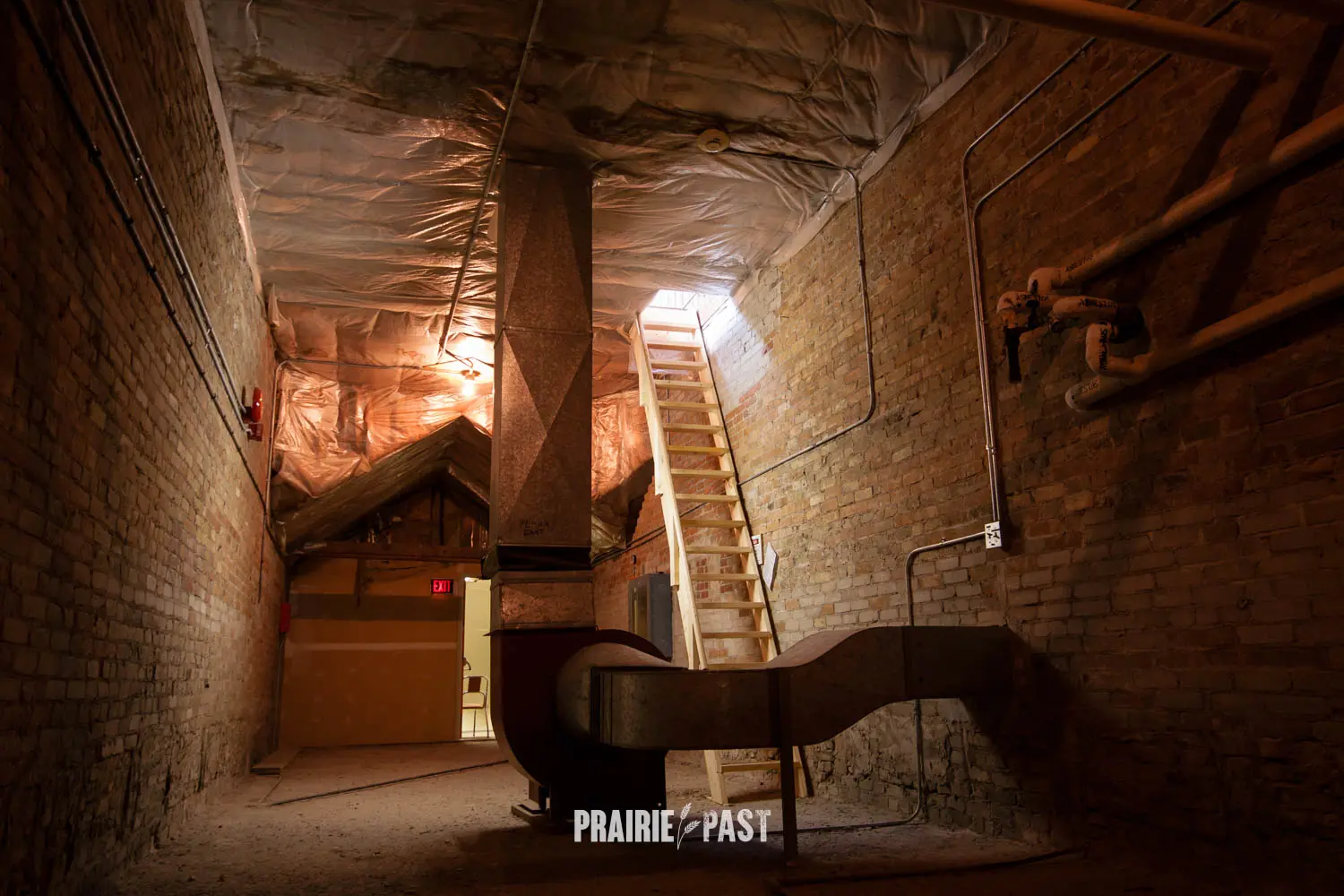
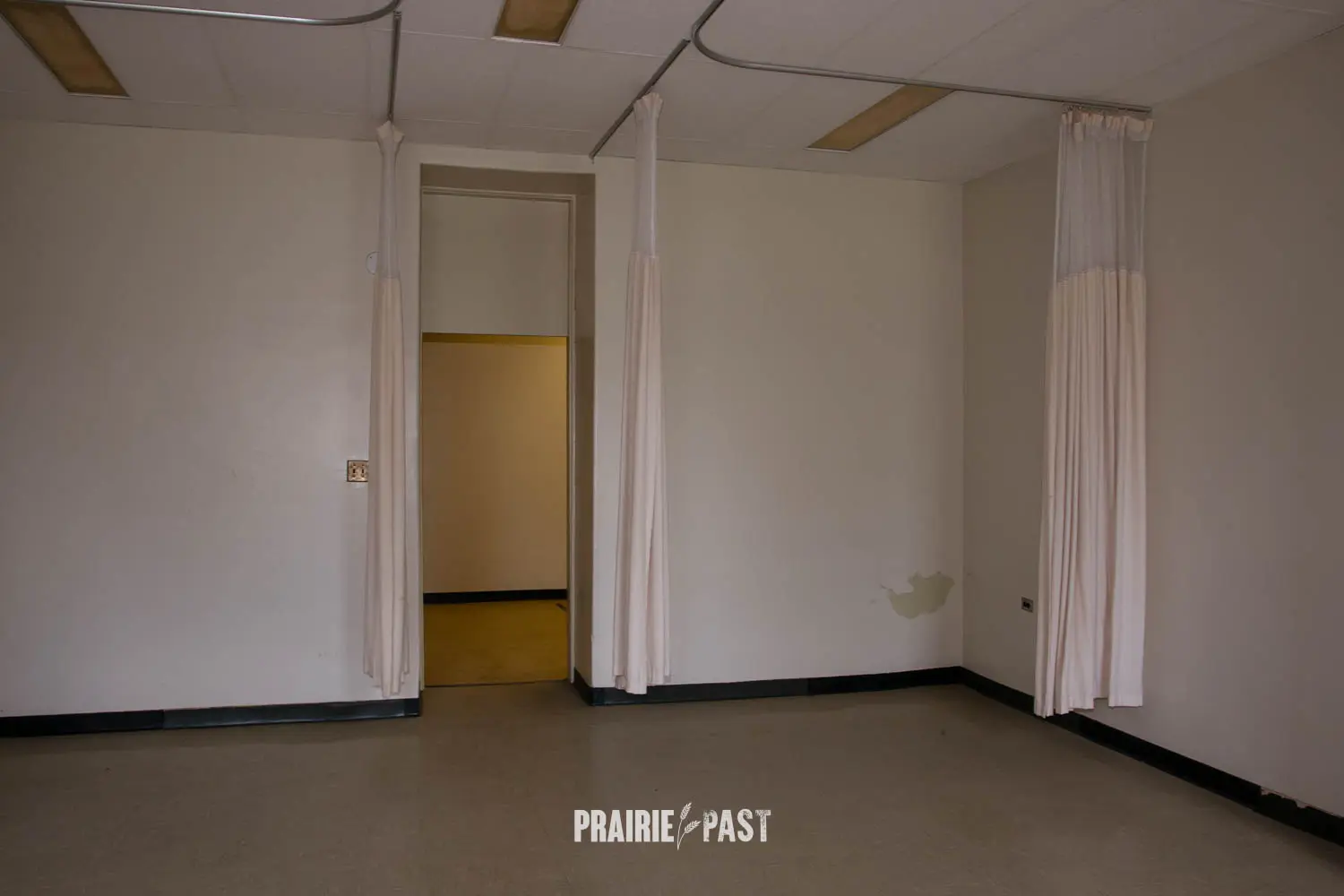
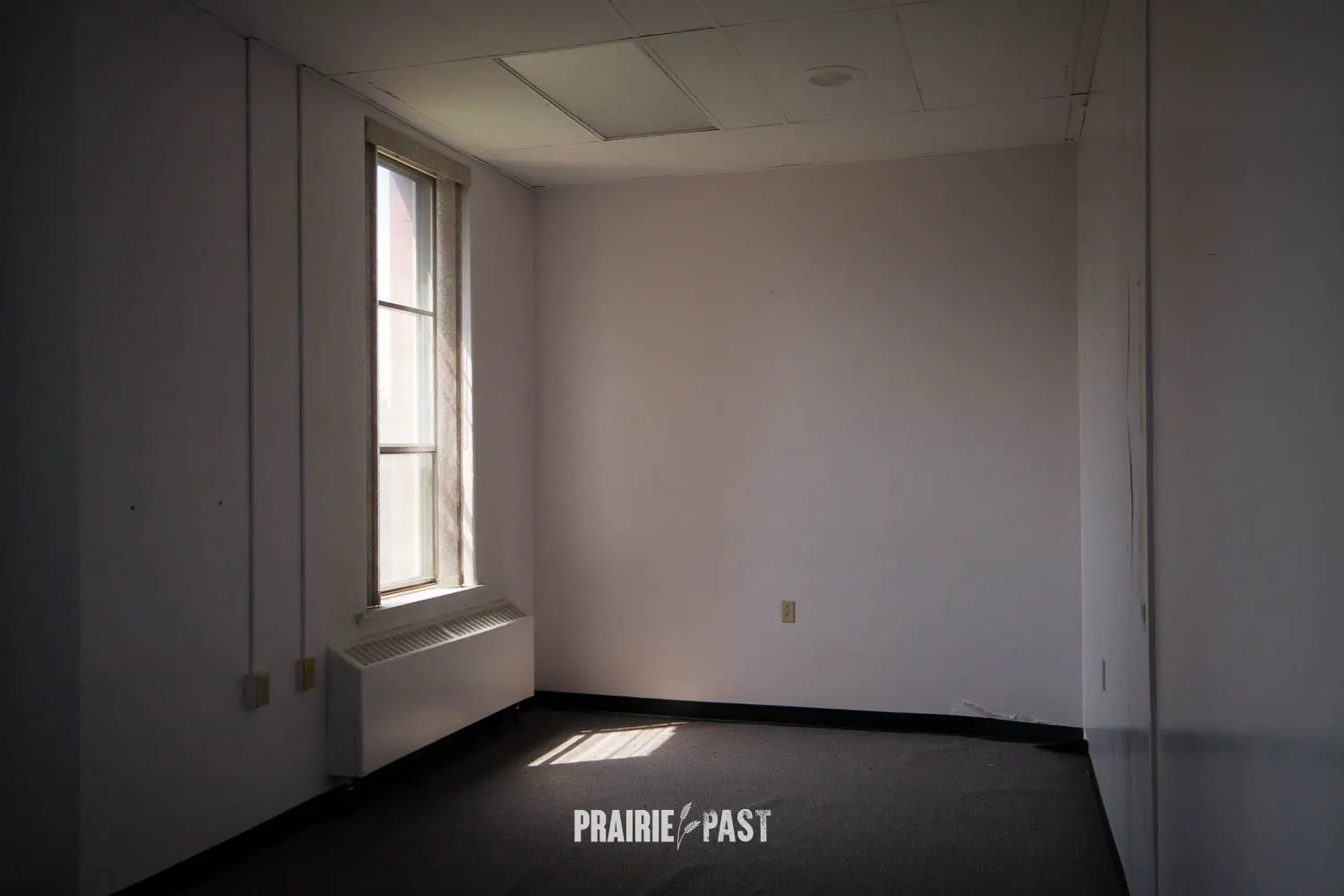
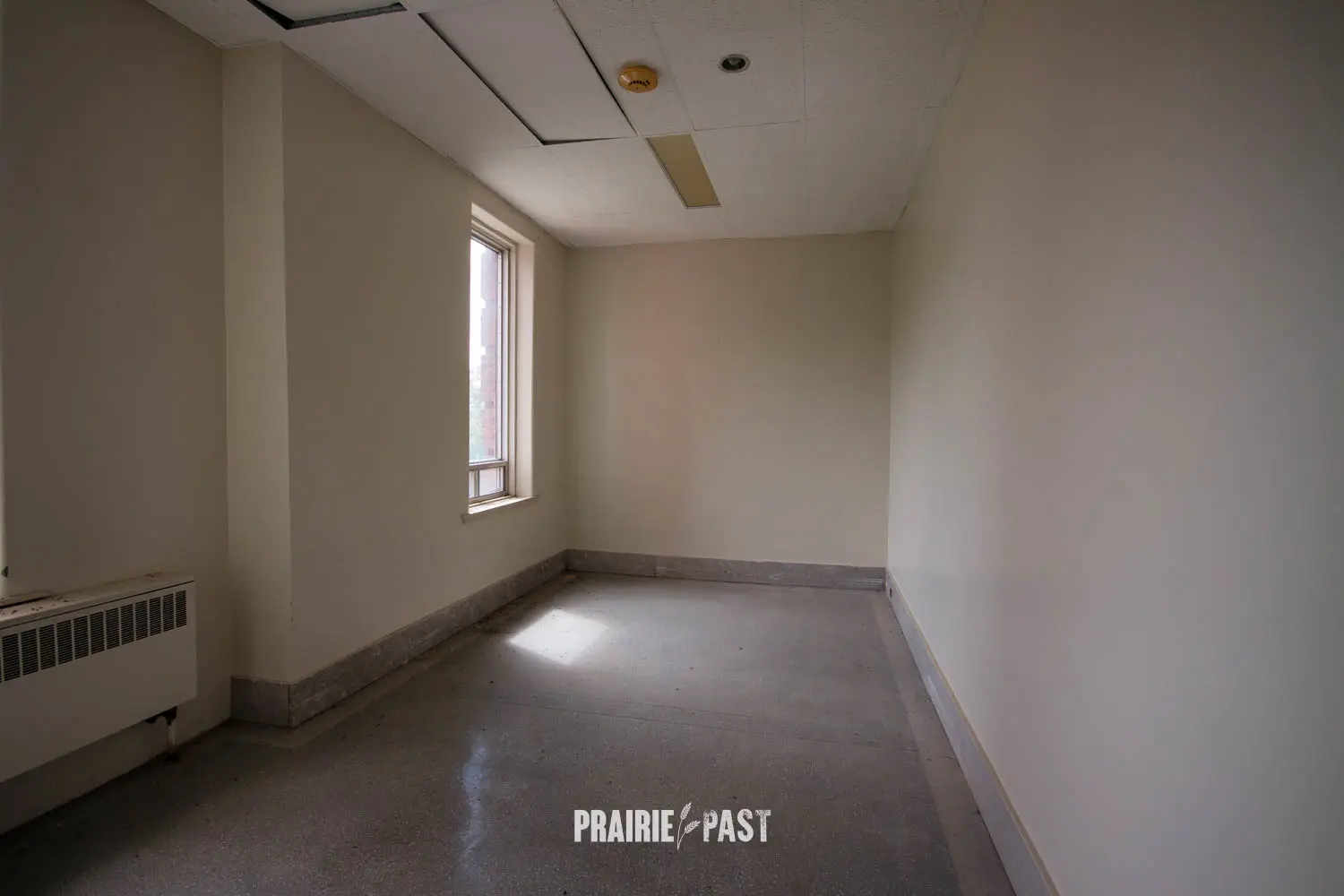
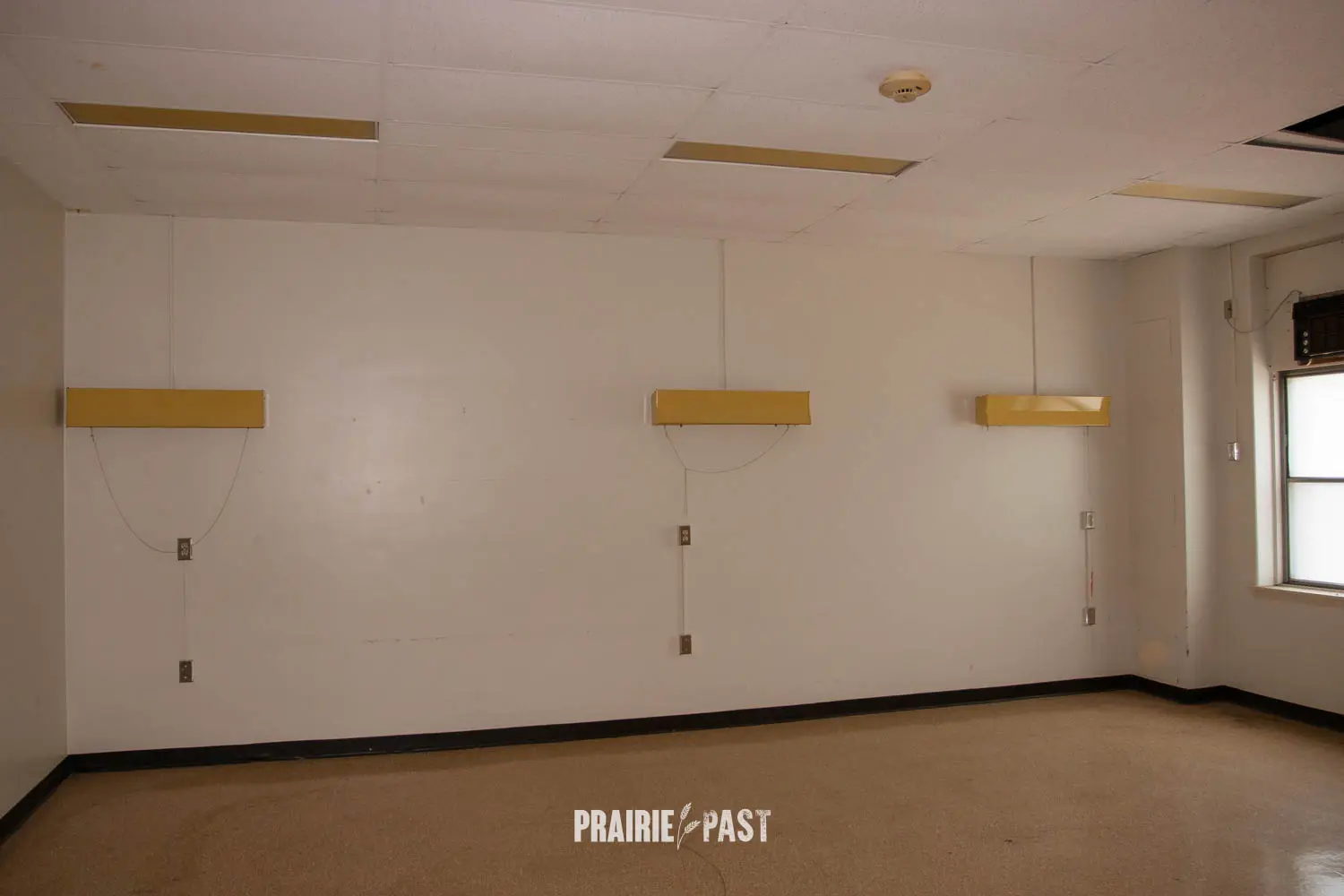
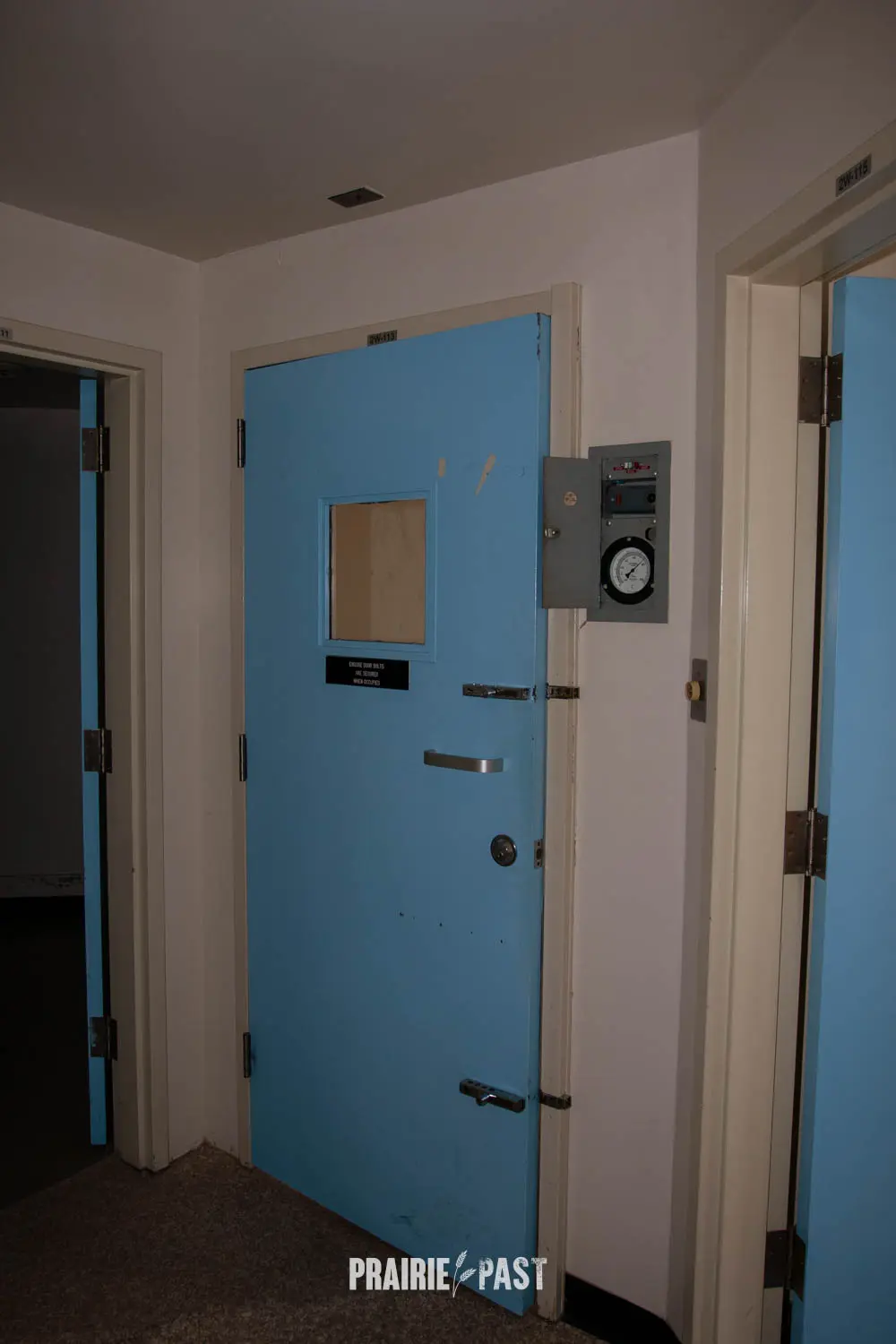
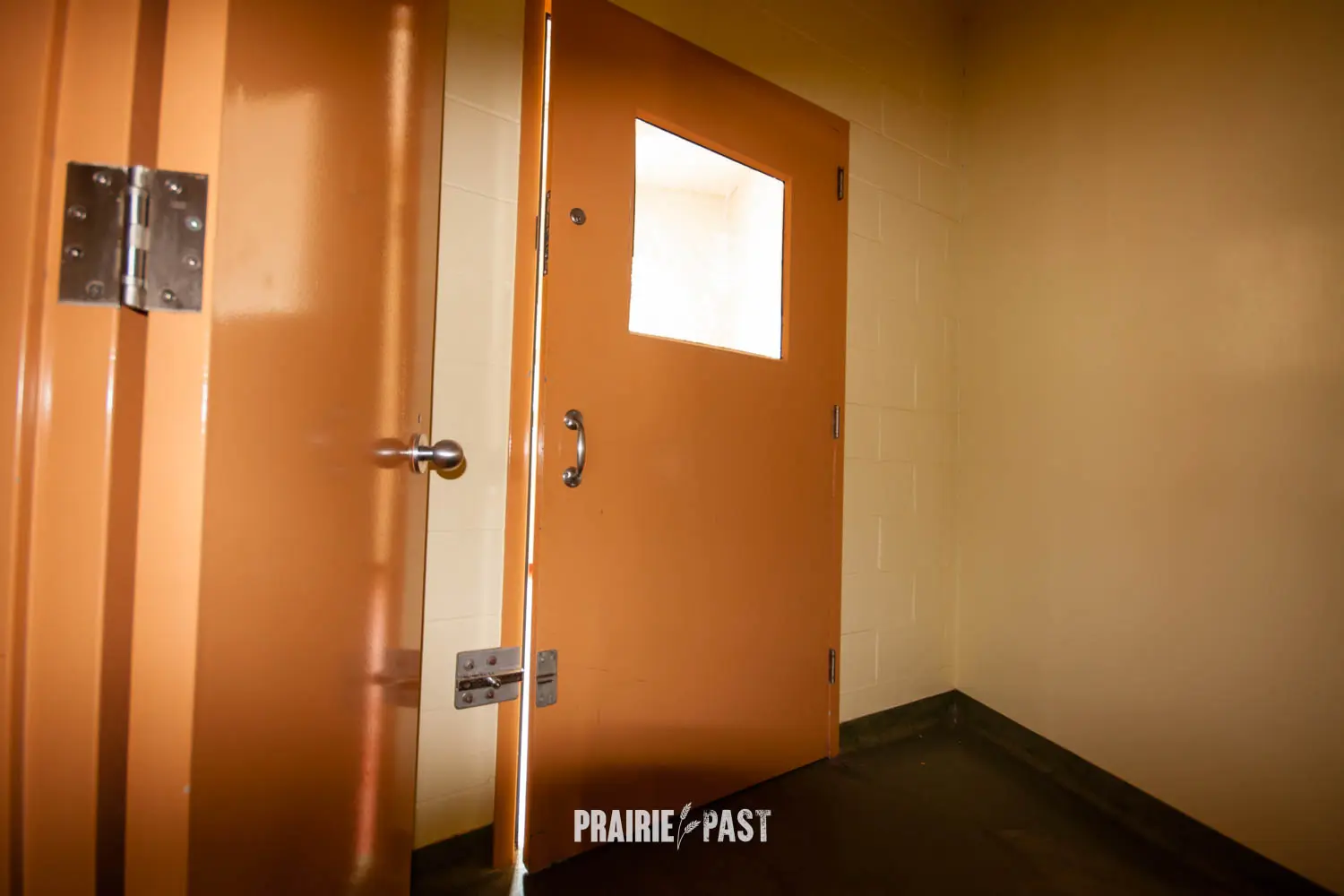
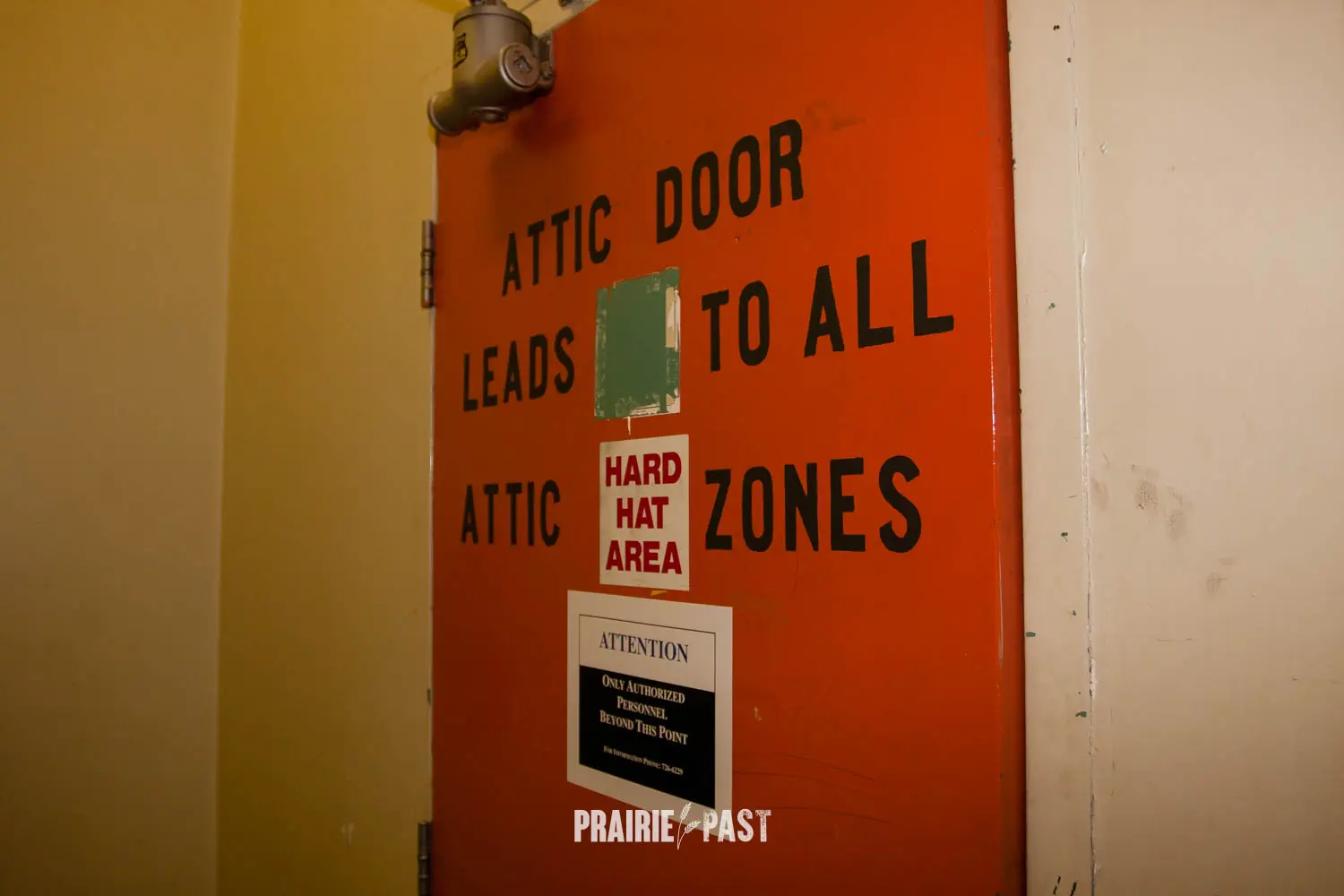
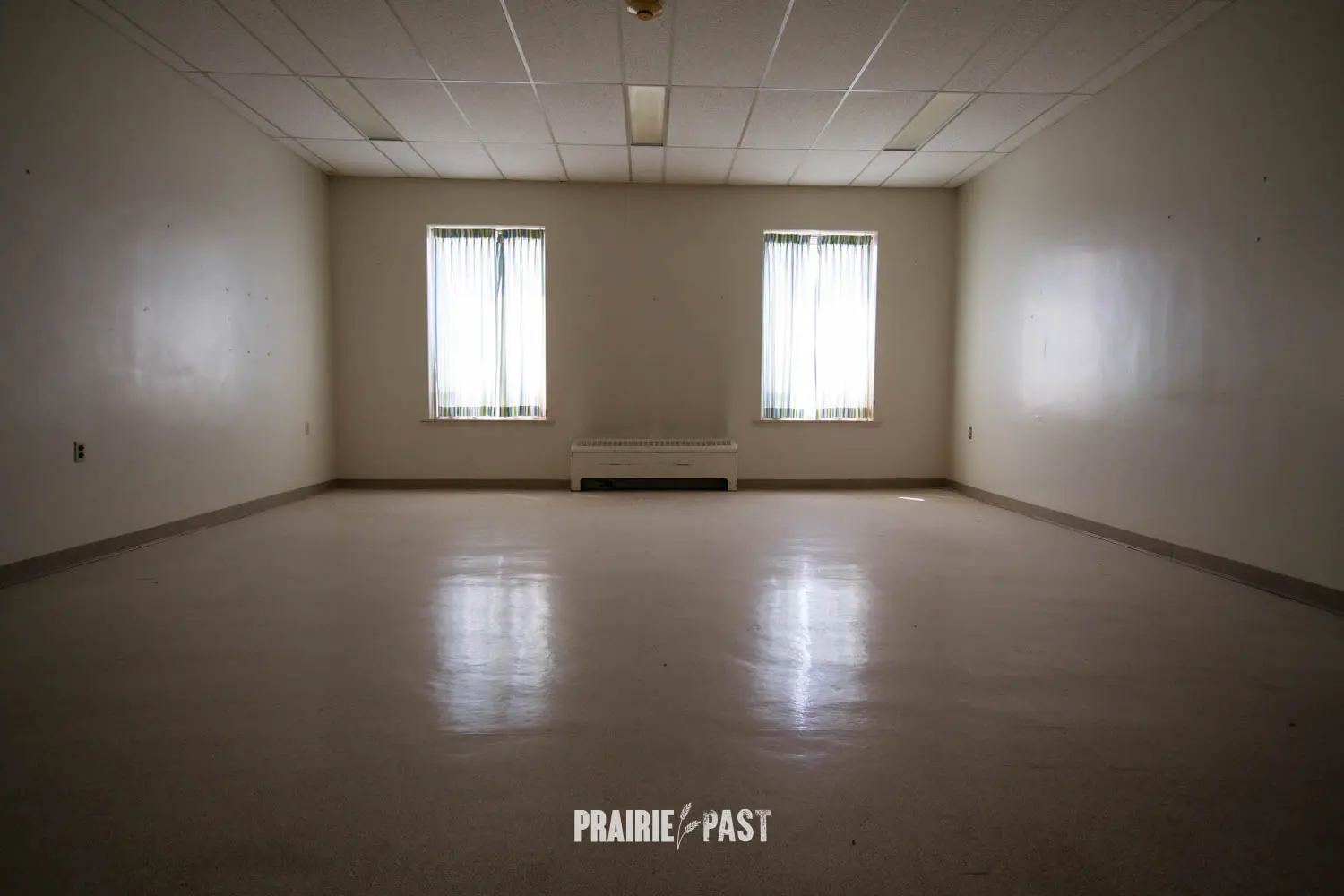
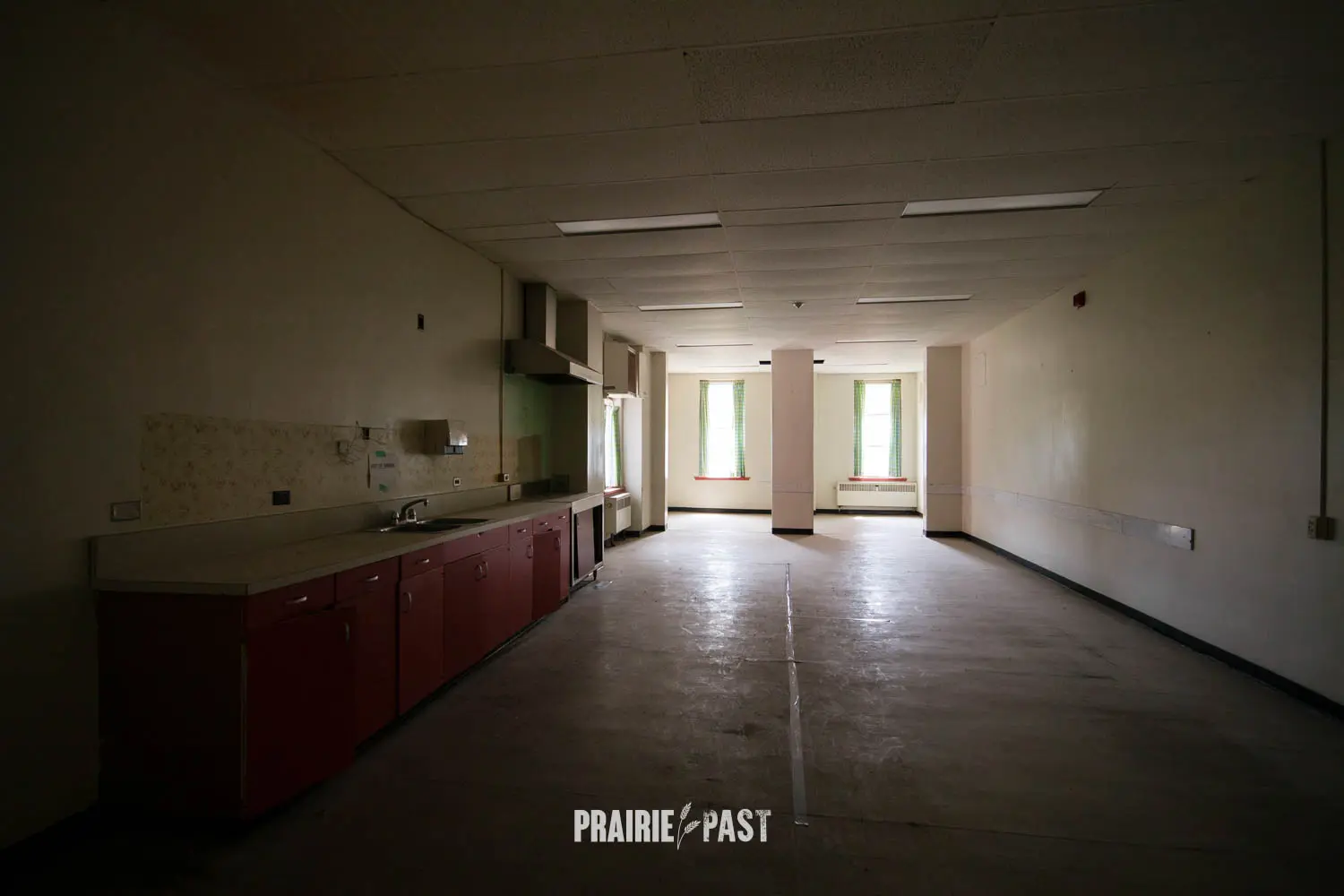
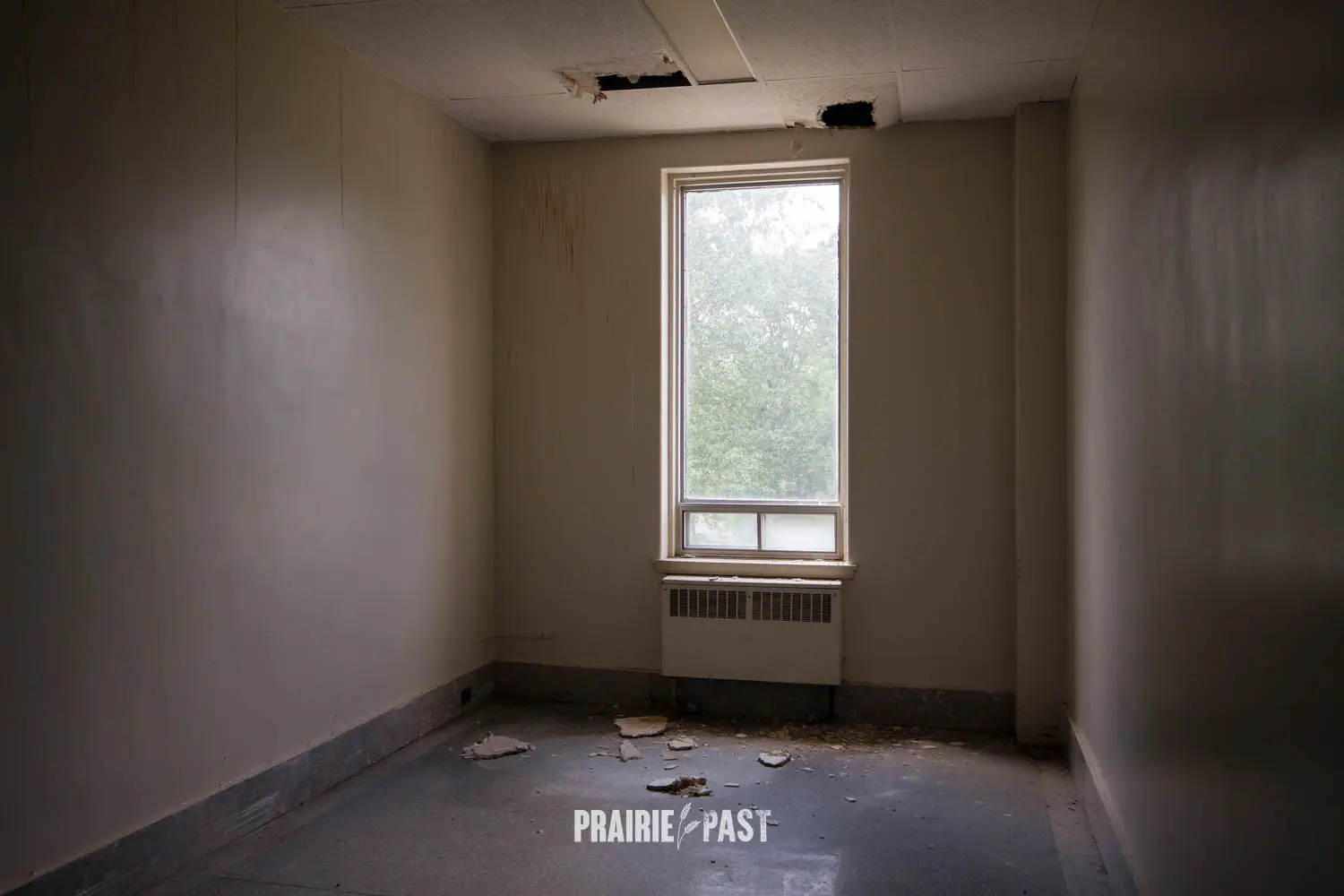
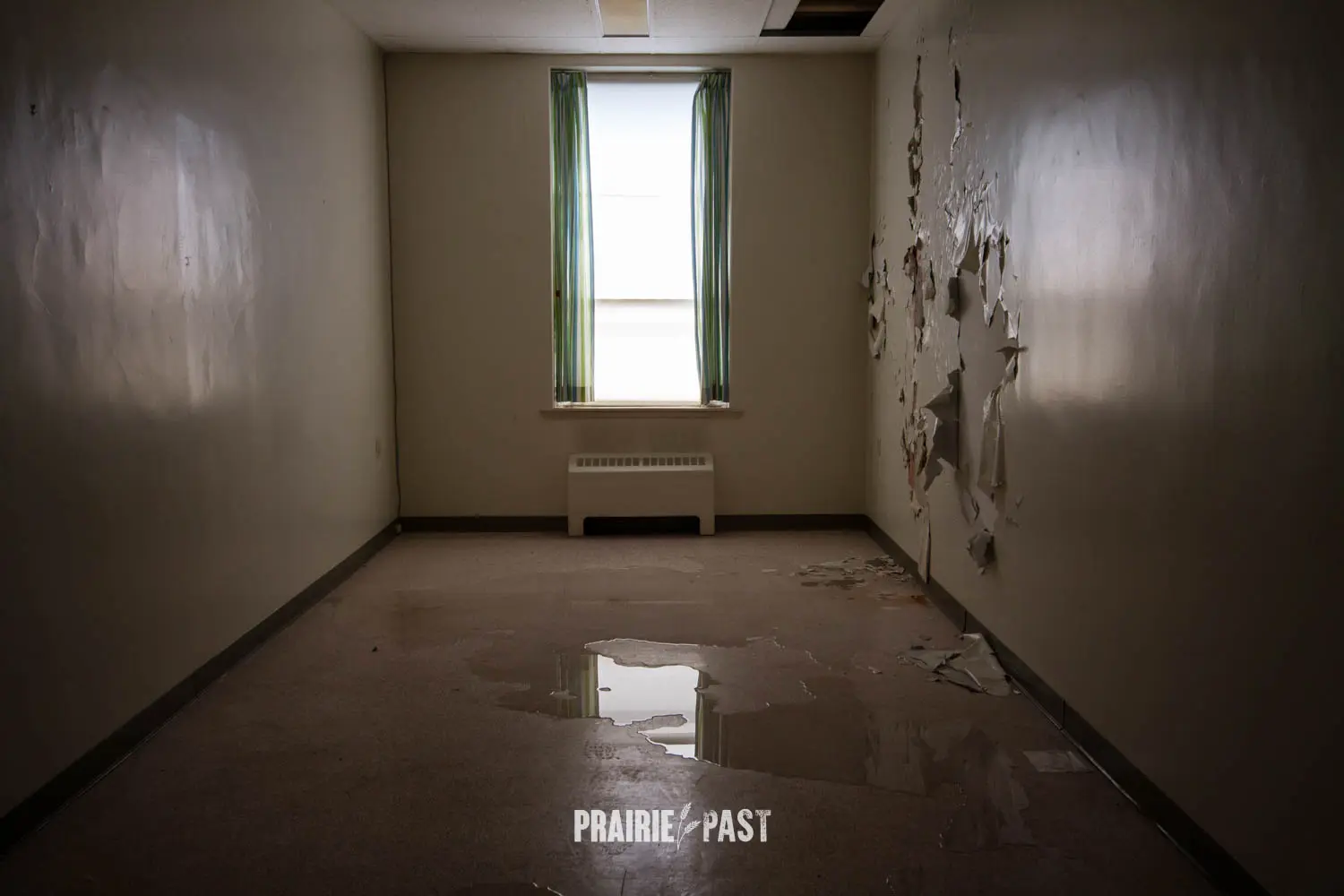
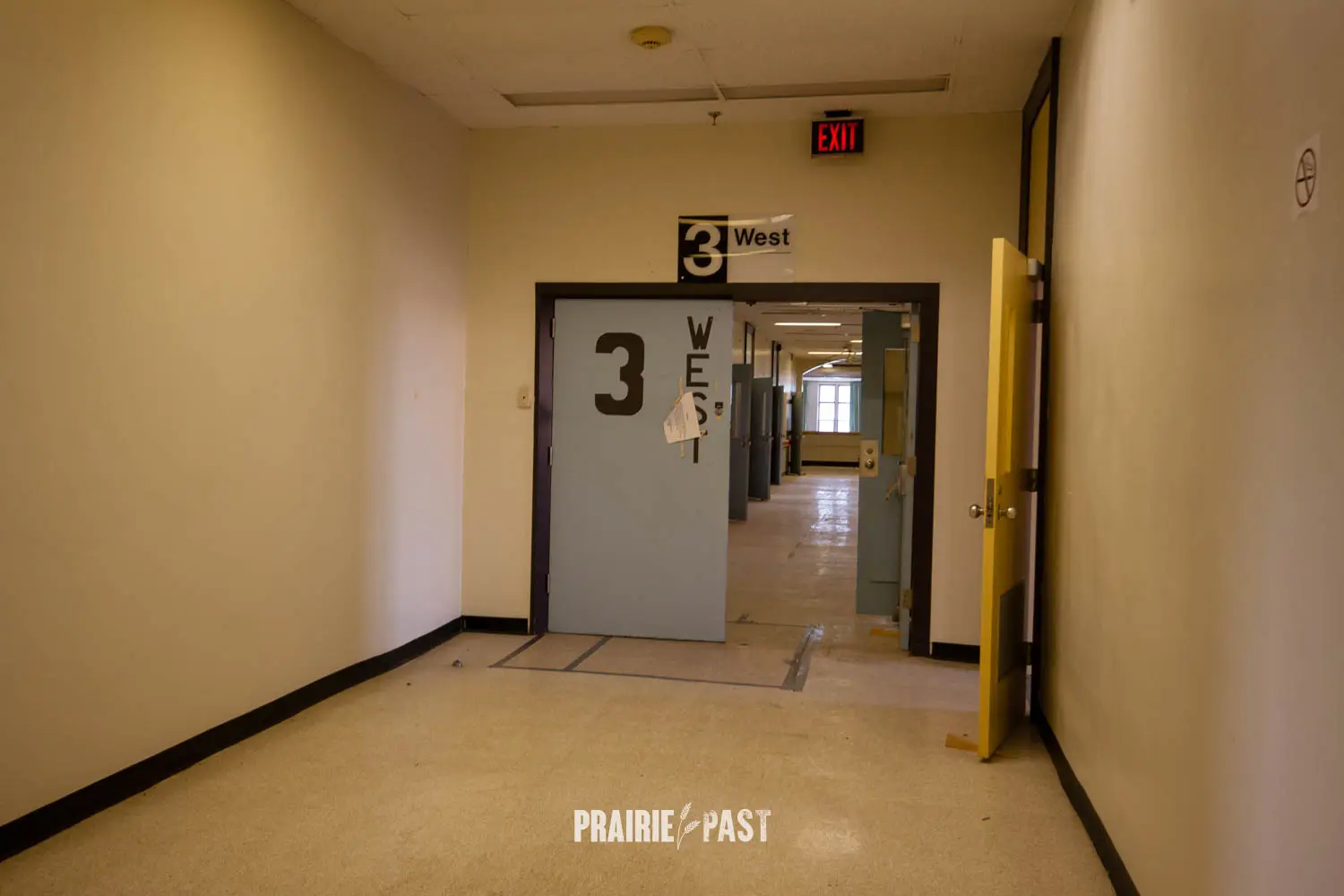
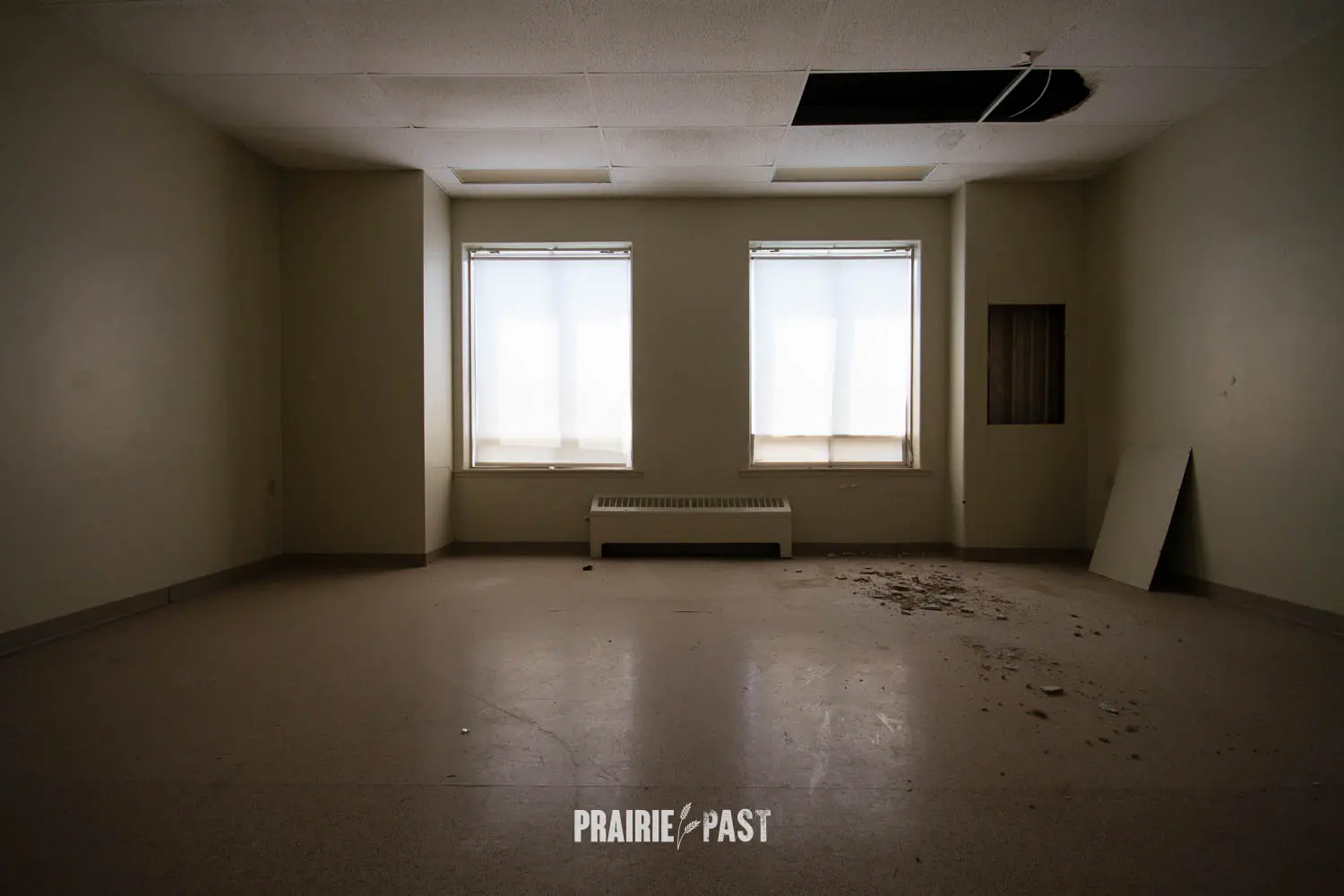
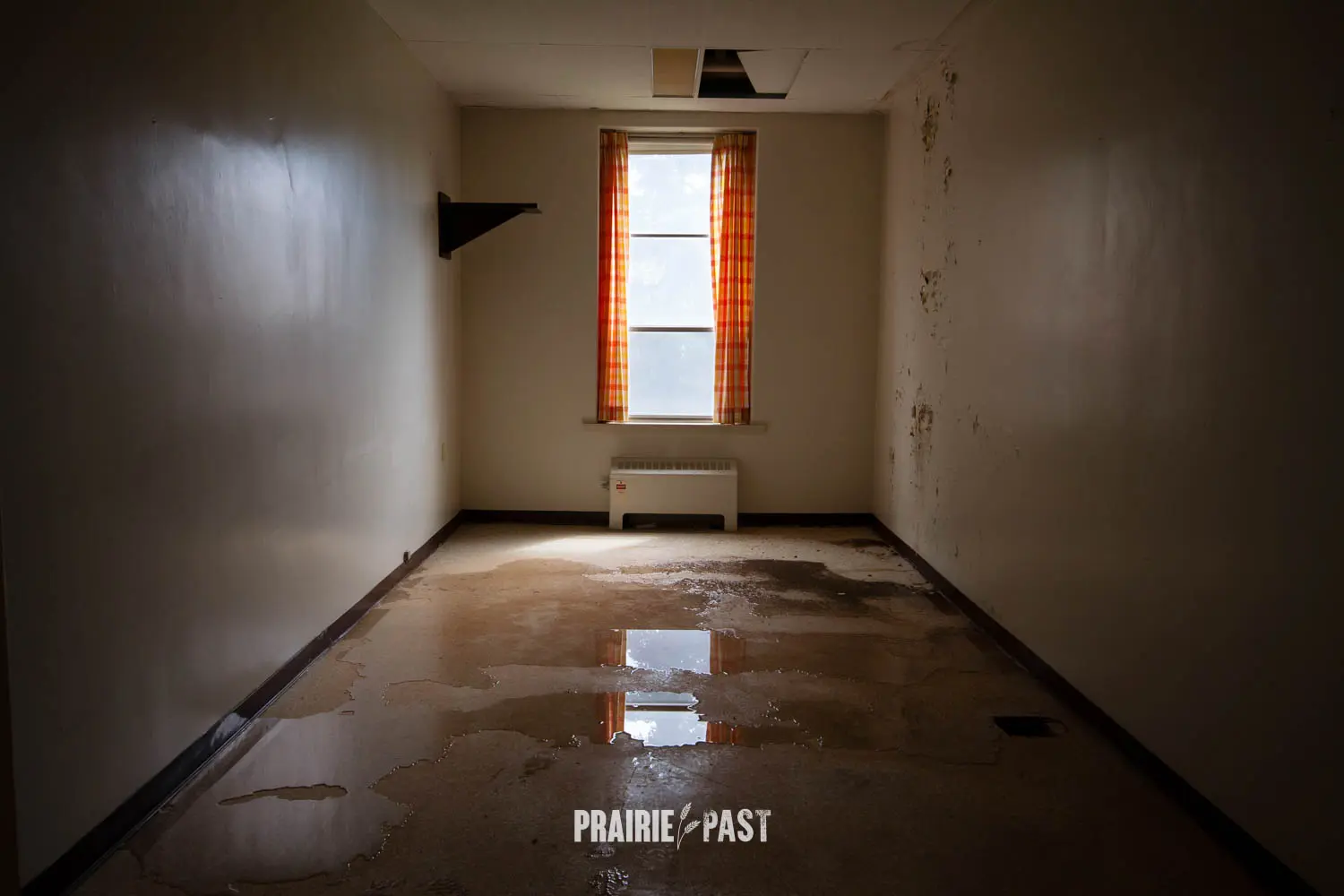
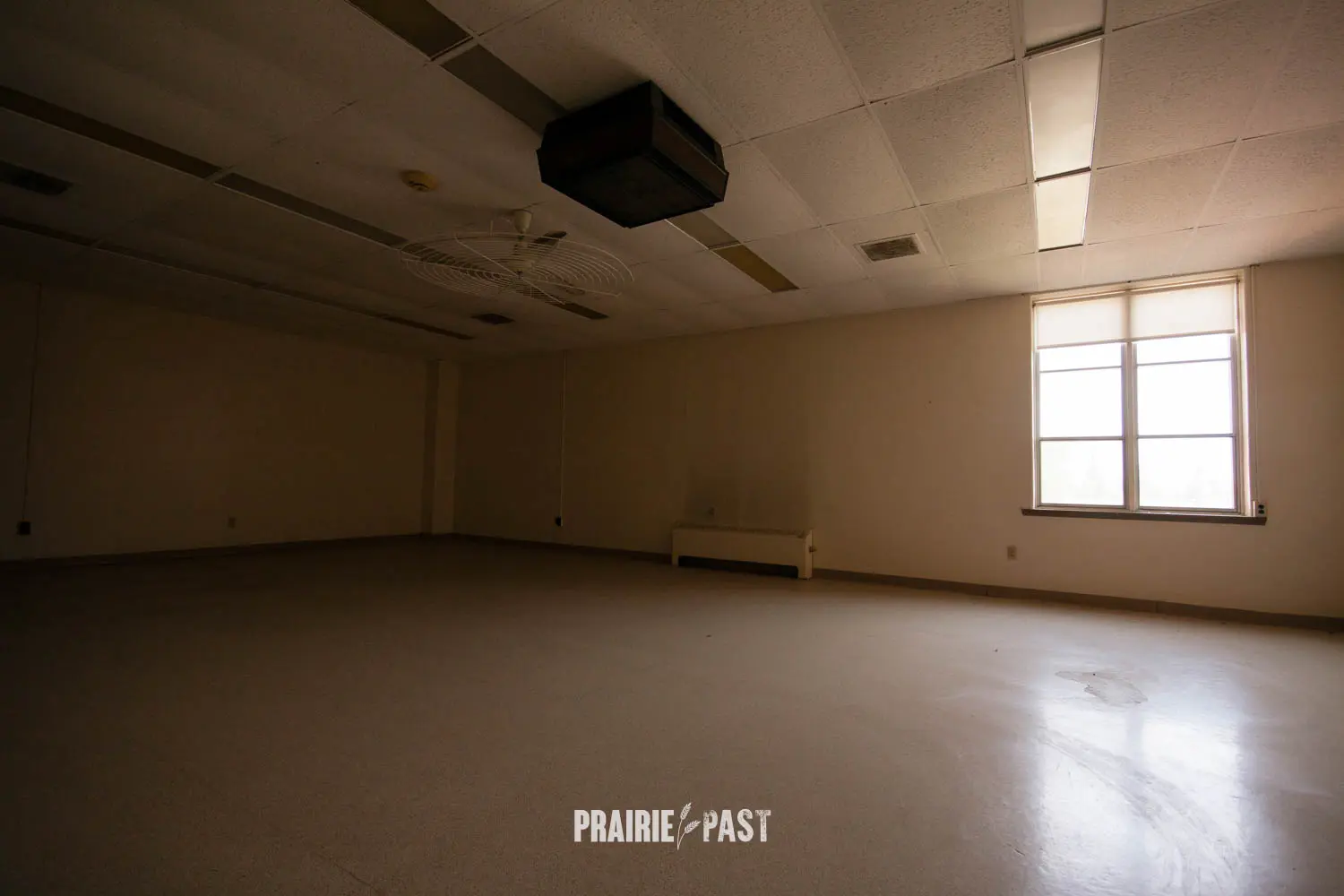
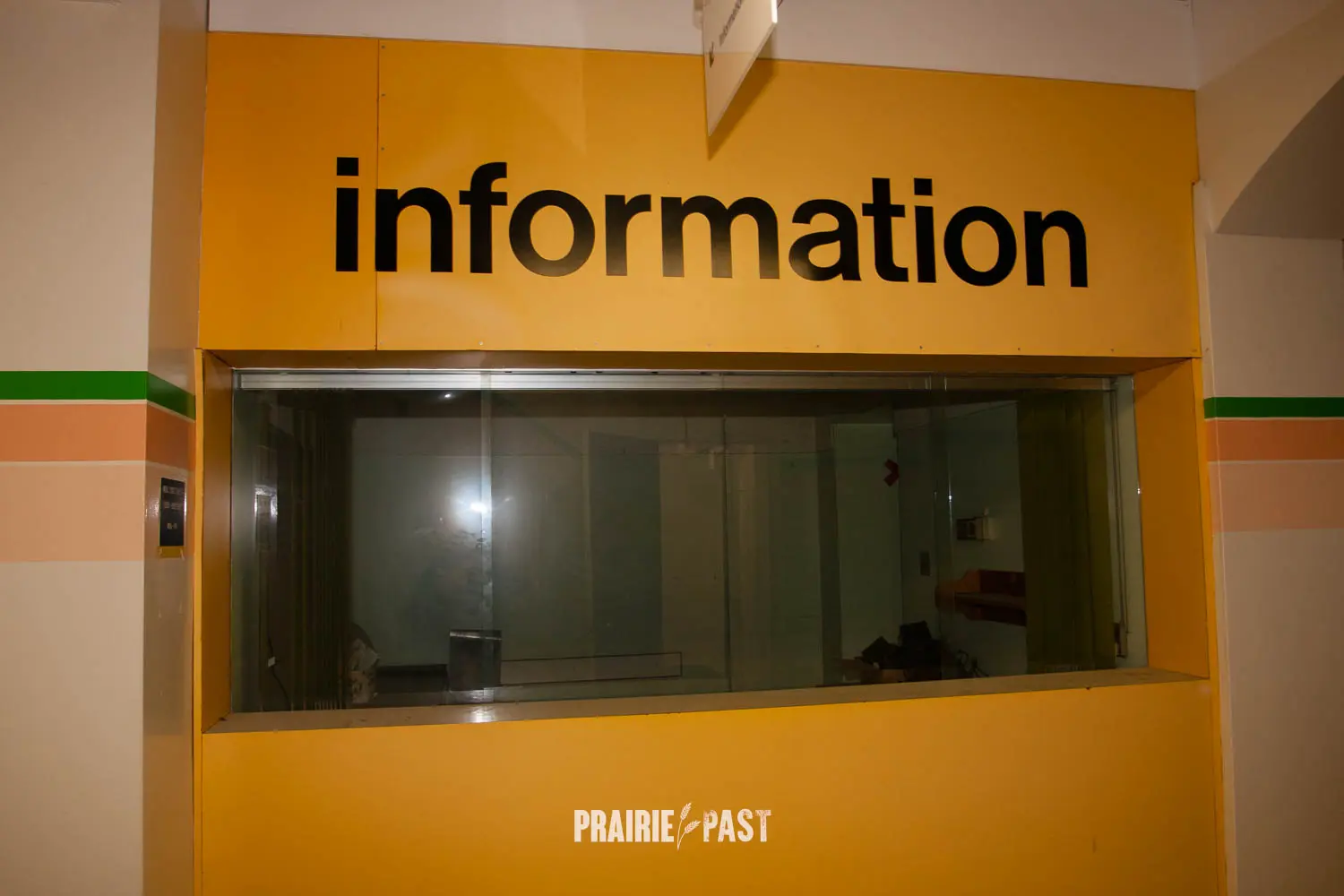
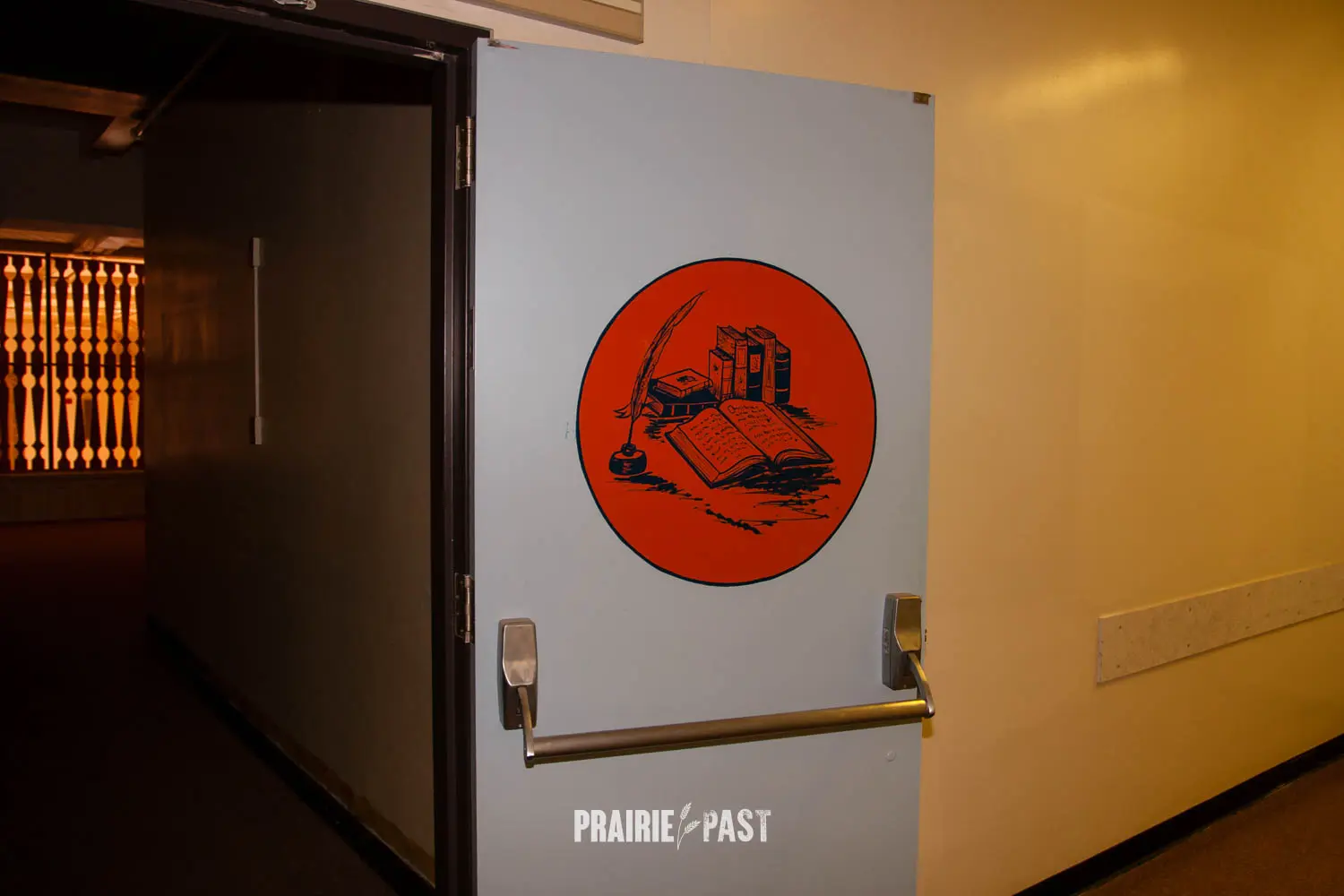
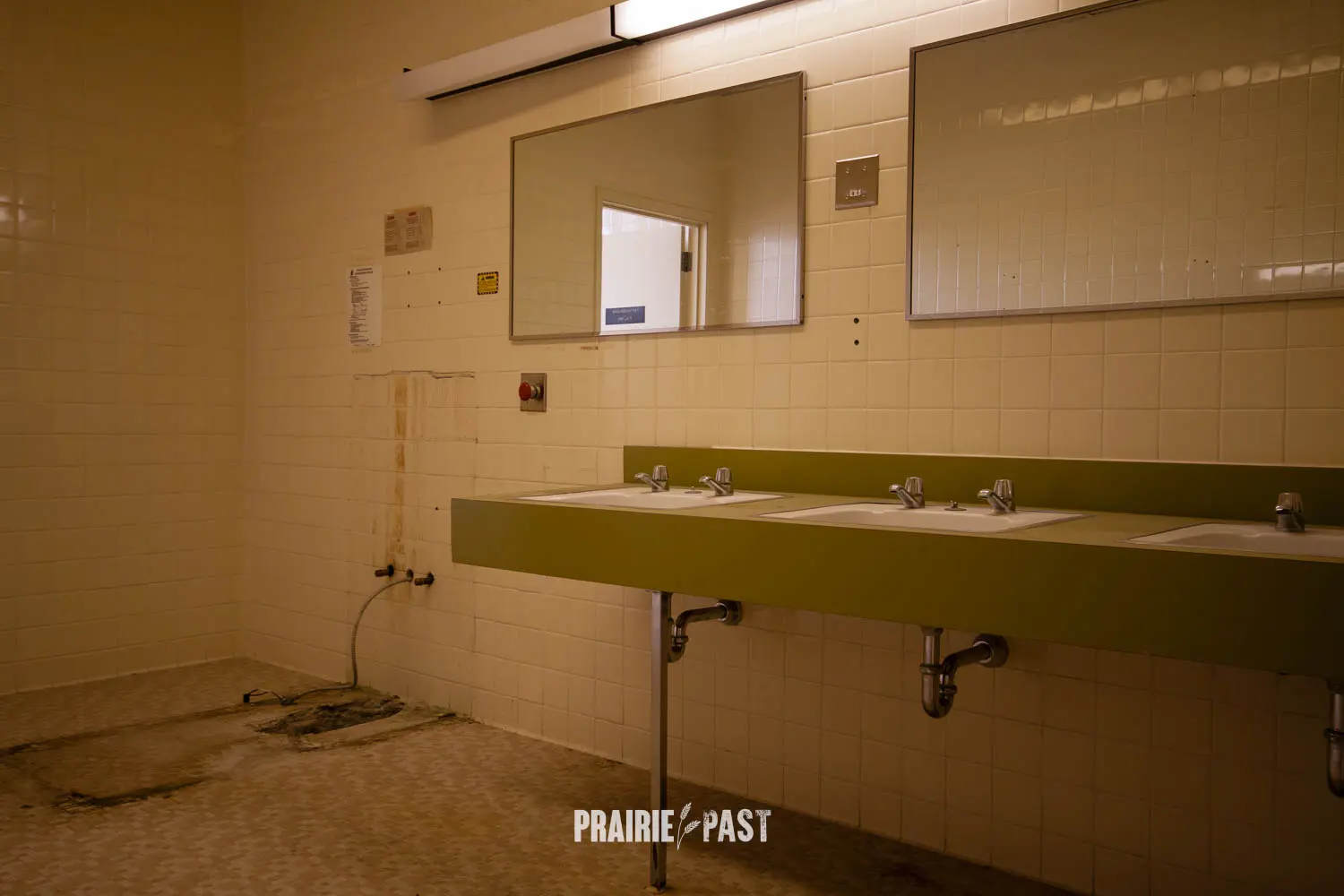
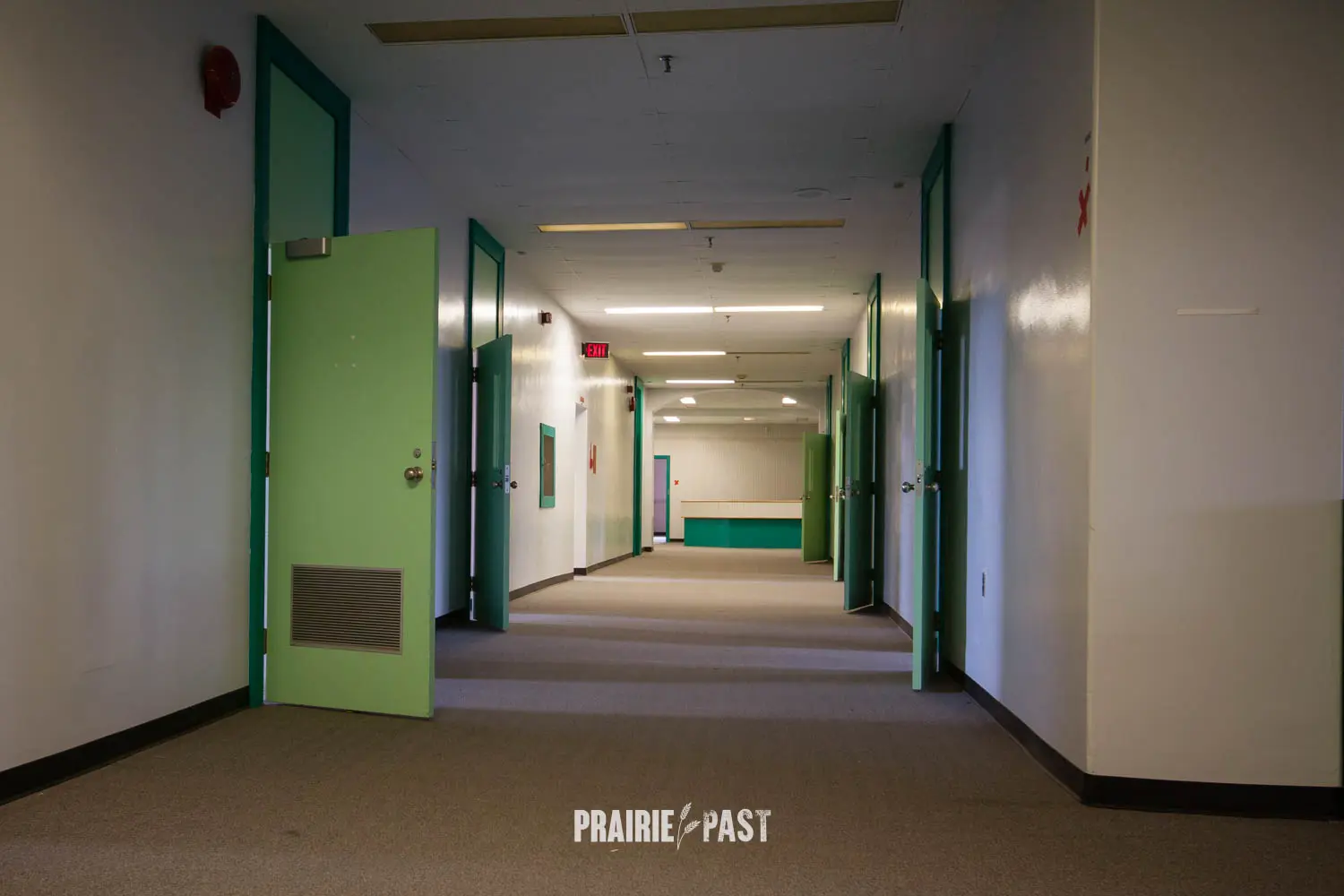
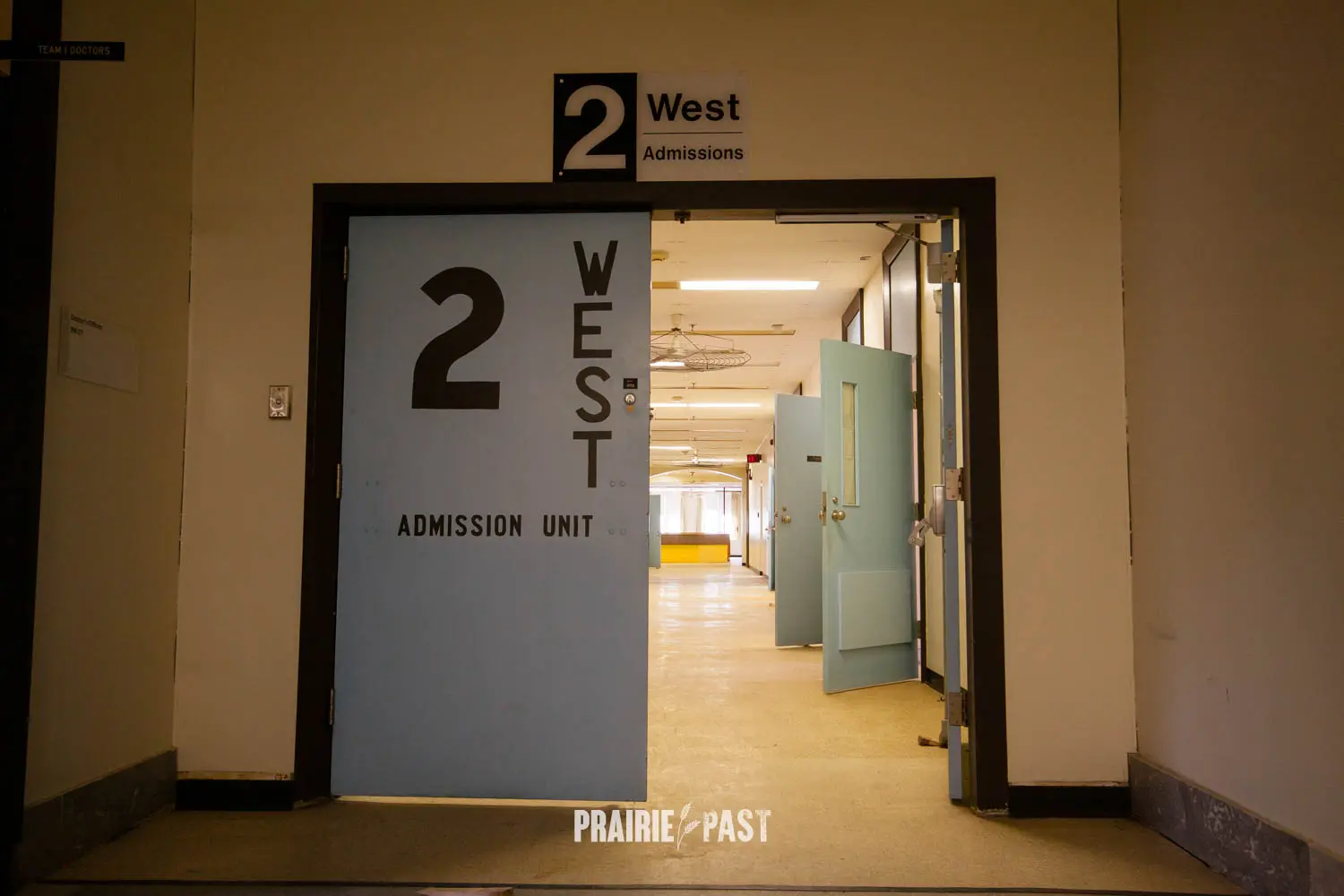
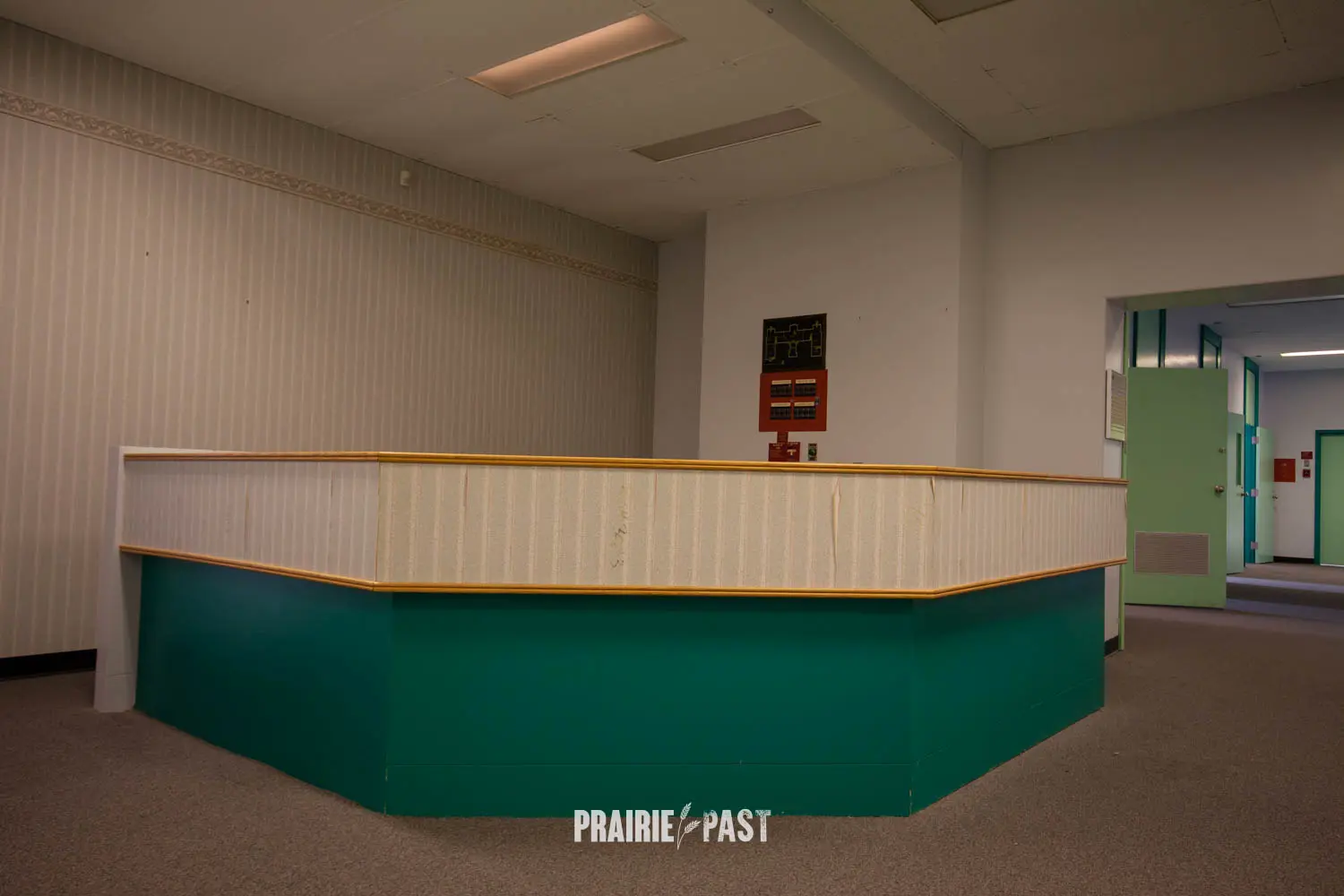
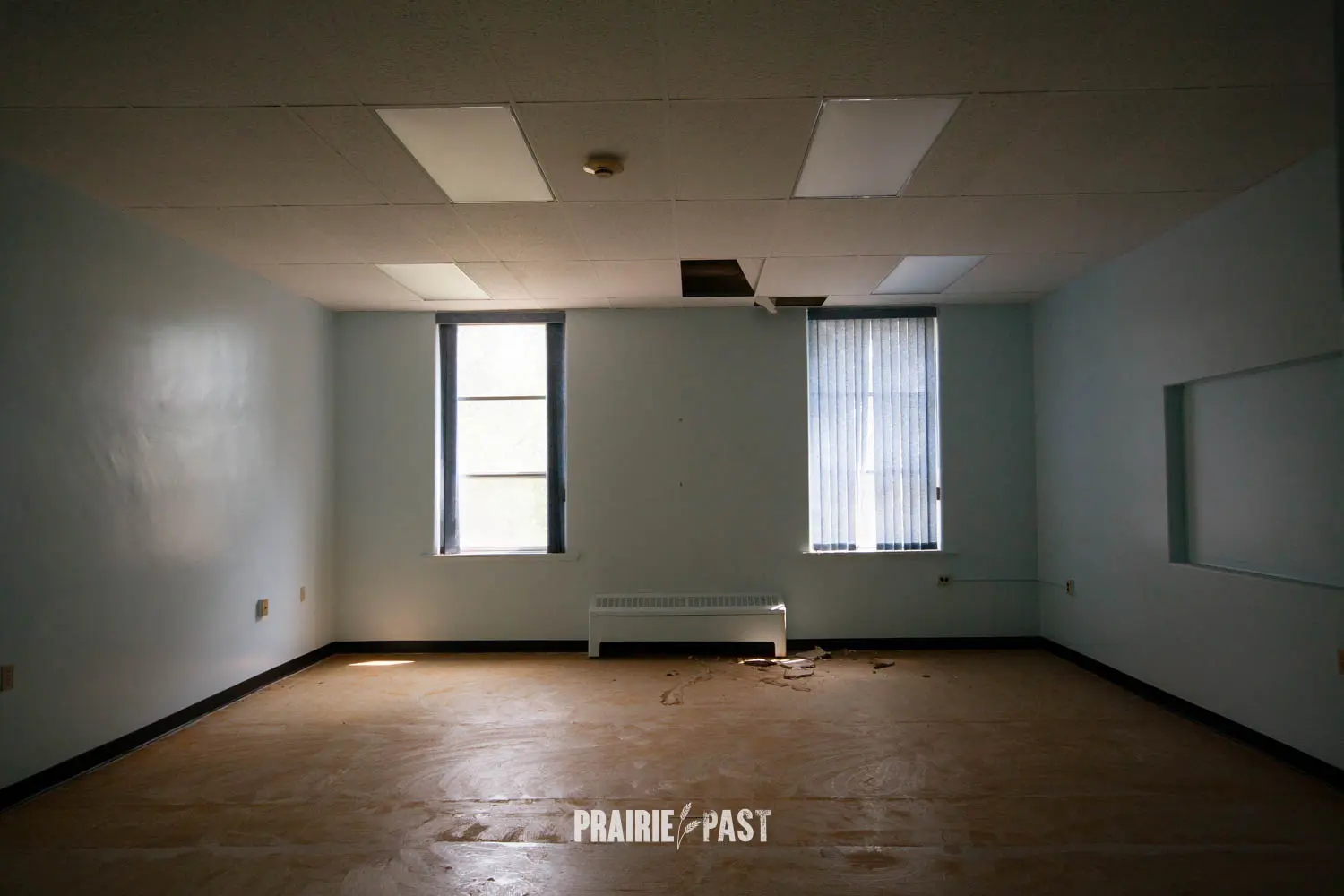
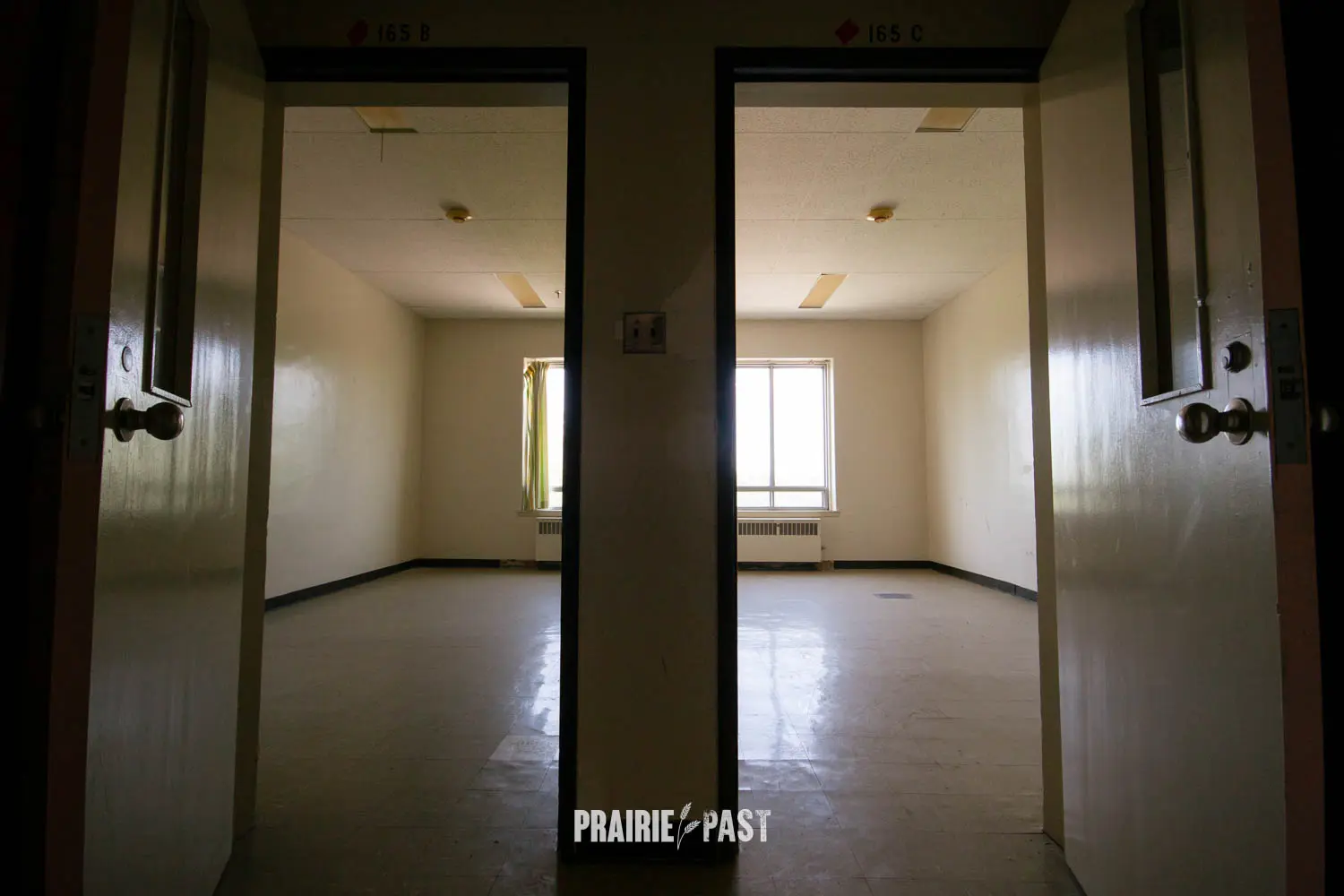
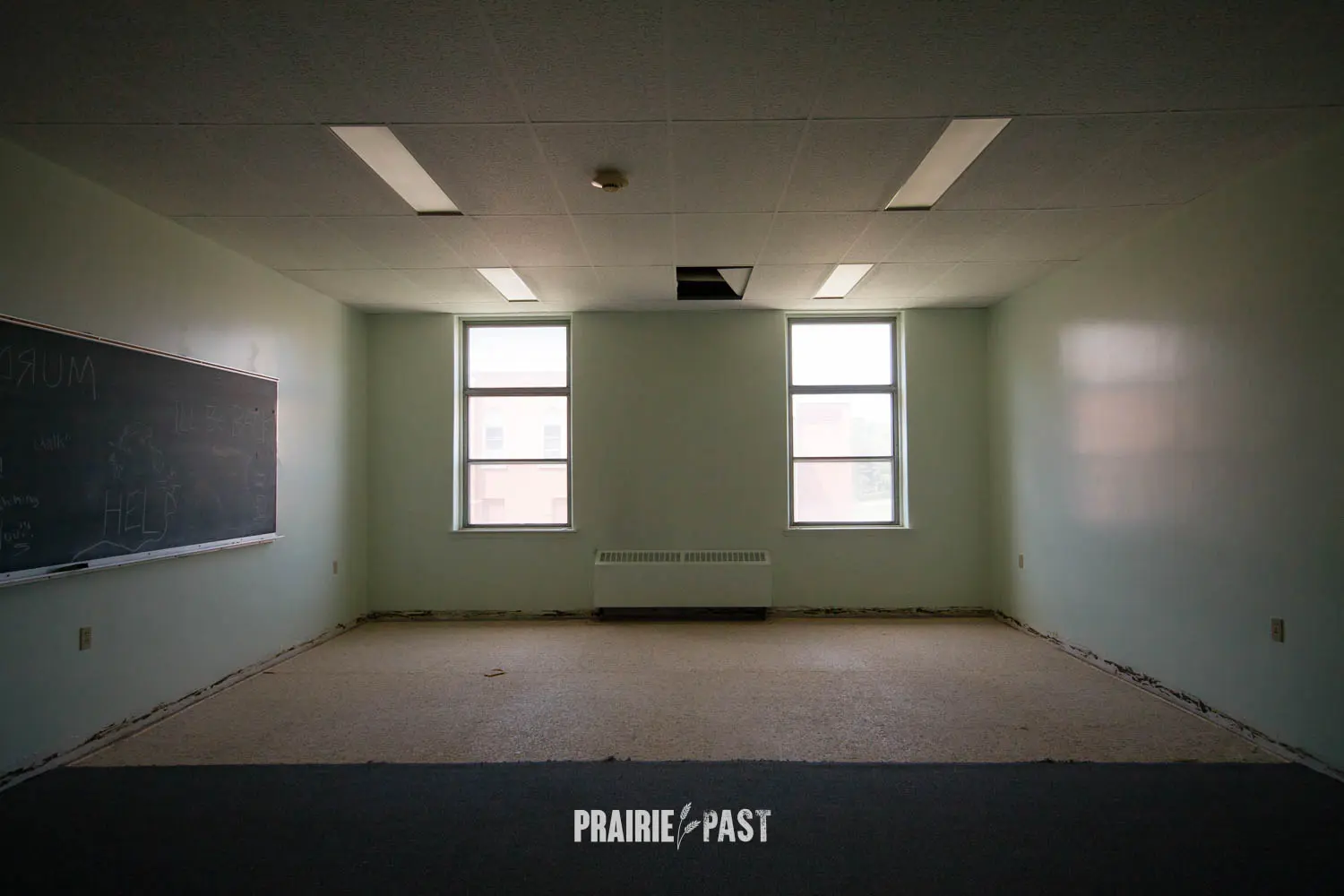
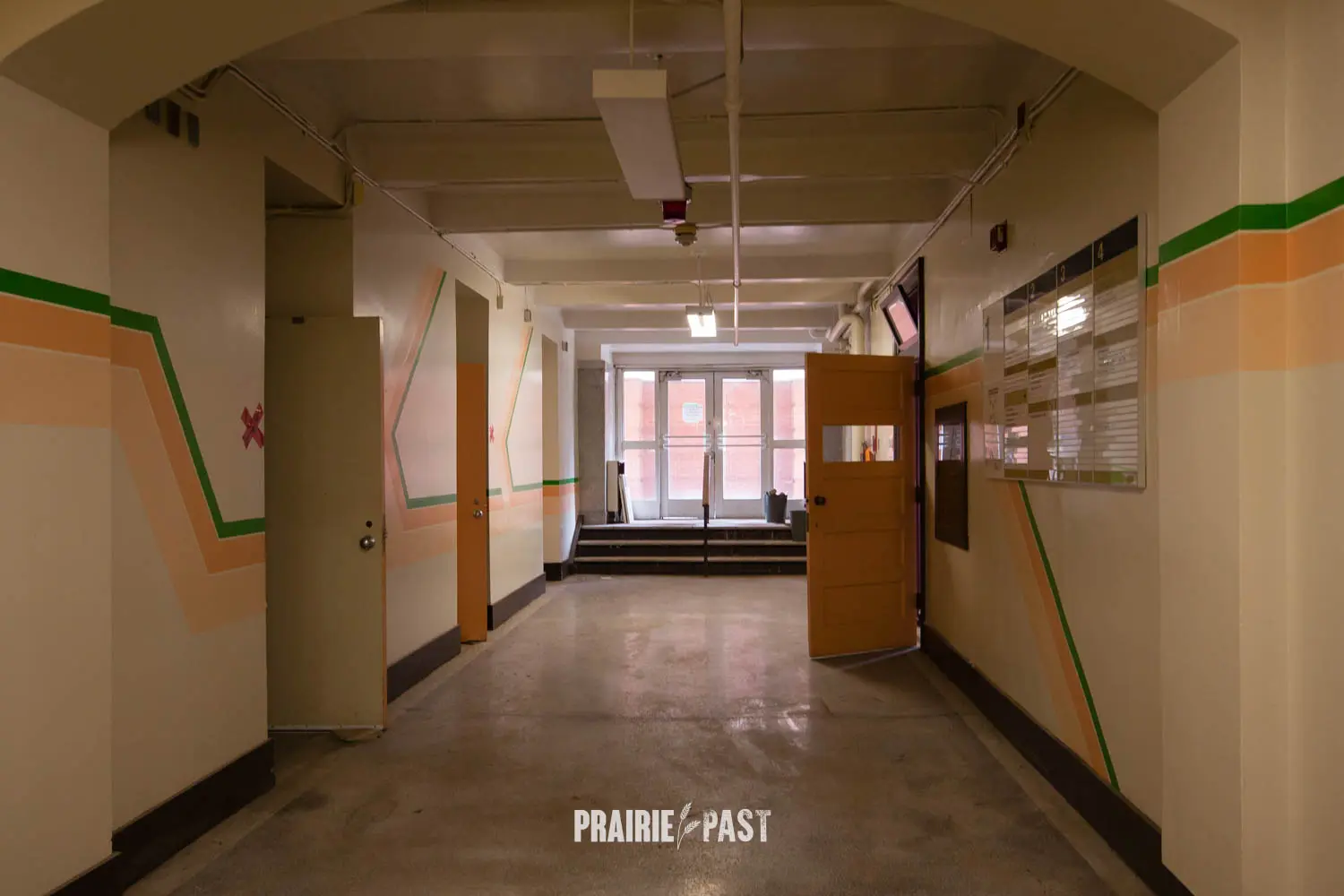
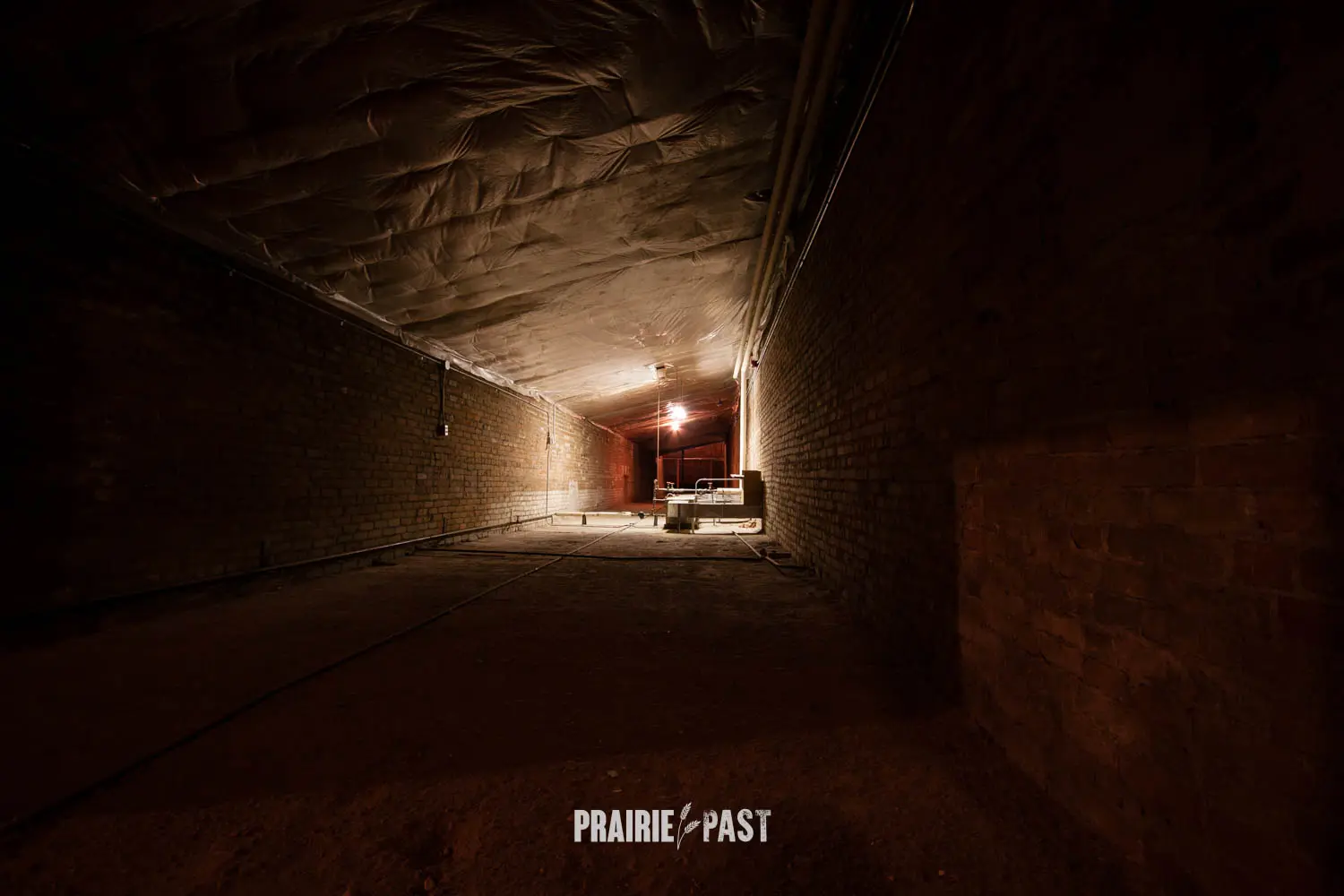
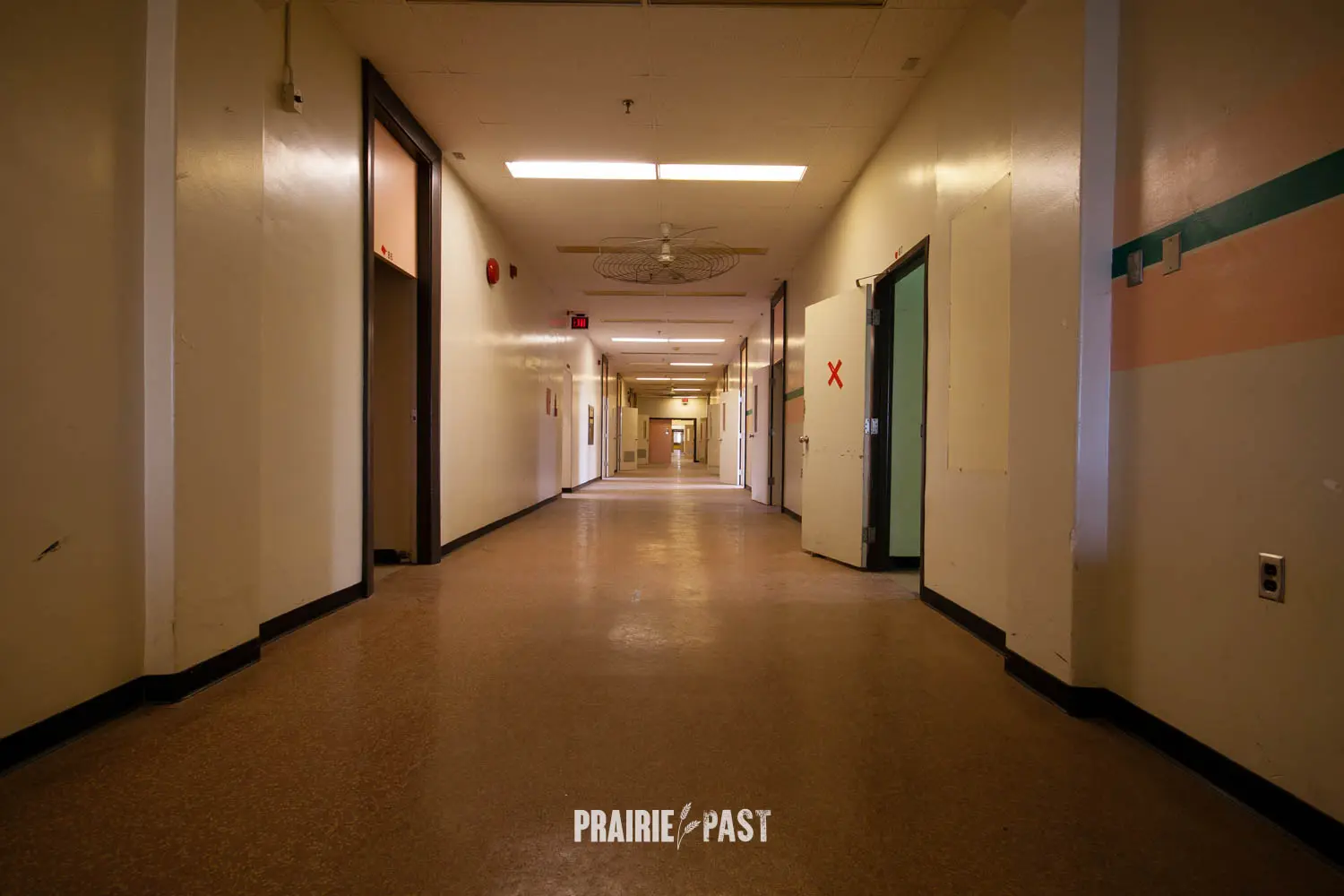
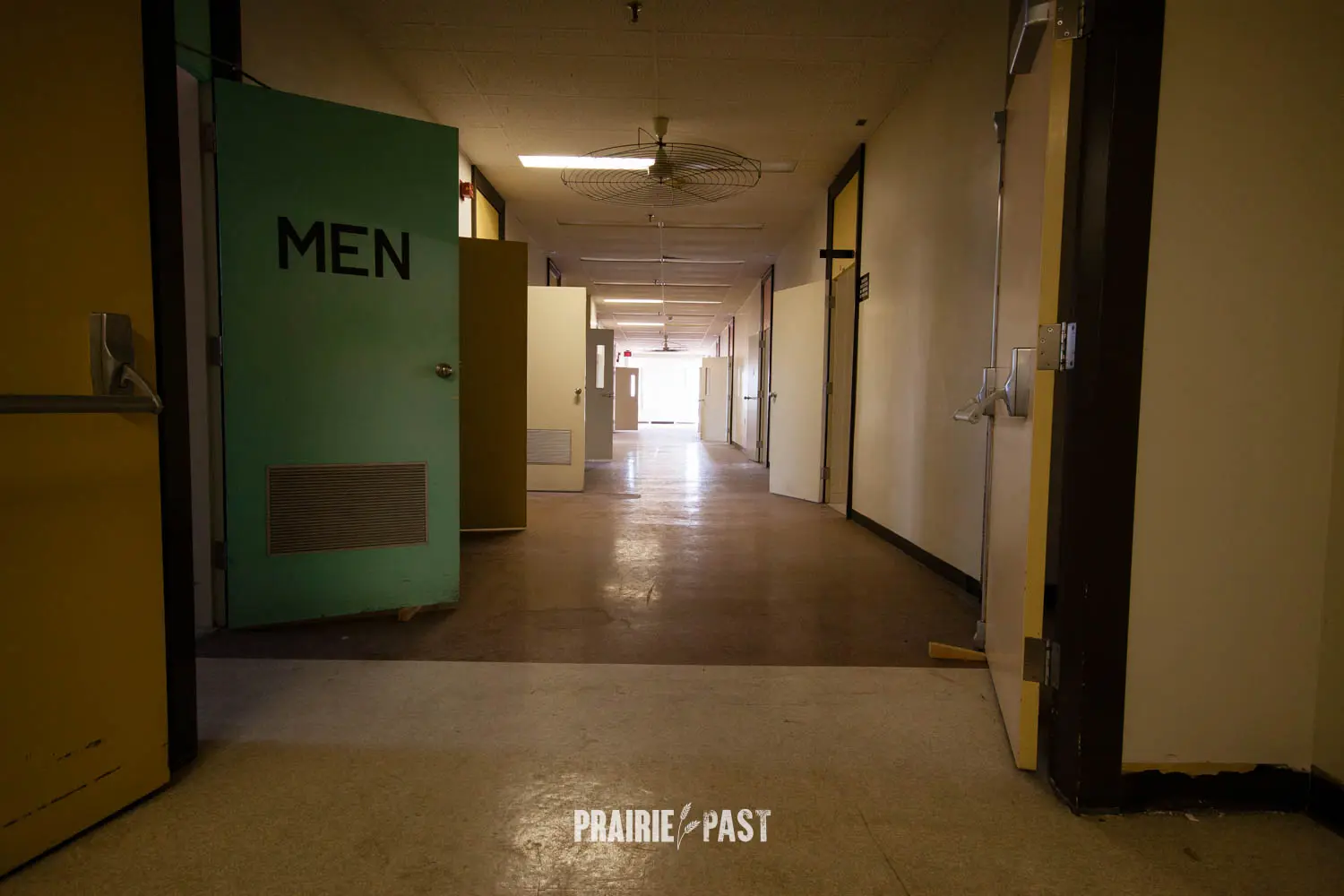
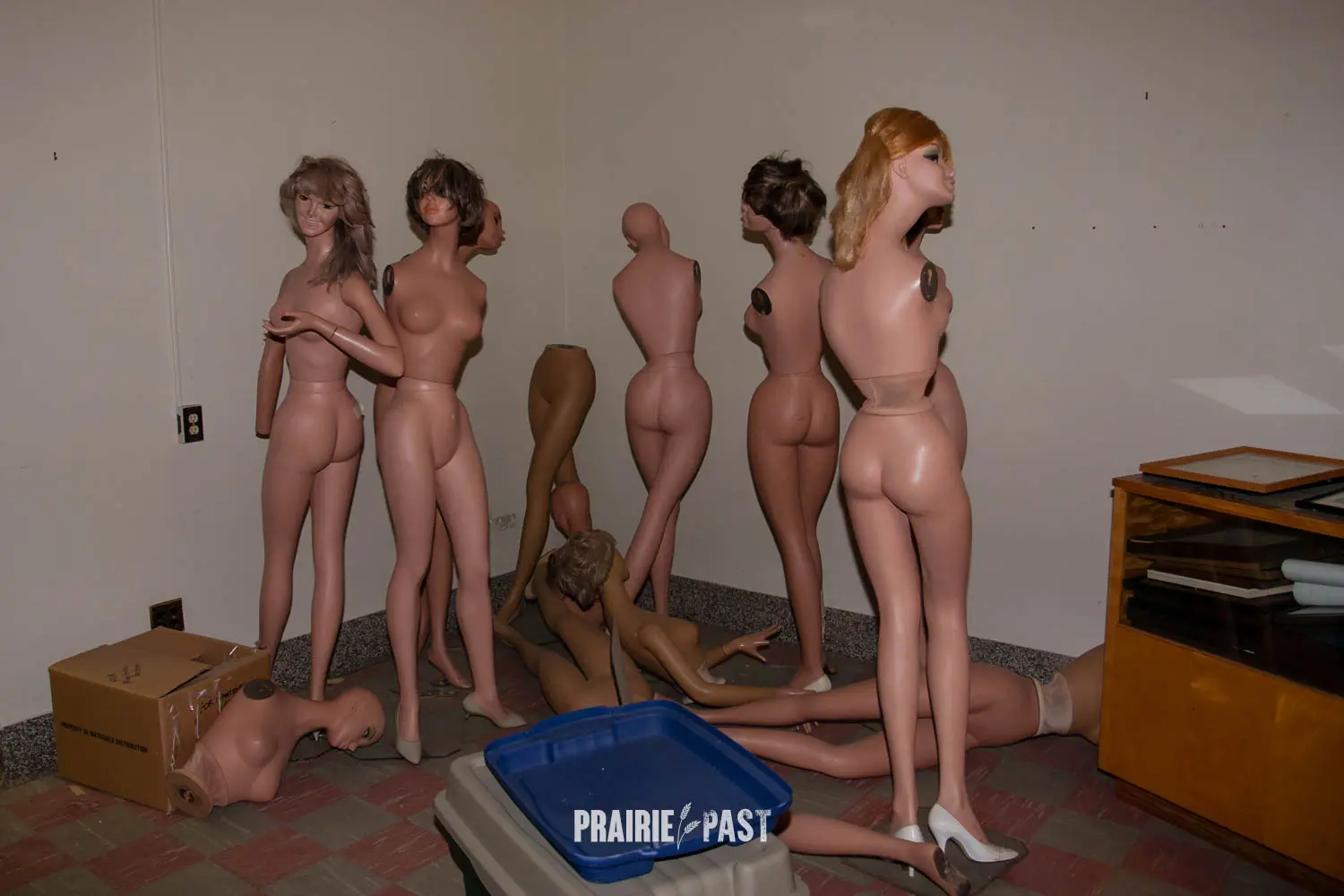
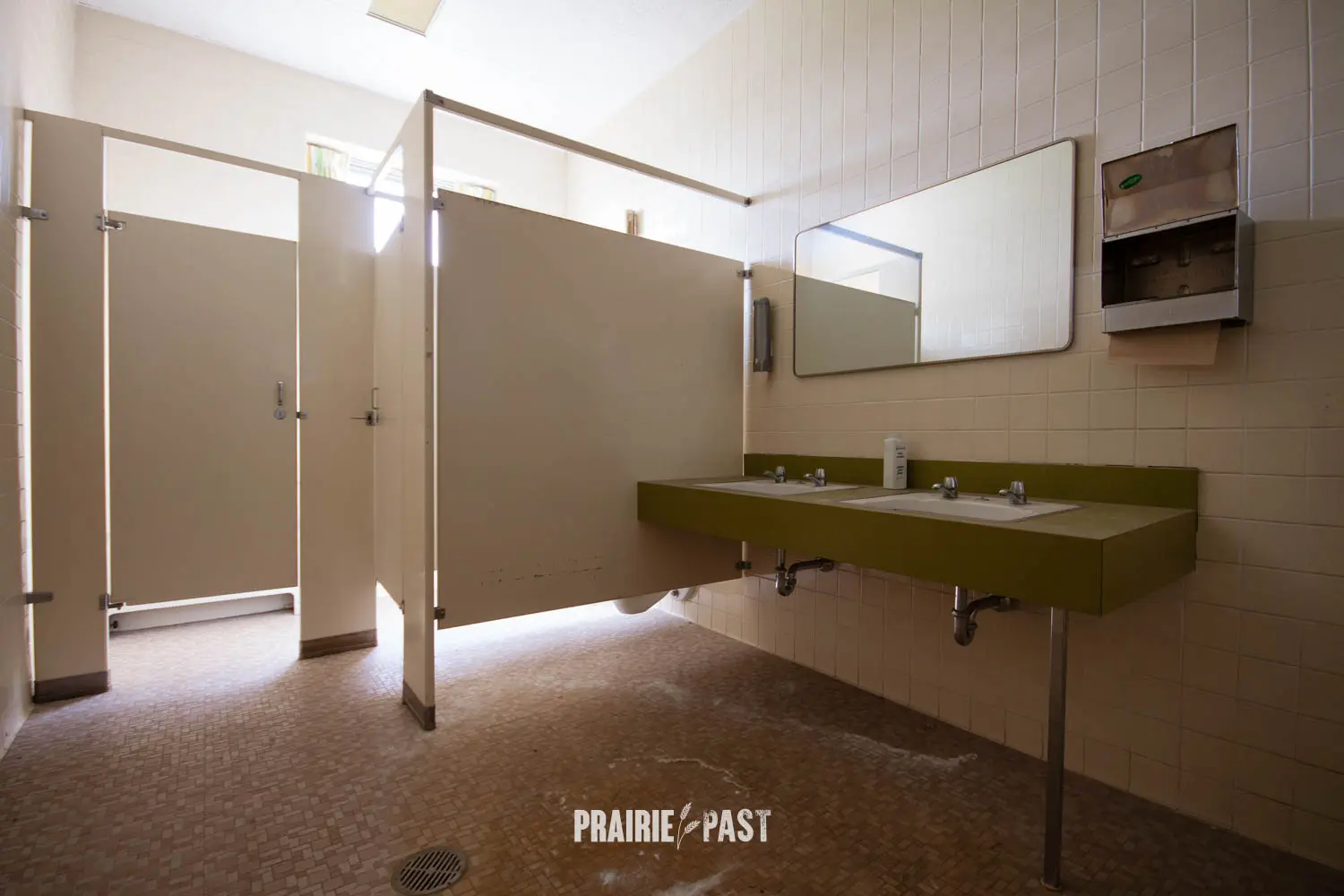
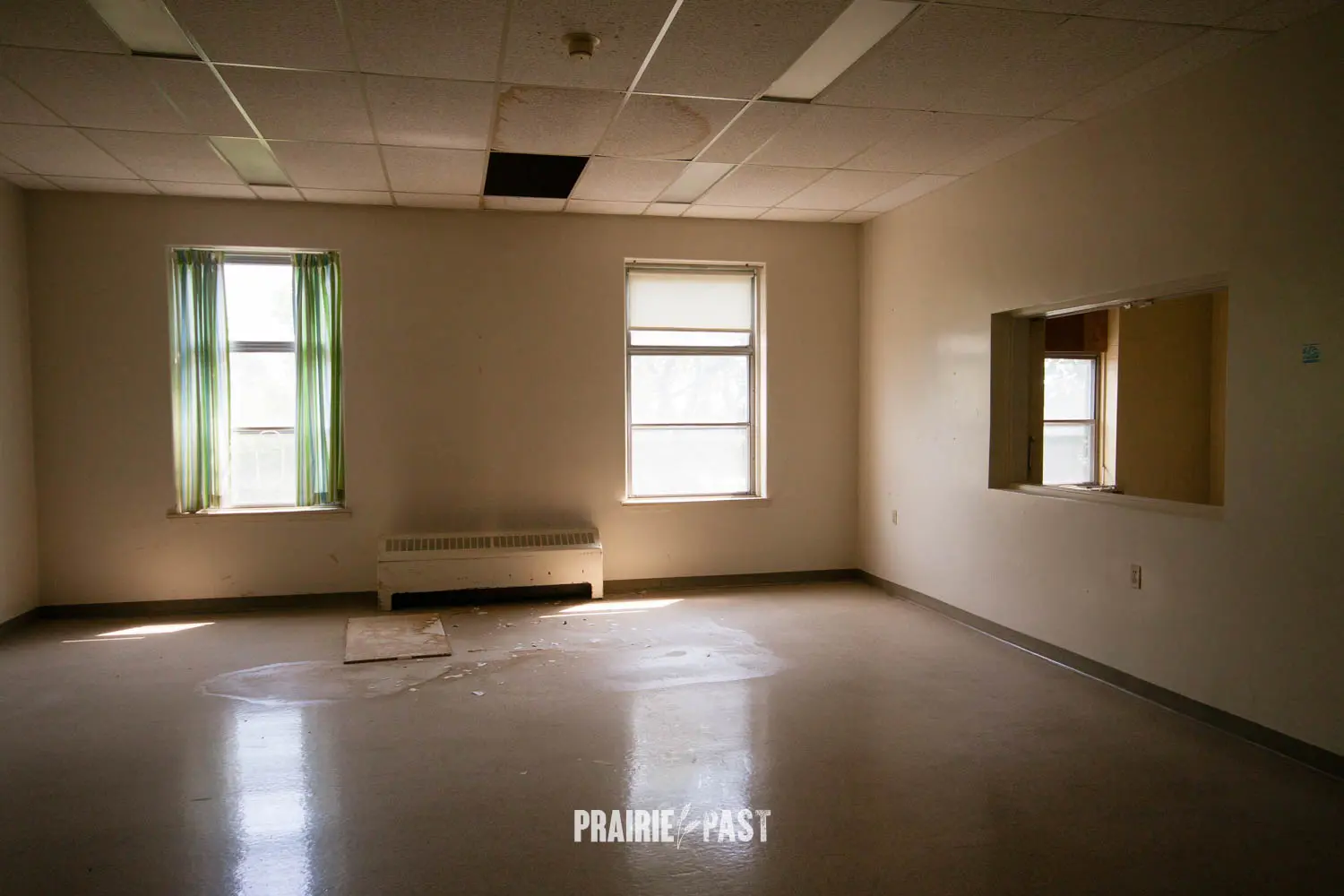
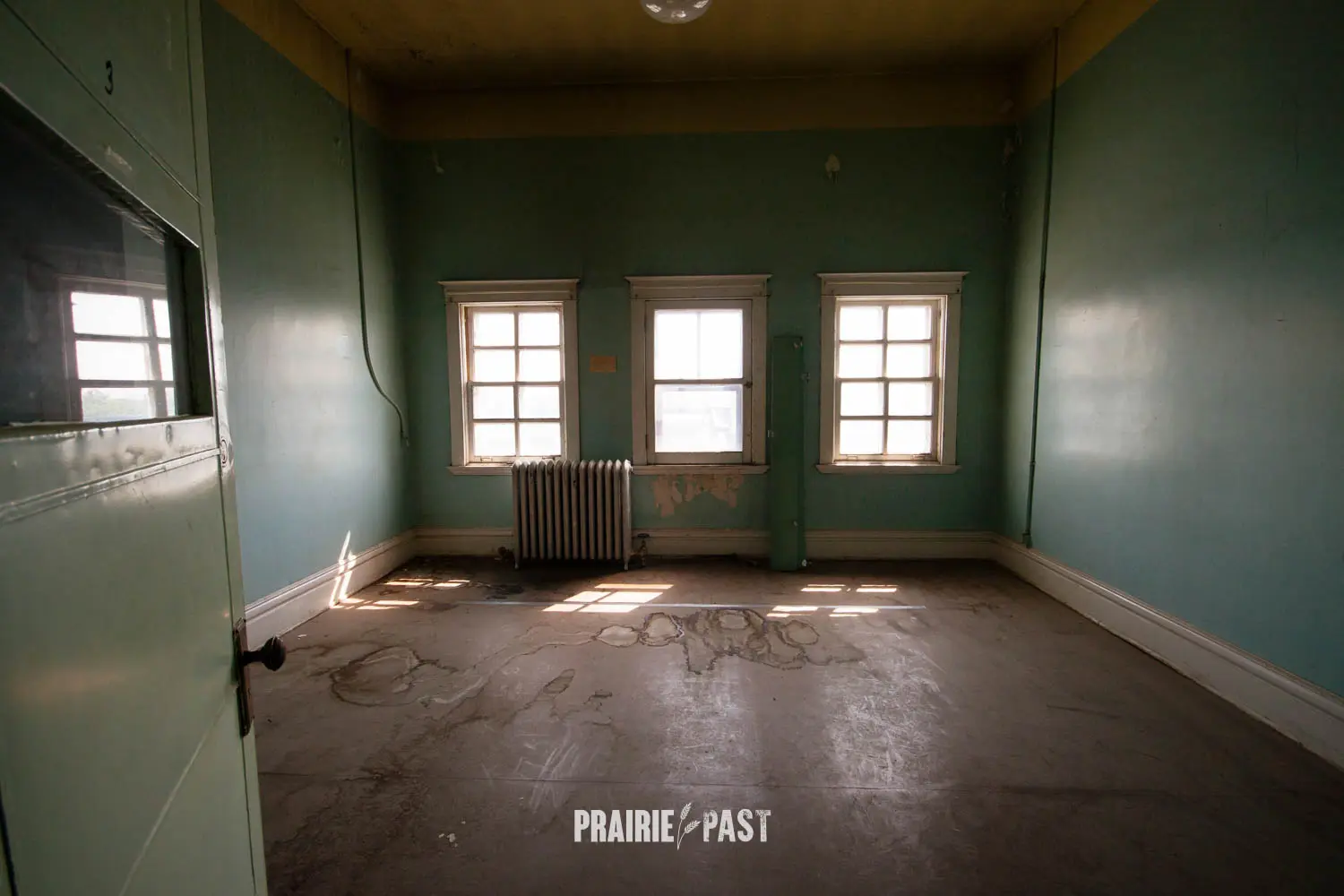
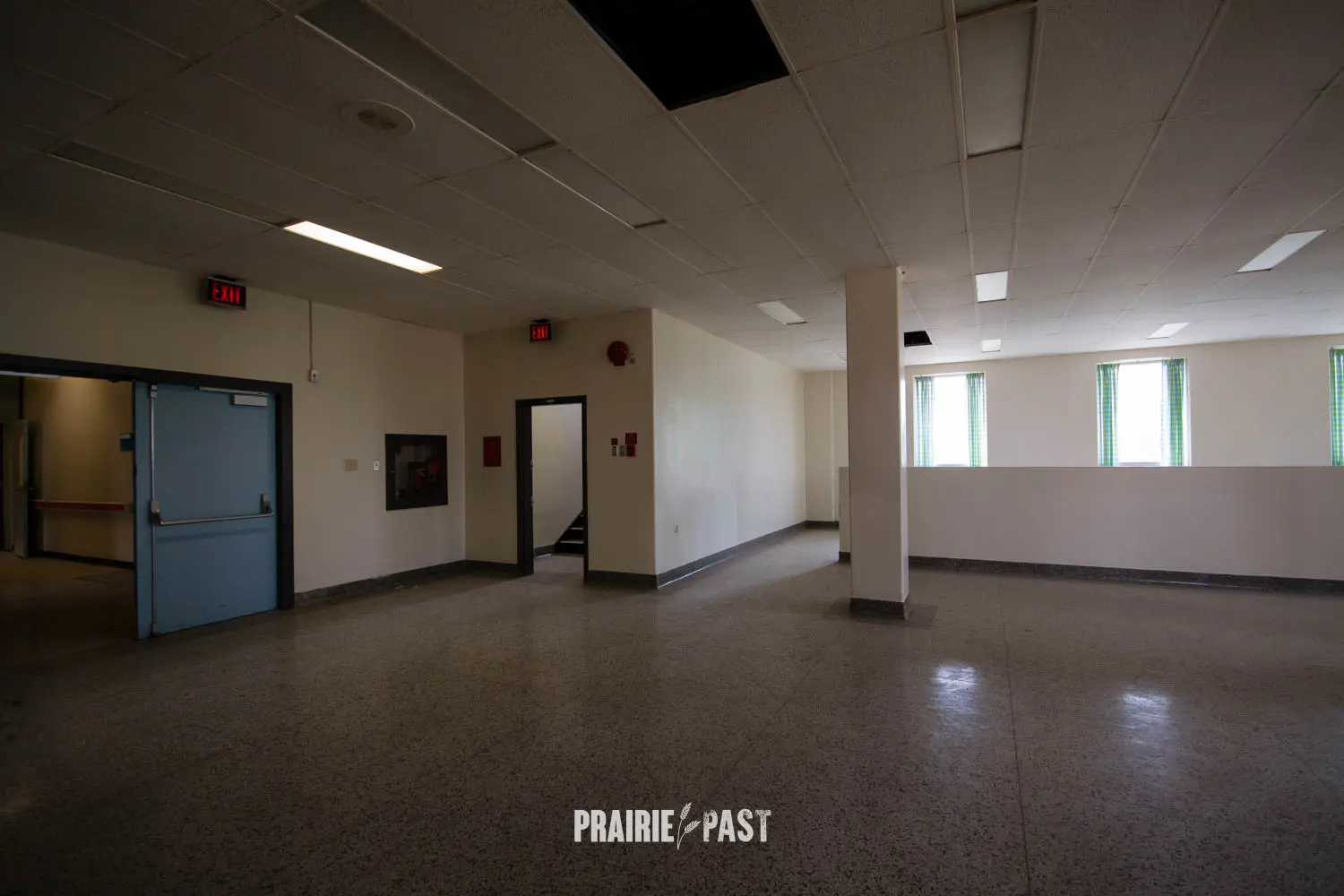
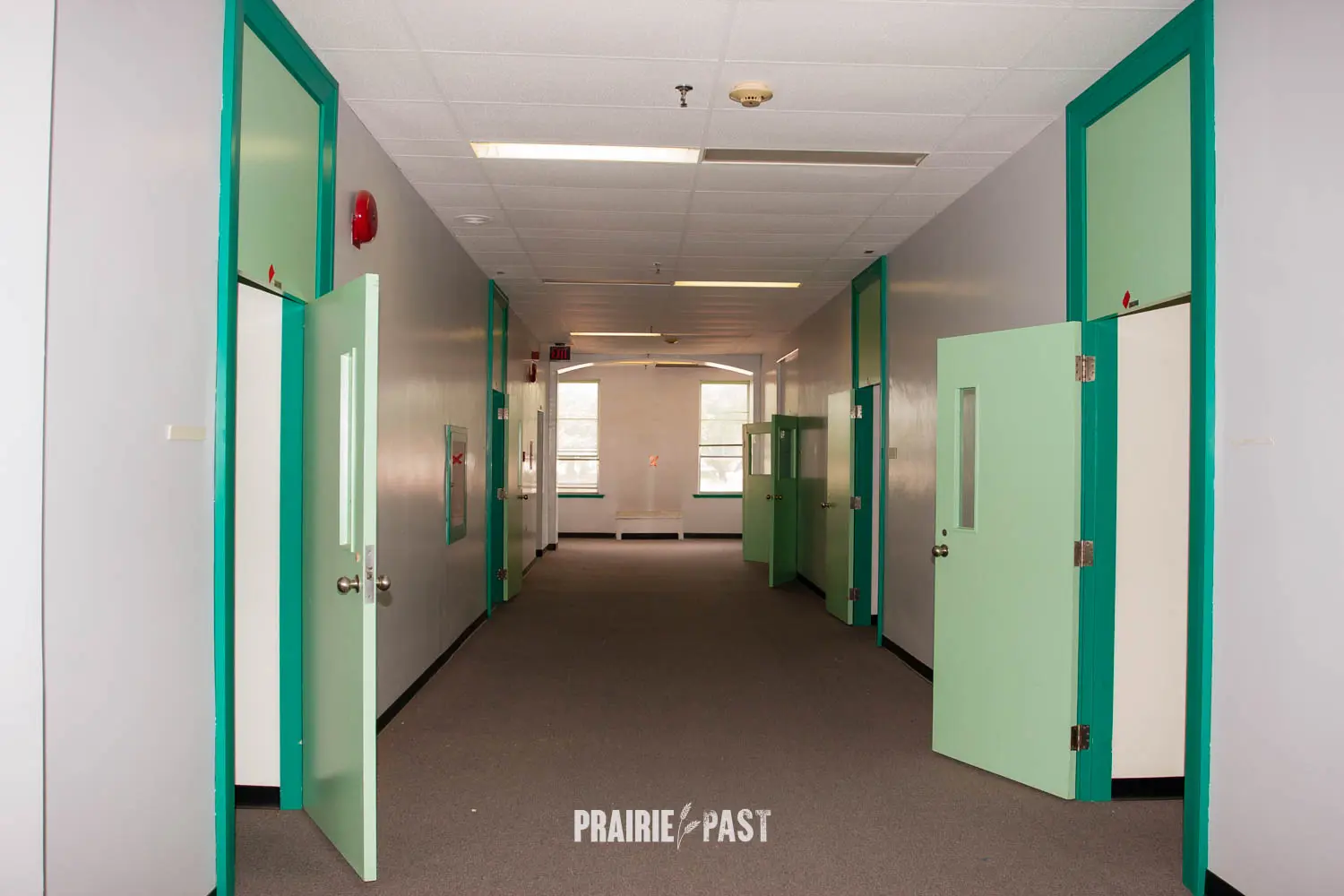
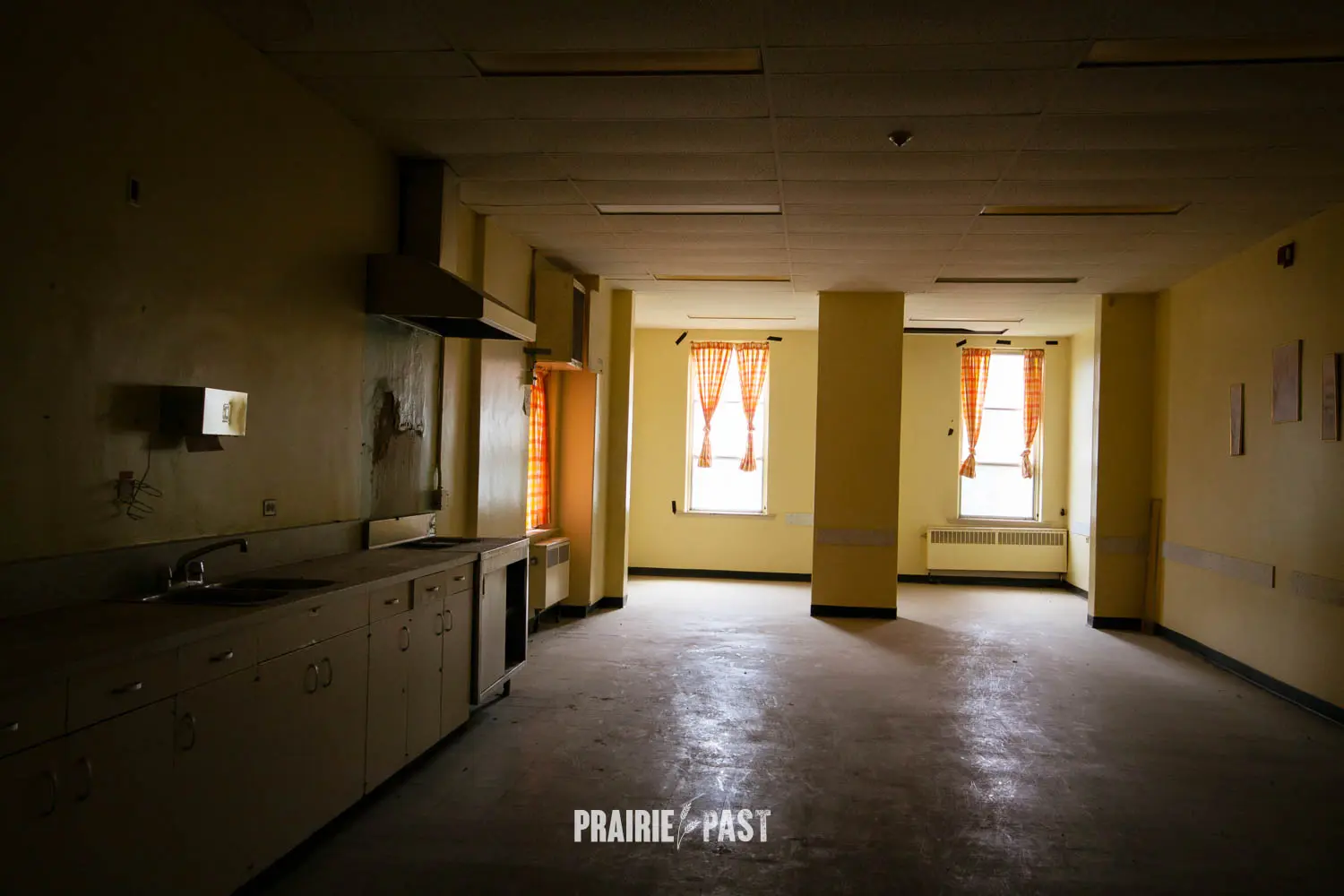
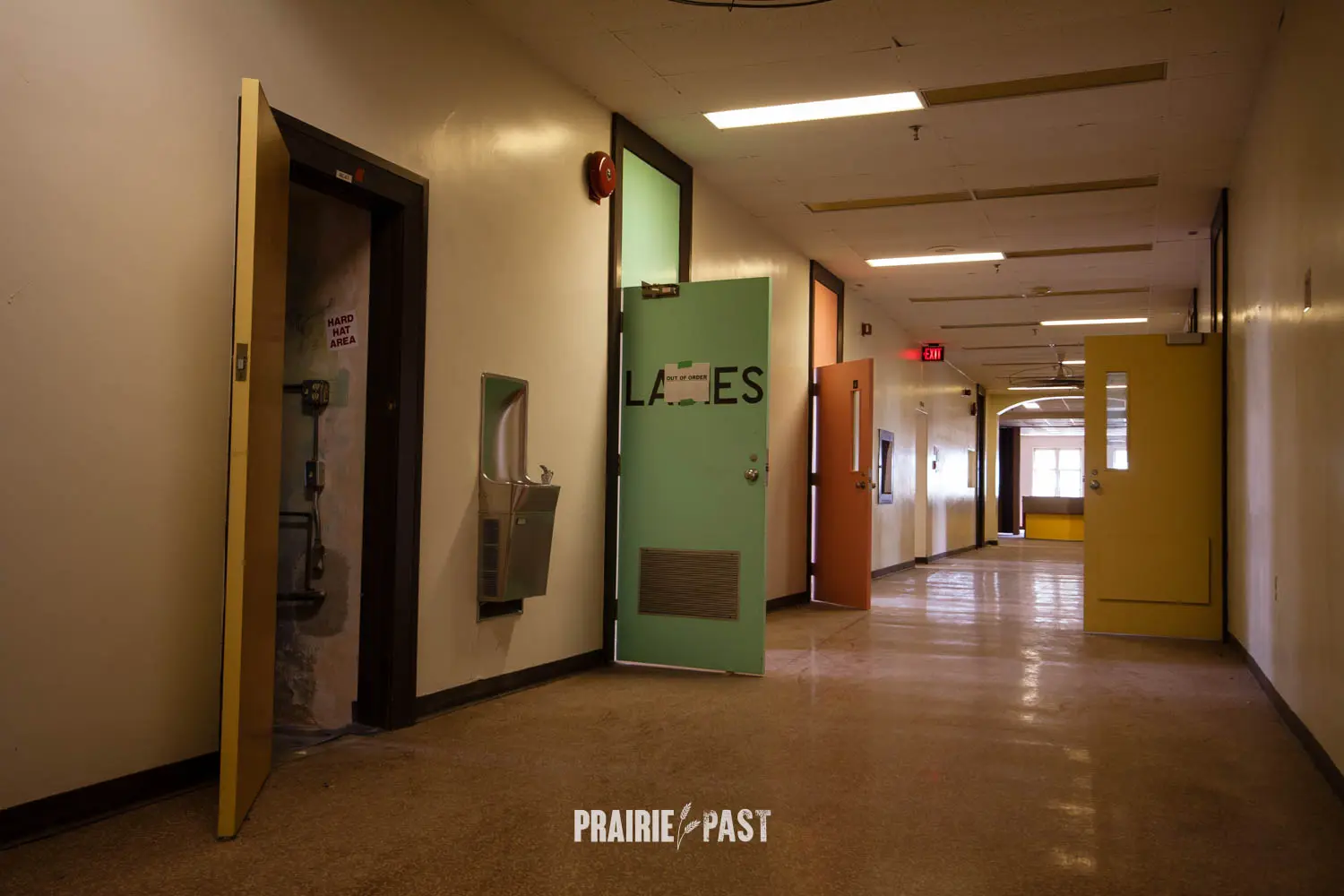
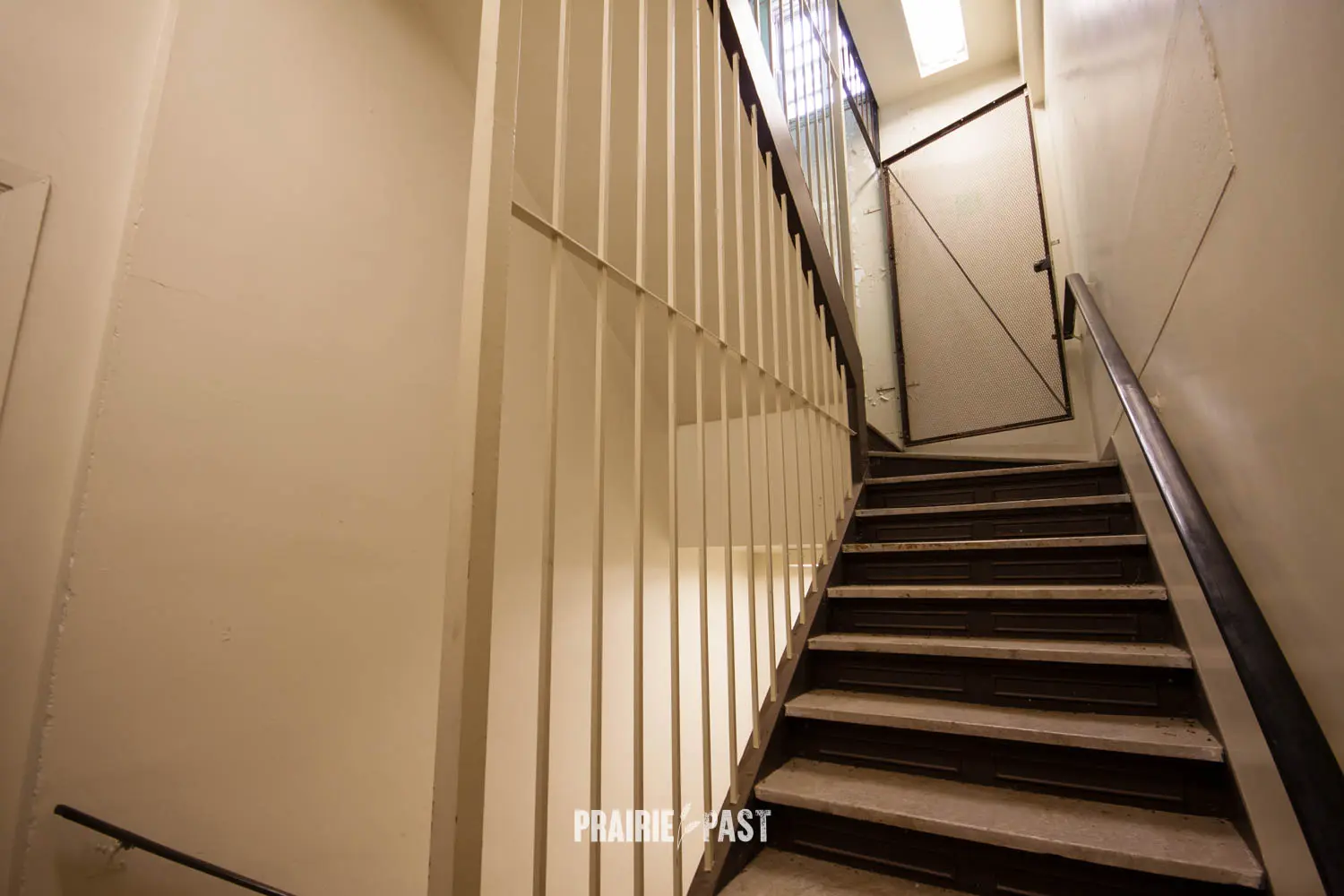
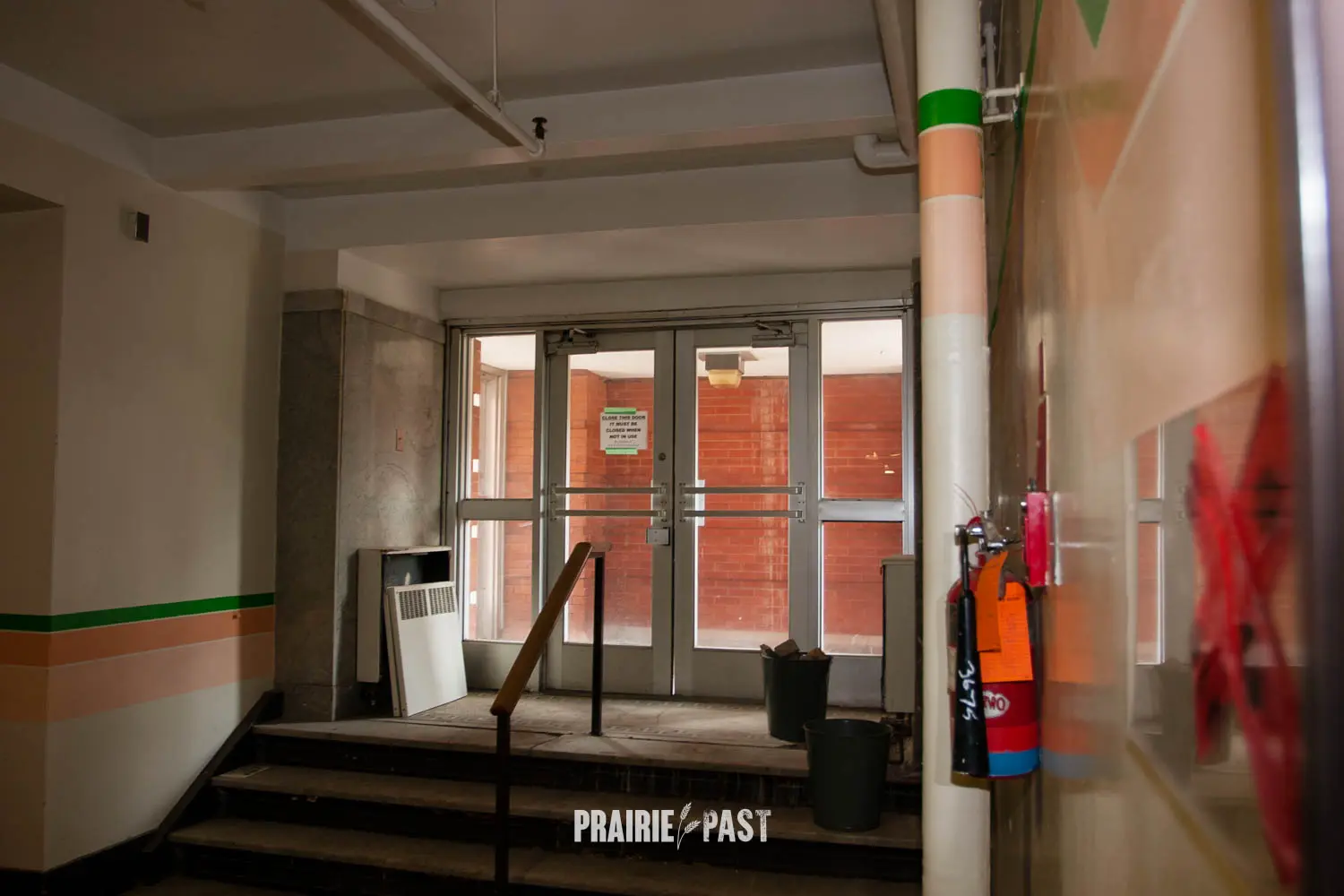
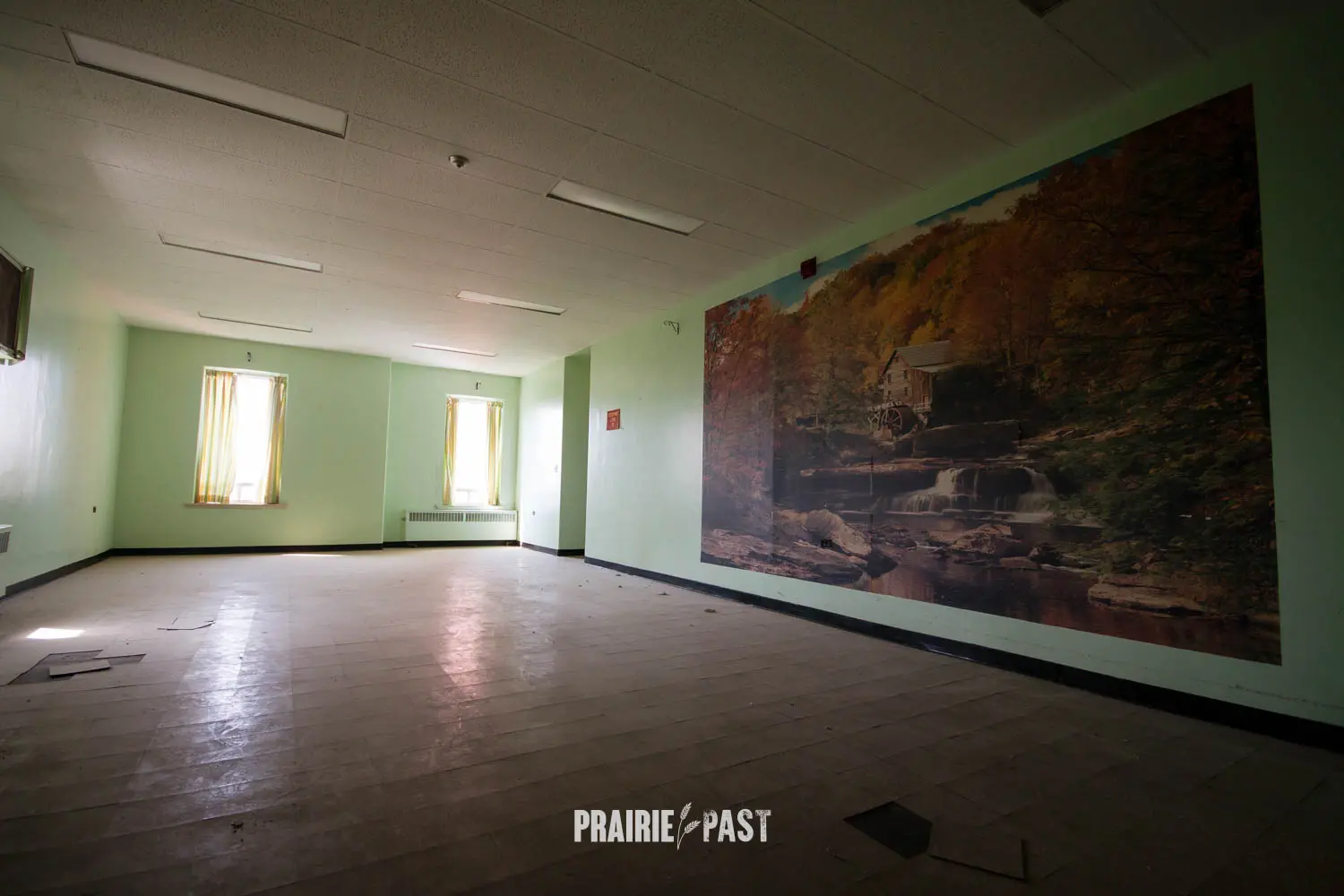
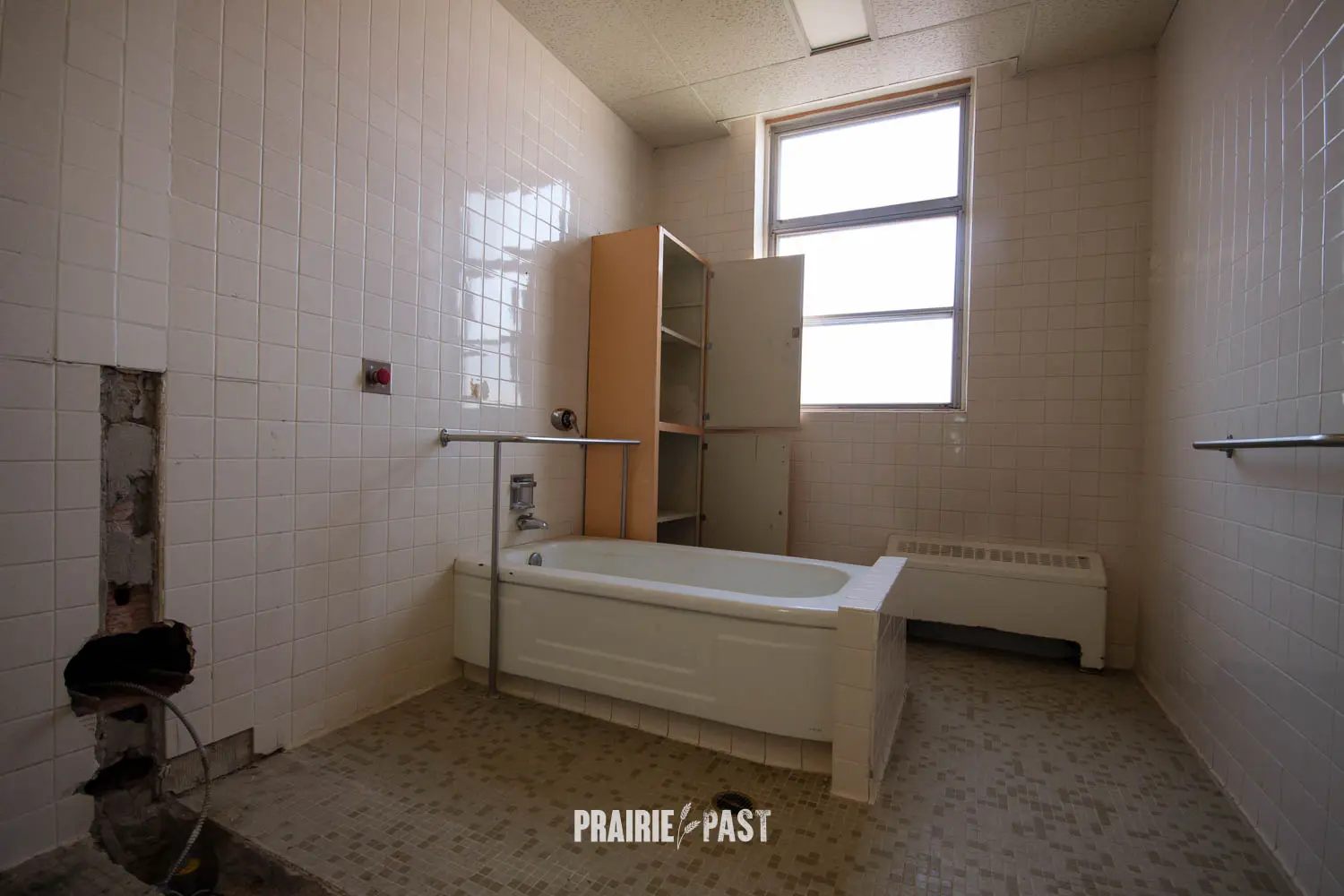
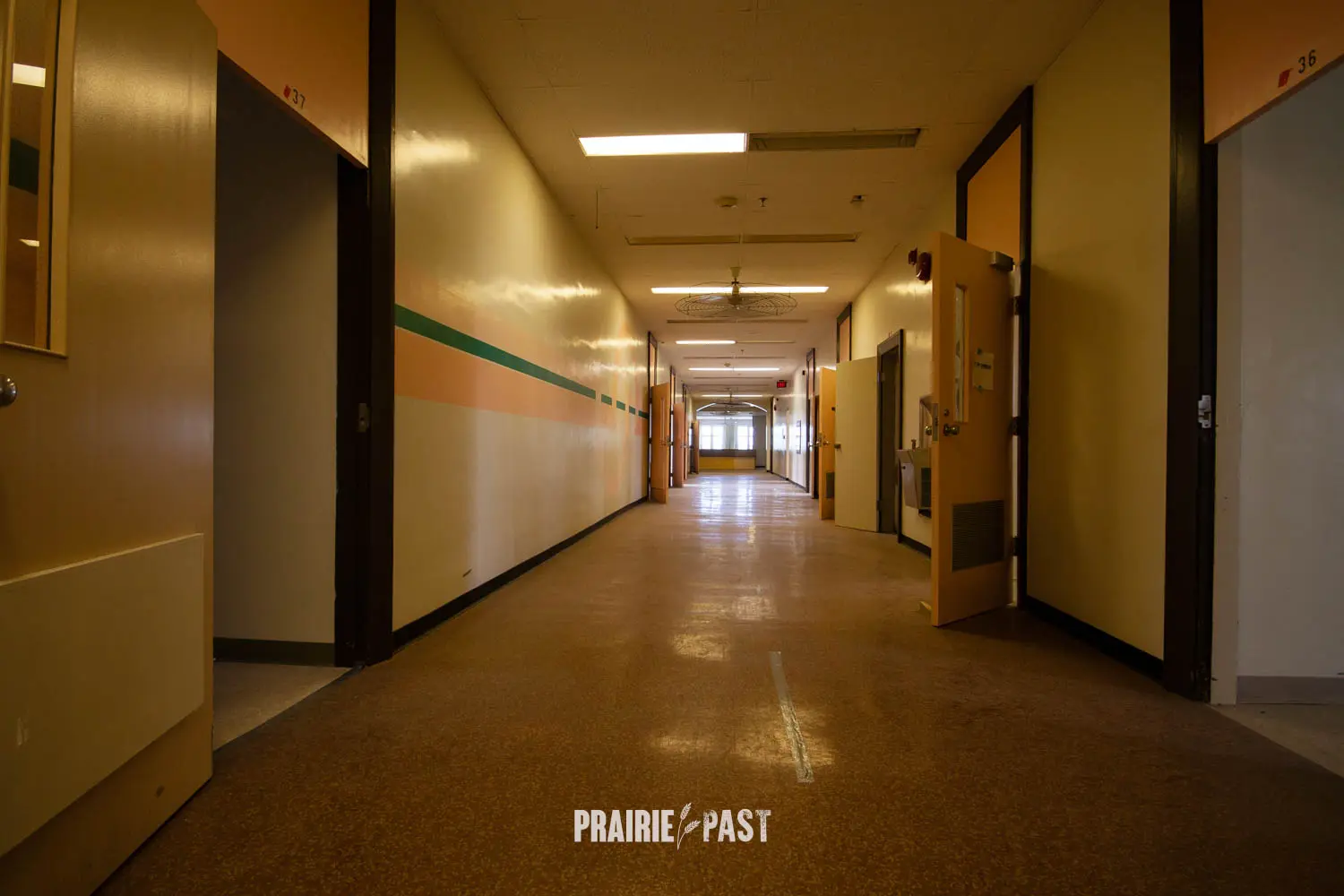
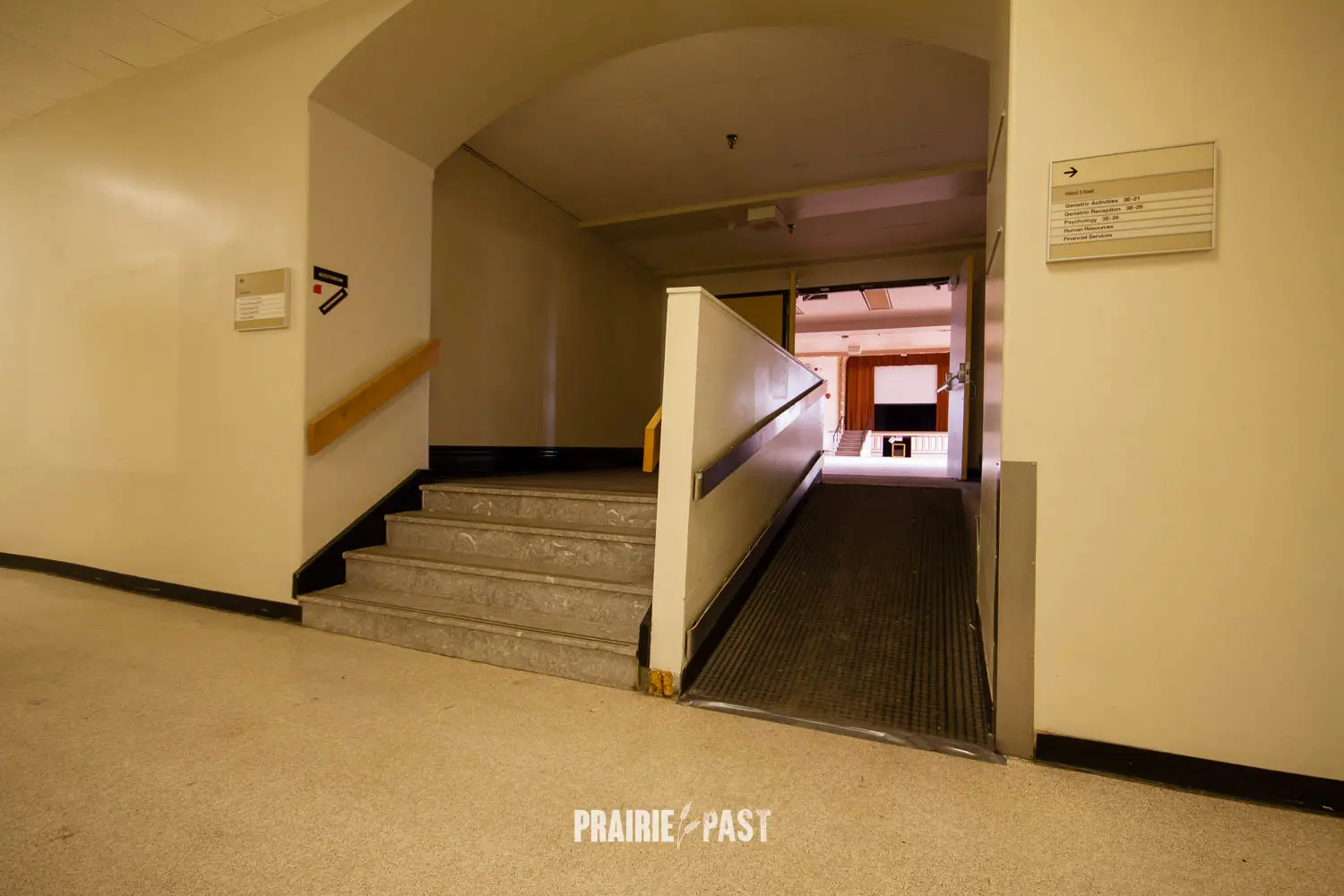
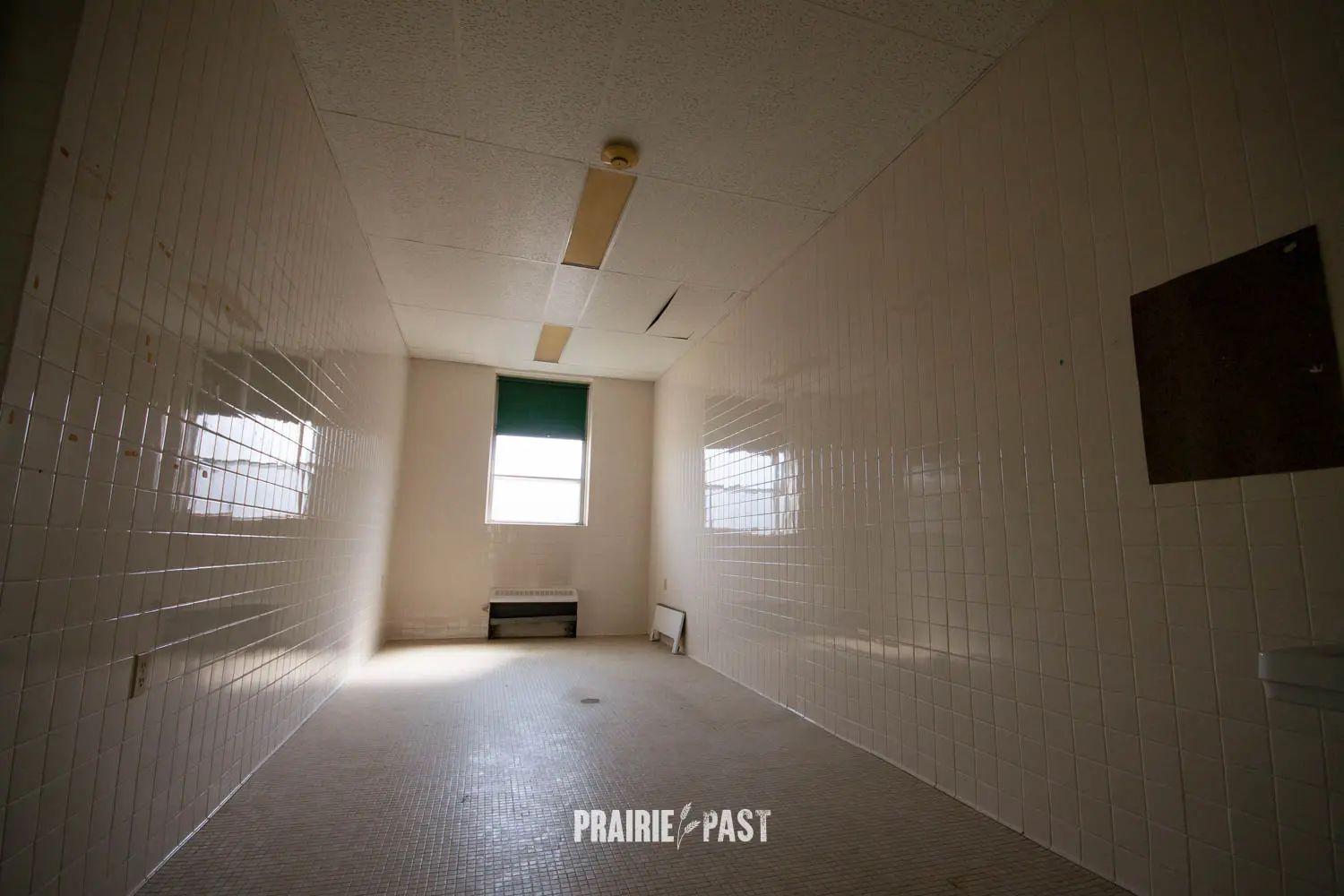
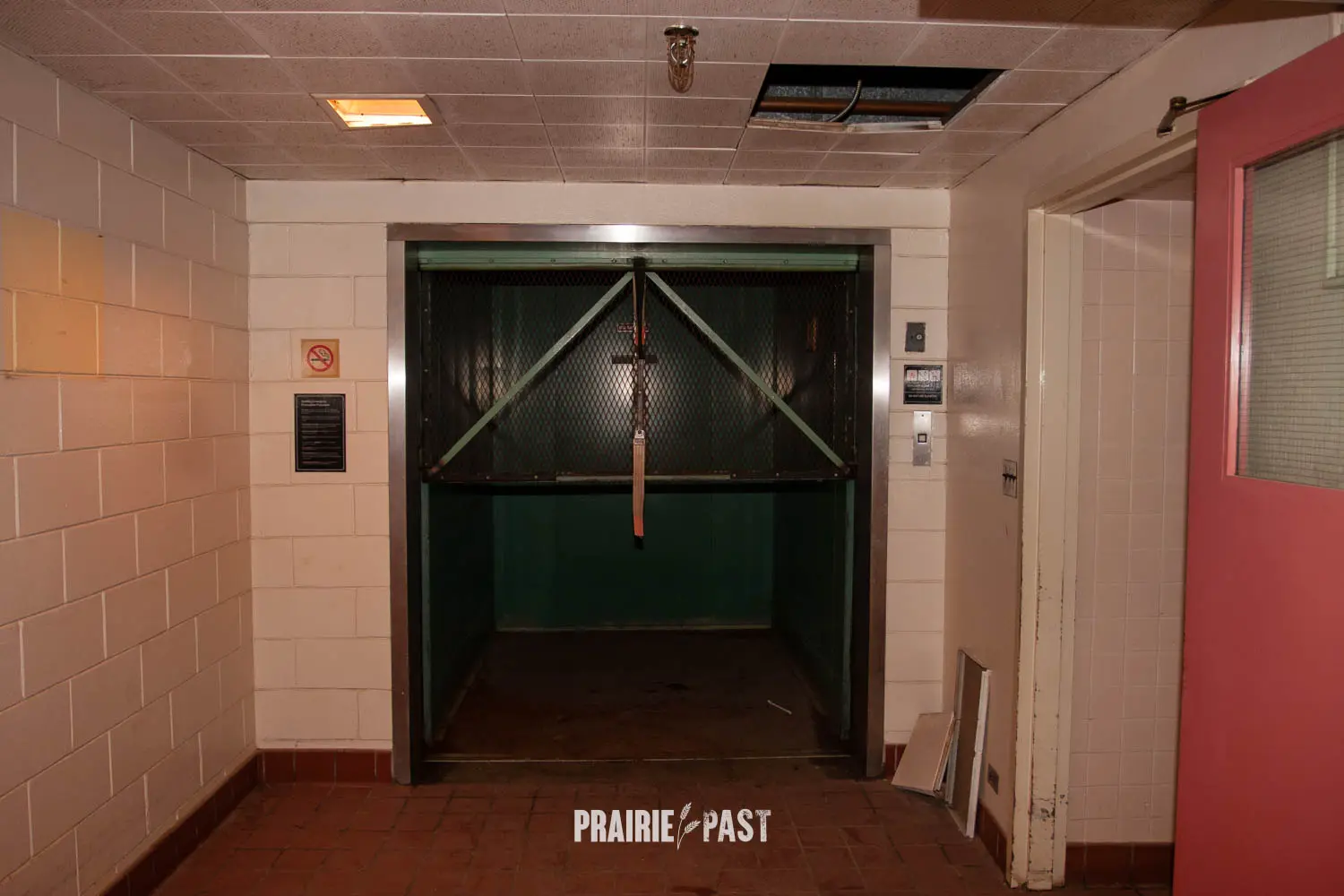
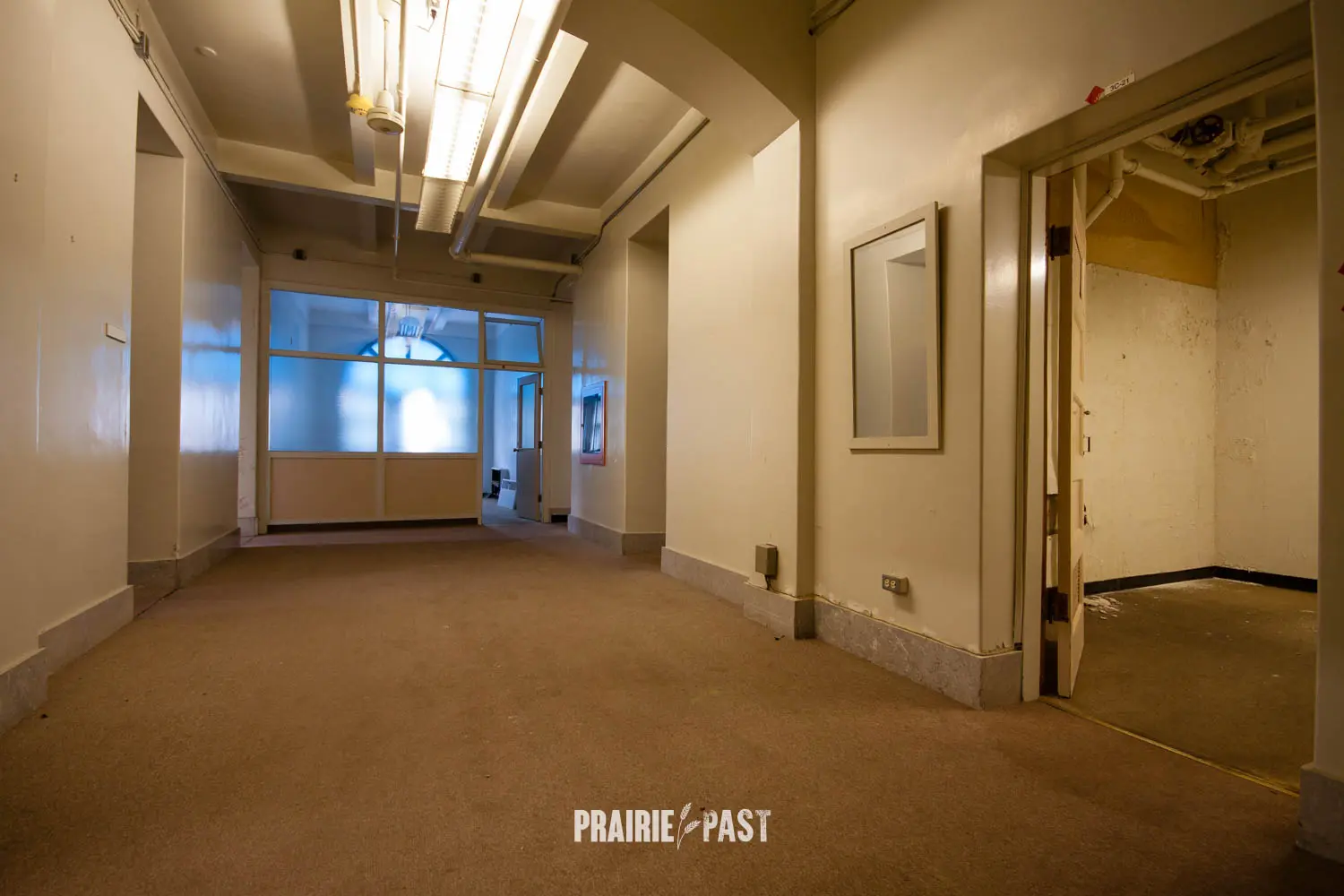
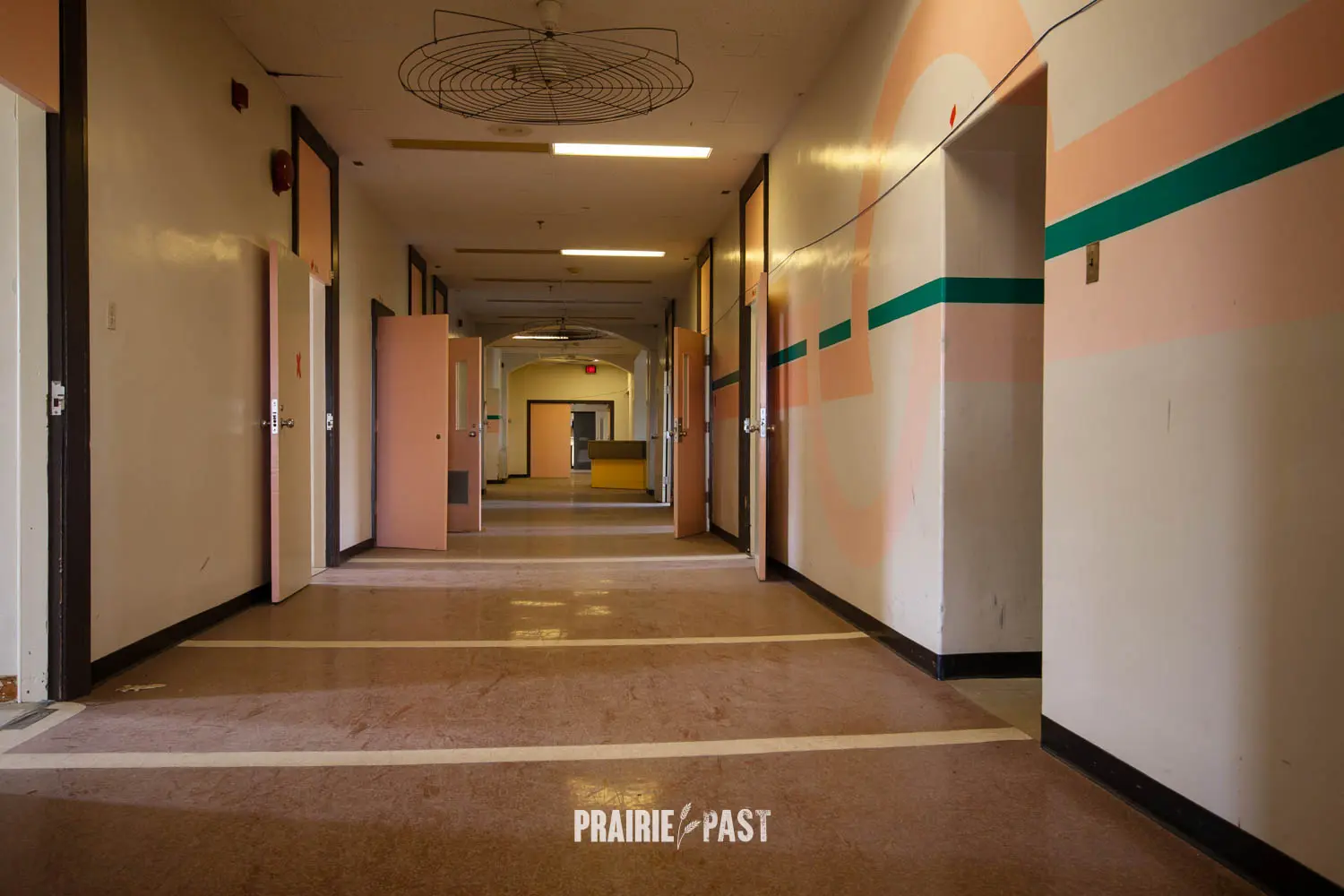
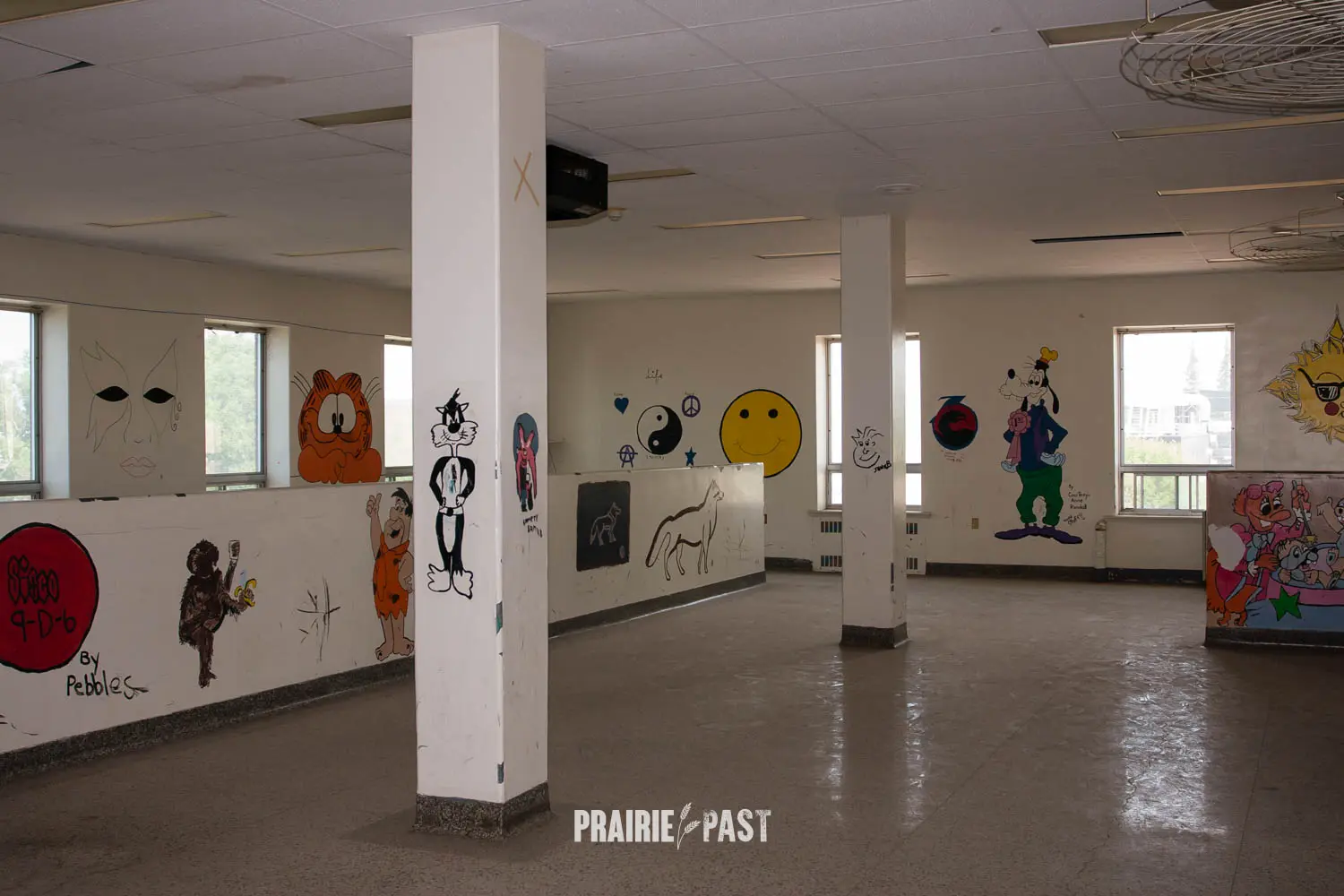
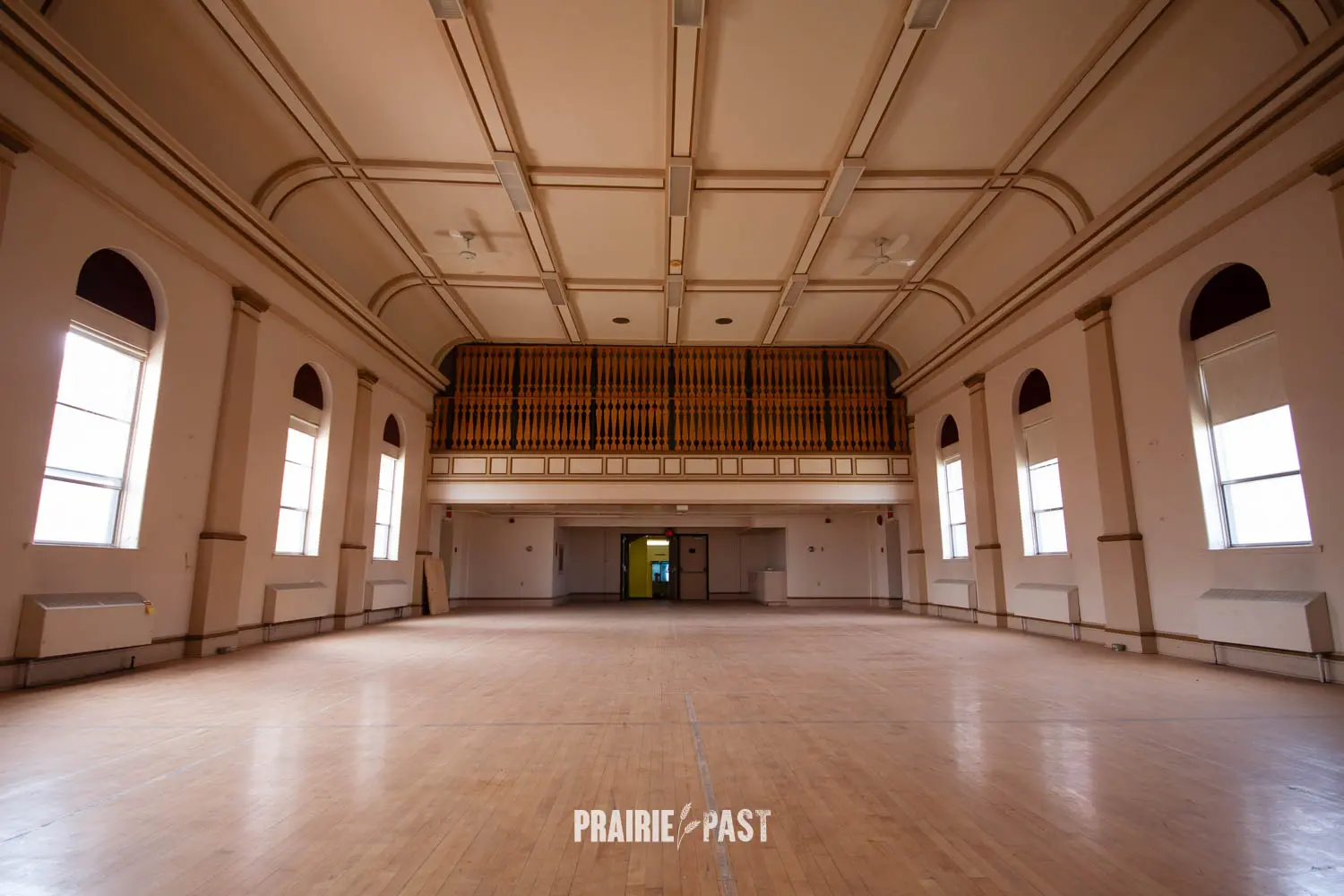
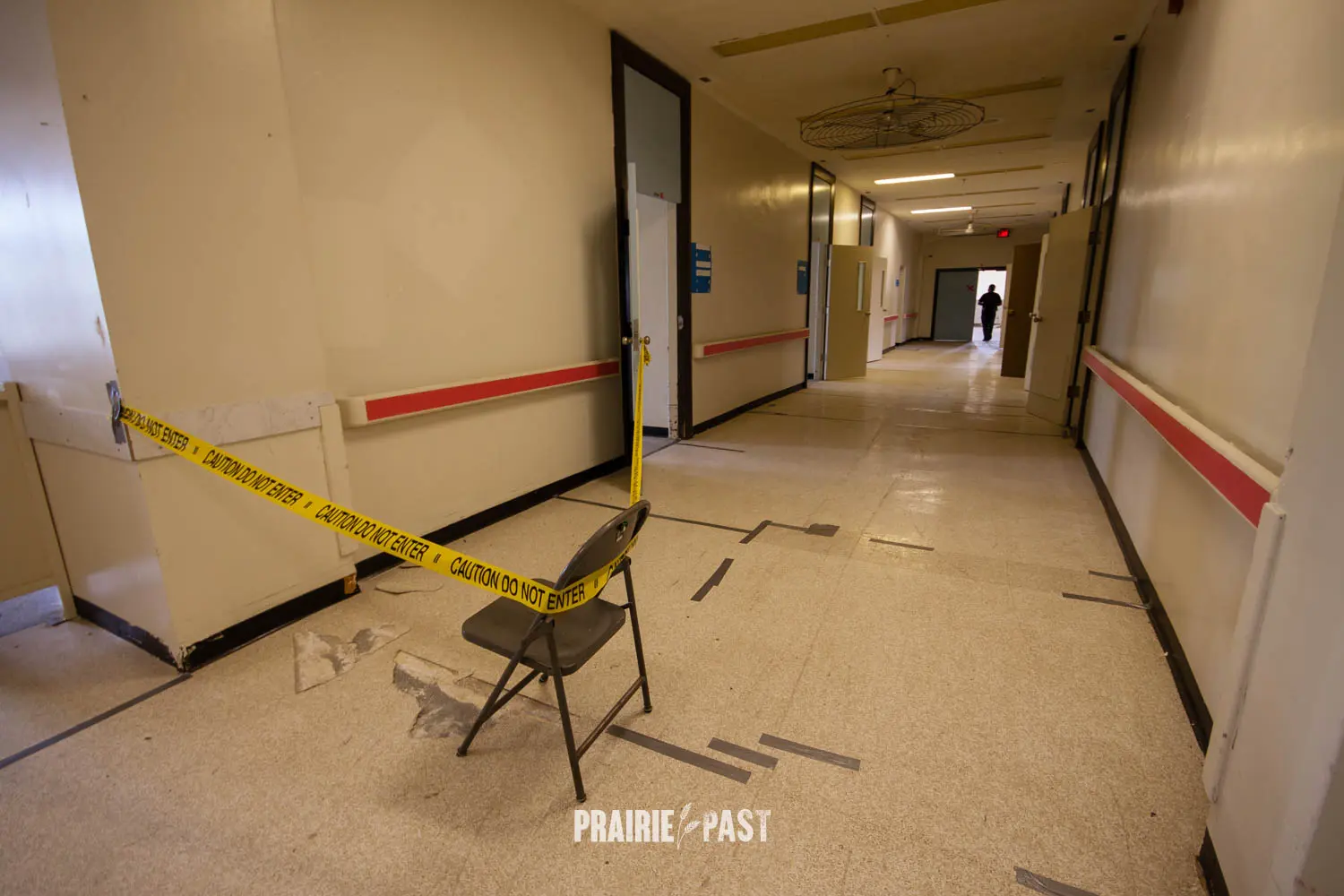
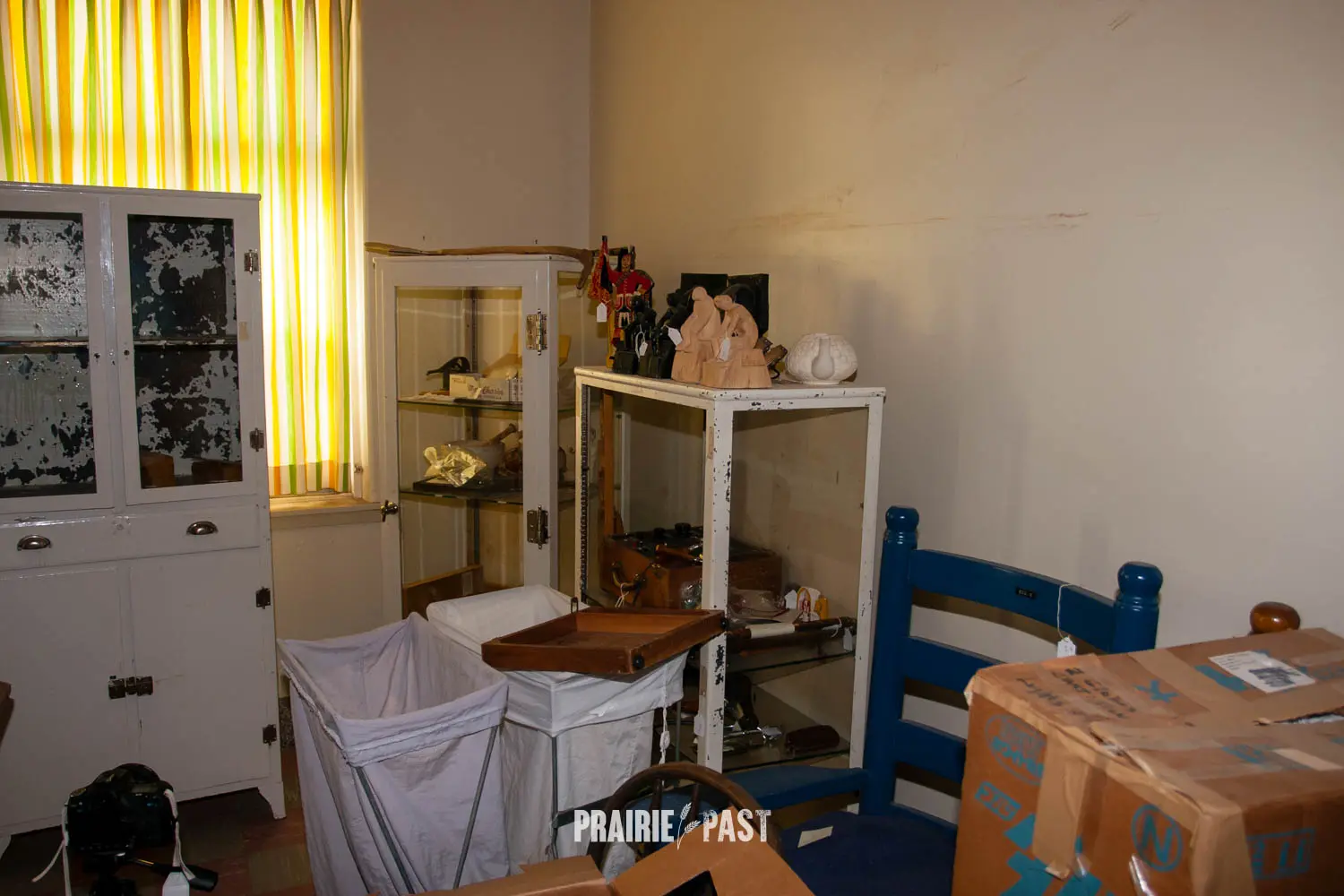
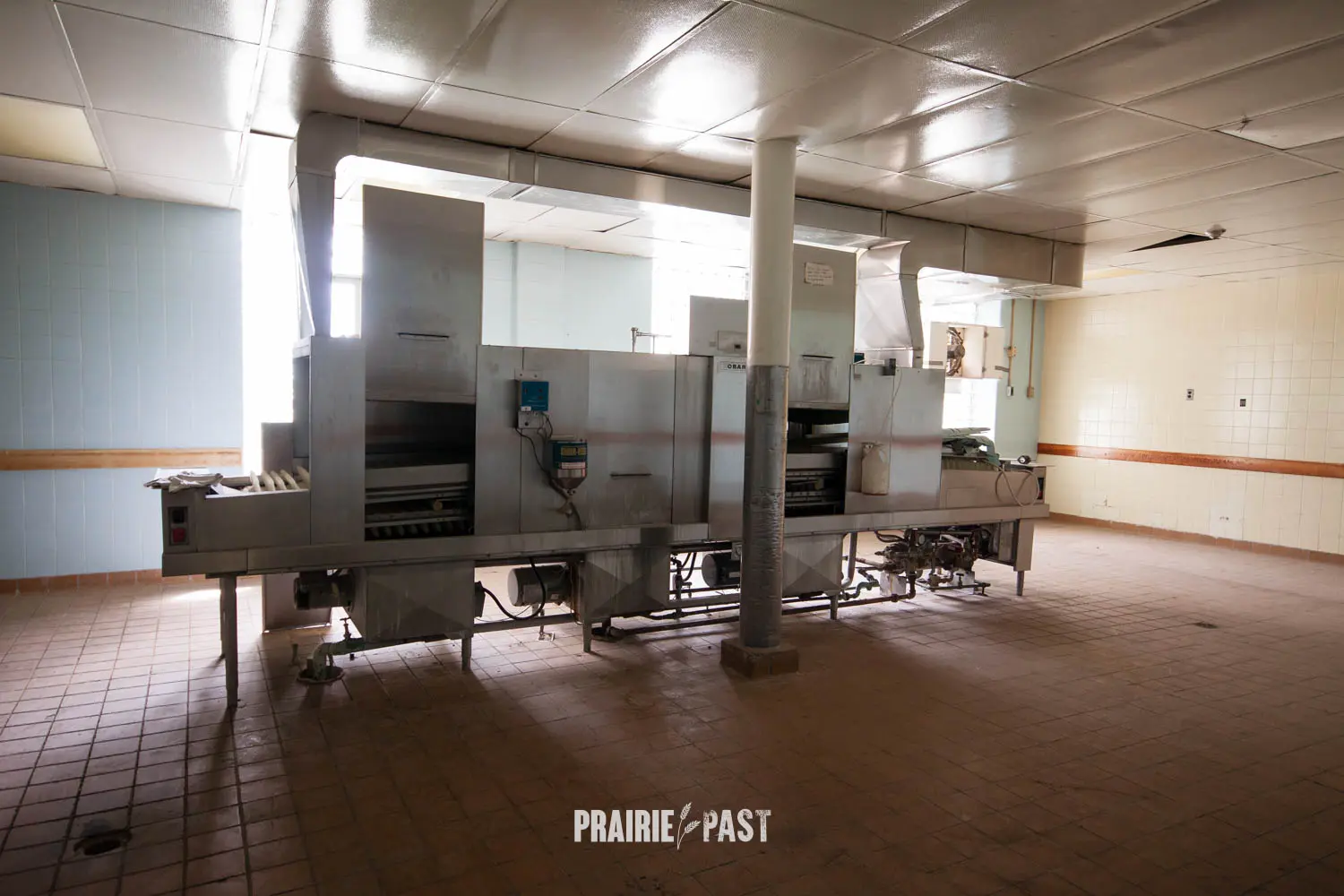
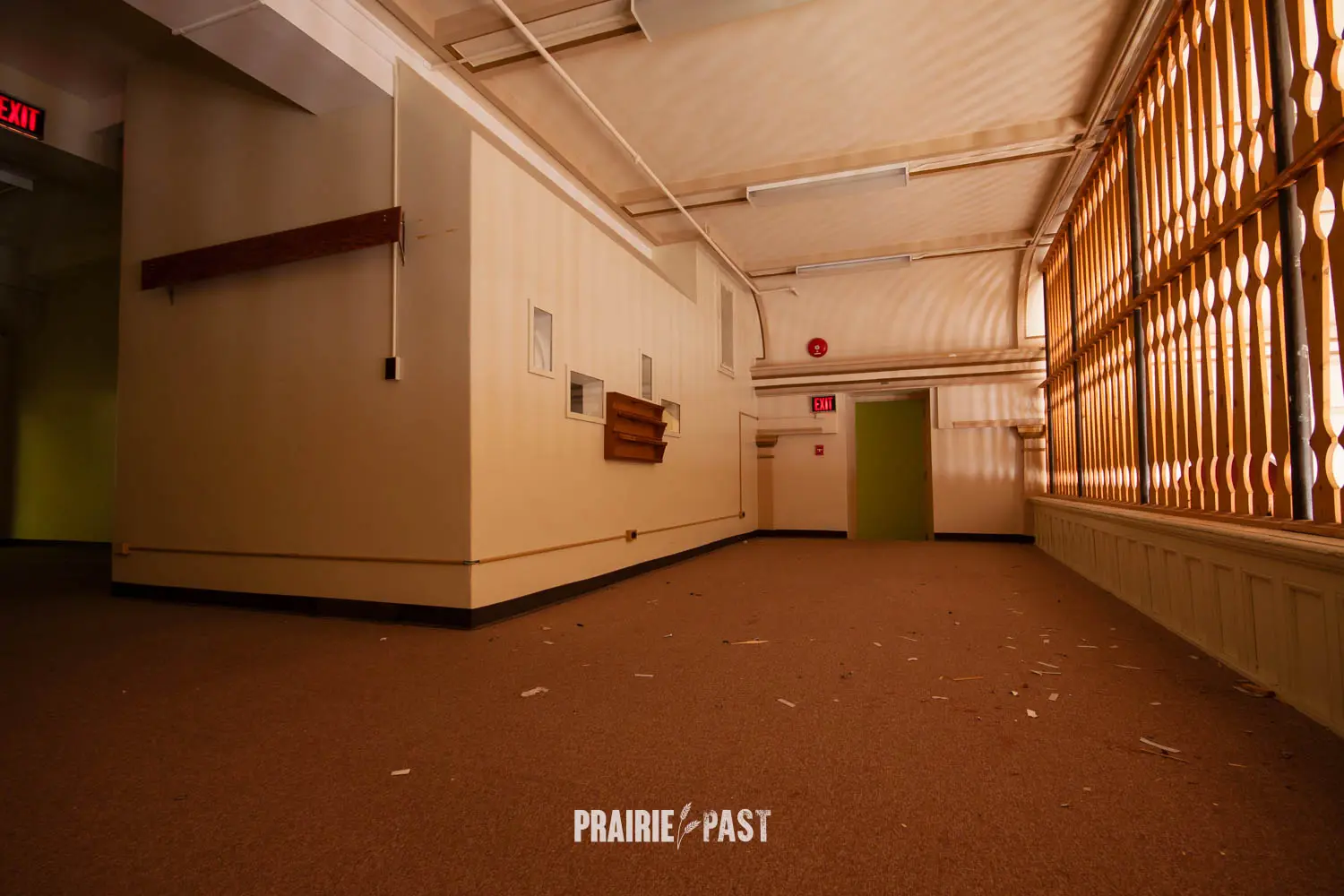
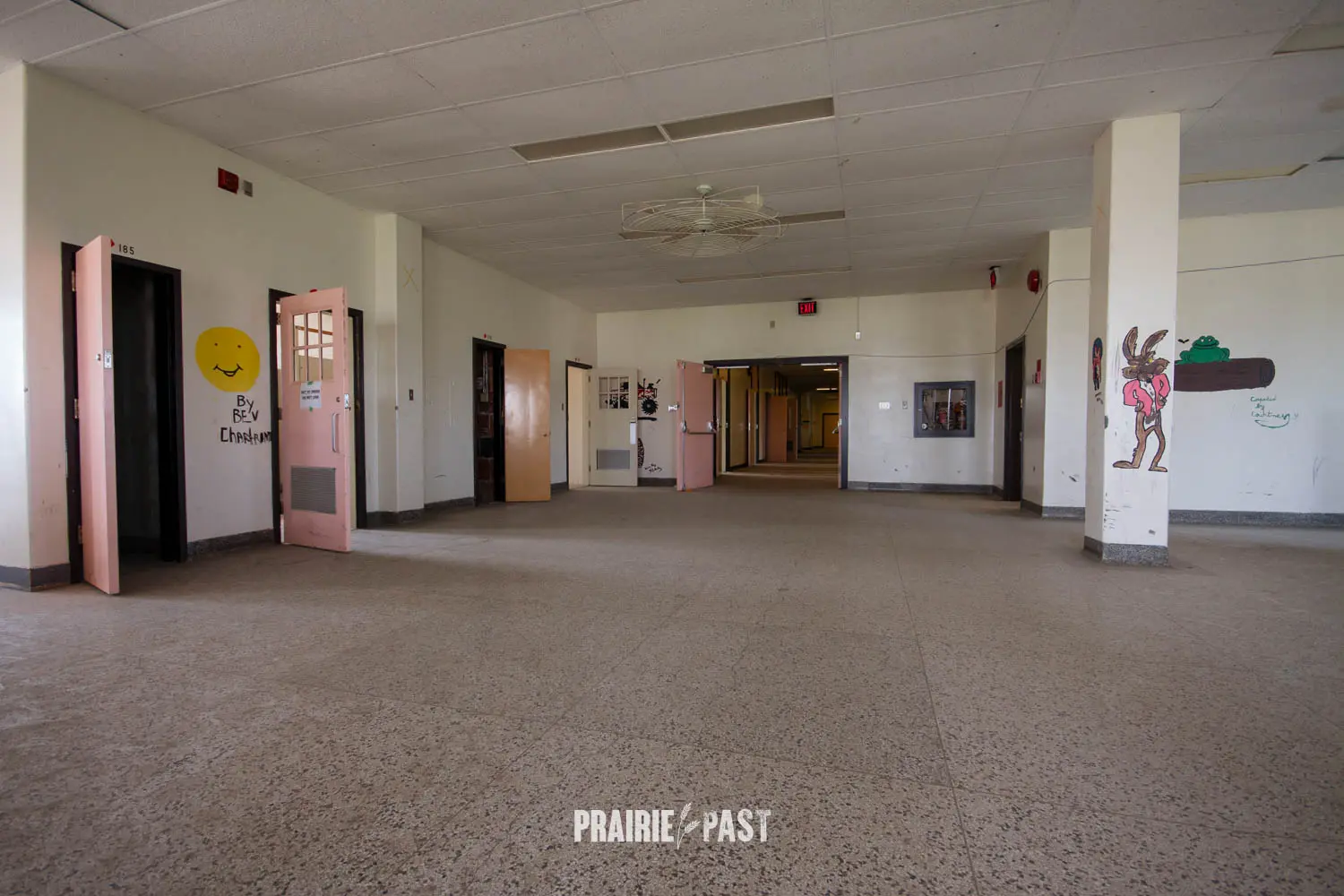
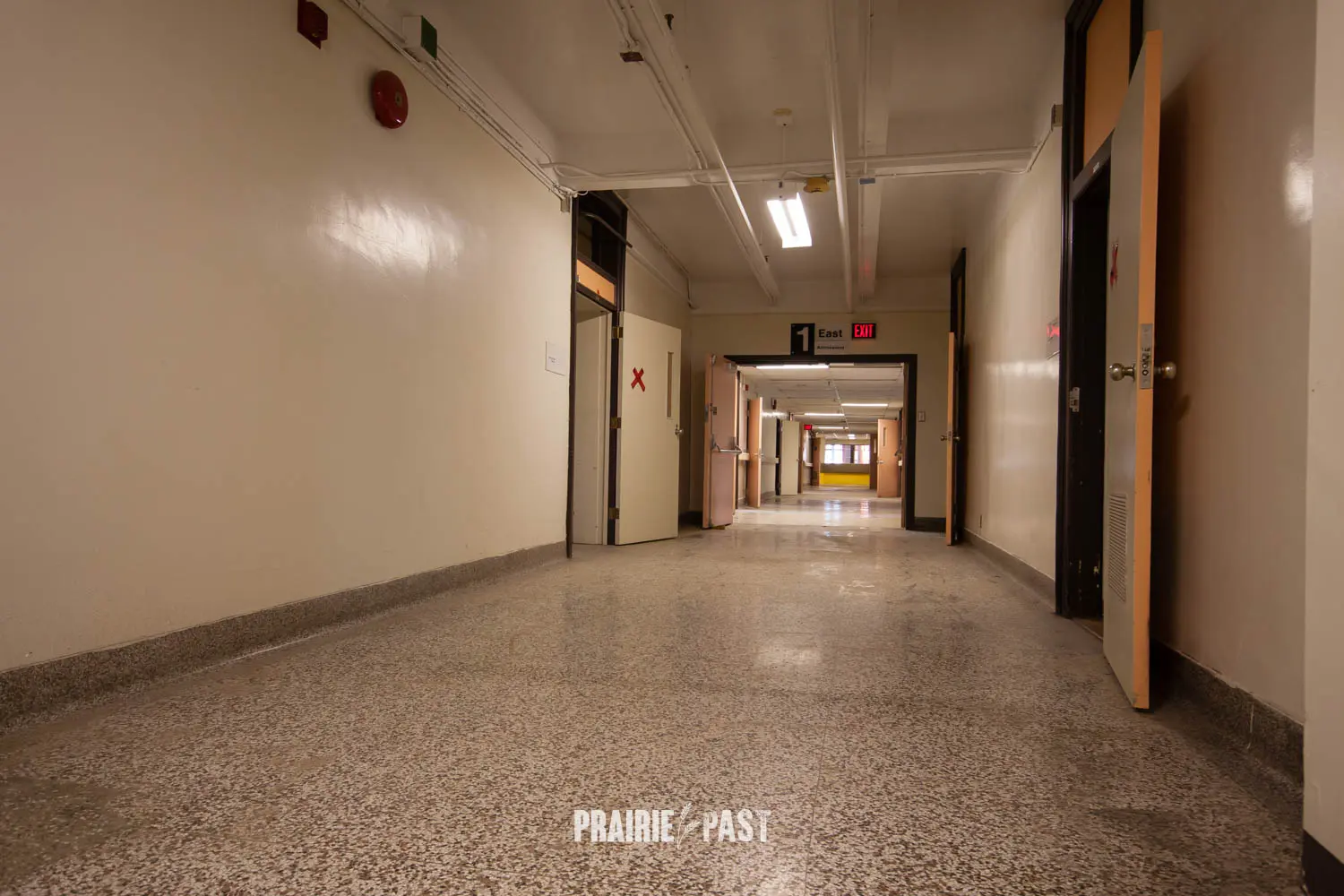
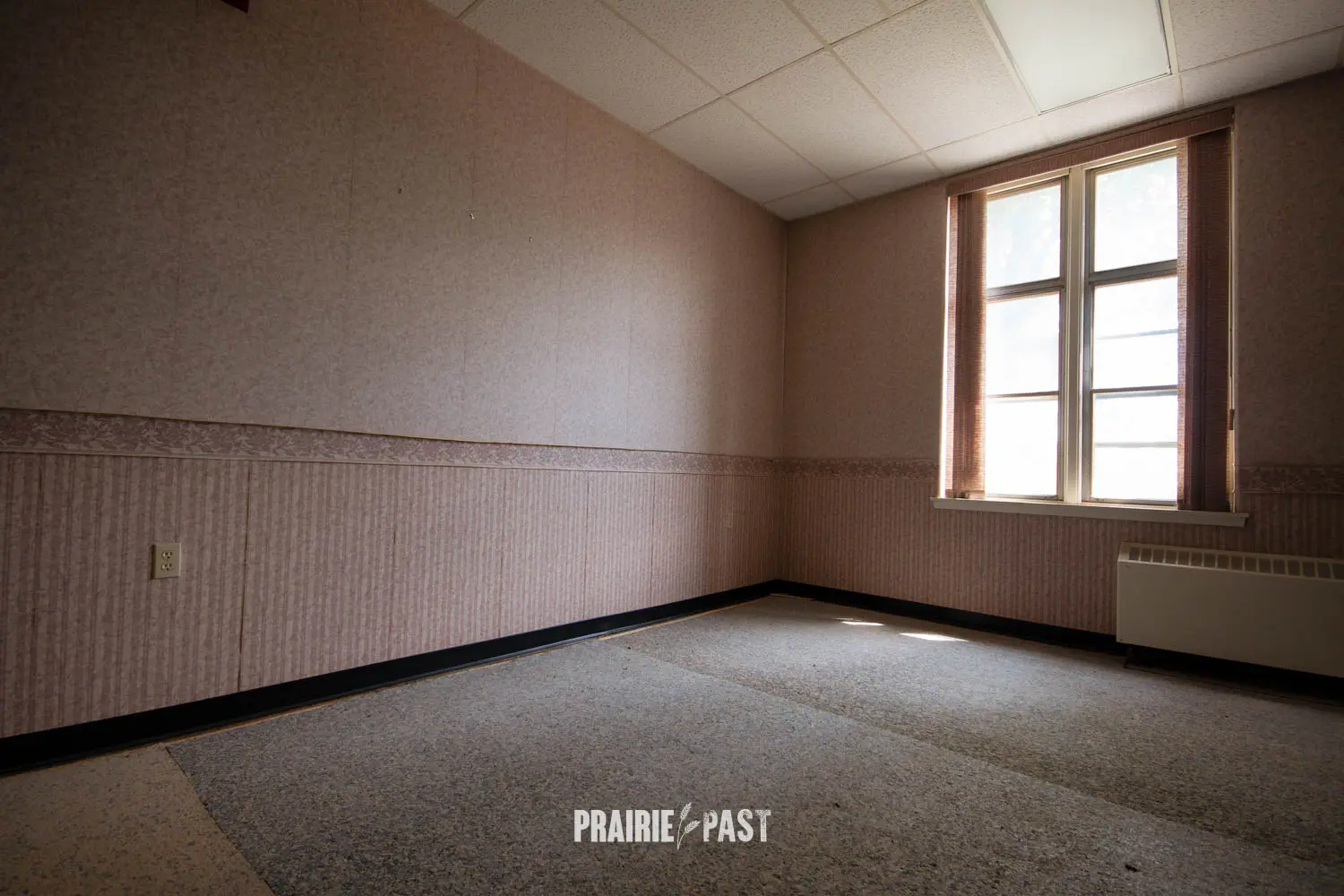
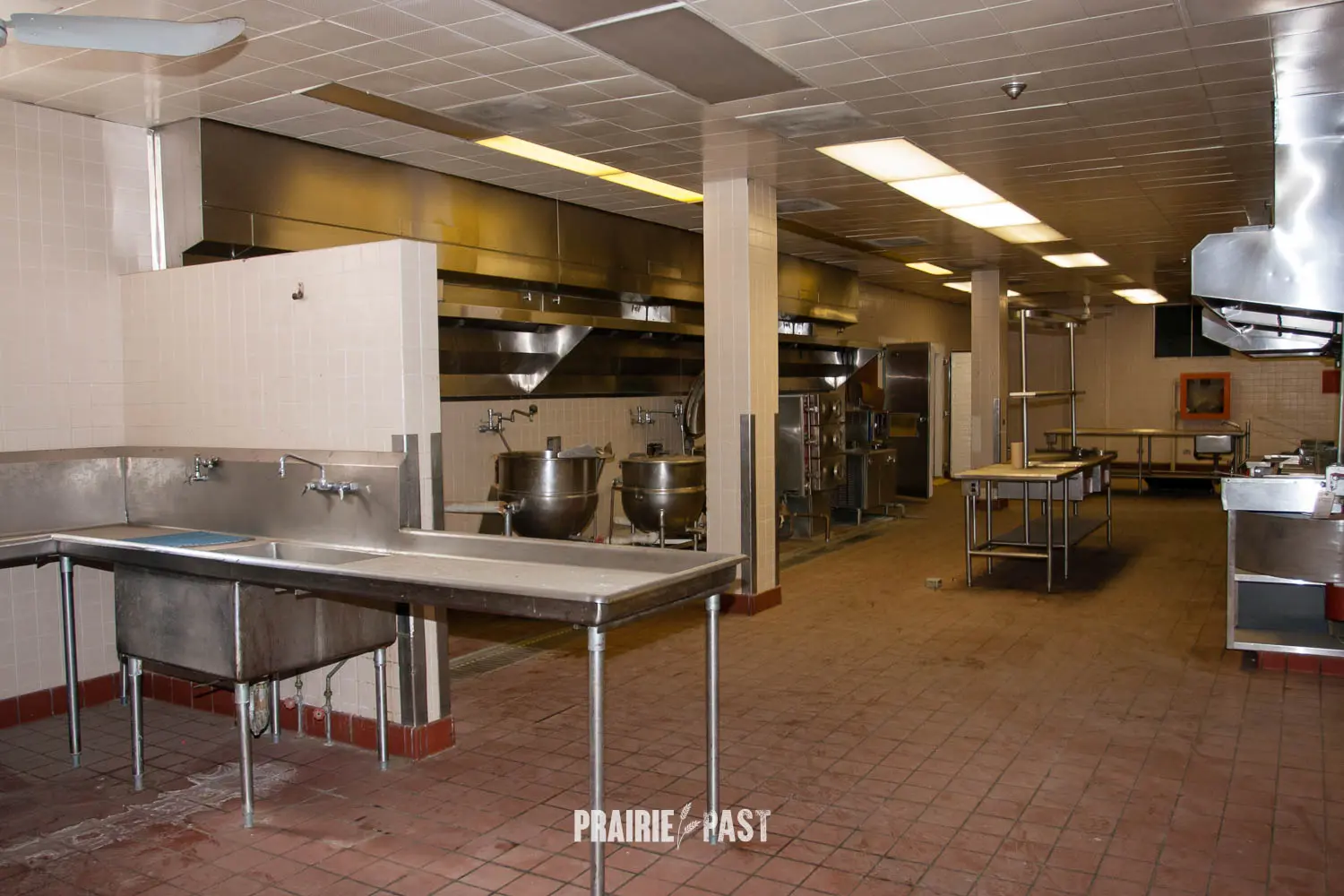
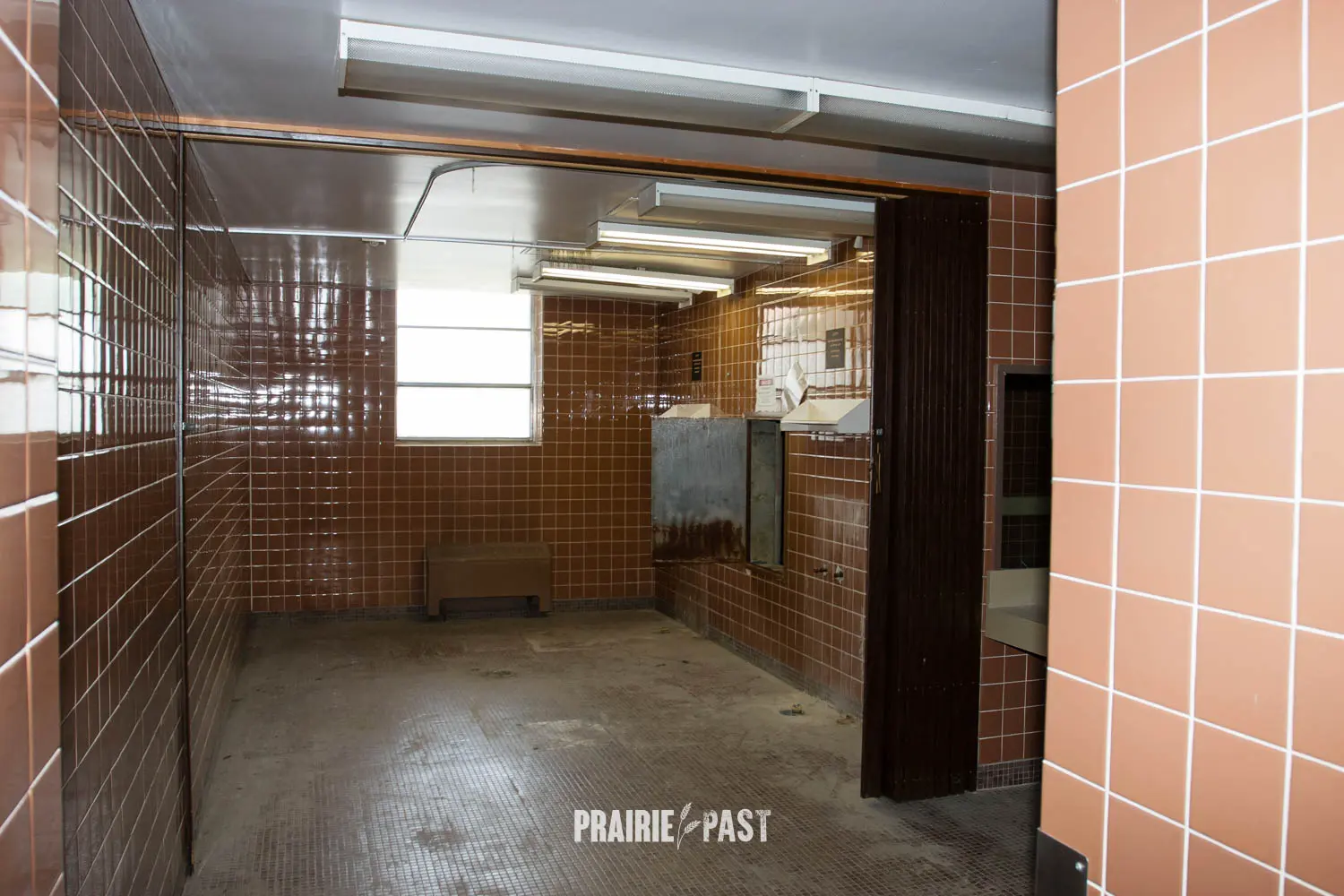
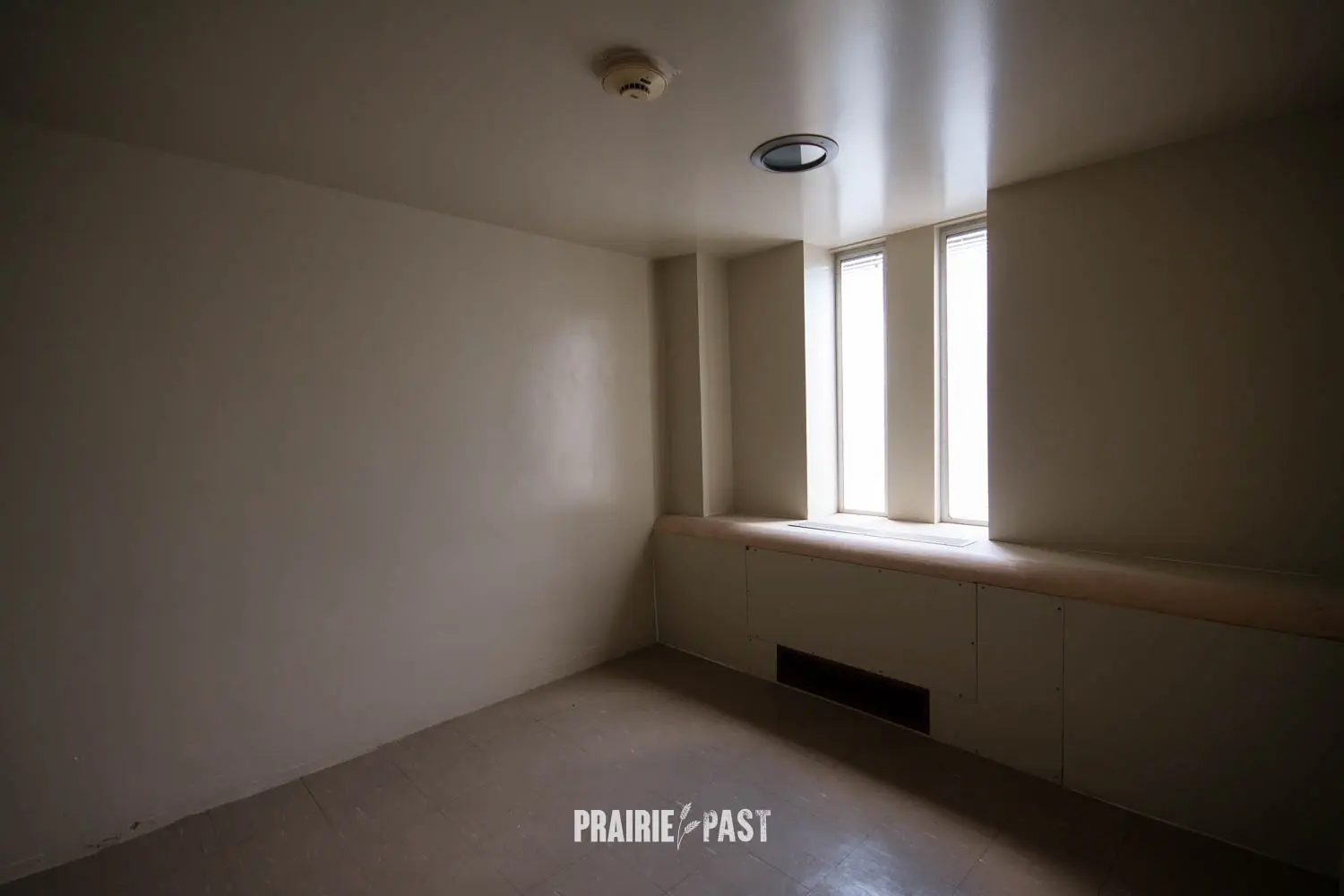
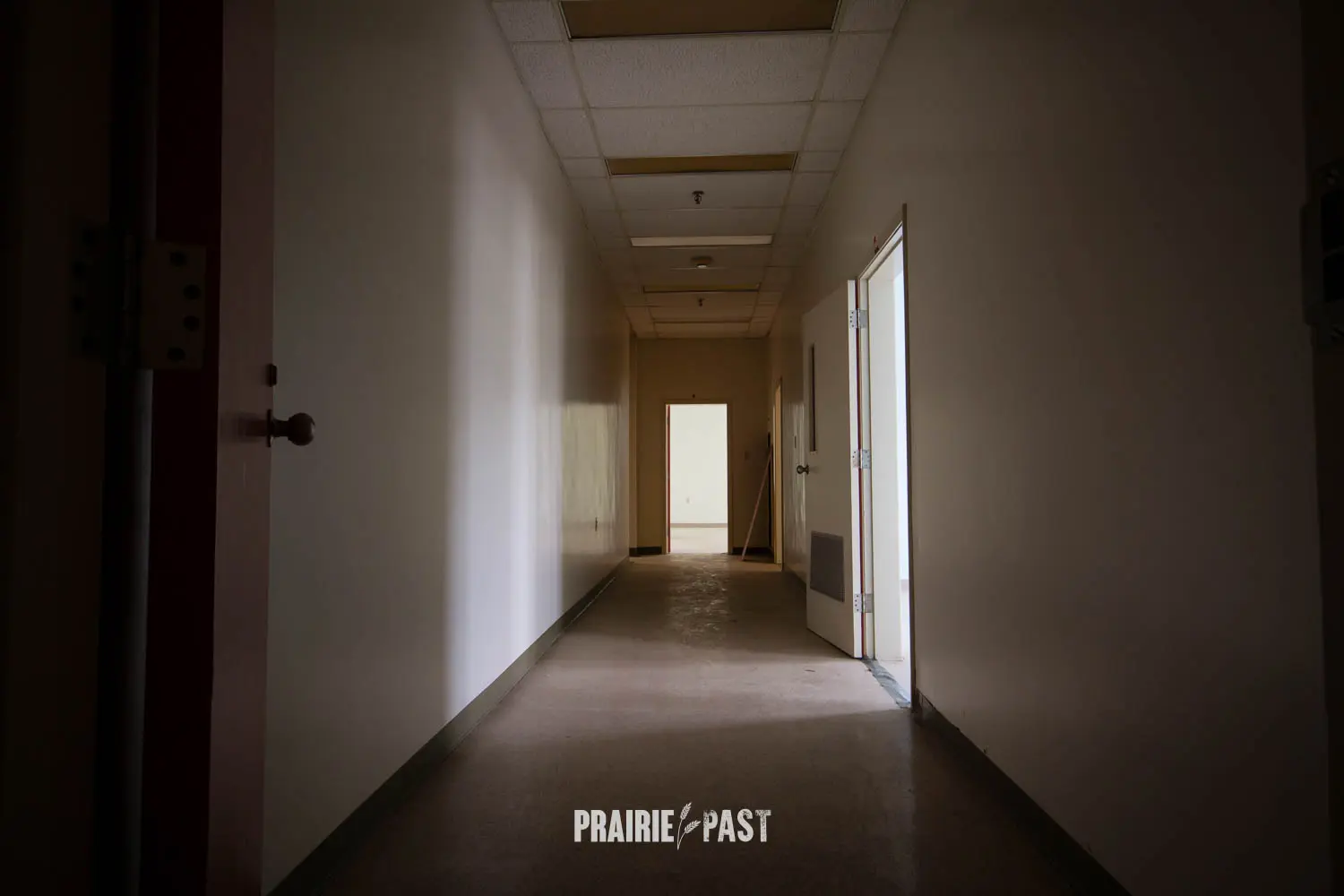
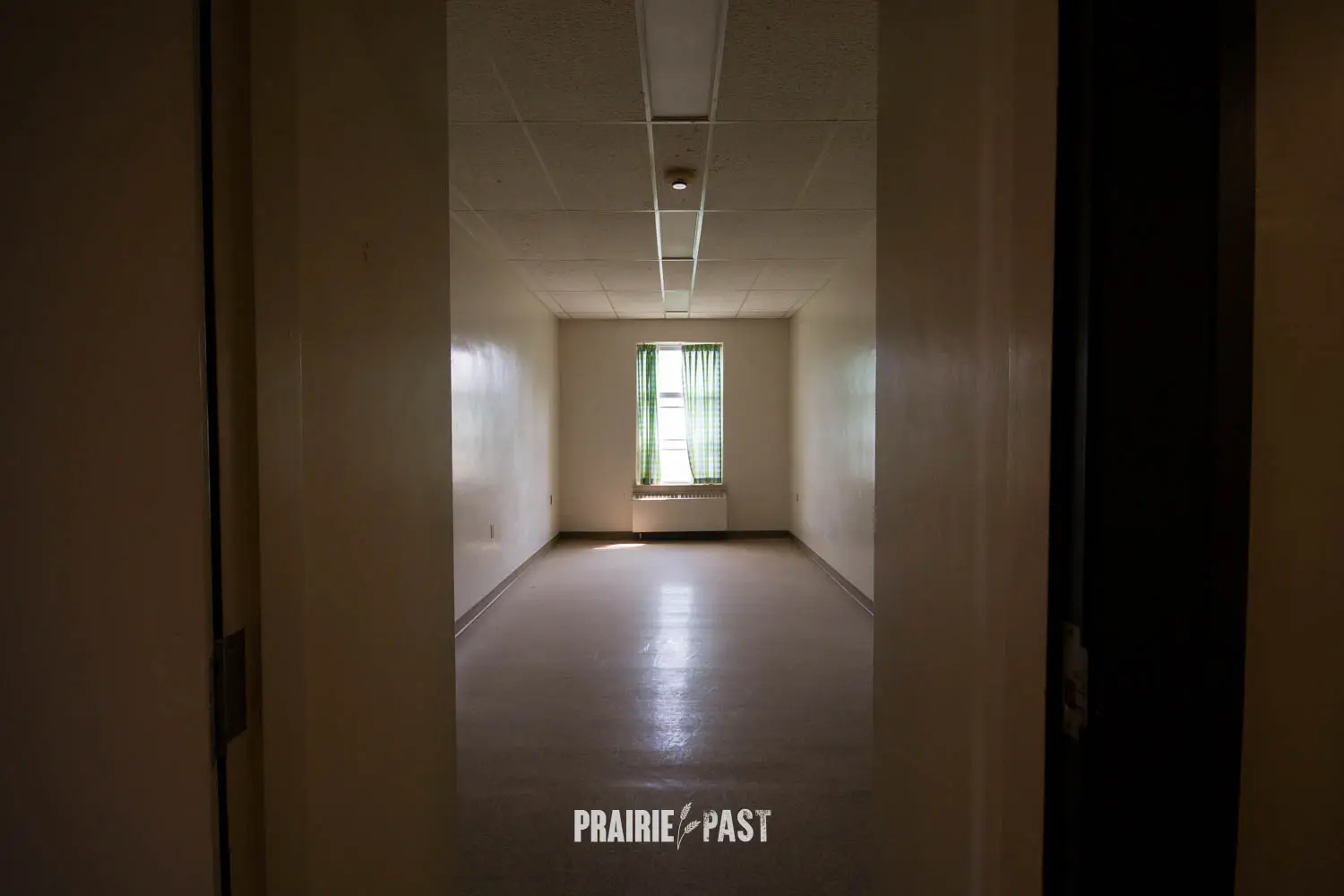
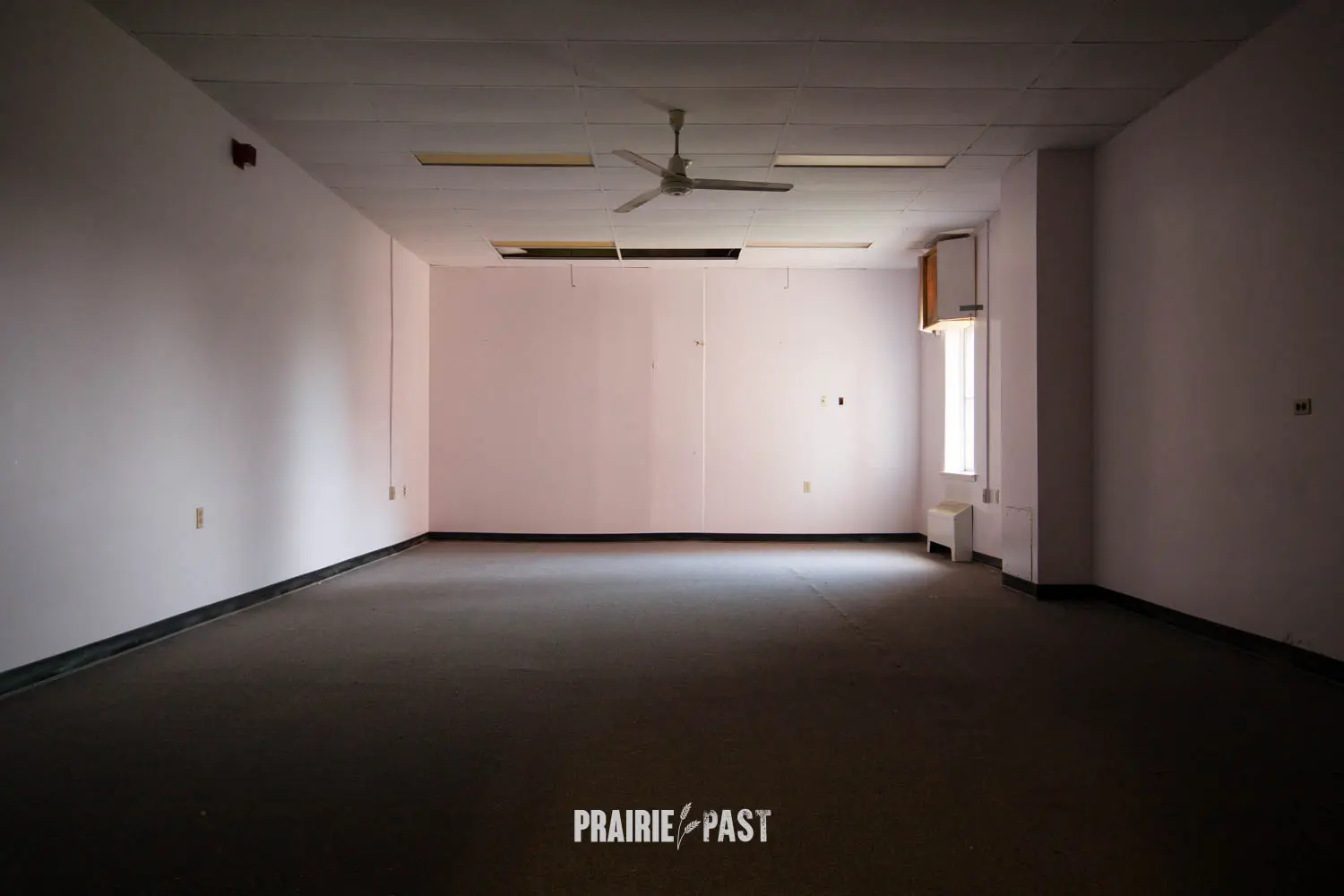
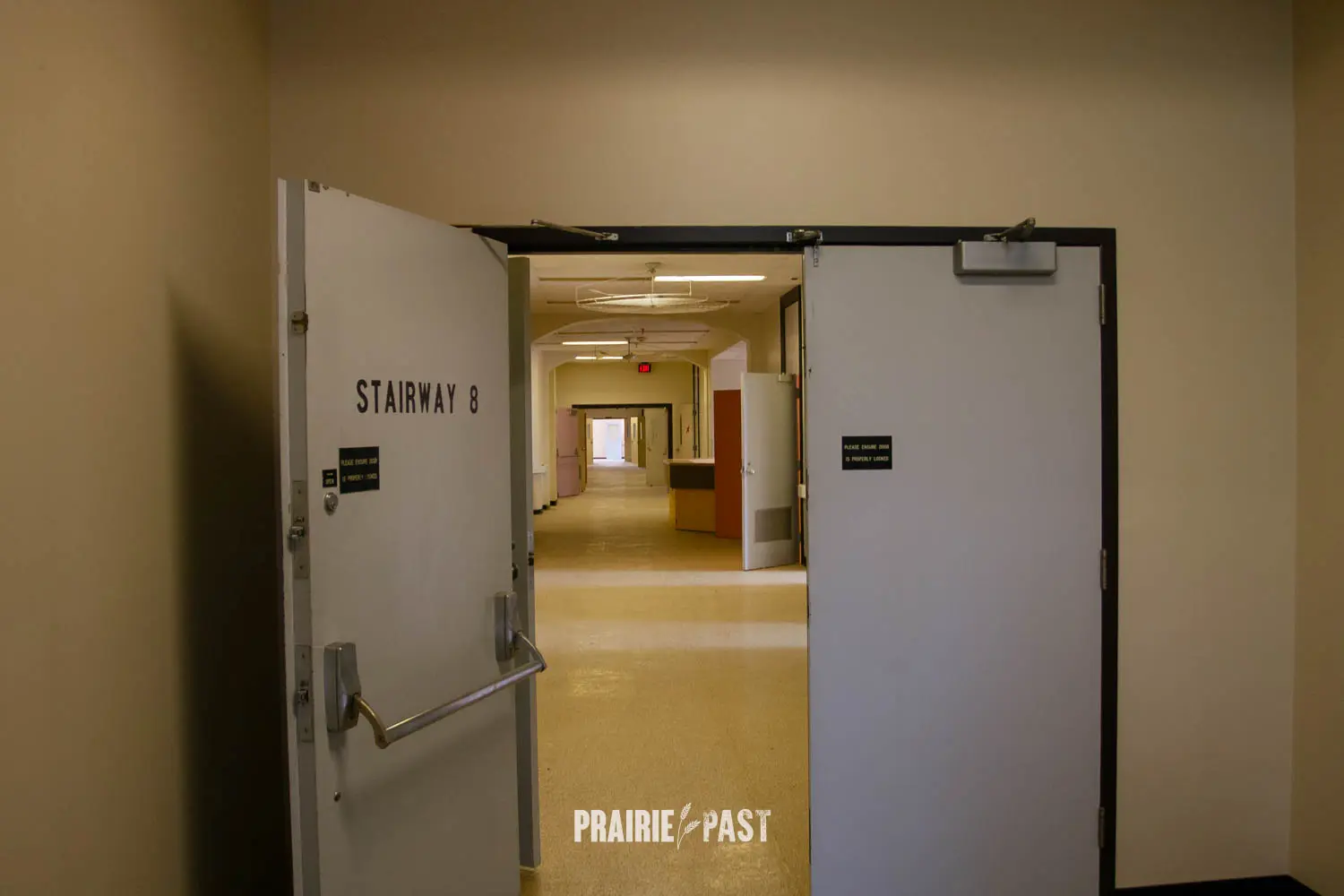
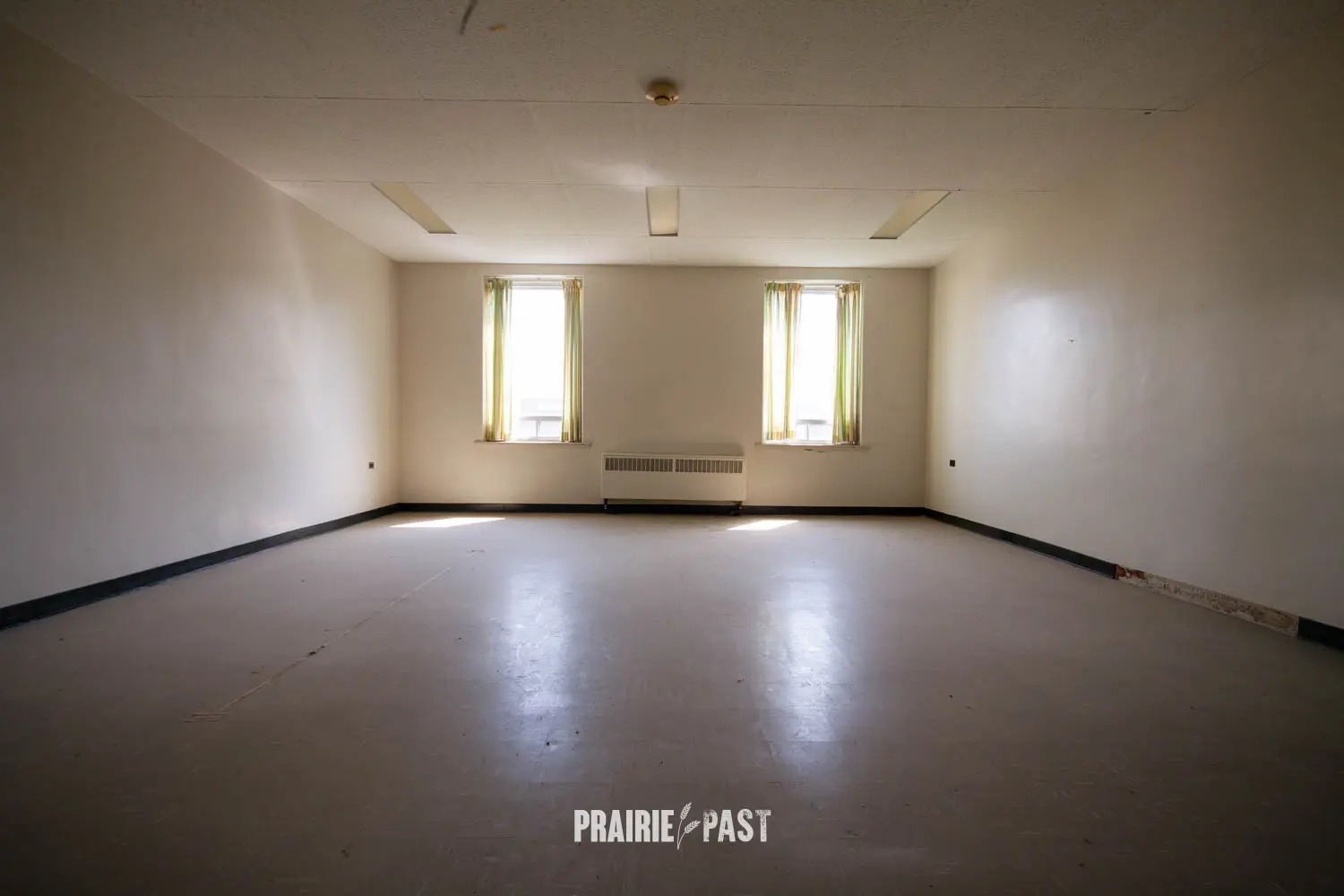
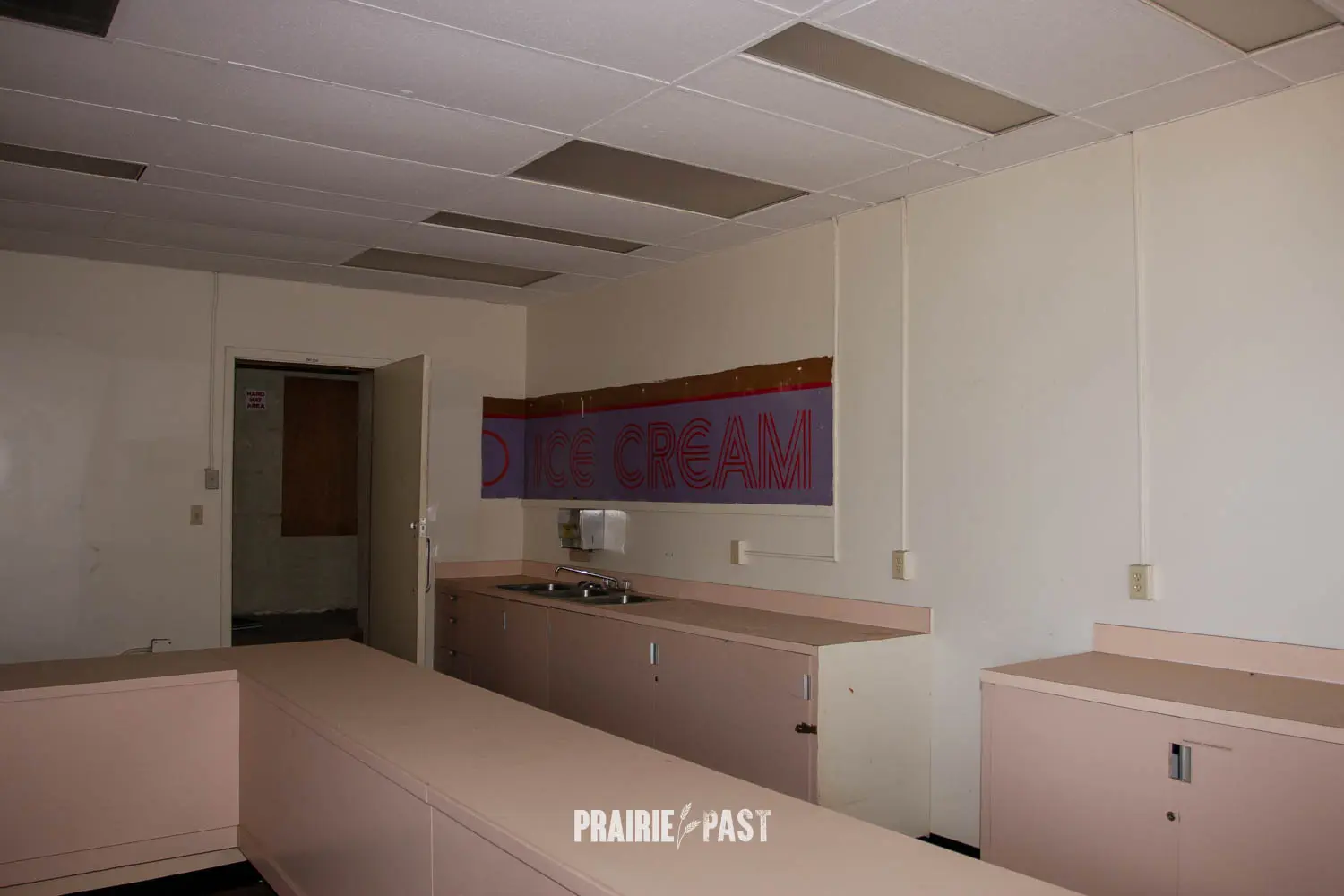
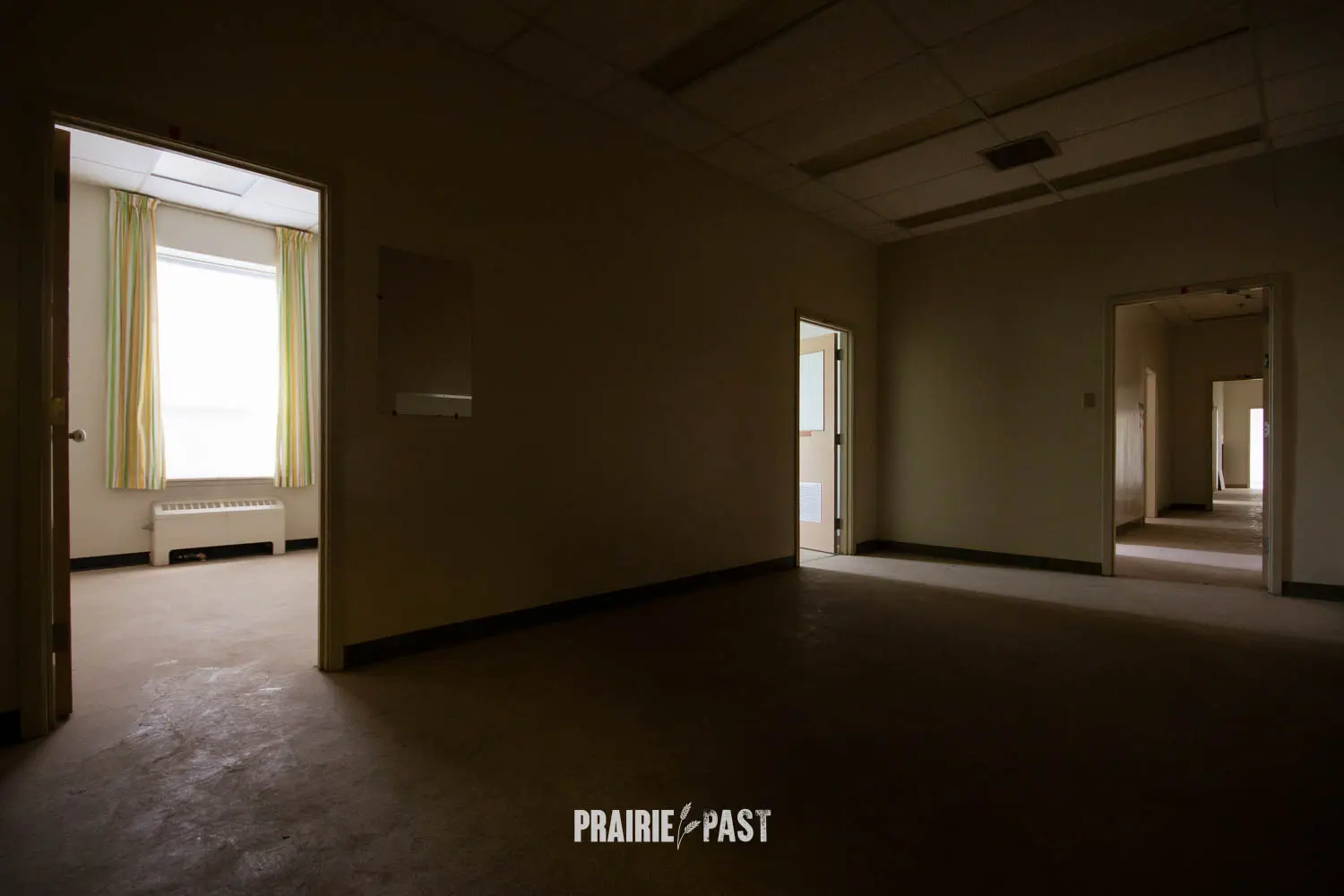
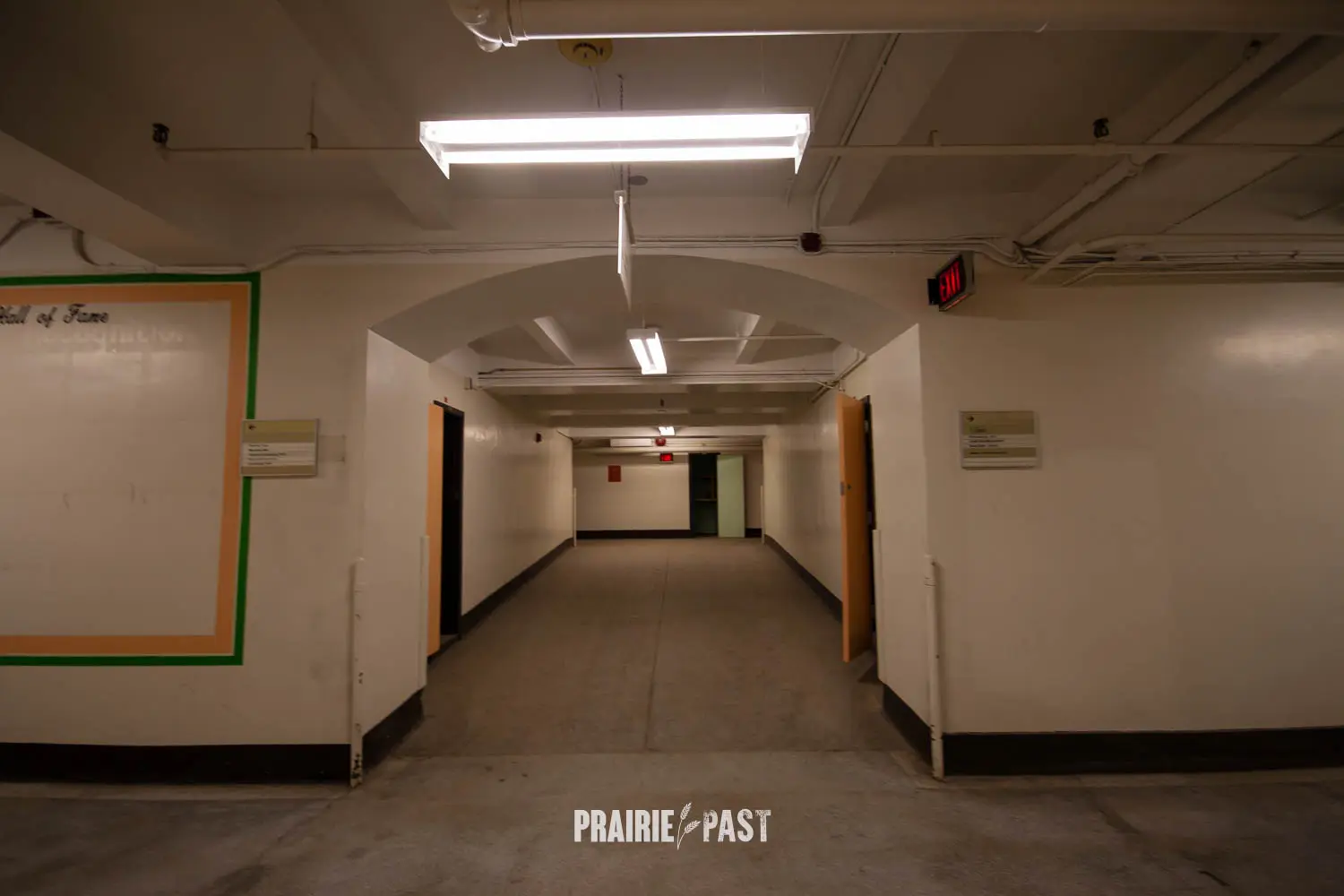
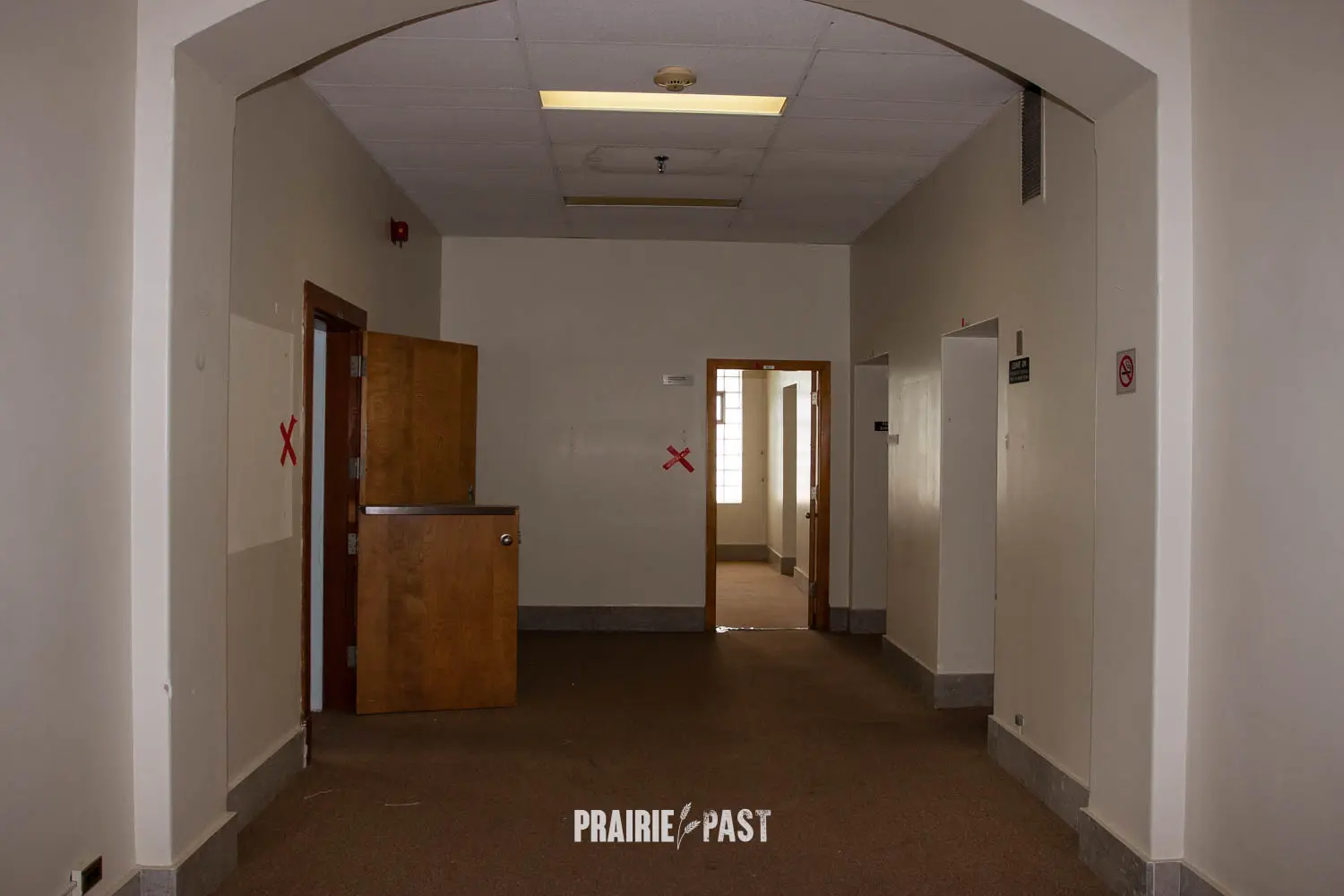
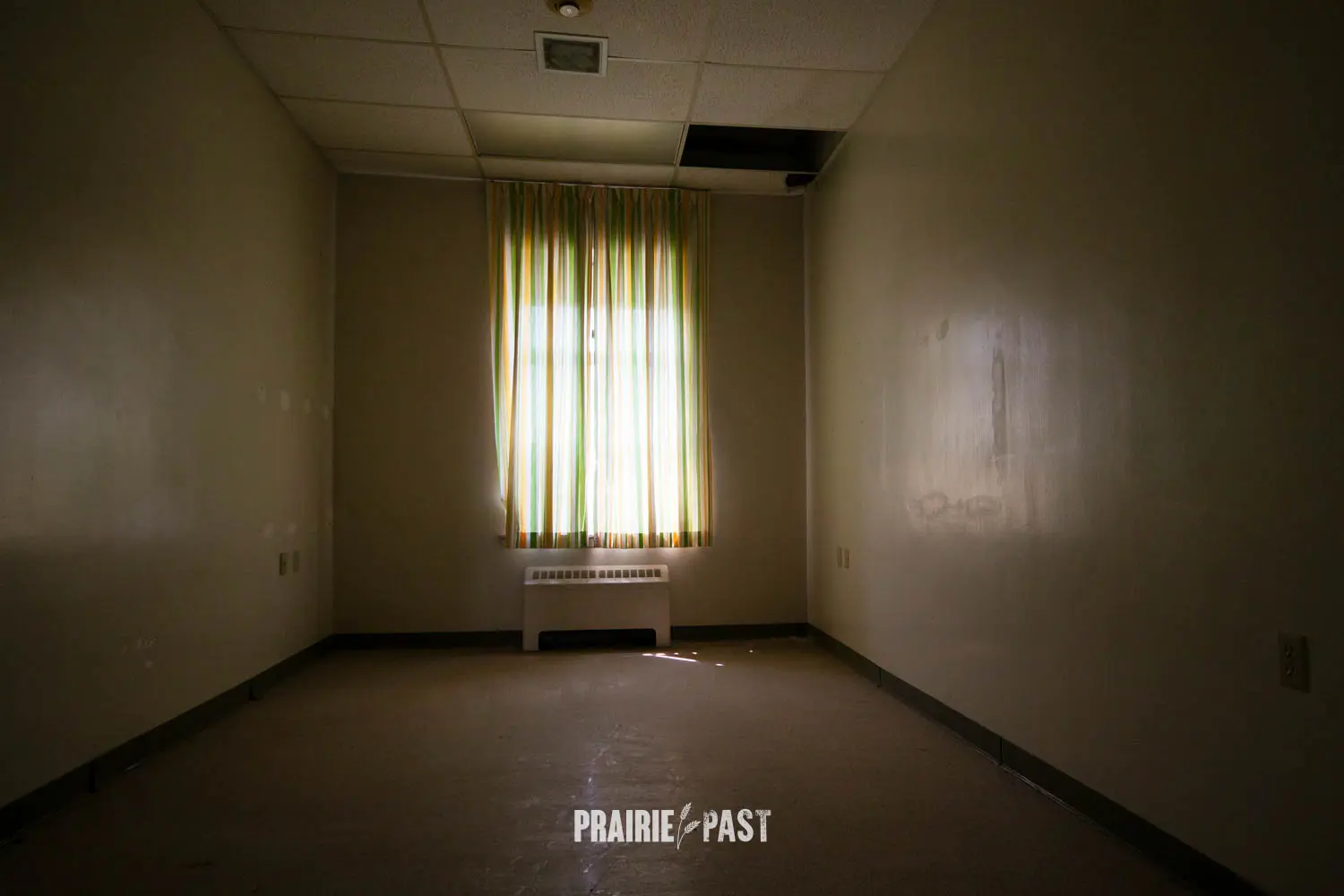
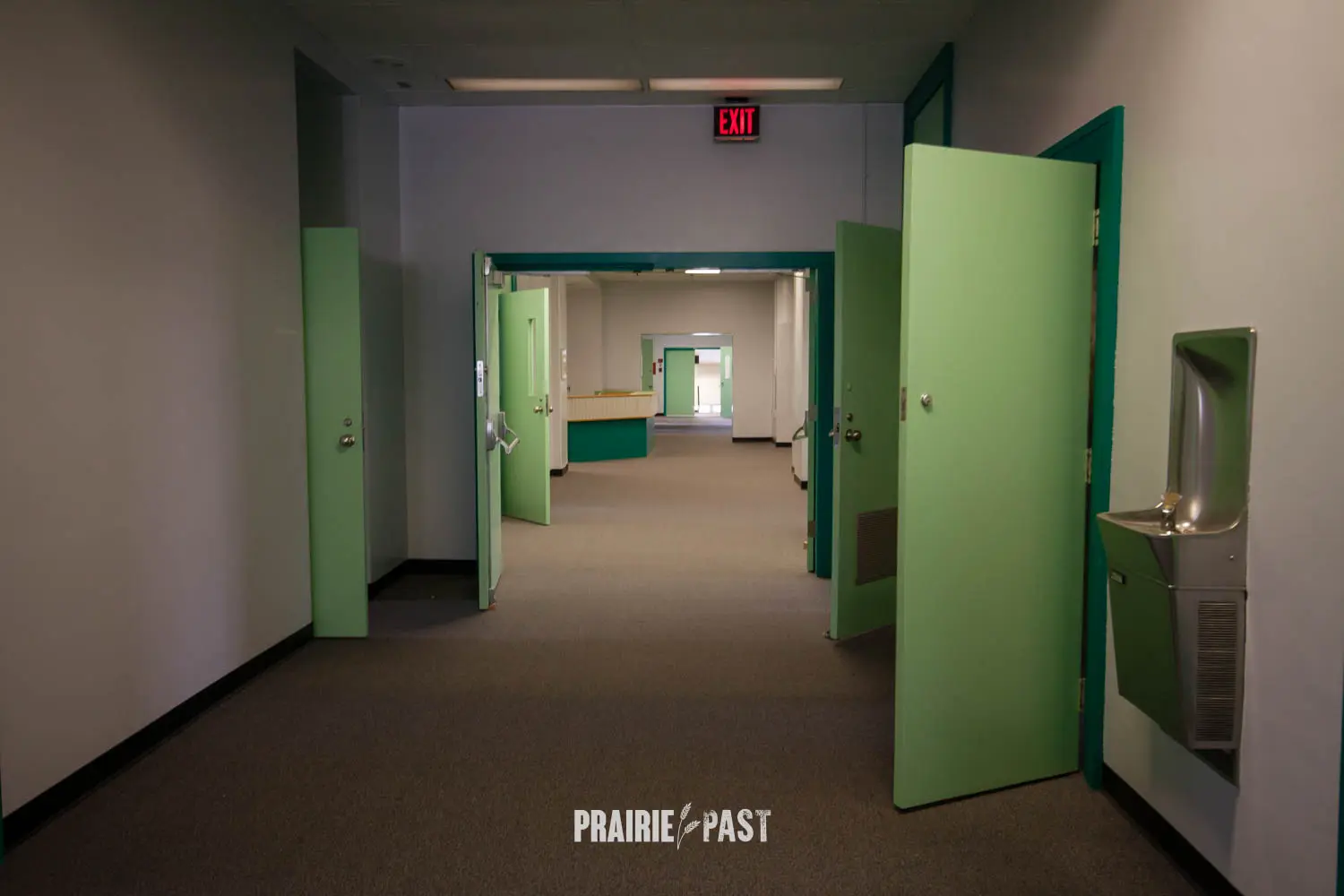
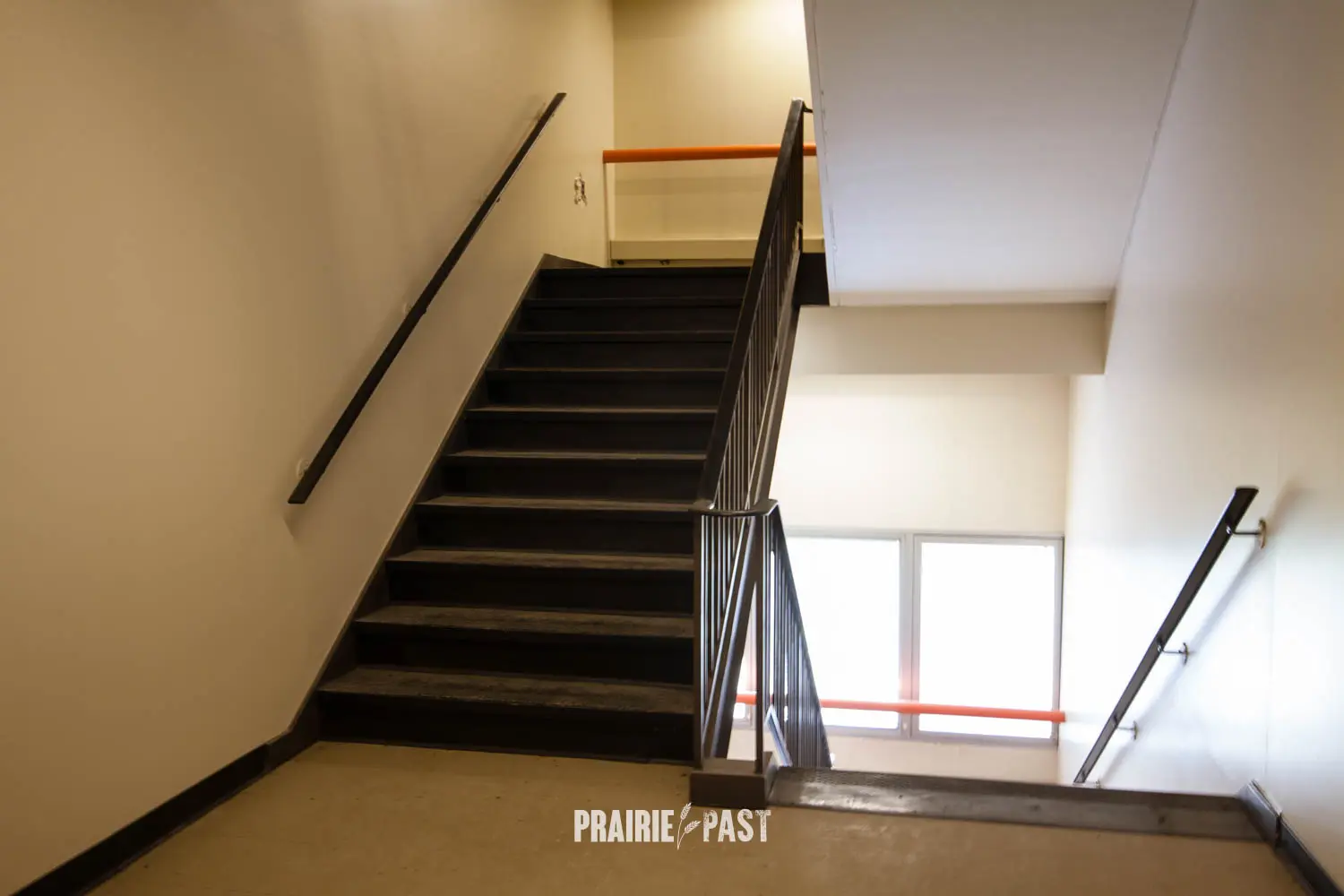
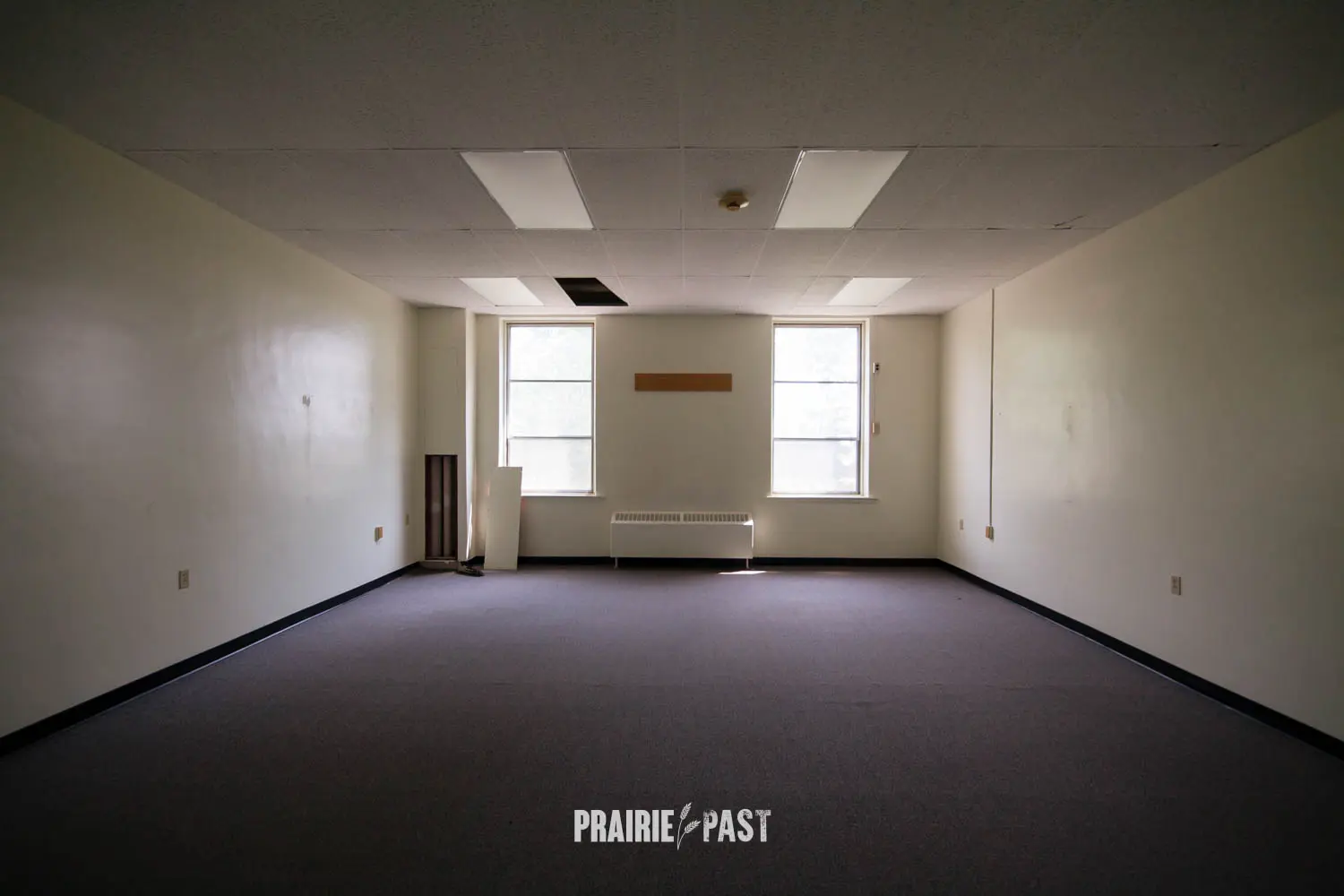
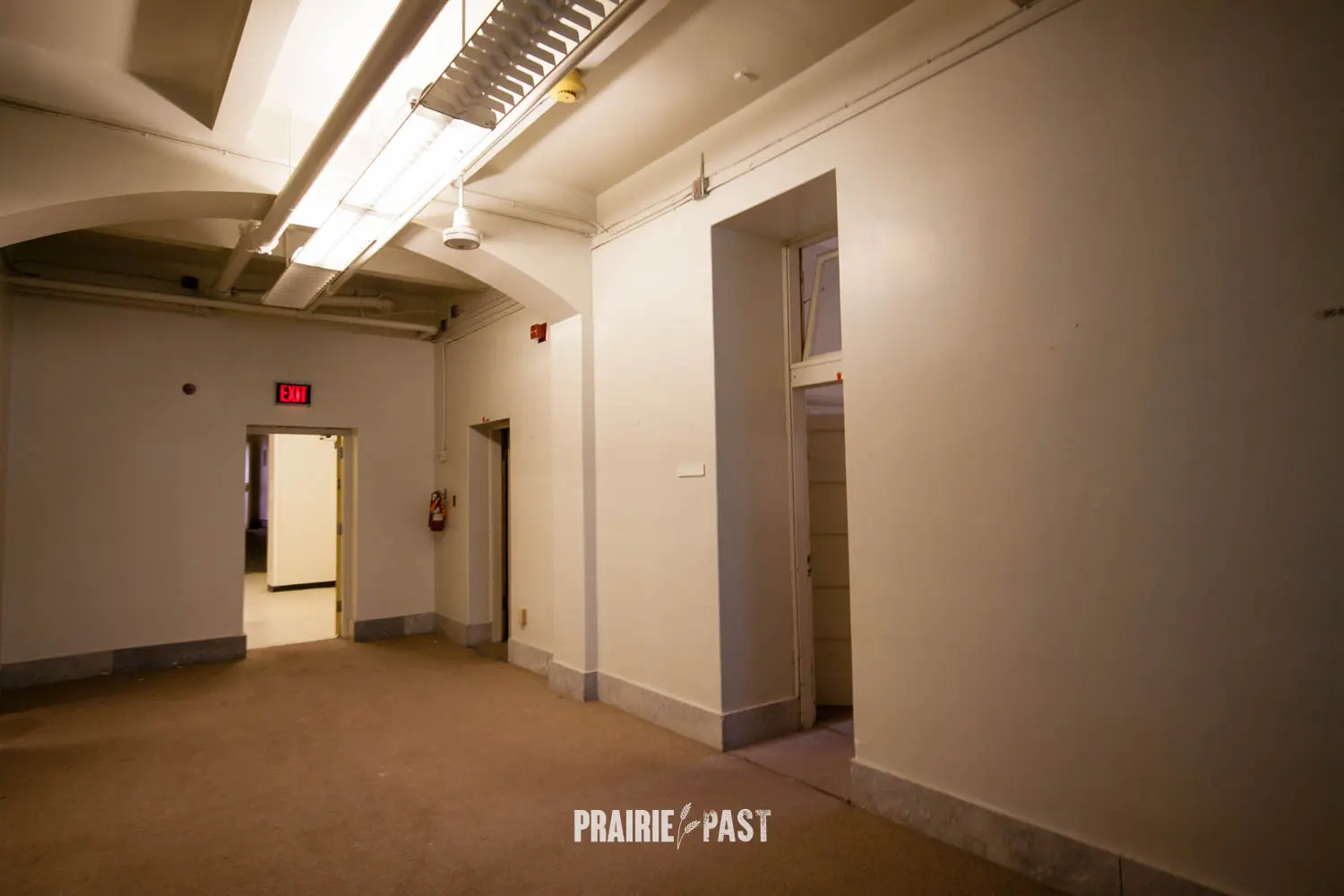
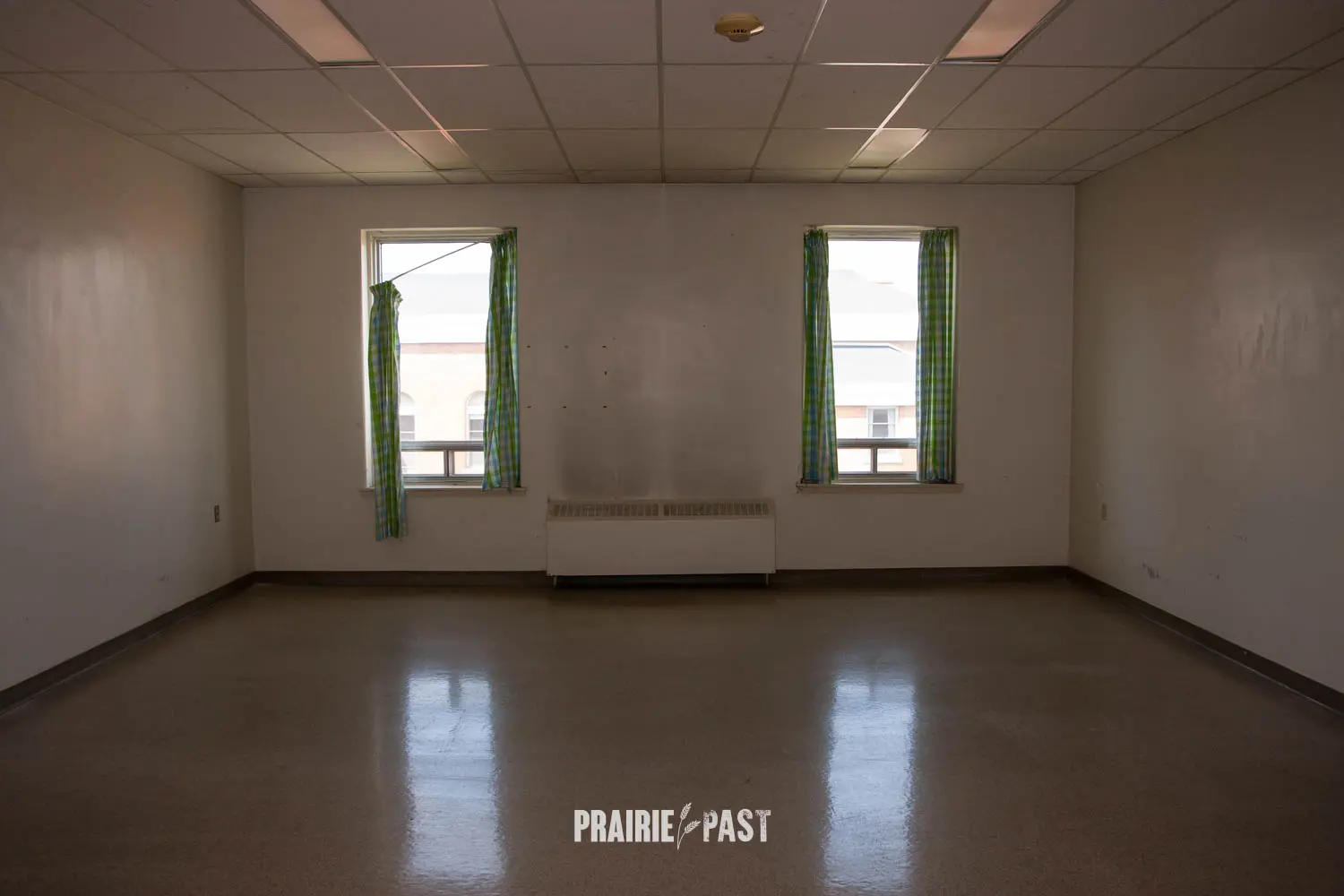
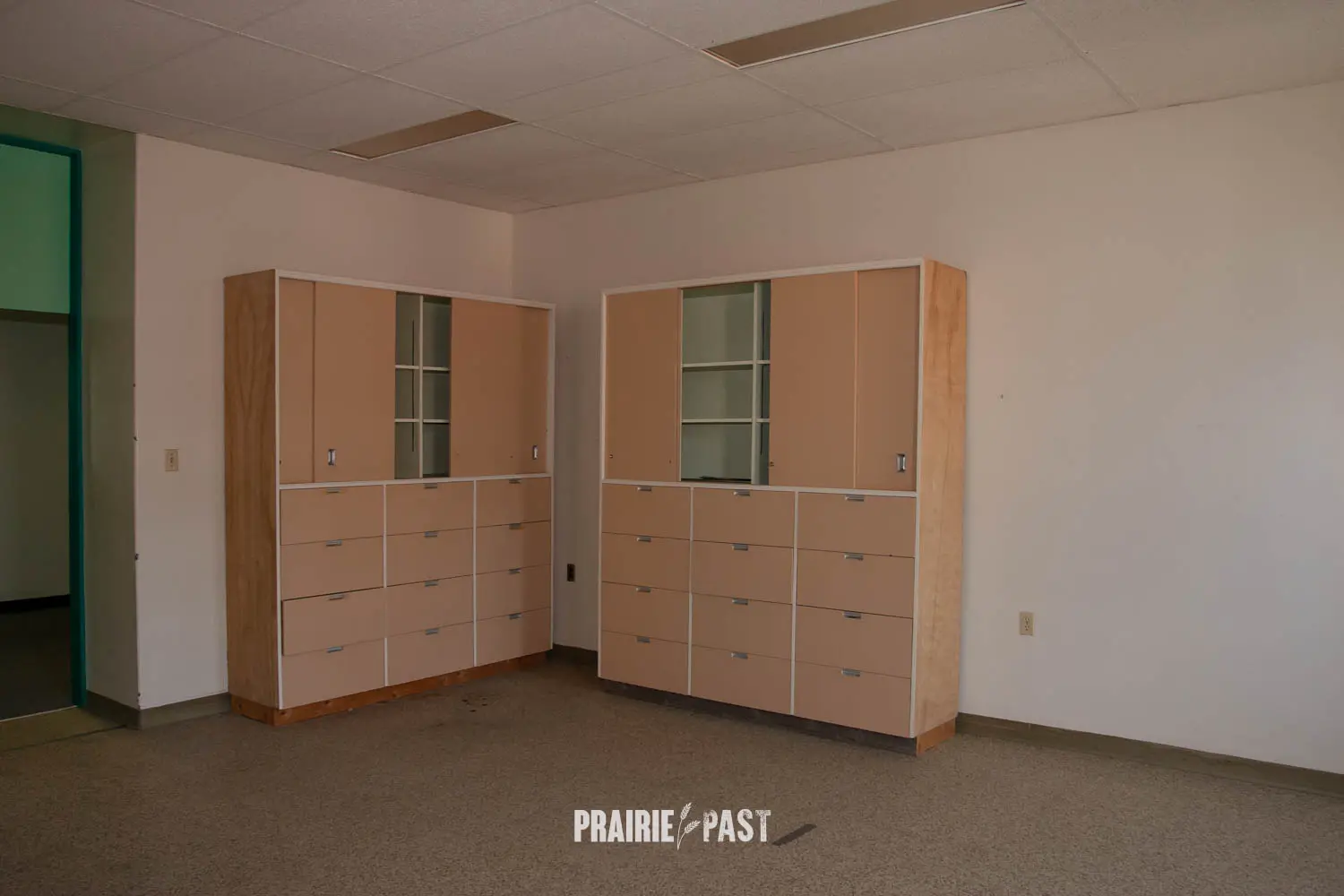
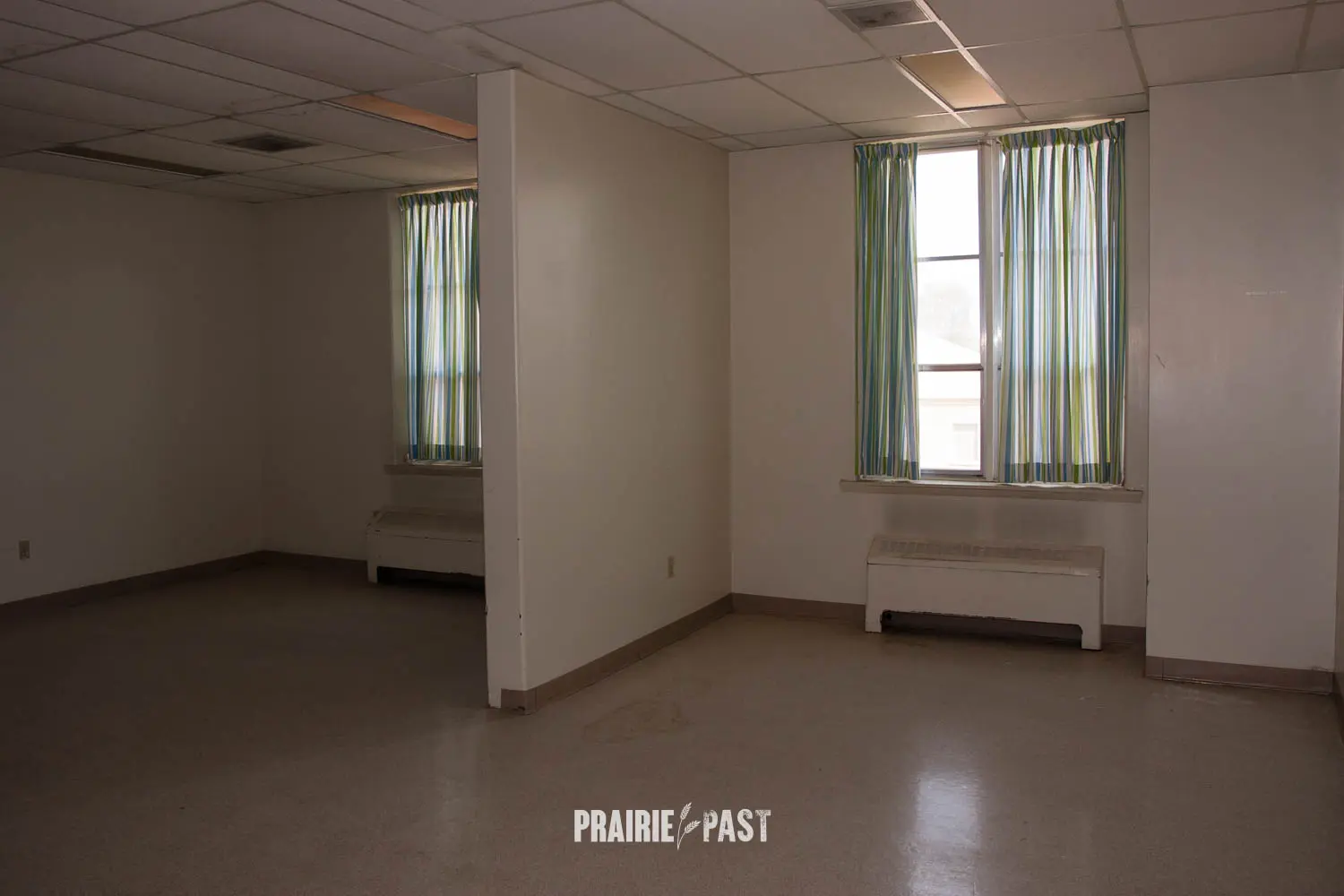
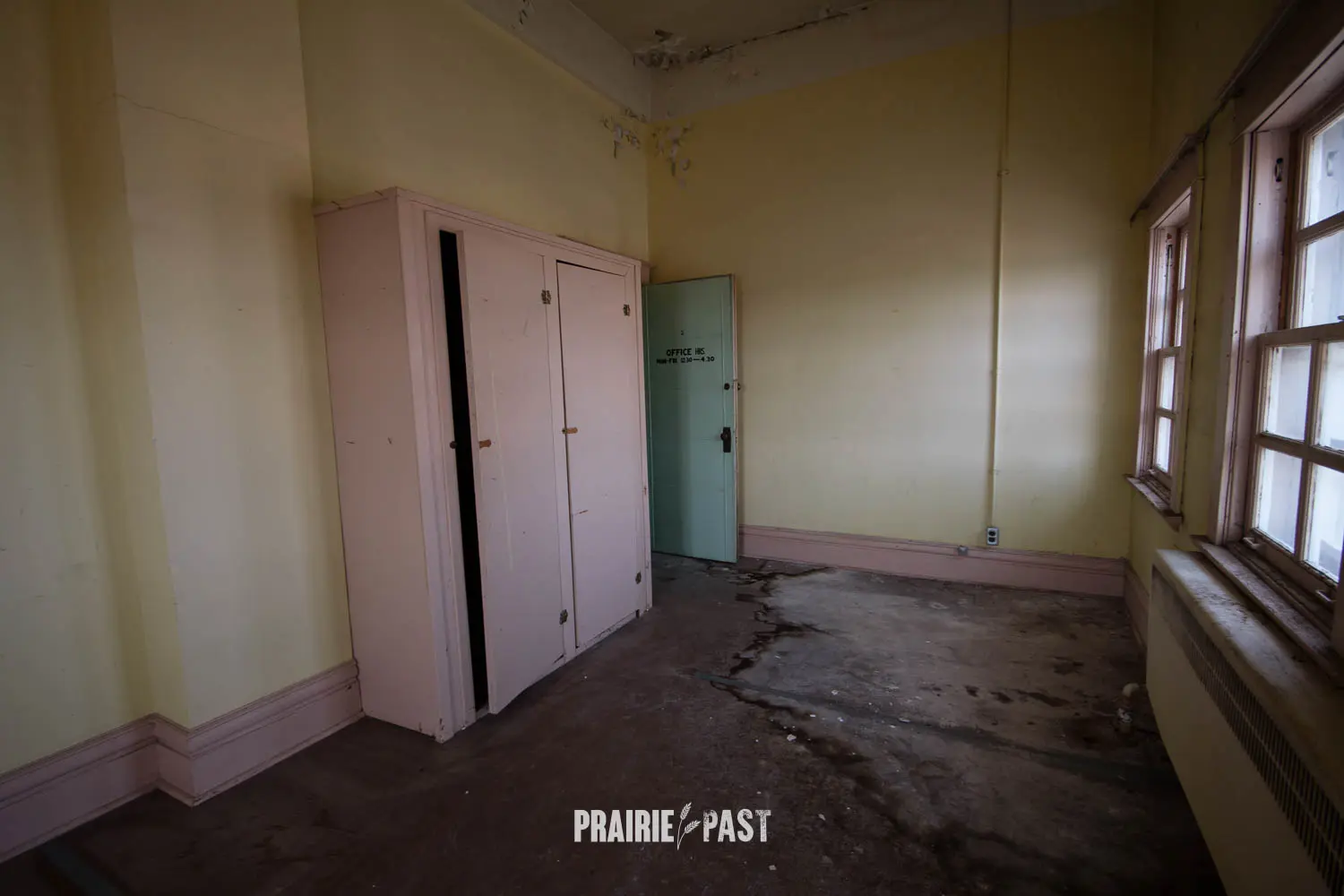
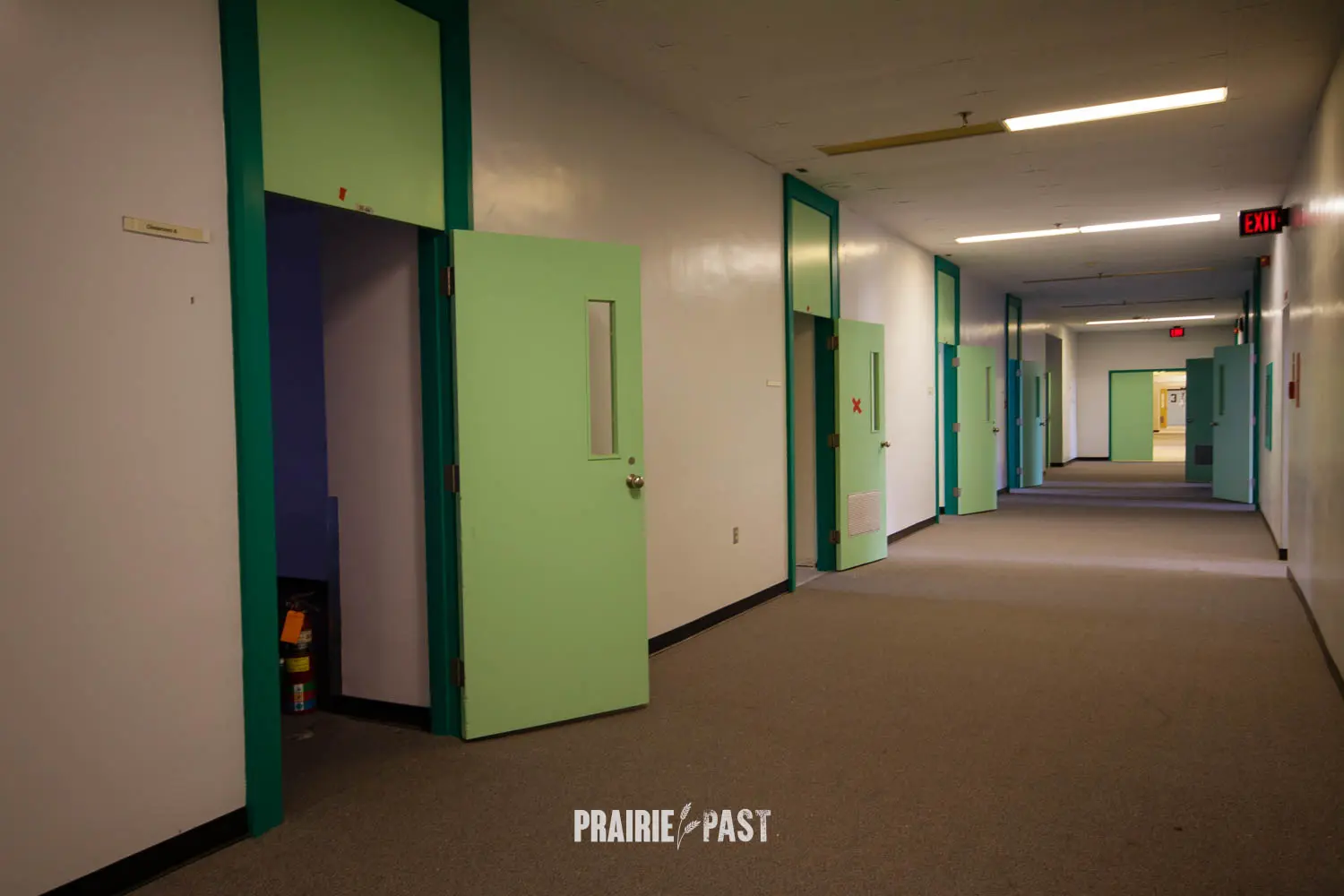
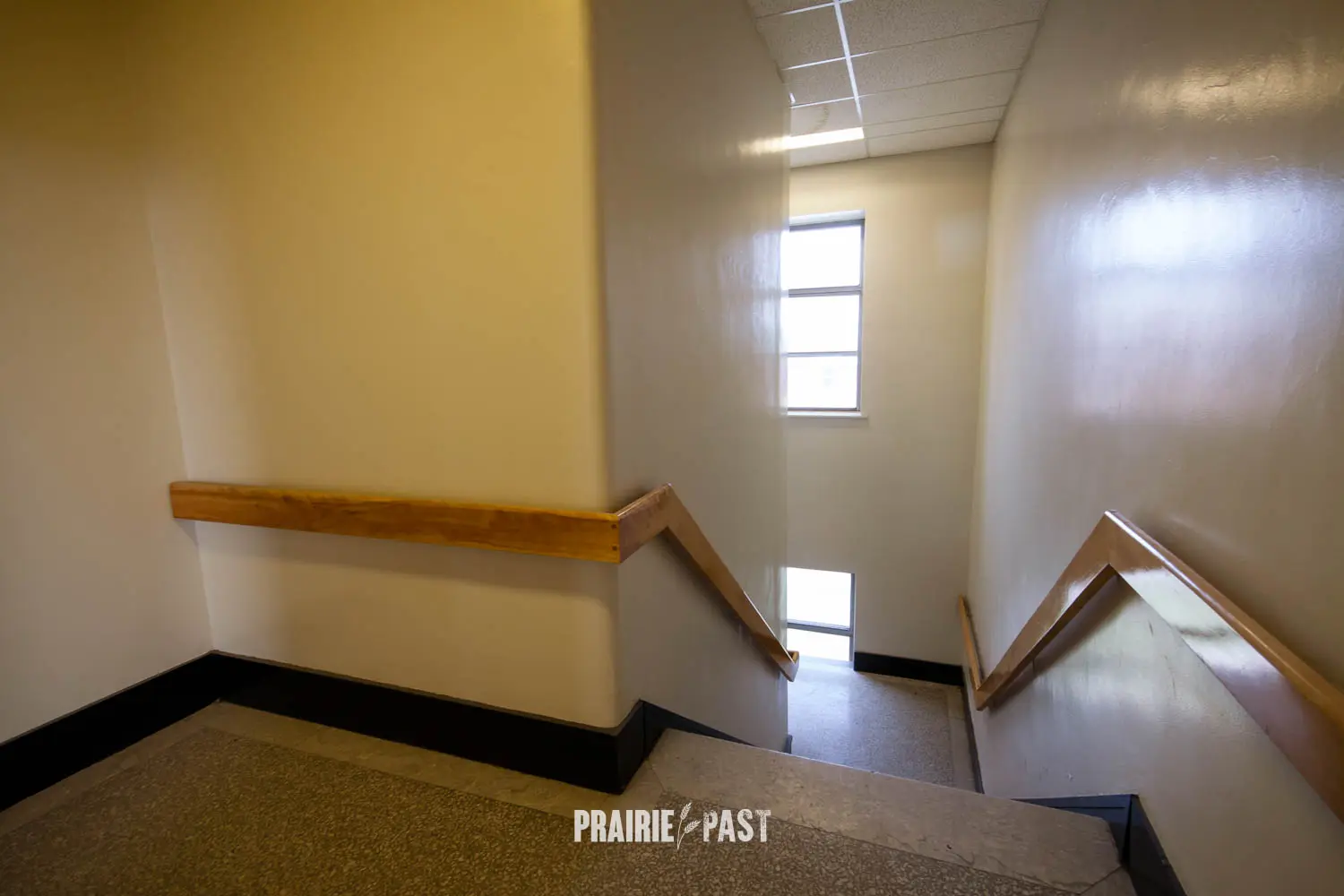
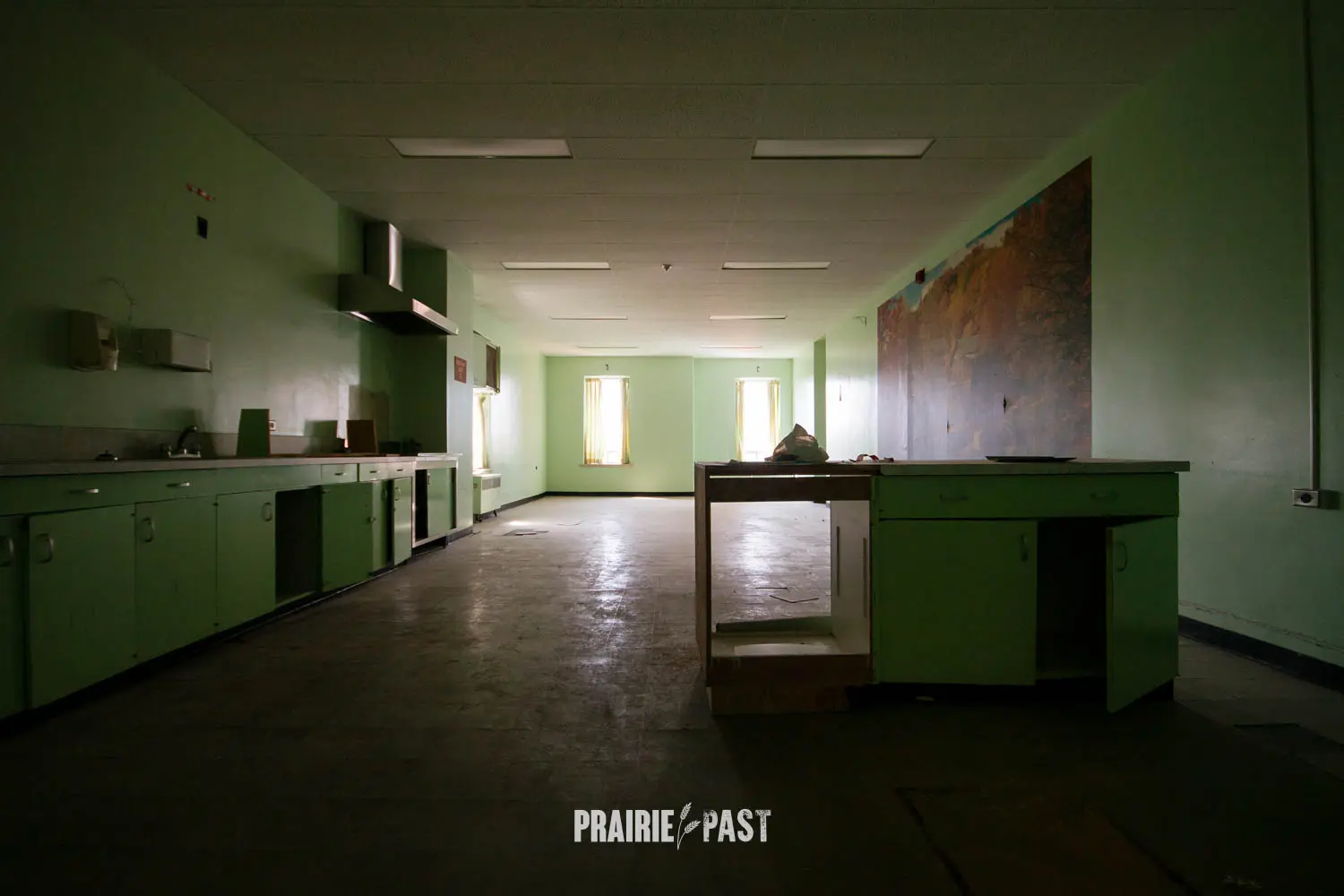
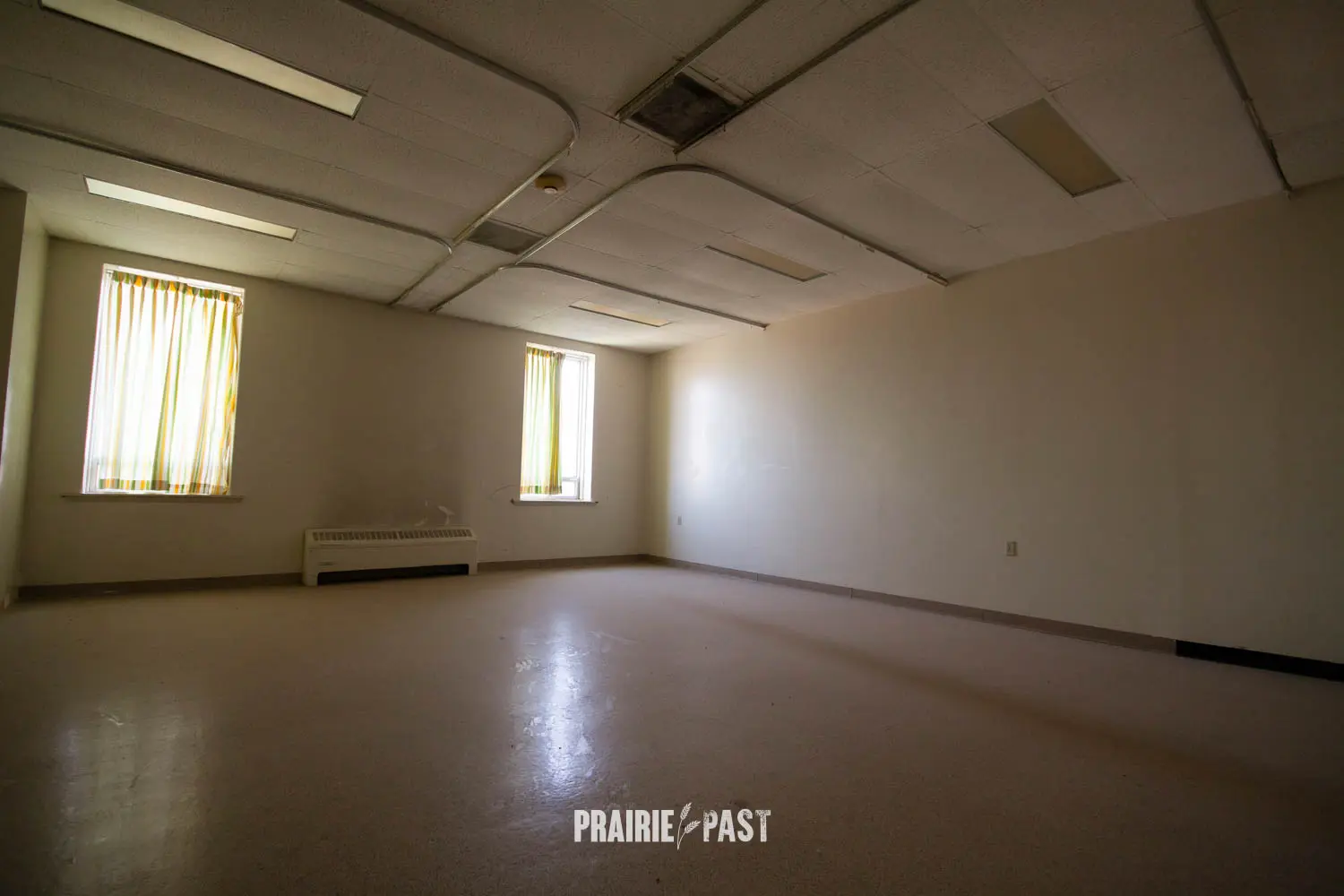
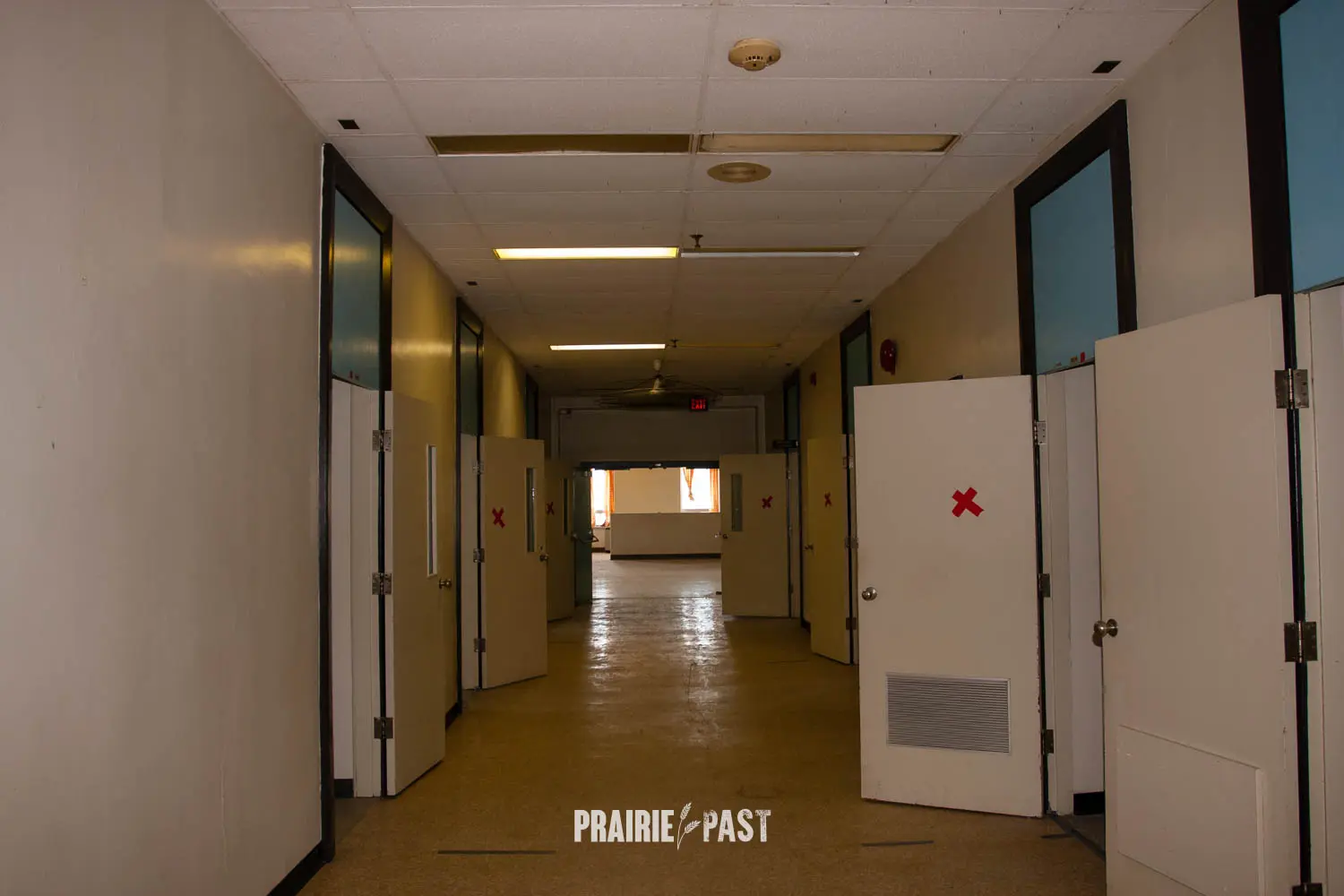
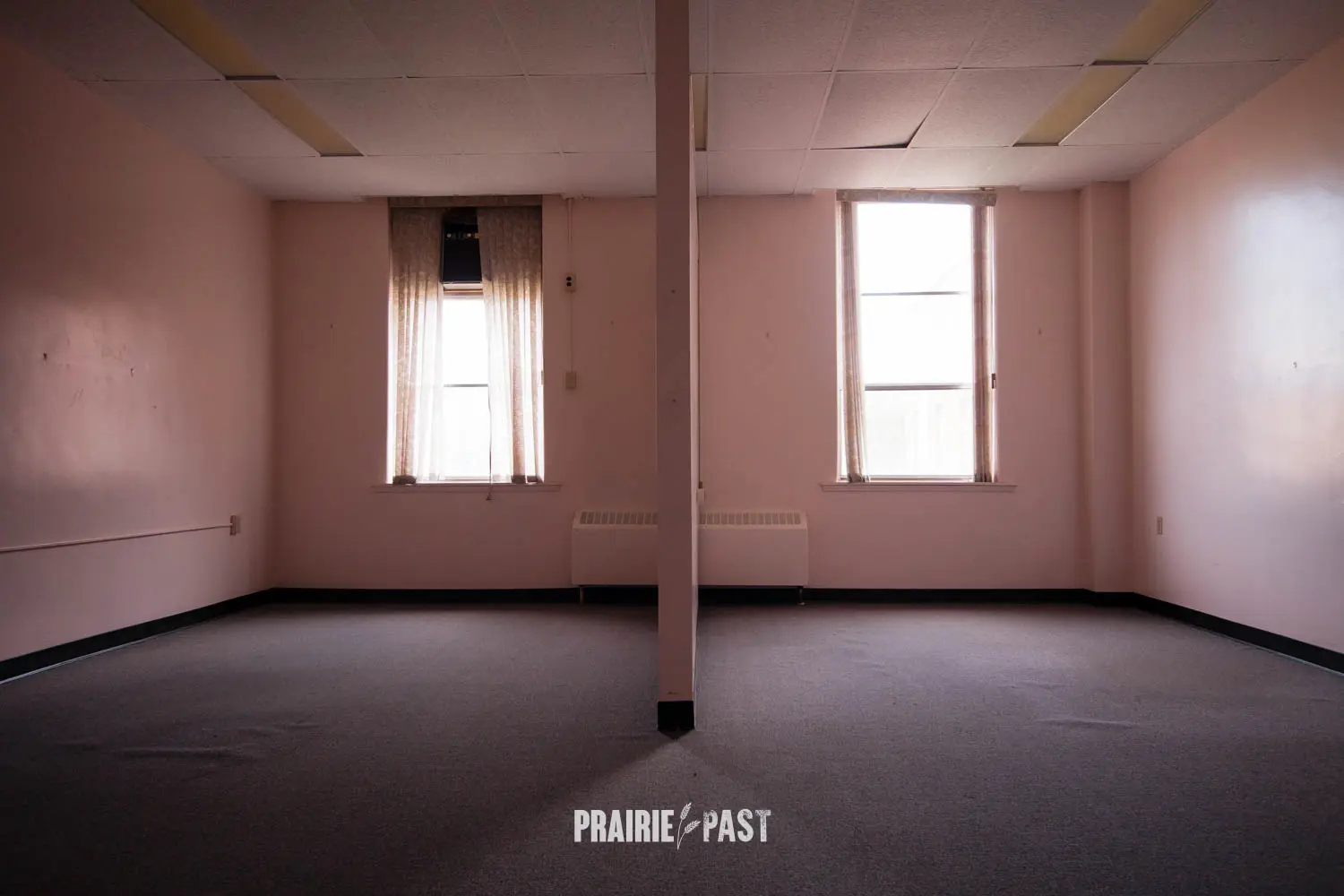
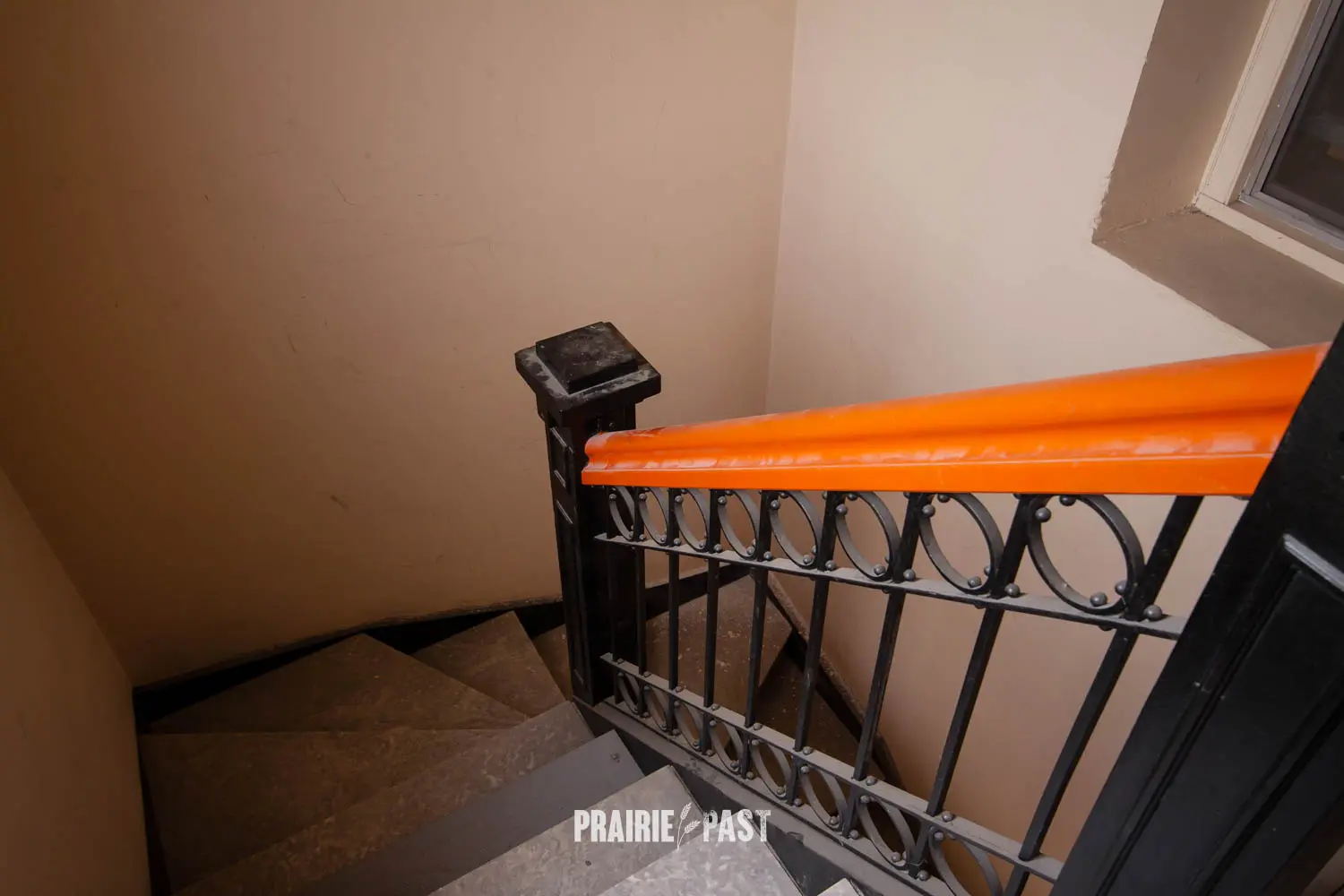
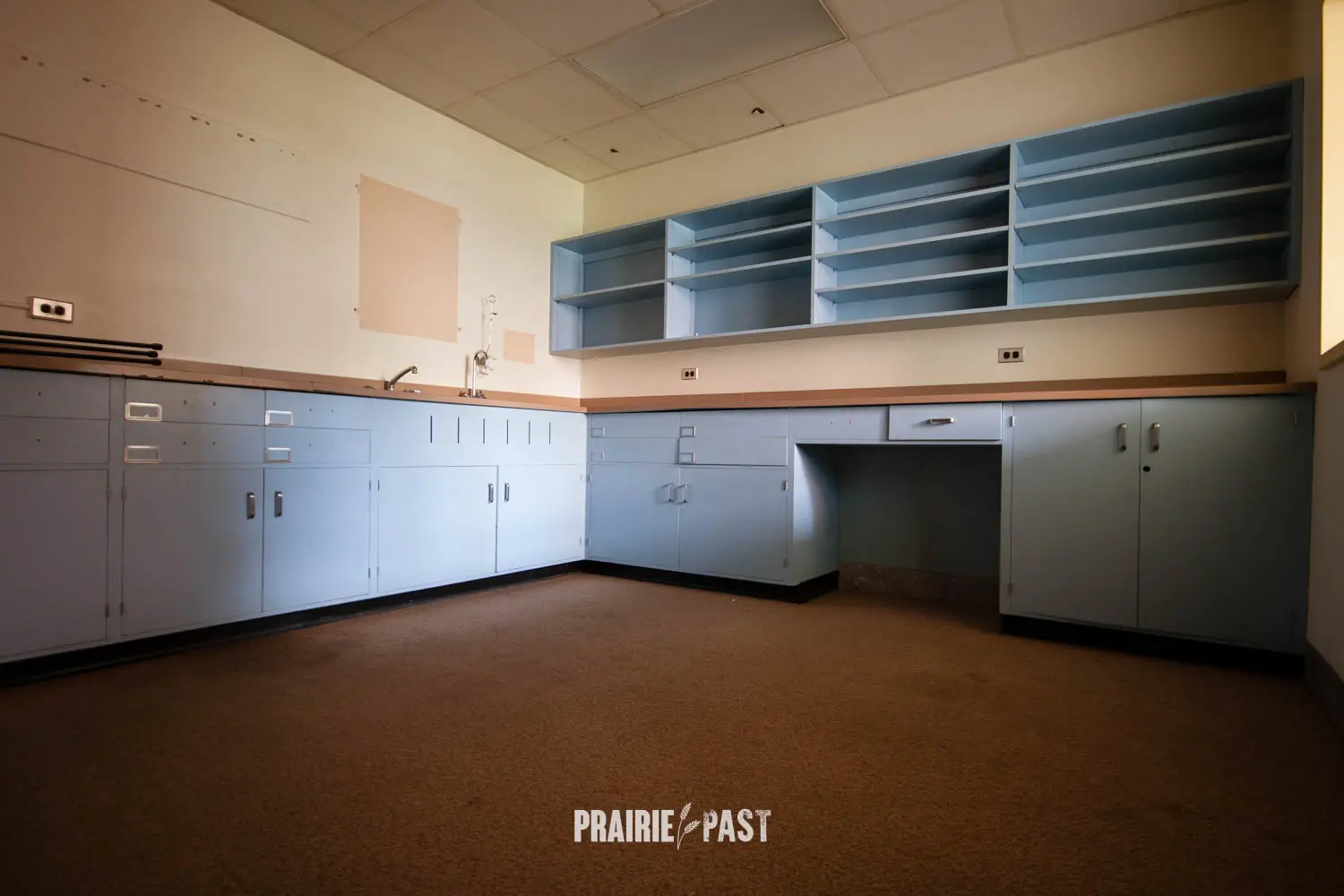
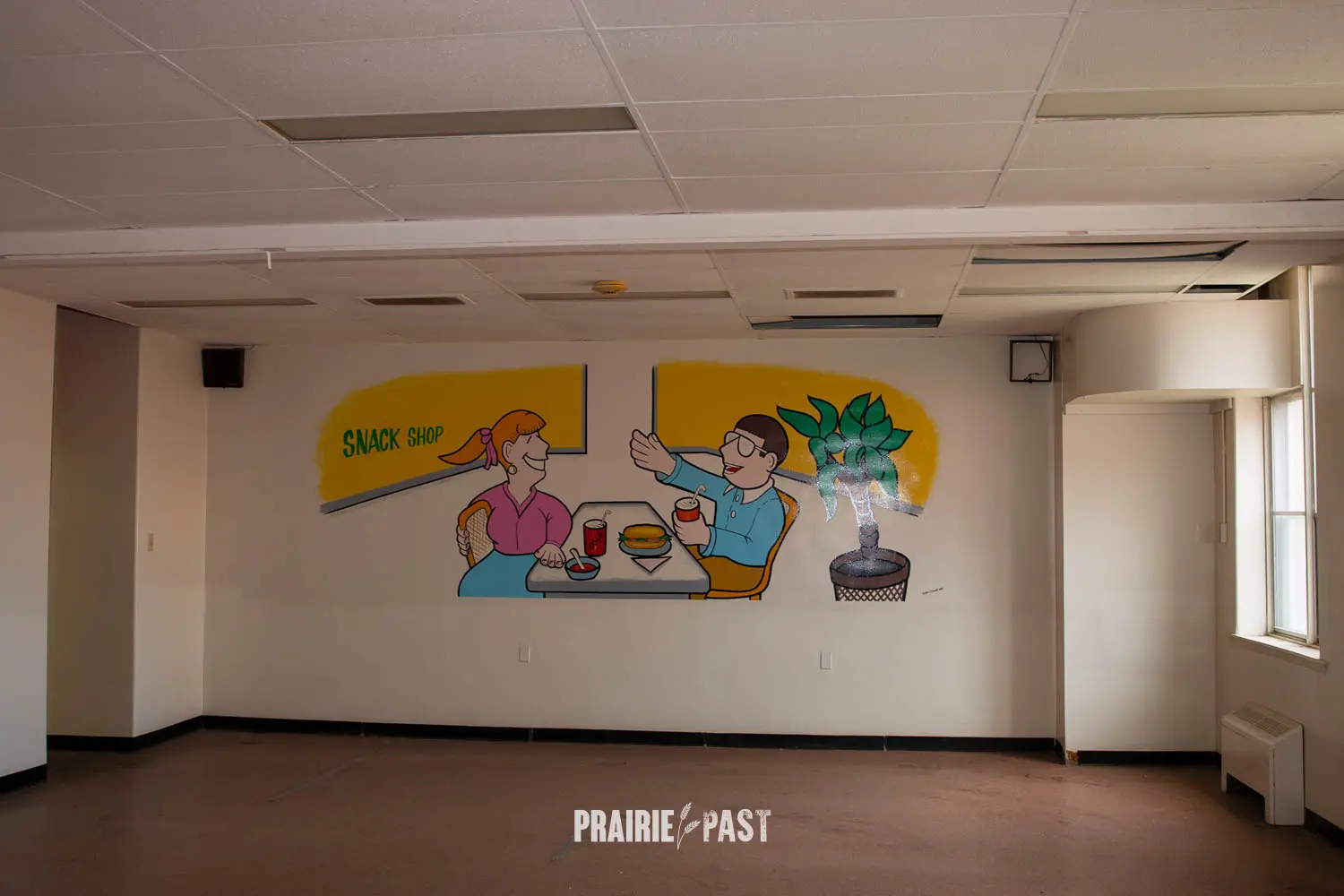
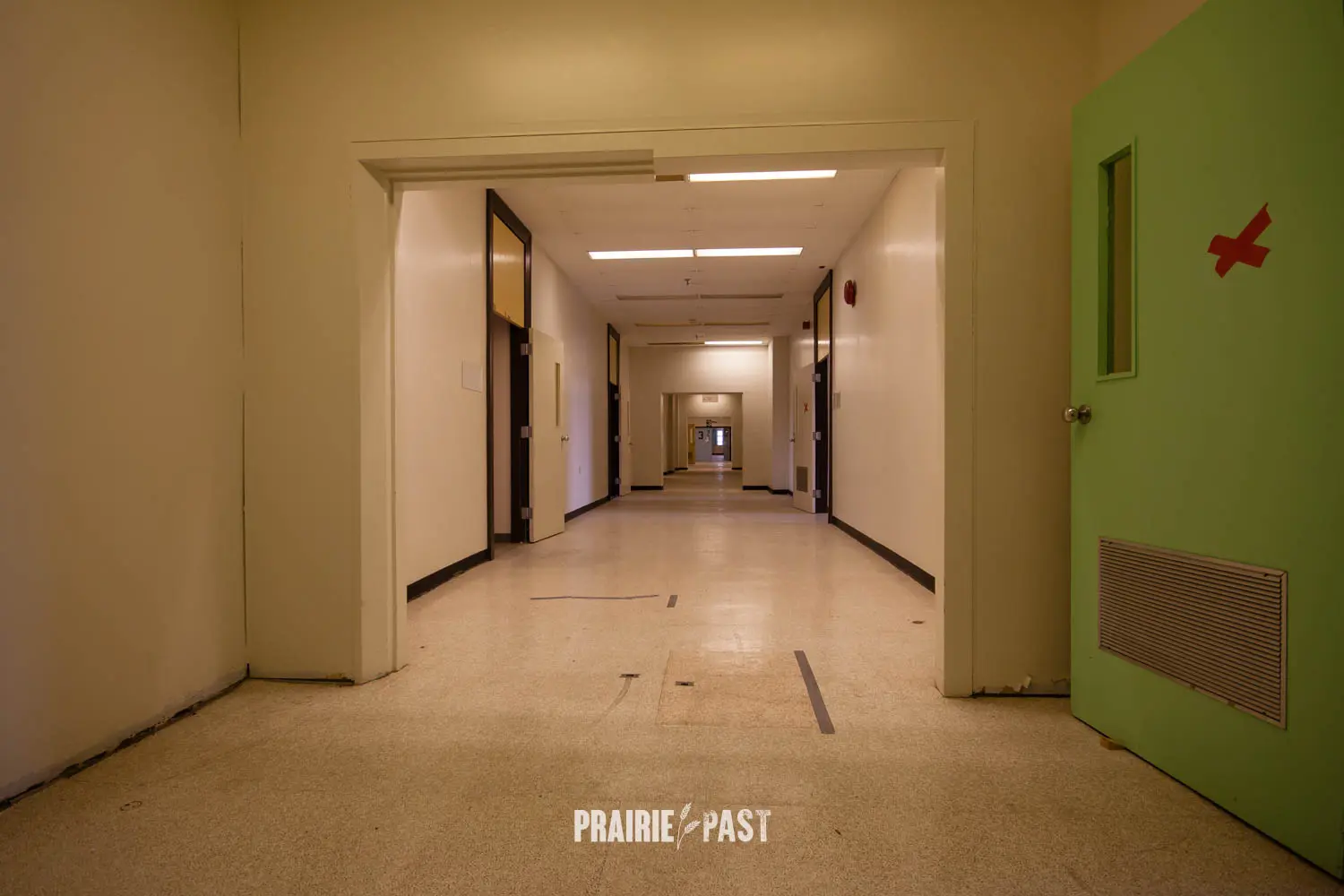
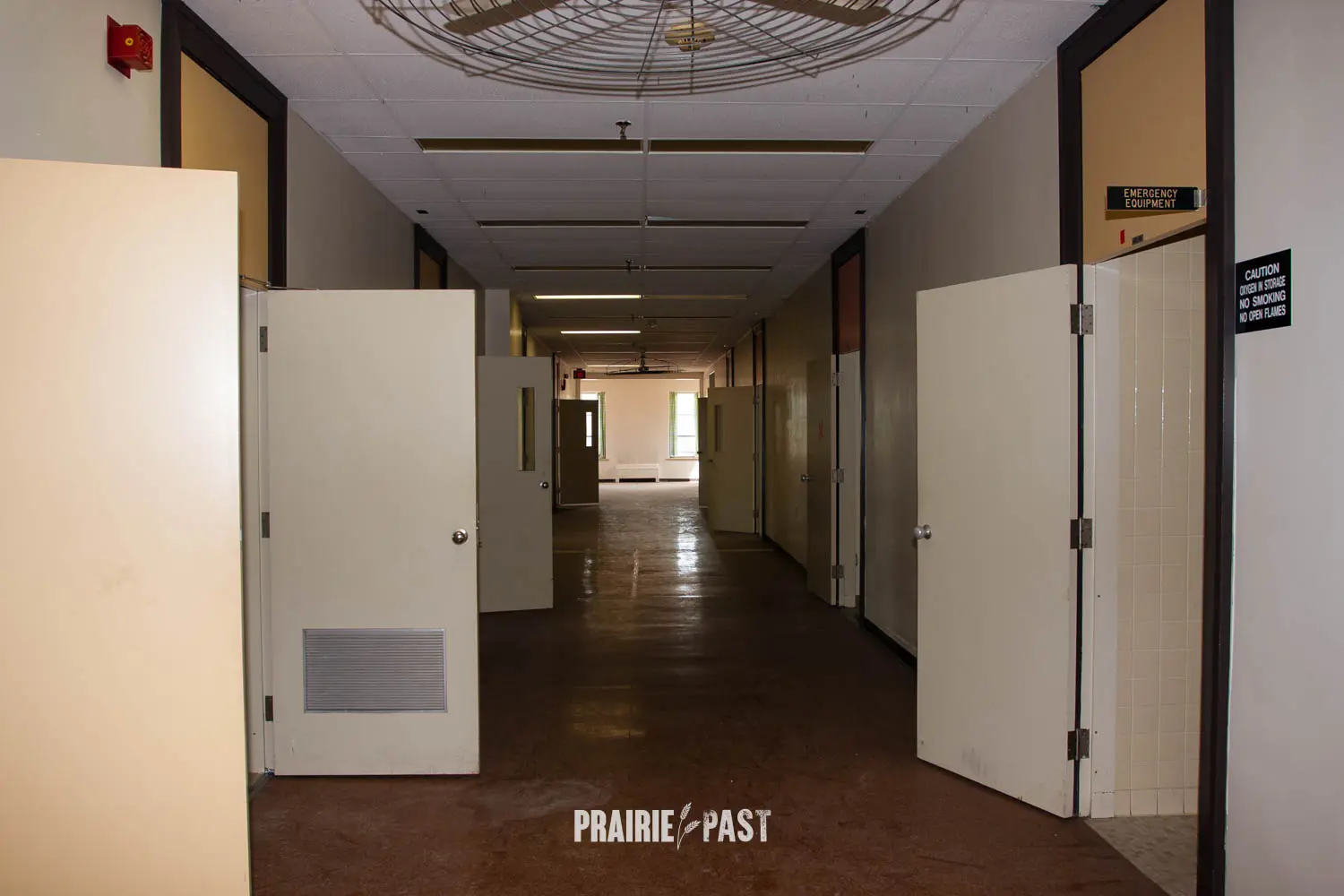
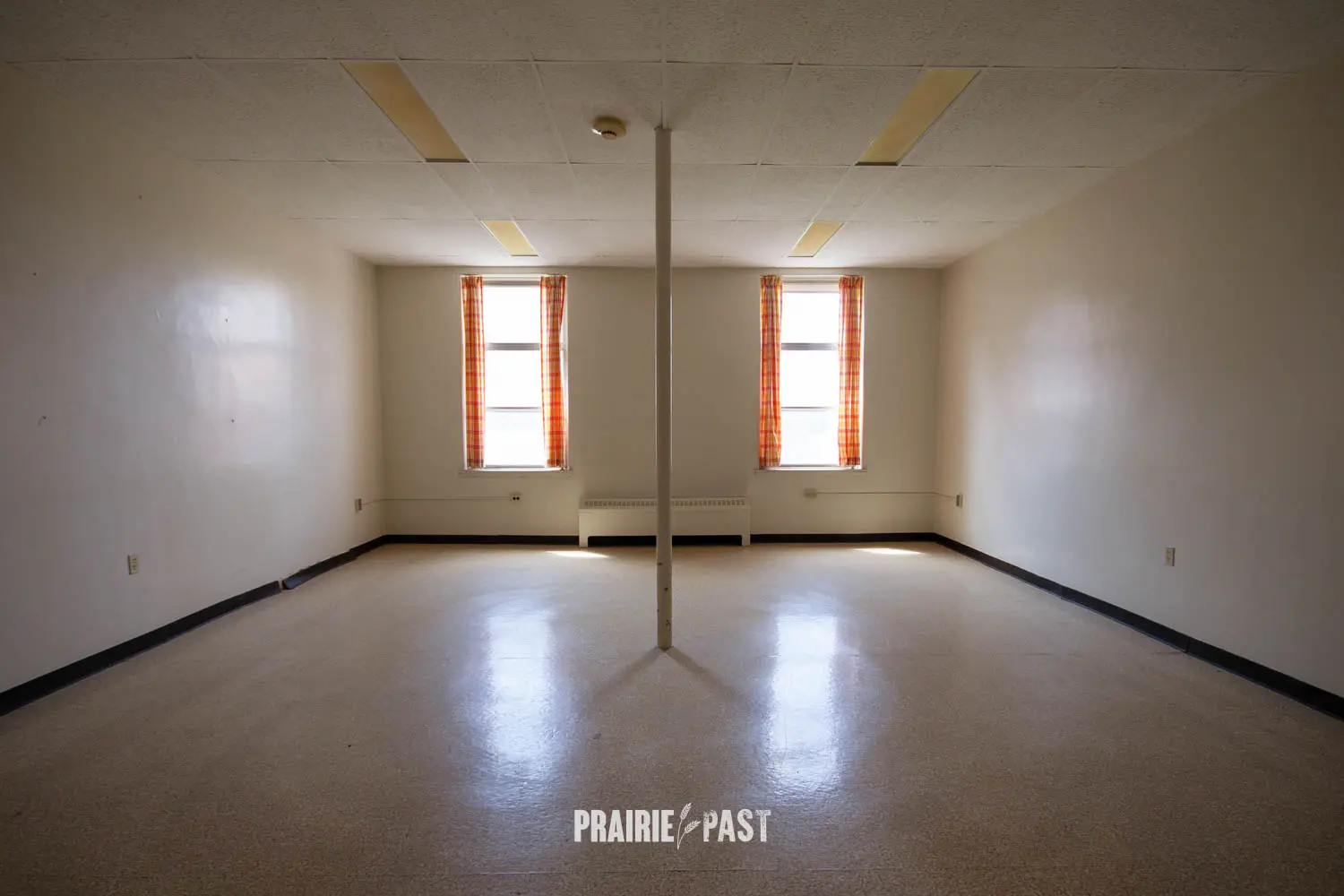
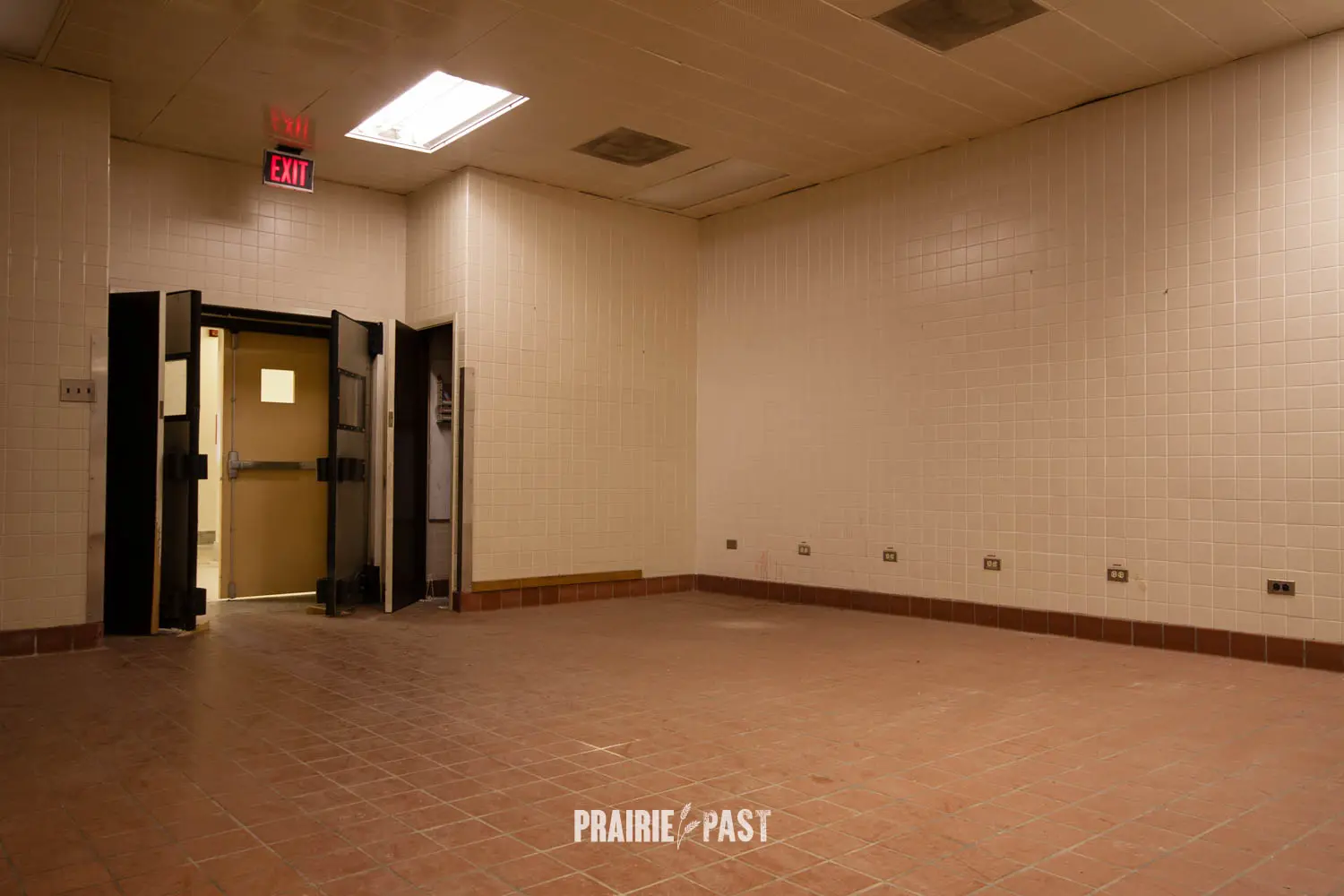
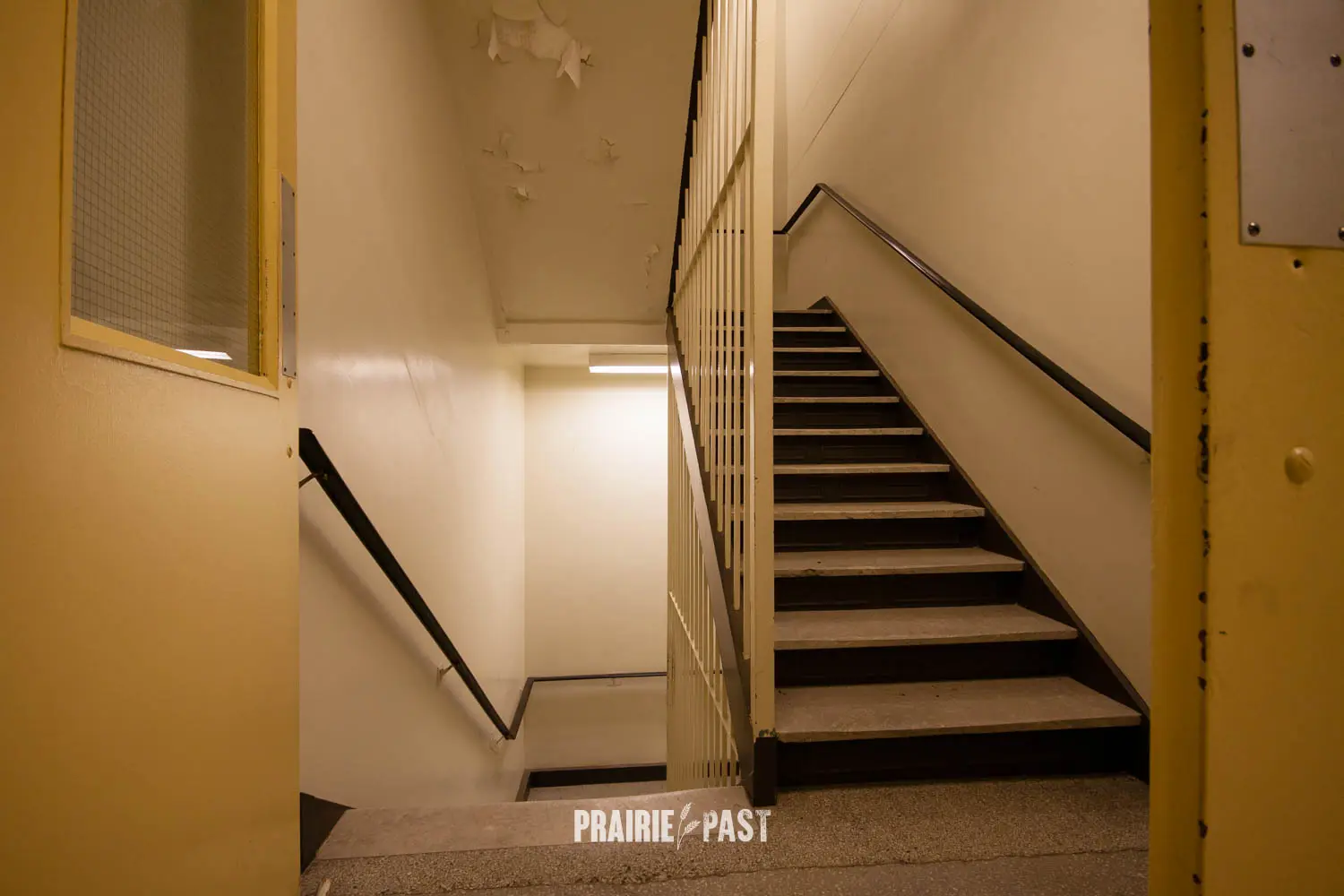
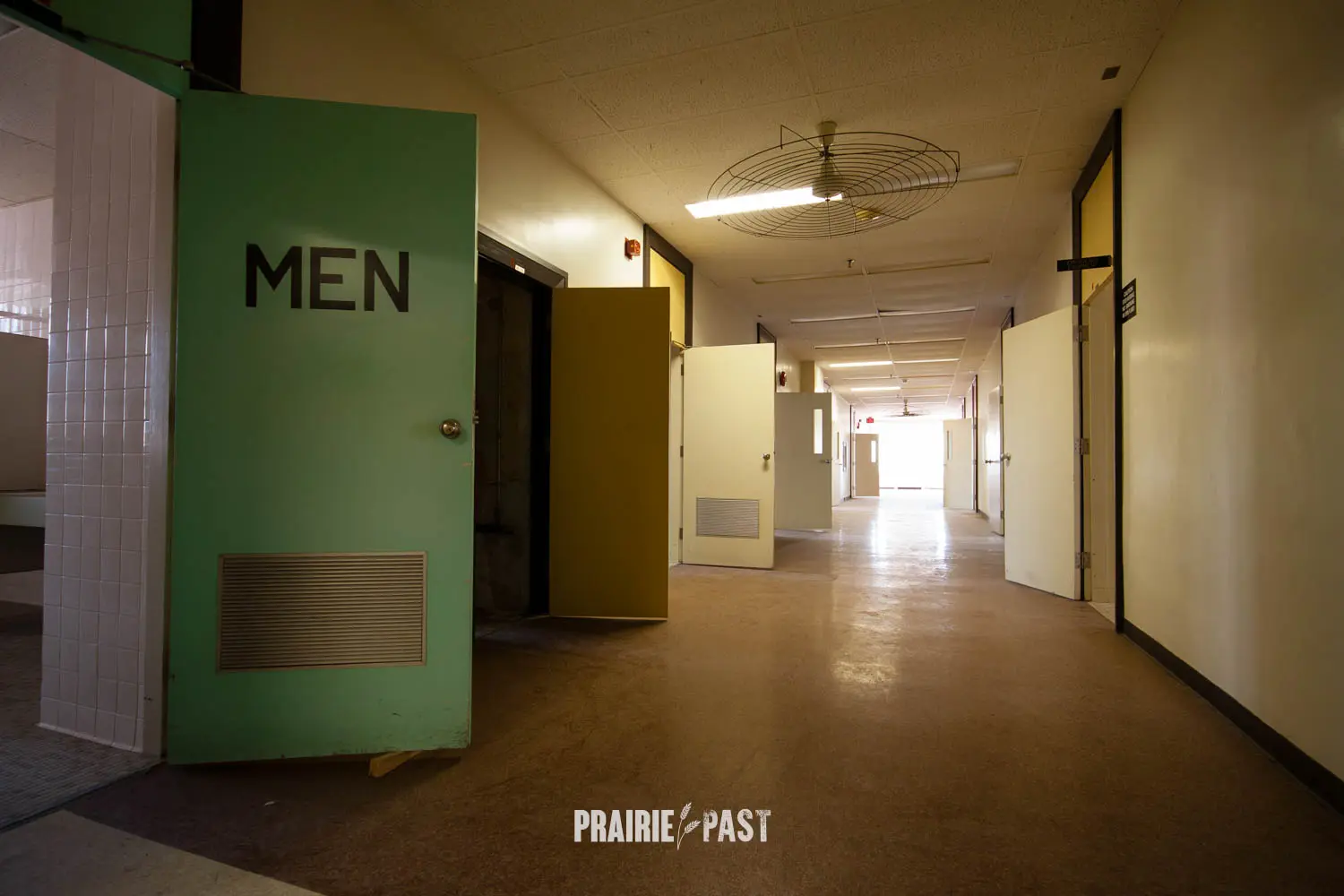
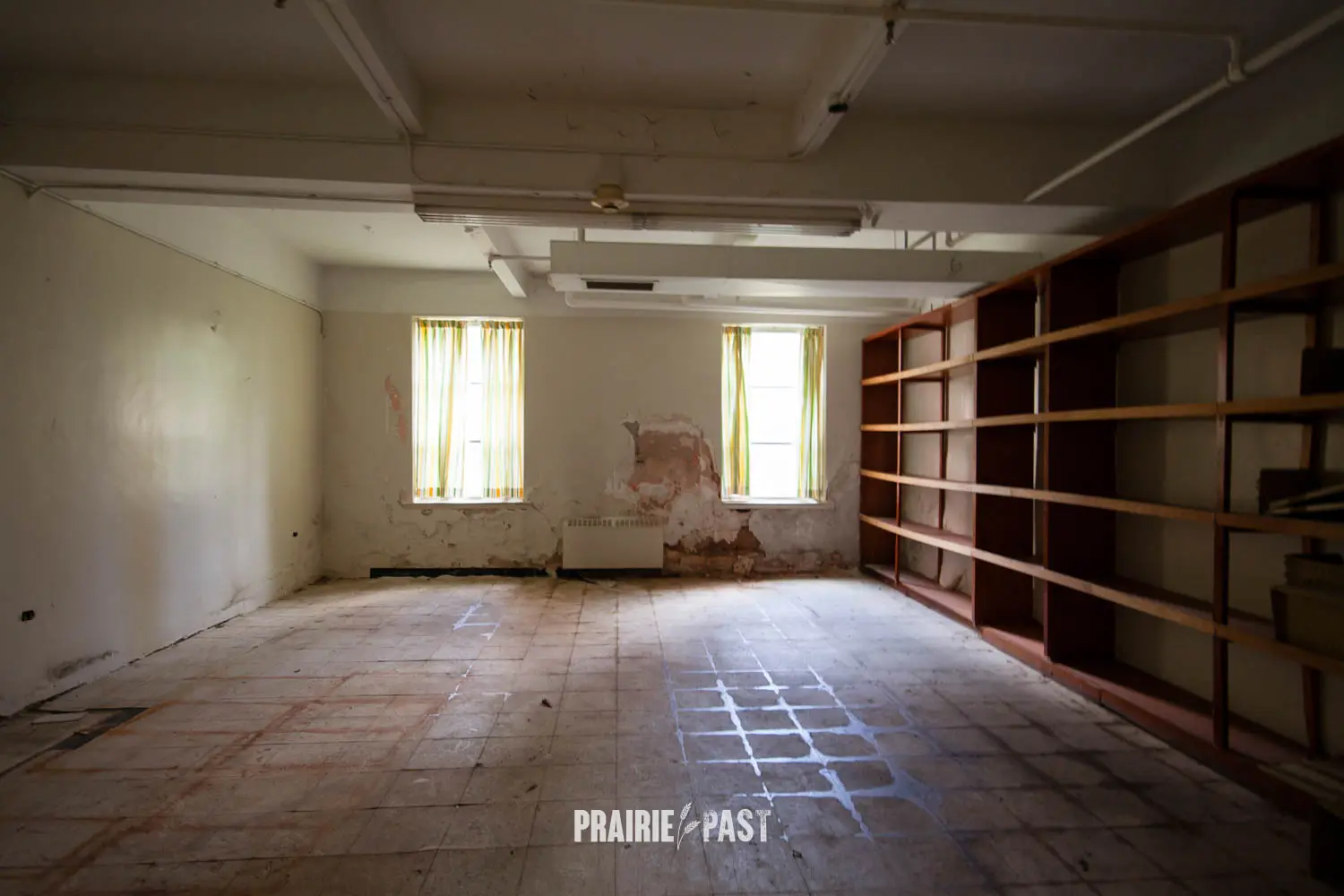
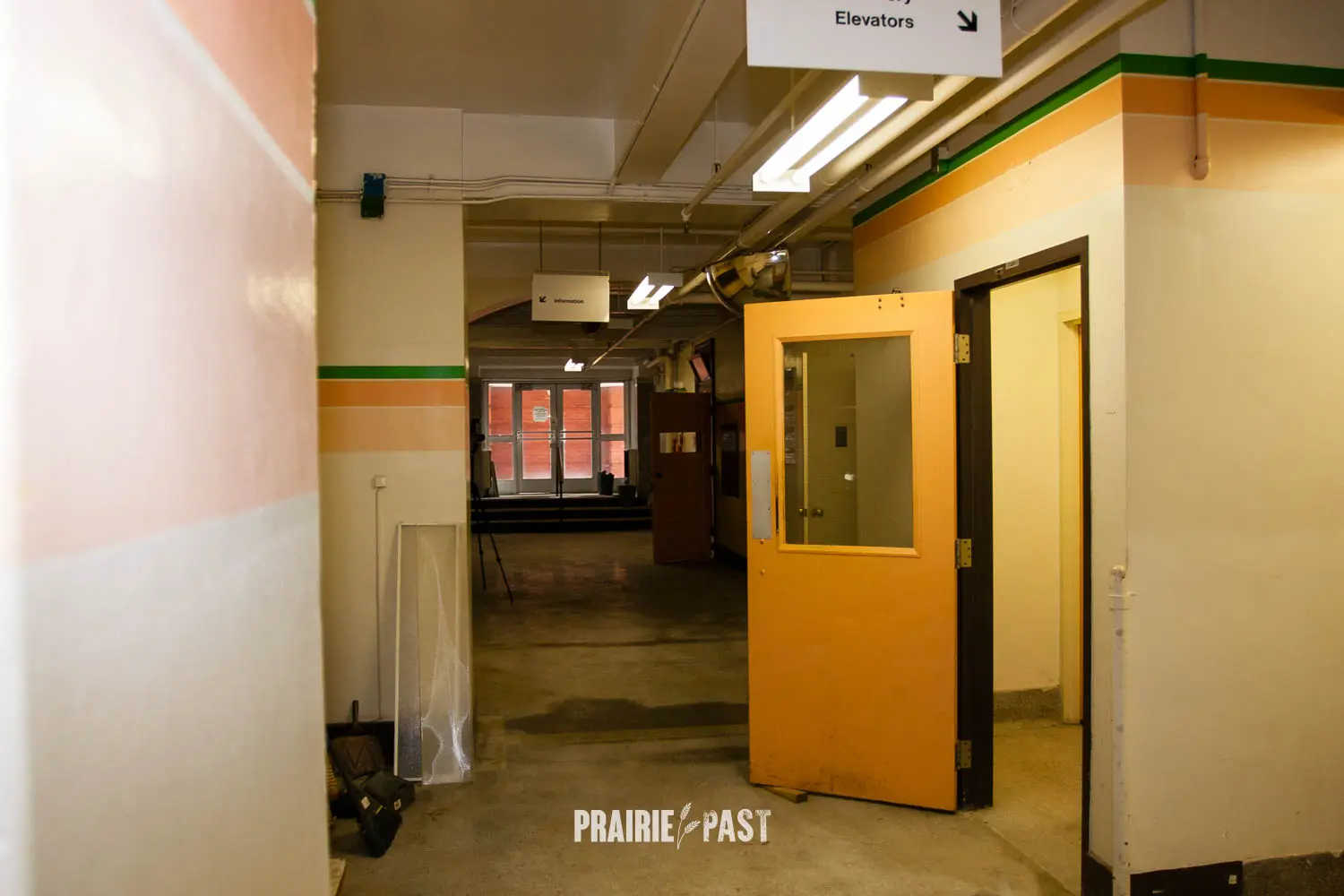
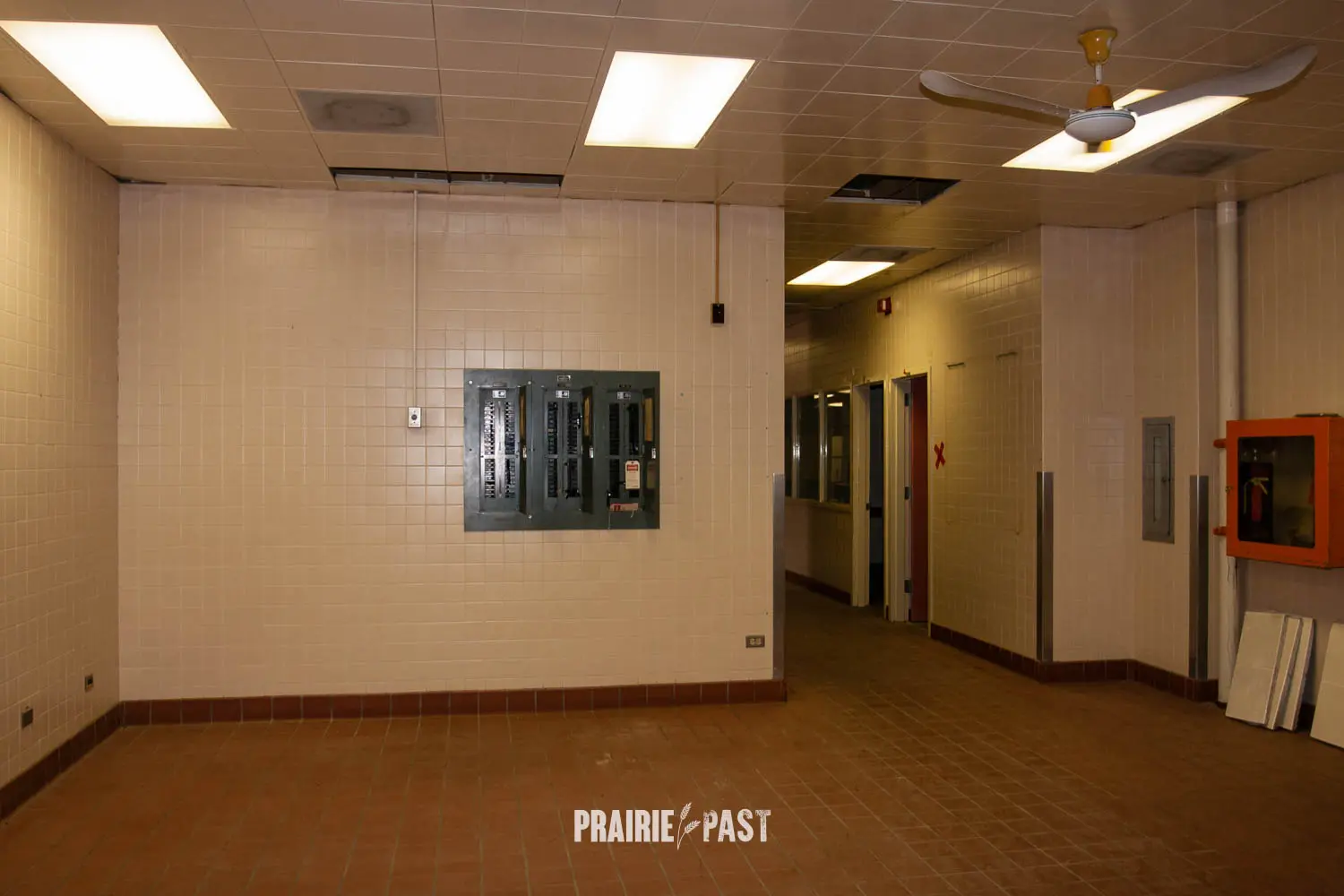
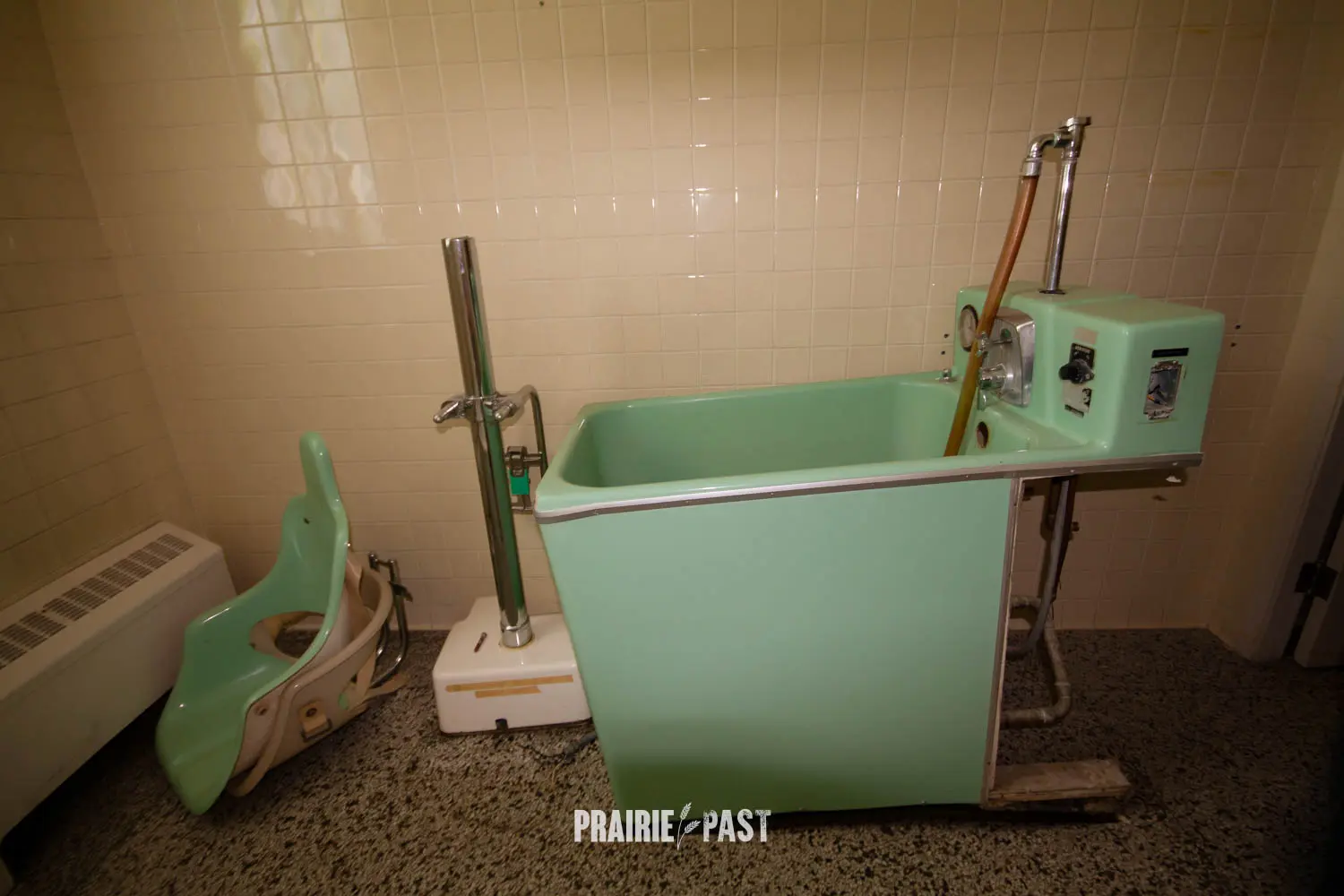
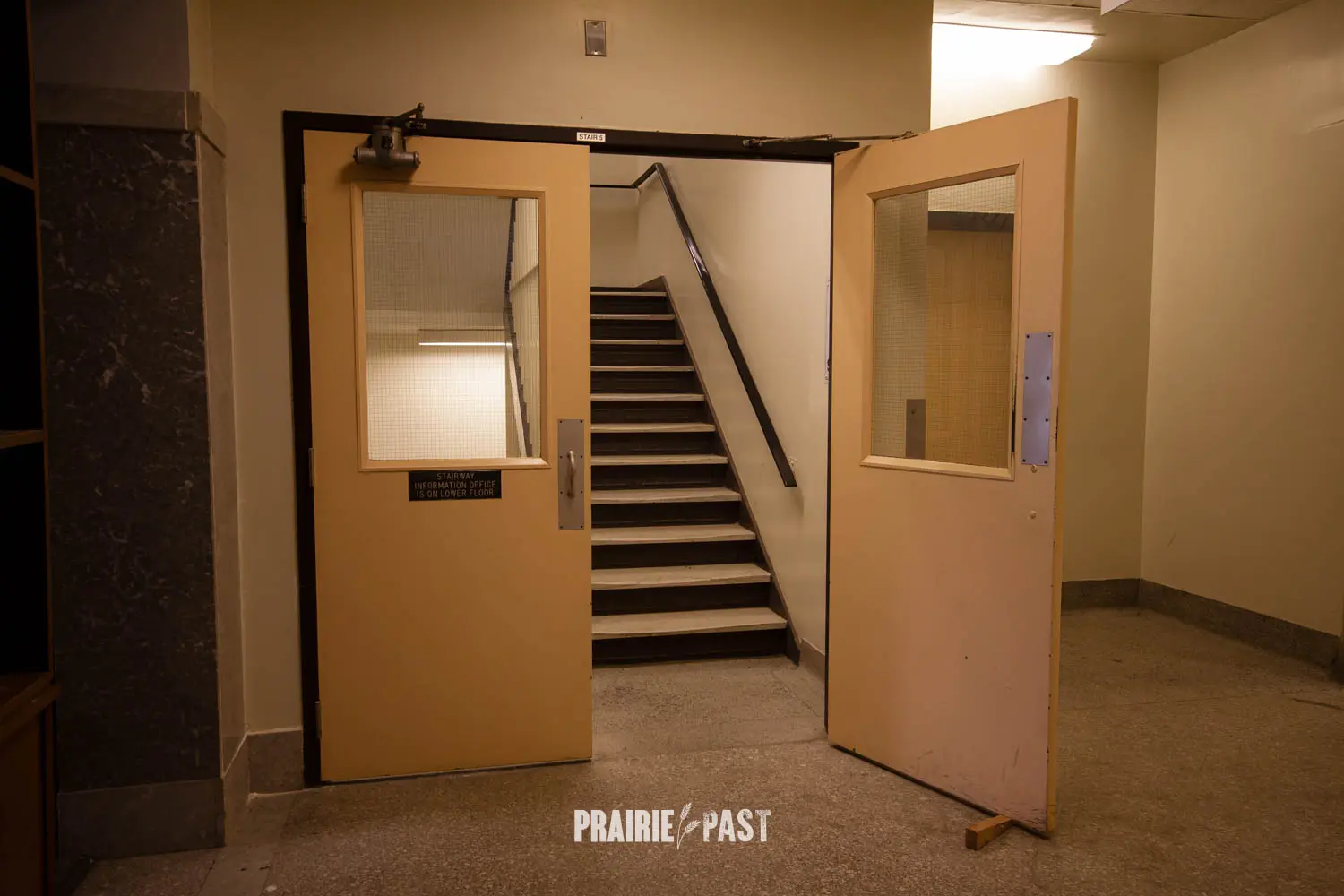
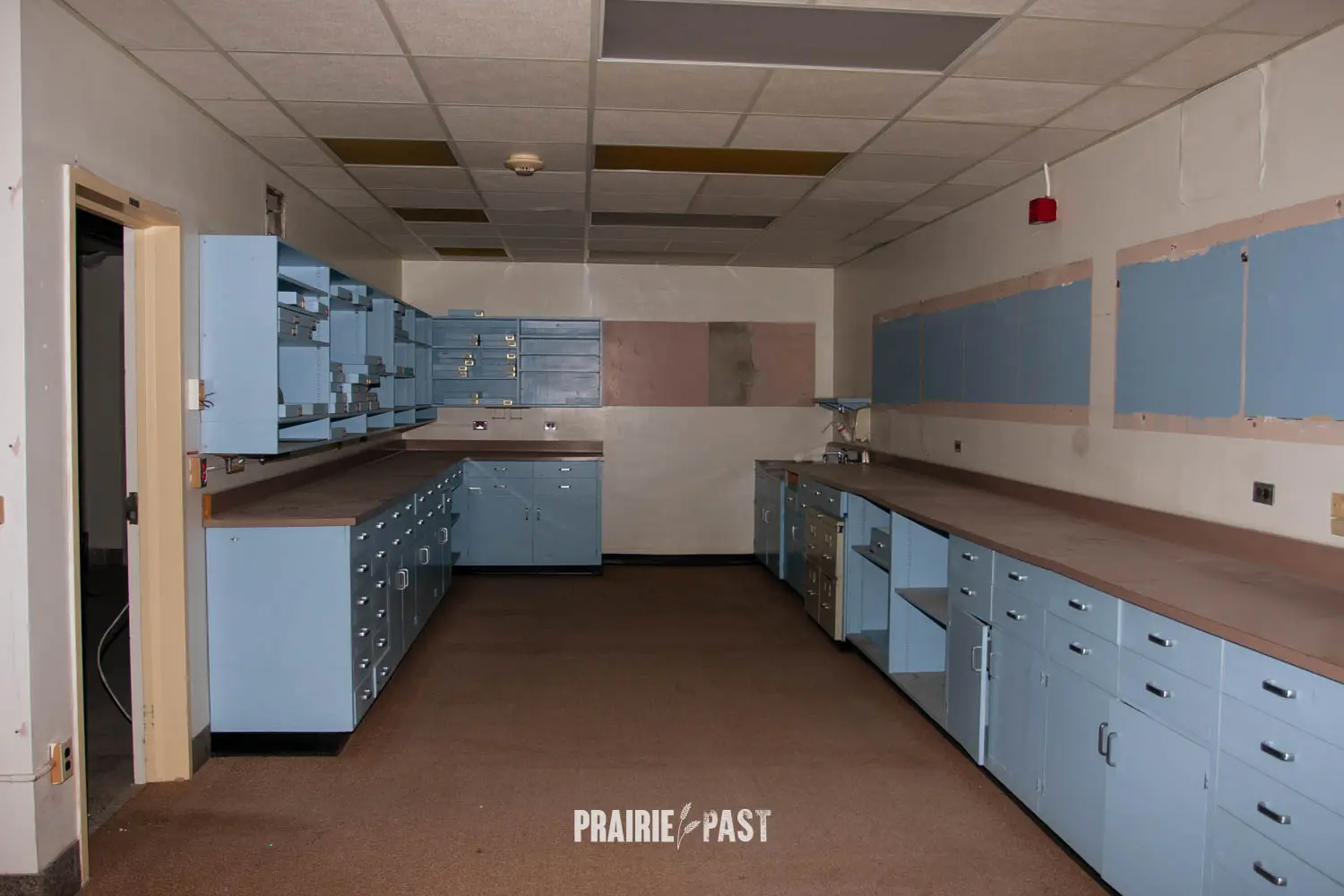
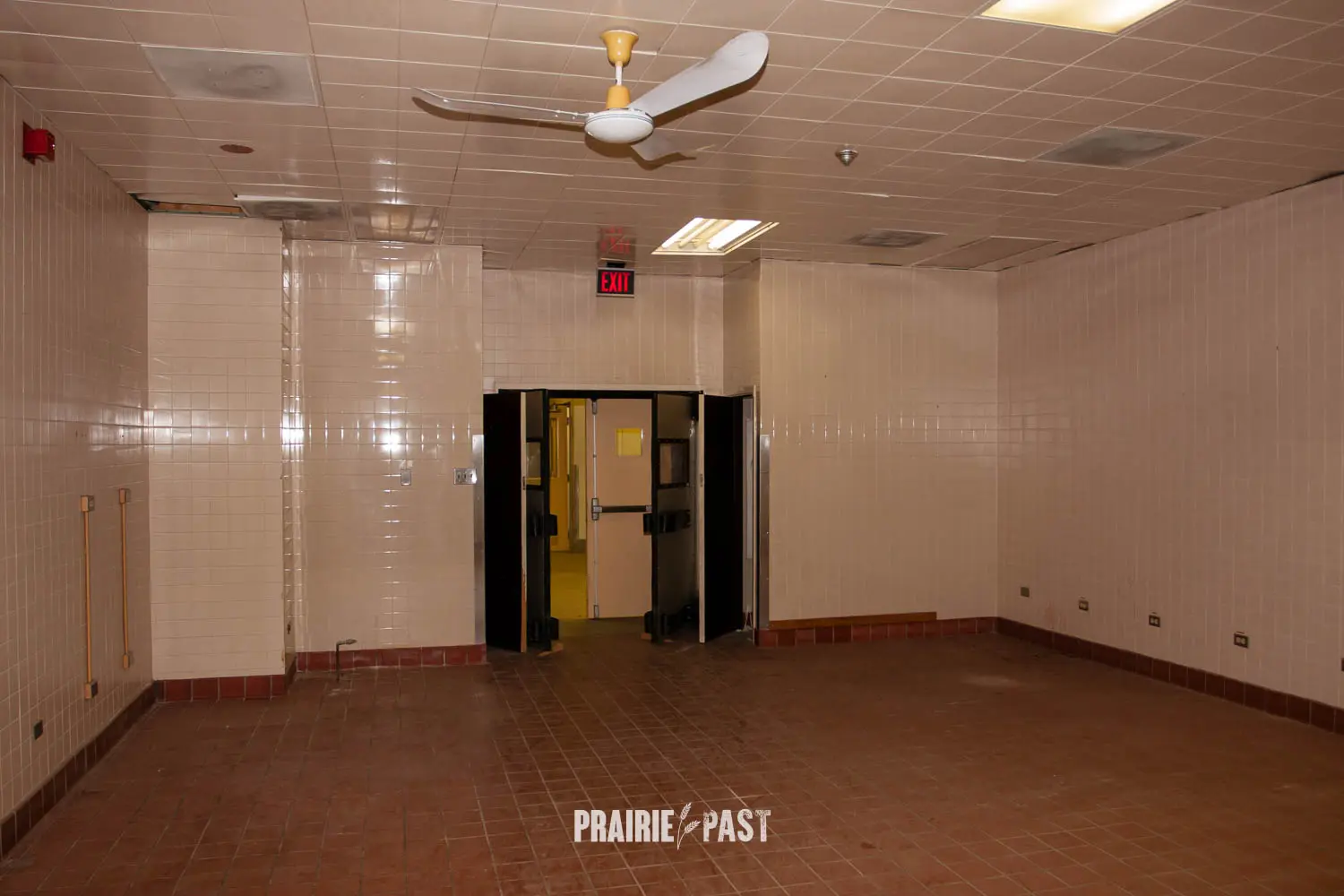
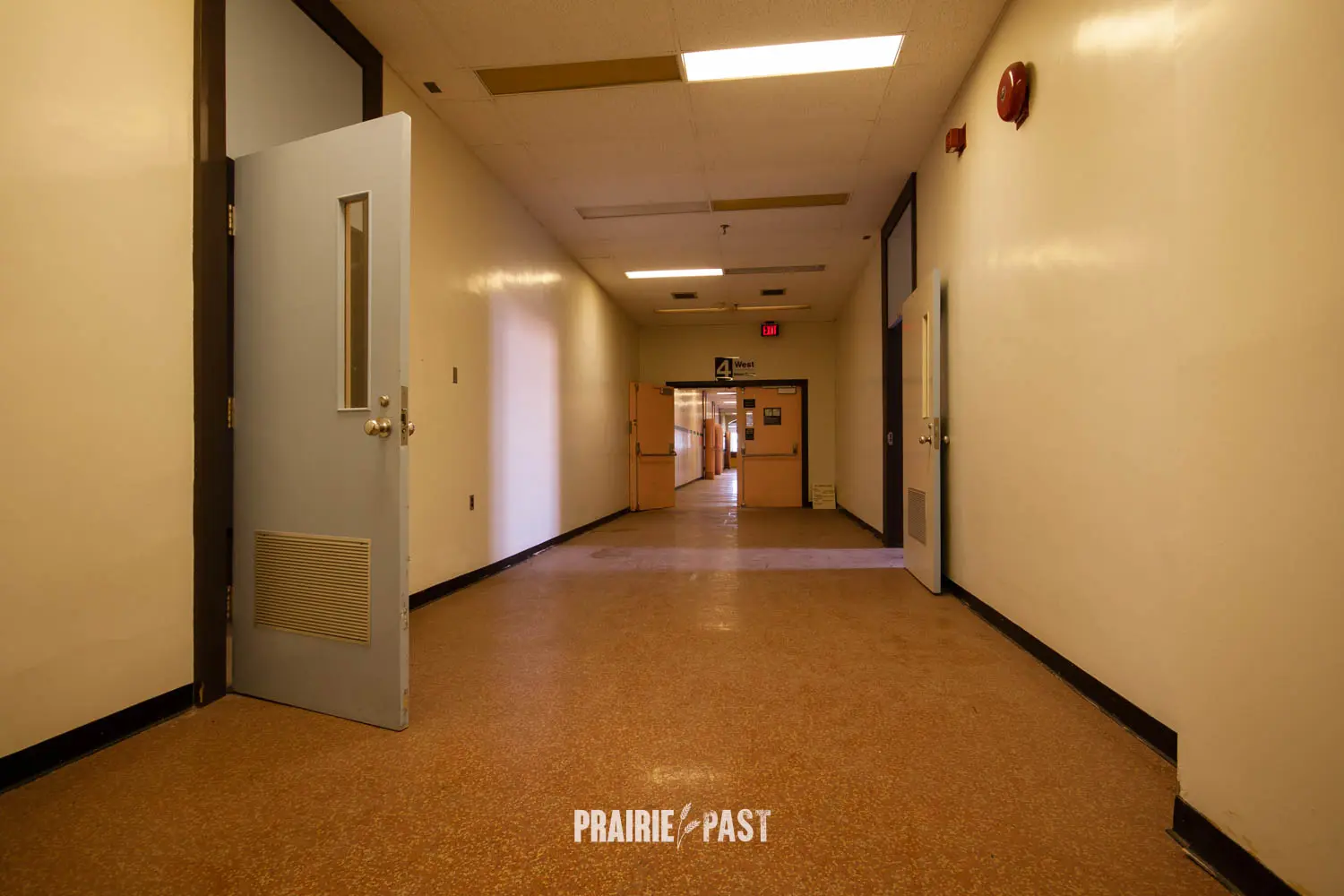
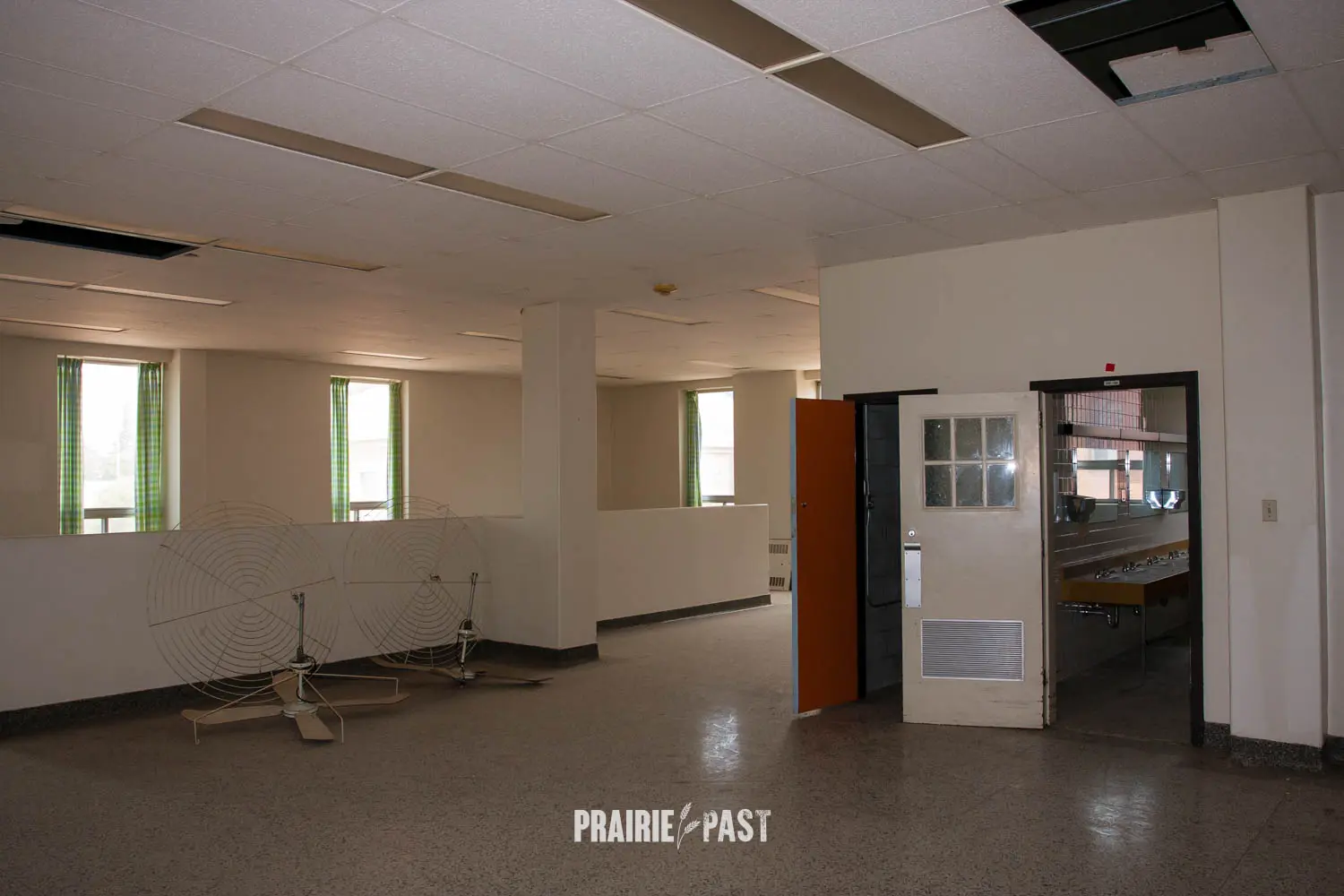
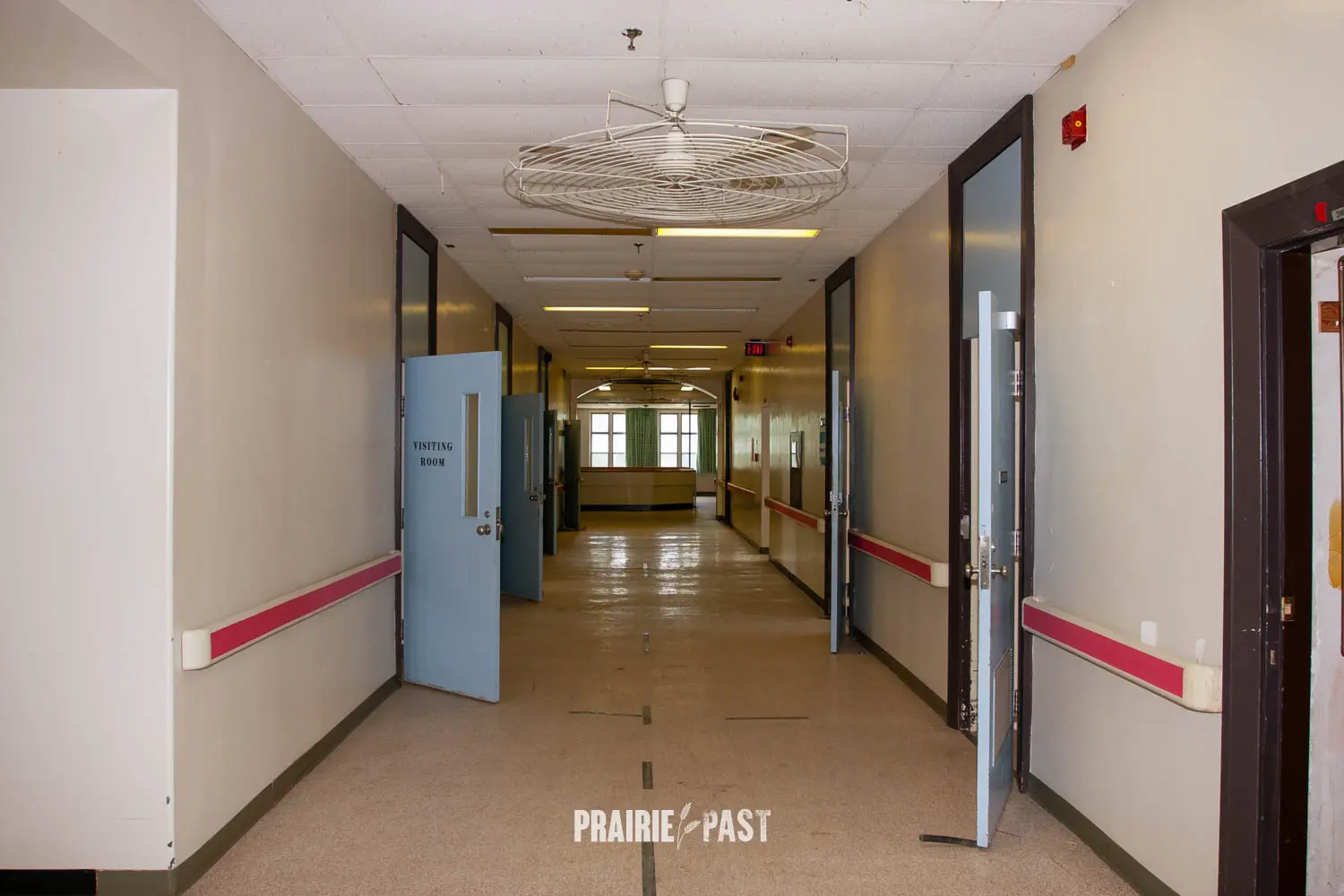
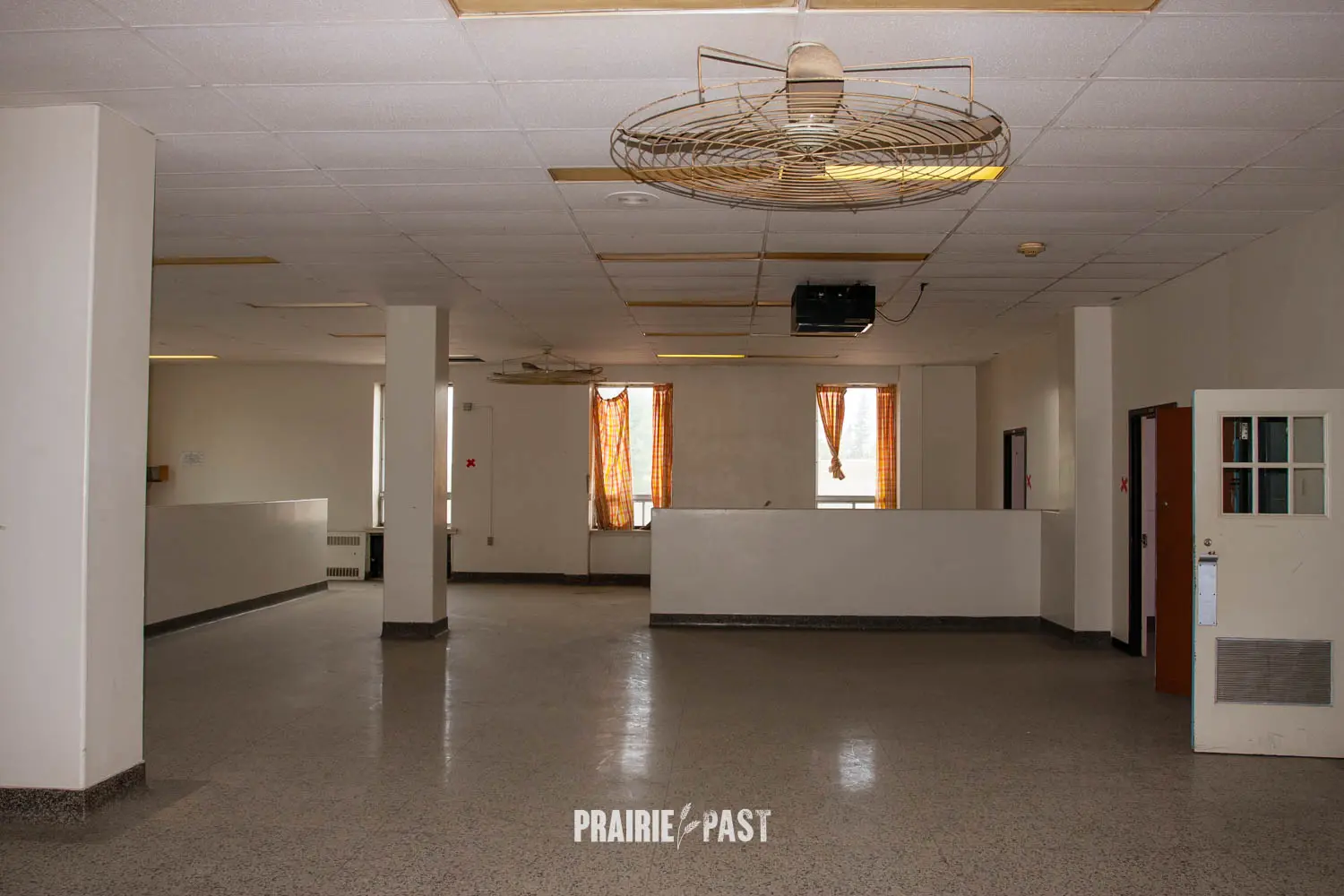
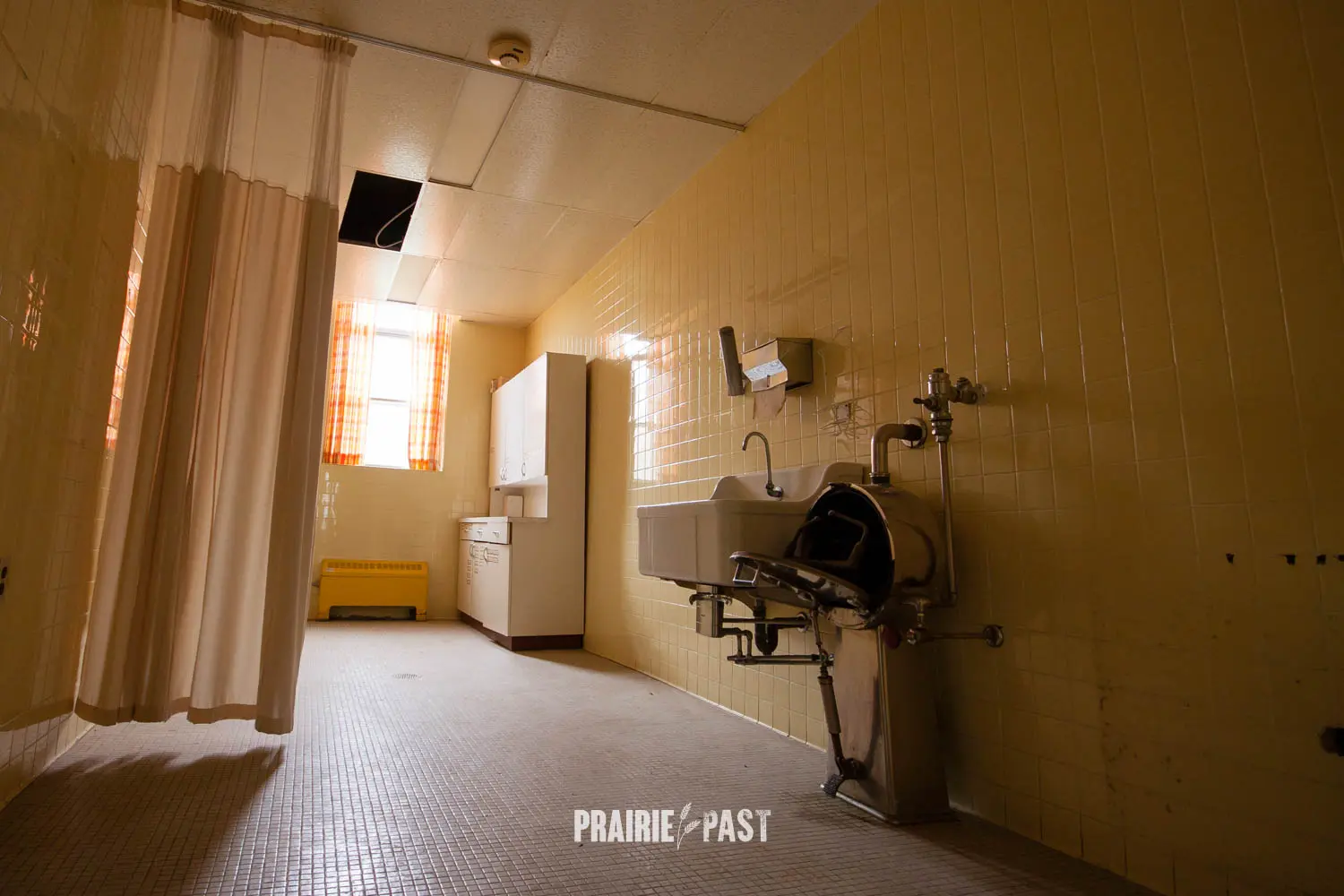
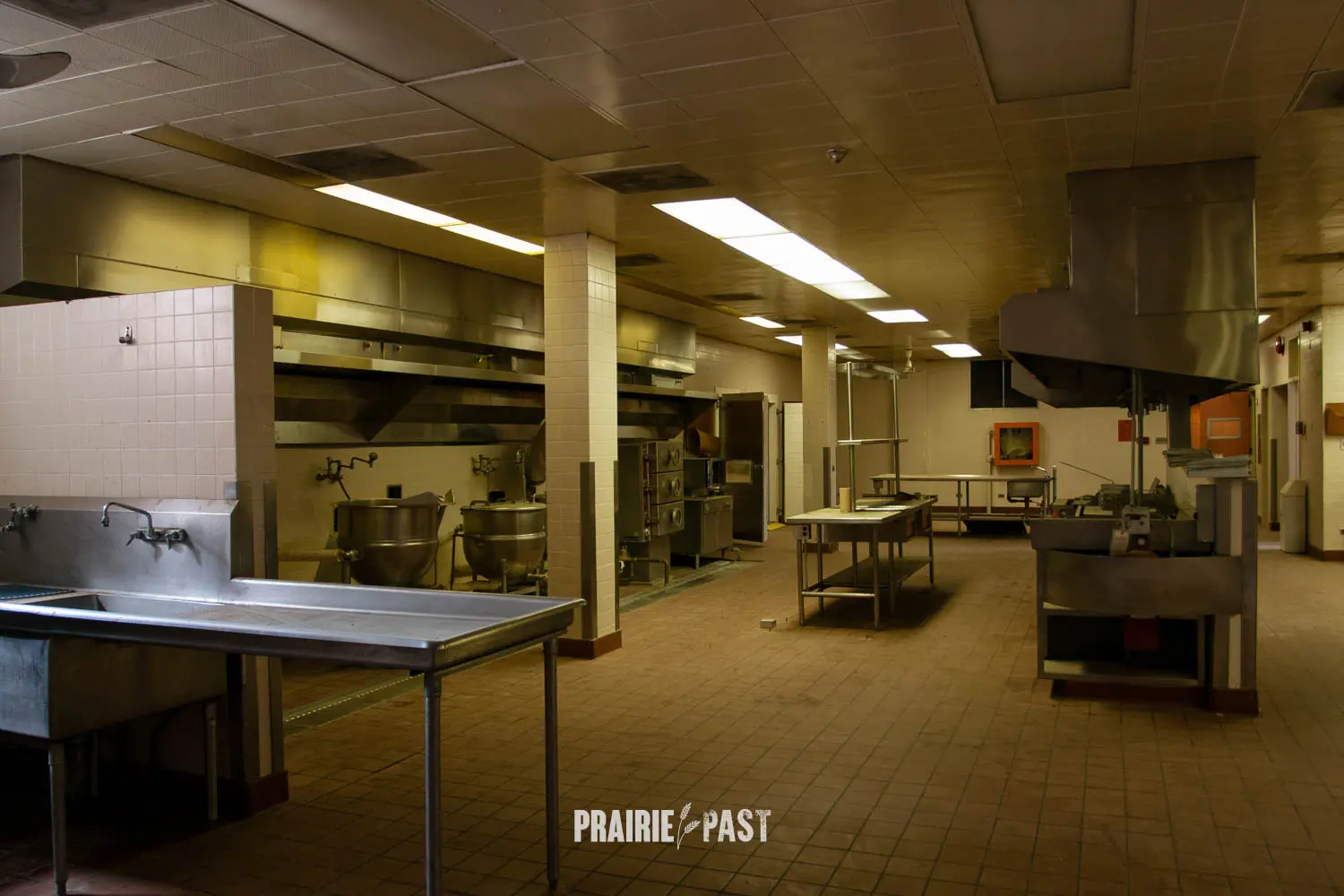
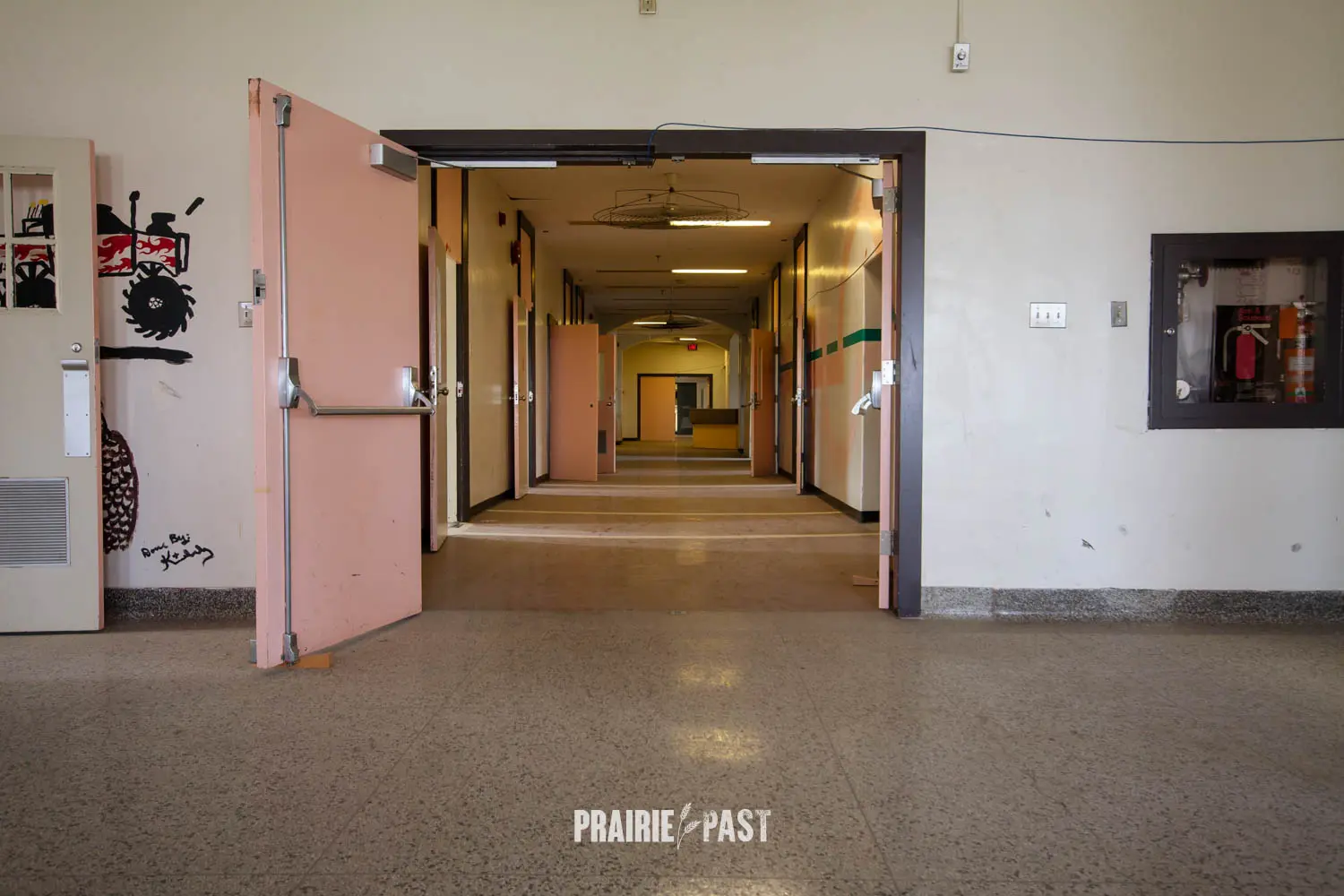
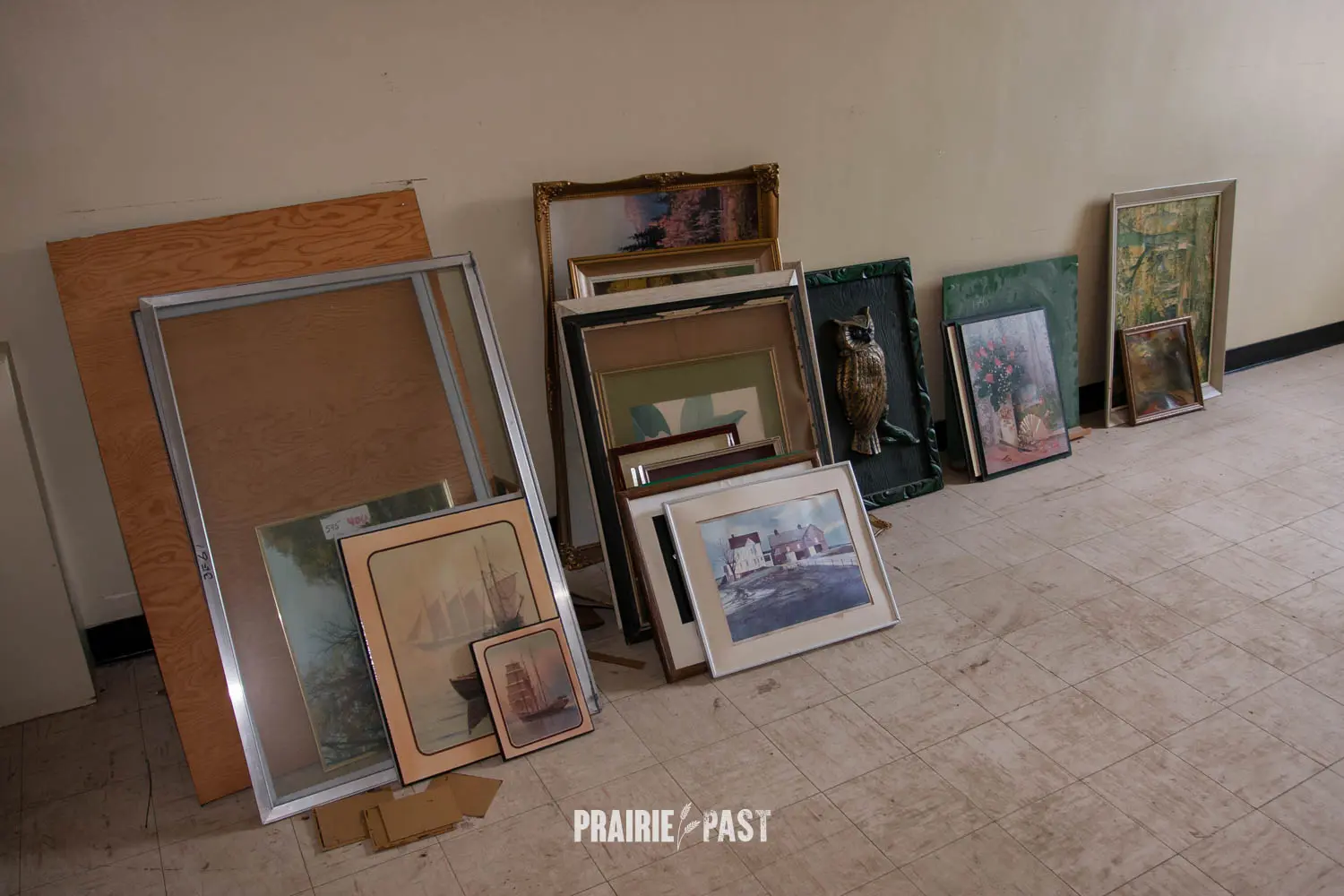
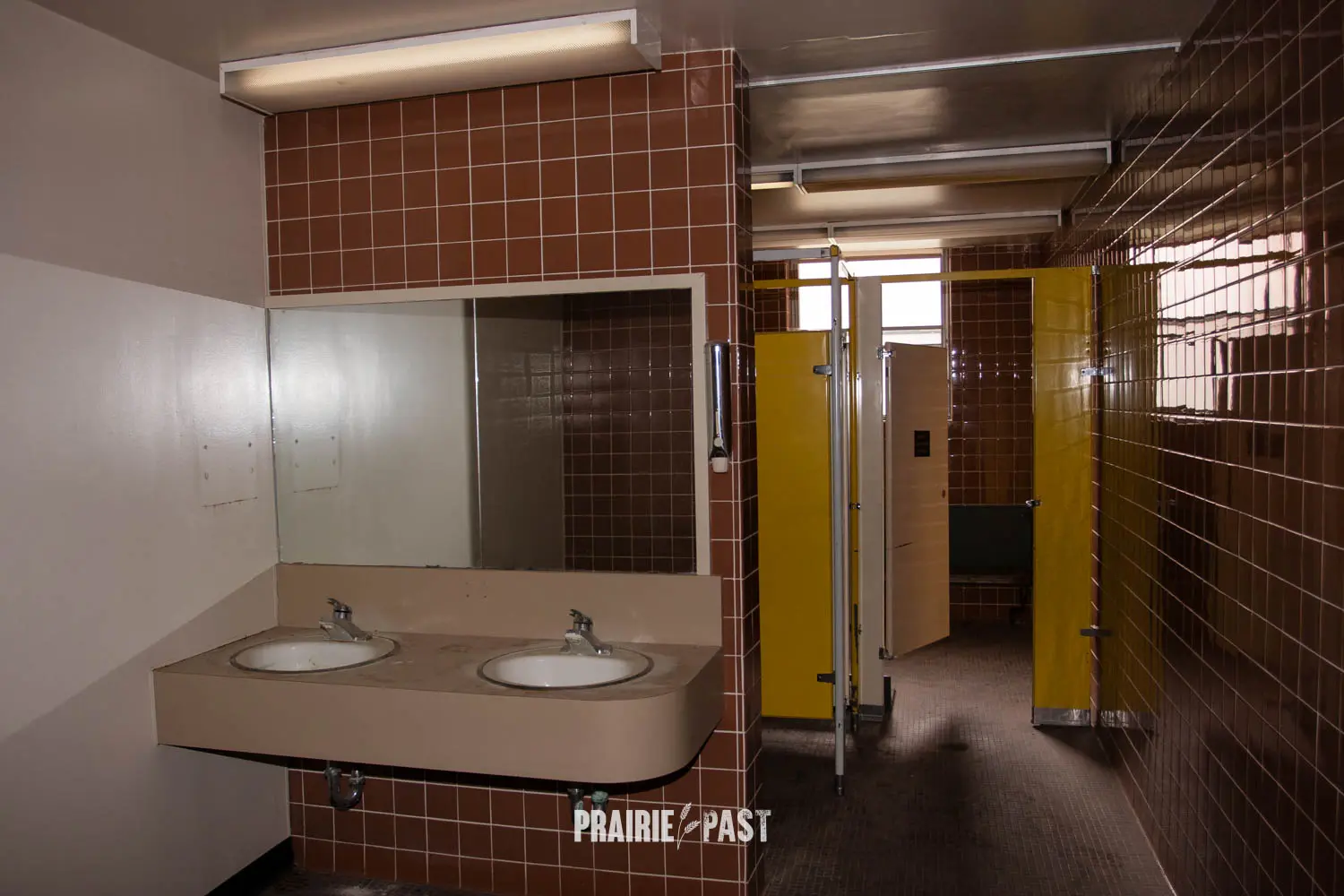
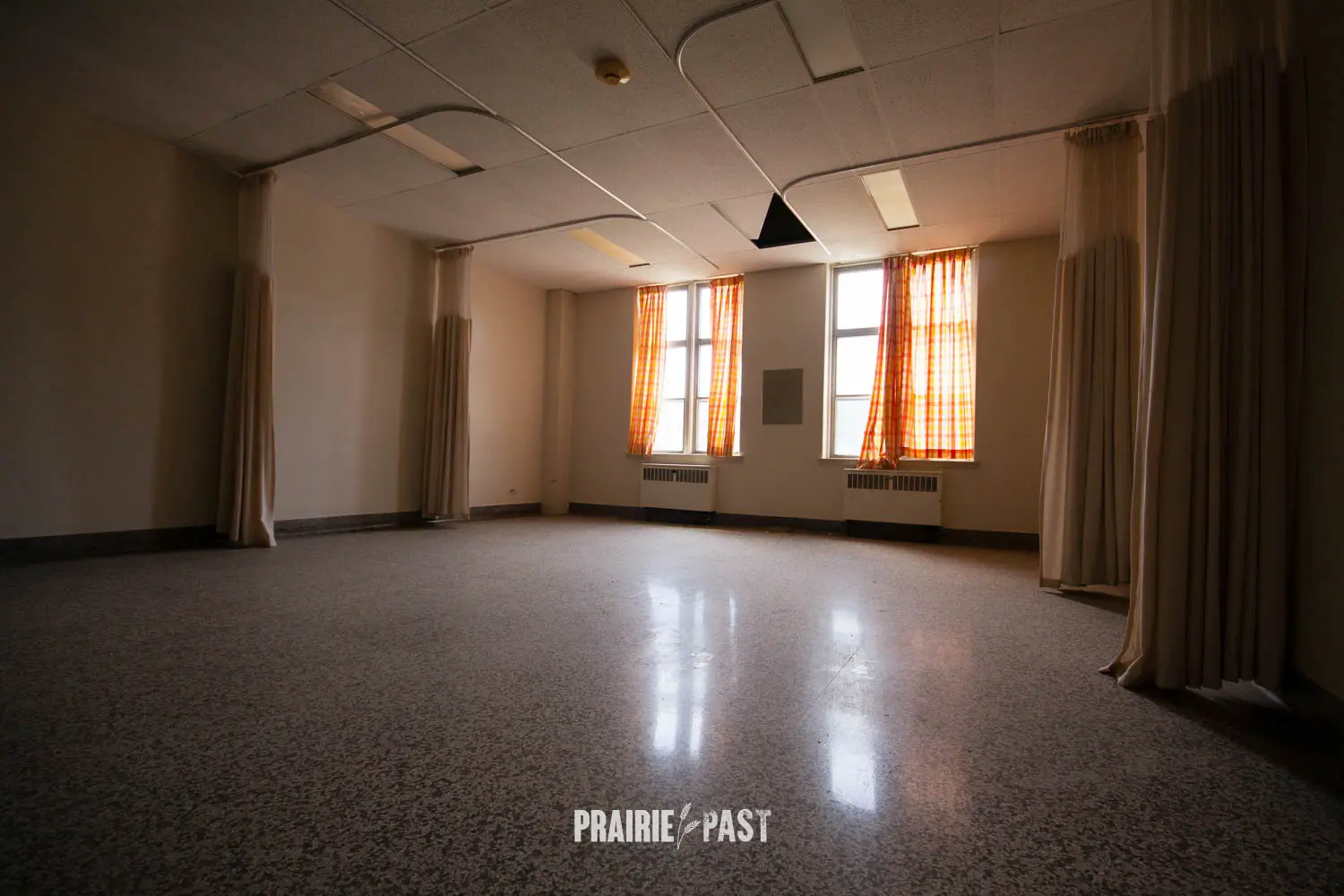
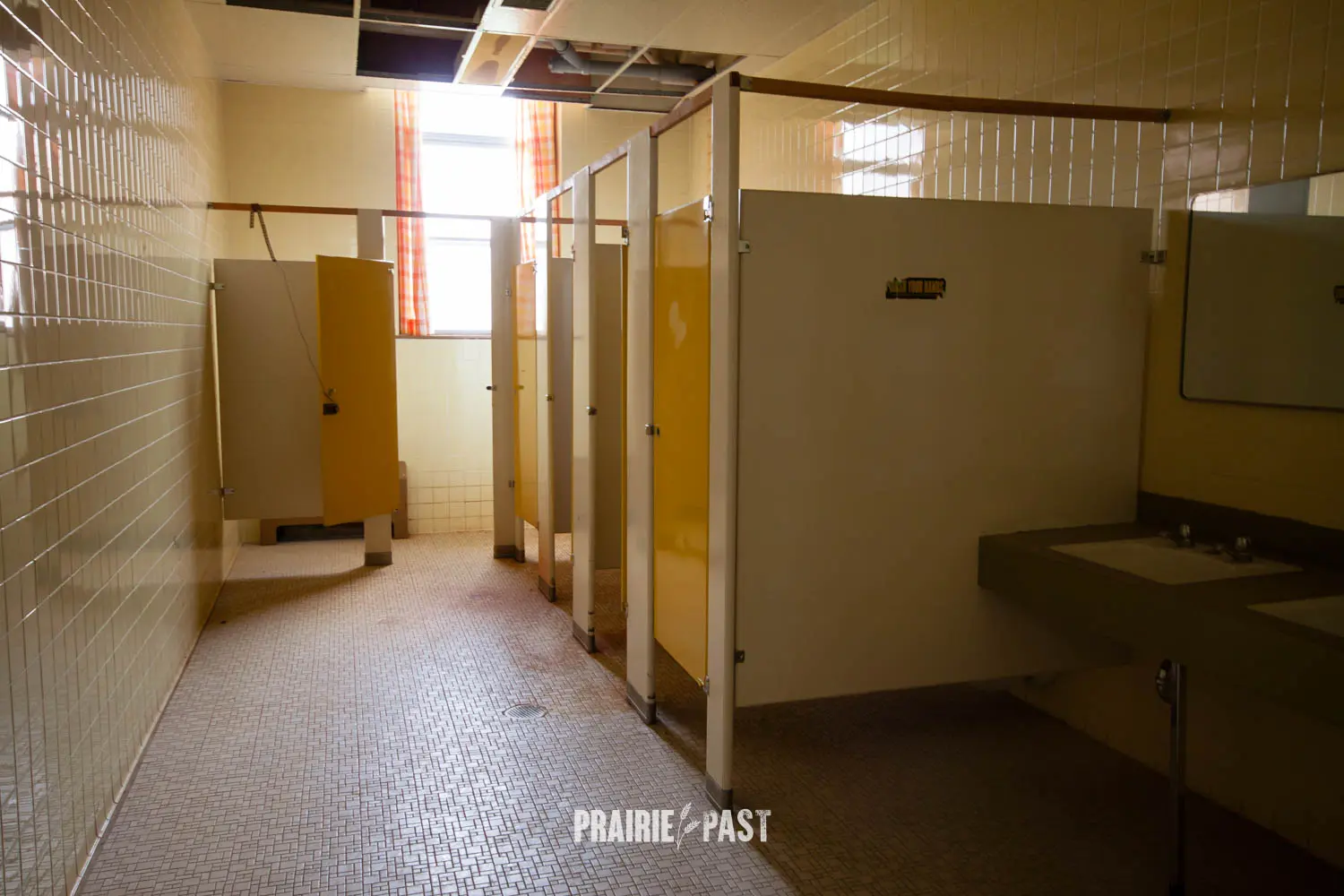
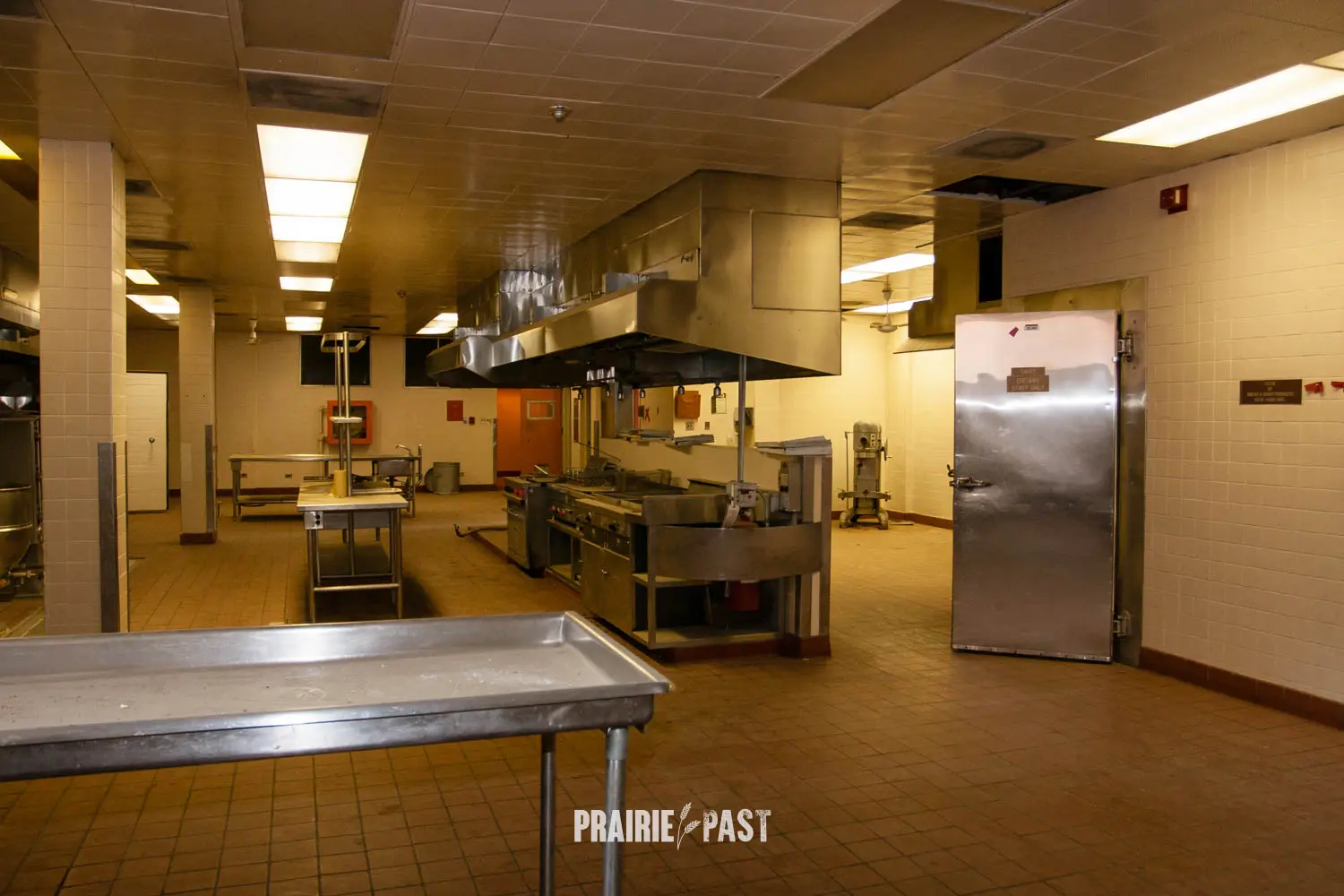
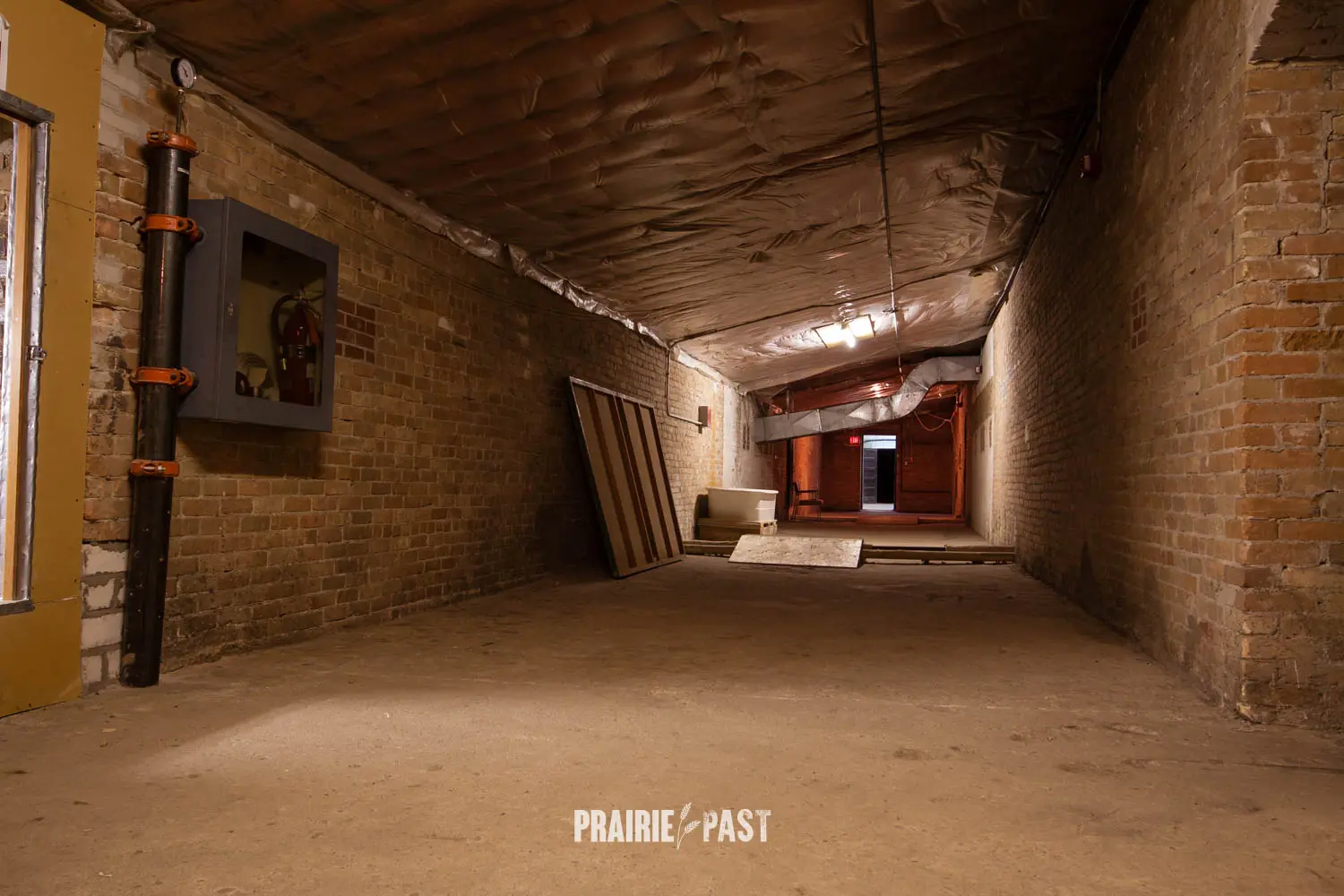
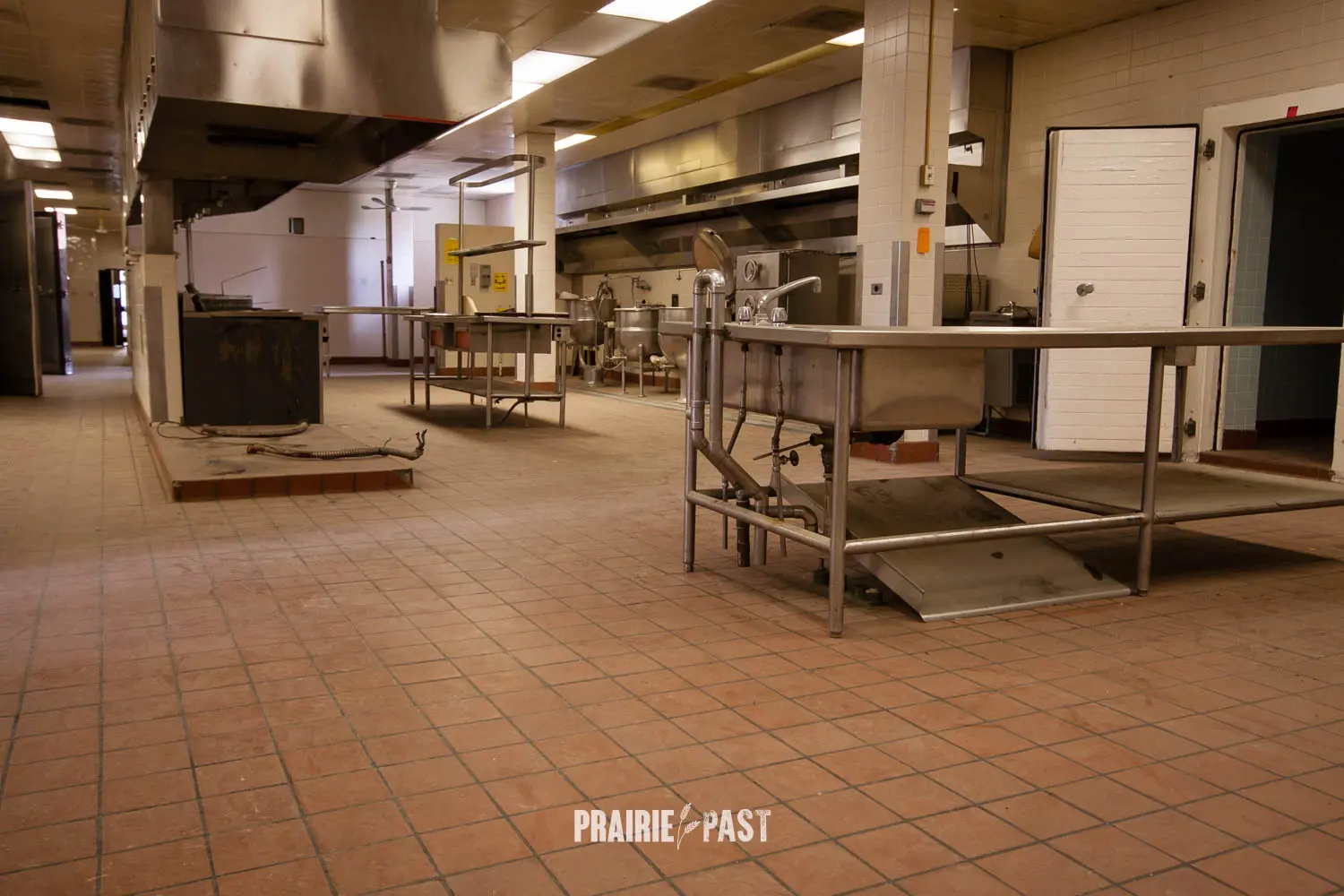
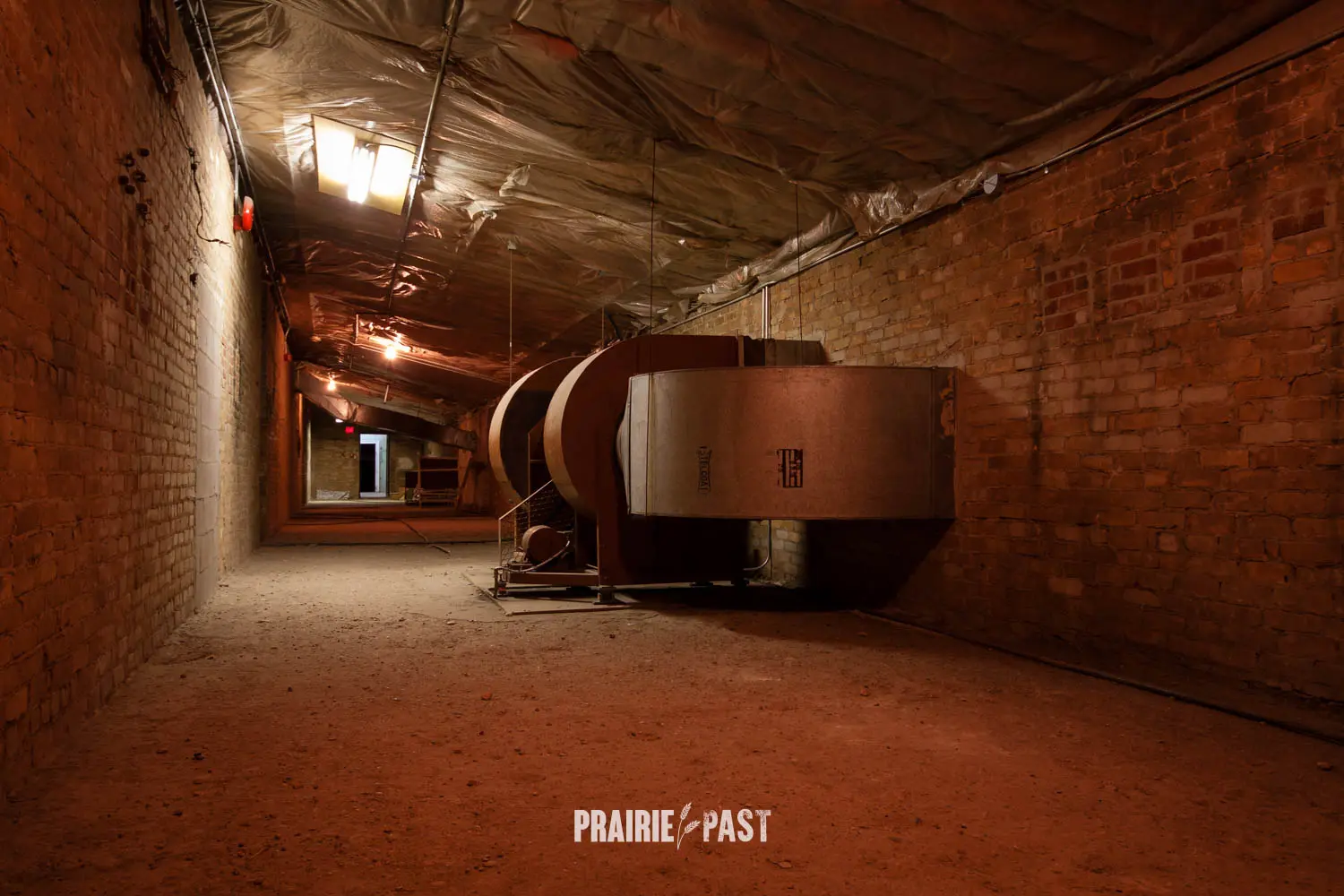
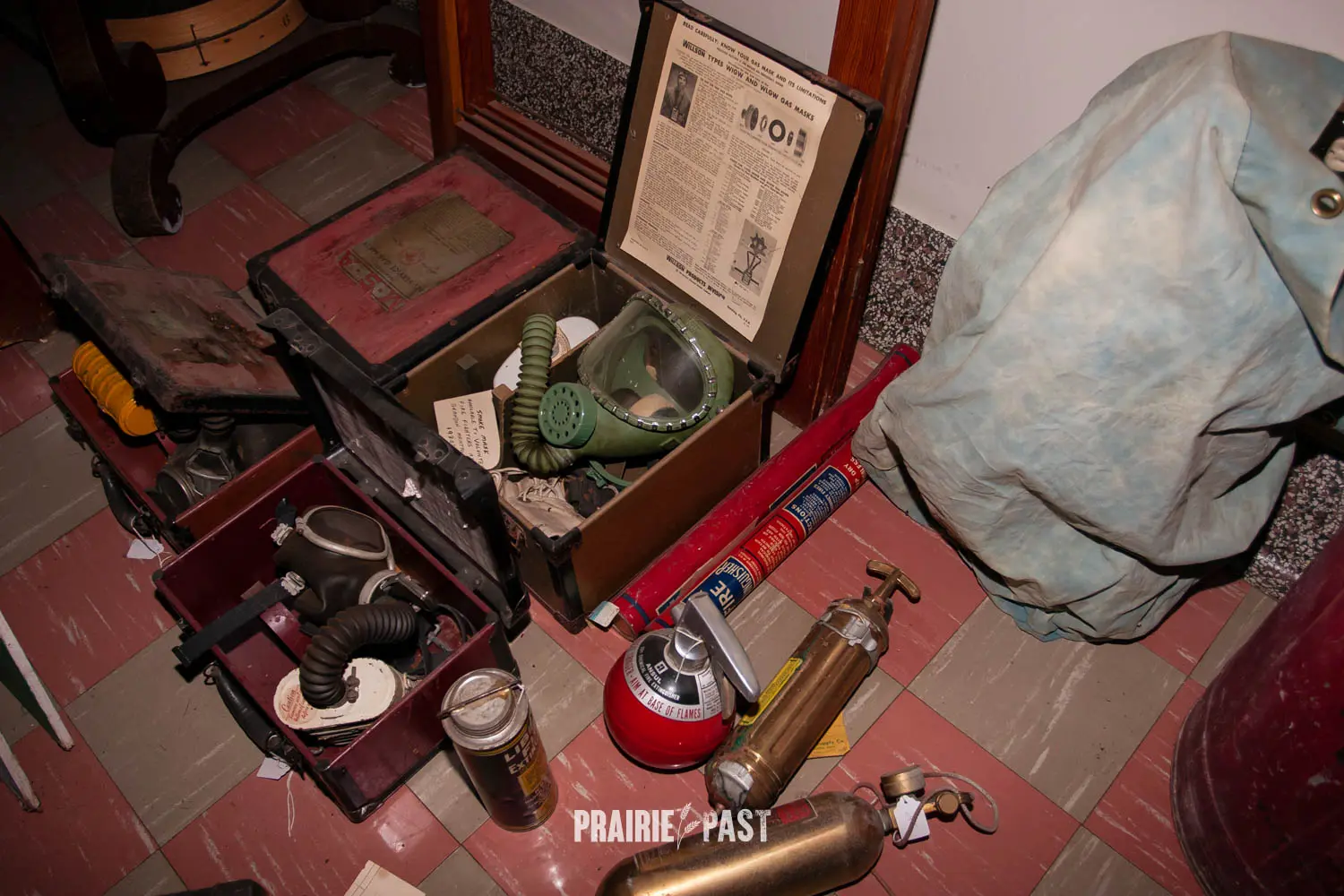
As of our last visit in 2025, the Parkland Building looked as though it was going through asbestos abatement, a necessary but invasive process that will strip much of the interior. Once cleared, it will be repurposed as part of Assiniboine Community College’s expanding North Hill campus. Classrooms, labs, and learning spaces will replace the dormitories and therapy rooms. A space once devoted to institutionalization will become a center of opportunity and learning.
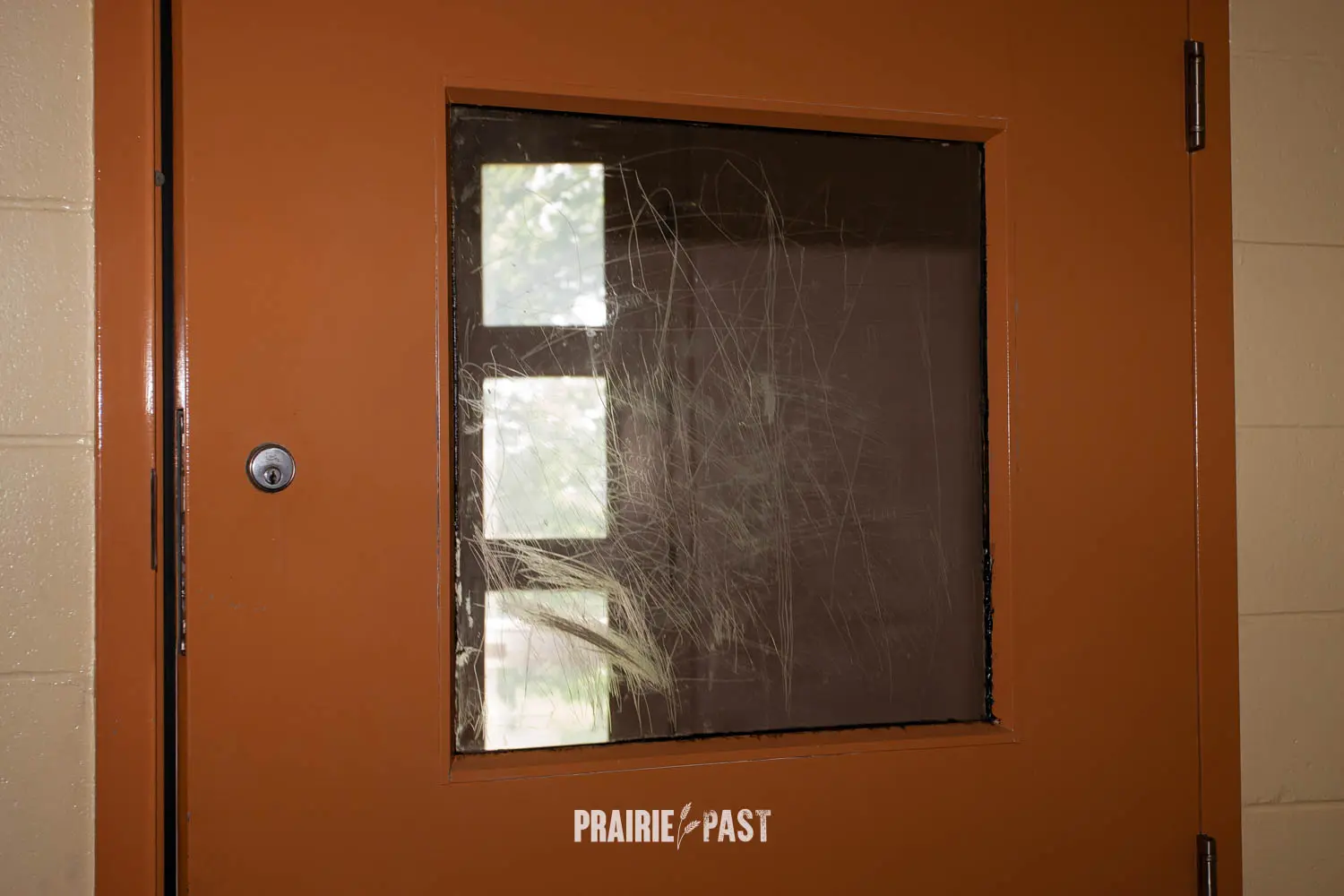
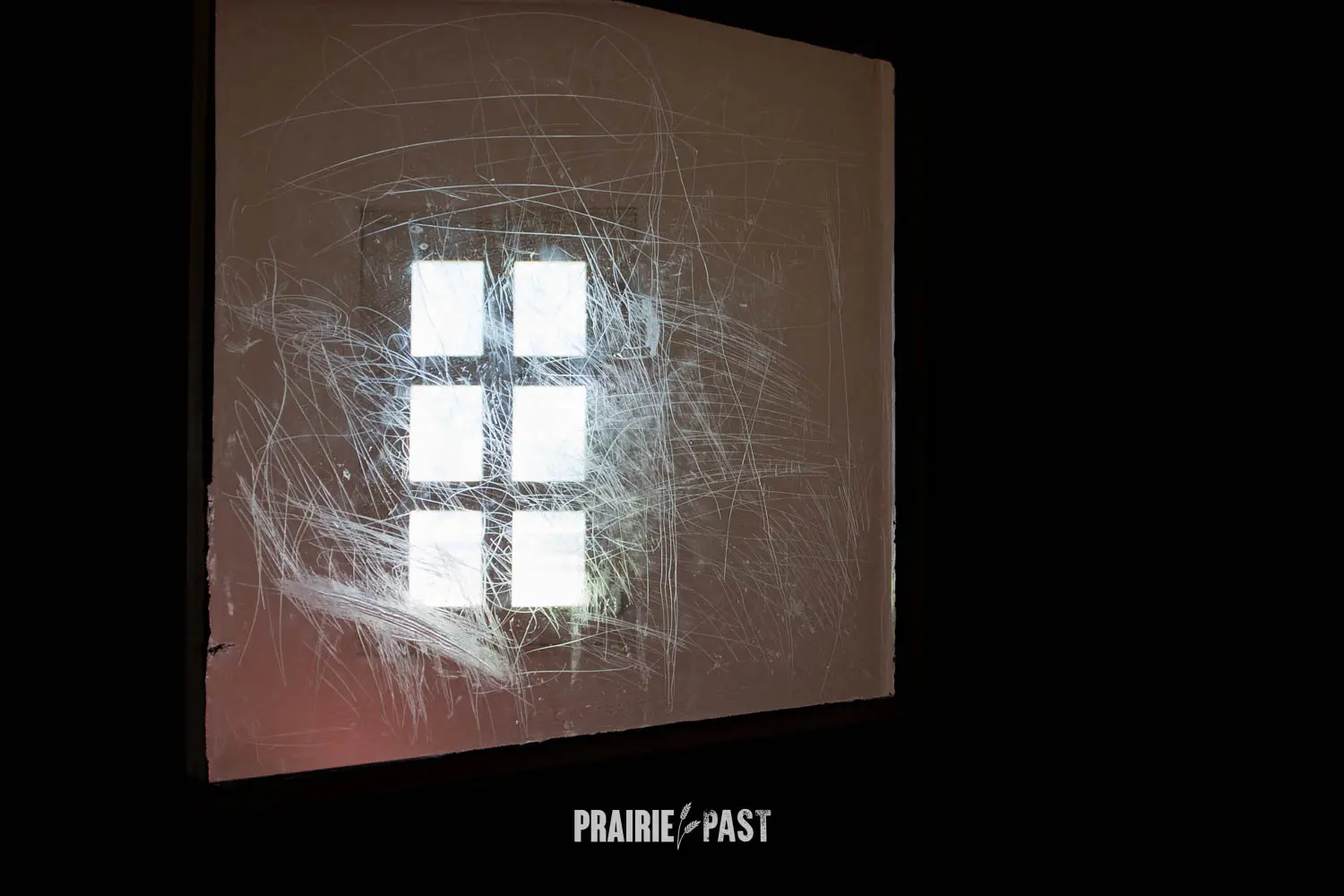
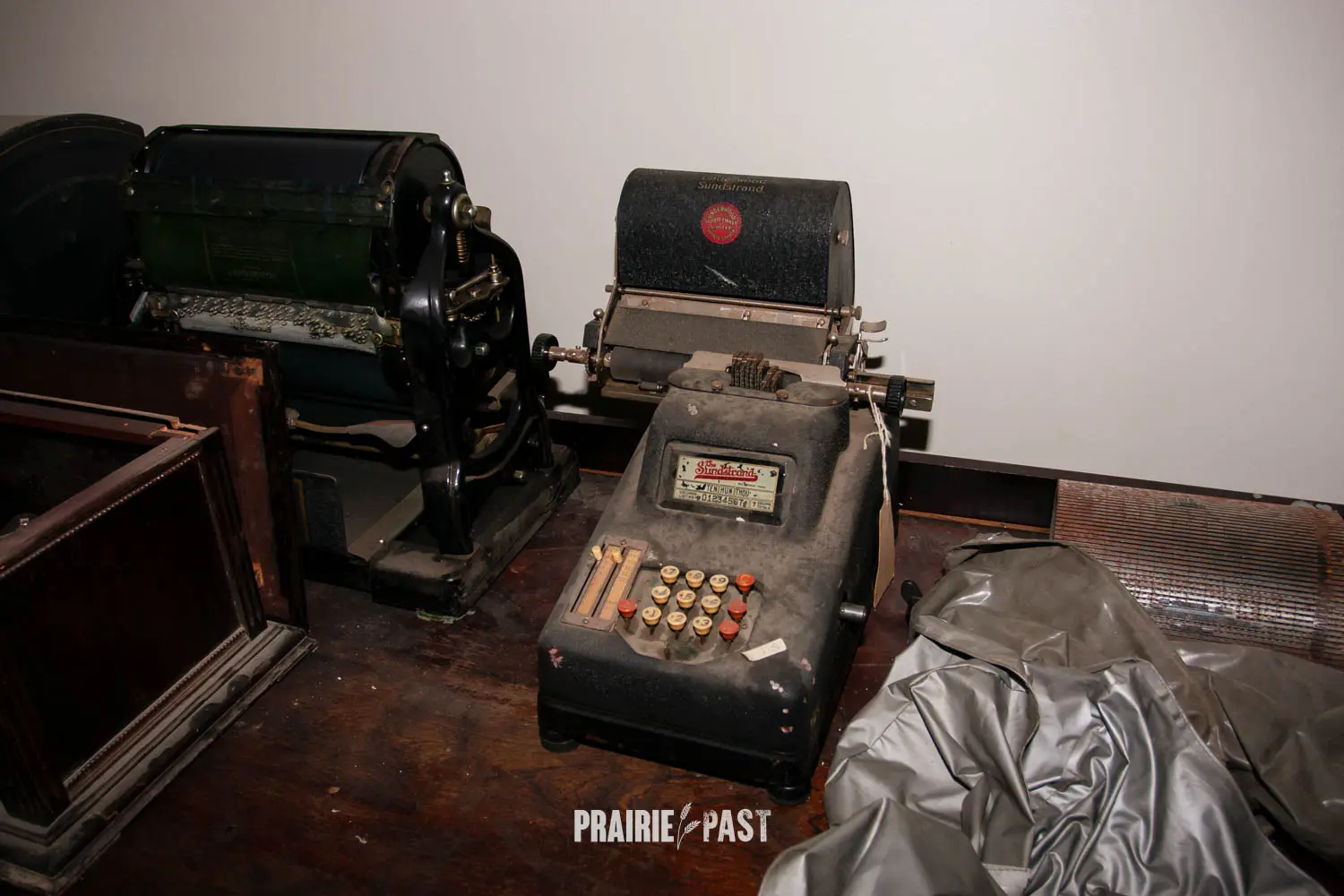
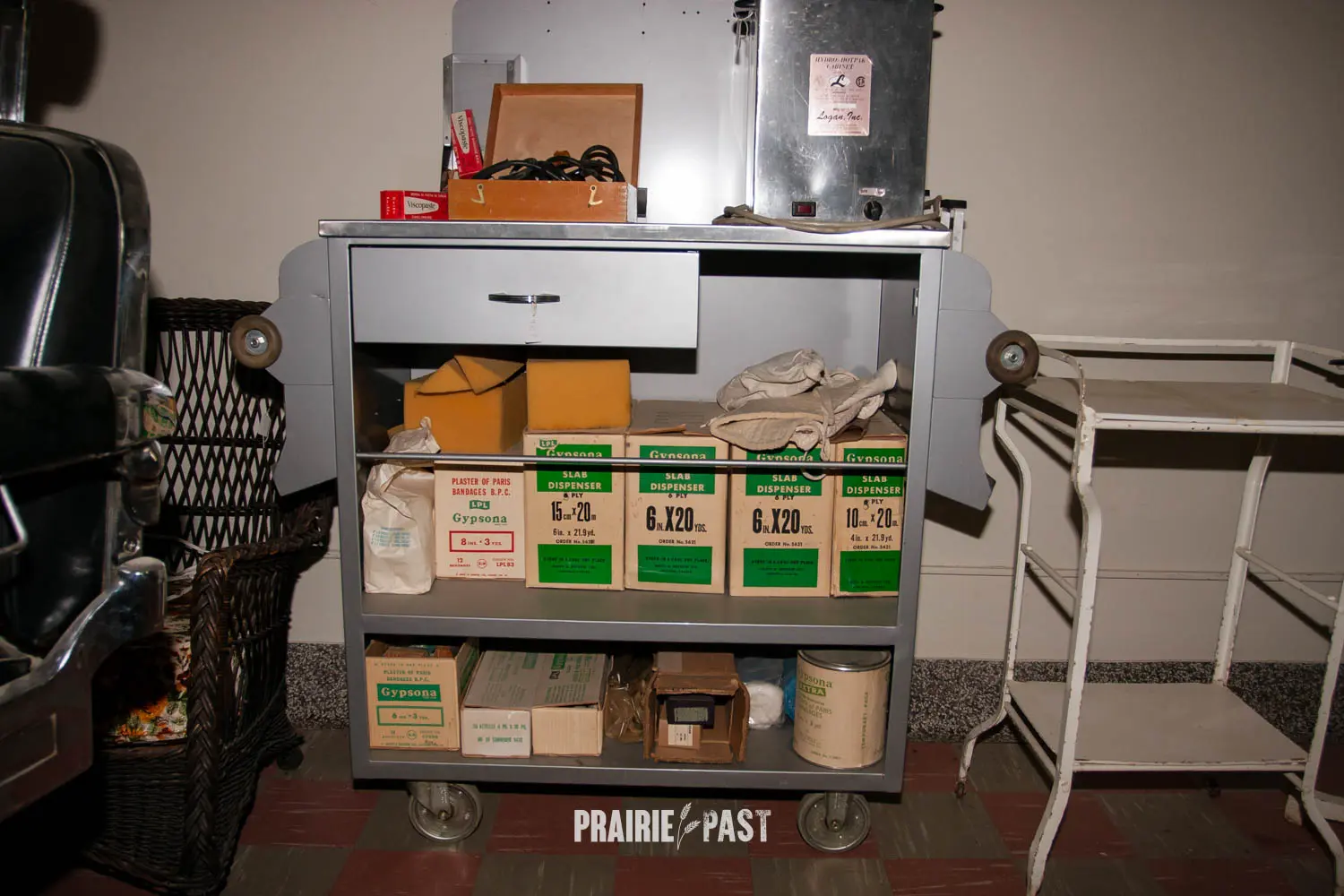
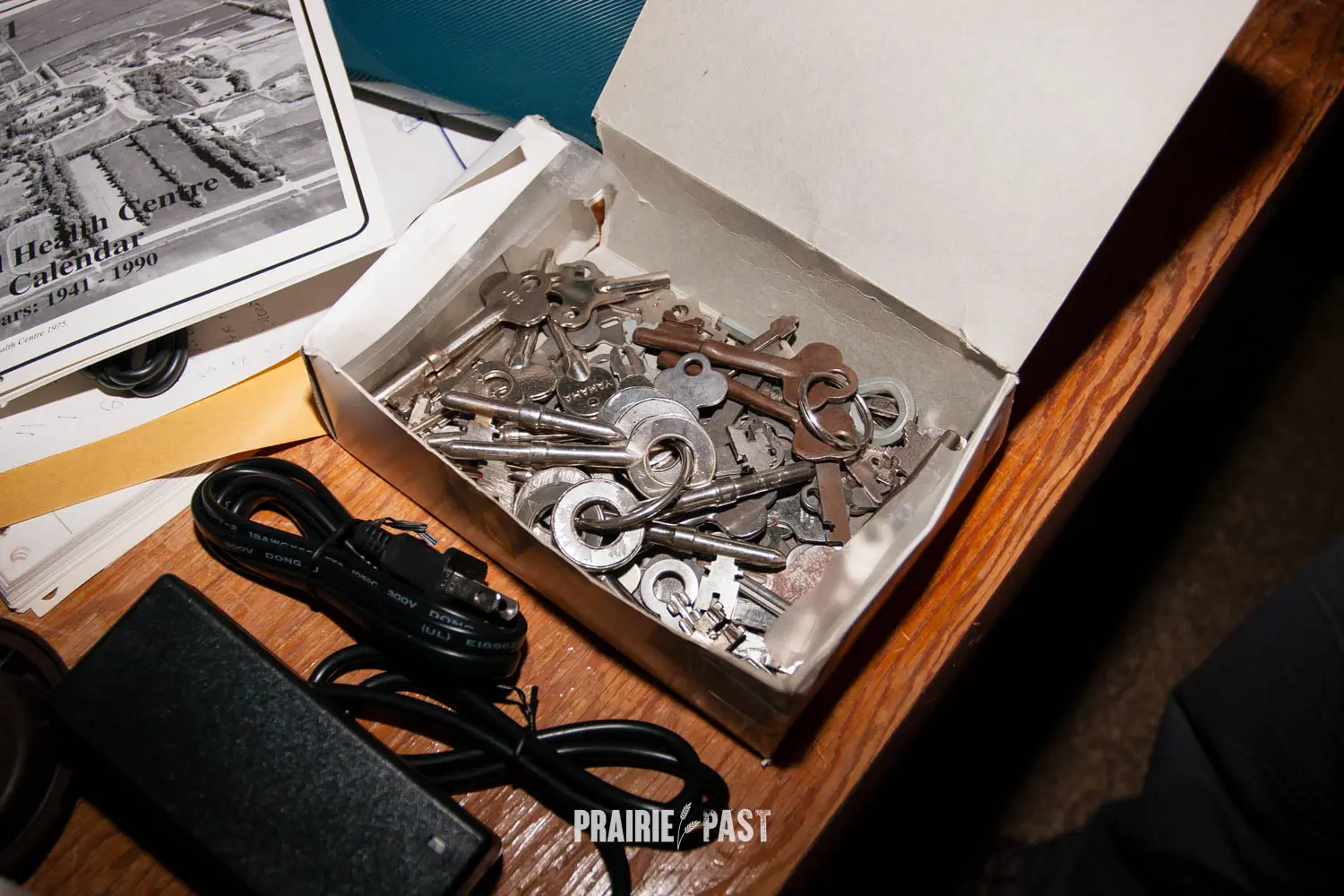
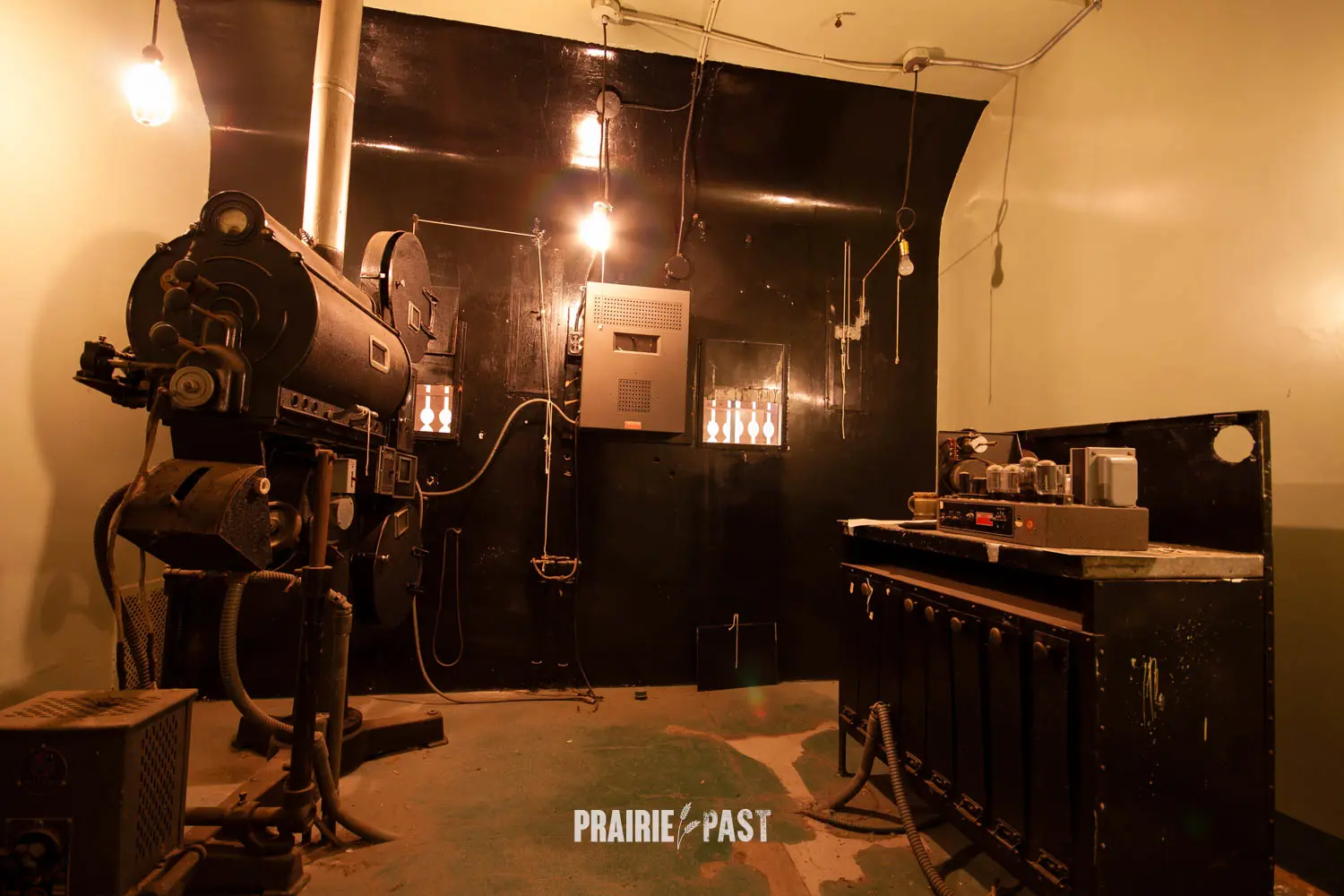
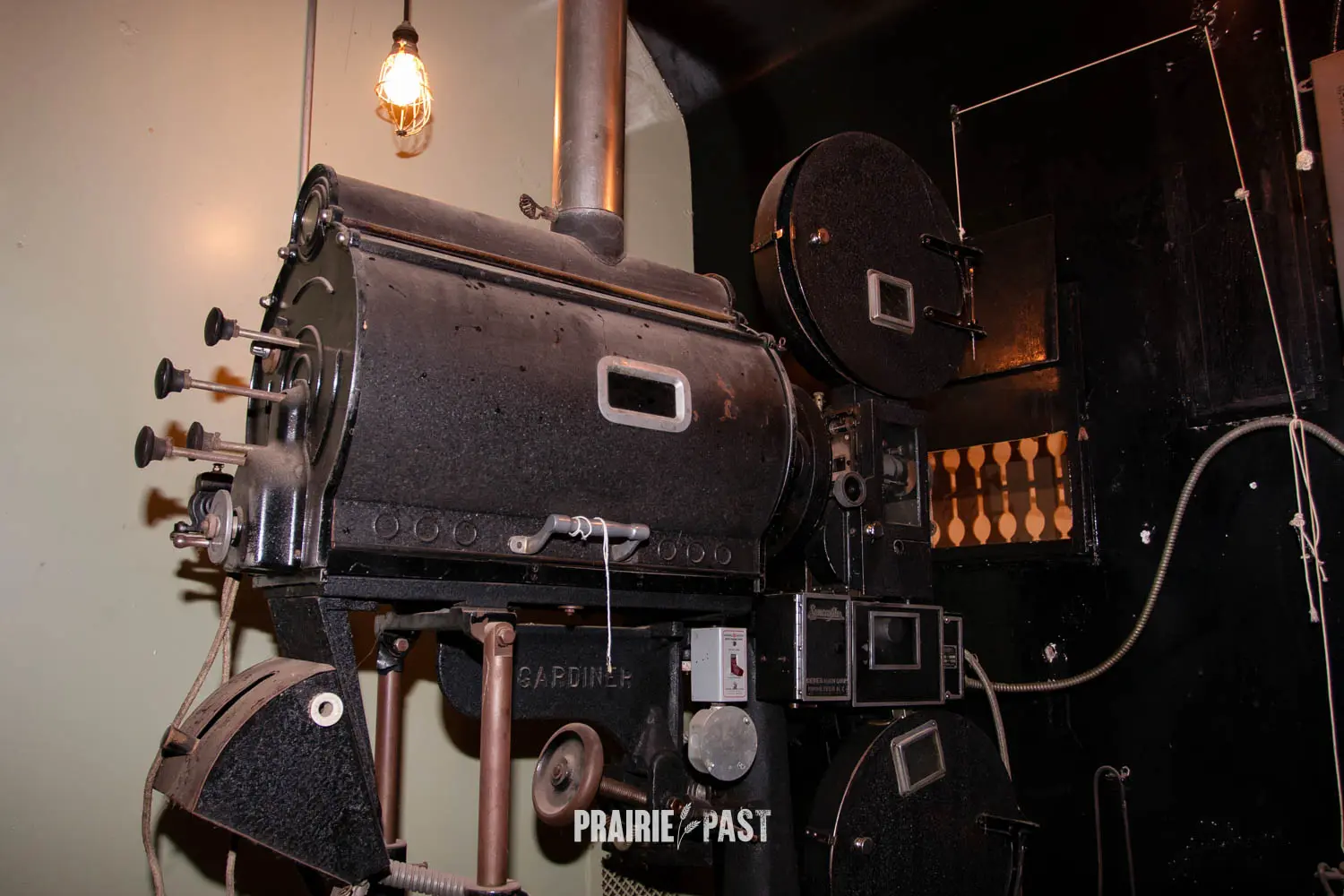
Exploring and documenting the Parkland Building was more than urban exploration. It was an act of remembrance. These walls housed generations of people whose stories were often untold. By preserving this space in images and video, we honor those lives even as the building prepares for a new one.