The Rise and Fall of Francana Minerals: The Sodium Sulphate Legacy at Alsask Lake
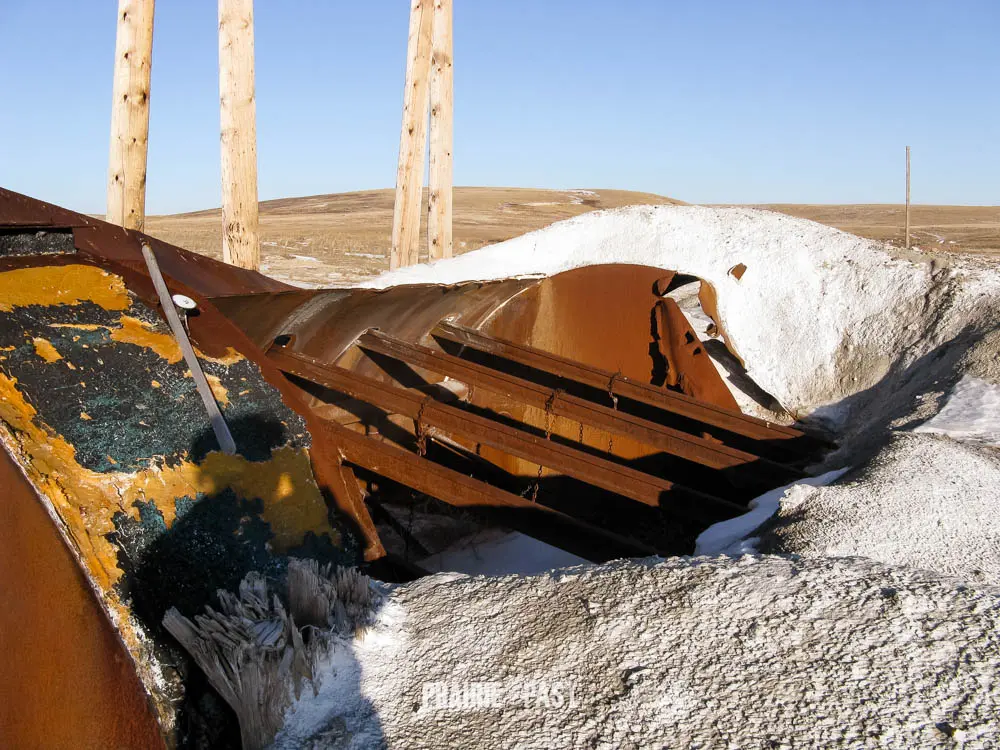
Tucked along the Saskatchewan–Alberta border, Alsask Lake is one of many alkali lakes that dot the prairie landscape. These shallow, saline lakes are not just water bodies, they’re immense, solid accumulations of crude sodium sulphate, formed in undrained basins over thousands of years. As underground water, rich in sodium sulphate, slowly seeped upward and evaporated, vast deposits were built up in the lakebeds.
In the early 20th century, sodium sulphate—often called “salt cake”—was primarily used in the production of sulfate (Kraft) pulp, and was also a byproduct in hydrochloric acid manufacturing. Between 1918 and 1928, several attempts were made to produce sodium sulphate commercially in Saskatchewan, but none succeeded in reaching sustained output.
A breakthrough came in 1929 when the Natural Sodium Products plant at Frederick Lake (south of Moose Jaw) began steady production, establishing Saskatchewan as a significant player in the industry. At Alsask Lake, interest was similarly sparked:
- The Soda Lake Chemical Company was formed in 1929, conducting experimental work only.
- Sodium Corporation Ltd. followed in the early 1930s and built a plant with a planned capacity of 200 tons/day, though only 50 tons were ever installed. The venture saw limited success.
In 1941, Natural Sodium Products acquired the Alsask leases and constructed a larger plant that produced meaningful quantities during World War II (1942–44) and briefly in 1948.
In 1954, the newly formed Saskatchewan Minerals Crown Corporation took over Natural Sodium Products and began evaluating expansion sites—including Alsask Lake. Eventually, they shifted focus to a larger, more centralized plant at Ingebrigt Lake near Fox Valley.
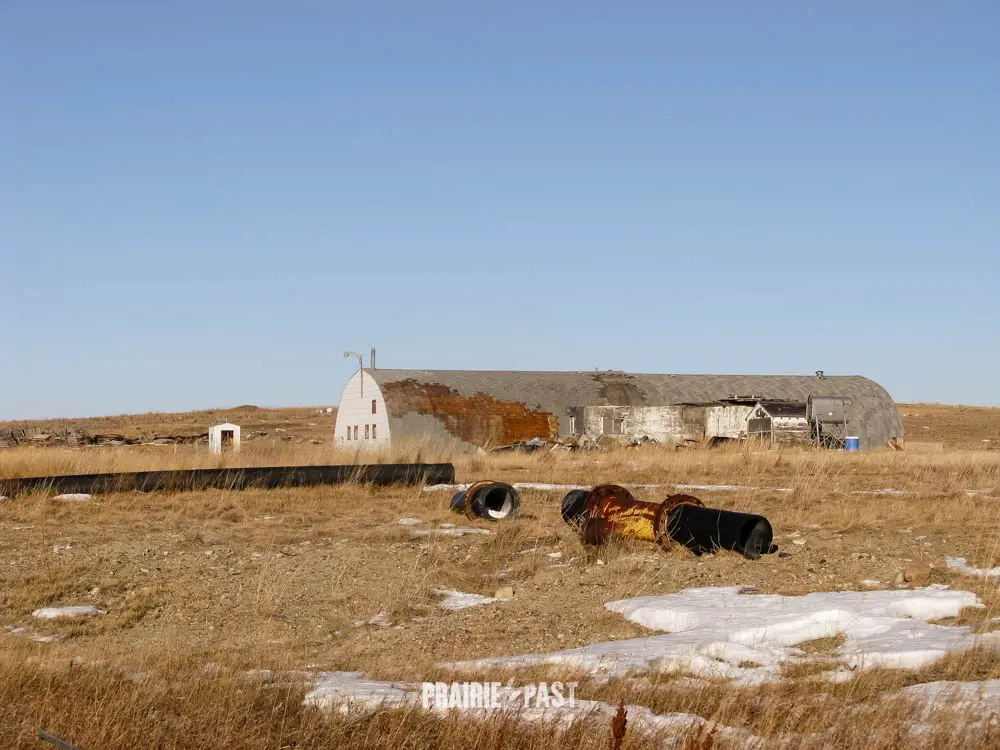
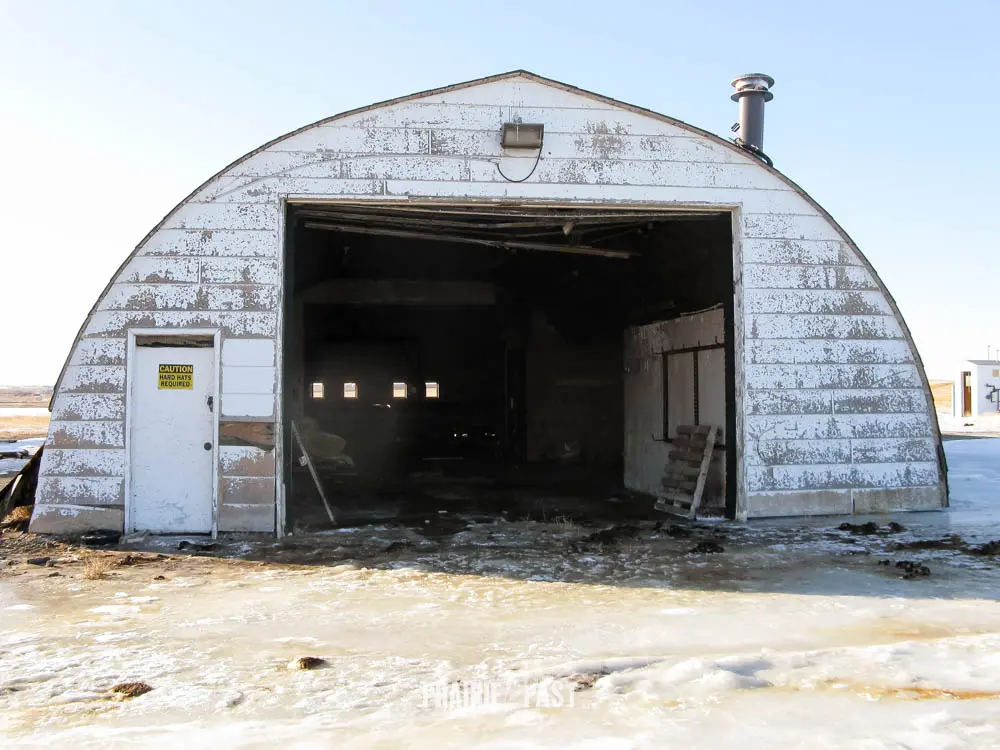
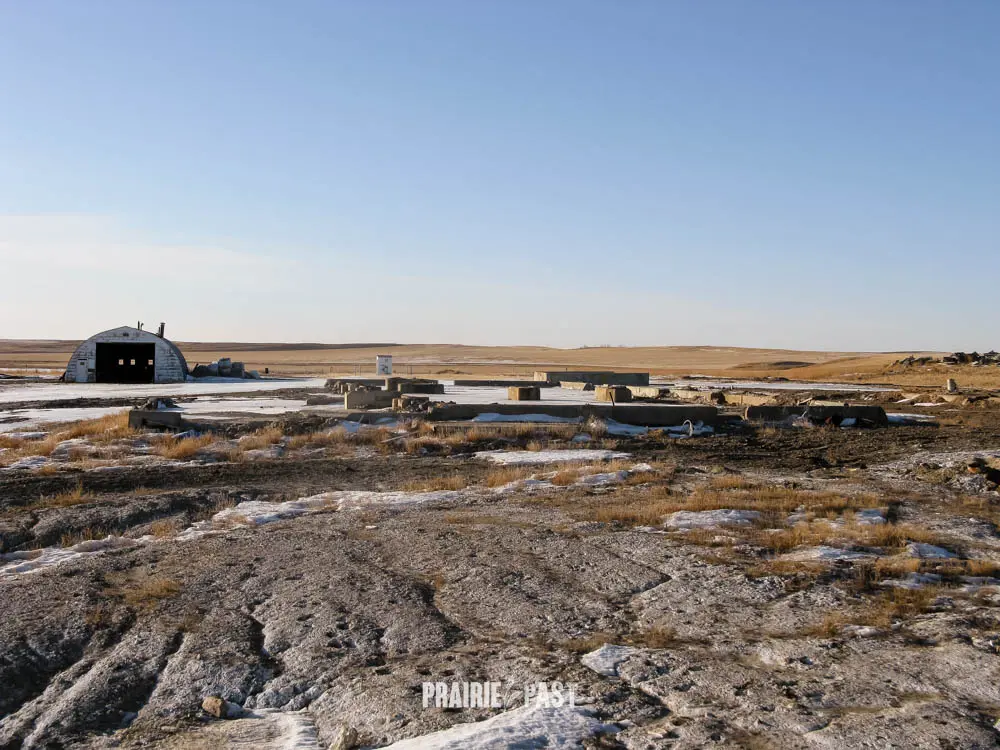
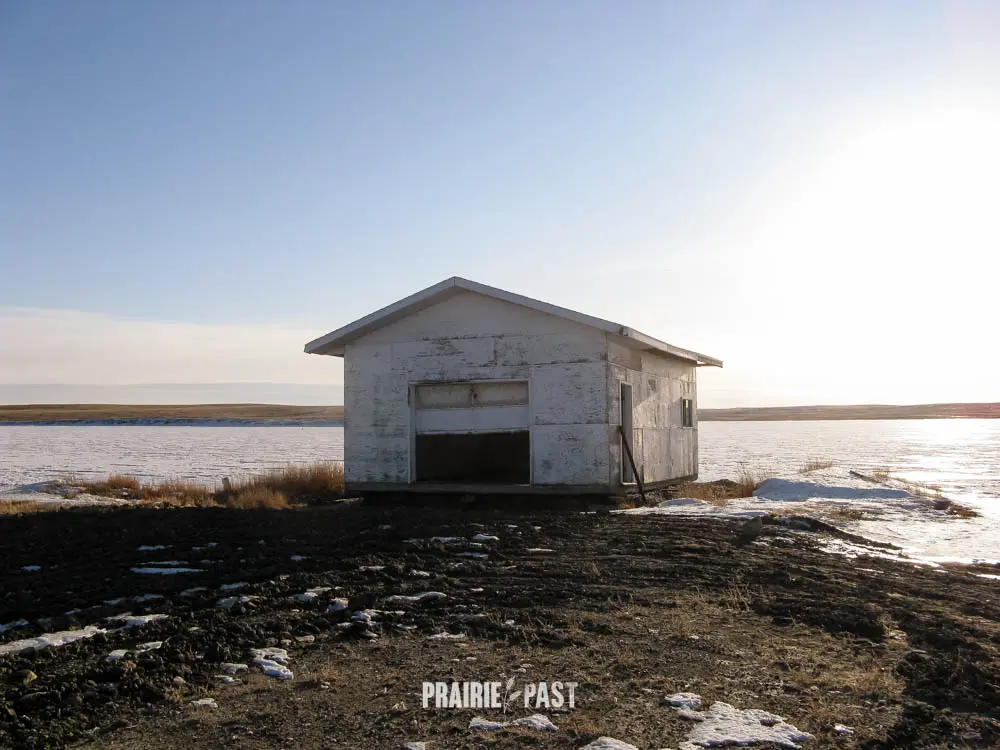
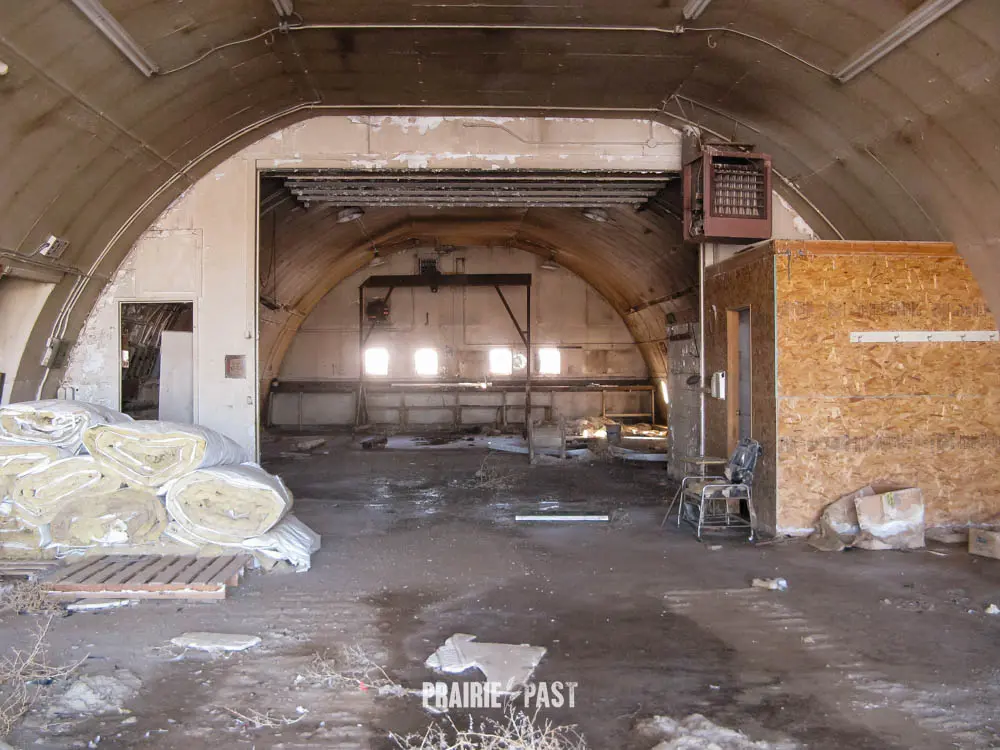
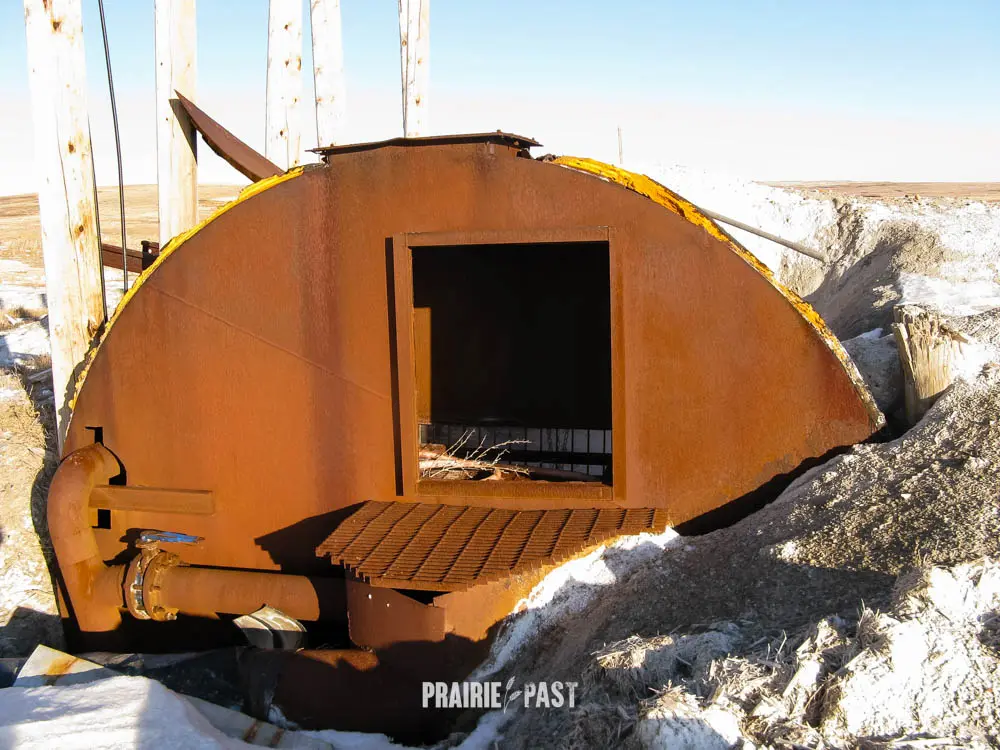
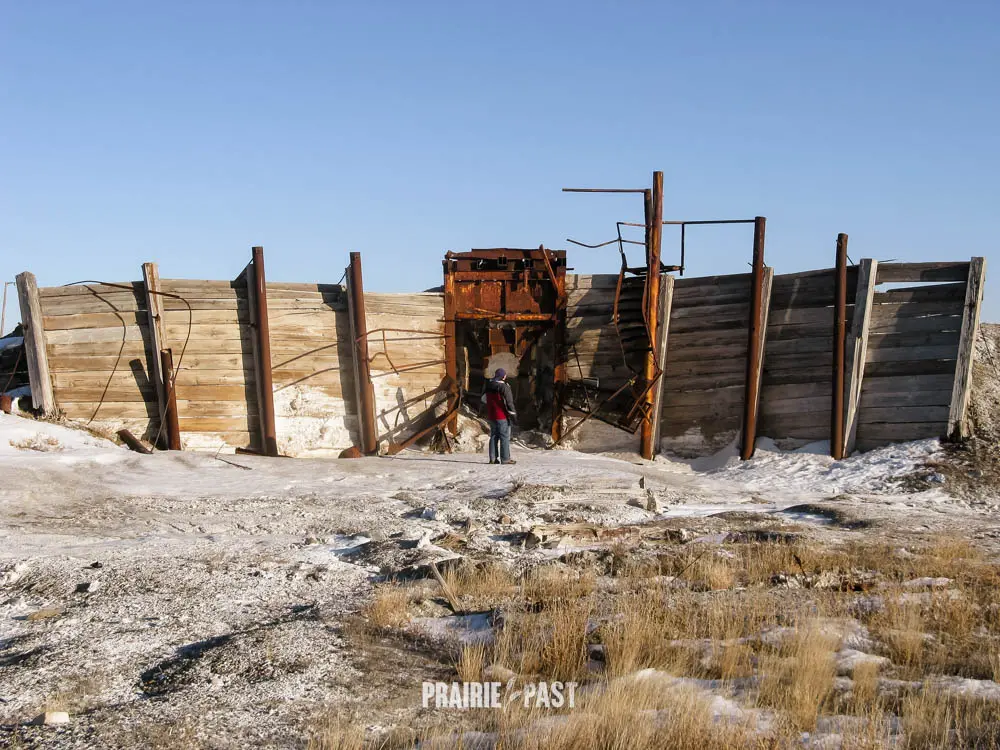
By 1965 Sodium Sulphate Saskatchewan Ltd., acquired the Alsask leases and built a dehydration plant at the current site. Production ran intermittently between 1967 and 1969, but insufficient raw material limited the plant’s output.
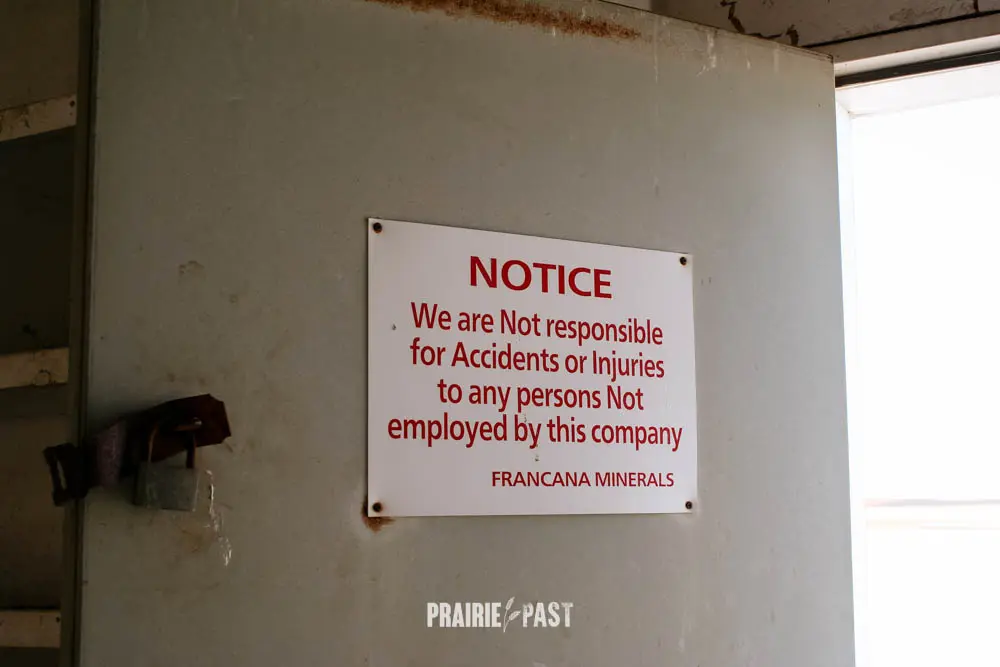
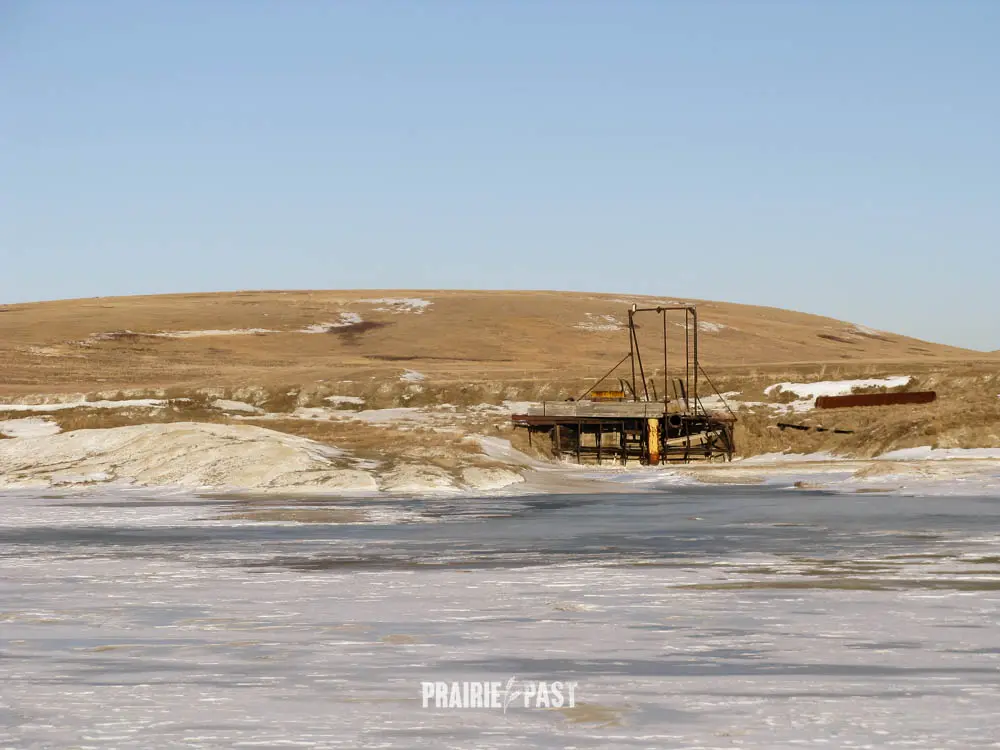
In 1970, Francana Minerals Ltd. purchased the struggling operation. The company had already built a new plant near Cabri in 1968 and was looking to expand its resource base. The goal was ambitious: create a modern, energy-efficient facility capable of producing “detergent-grade” white sodium sulphate for the booming cleaning product industry, as well as salt cake for Kraft pulp mills. Plans included dredging the lakebed directly to secure enough material.
By the early 1970s, the market for sodium sulphate had become volatile. Although the Alsask plant shut down temporarily due to falling prices and oversupply in the pulp industry, a sudden rebound occurred in 1974, as demand for both pulp and detergent-grade sodium sulphate surged. Despite the low quality of the Alsask product, pulp mills—desperate to meet rising demand—were buying whatever they could get.
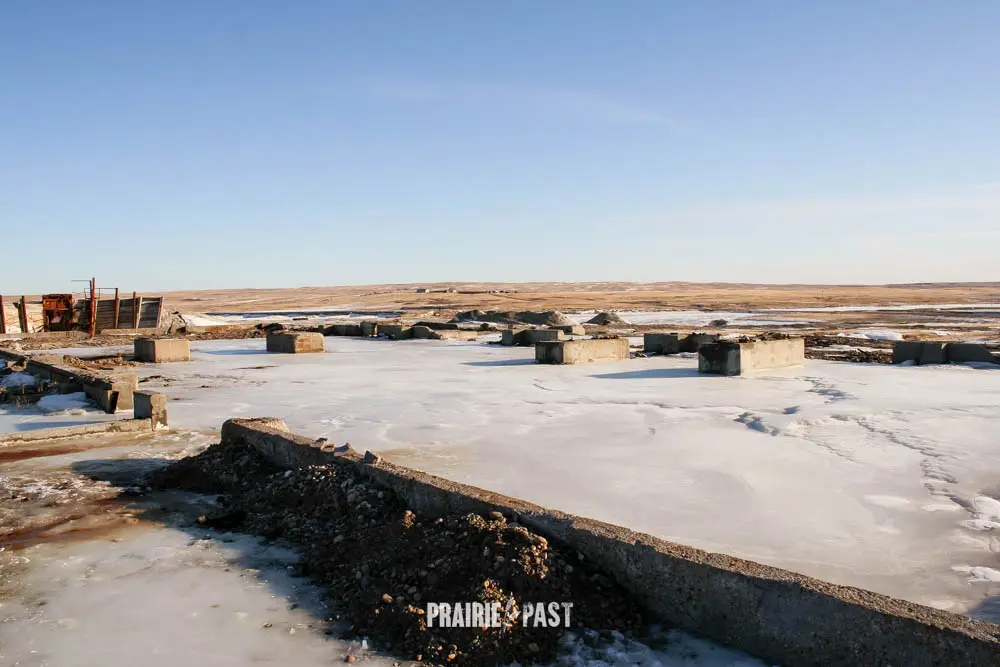
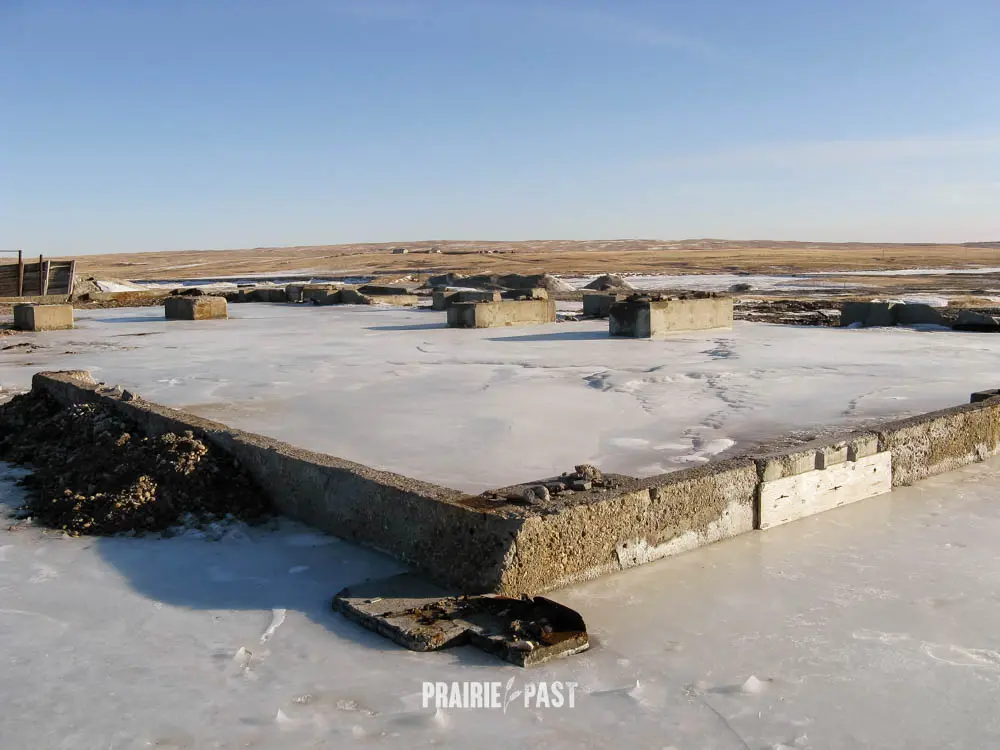
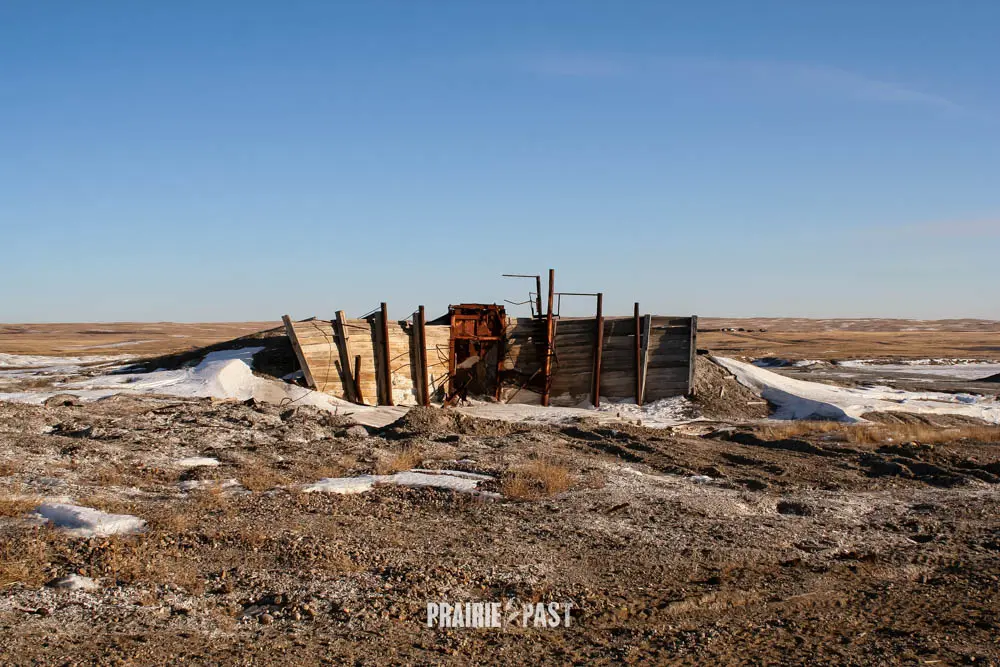
Then, in March 1975, the plant’s wooden mill building burned down. Thankfully, no one was injured, and most of the equipment was salvageable. By fall of 1975, the plant was operational again.
Unfortunately, this comeback was short-lived. By the end of 1976, the pulp market had softened again, and buyers became more selective. Without consistent demand or a way to improve product quality, operations dwindled—and the once-promising Alsask Lake site entered a final decline.
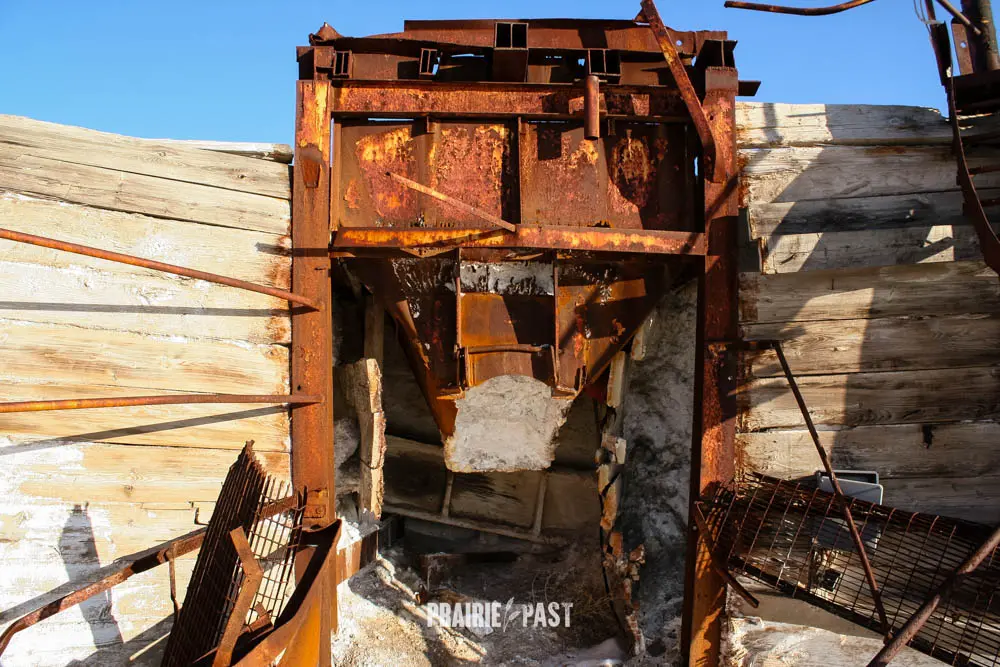
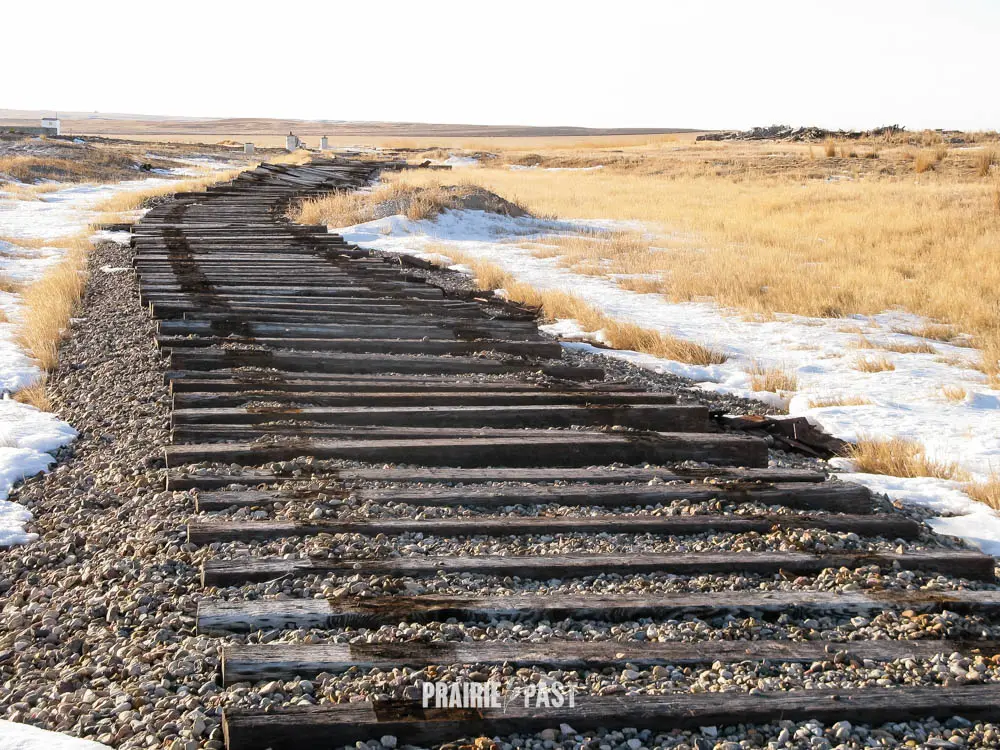
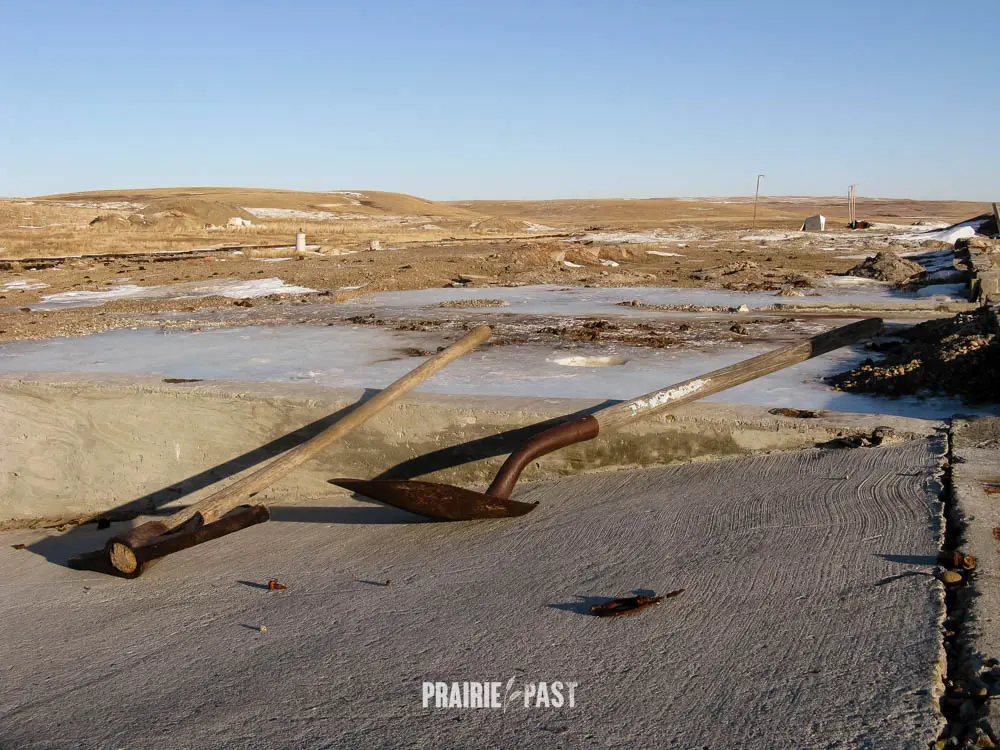
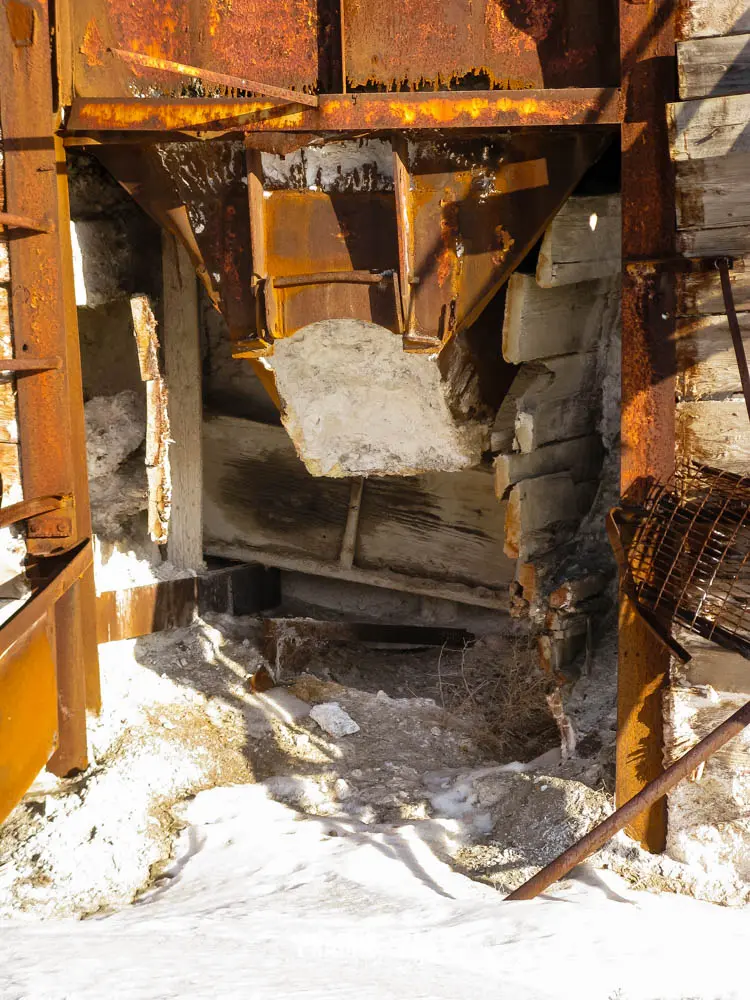
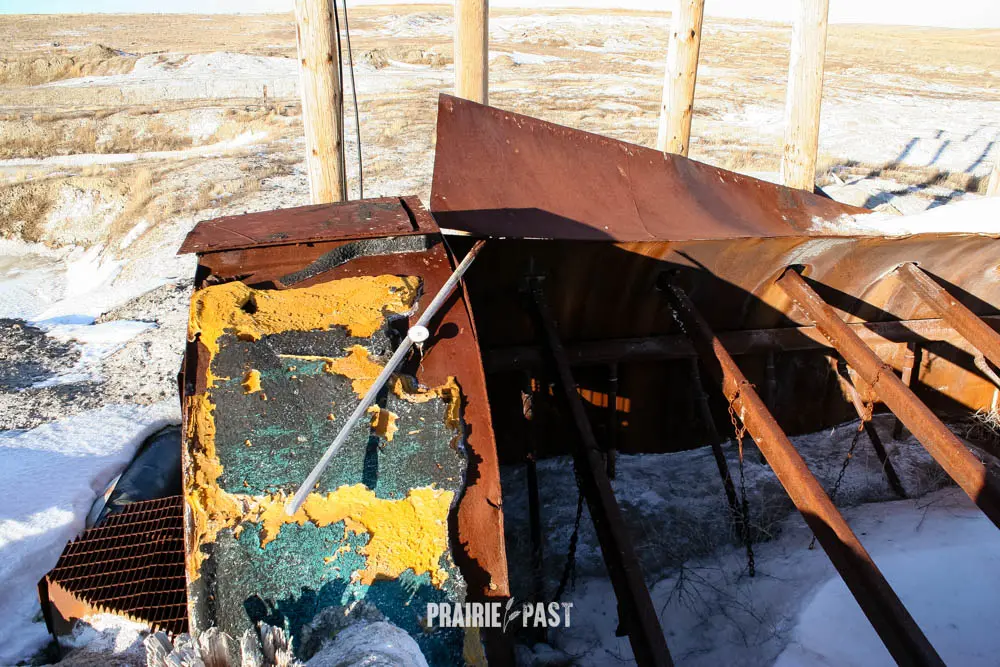
Today, the story of Francana Minerals at Alsask Lake is a faded chapter in Saskatchewan’s long industrial history. It stands as a reminder of the province’s pioneering spirit, of ventures that tried—and sometimes failed—to tap into the wealth hidden beneath the prairie’s surface.
From hopeful beginnings in the 1920s to ambitious expansions in the 1970s, the Alsask Lake sodium sulphate project reflects both the opportunities and challenges of resource-based development in rural Canada.