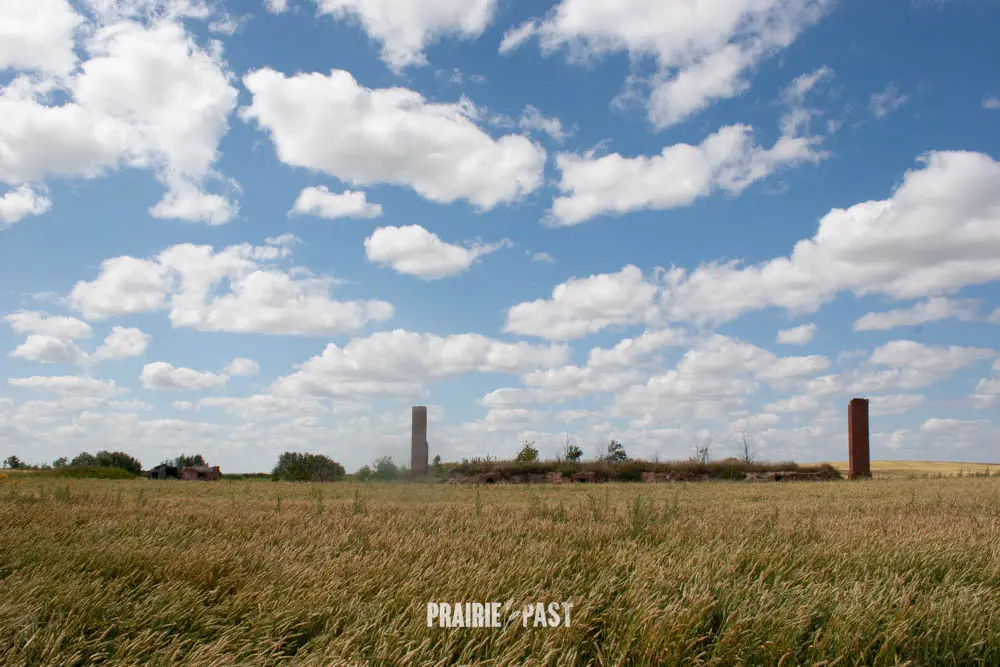
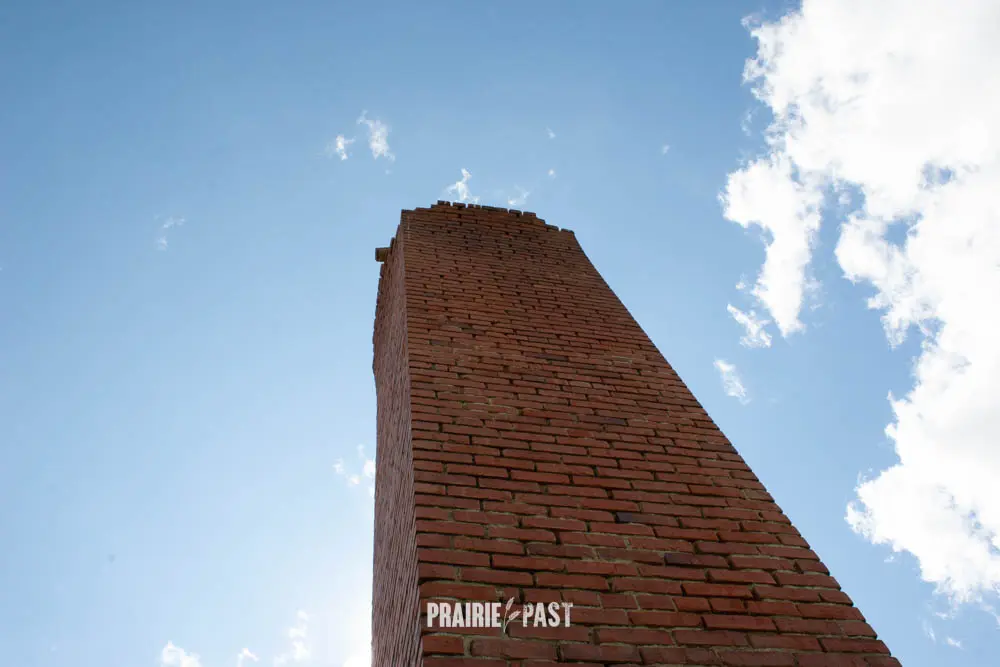
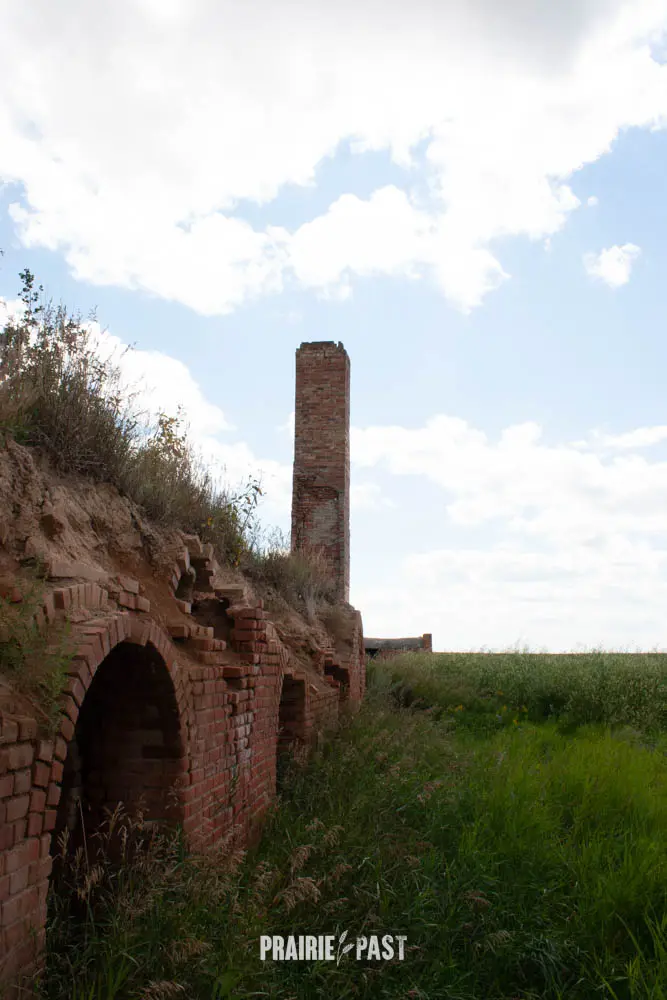
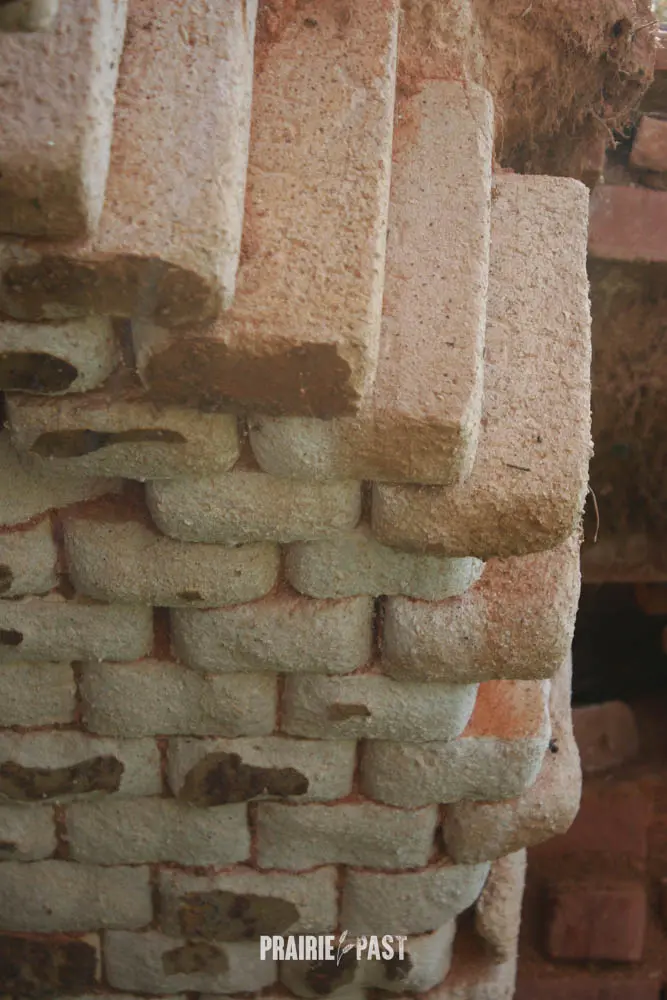
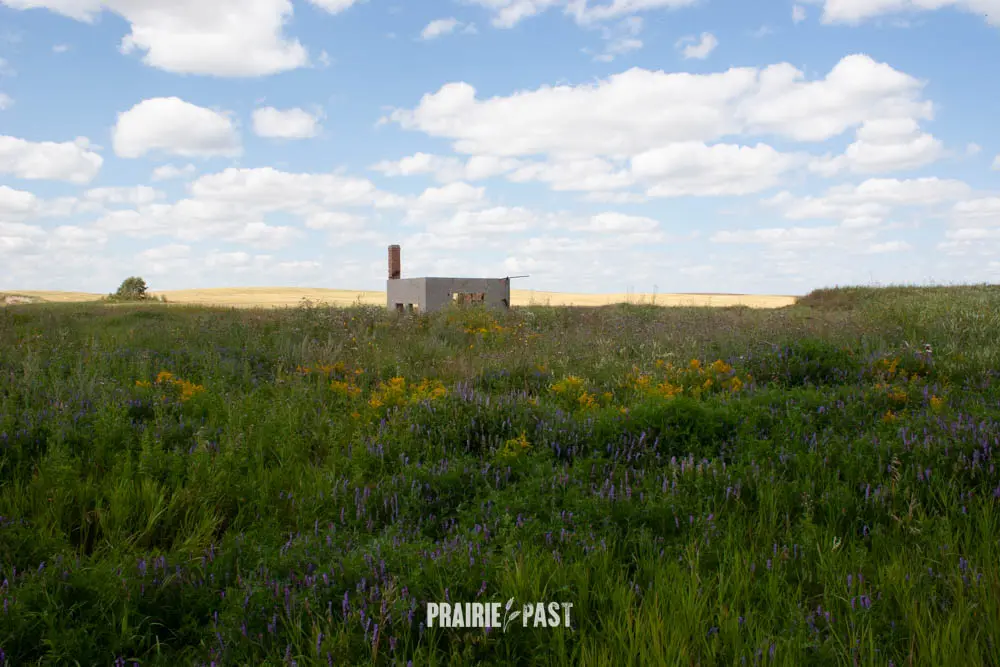
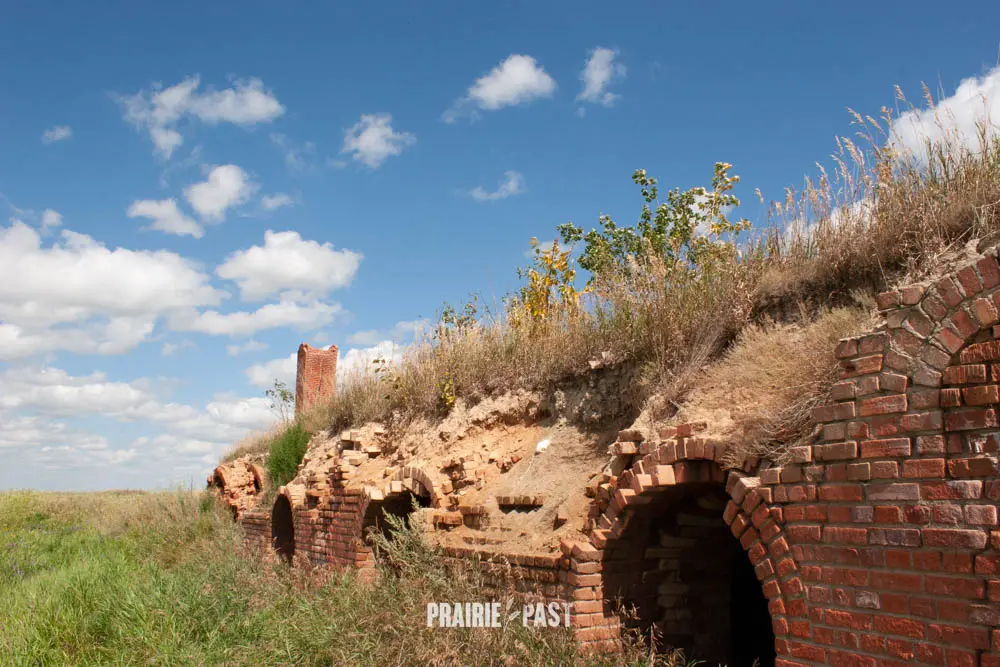
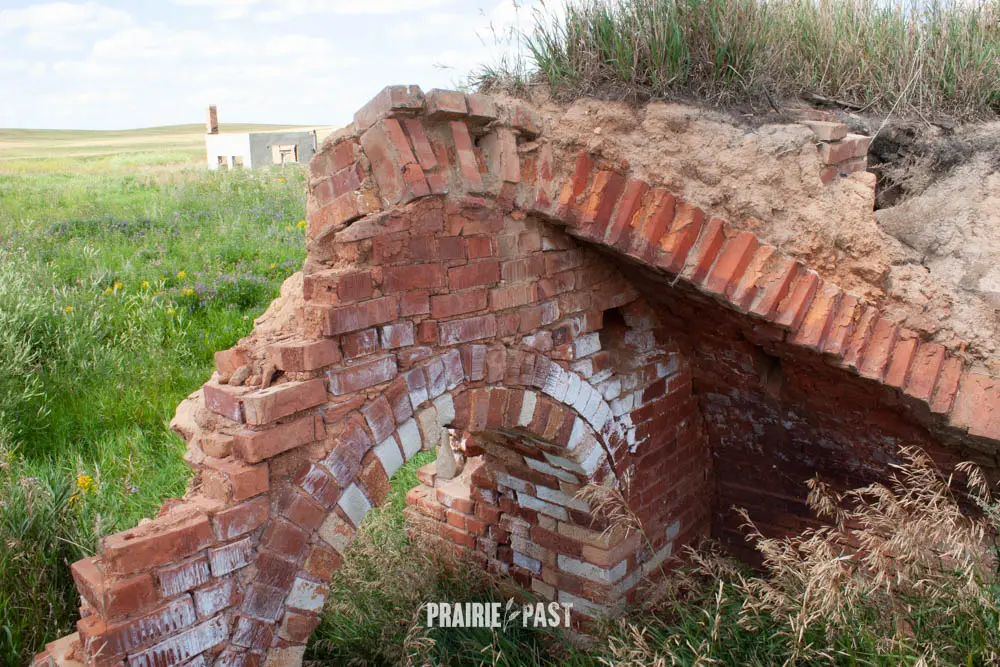
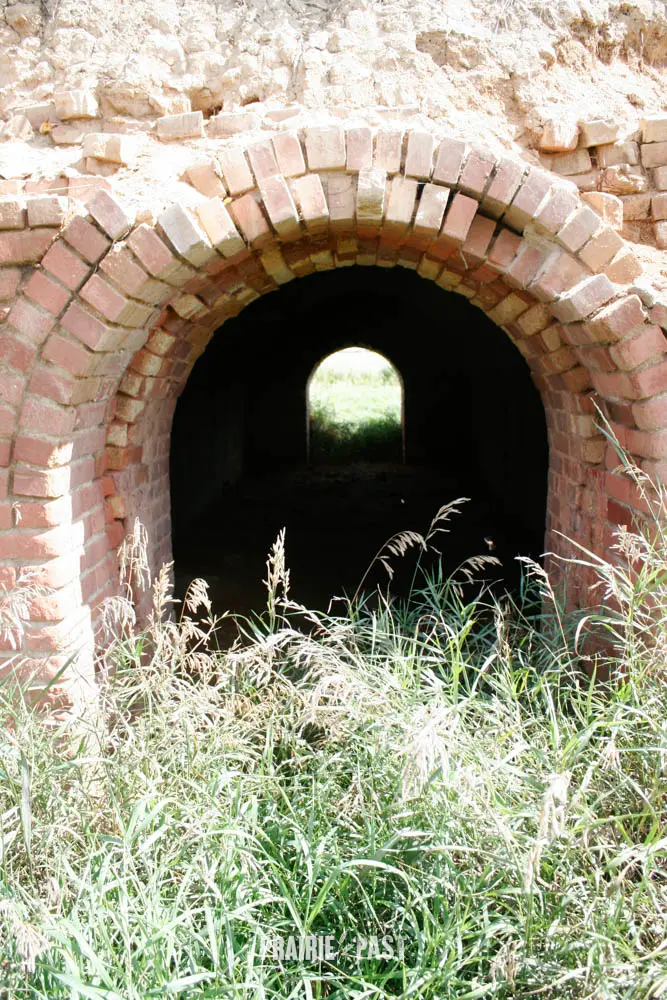
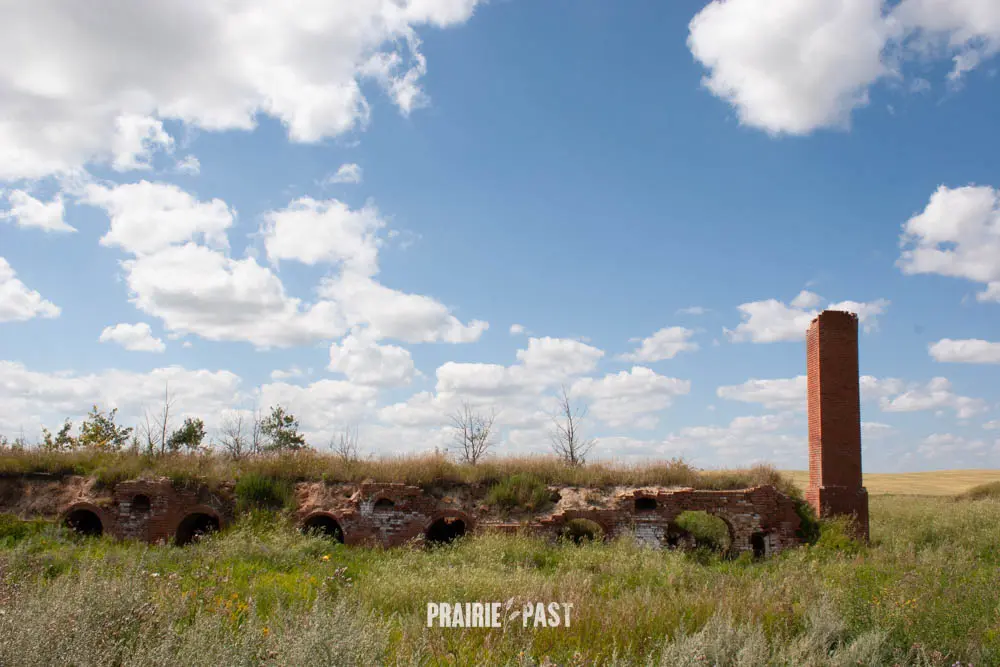
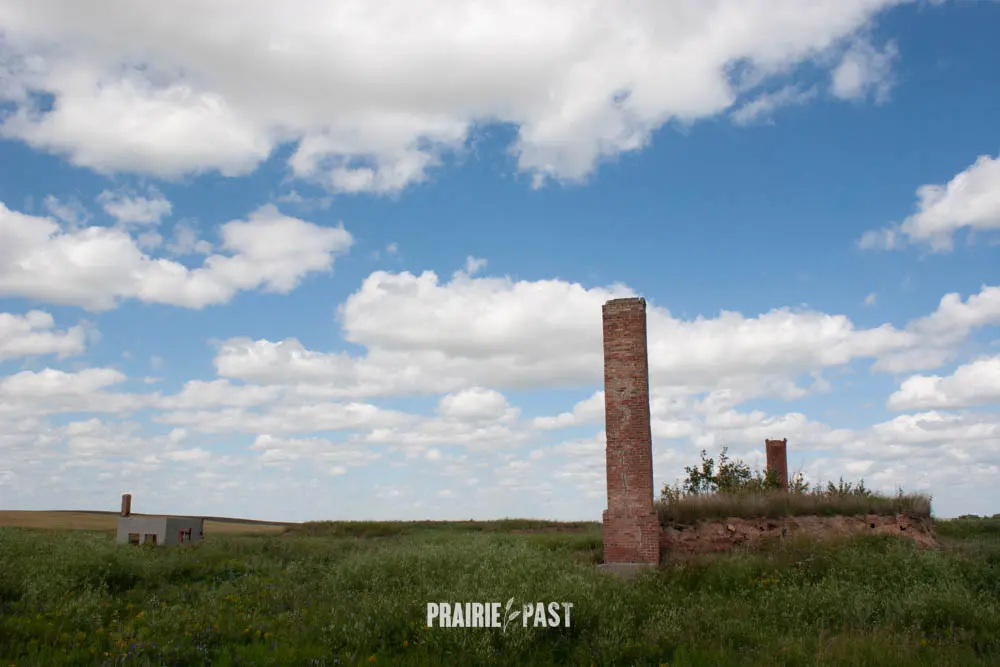
Bruno Brickyard & Clayworks: A Prairie Industry Built by Hand
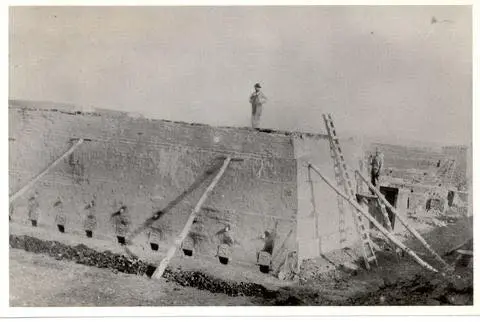
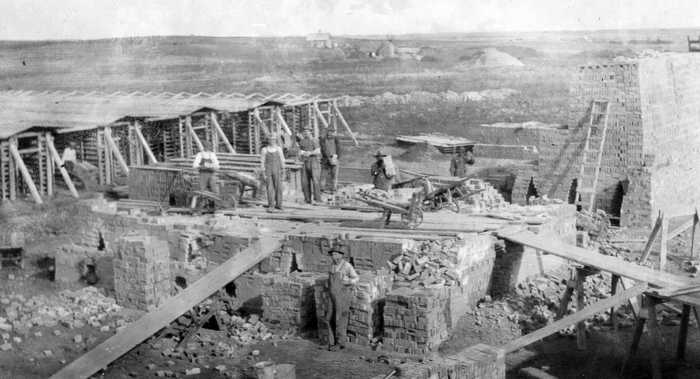
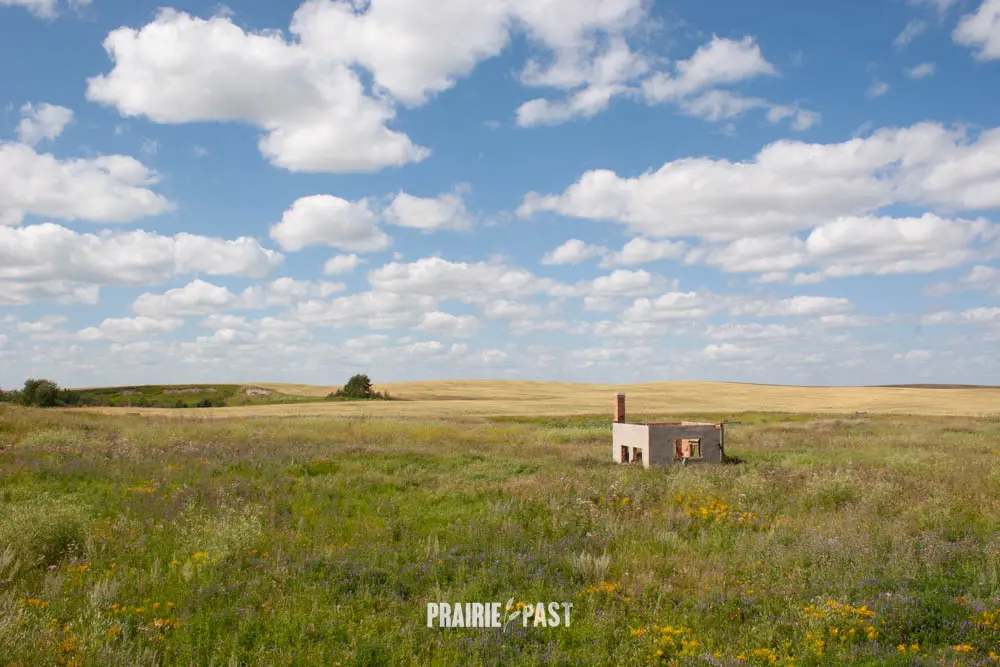
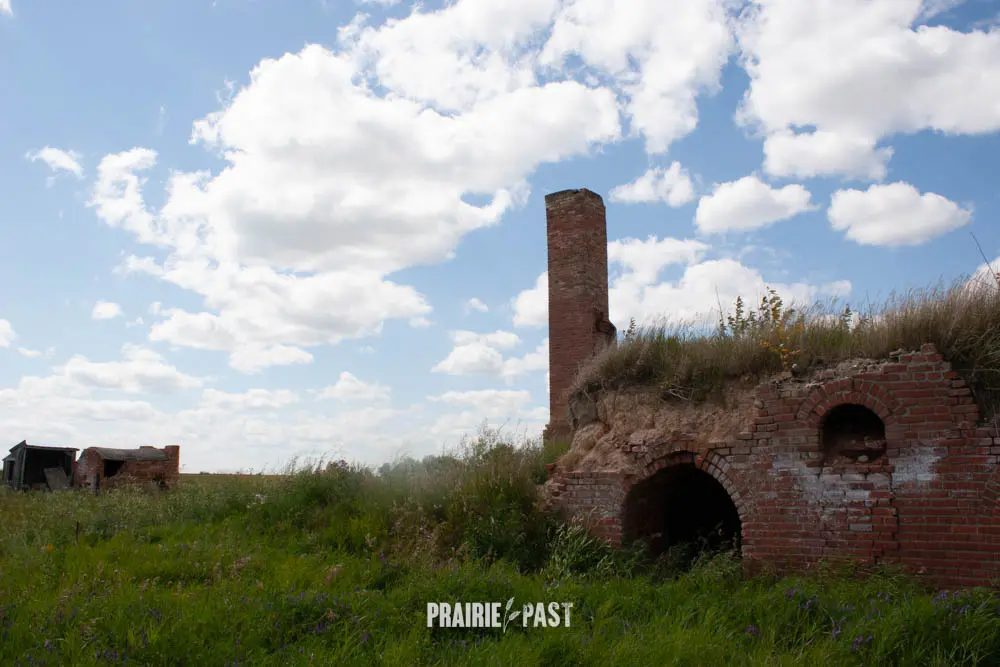
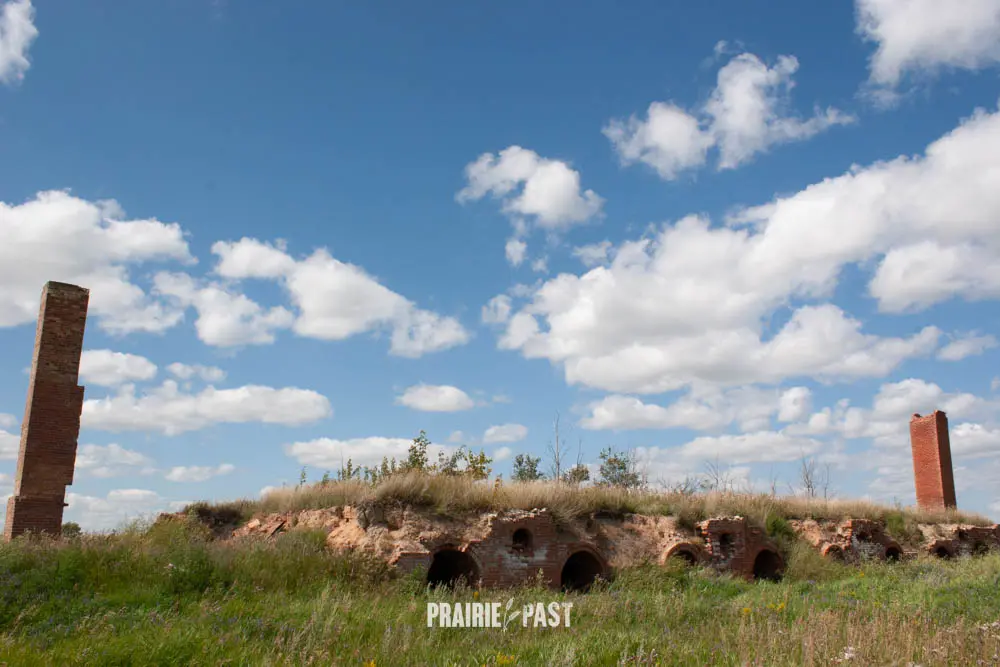
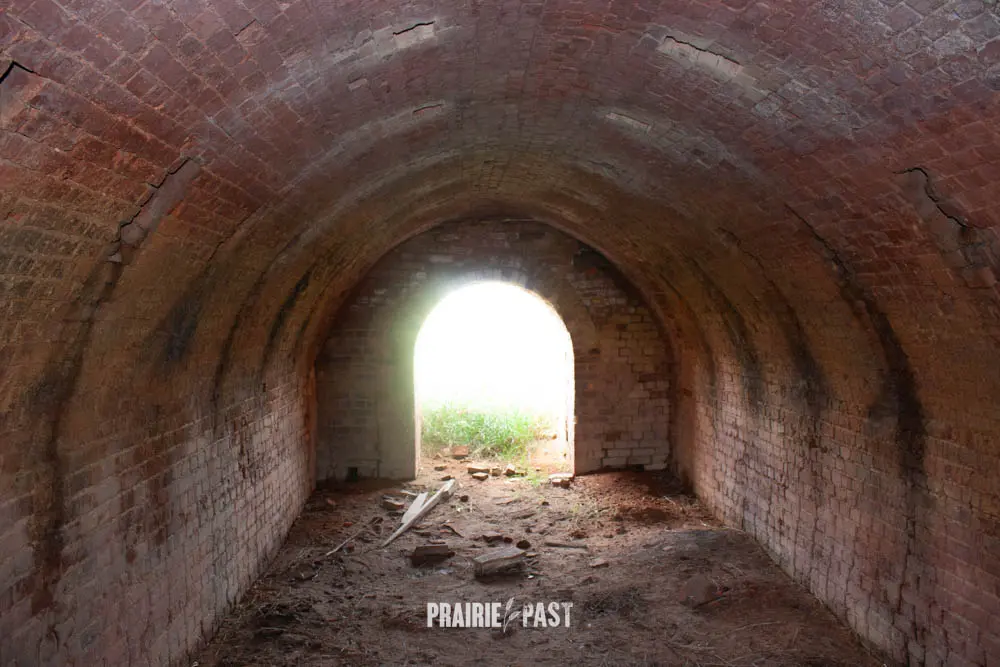
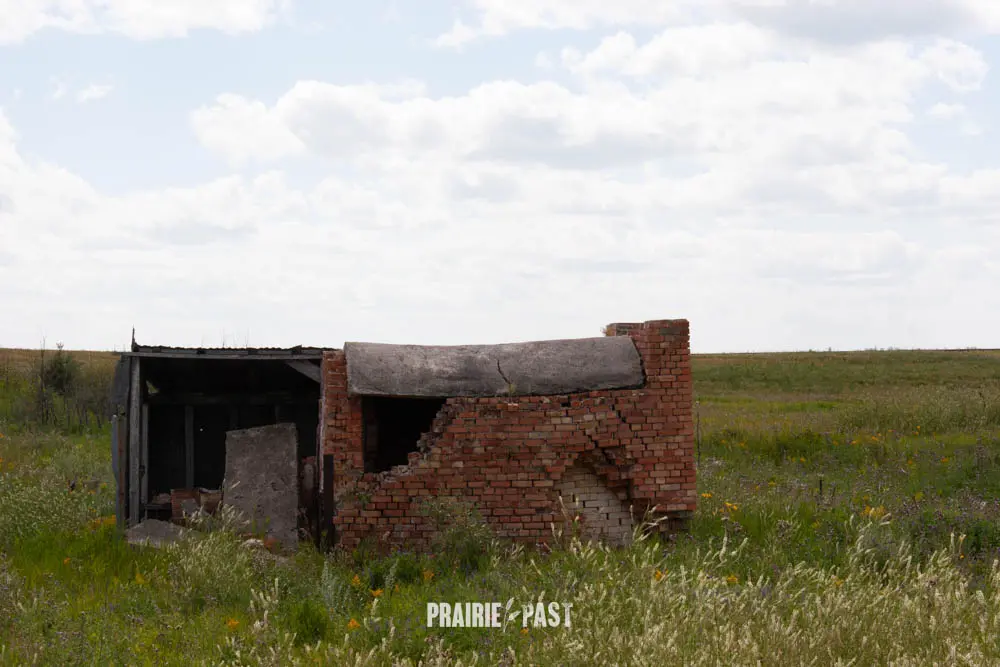
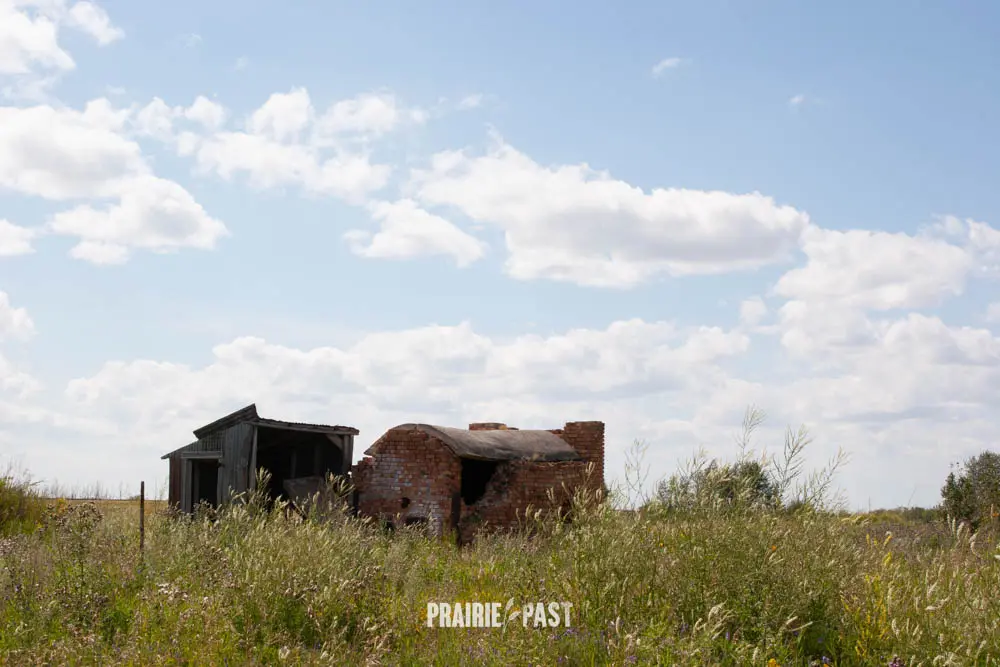
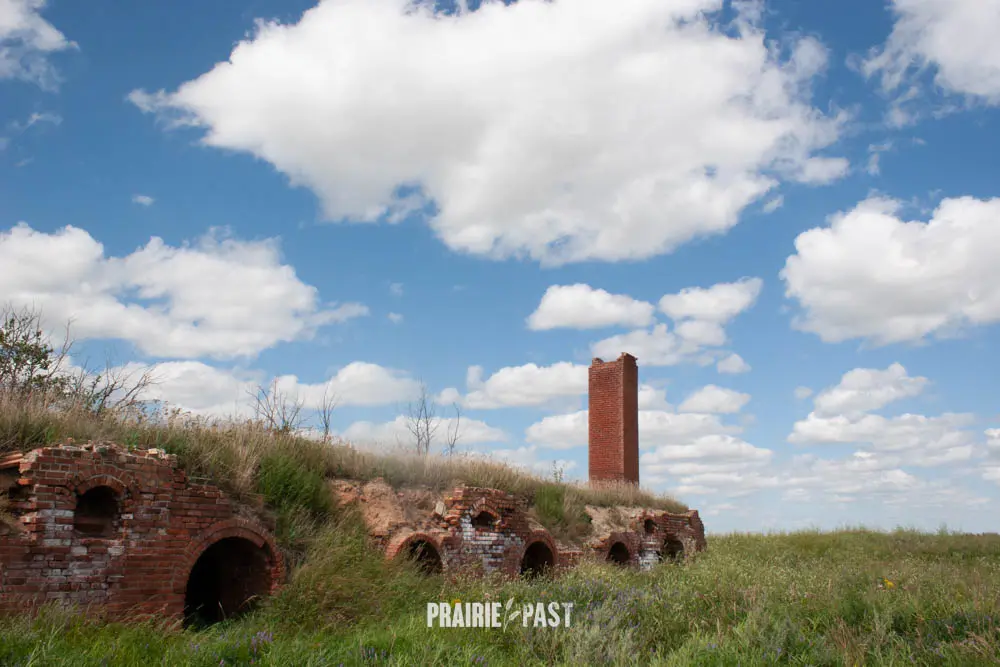
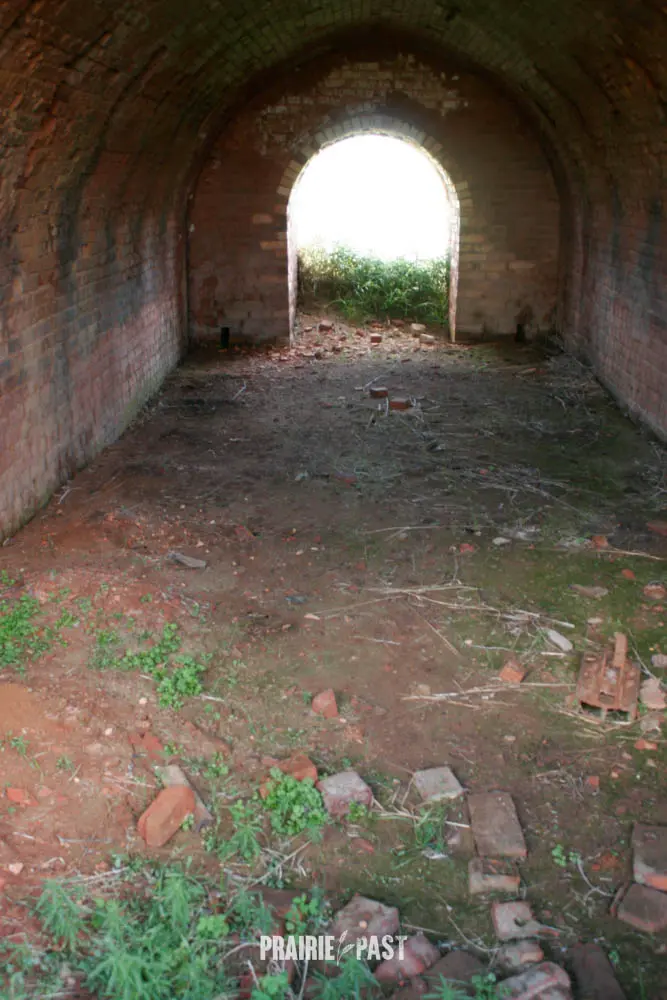
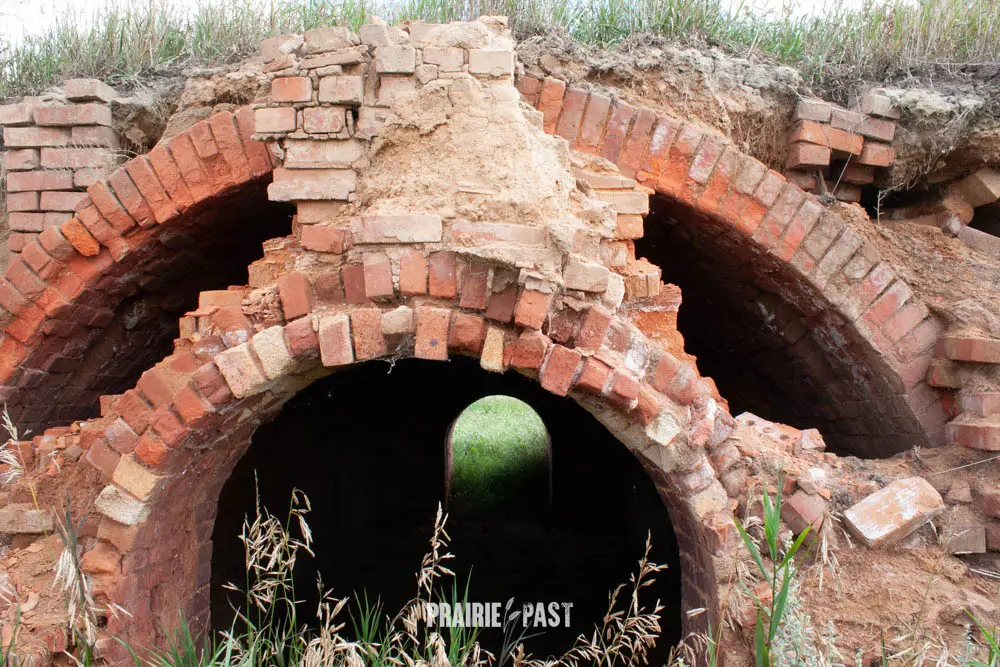
In 1904, Mr. Honisch and his family journeyed from Oklahoma to Saskatchewan, settling on a homestead west of Bruno. As they were establishing their home, the Canadian National Railway was constructing its main line across the region—cutting right through the edge of their property. Opportunity knocked in 1905 when two brothers, Joseph and Charles Bonas, arrived from Muenster with heavy machinery, seeking to produce bricks from the clay-rich soil on Honisch’s land. They hired Mr. Honisch and his son, Frank, to help run the brick-making machines, producing thousands of bricks—enough to build Humboldt’s roundhouse.
When the Bonas brothers decided to sell the machine, Mr. Honisch initially declined. But with some persuasion and a partnership with local teacher W.F. Hargarten, they secured a loan, bought the machine, and revived the operation. Demand exploded after a CN Rail firefighter tossed a letter from a train requesting a carload of bricks for North Battleford. Orders poured in, and by 1908 the brickyard had repaid its debts and expanded operations.
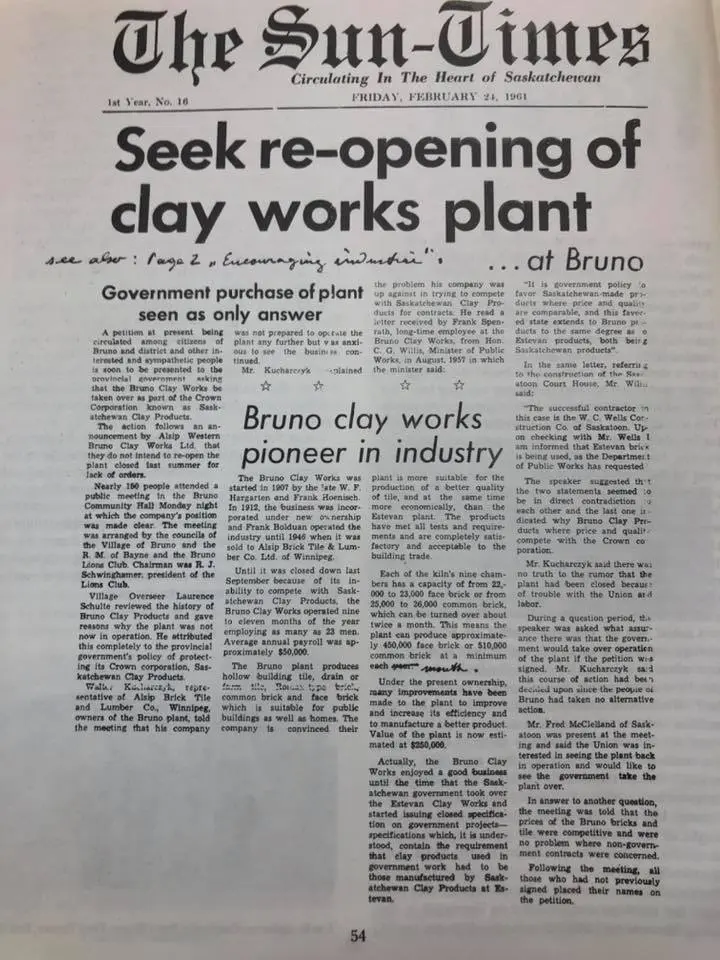
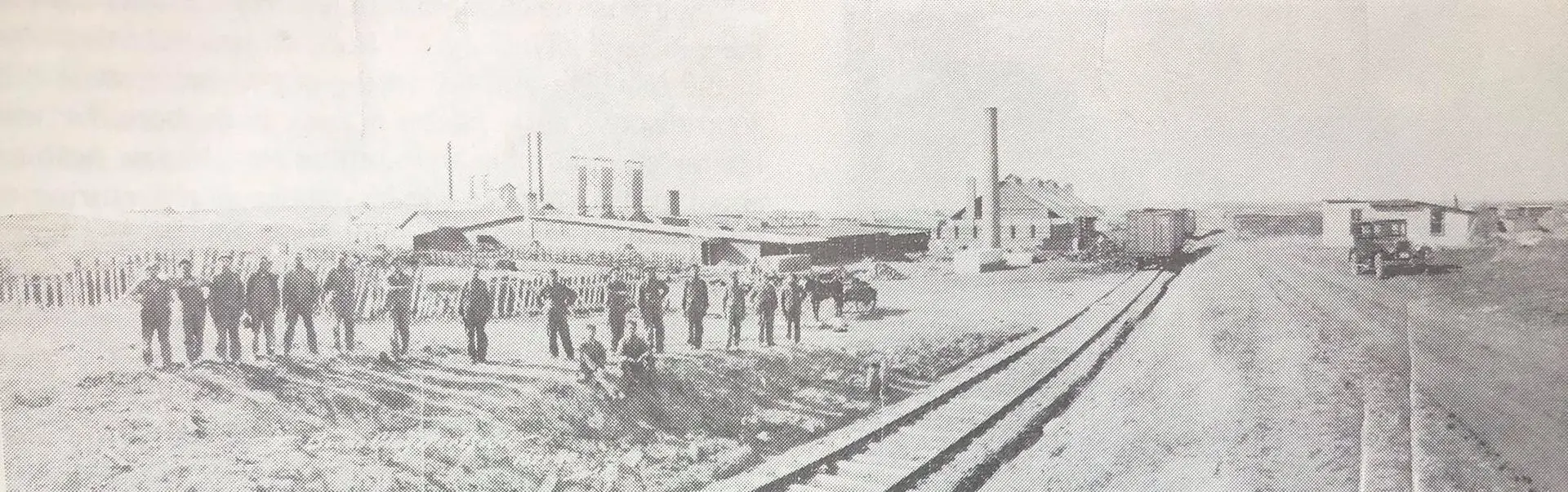
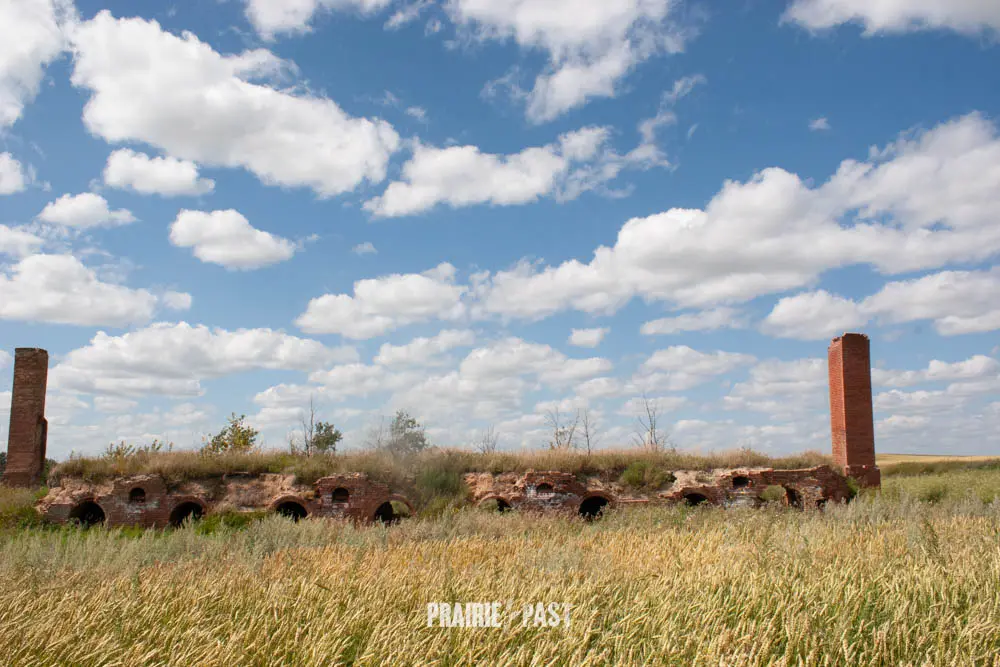
Despite success, Honisch bowed out of the business to focus on farming. Hargarten teamed up with F.A. Bouldan, rebranding the venture as Bruno Clayworks. They tested the clay in Ohio and learned it was ideal for everything from drainage tiles to flower pots. Though a contractor in Saskatoon wanted them to relocate, they chose to keep operations in Bruno to stay competitive.
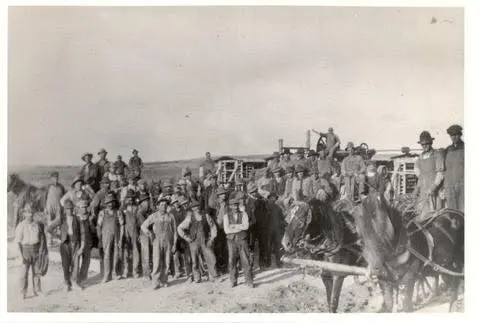
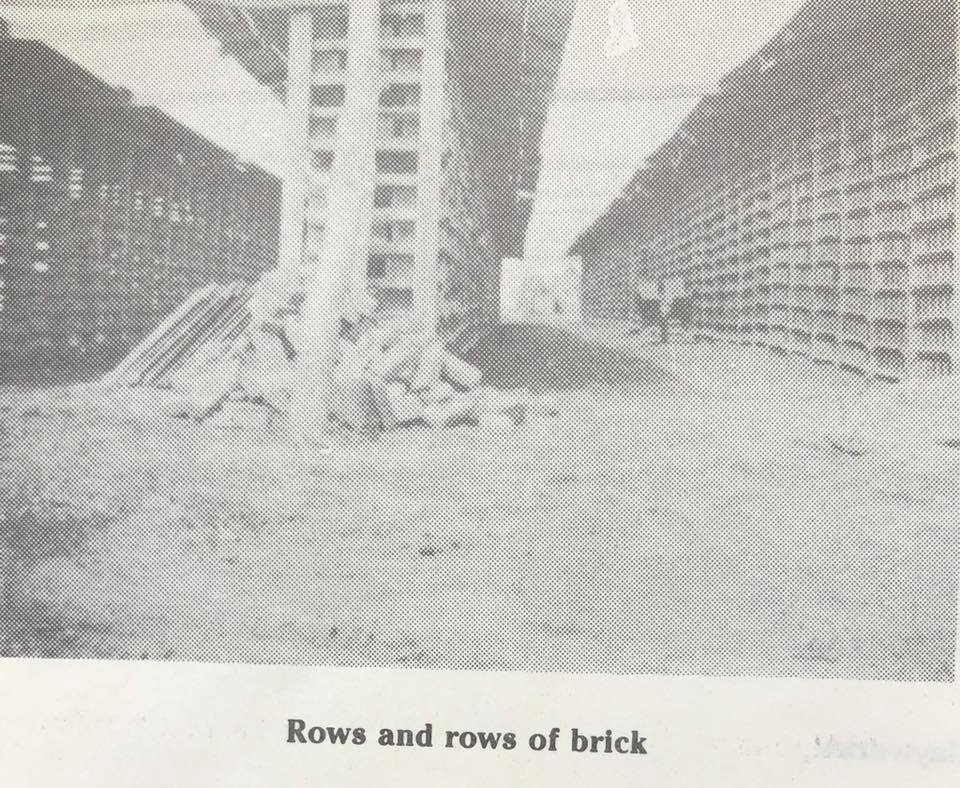
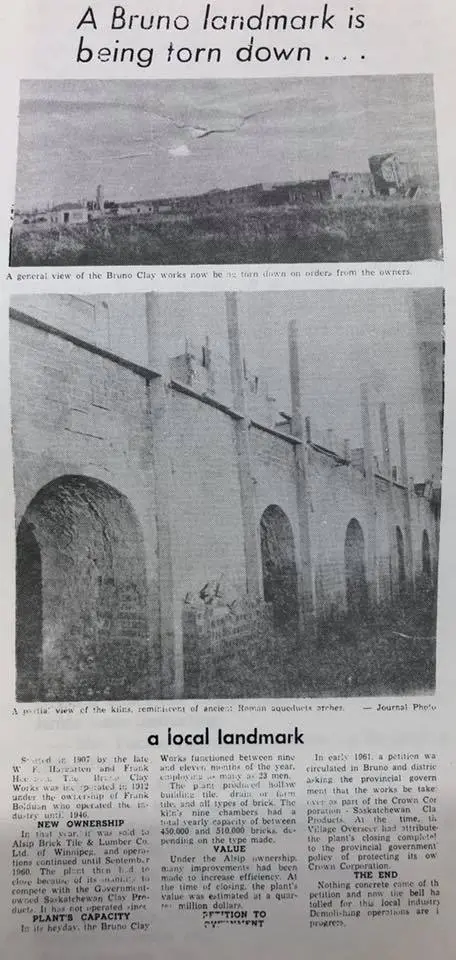
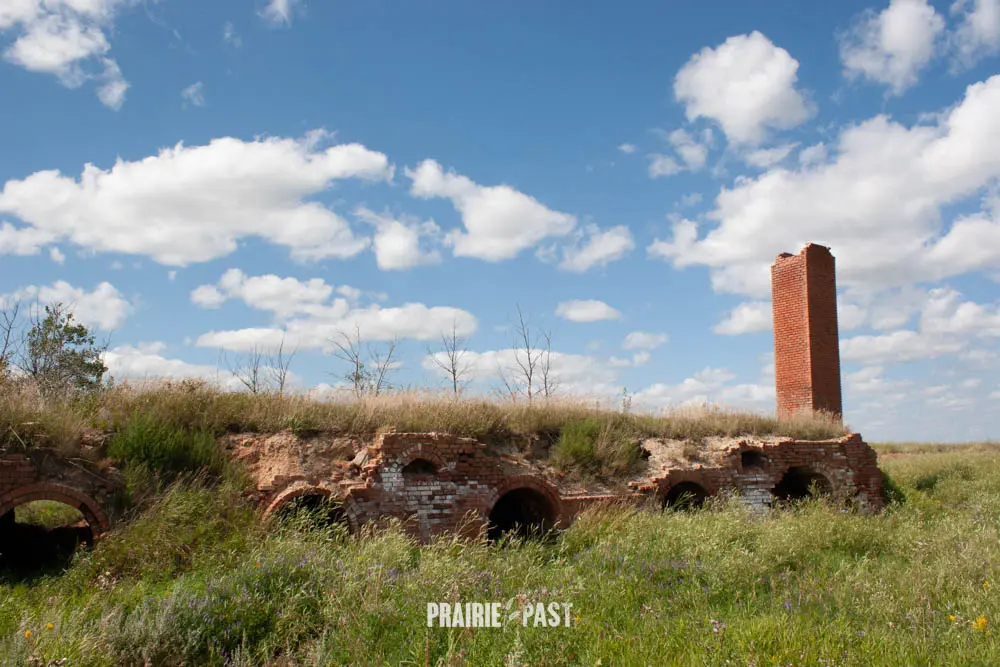
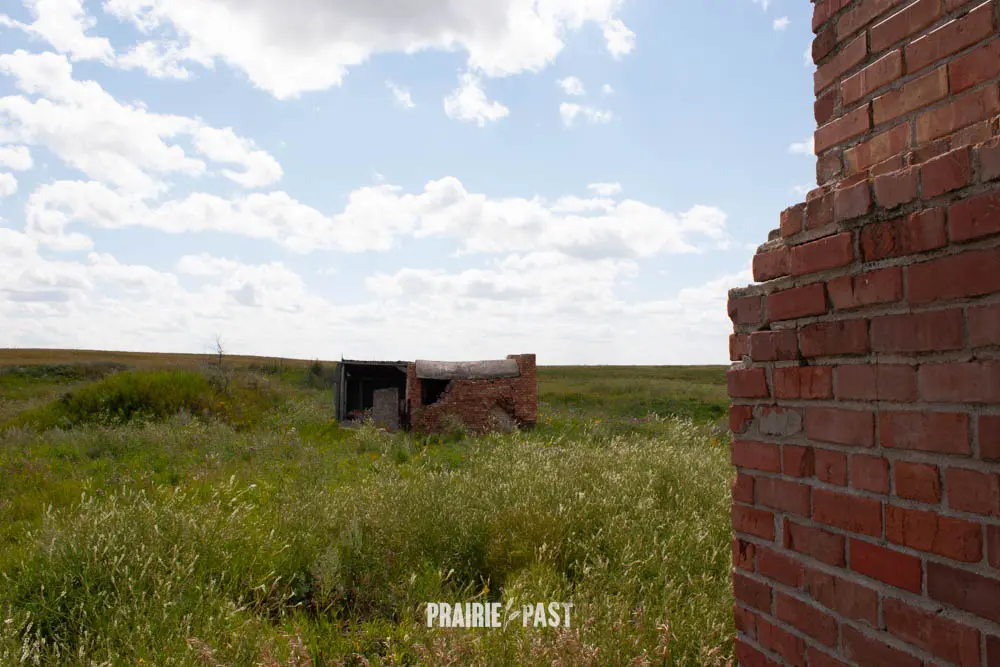
With new equipment and leadership, including industry expert A.W. Weir, the factory was fully modernized. By 1914, Bruno Clayworks employed 65 men and produced over a million bricks annually. Hargarten eventually sold his shares in 1916 to open Bruno’s first drug store. The plant continued to operate under new ownership until the early 1960s, marking the end of a remarkable chapter in small-town Saskatchewan industry.