Like many small settlements scattered across Saskatchewan, Brooking was born from optimism, hard work, and the promise of life on the prairies. Located in rural Saskatchewan, southwest of Weyburn - Brooking was never a large town, but it played an important role for the families who lived, worked, and built their lives there.
Brooking emerged during the early 20th century, a period when agriculture was rapidly expanding across the province. Small communities like Brooking formed to serve surrounding farms, providing essential services such as grain handling, supplies, and social gathering spaces. These settlements were often closely tied to nearby rail lines or road networks, which allowed farmers to ship grain and receive goods from larger centers.
At its peak, Brooking would have been a familiar prairie scene, modest buildings, open fields stretching in every direction, and a tight-knit rural population. Life revolved around the agricultural calendar, with long days in the fields and community events offering moments of connection and celebration. Though small, places like Brooking were vital hubs that helped sustain rural Saskatchewan.
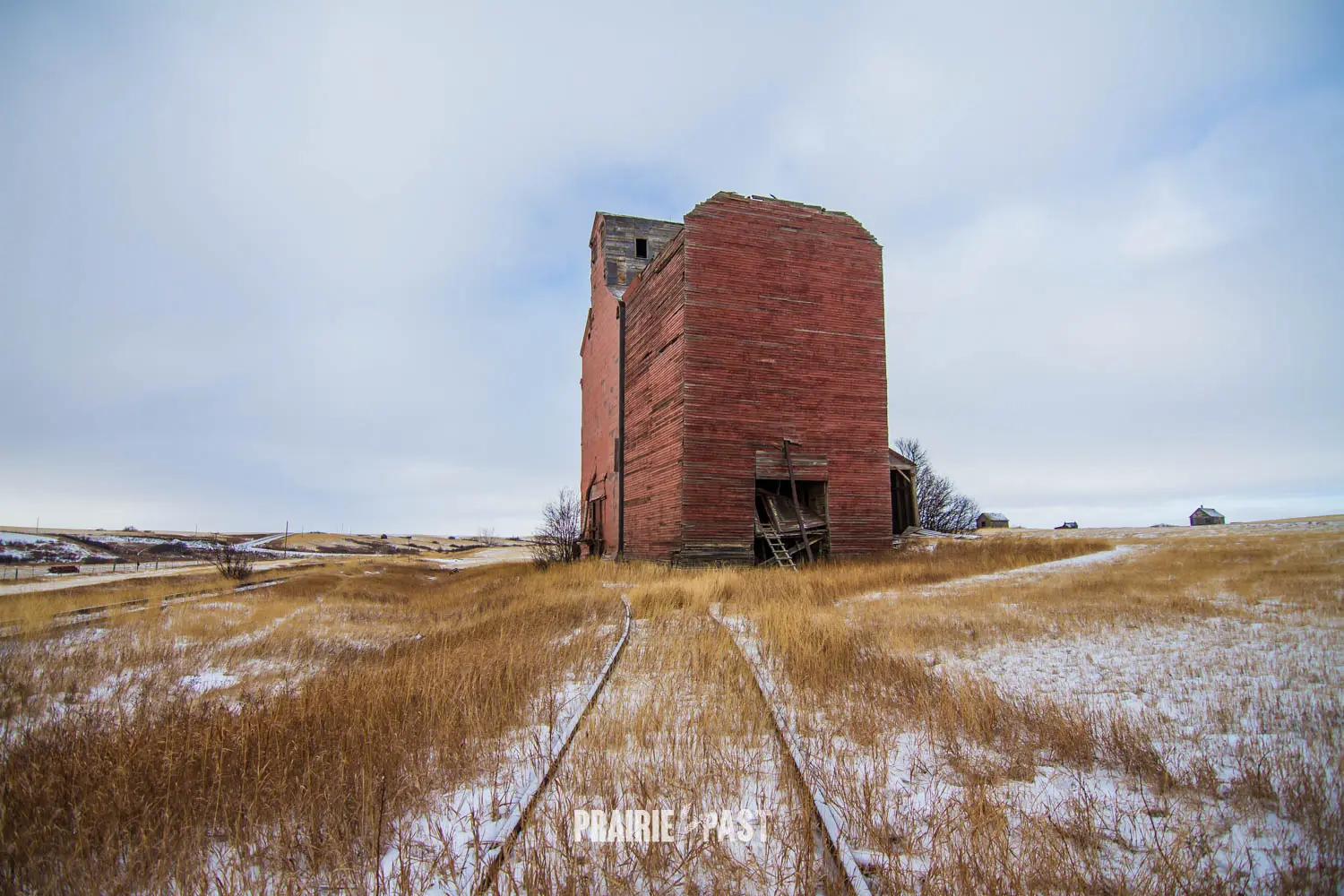
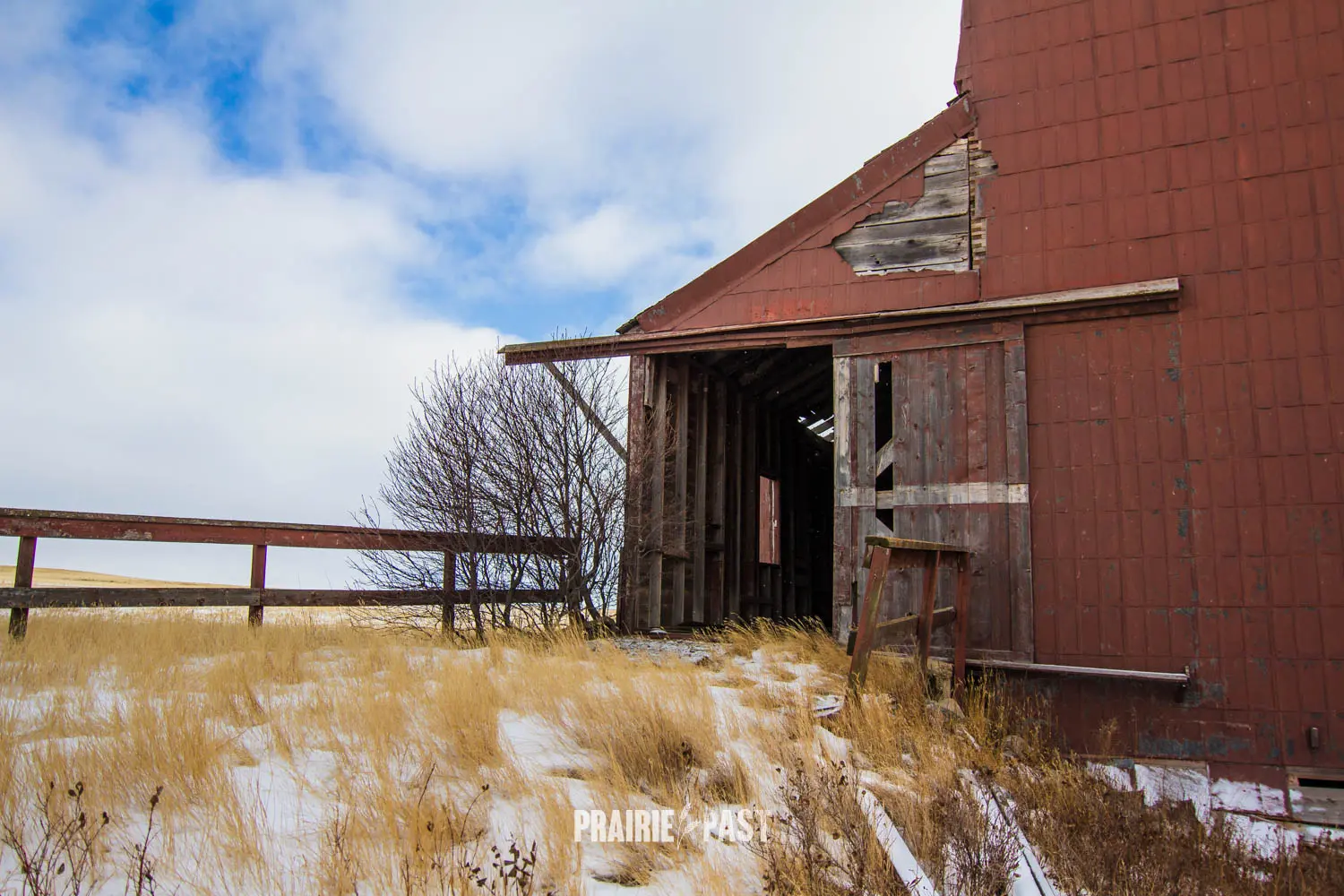
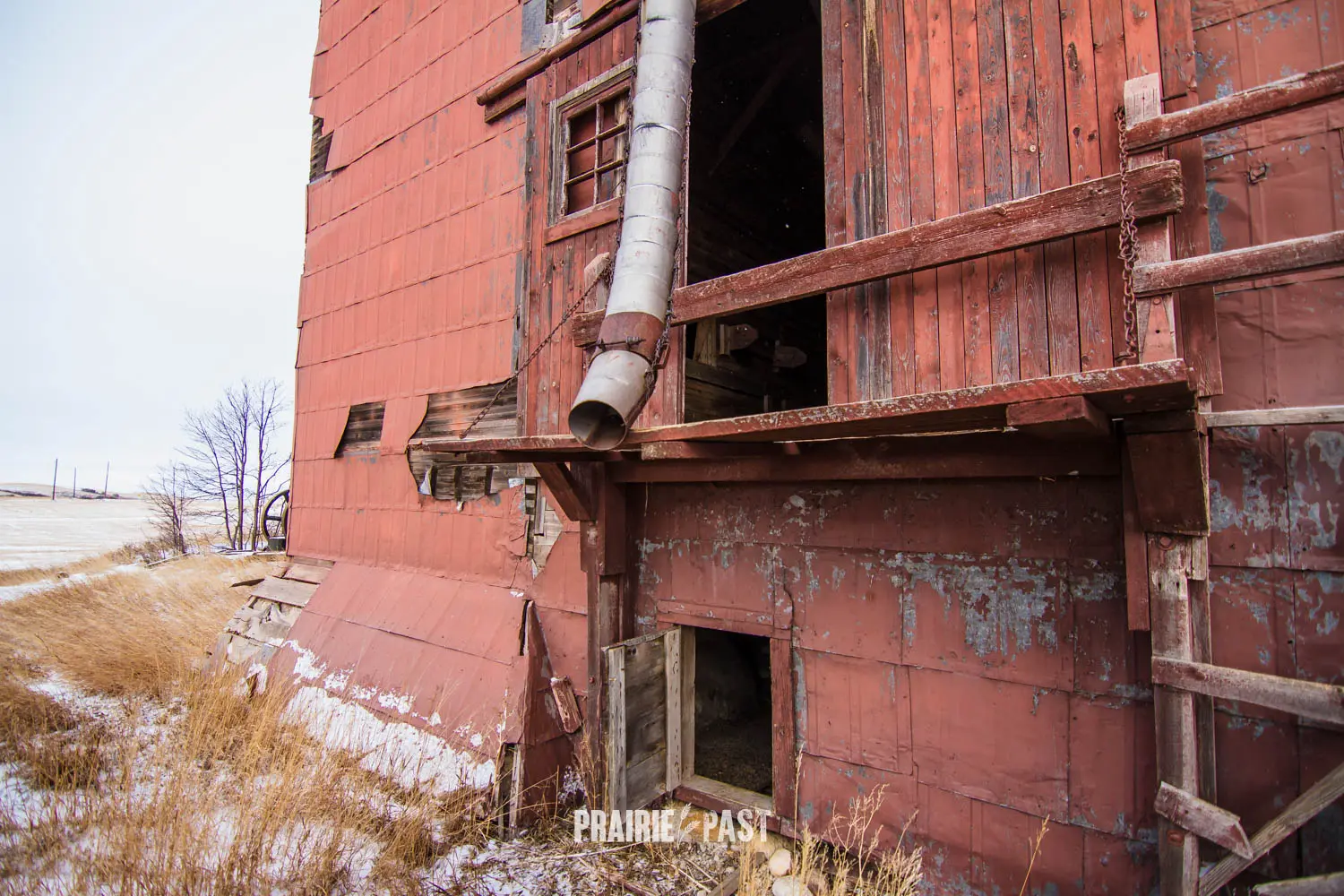
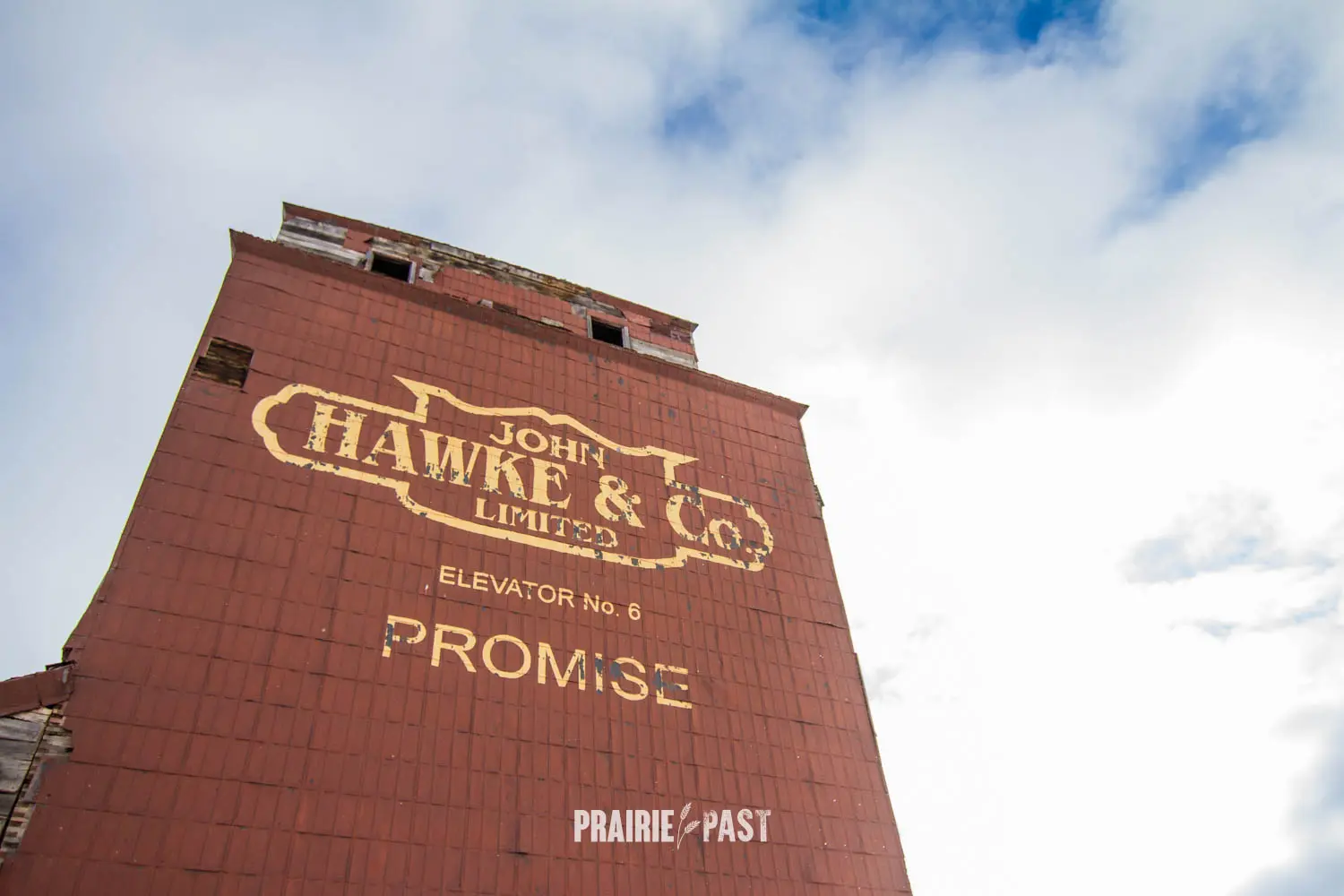
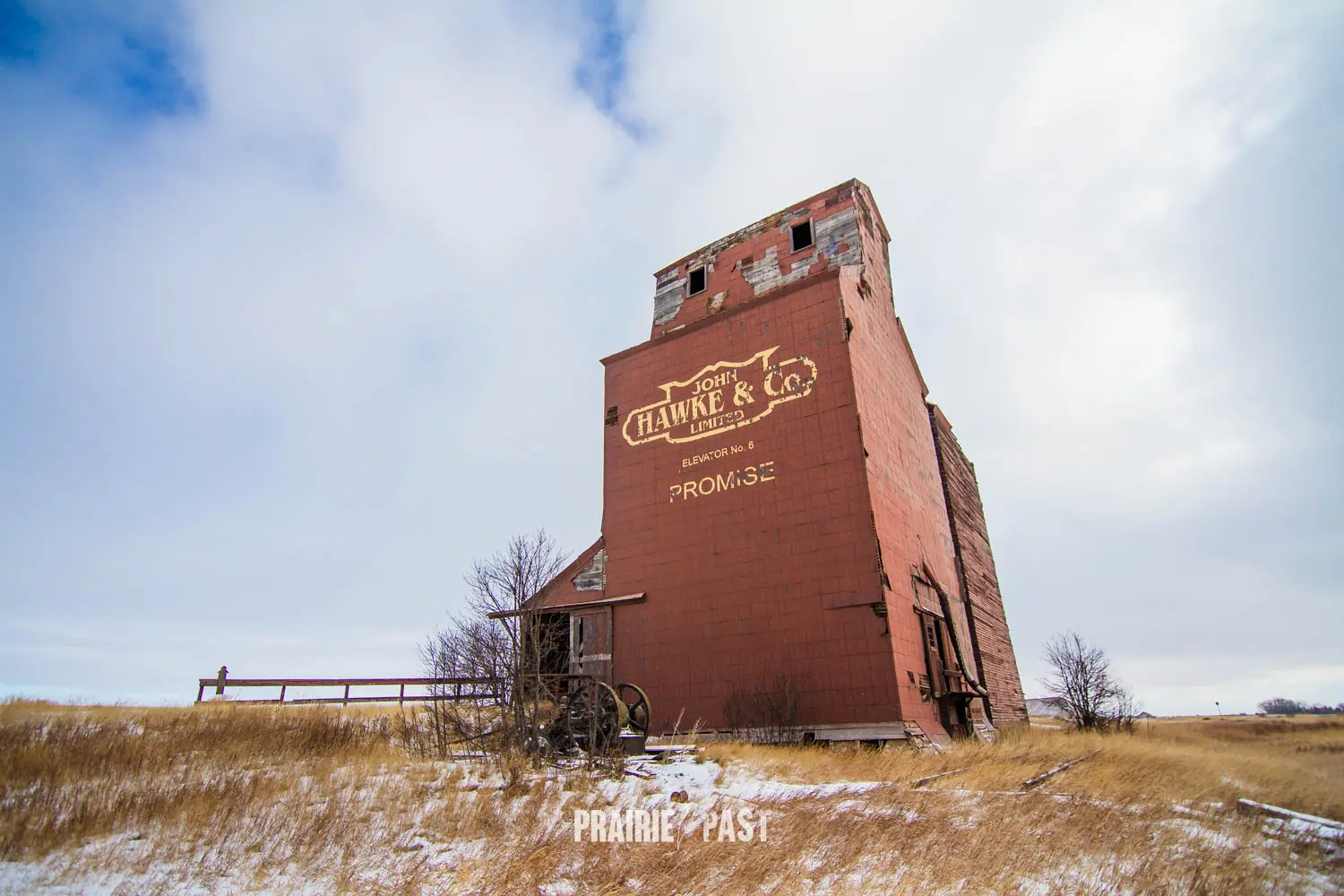
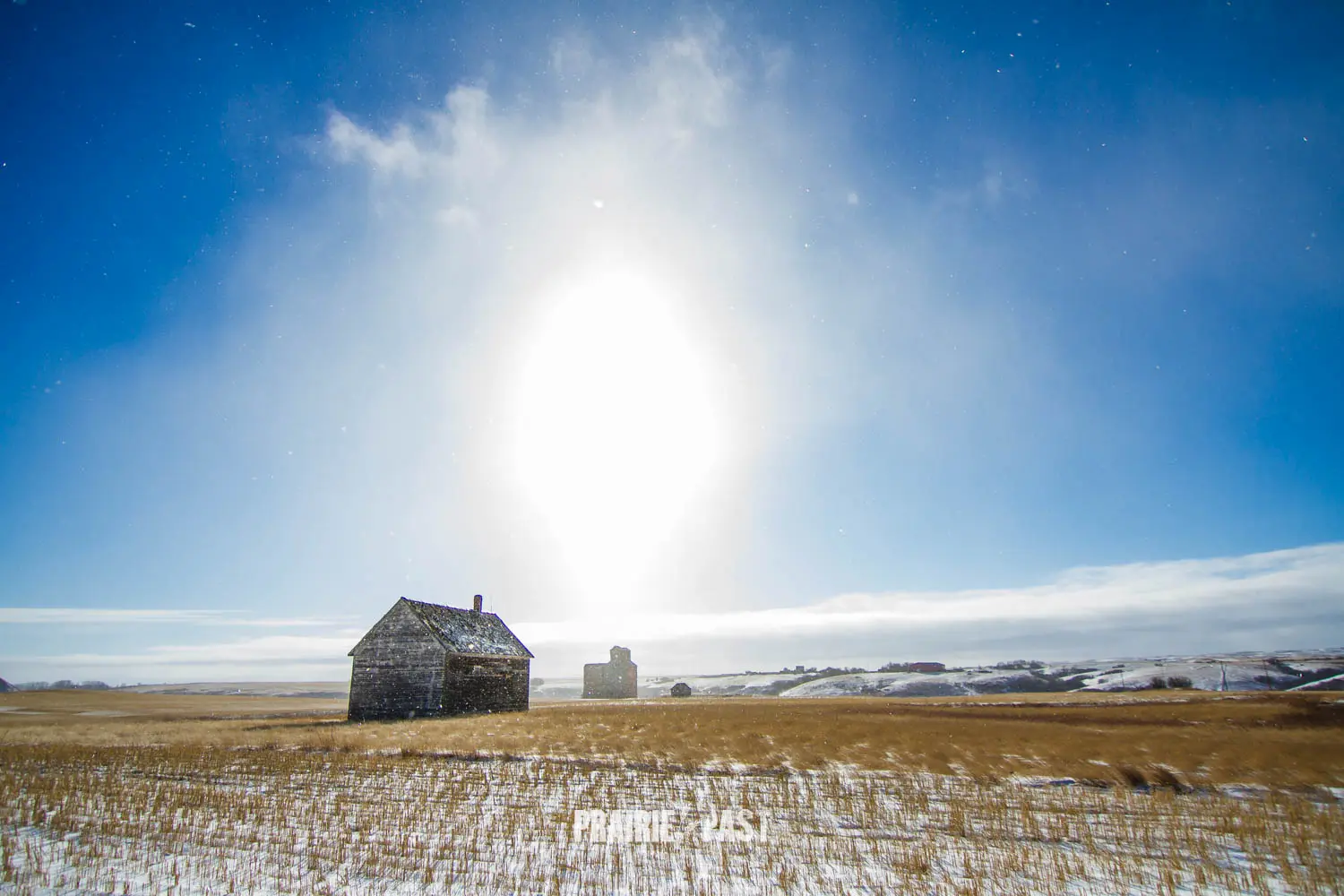
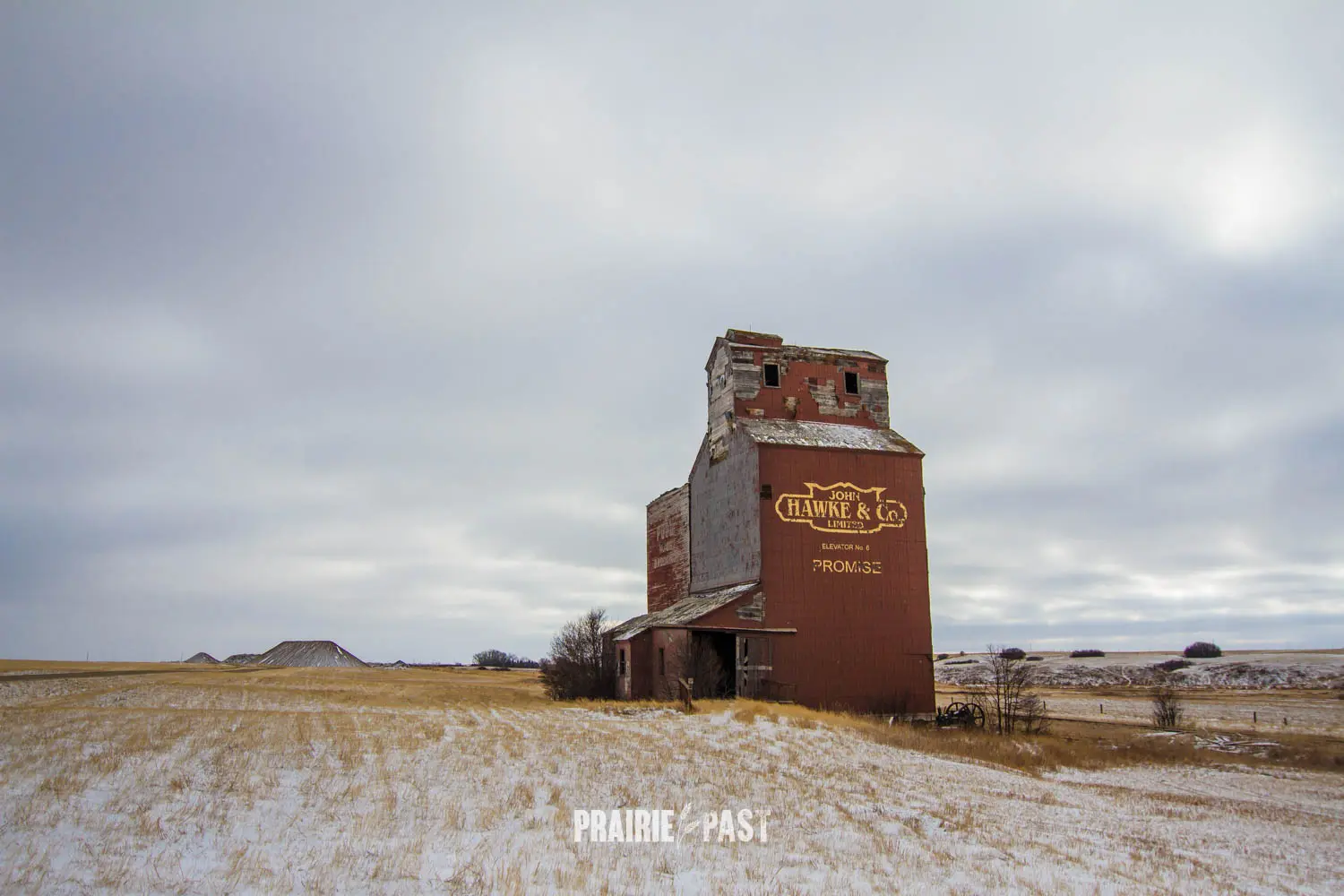
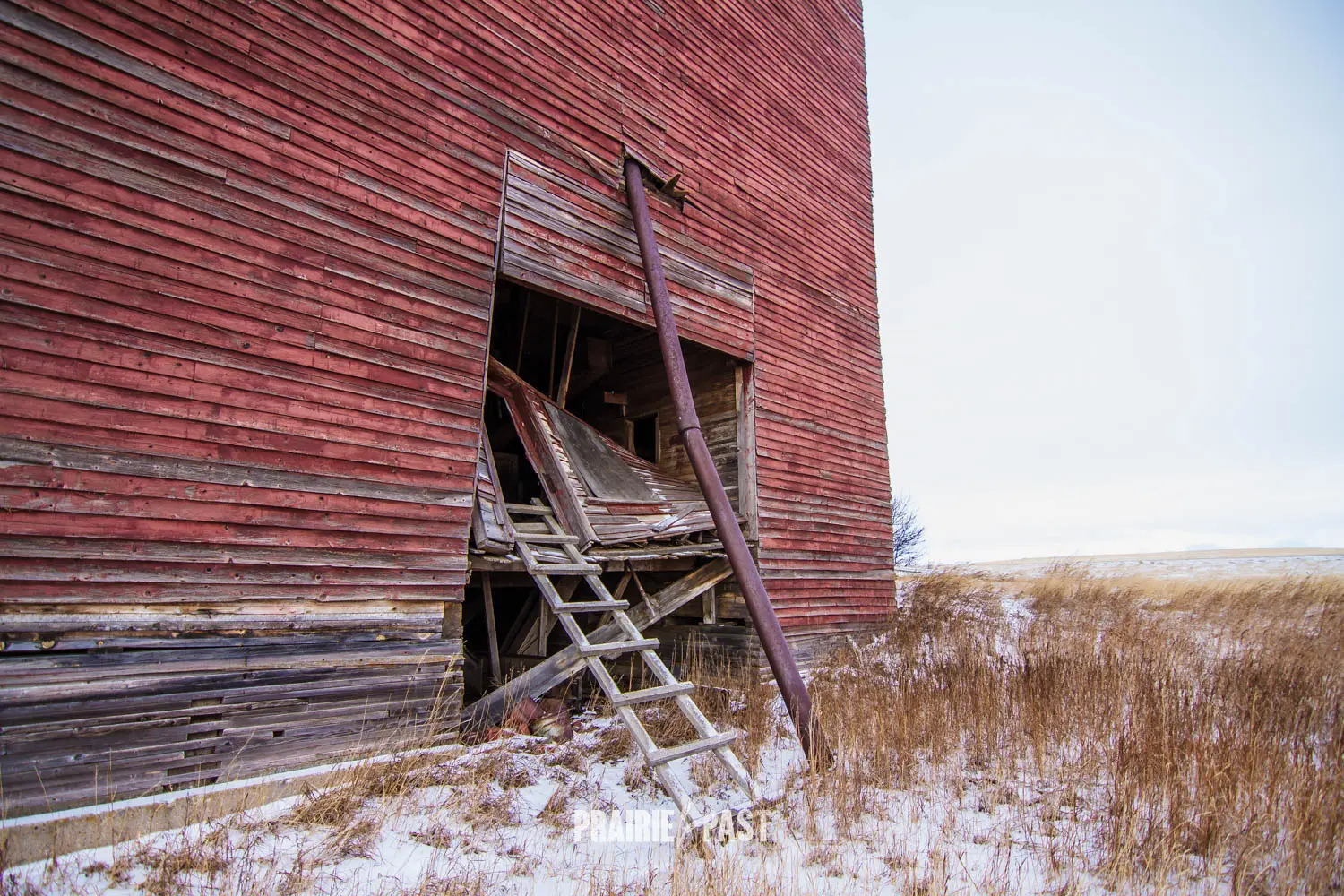
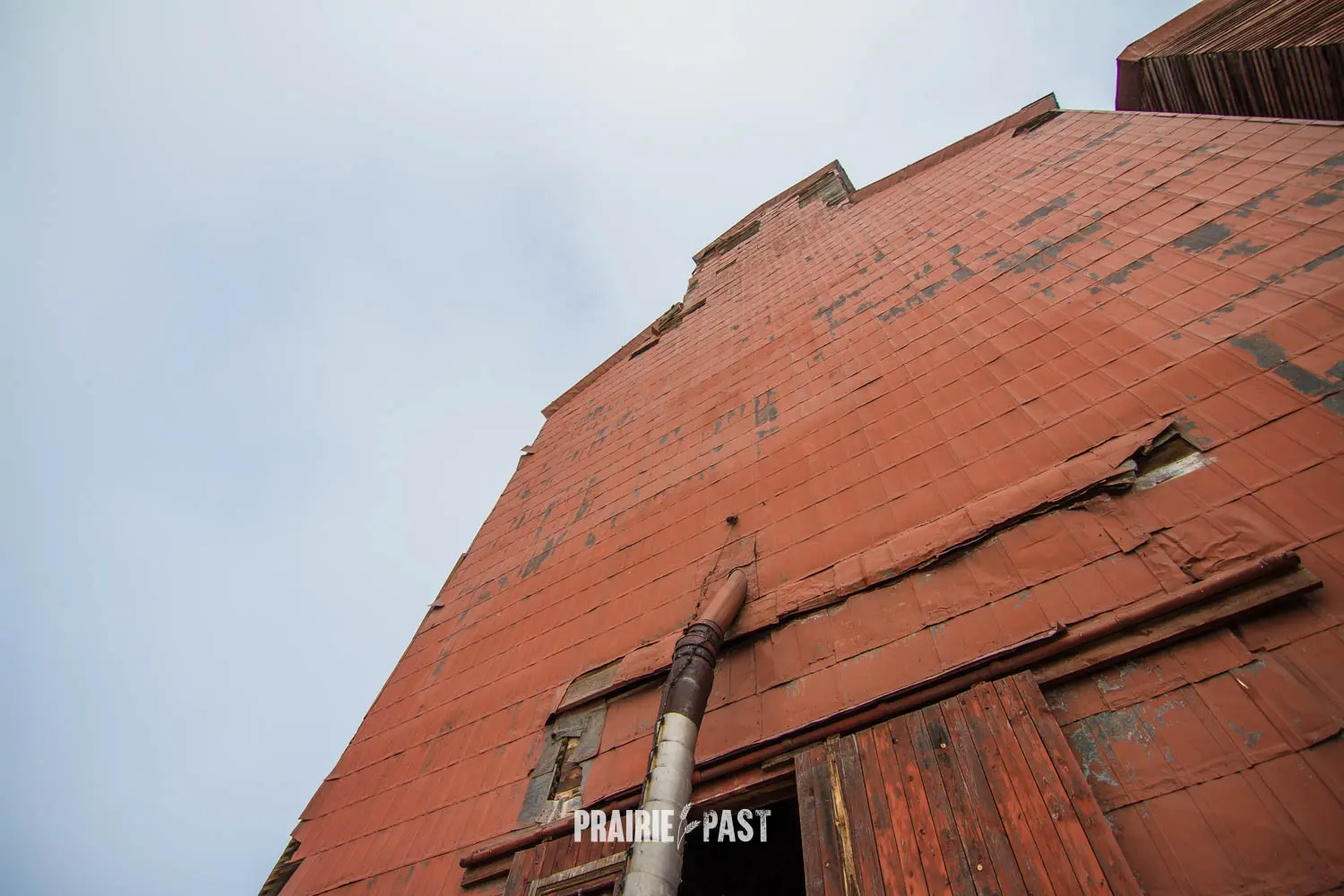
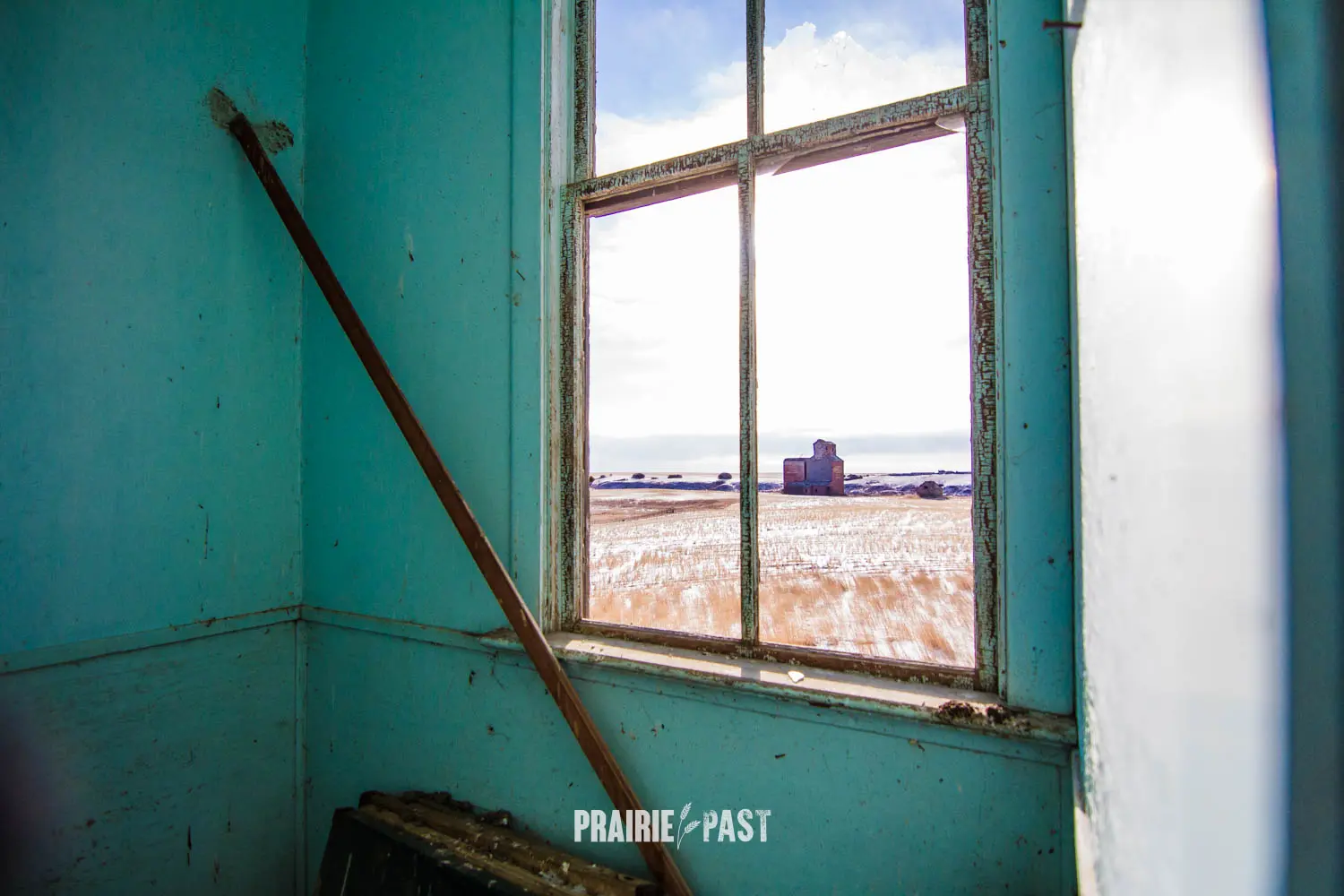
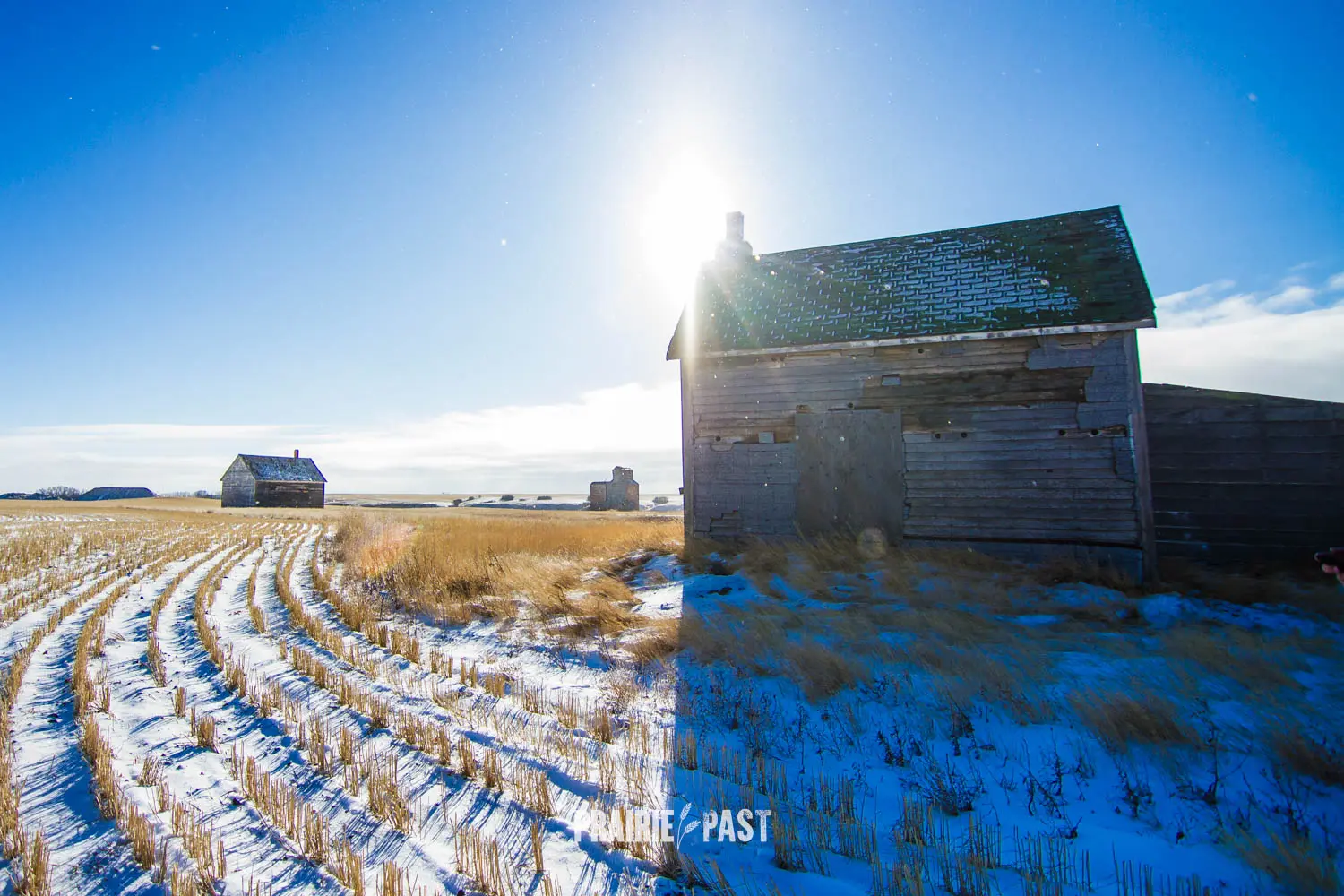
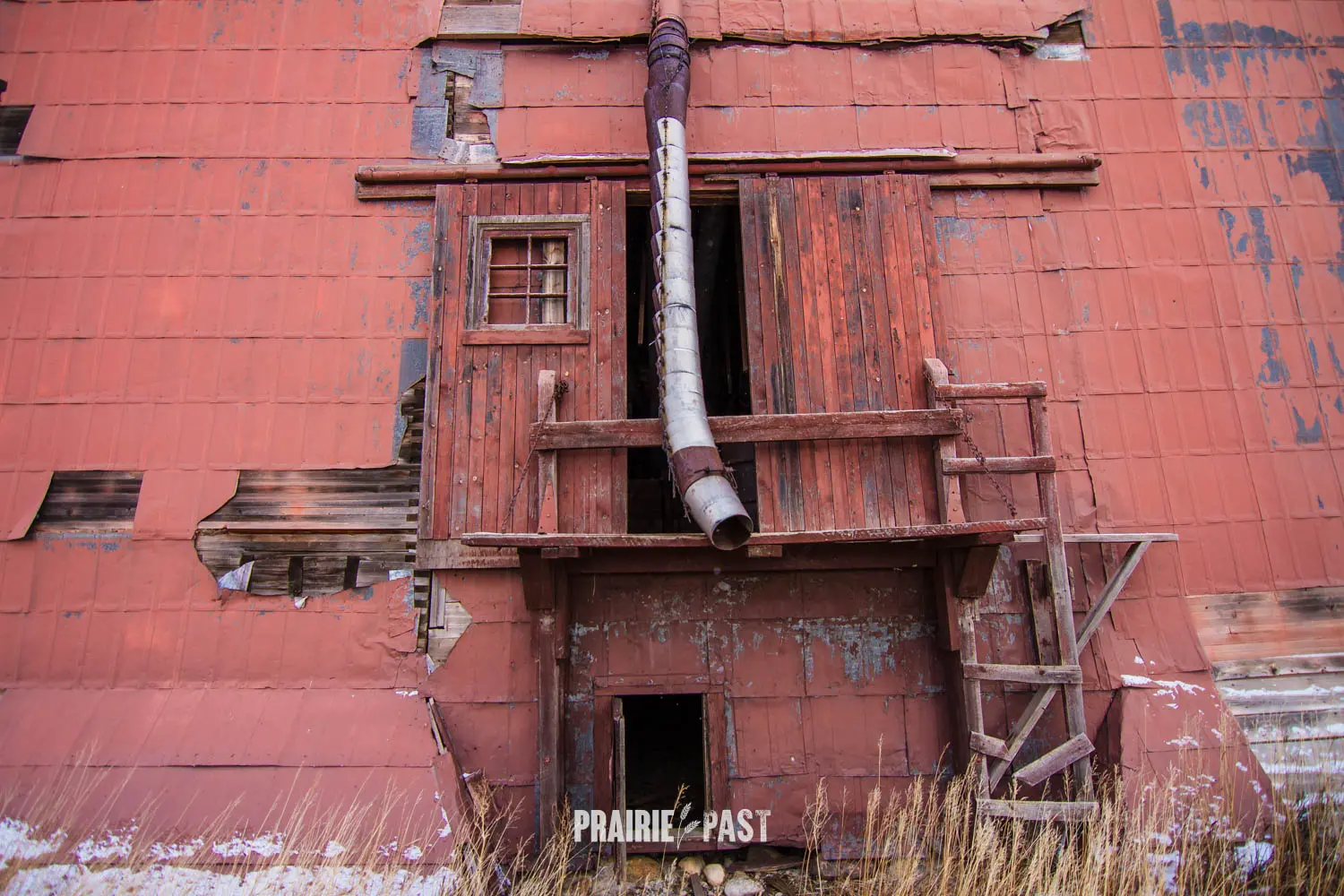
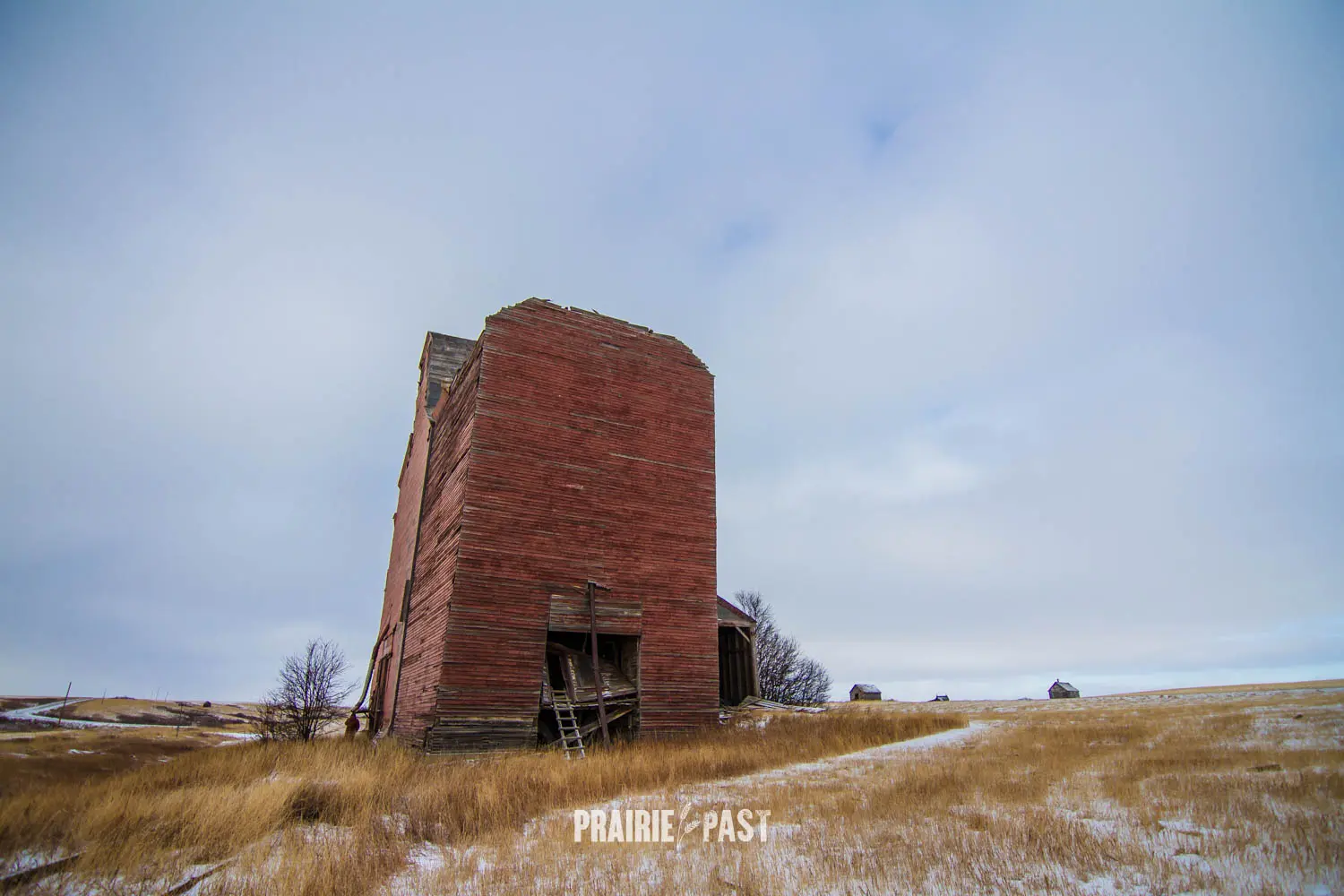
One of Brooking’s most recognizable landmarks was its grain elevator, a structure that stands as both a symbol of prairie agriculture and a focal point of daily life. Long after Brooking declined, the elevator gained a unique place in Saskatchewan culture when it was used as a filming location for the 1999 movie Revenge of the Land. The elevator’s weathered exterior and isolated prairie setting provided an authentic backdrop. The elevator was repainted with the logos of "Hawke and Co" and "Promise" for the filming, which you can still see today. This film appearance helped preserve Brooking’s legacy in a way few ghost towns ever experience.
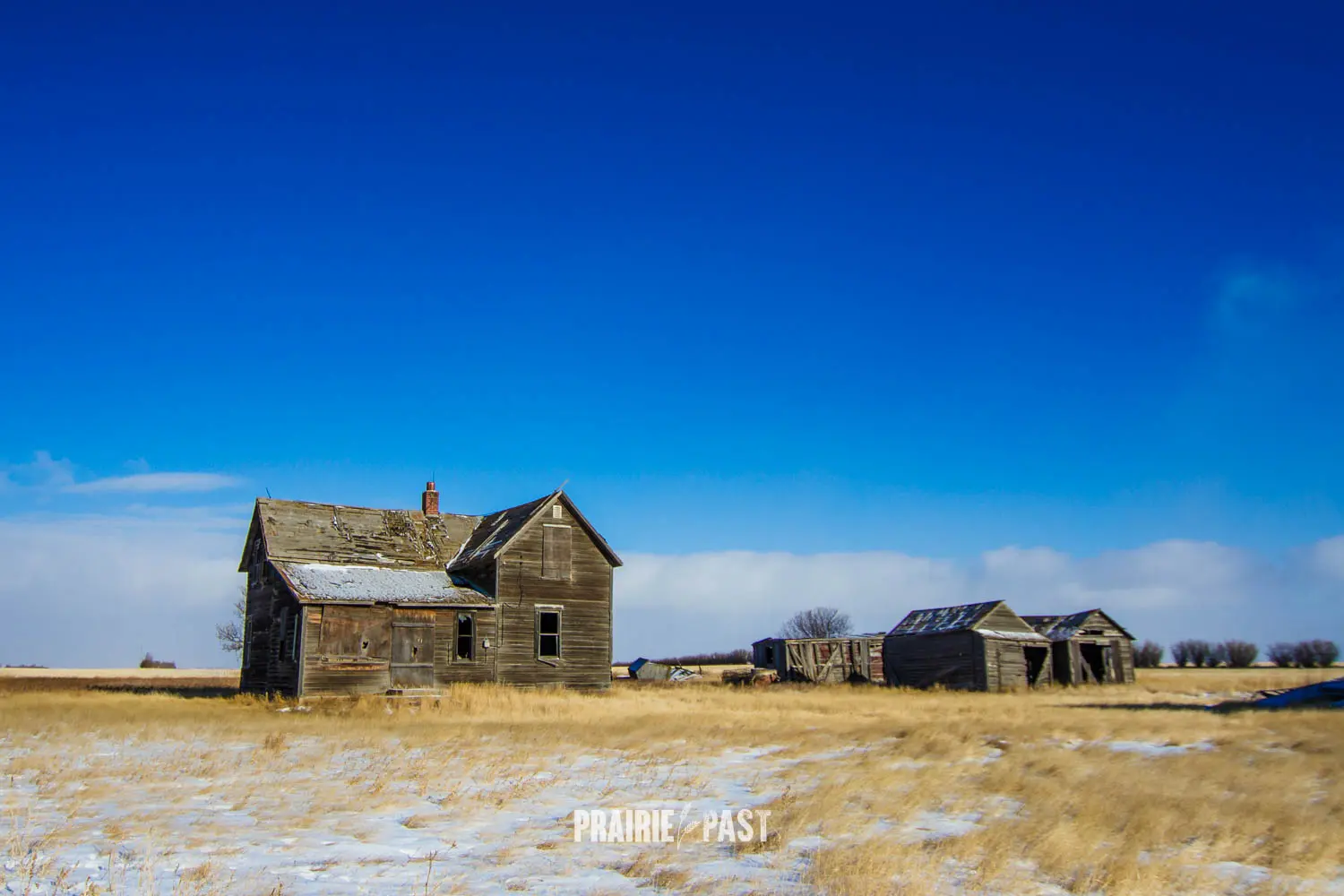
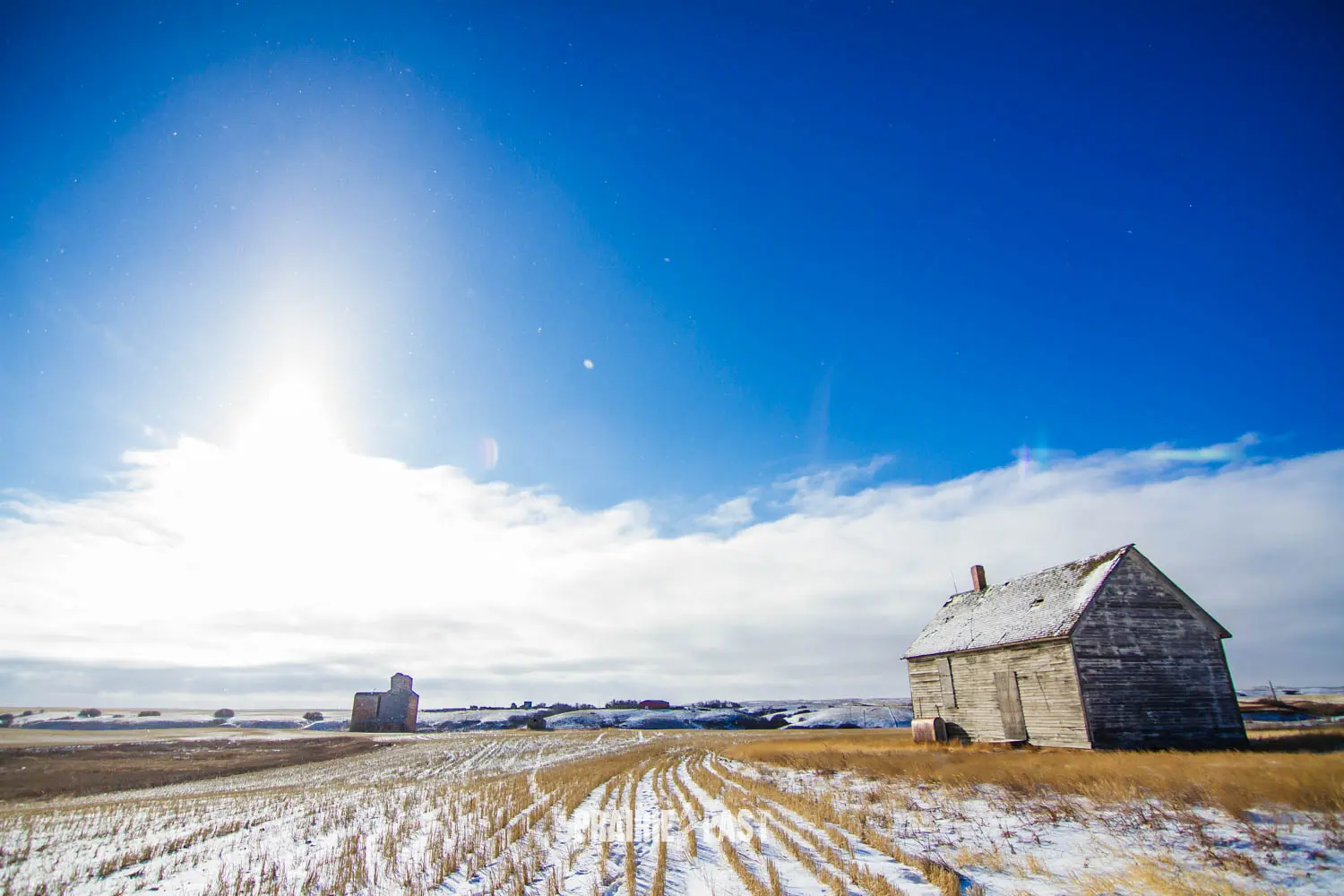
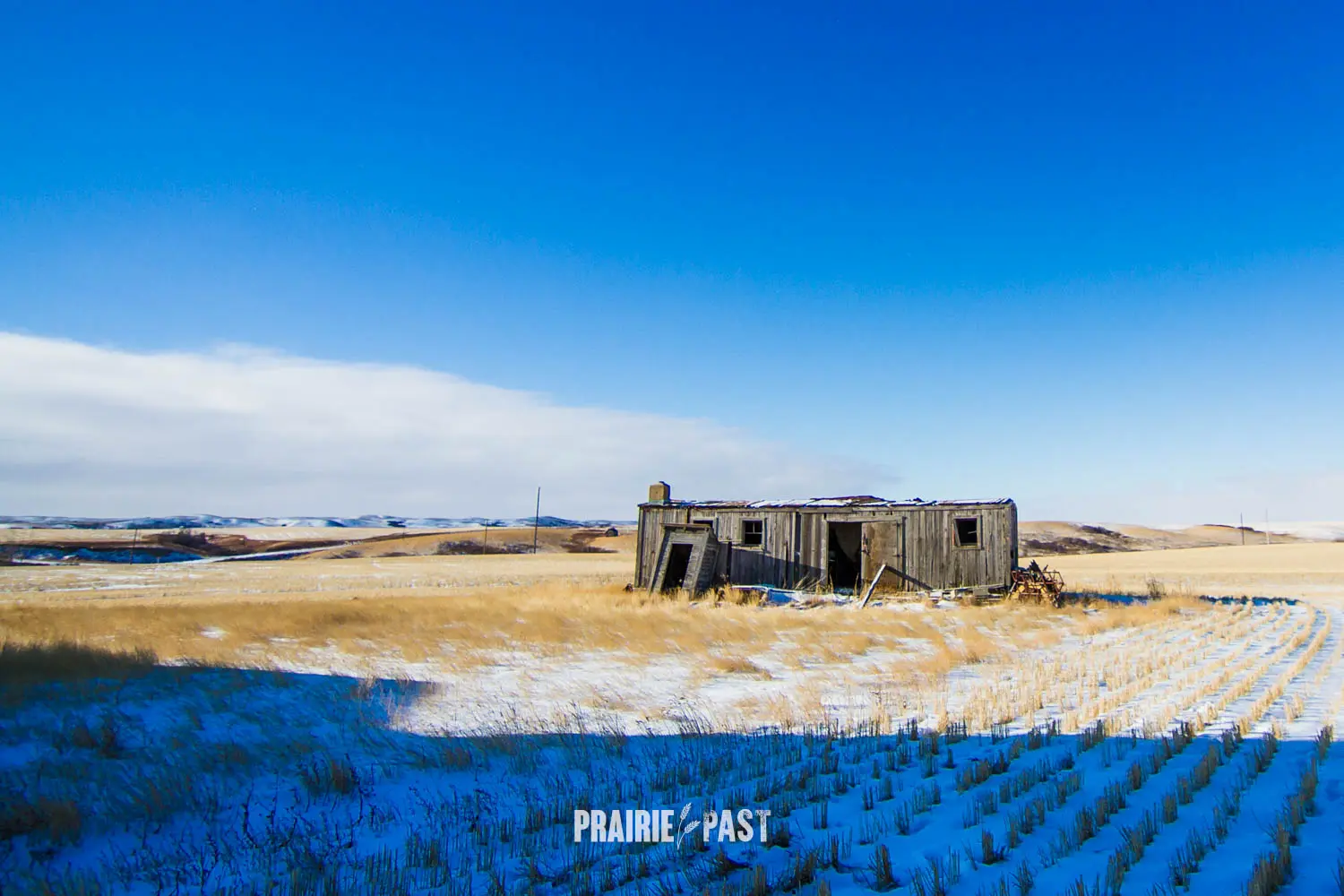
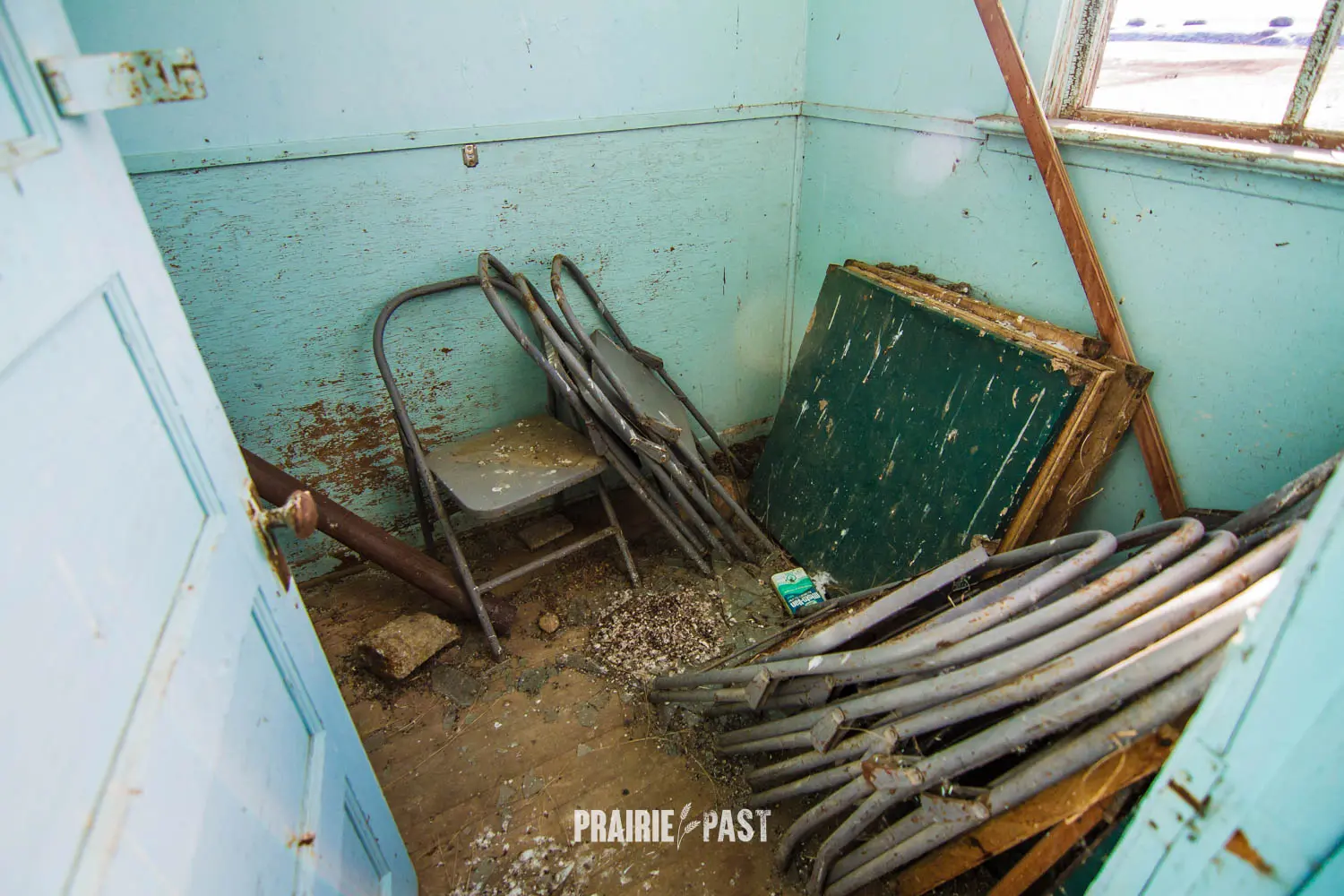
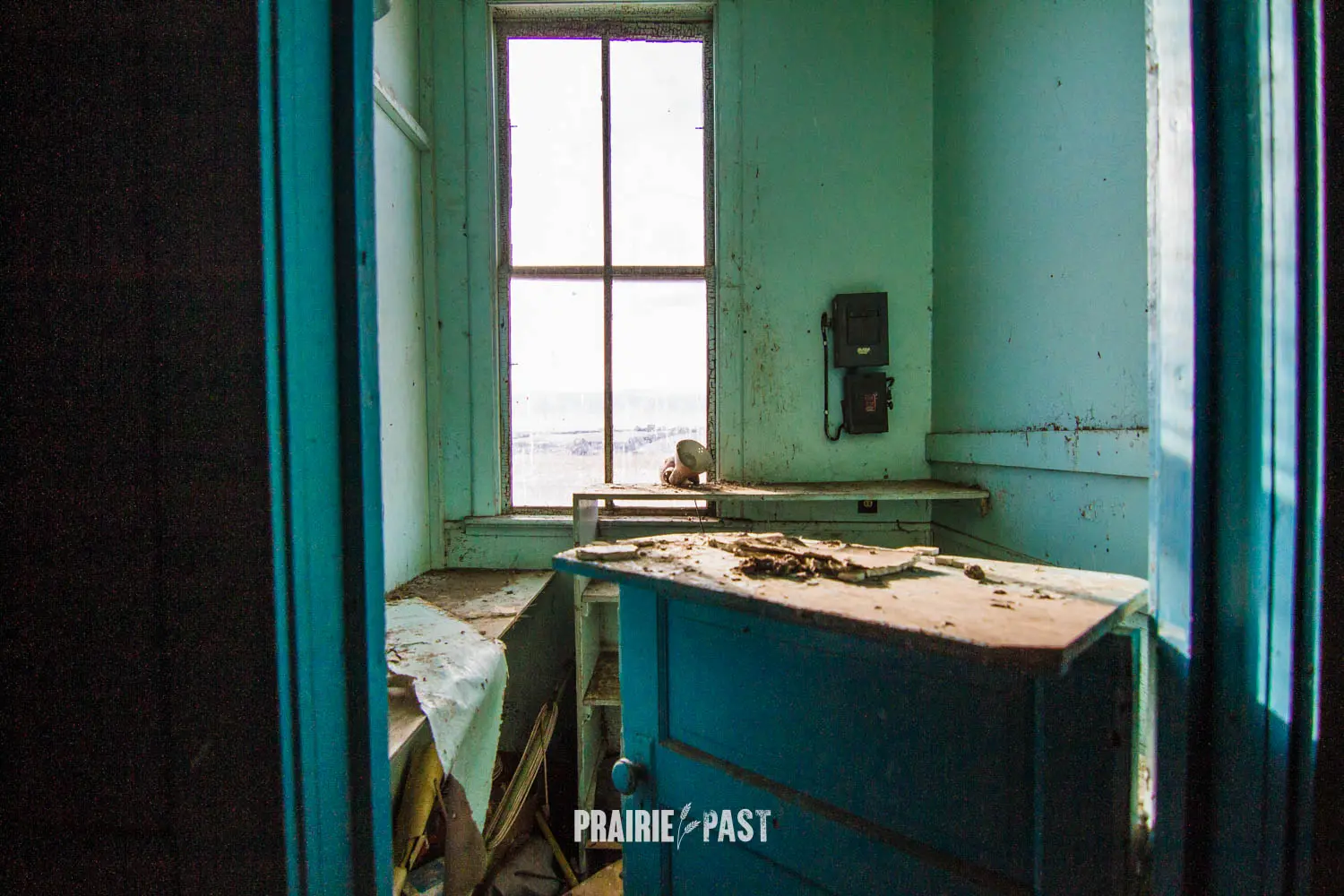
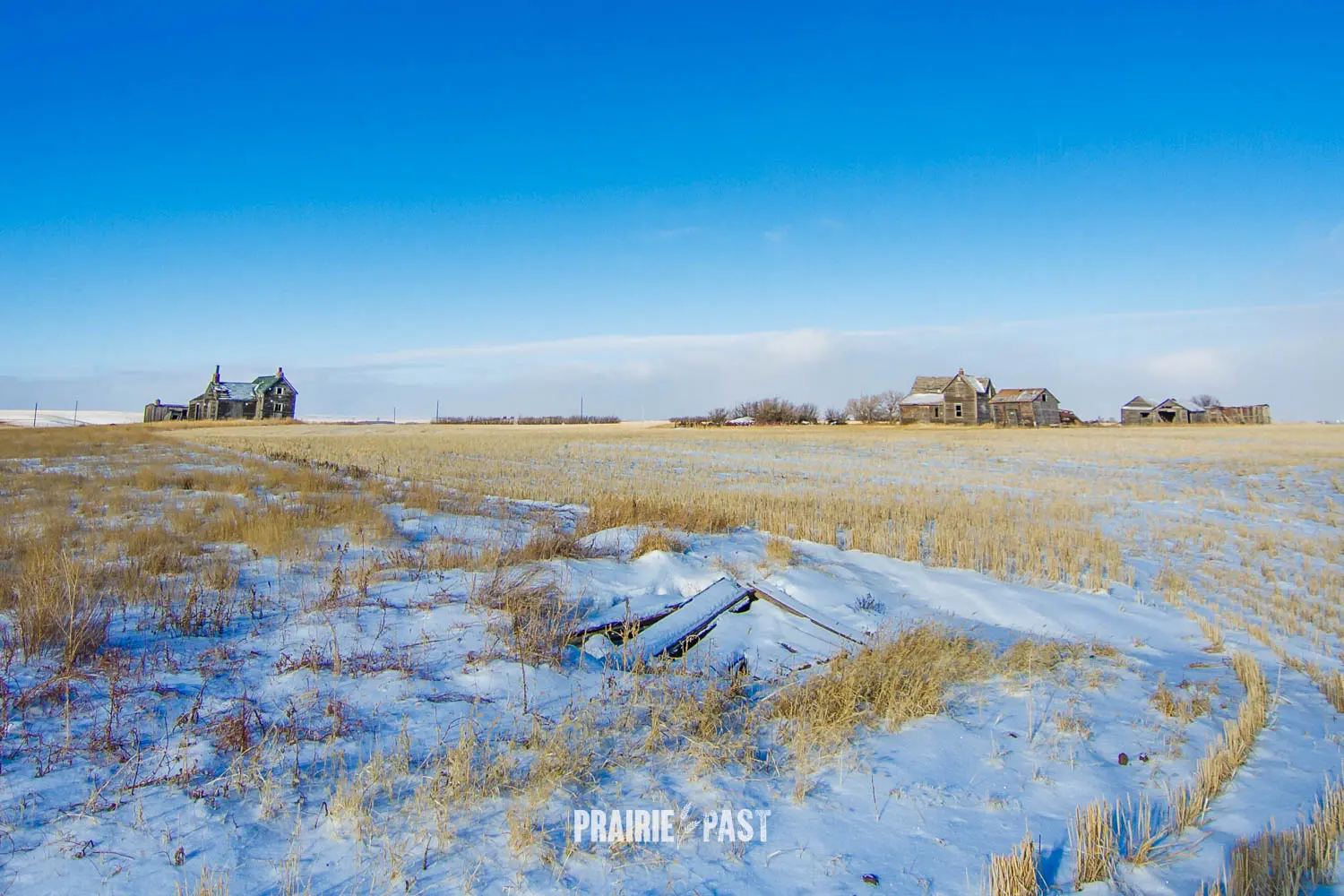
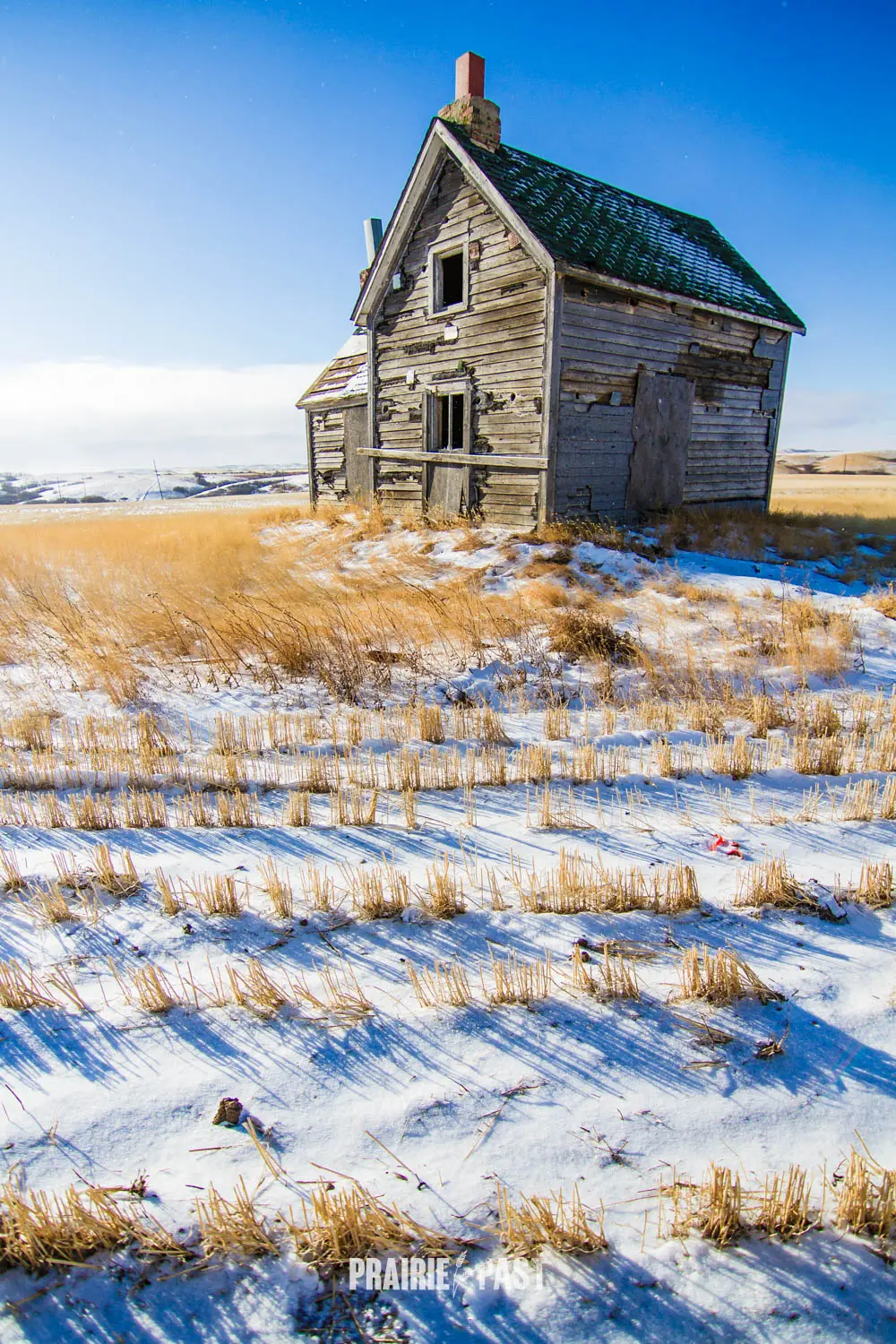
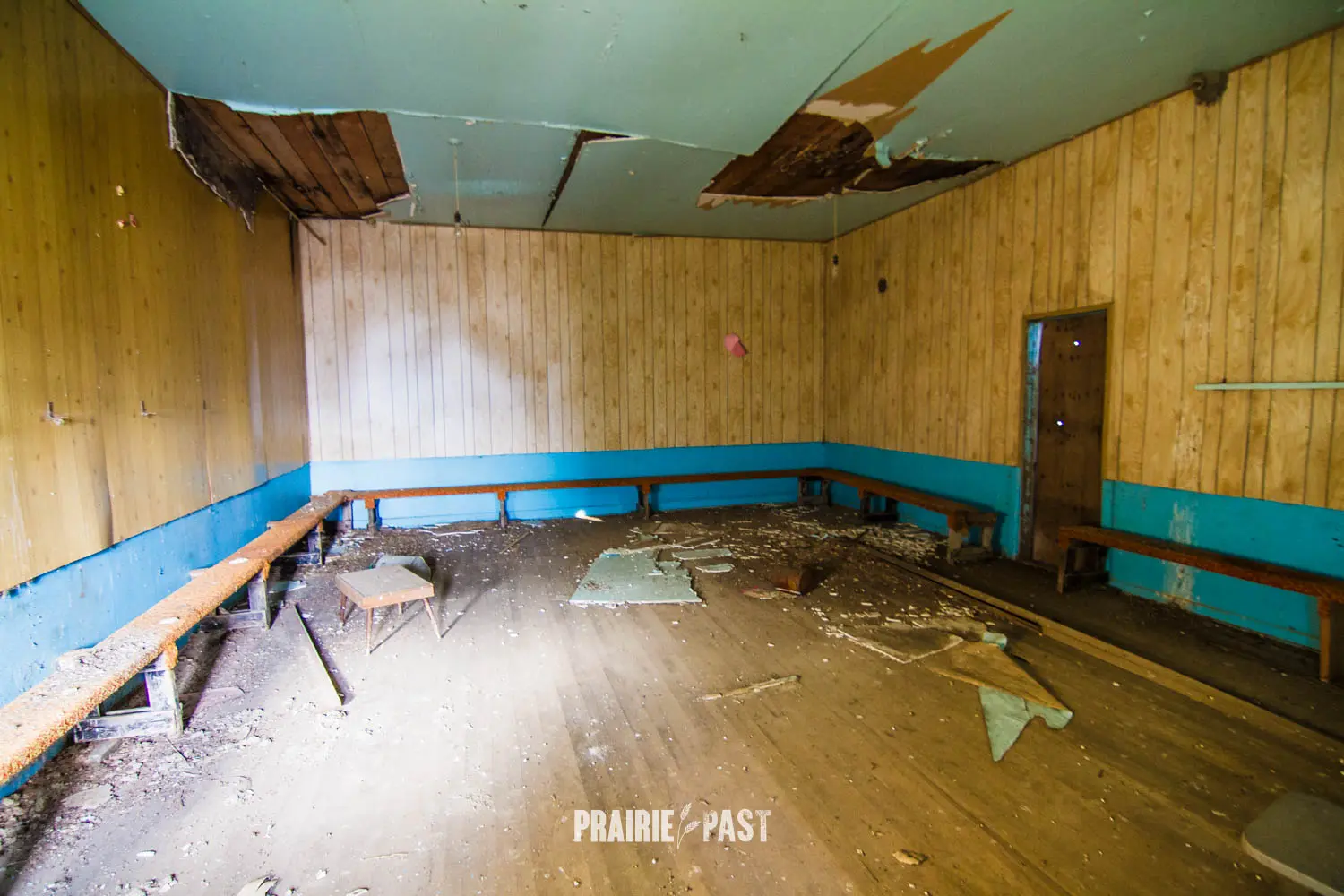
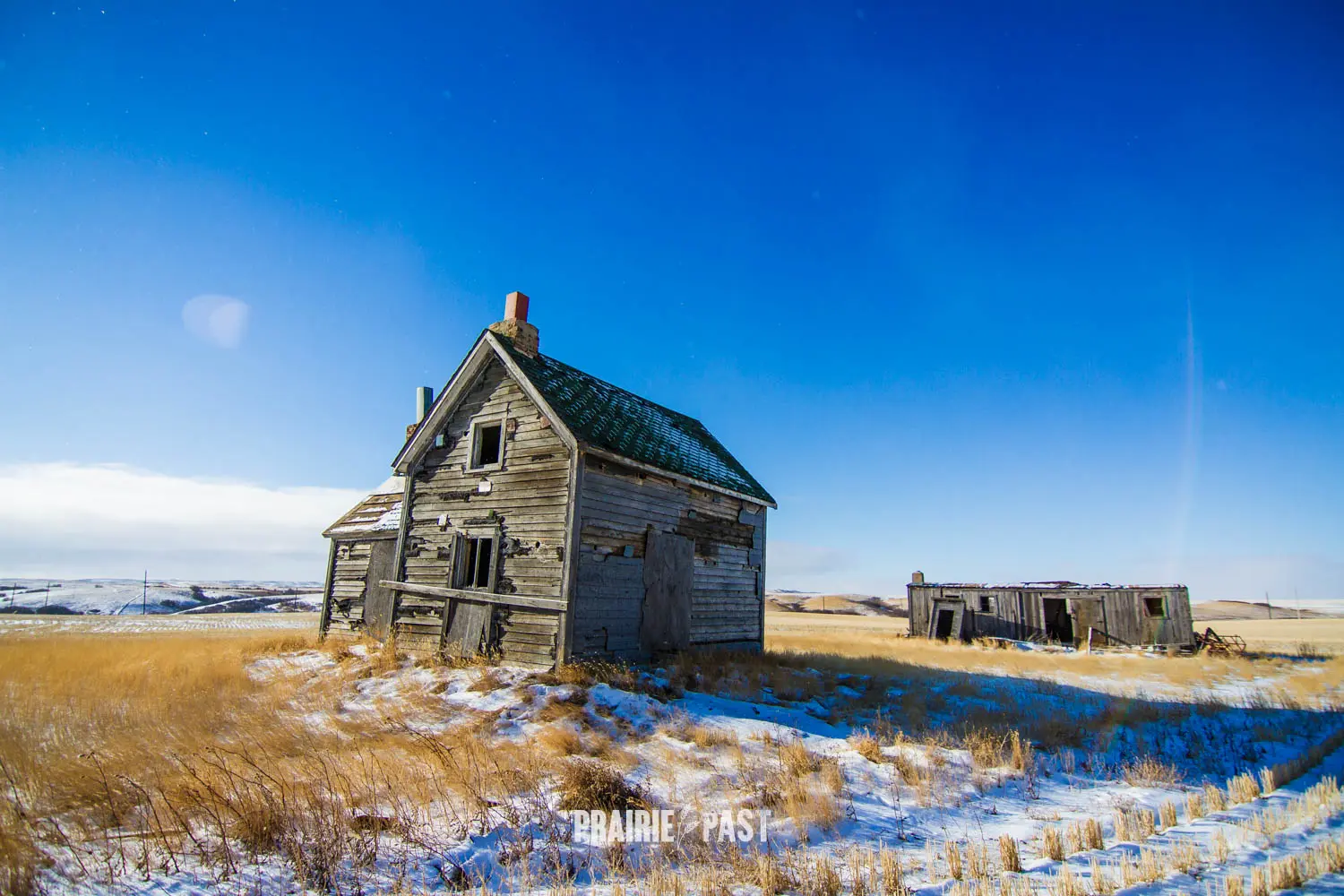
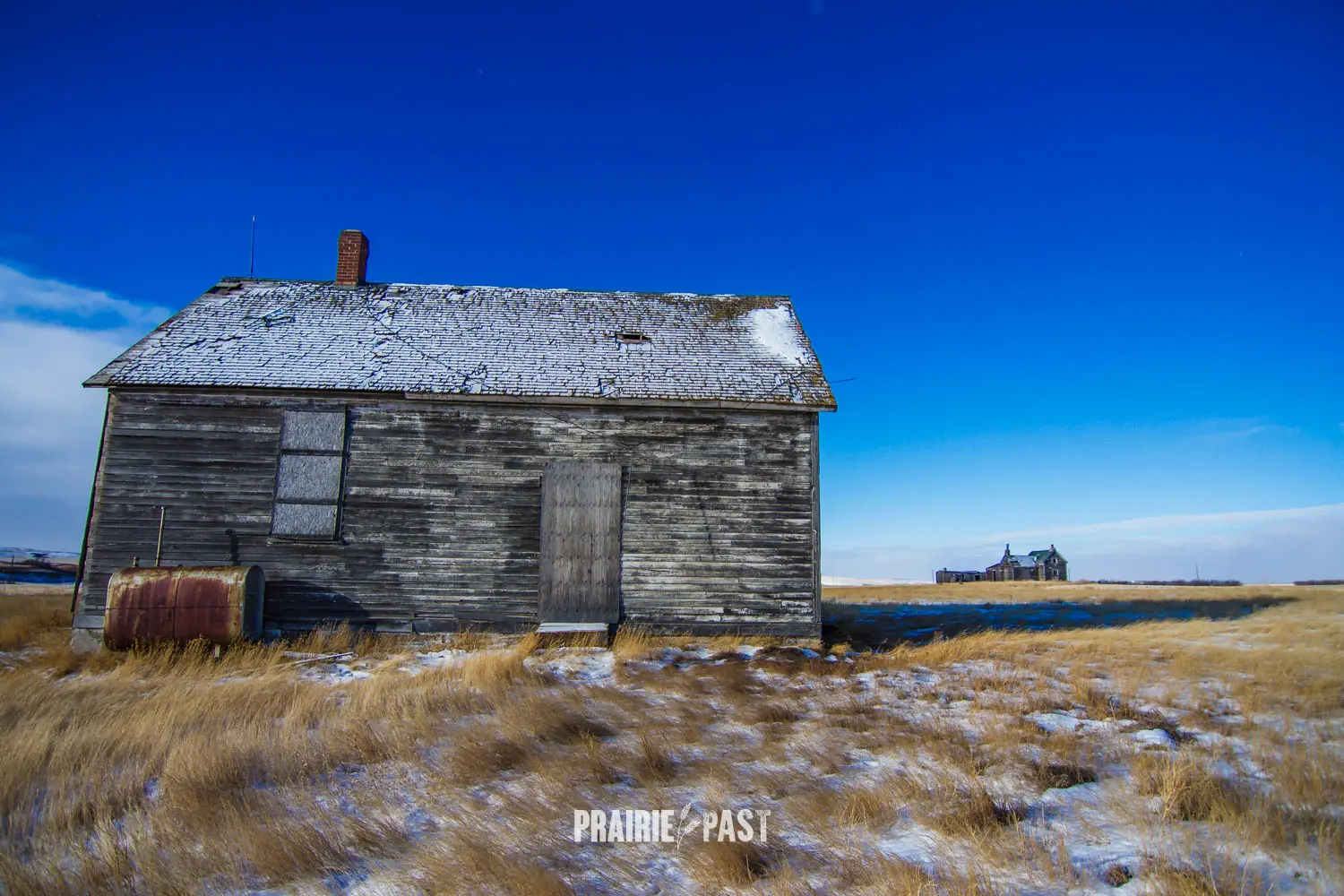
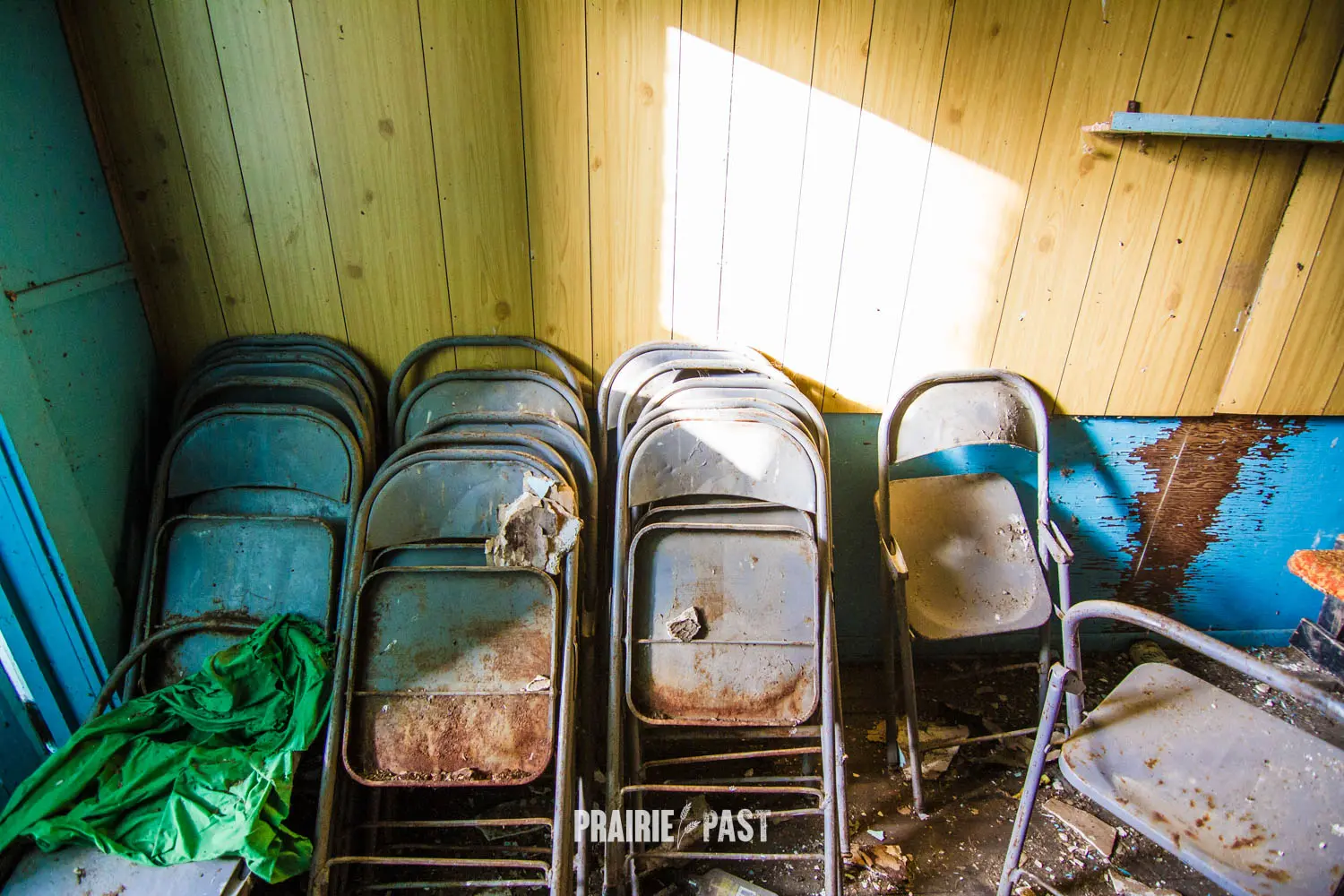
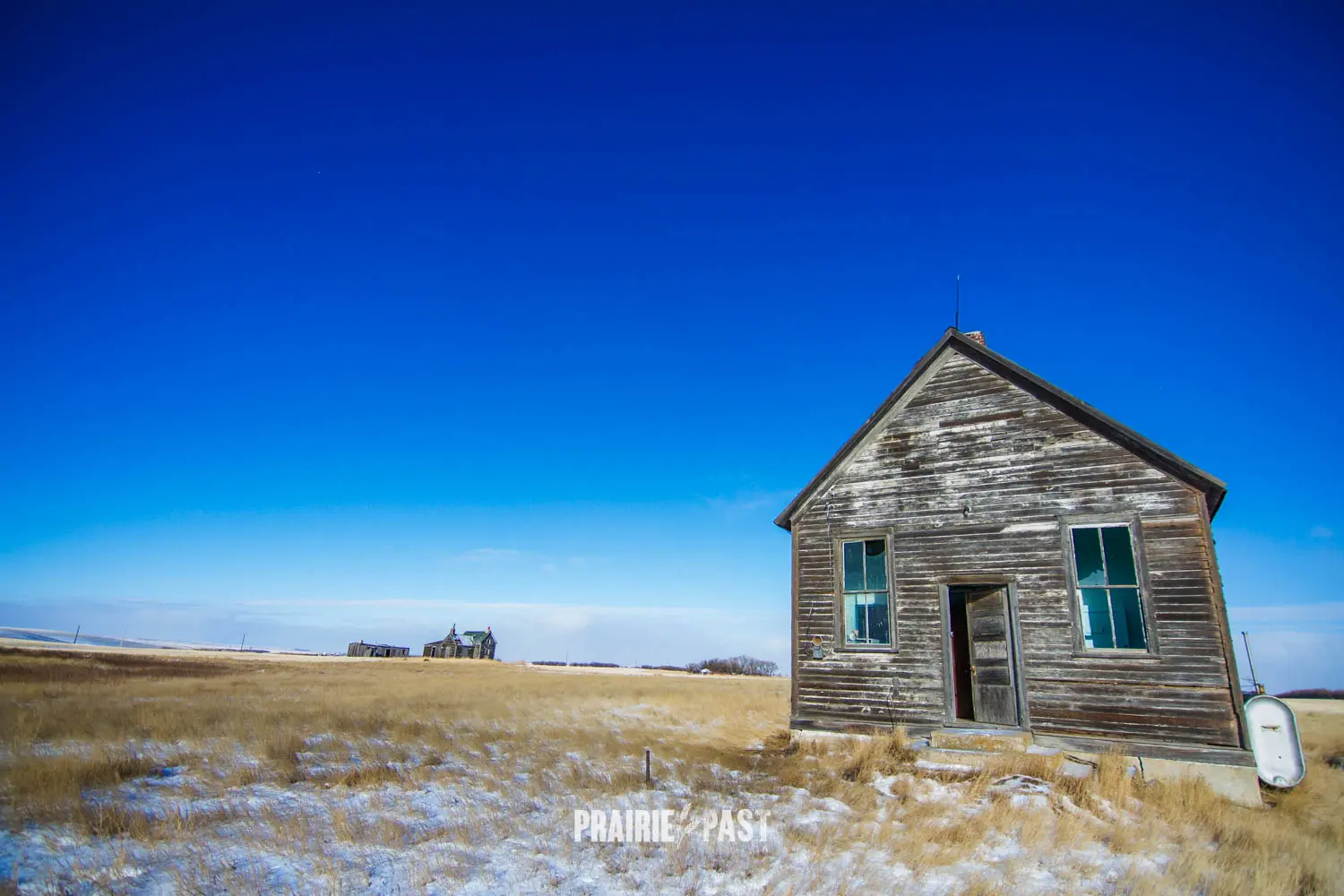
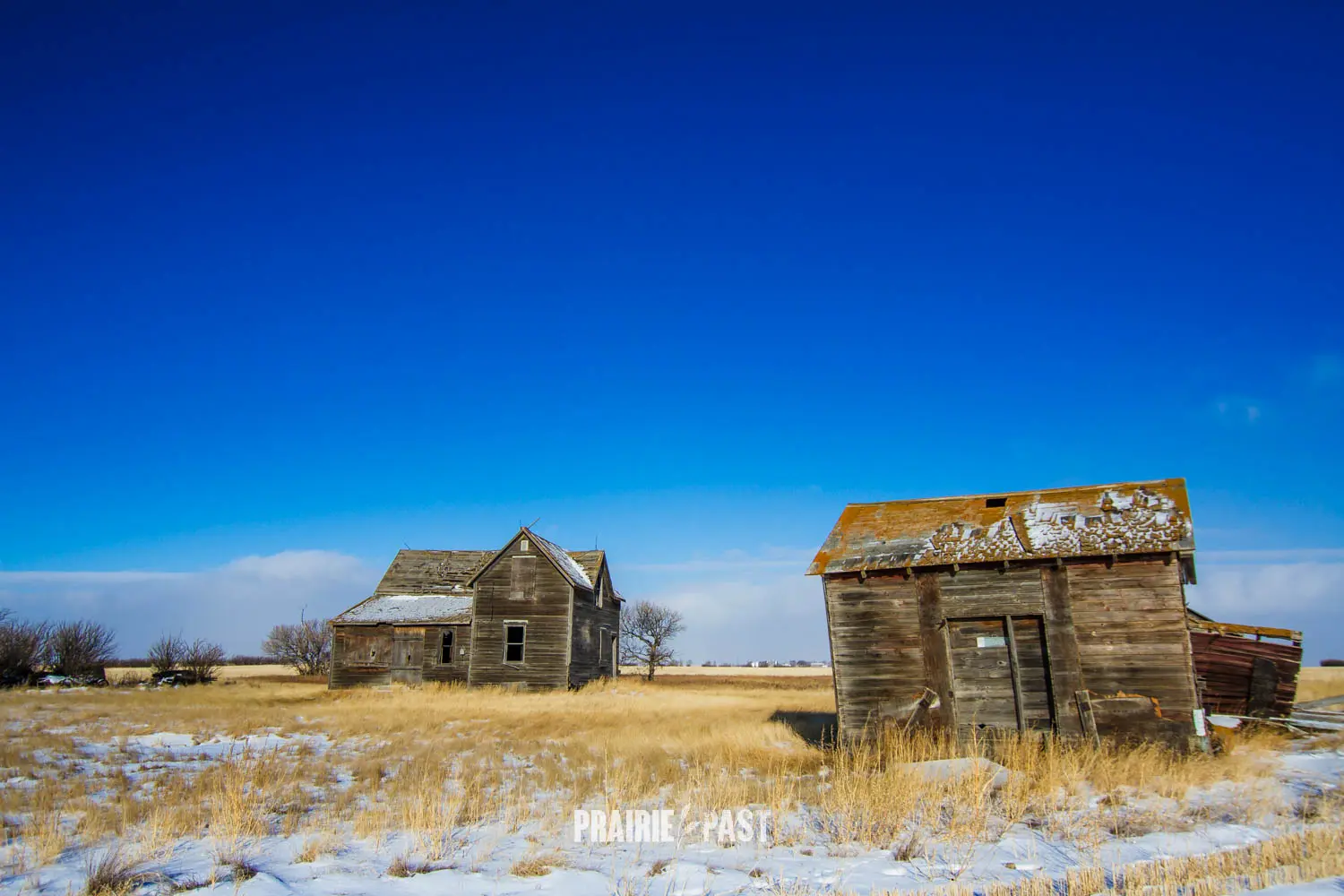
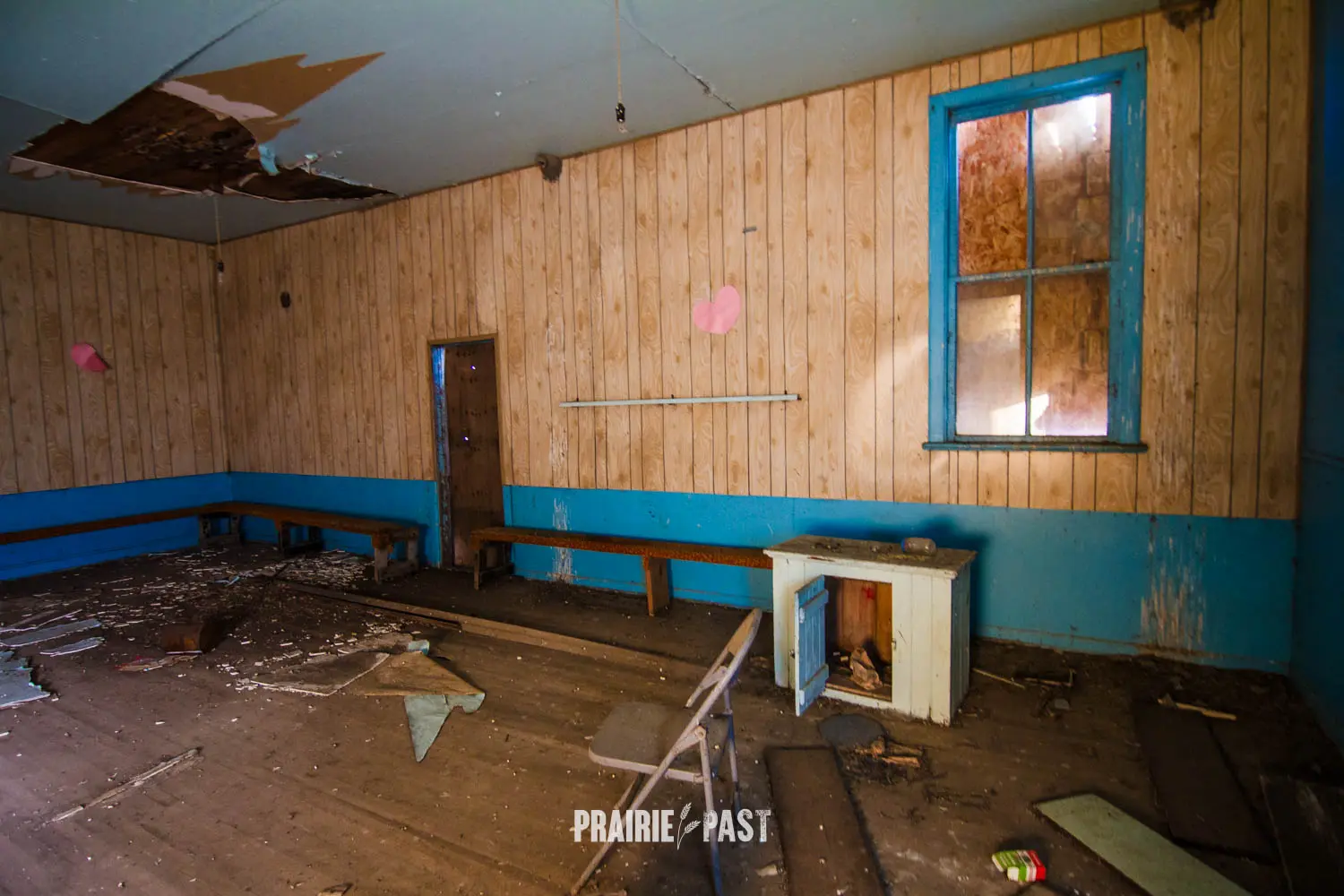
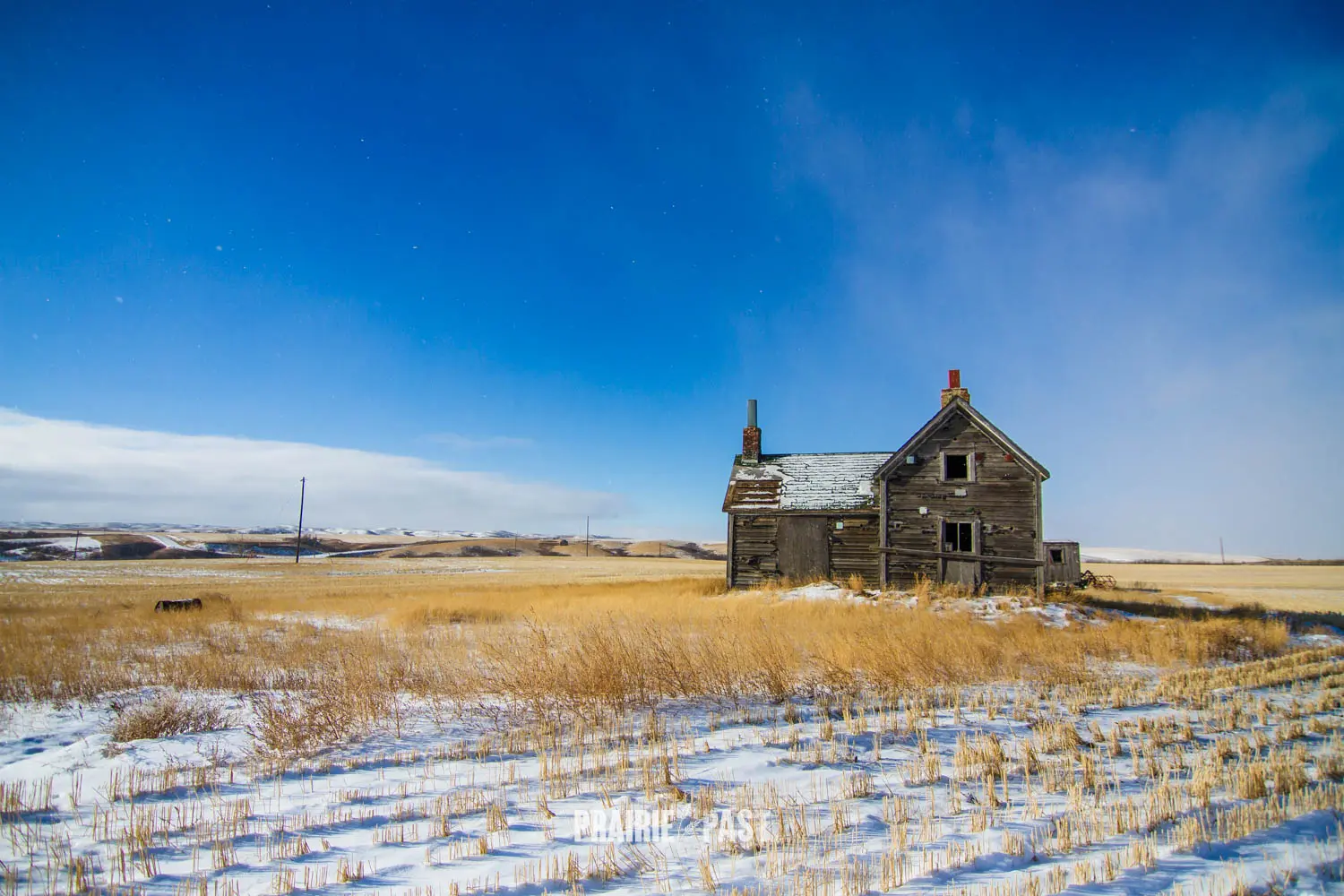
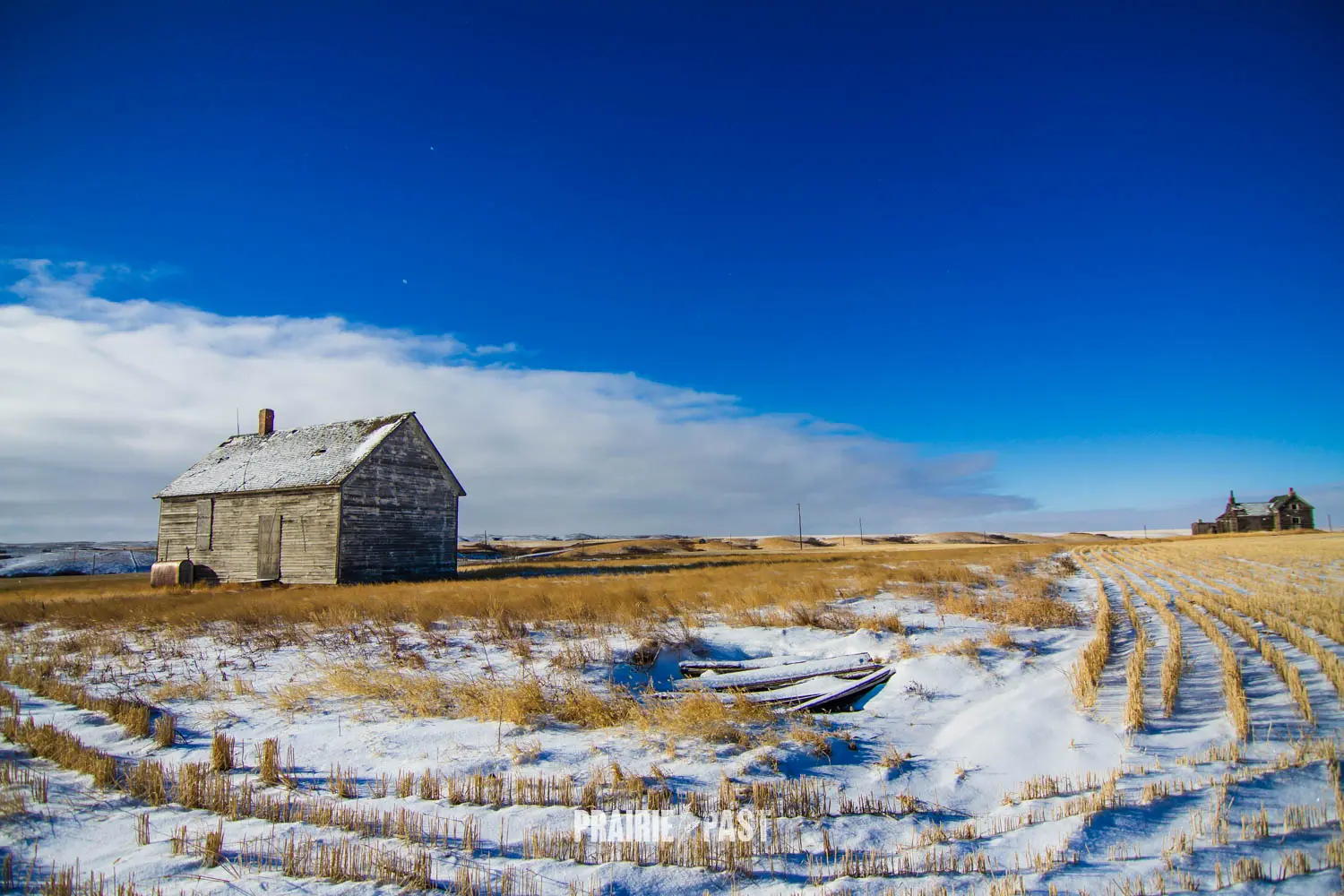
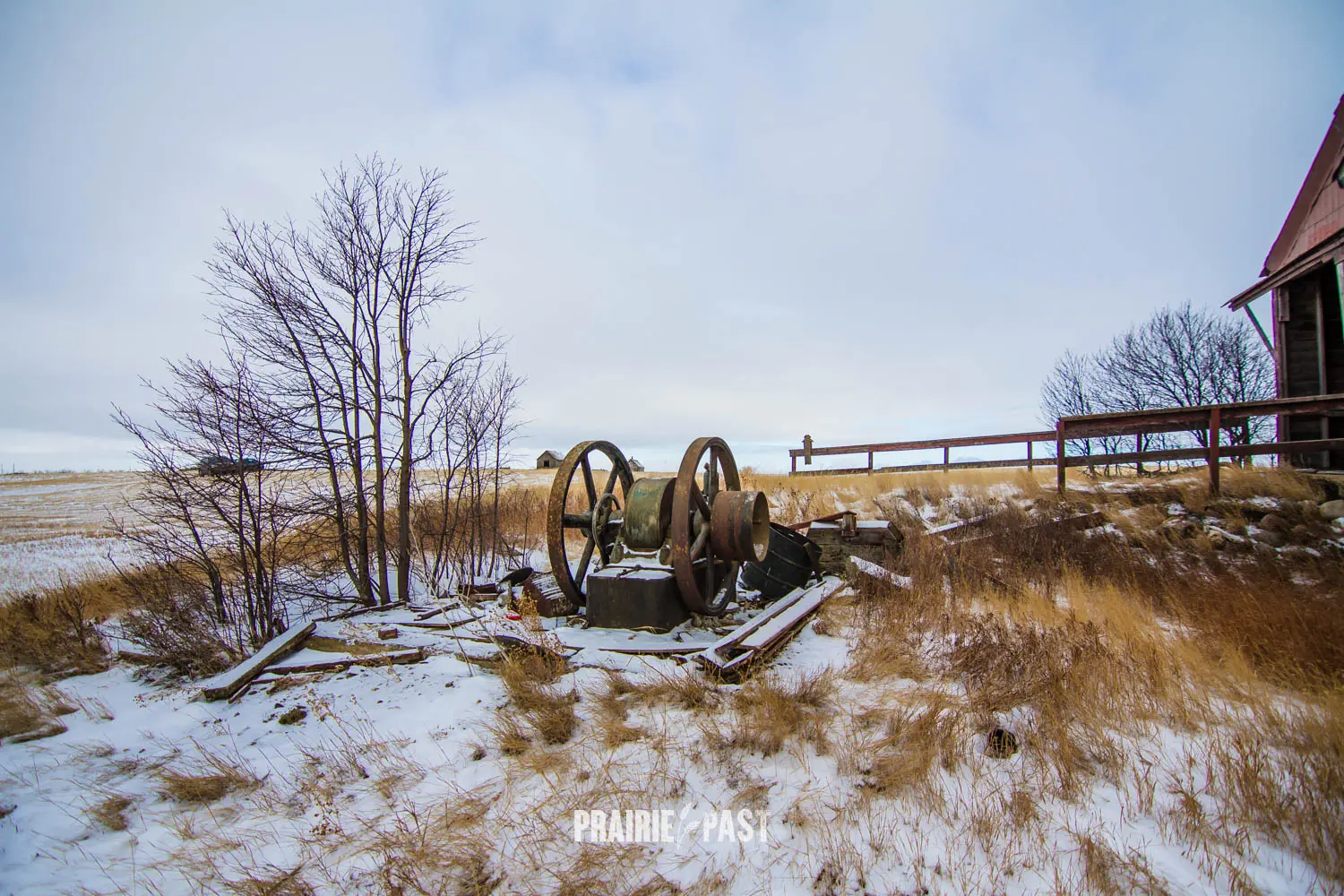
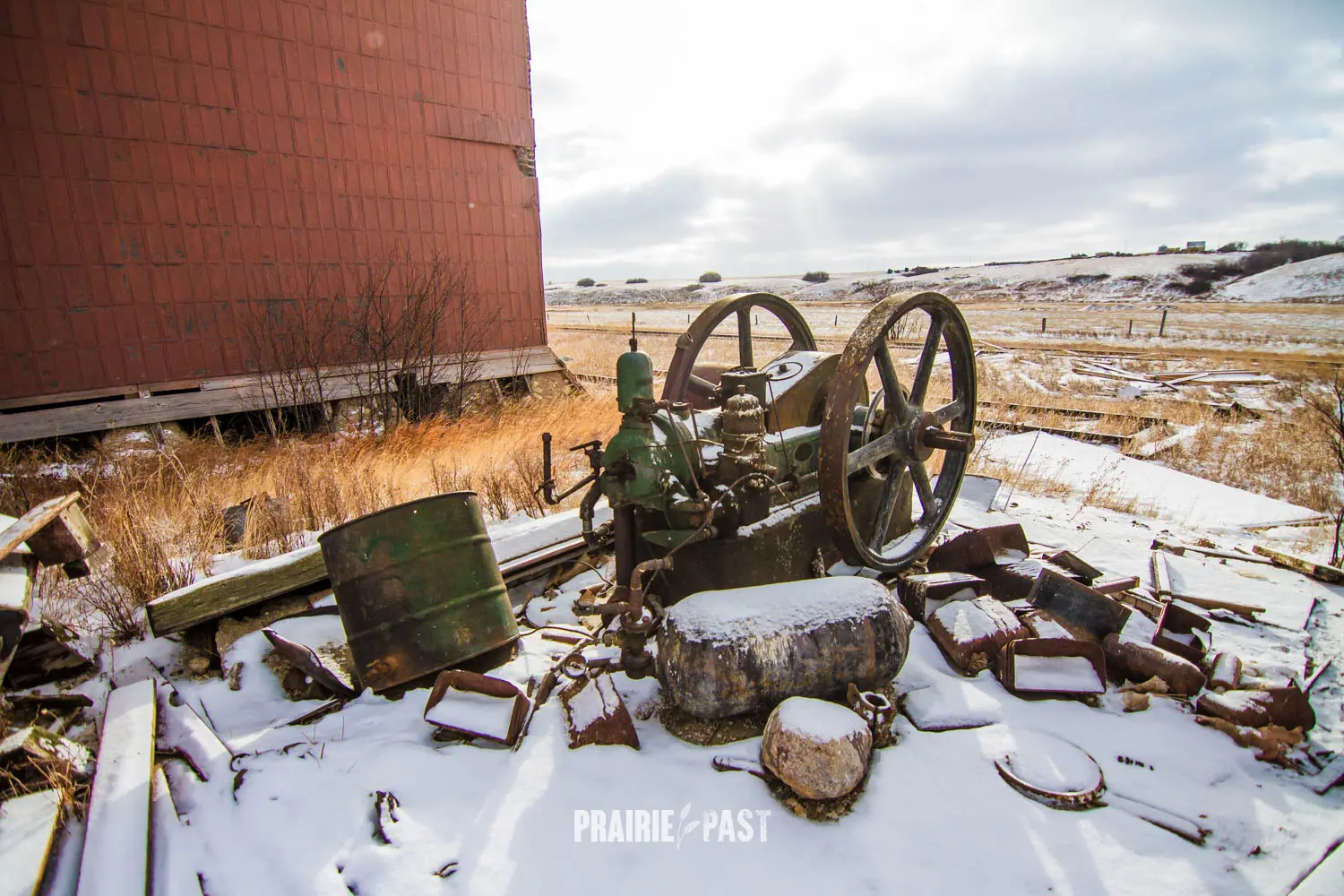
As the decades passed, change came swiftly. Improvements in transportation, farm consolidation, and the gradual decline of rural populations meant fewer people relied on local services. Businesses closed, families moved on, and Brooking slowly faded from memory. What remains today is open land where only a few buildings remain. The elevator still stands (although it has lost its top), a couple of houses in the field, a trailer and a community building.
Though Brooking may no longer exist as an active community, its history lives on through photographs, memories, and the land itself, quiet reminders of a time when even the smallest settlement mattered on the wide Saskatchewan prairie.