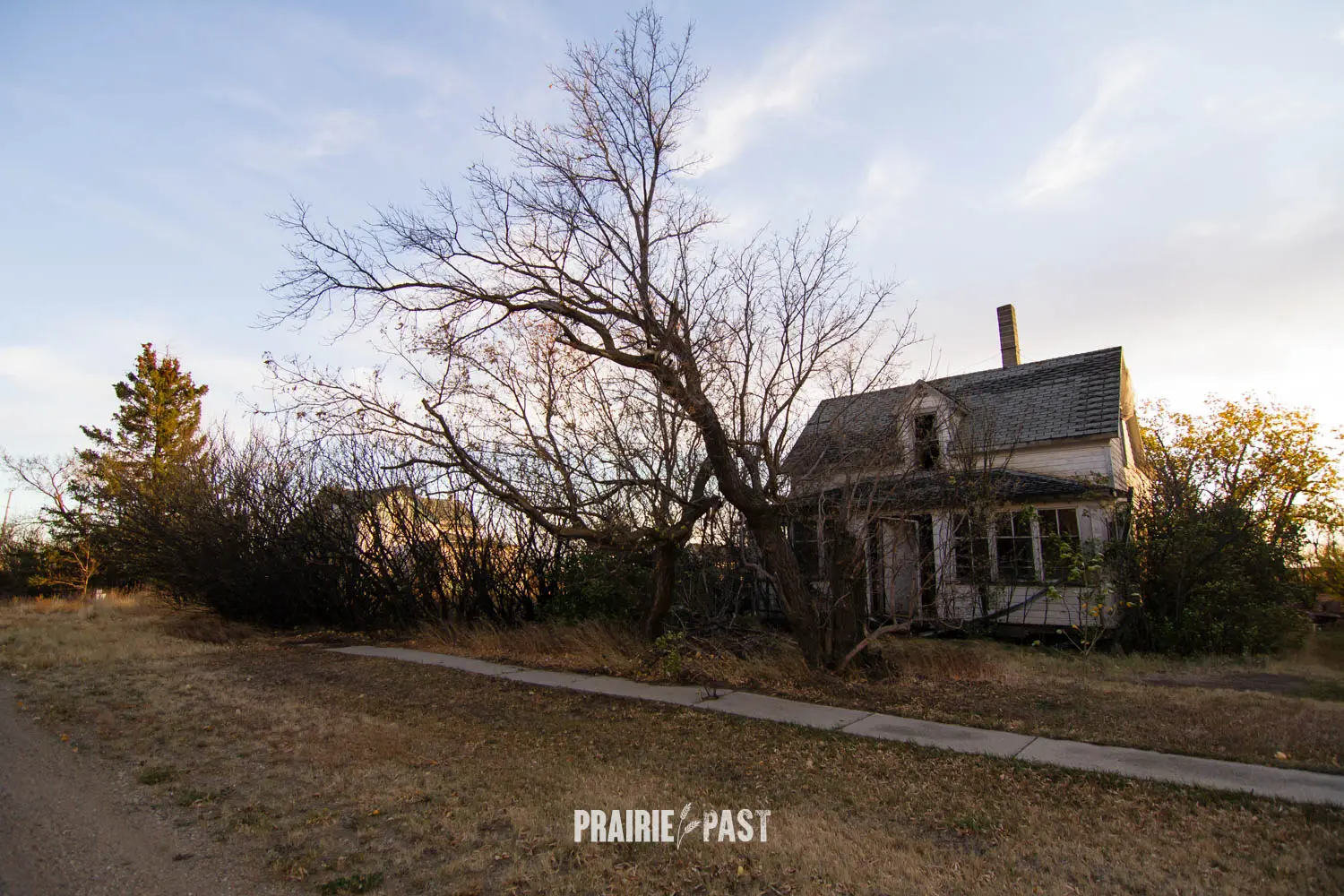
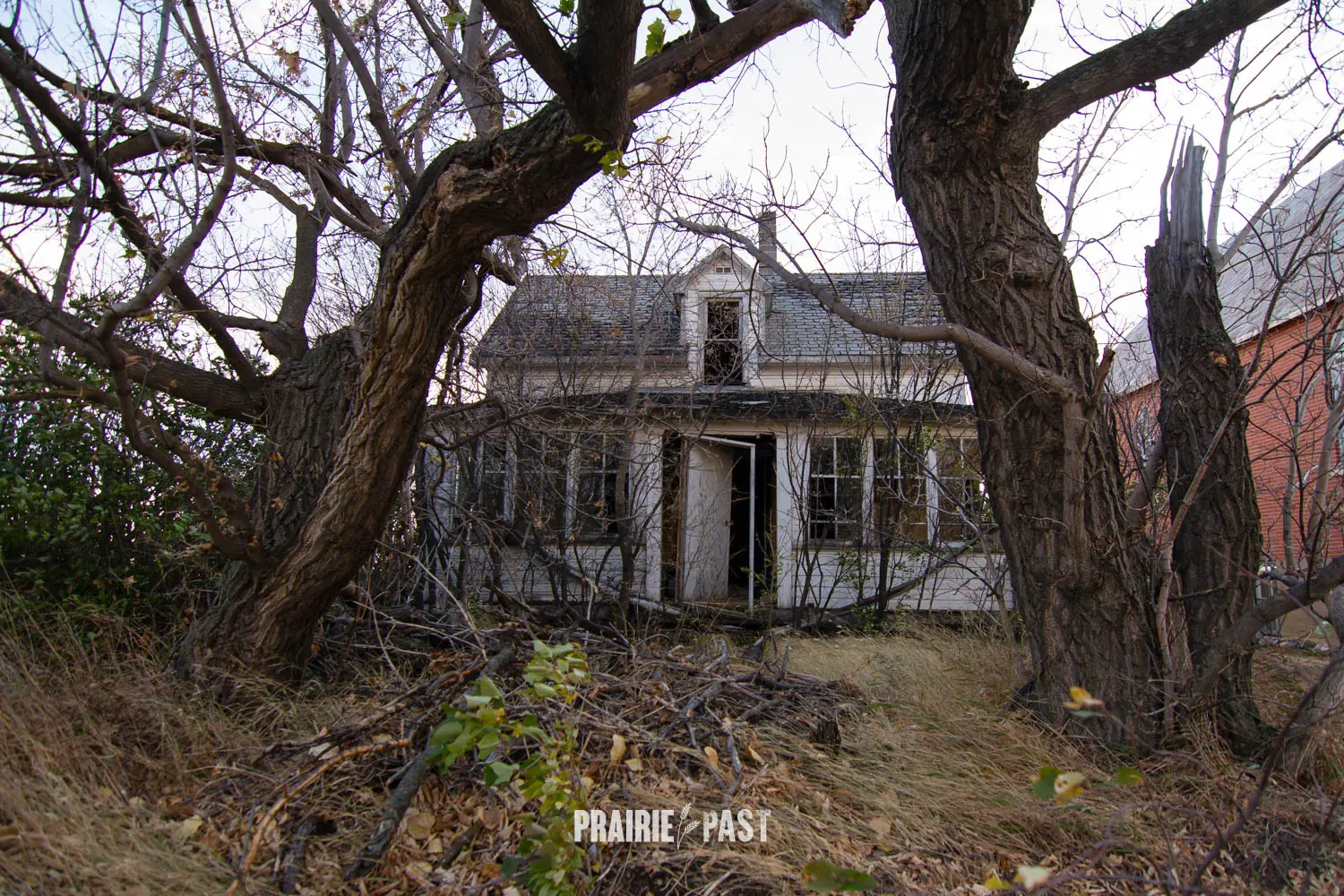
Nestled in southwest Saskatchewan, the ghost town of Bateman stands as a testament to the boom–and–bust cycle of prairie settlement. Established in 1908 by early settler Jim Bateman, the community grew into a vibrant hub of rural life, only to fade away as economic shifts and population decline reshaped the region.
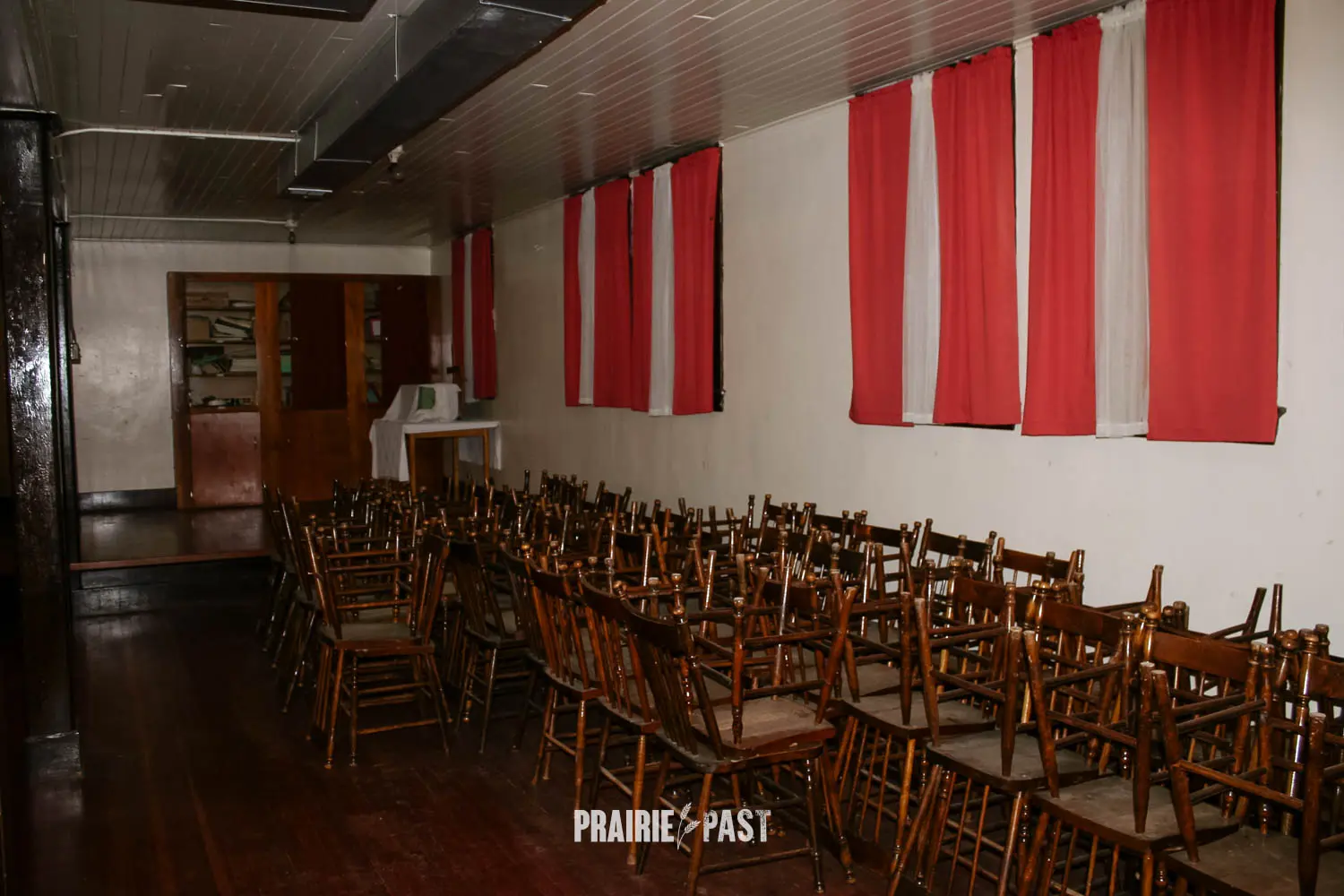
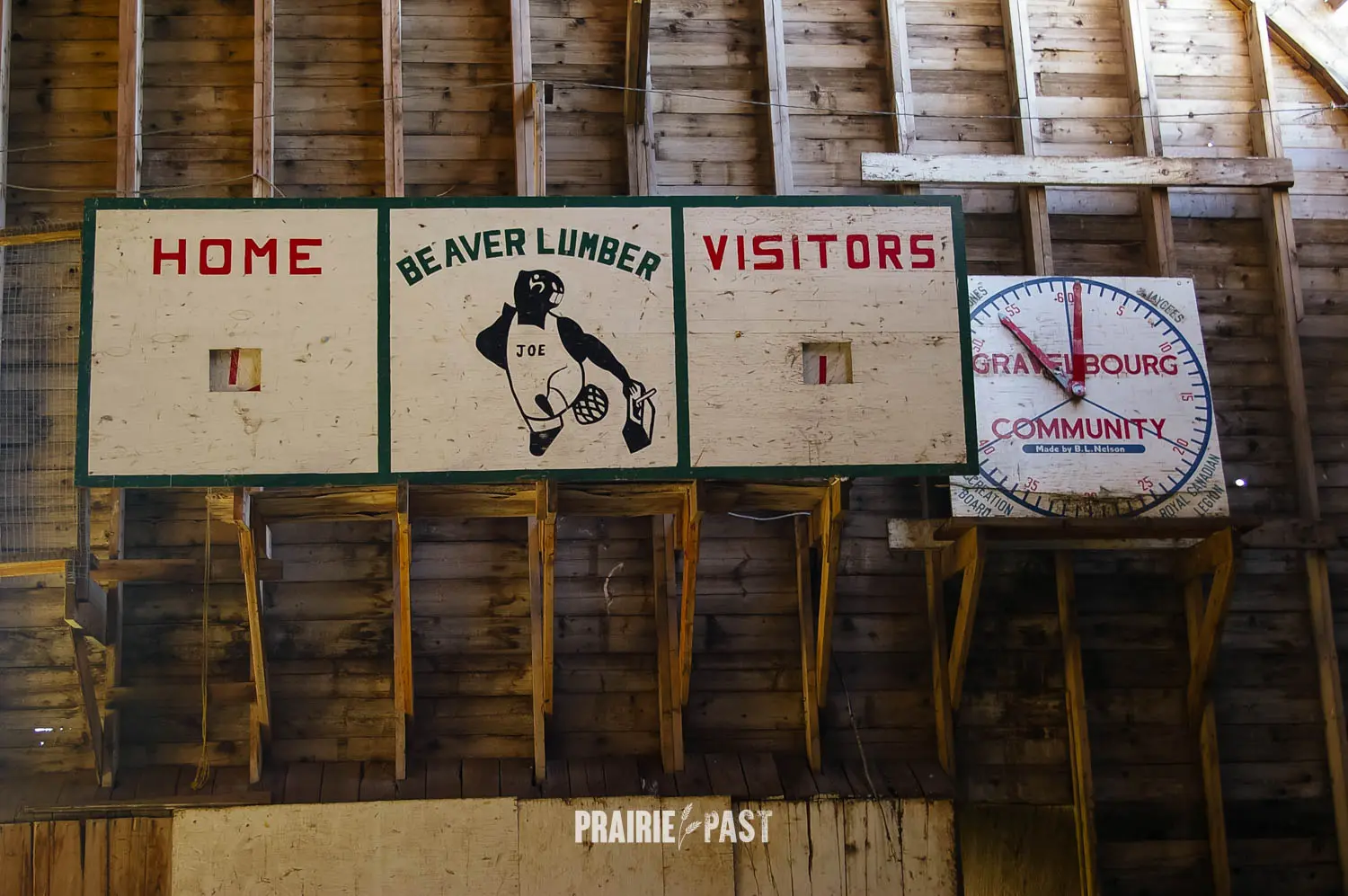
In its prime during the late 1920s, Bateman was home to more than 300 residents and boasted a surprising array of amenities for a small town. There were four grain elevators, a bank, grocery stores, restaurants, two gas stations, a theatre and a curling rink with skating facilities. The community even had two churches and several implement dealers supporting the surrounding agricultural region.
The heart of the town was its school and social institutions. Stewart School, built in 1921 and later renamed Bateman School in the 1940s, served students from kindergarten through high school for decades.
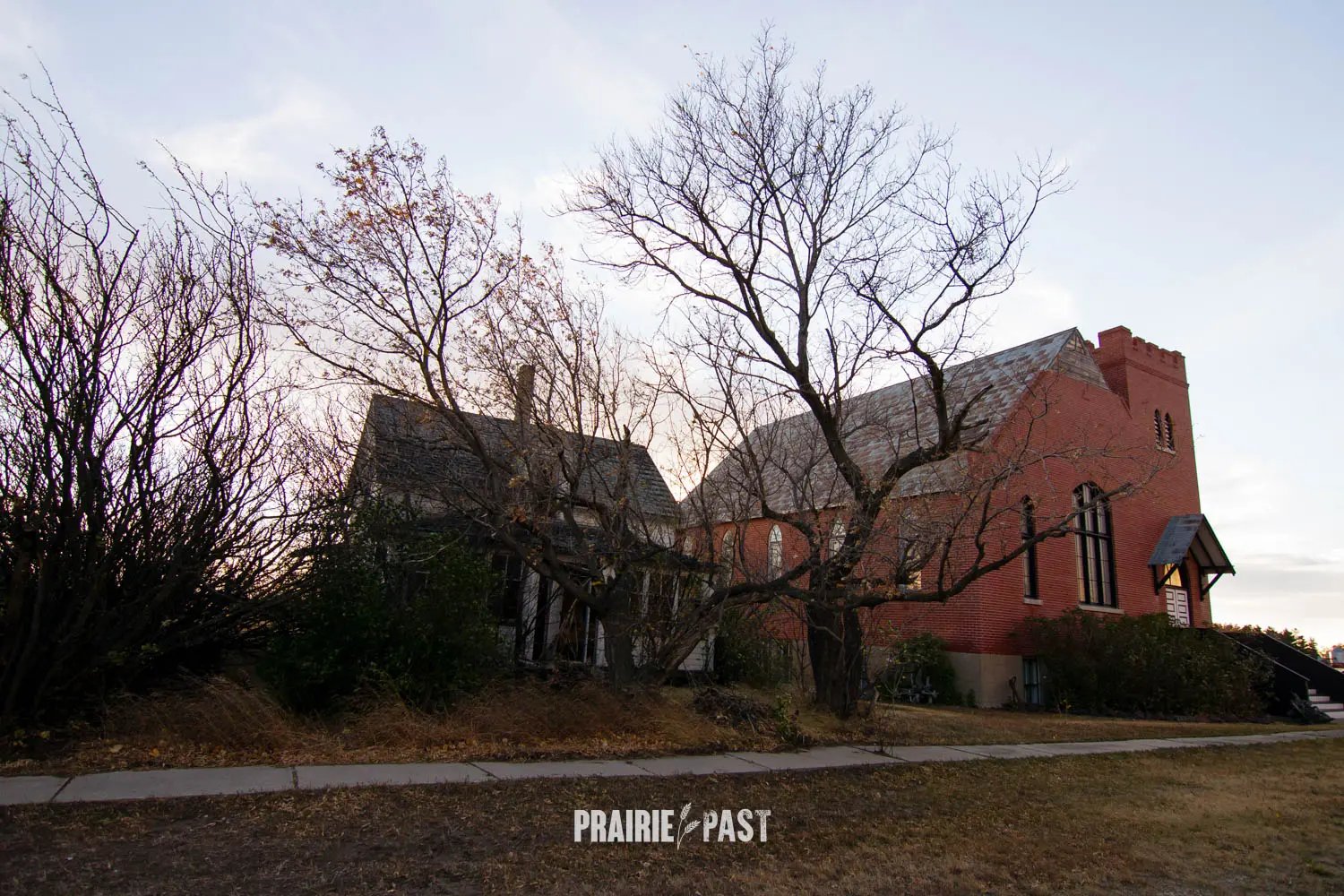
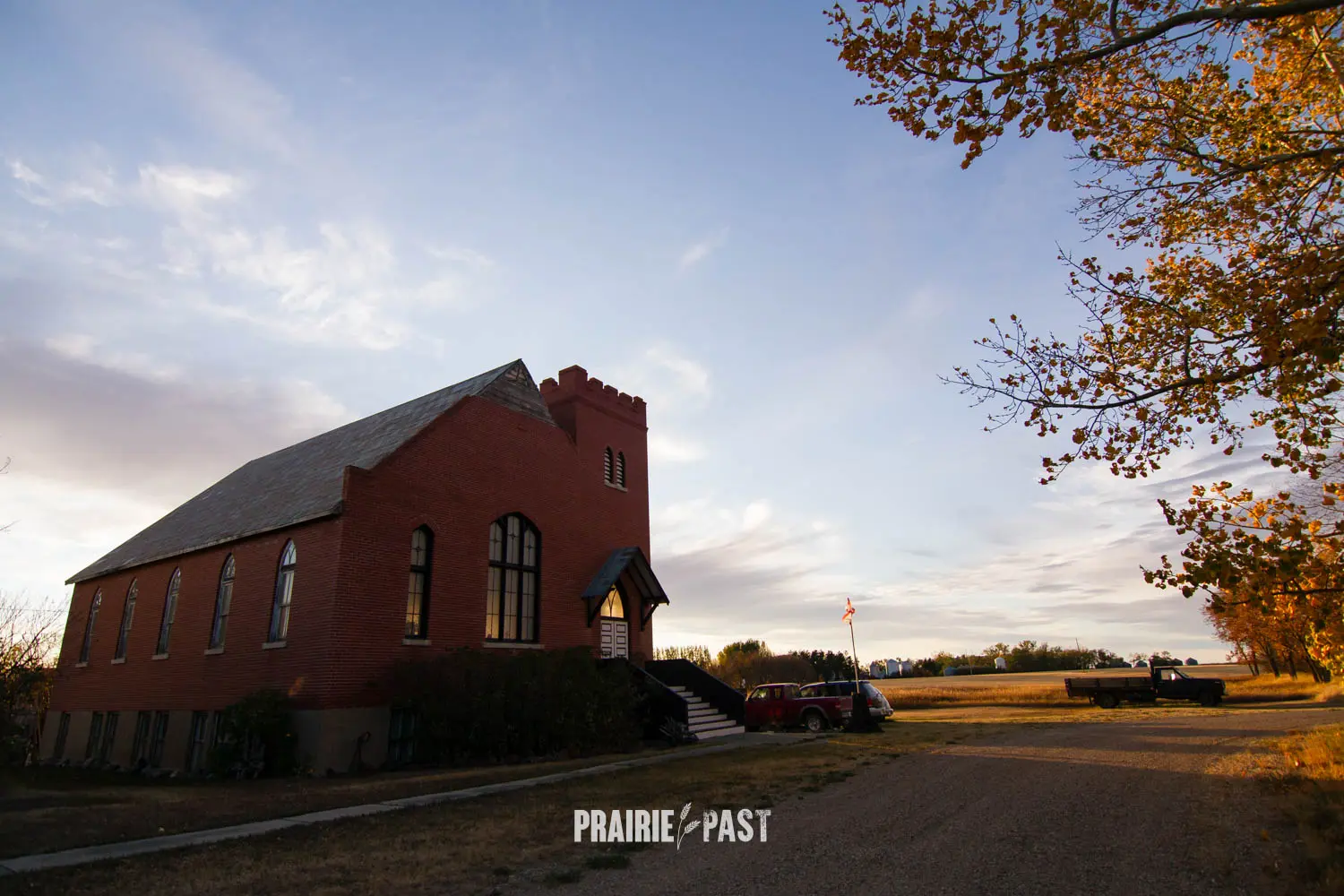
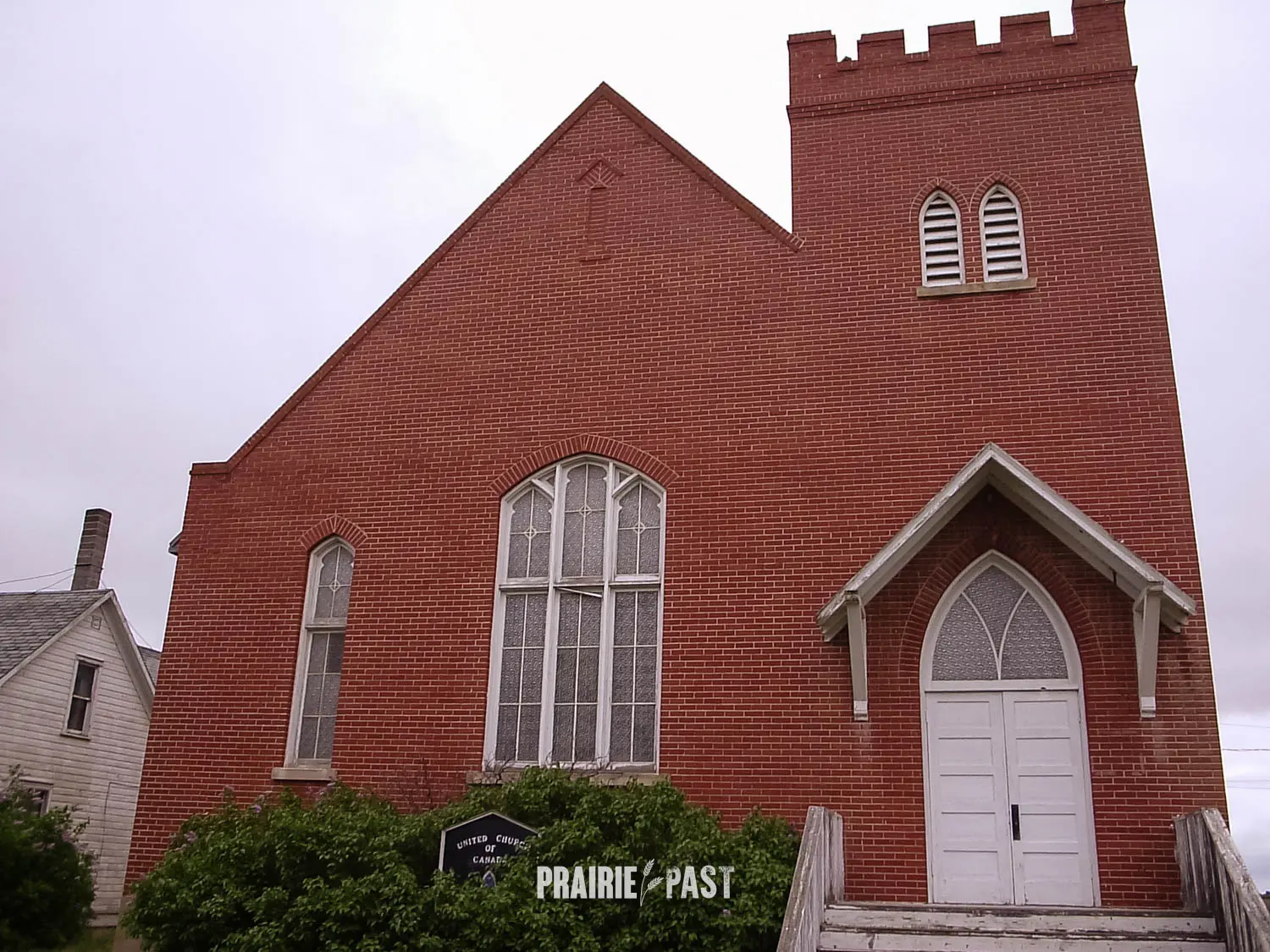
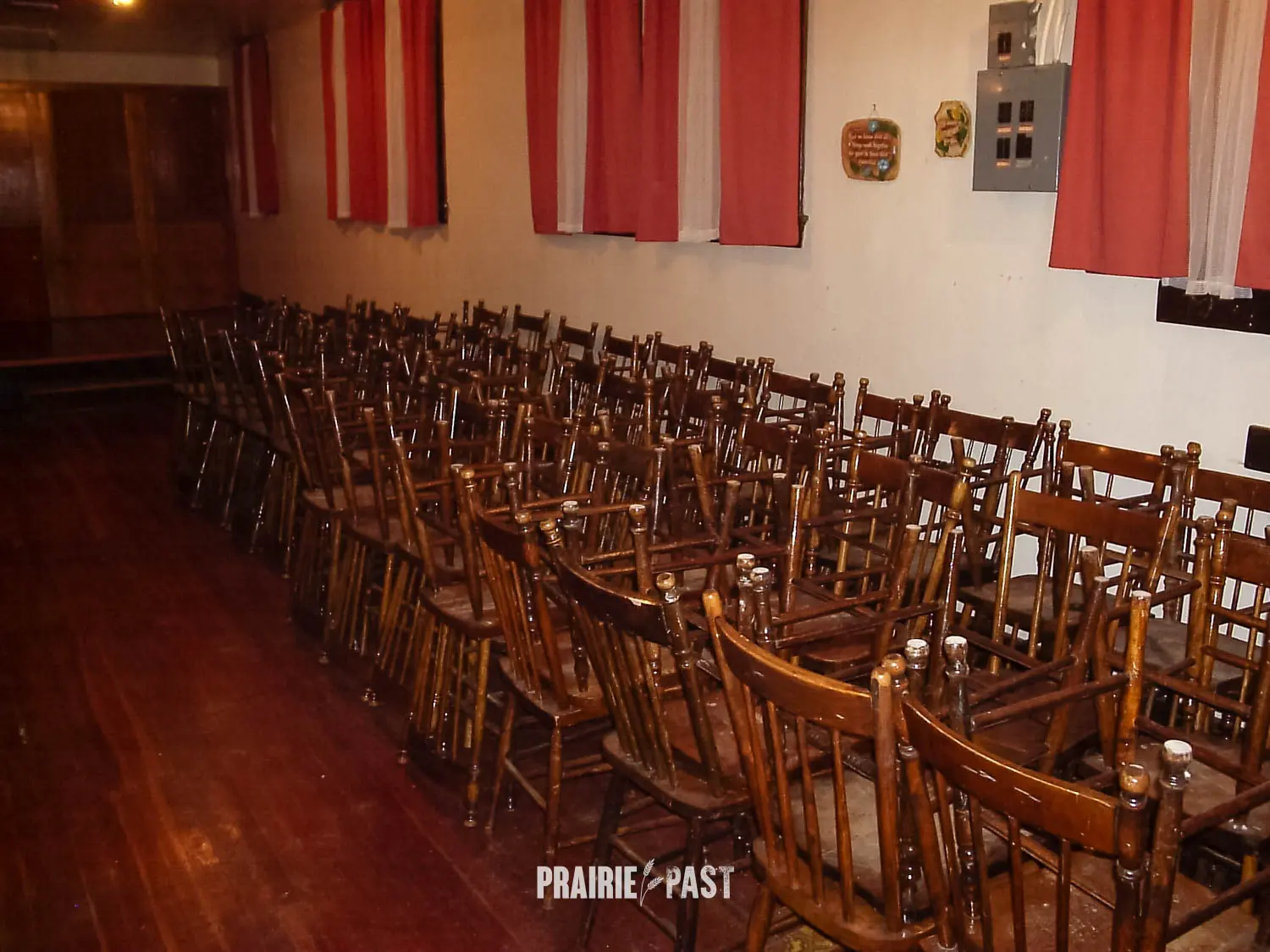
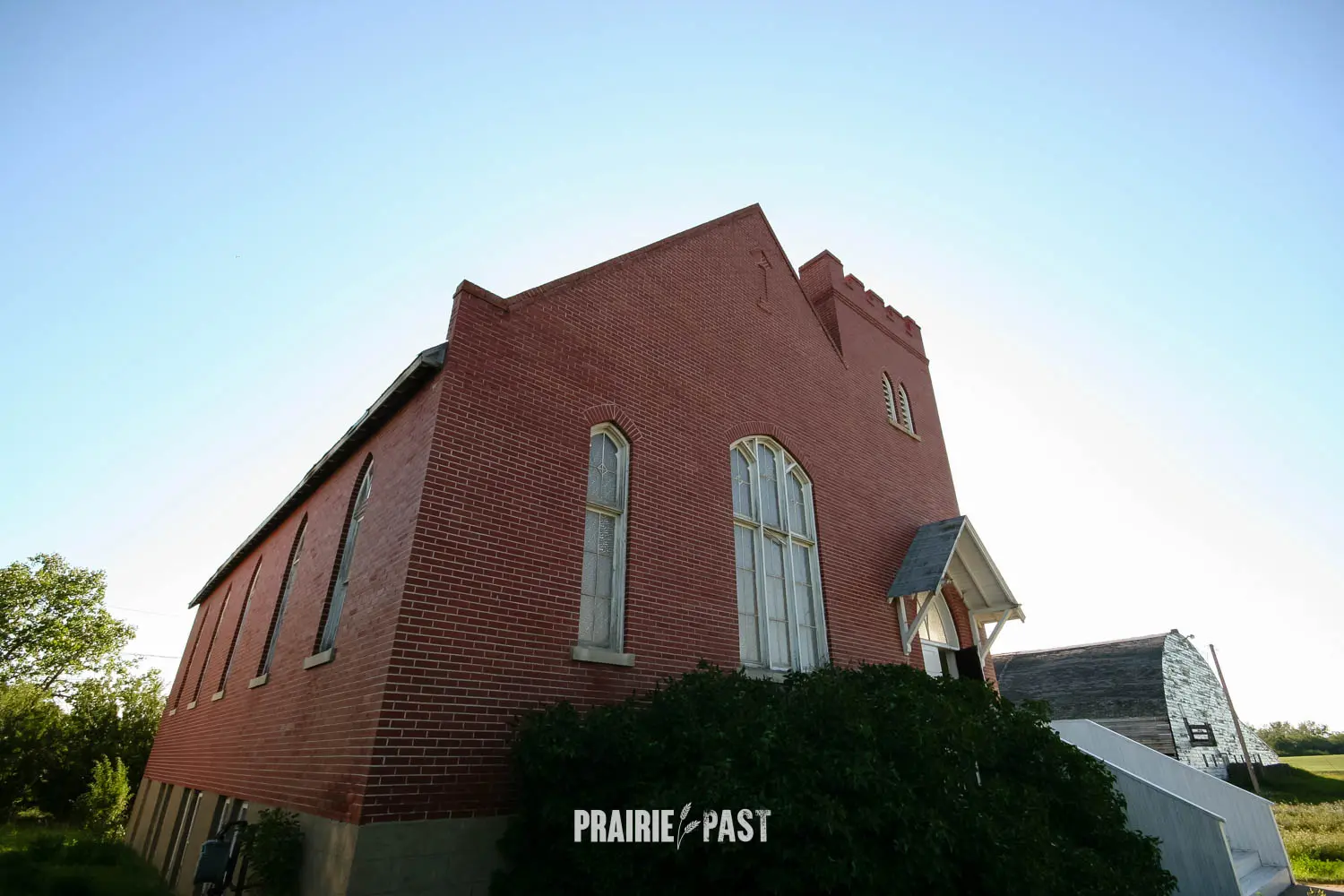
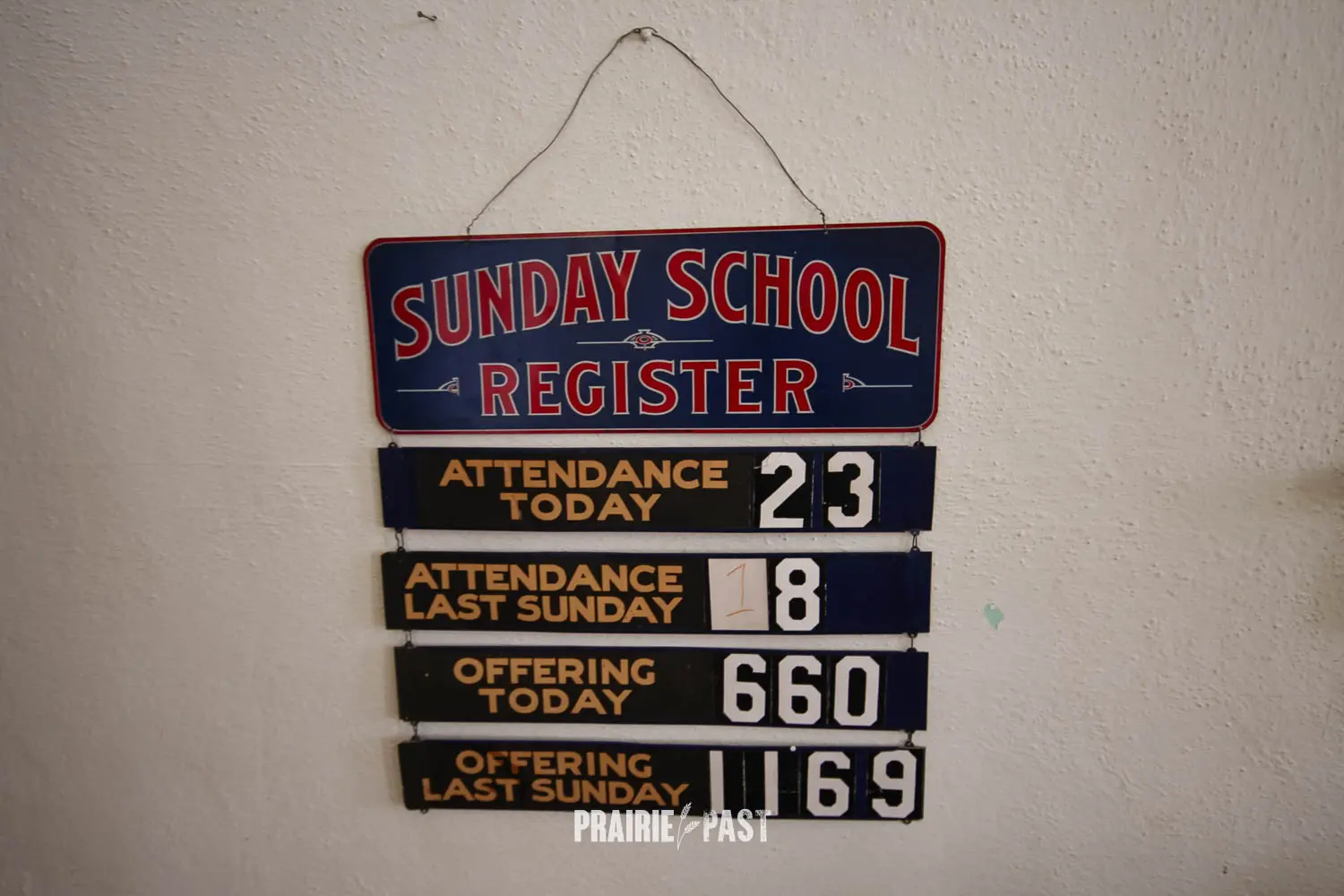
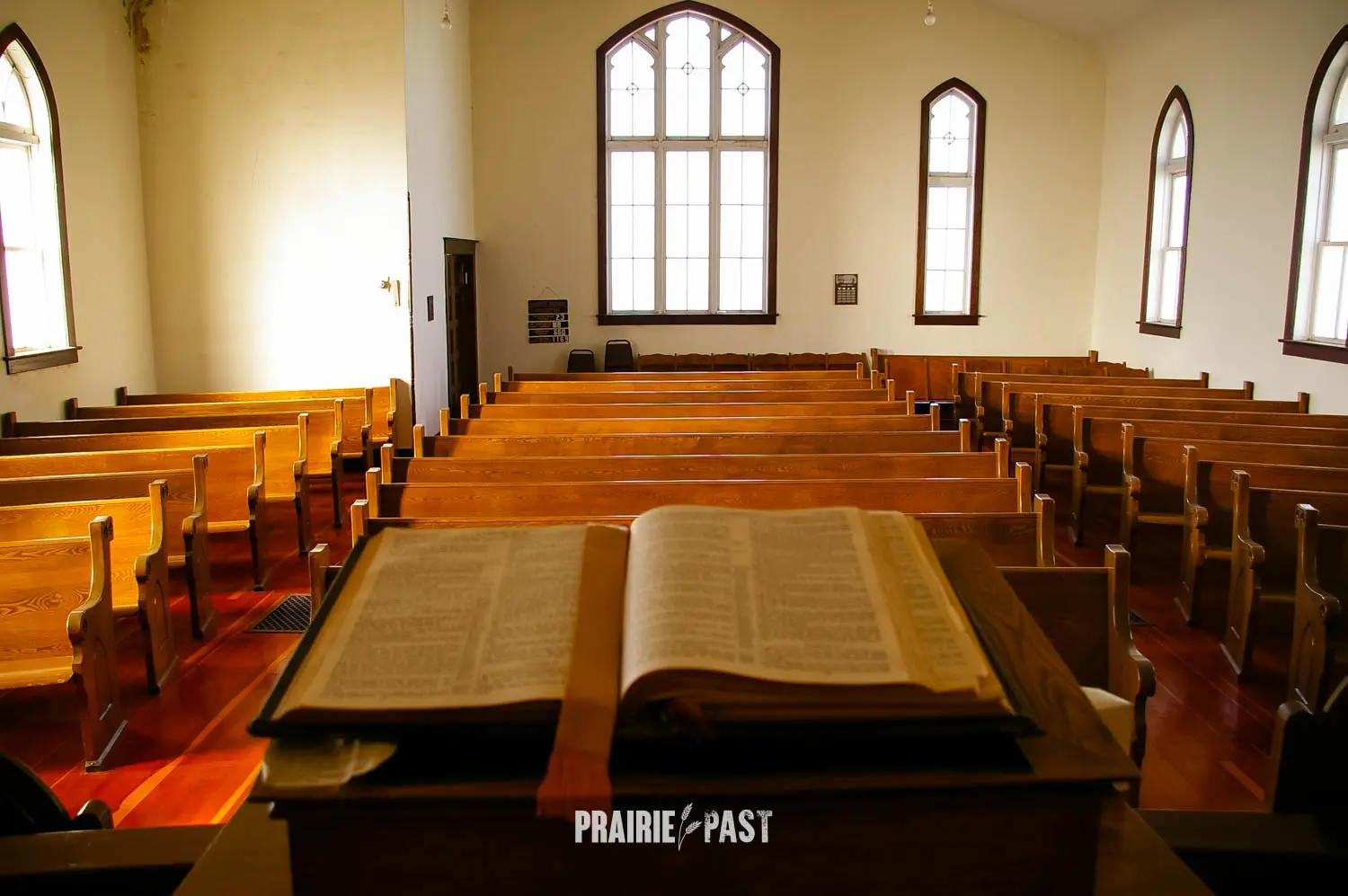
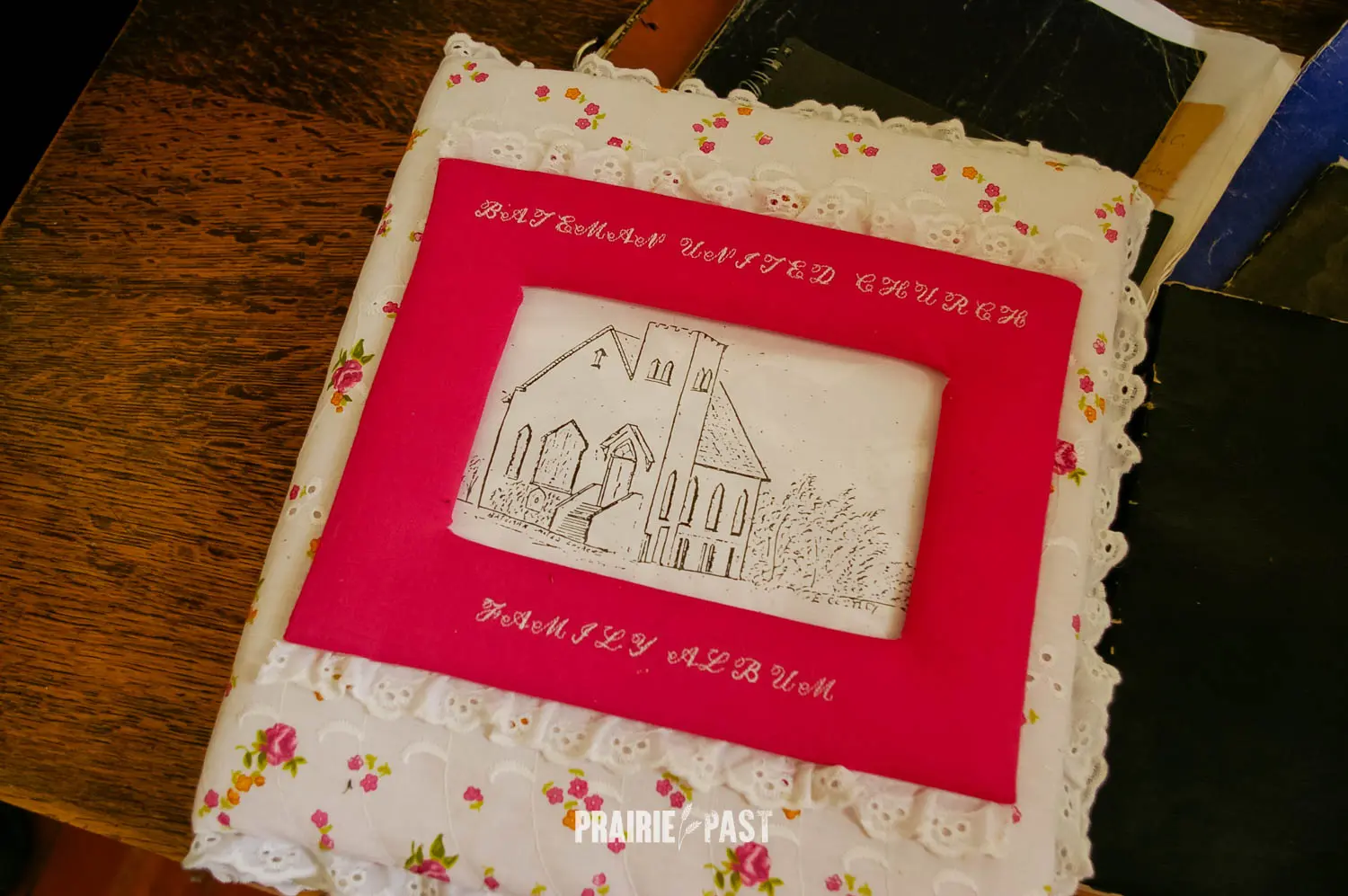
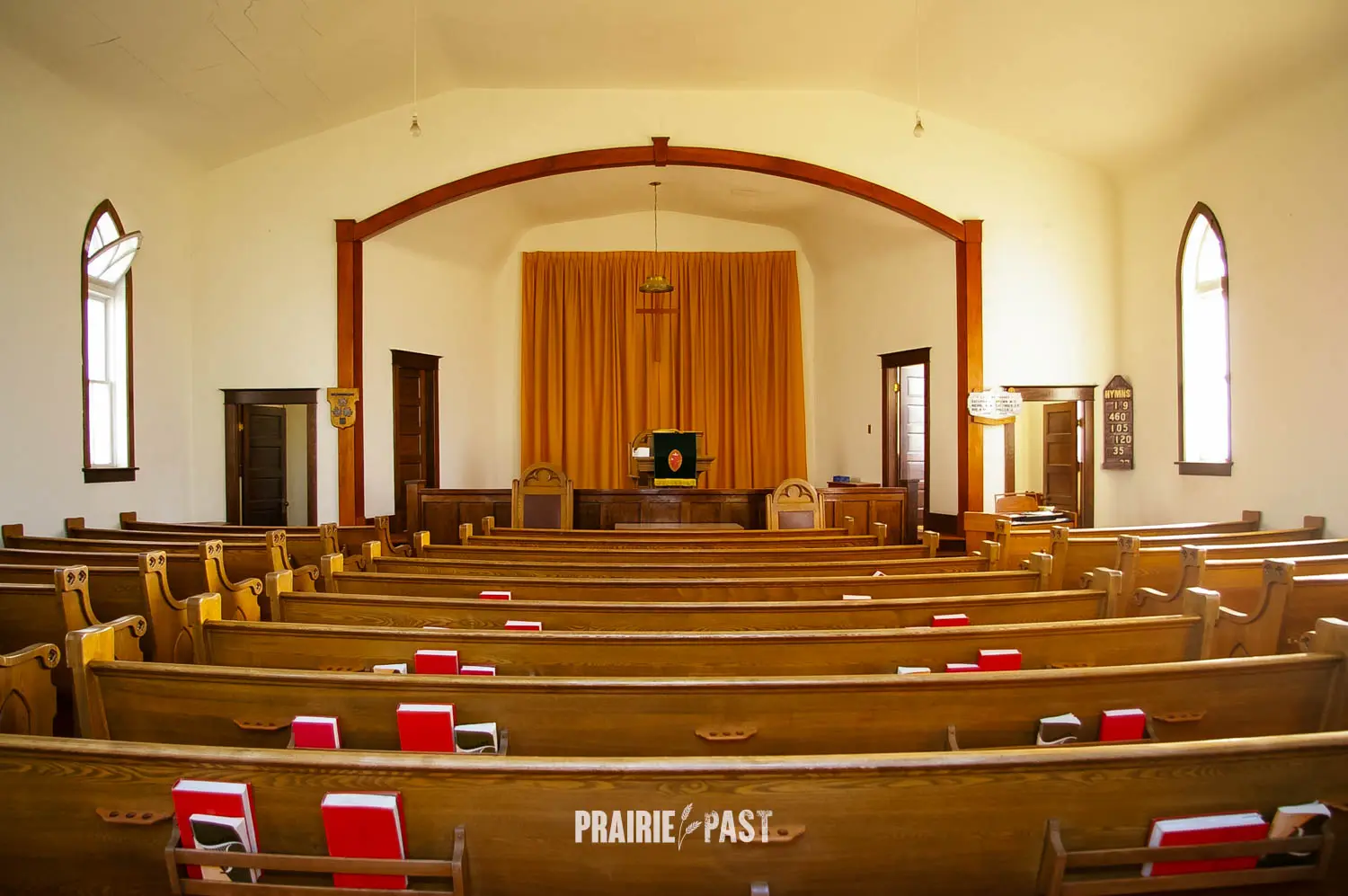
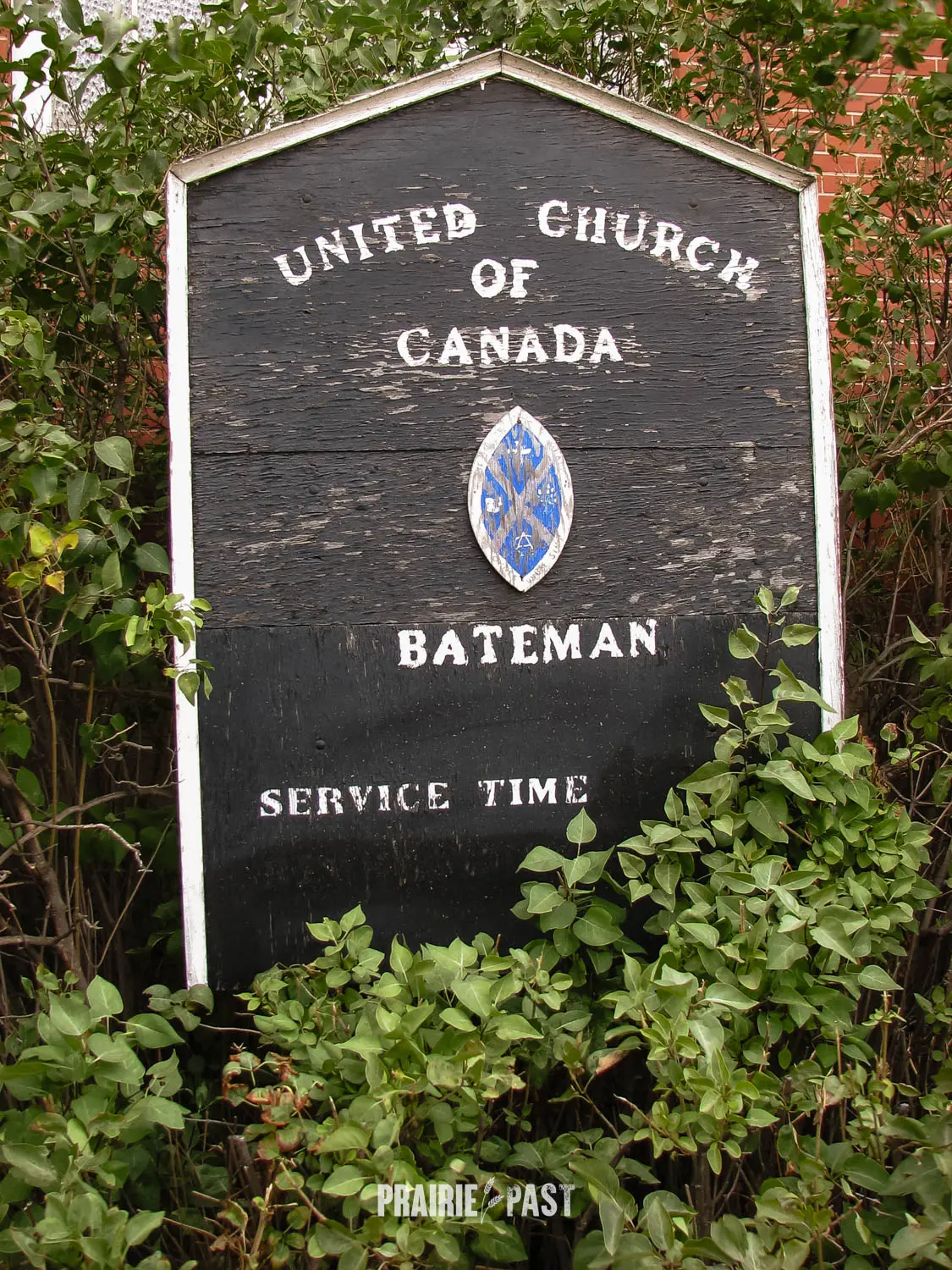
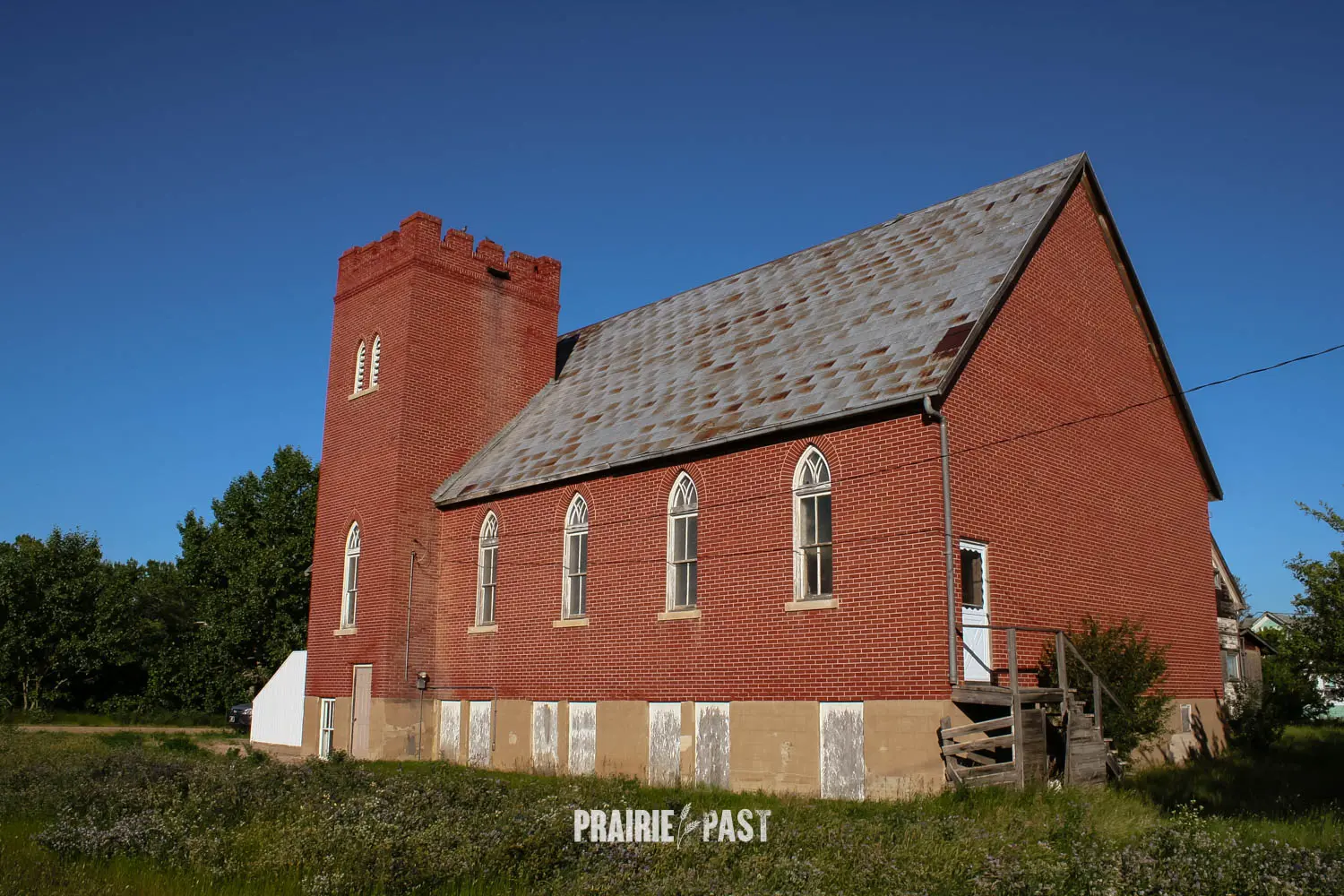
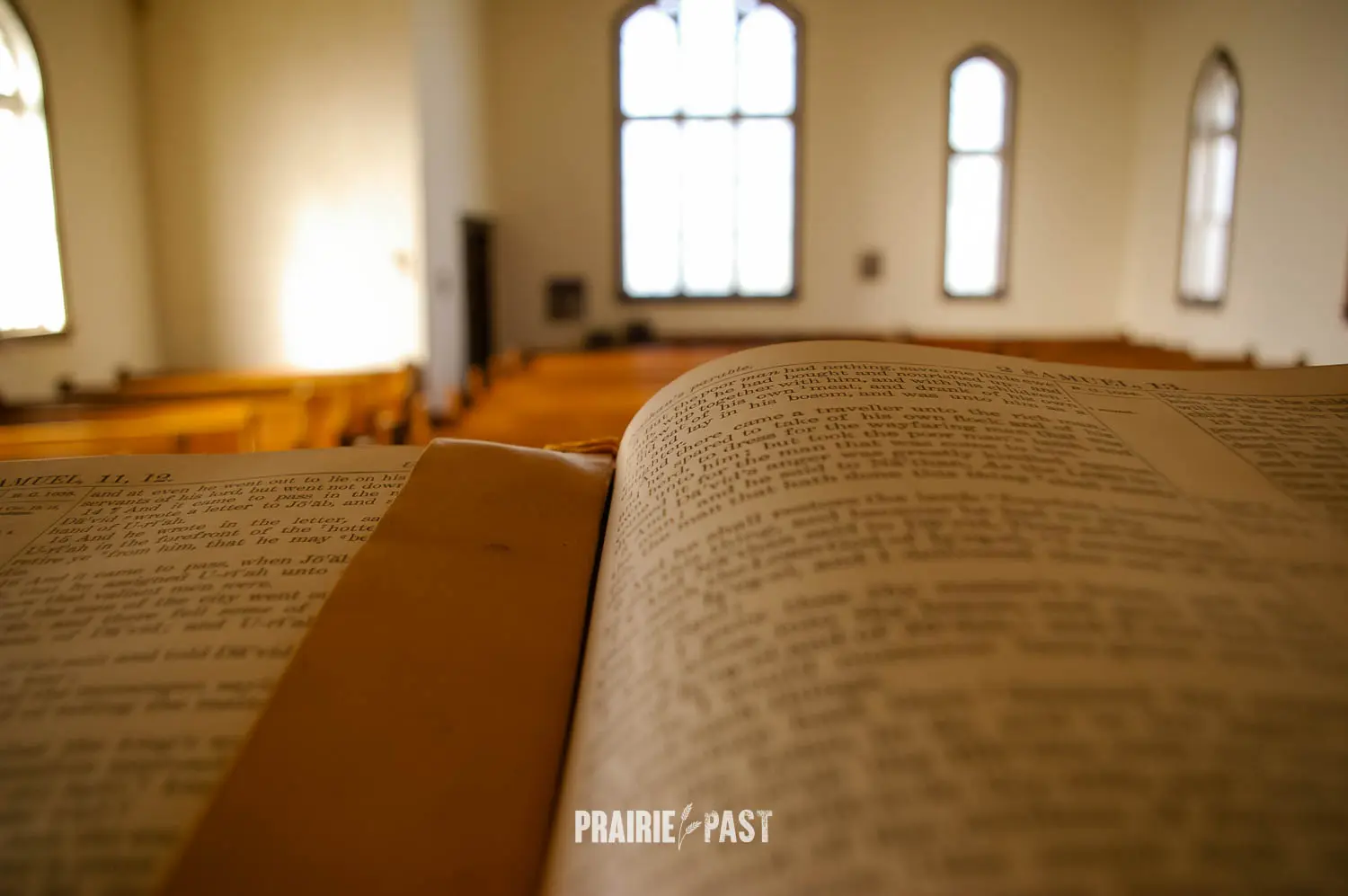
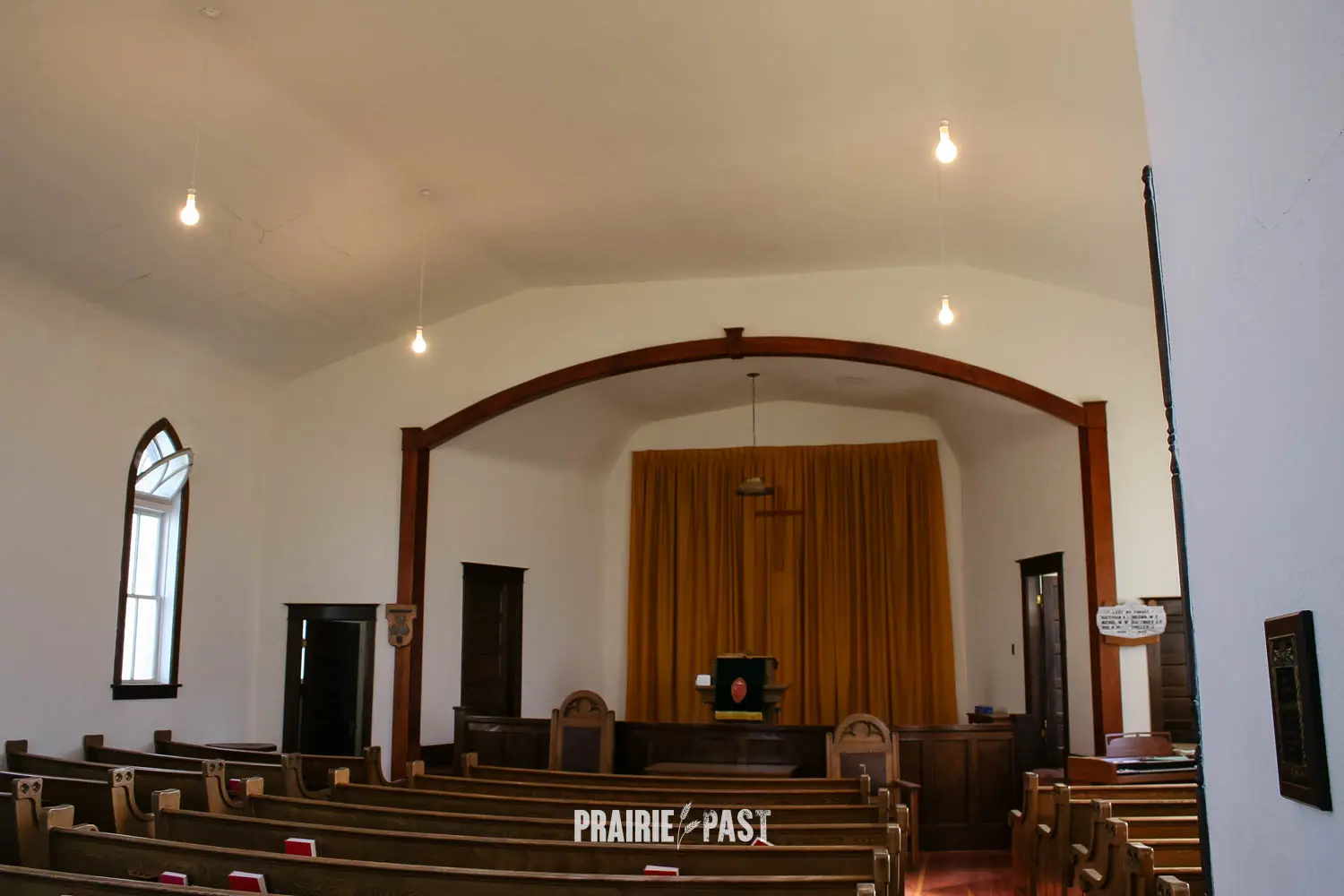
One of the town’s most striking landmarks was the United Church, constructed between 1919 and 1926. Although services have long since ended, the building remains one of Bateman’s most intact structures and has been used for community events such as suppers, funerals, and even weddings.
Bateman’s decline began slowly in the mid-20th century. As transportation patterns shifted and nearby larger towns offered more services, the demand for local facilities waned. Beginning in 1966, the school began losing higher-grade classes to nearby Gravelbourg. The school continued in some form until 1996, but ultimately closed and was demolished in 2008.
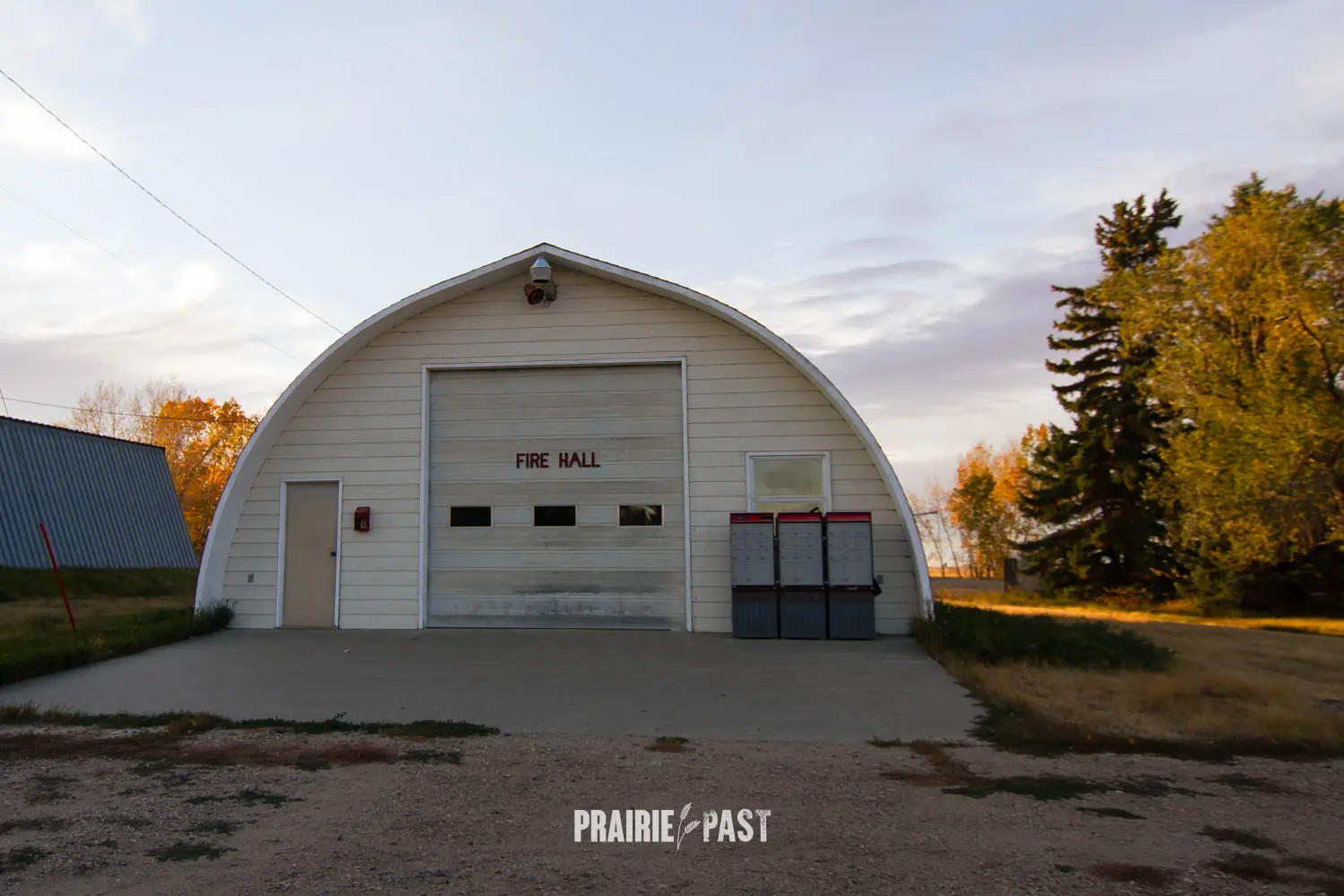
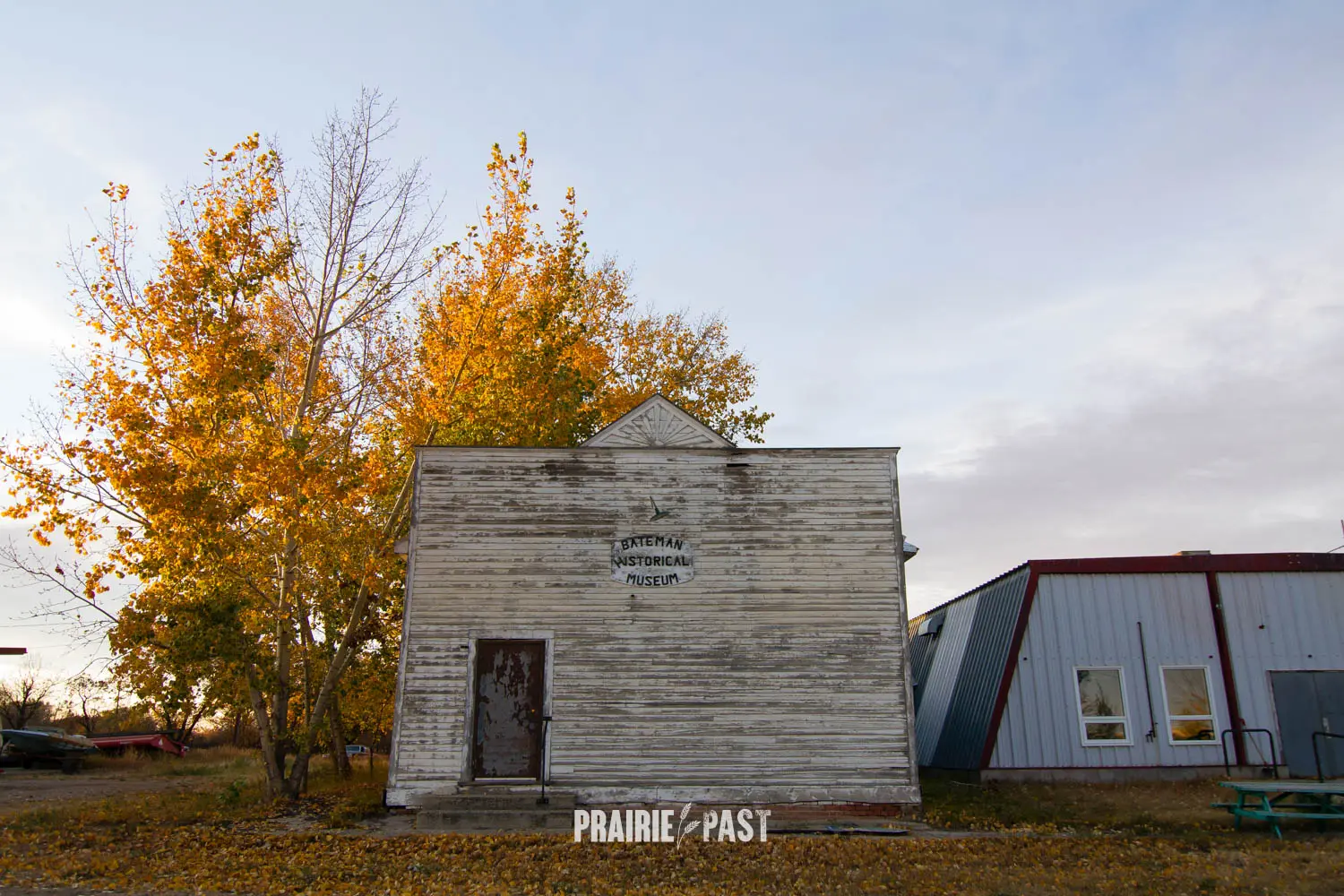
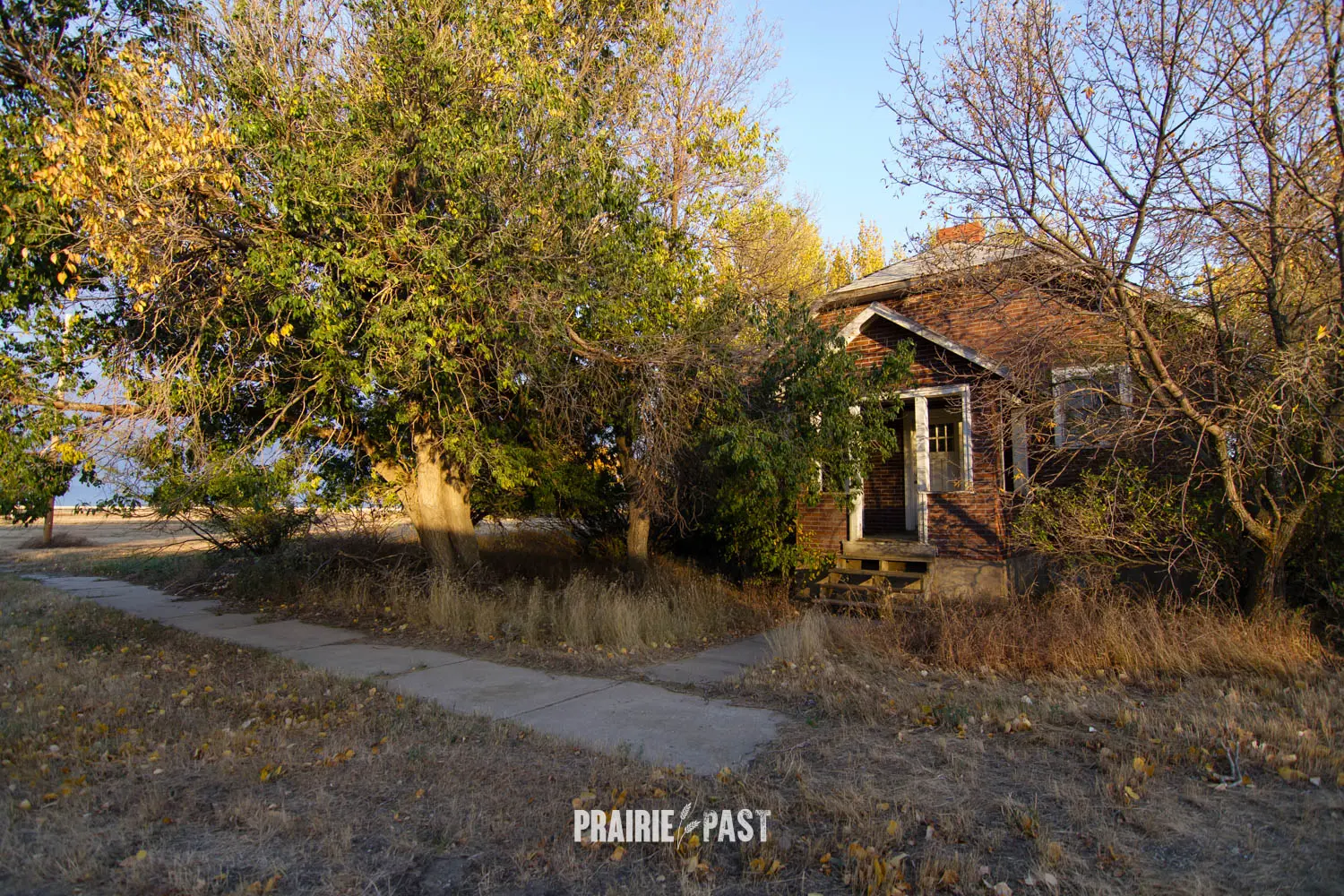
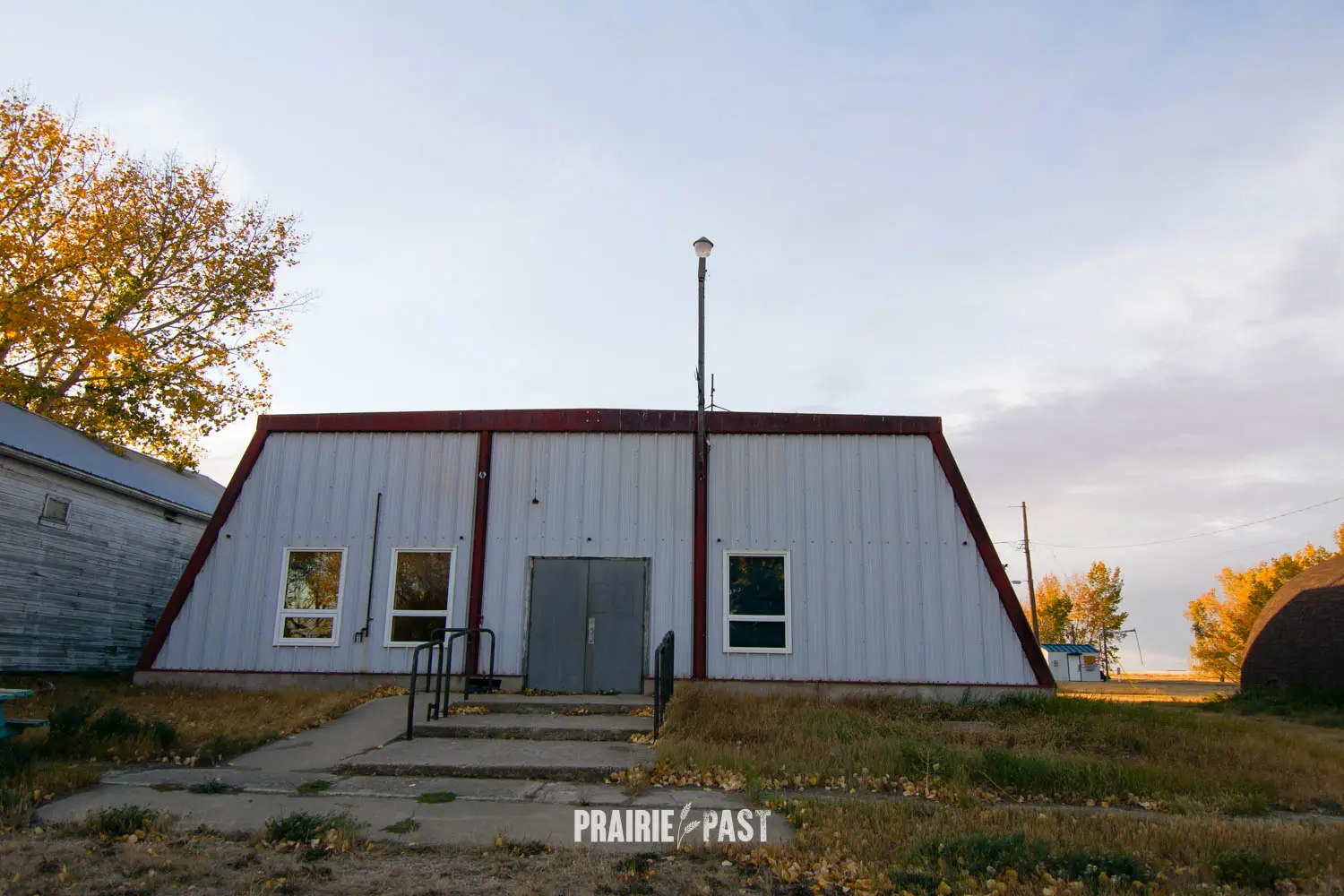
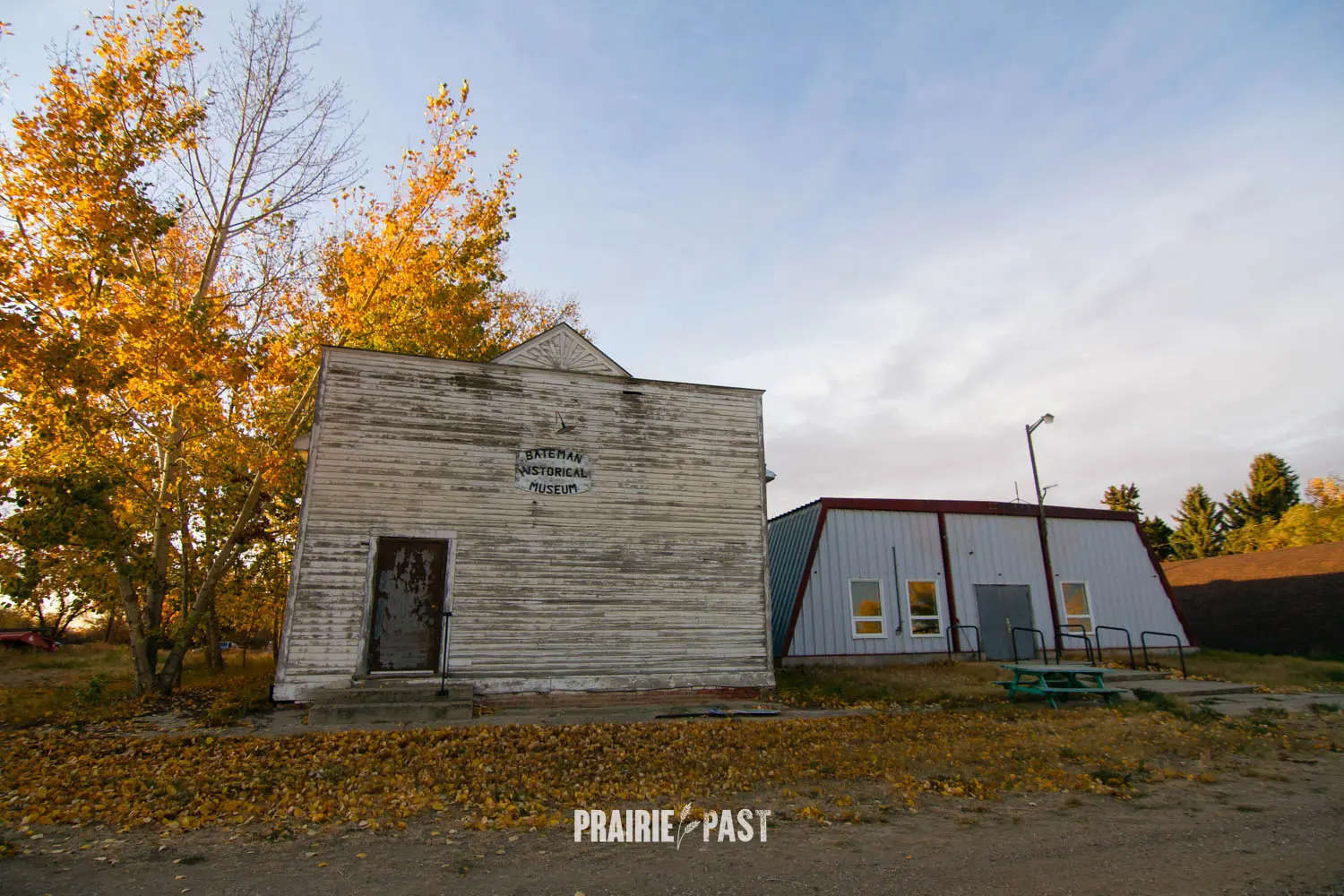
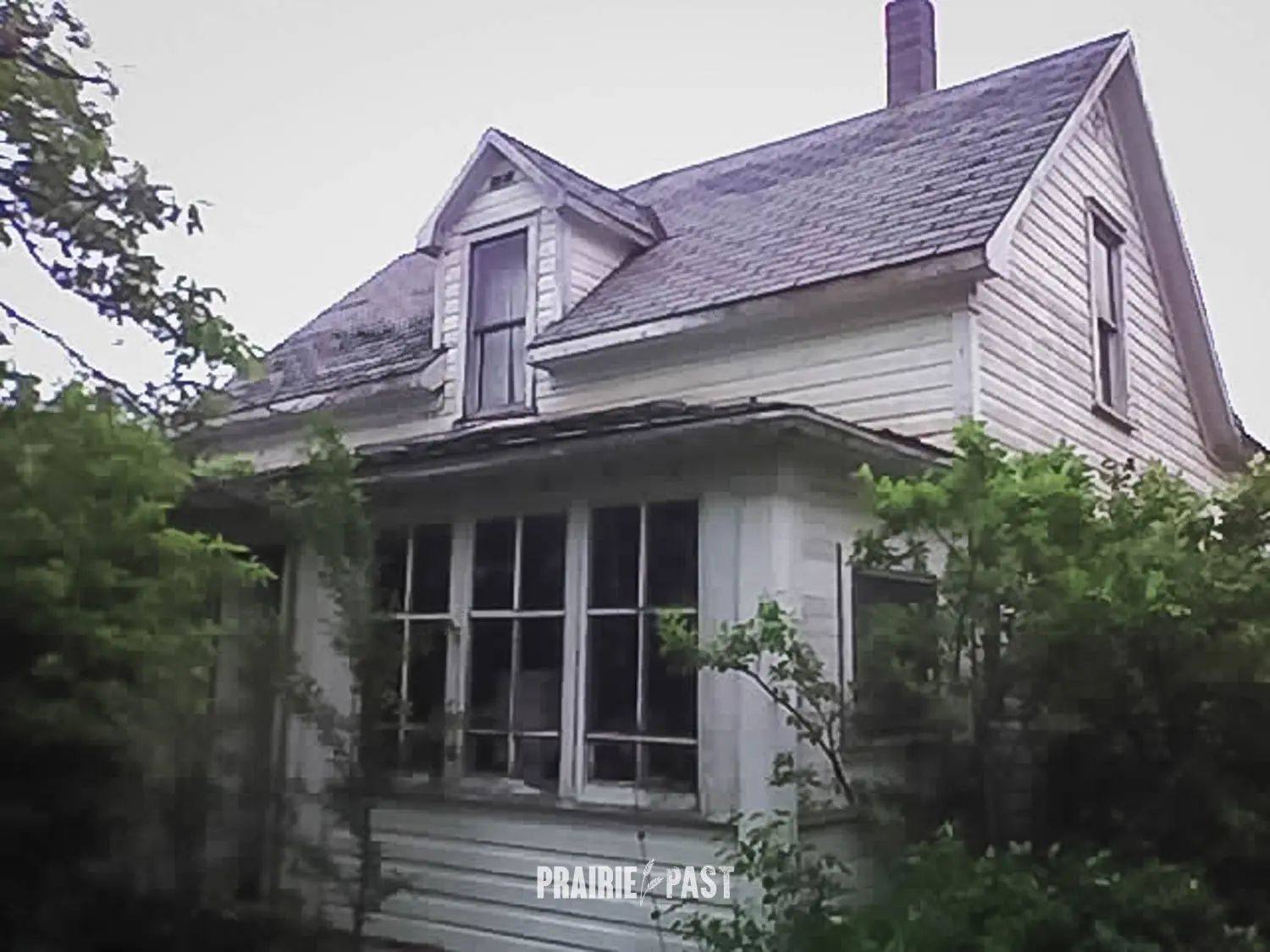
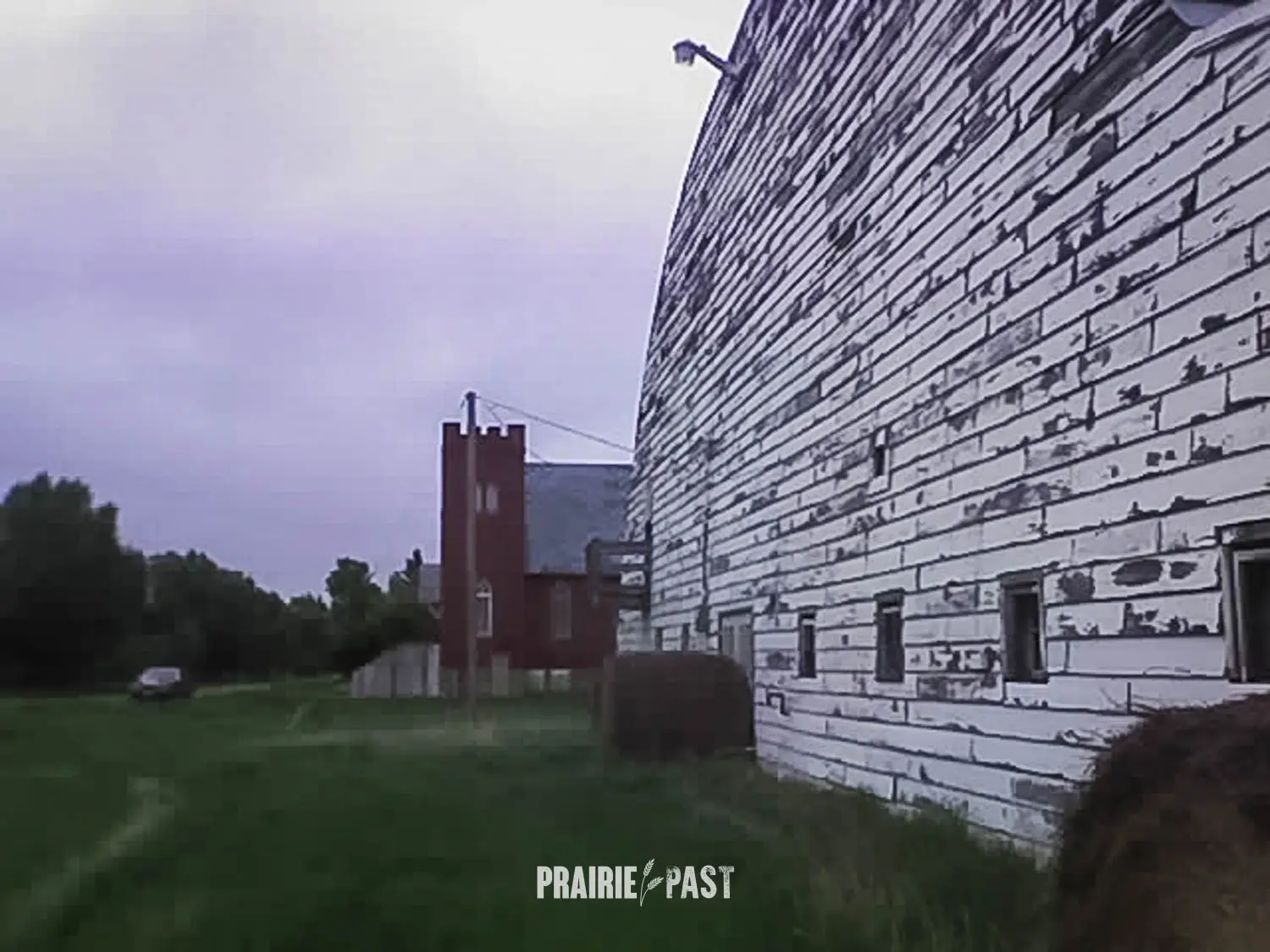
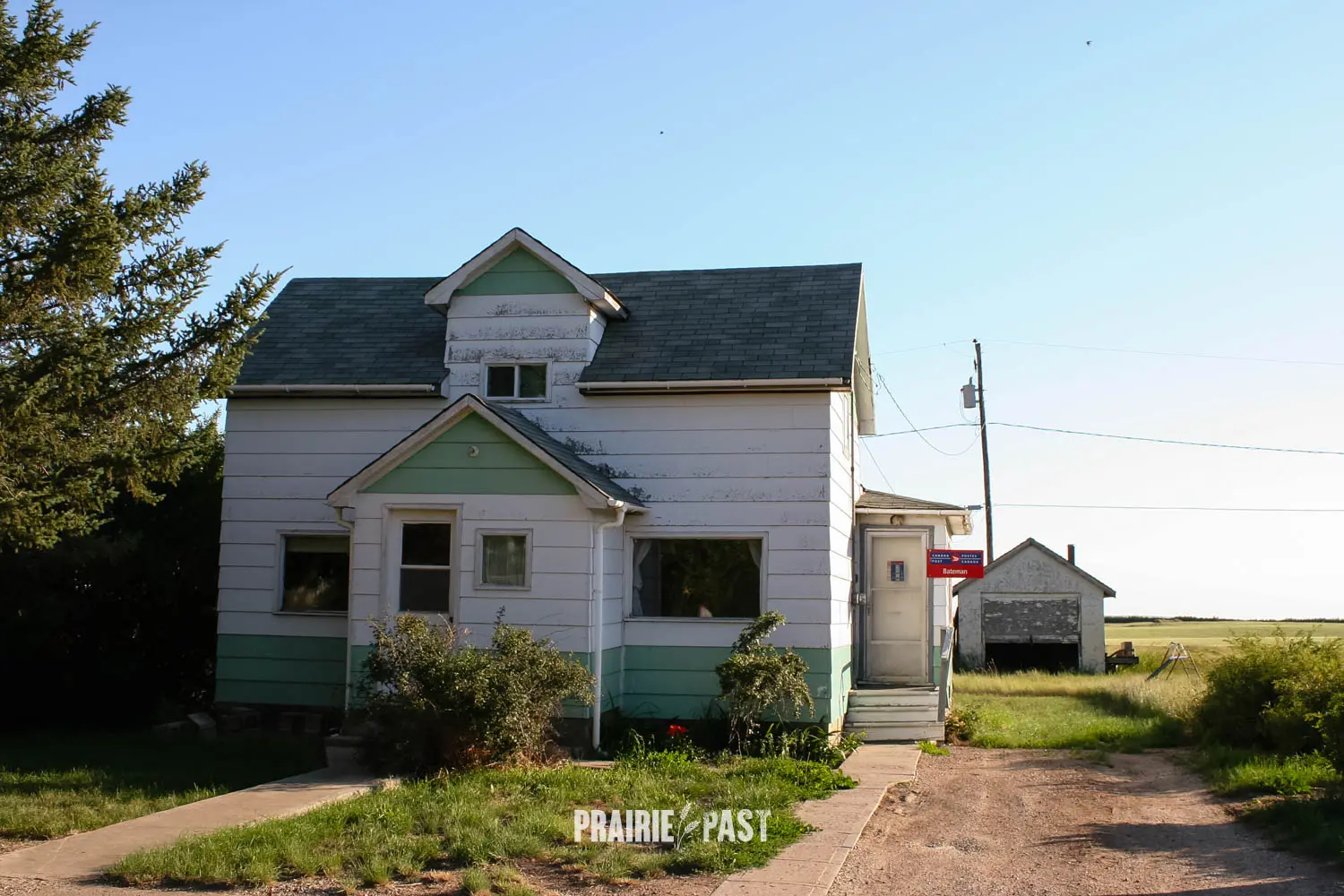
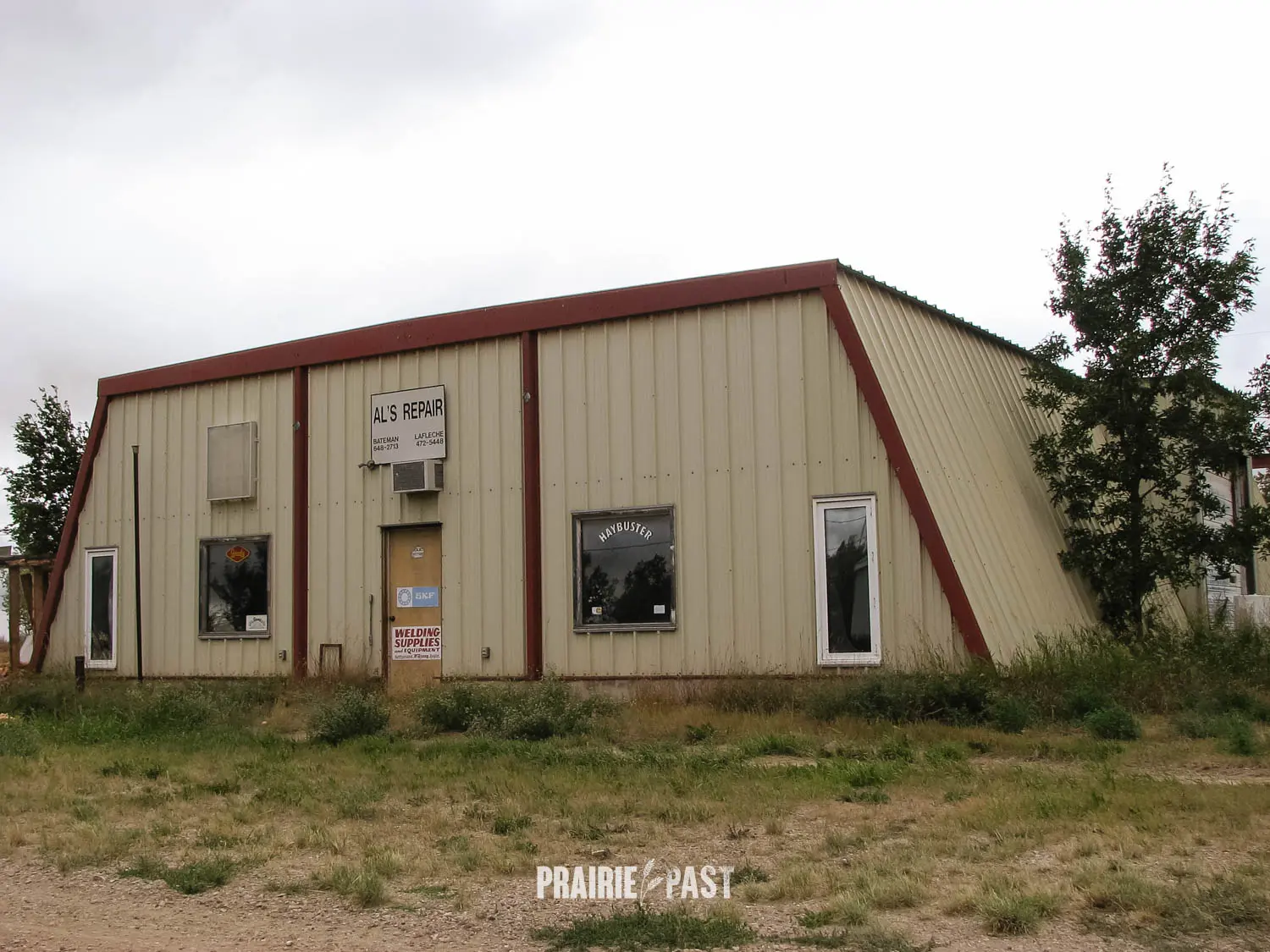
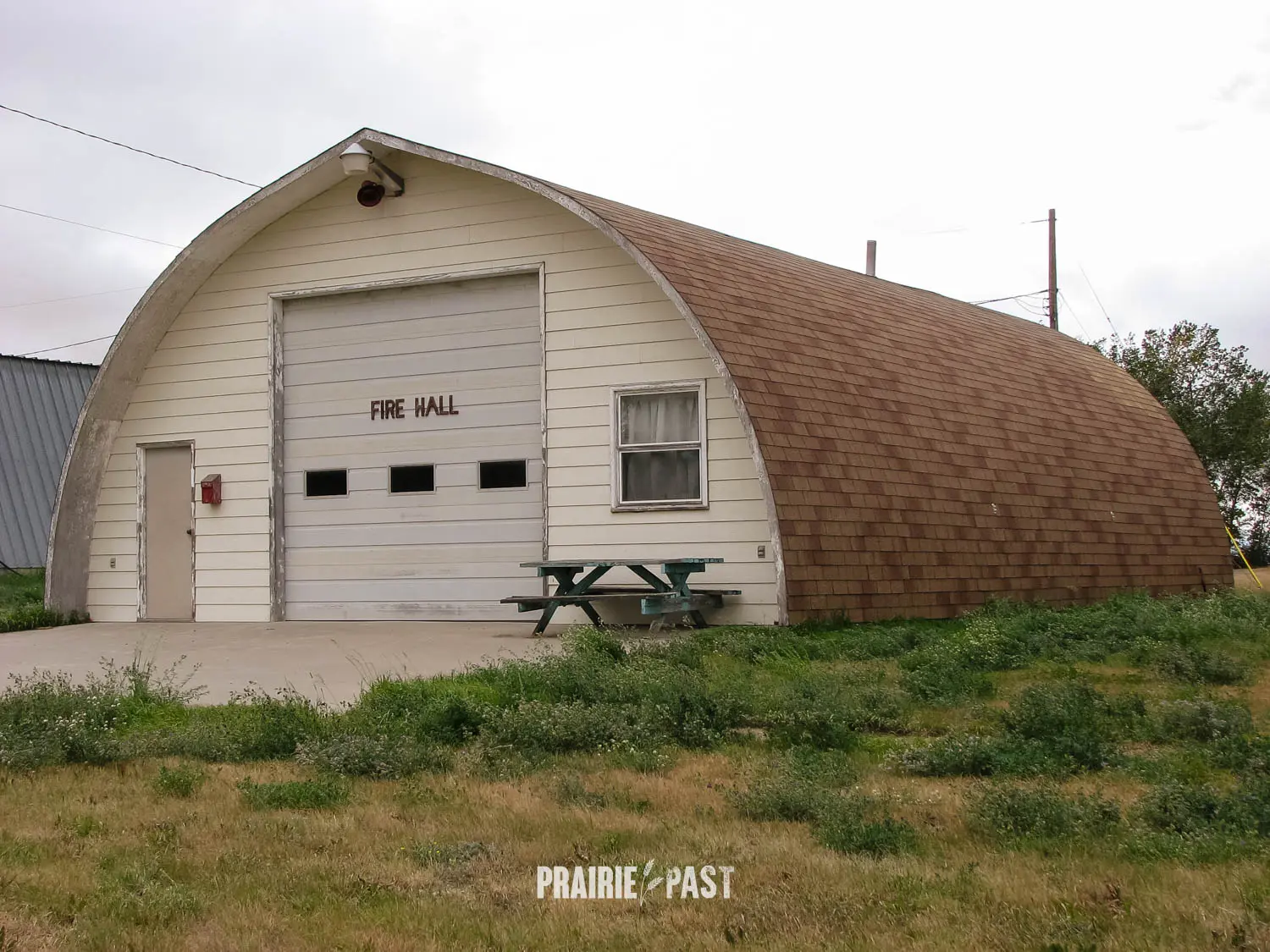
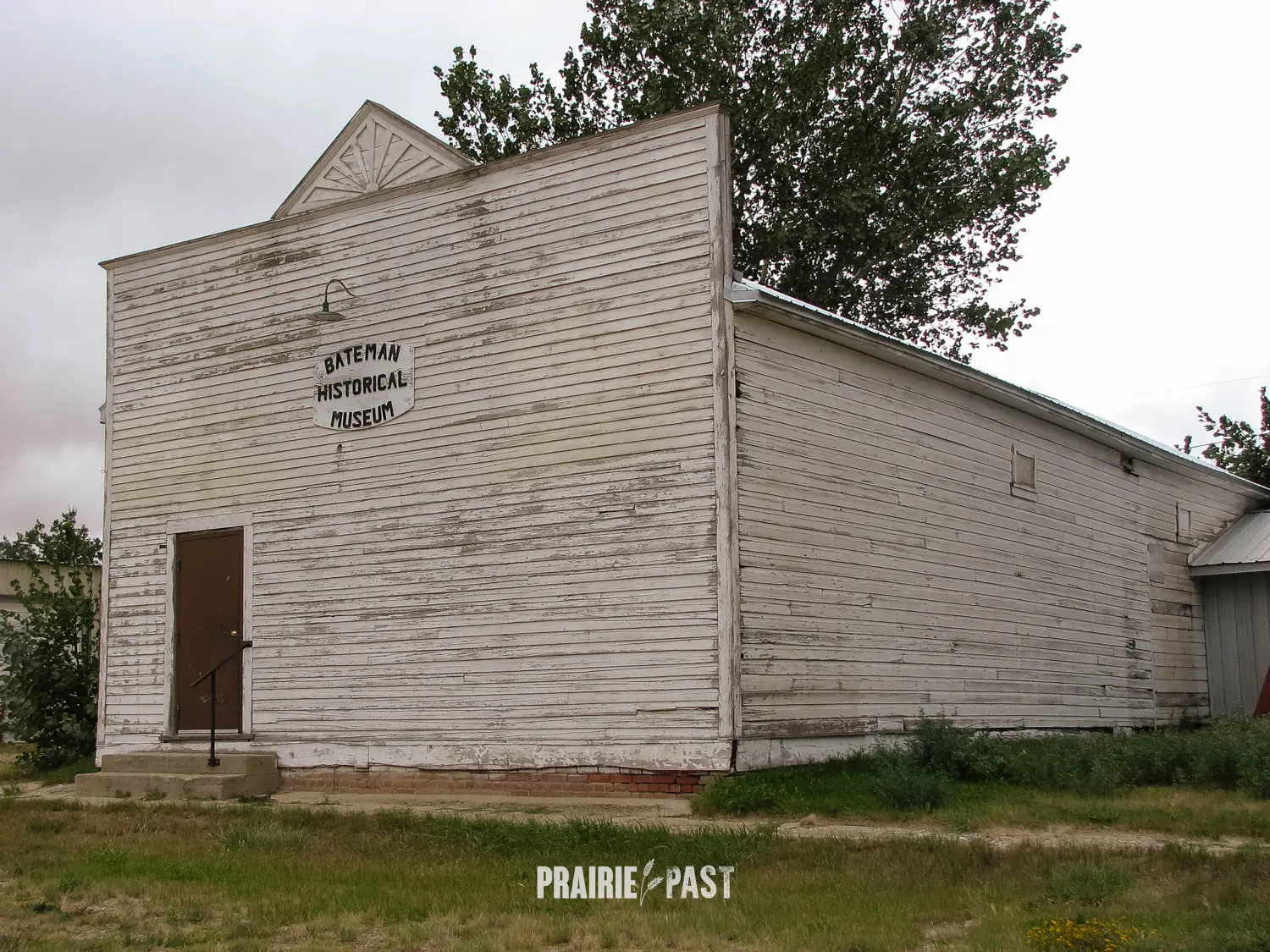
Many structures were torn down in the early 2000s by the provincial government, and only a handful remain today, including the Bateman Historical Museum, which now stands as a repository of artifacts and memories from the town’s past. There are still a few houses, the United church (now a residence/art studio - closed to the public) and the old fire hall.
The legacy of Bateman is preserved not only through local efforts but also in historical records and imagery. Aerial photographs from the Howdy McPhail Photograph Collection, now digitized and accessible, include snapshots of Bateman and other prairie communities during the mid-20th century, offering a visual record of a way of life that has largely vanished.
Today, Bateman may be listed as a ghost town, but it is far from forgotten. A small number of people still live in and around the area. The war memorial honouring local soldiers who served in the World Wars continues to be cared for by neighbouring farmers and volunteers.
Bateman’s story from pioneer optimism through growth, decline and quiet remembrance reflects the broader history of rural Saskatchewan. These ghost towns remind us of the resilience of those who built them and the shifting tides of change that define life on the prairie.
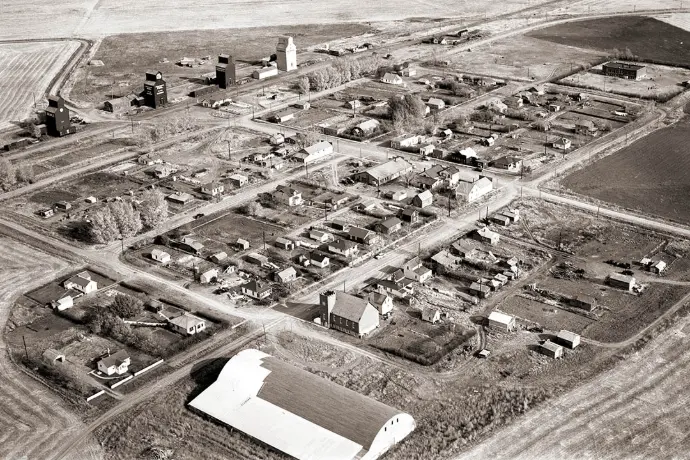
2006 Photo Collection from Corey (notice the school still "standing")
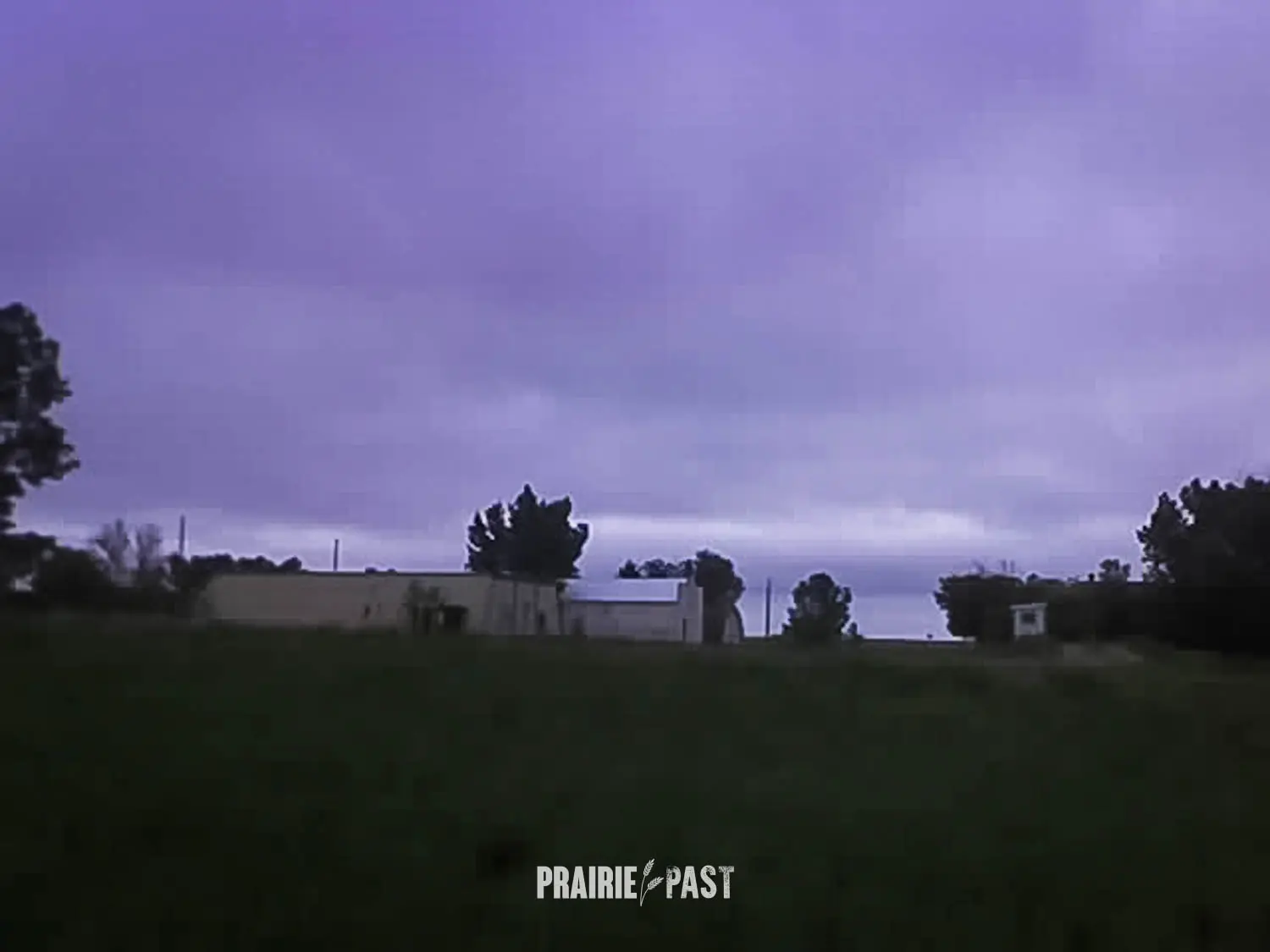
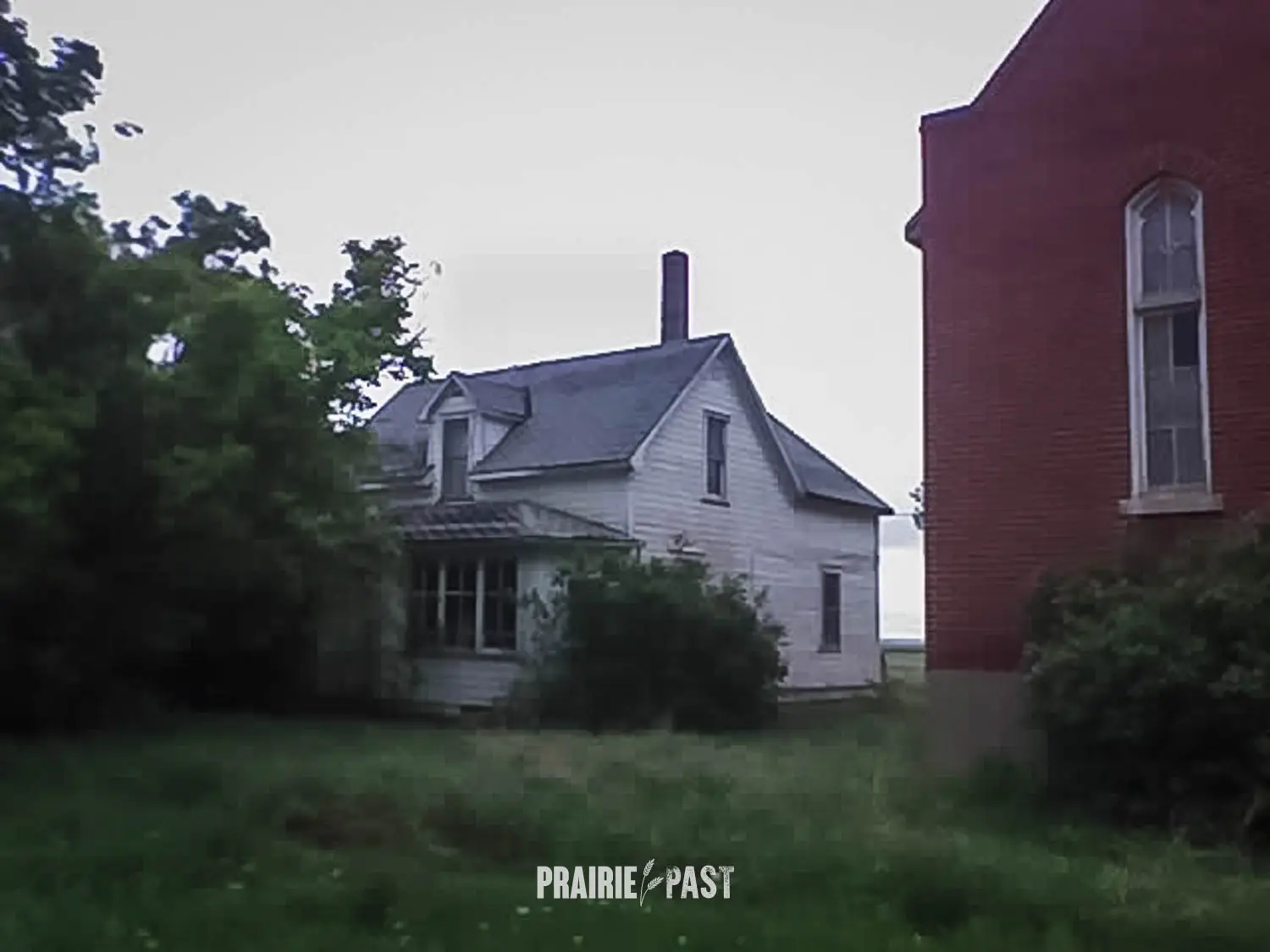
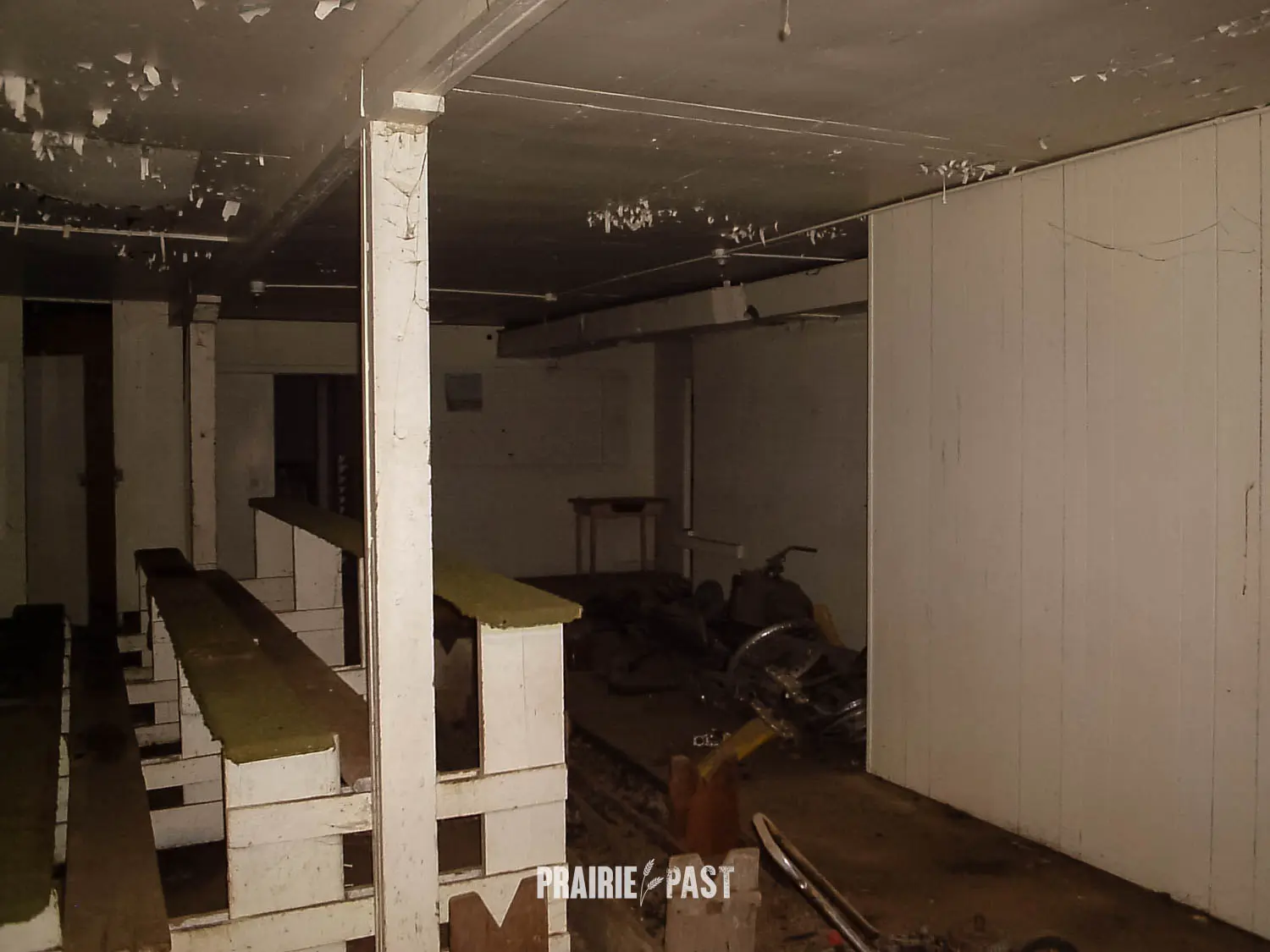
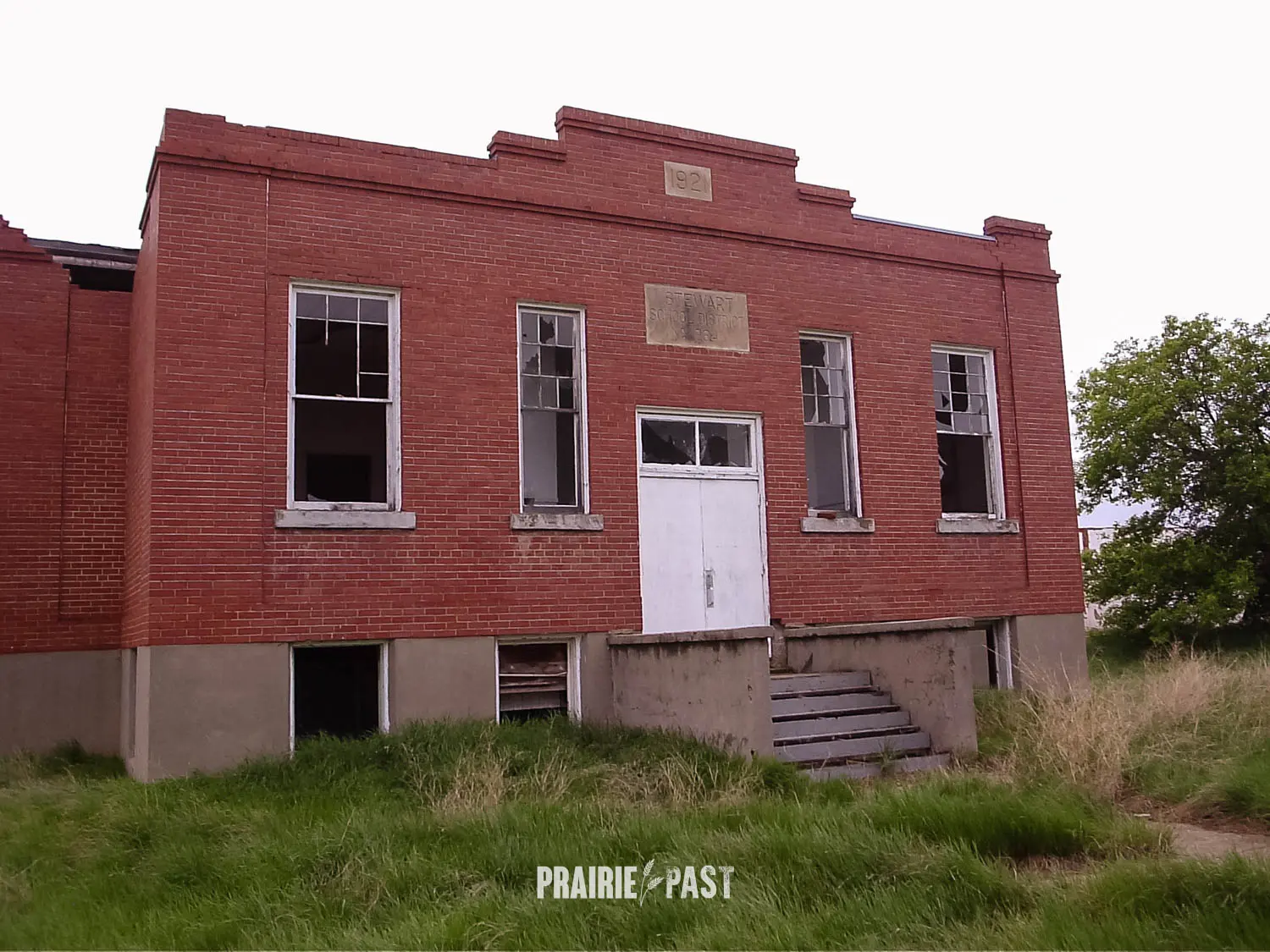
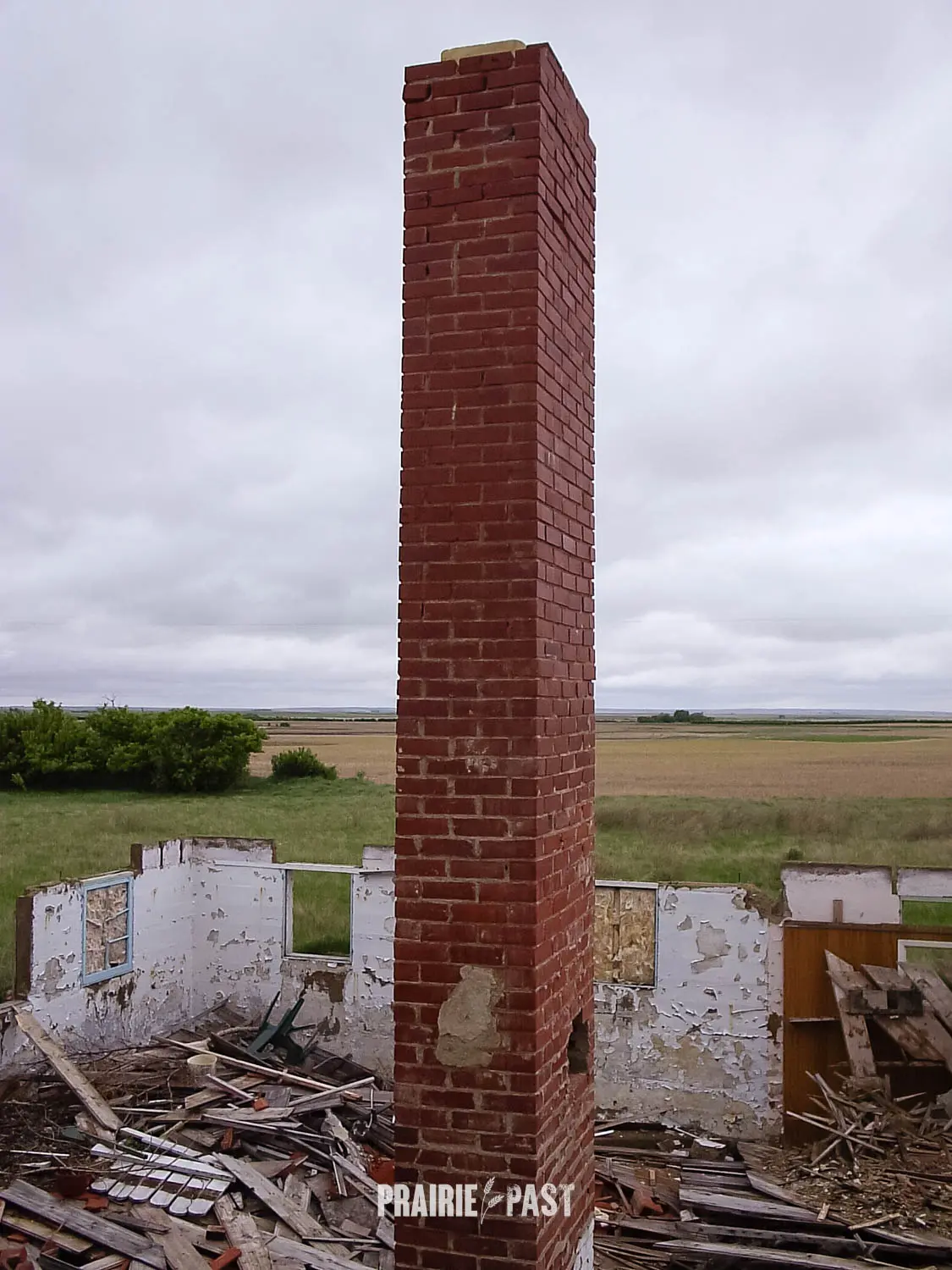
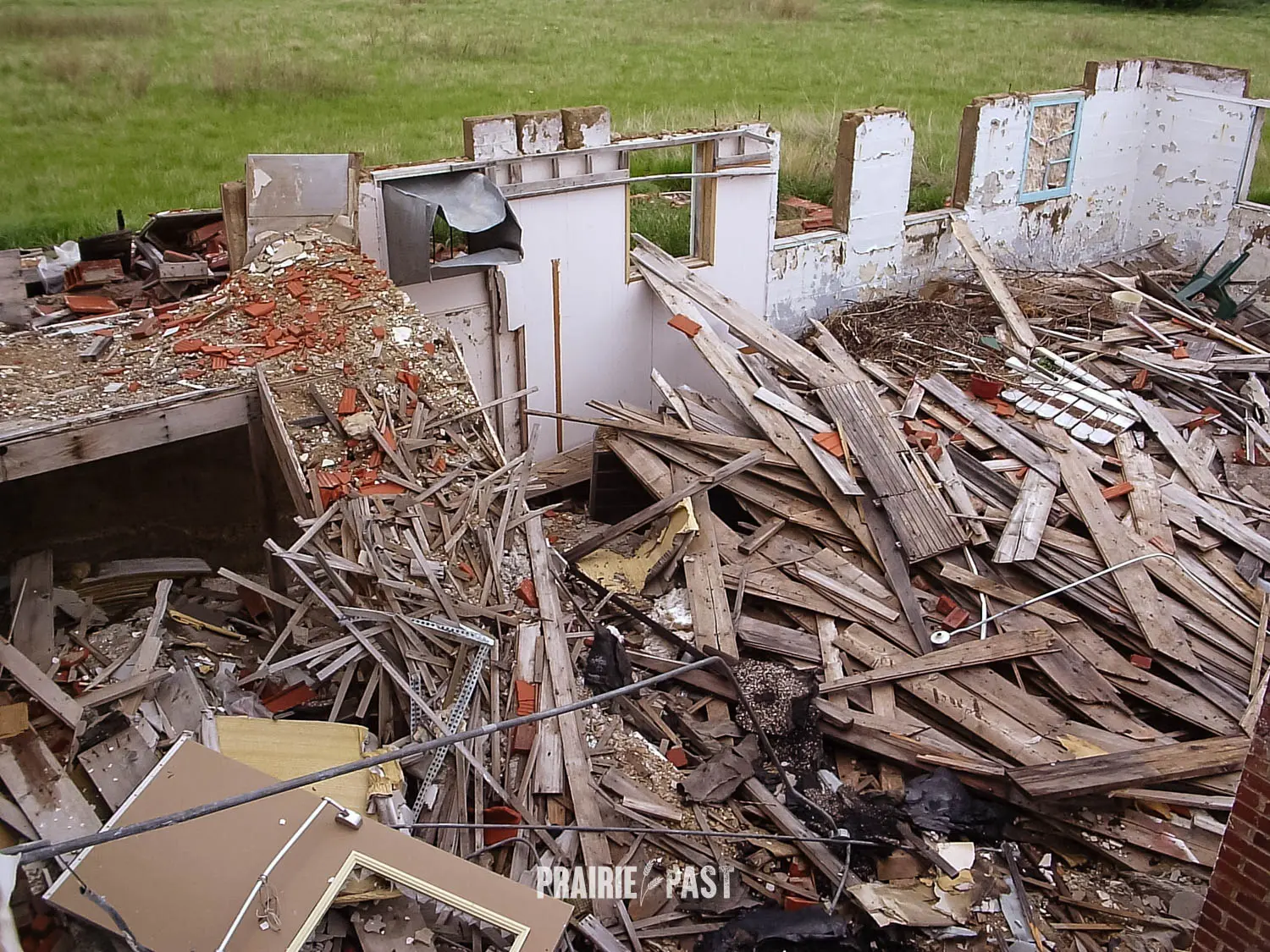
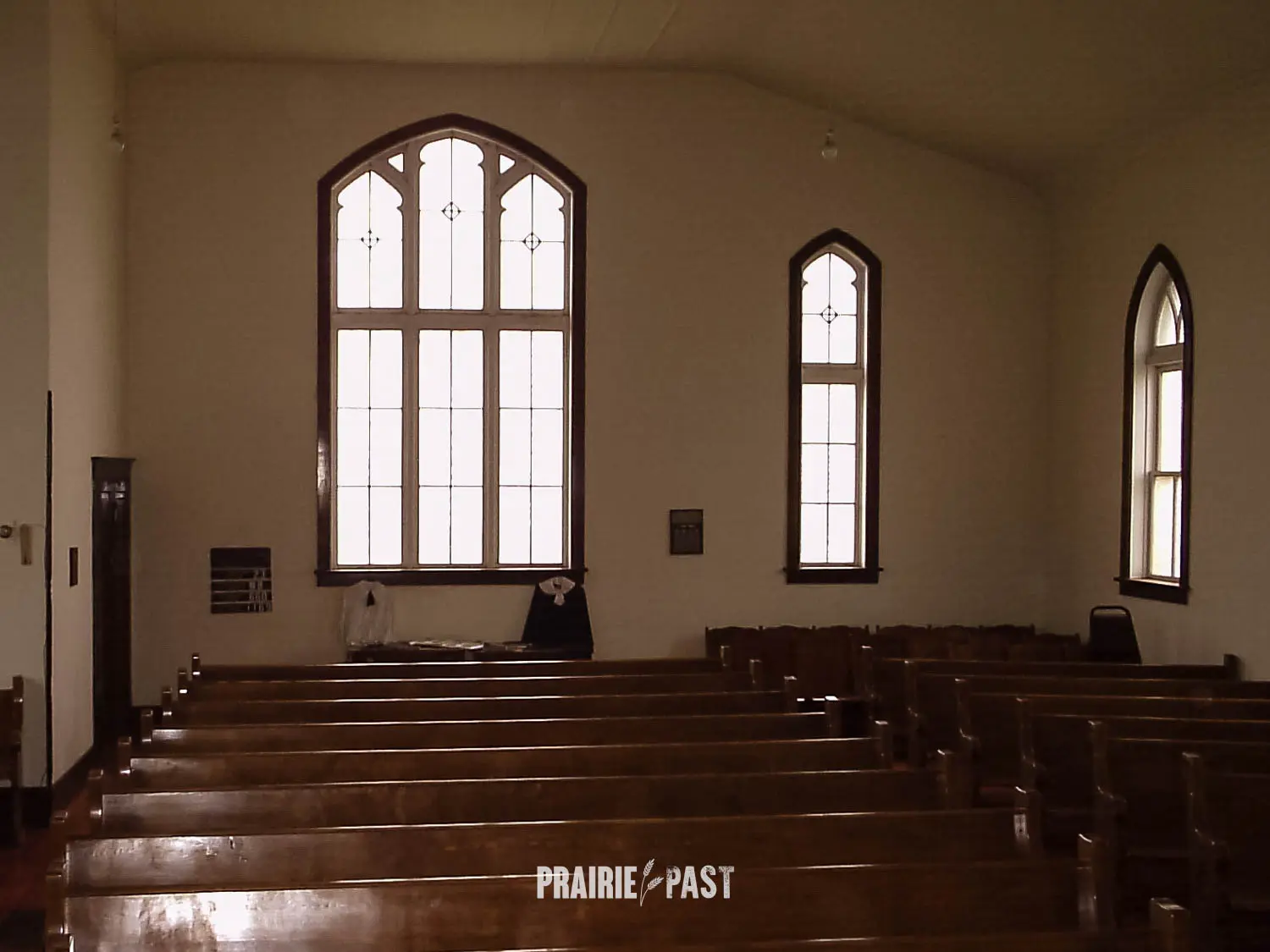
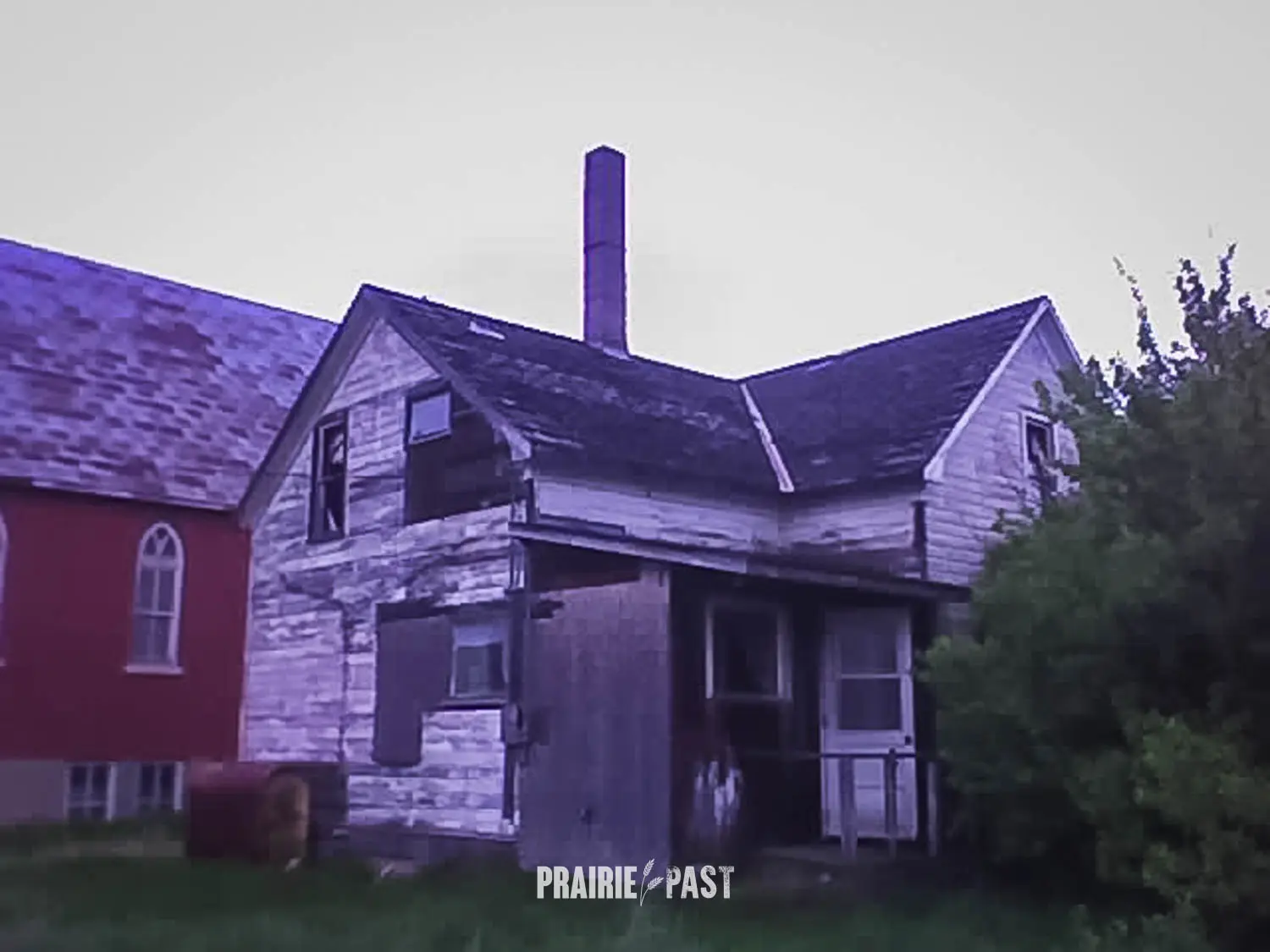
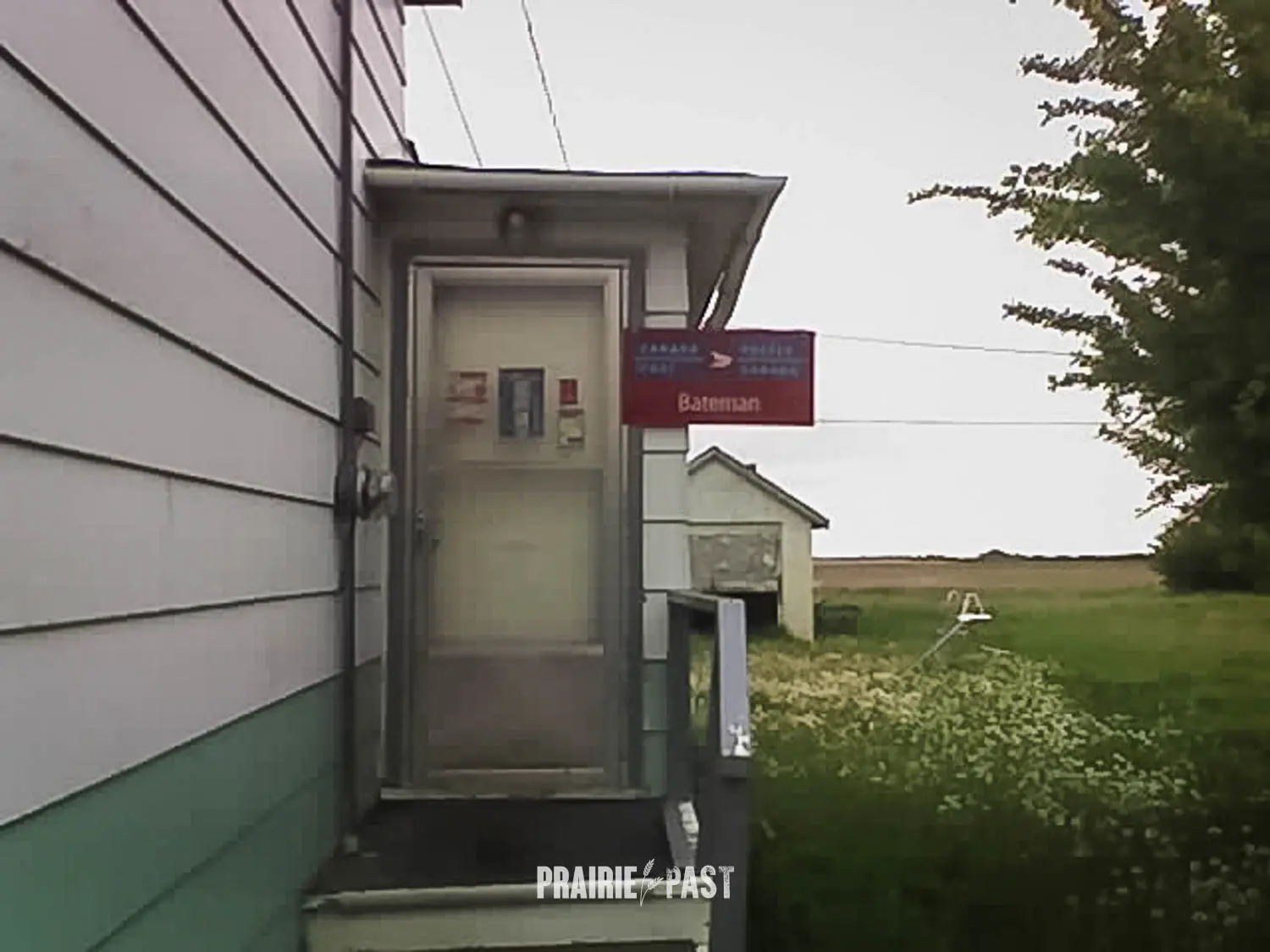
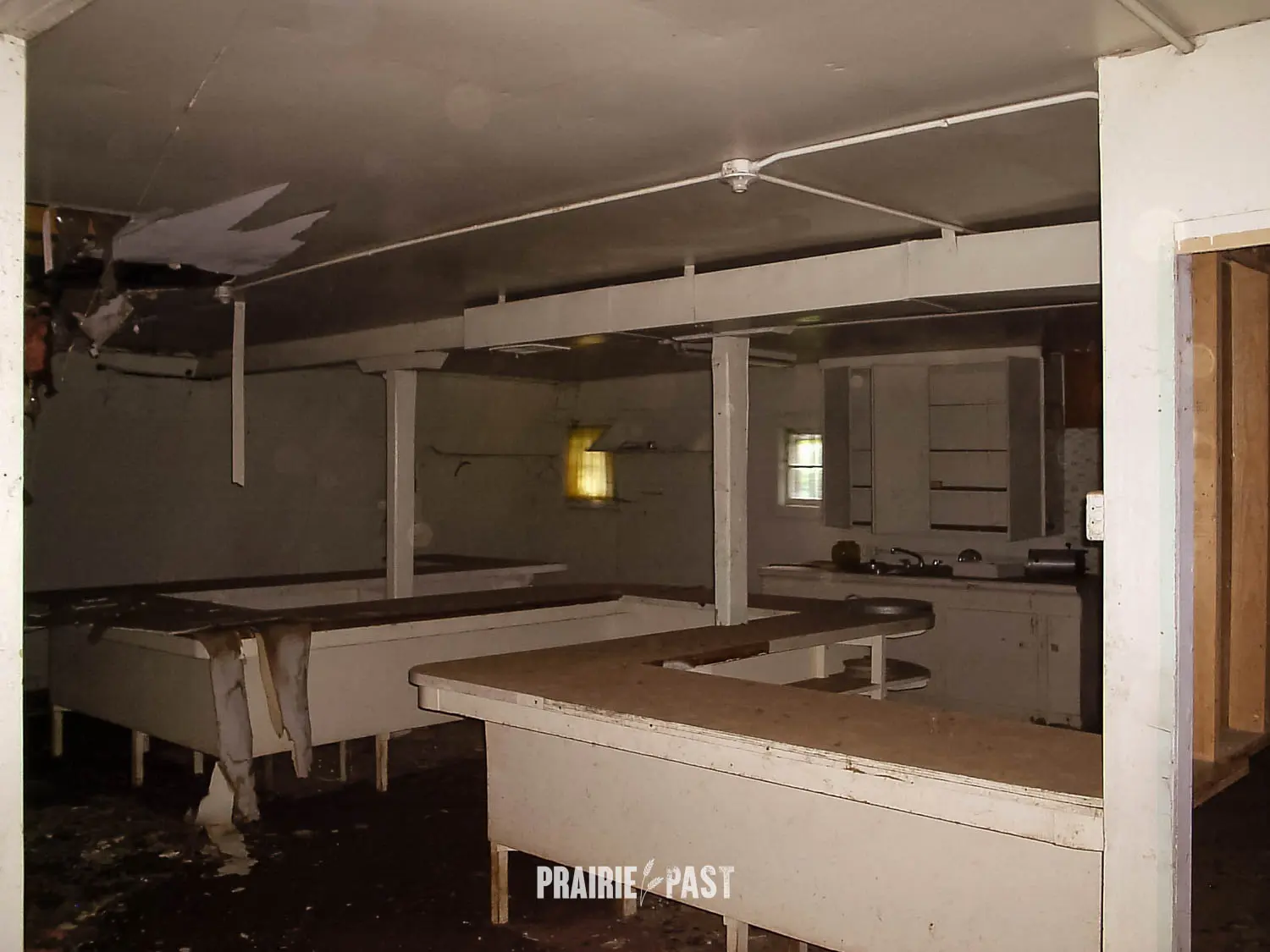
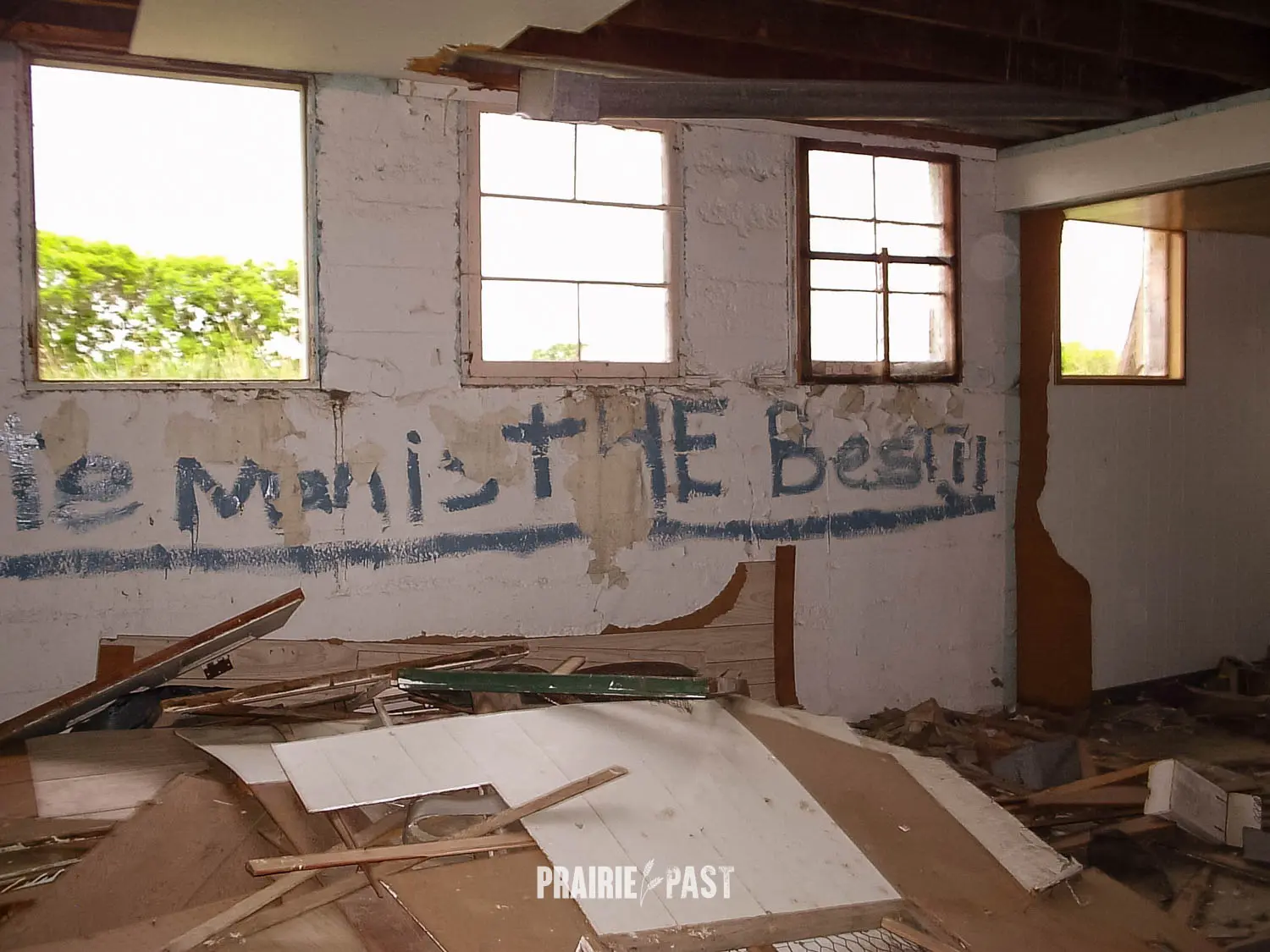
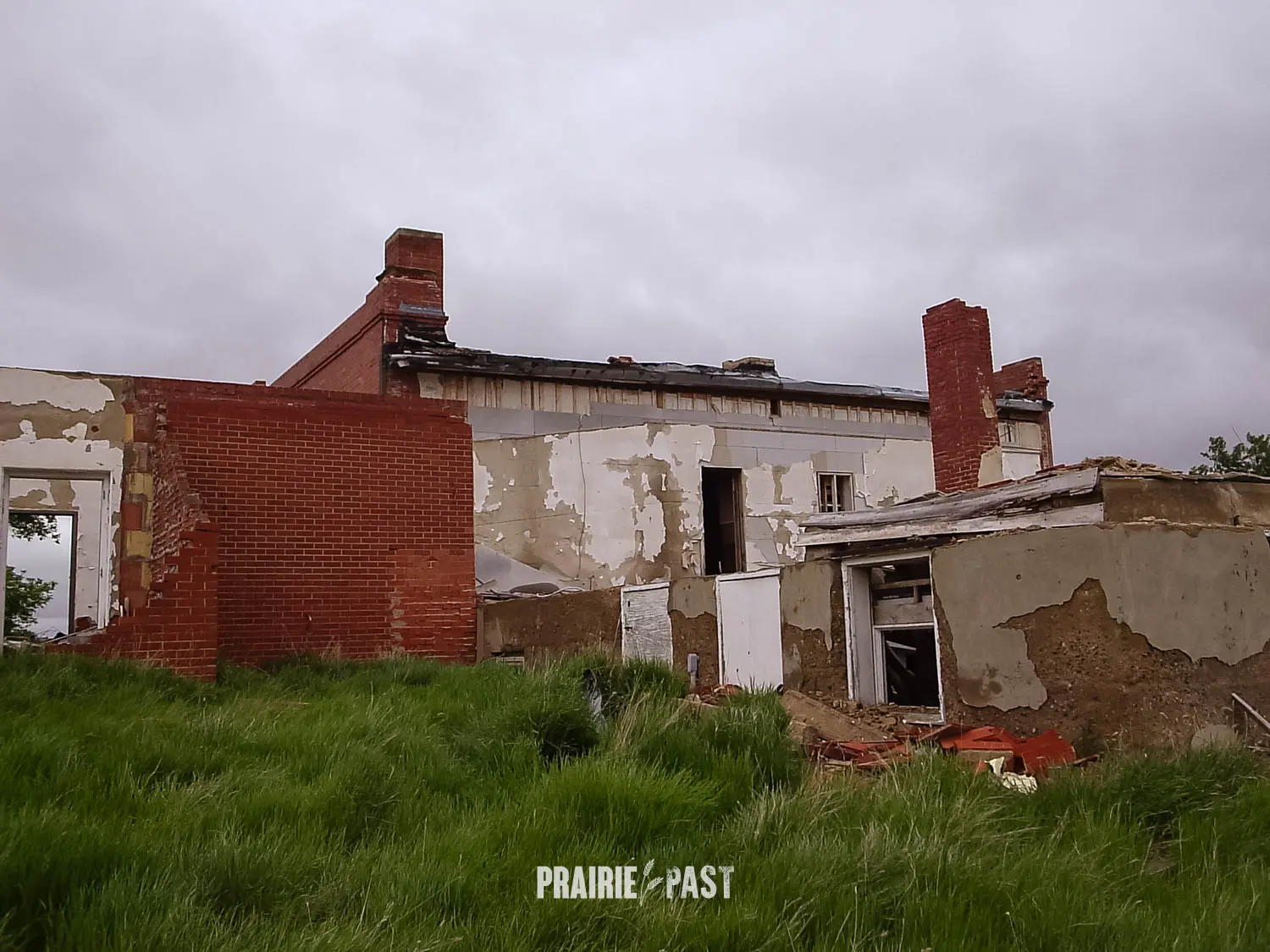
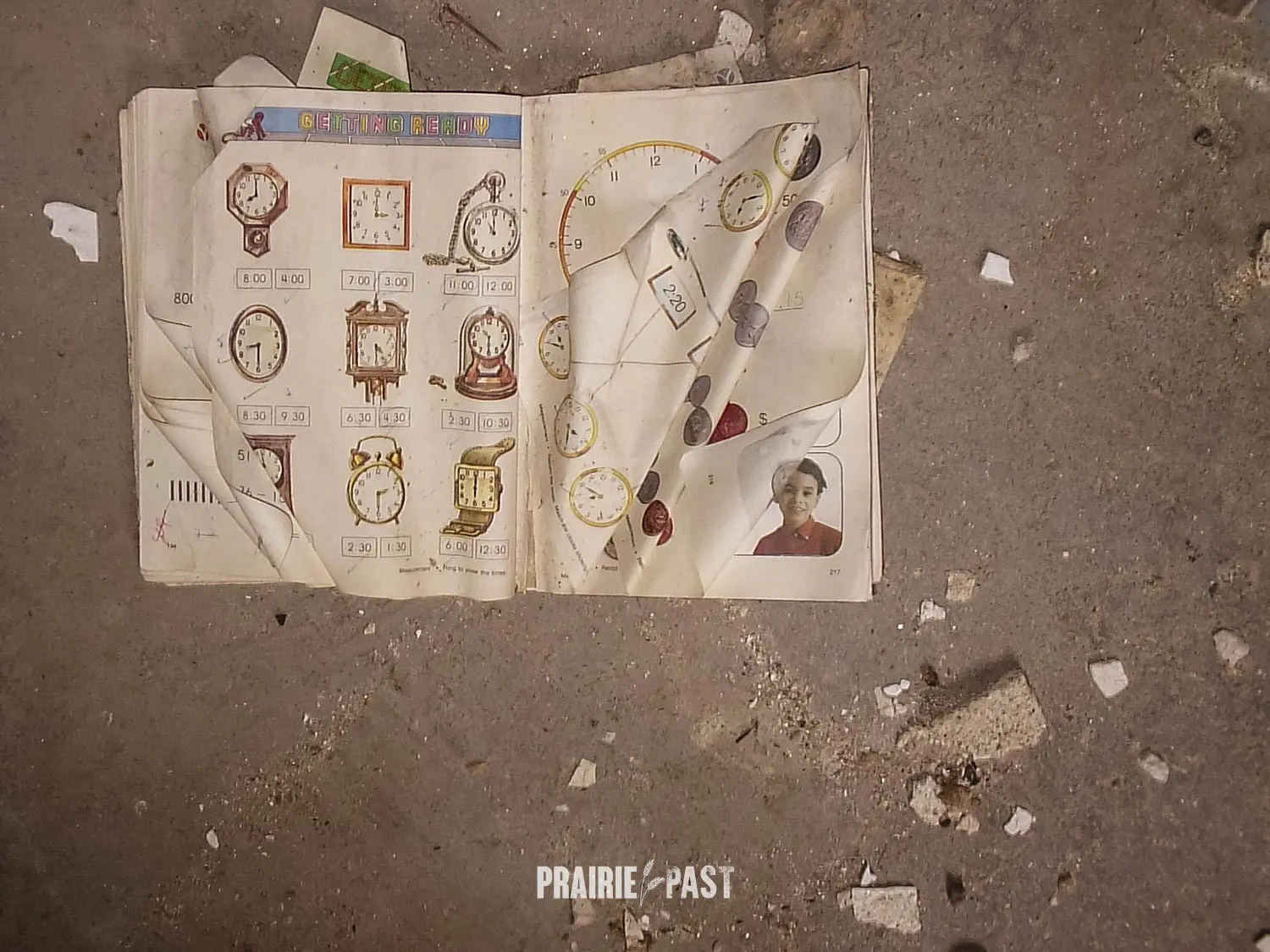
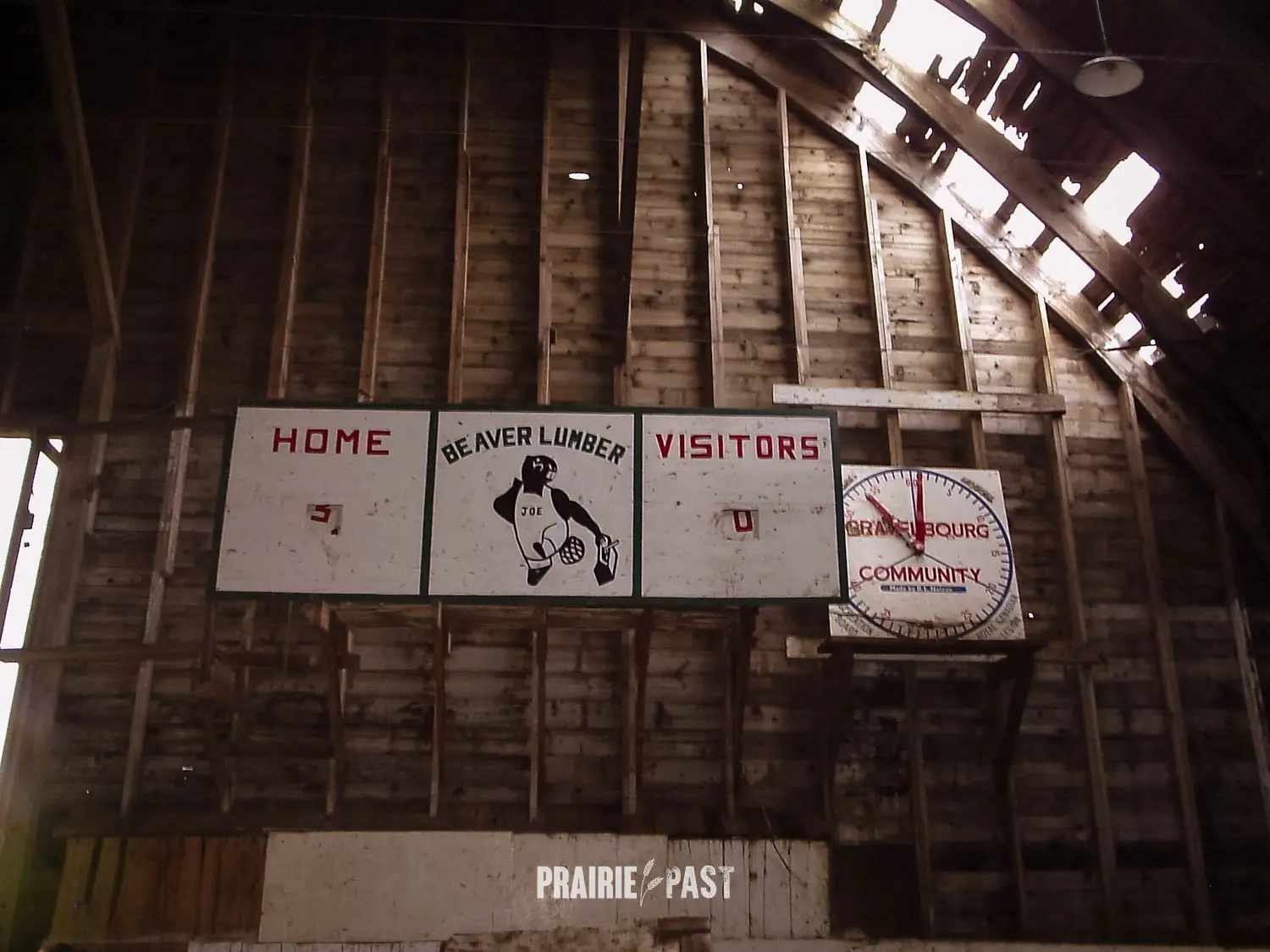
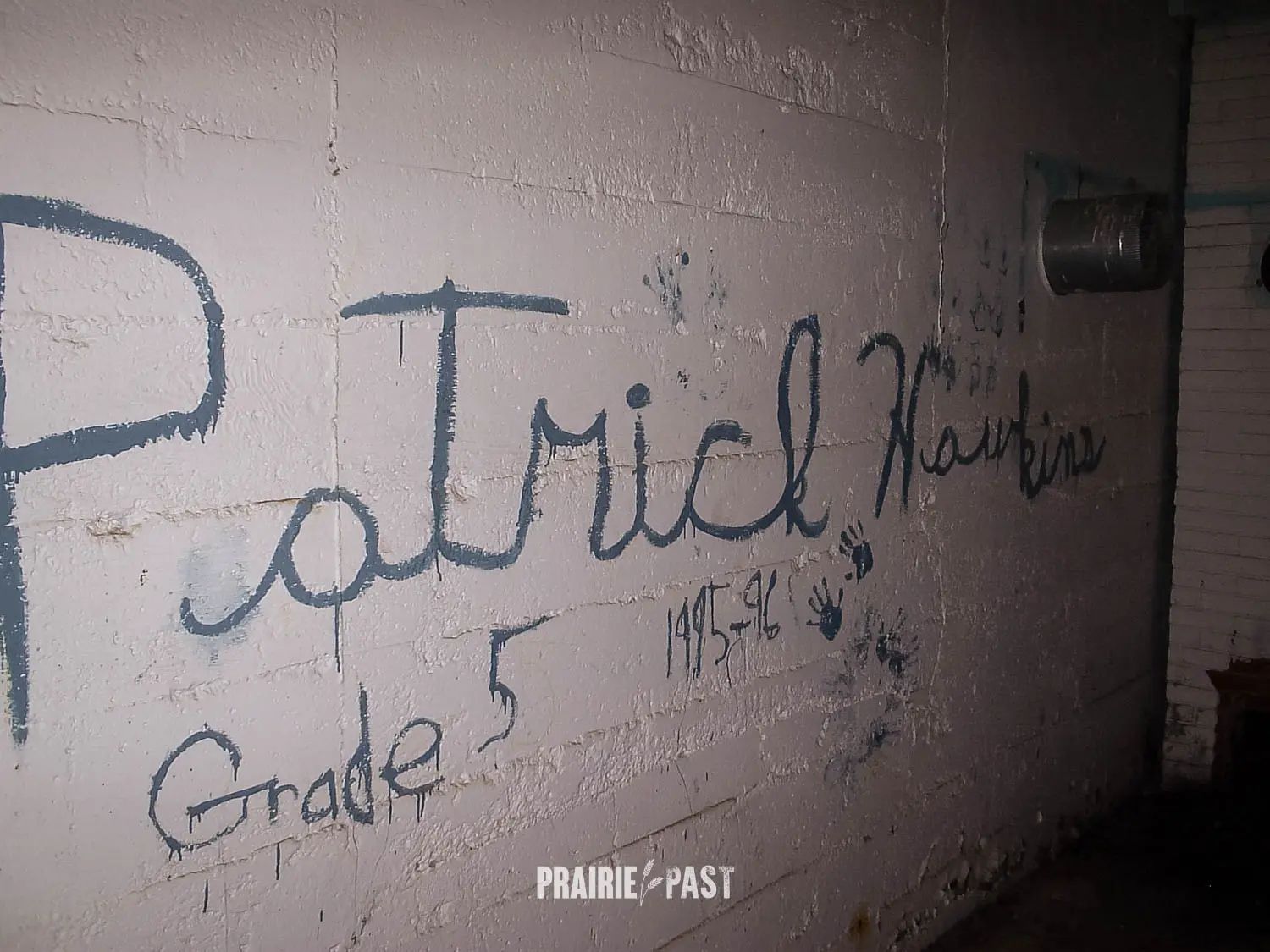
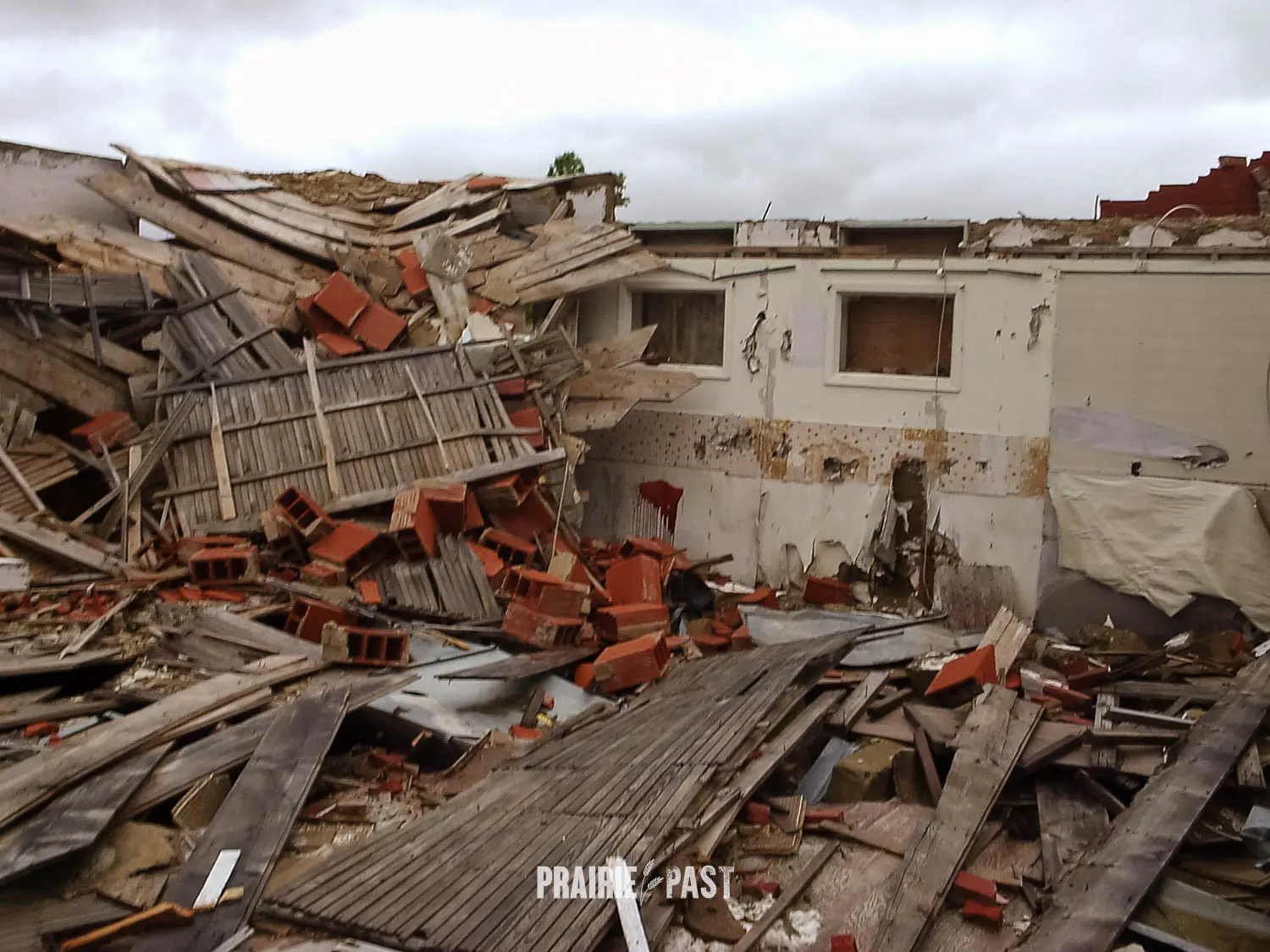
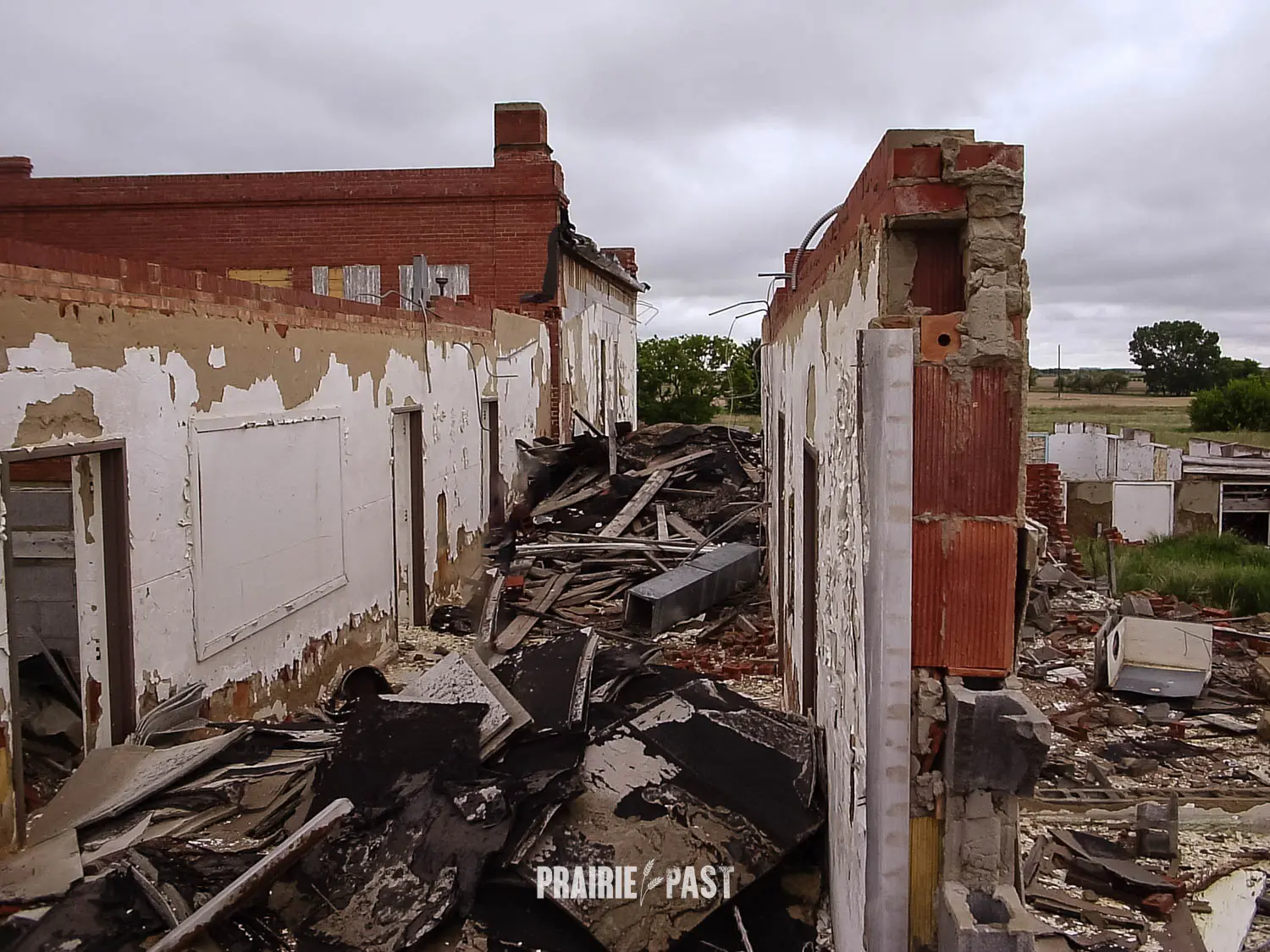
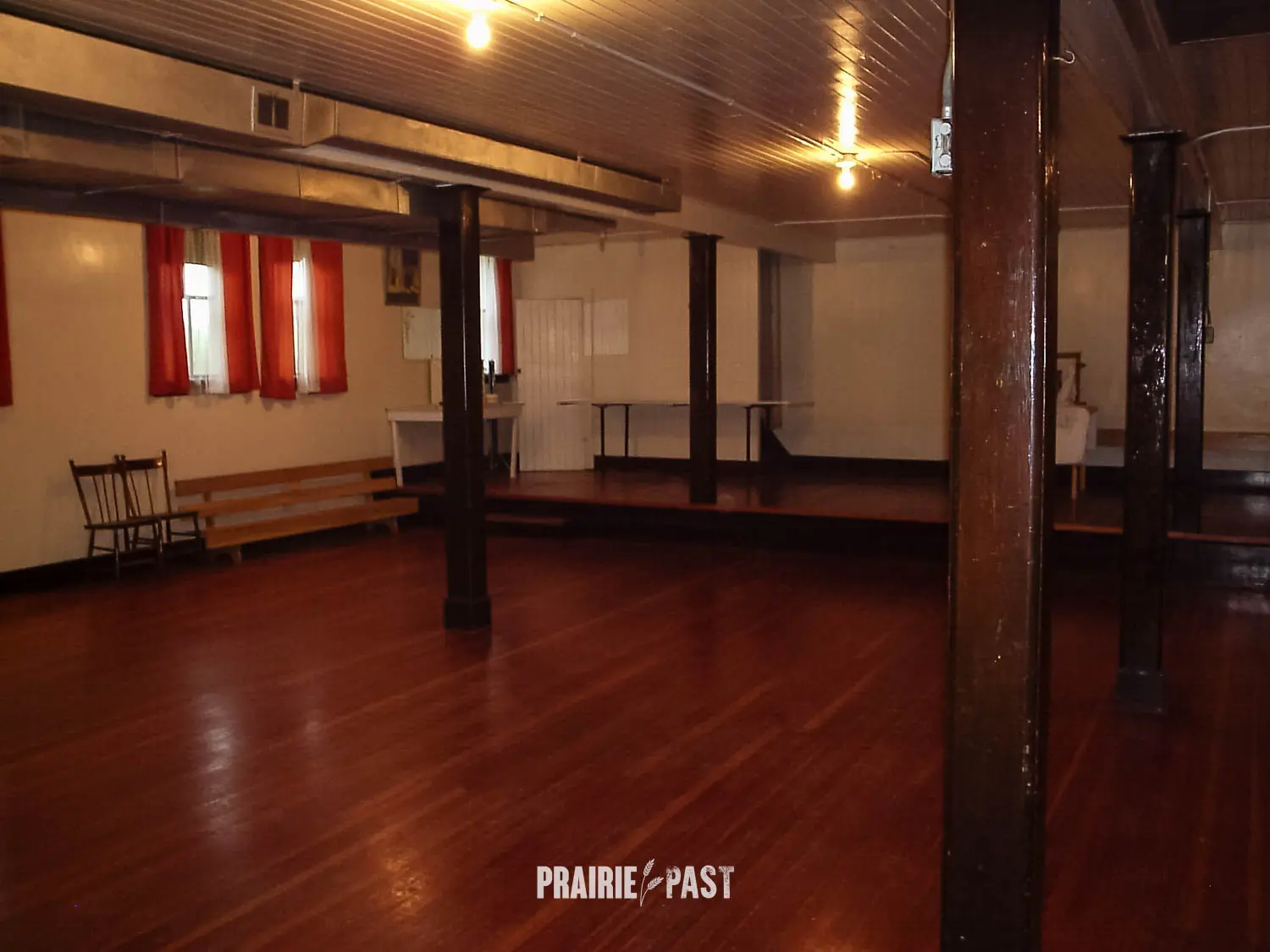
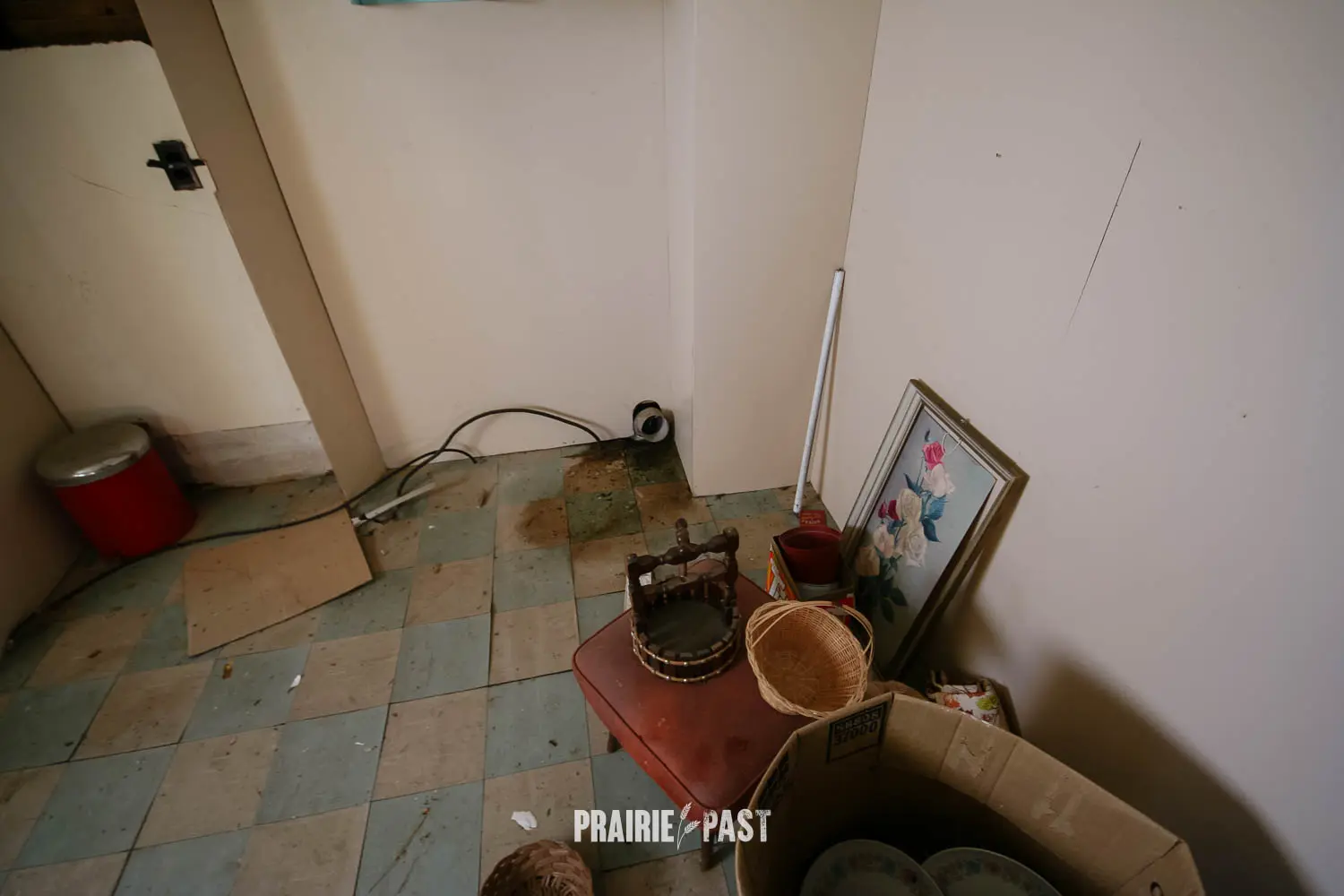
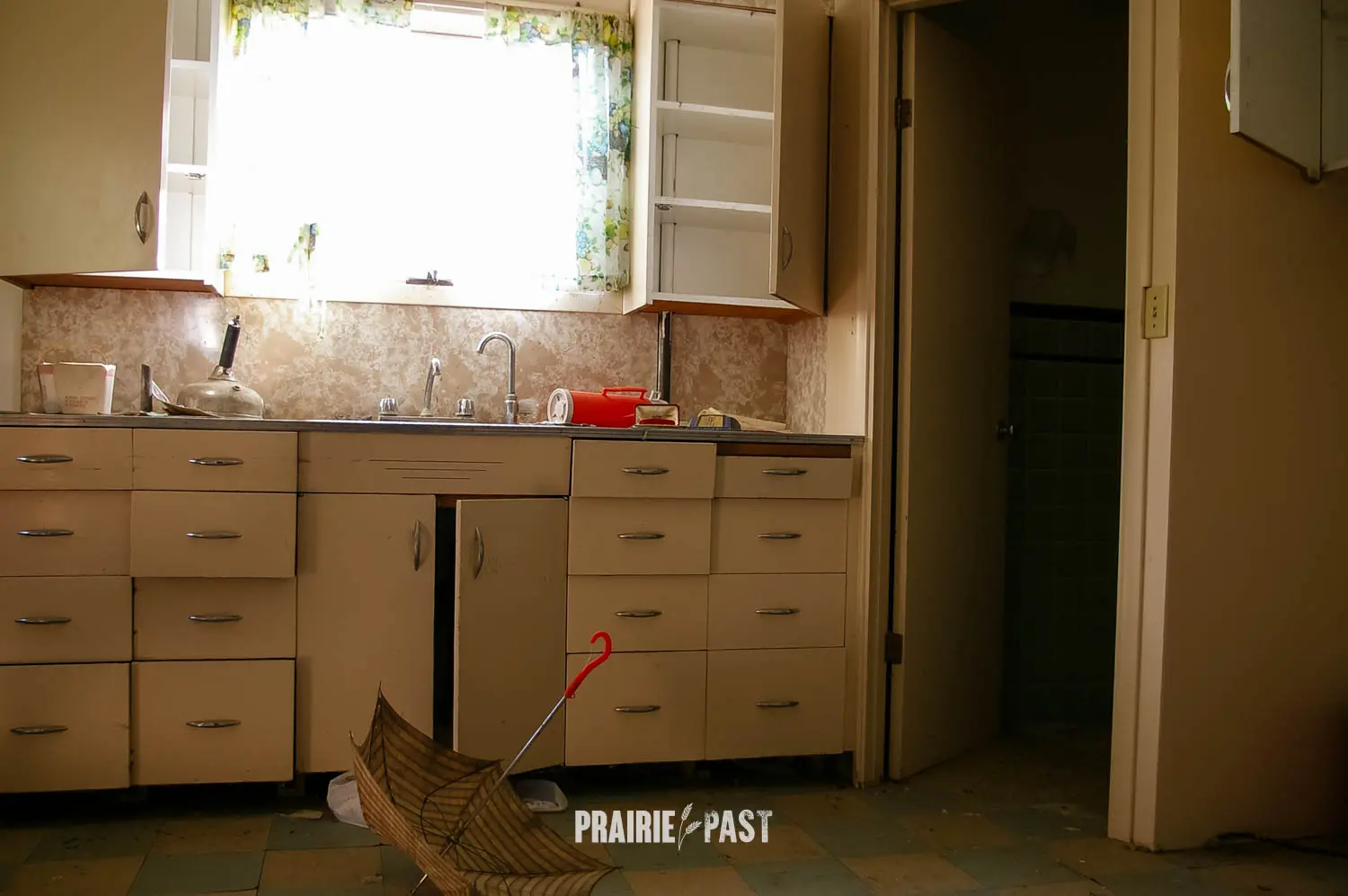
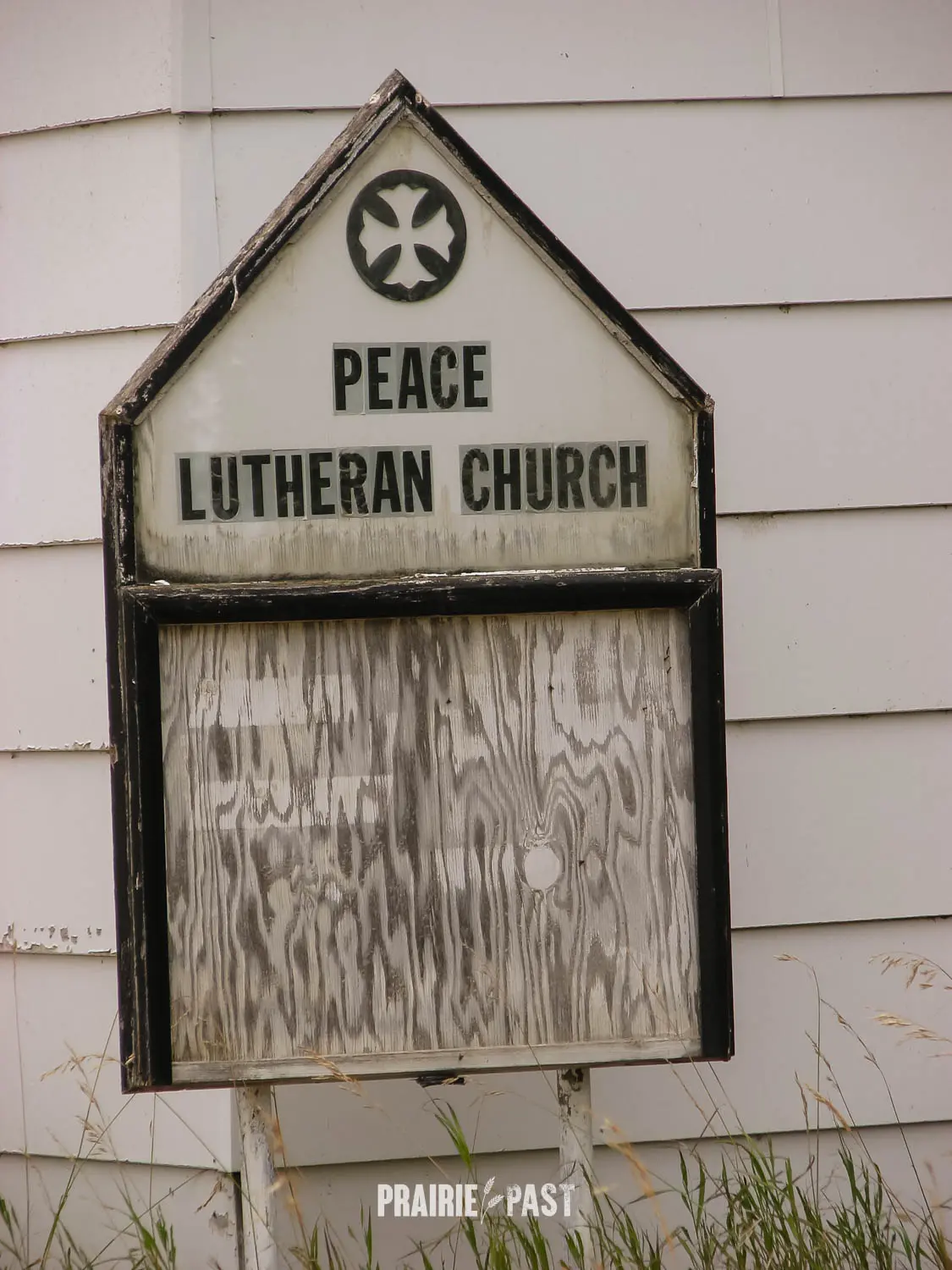
Photos from 2008-2009
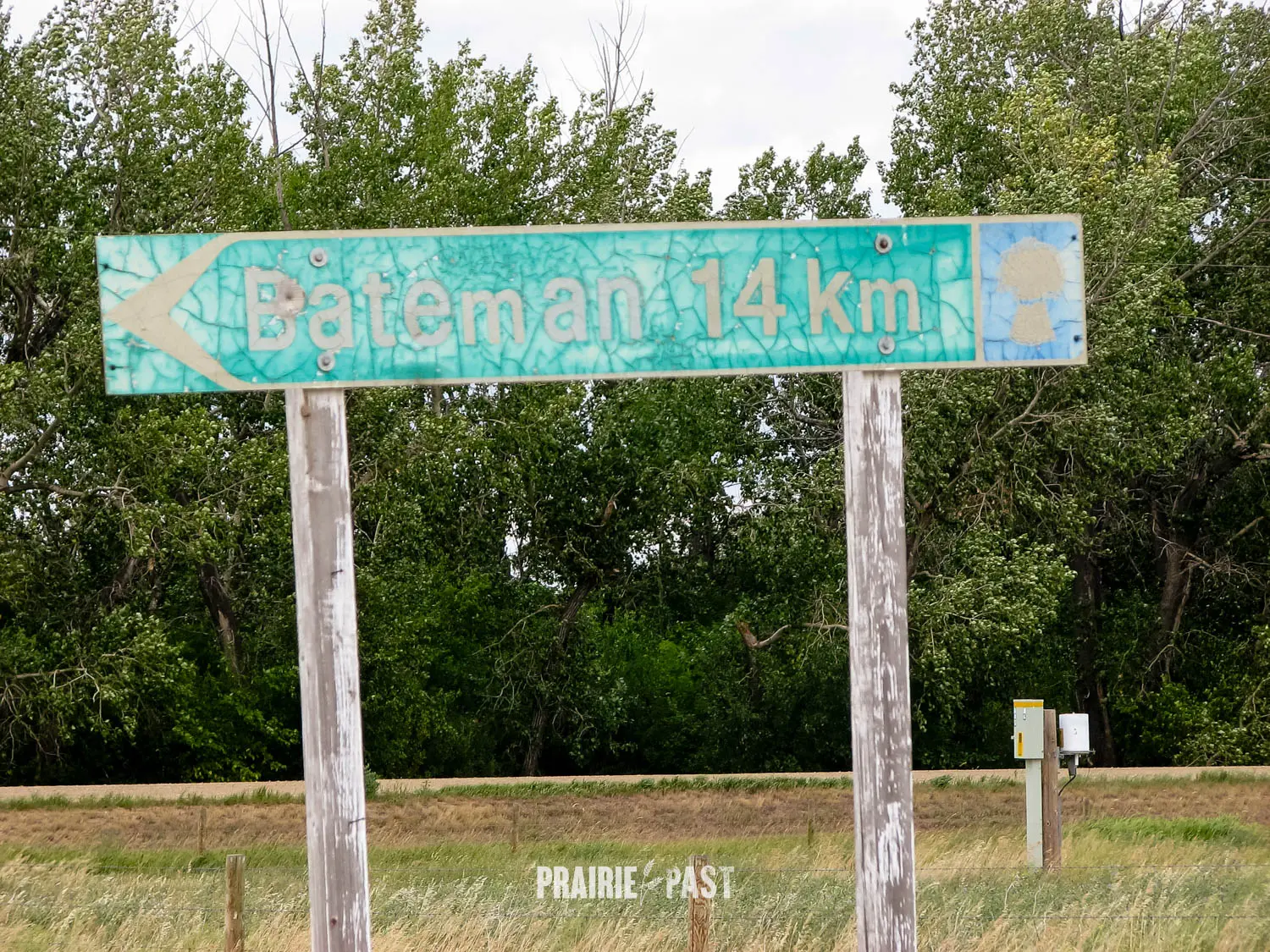
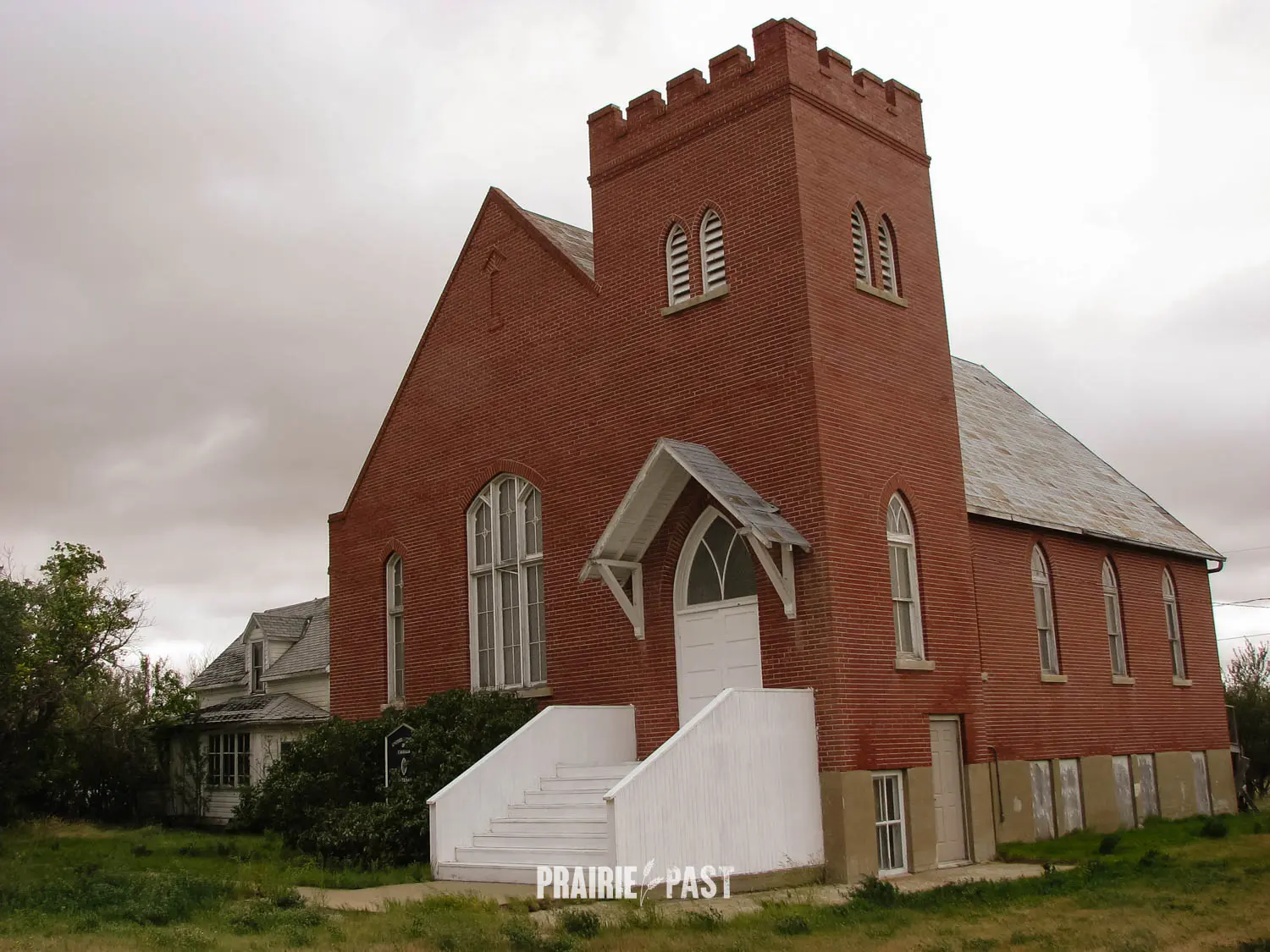
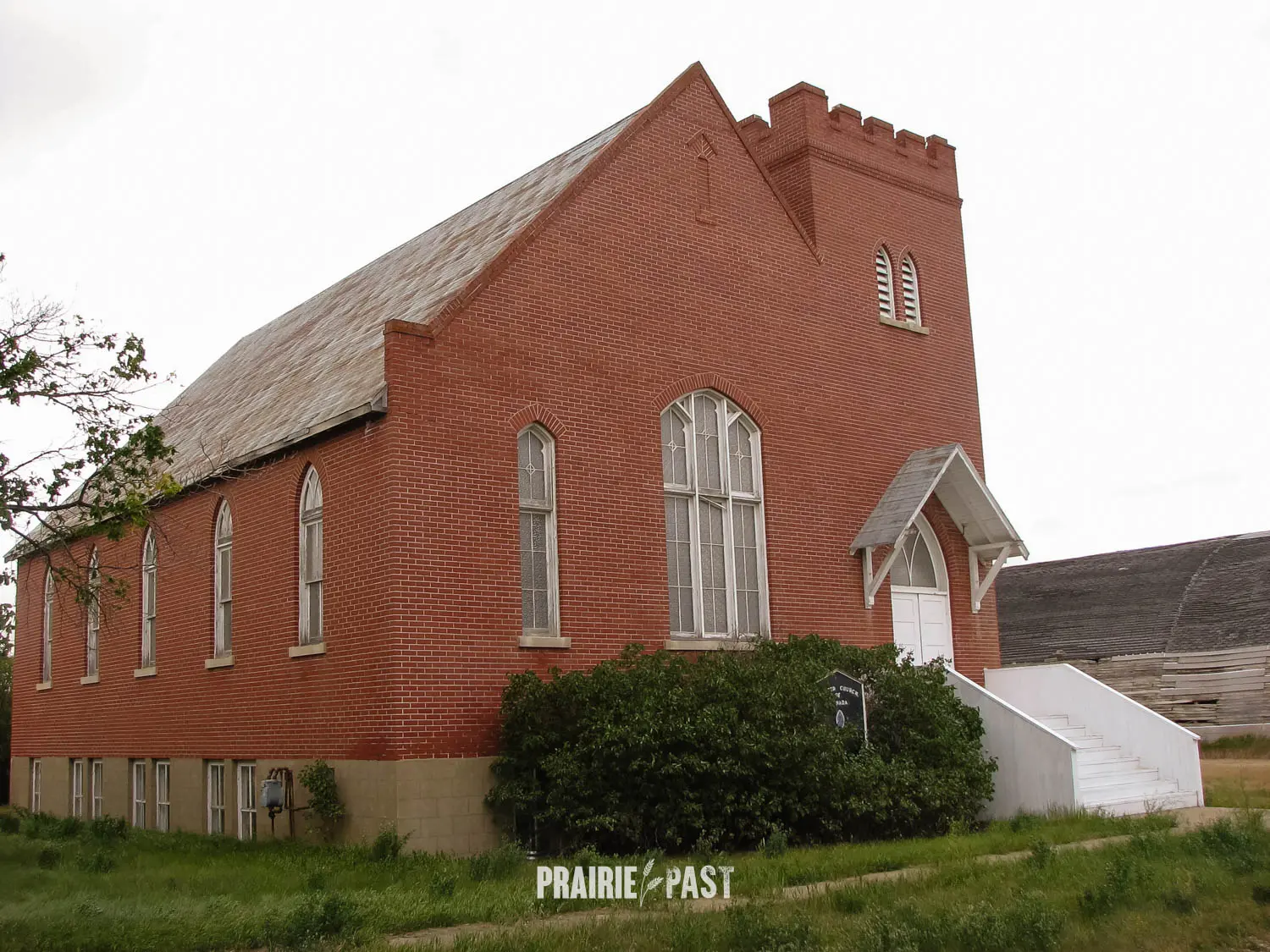
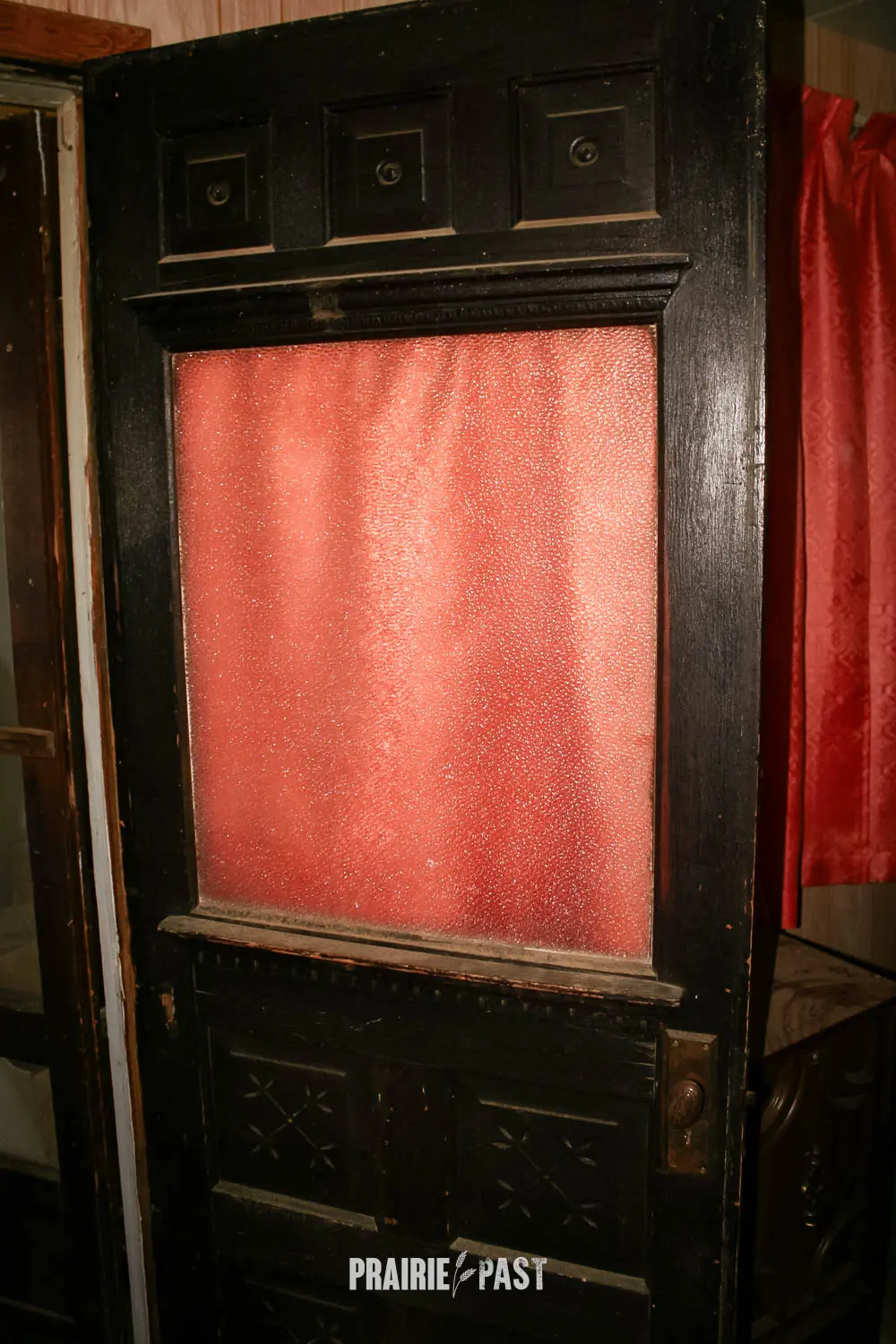
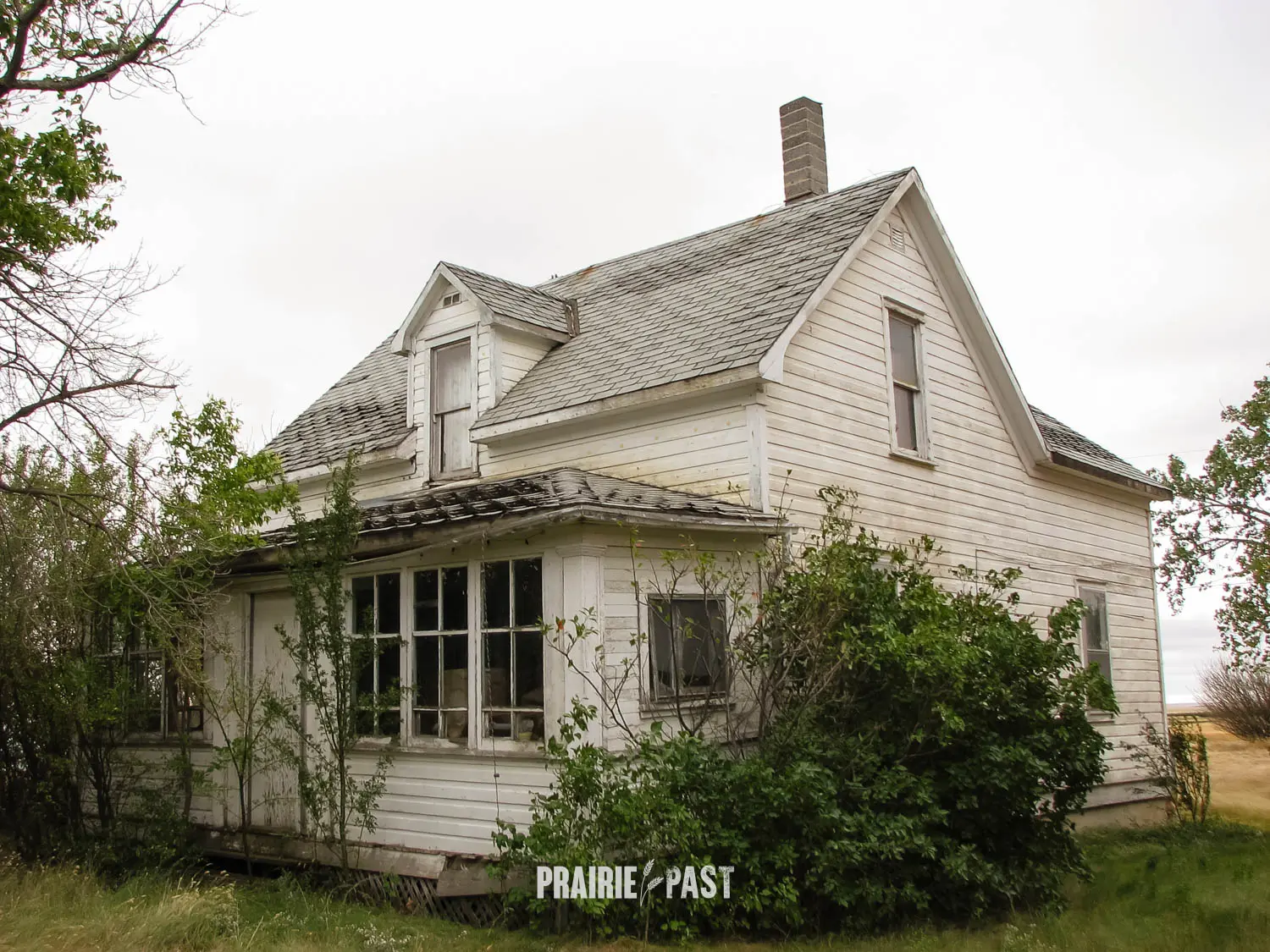
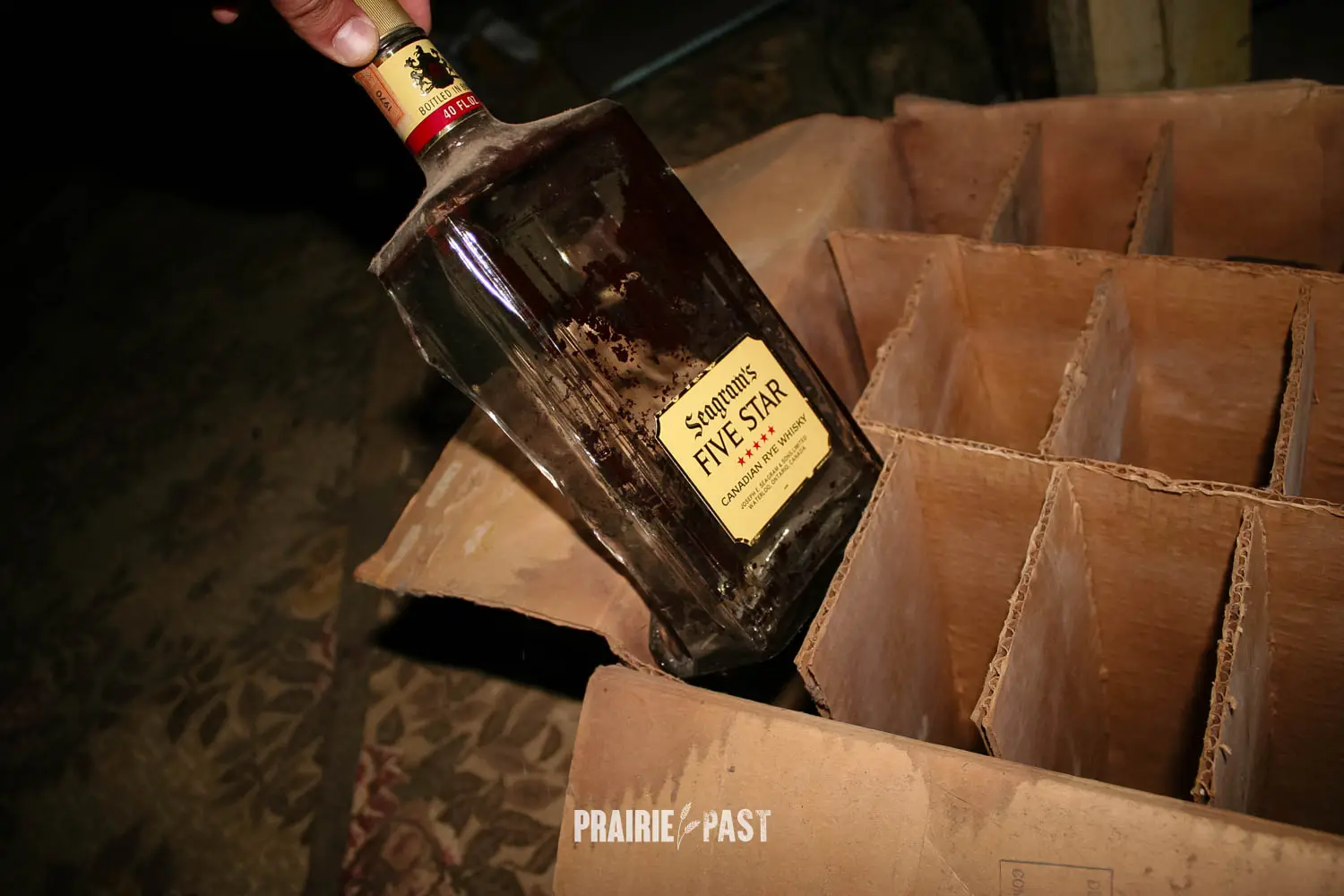
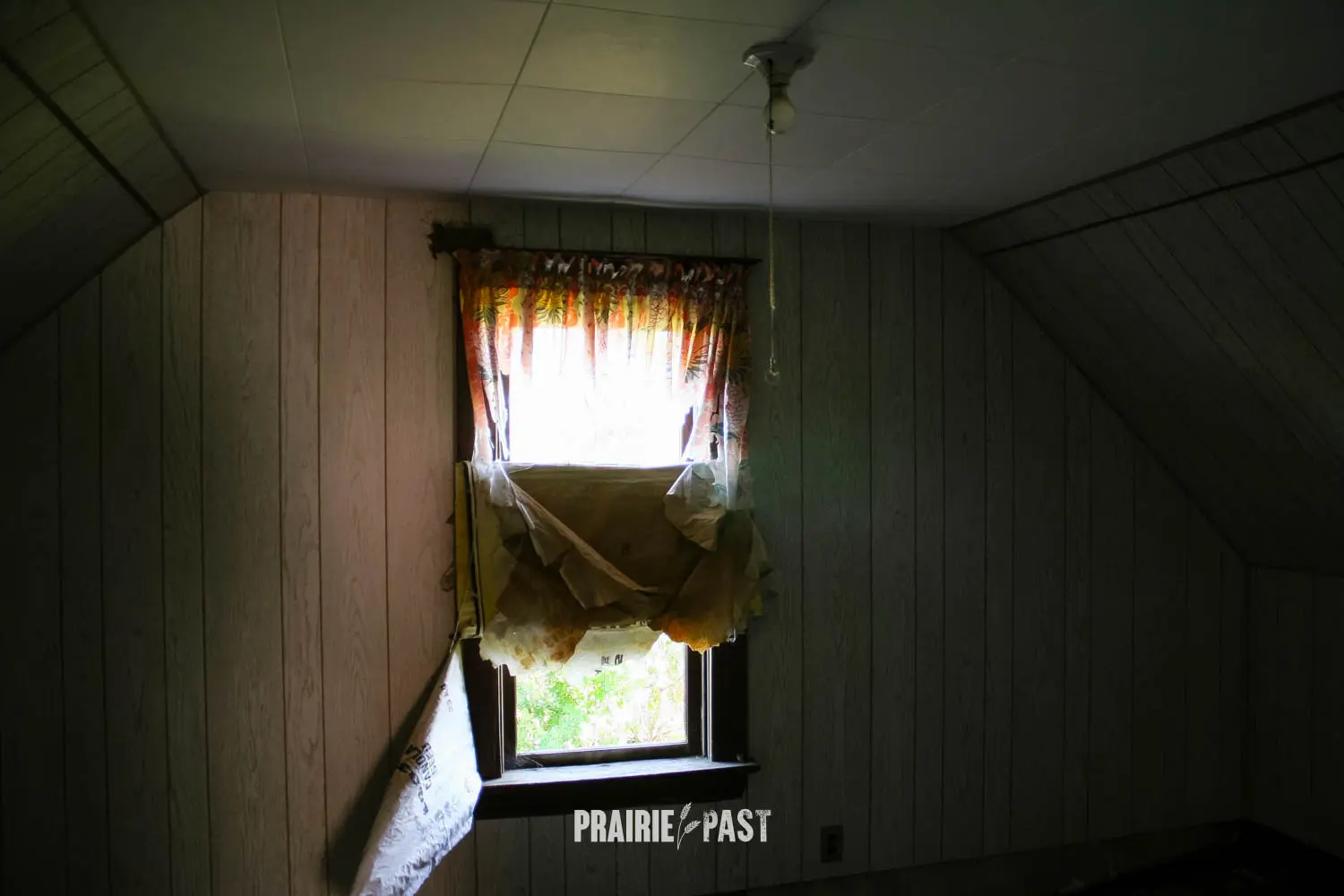
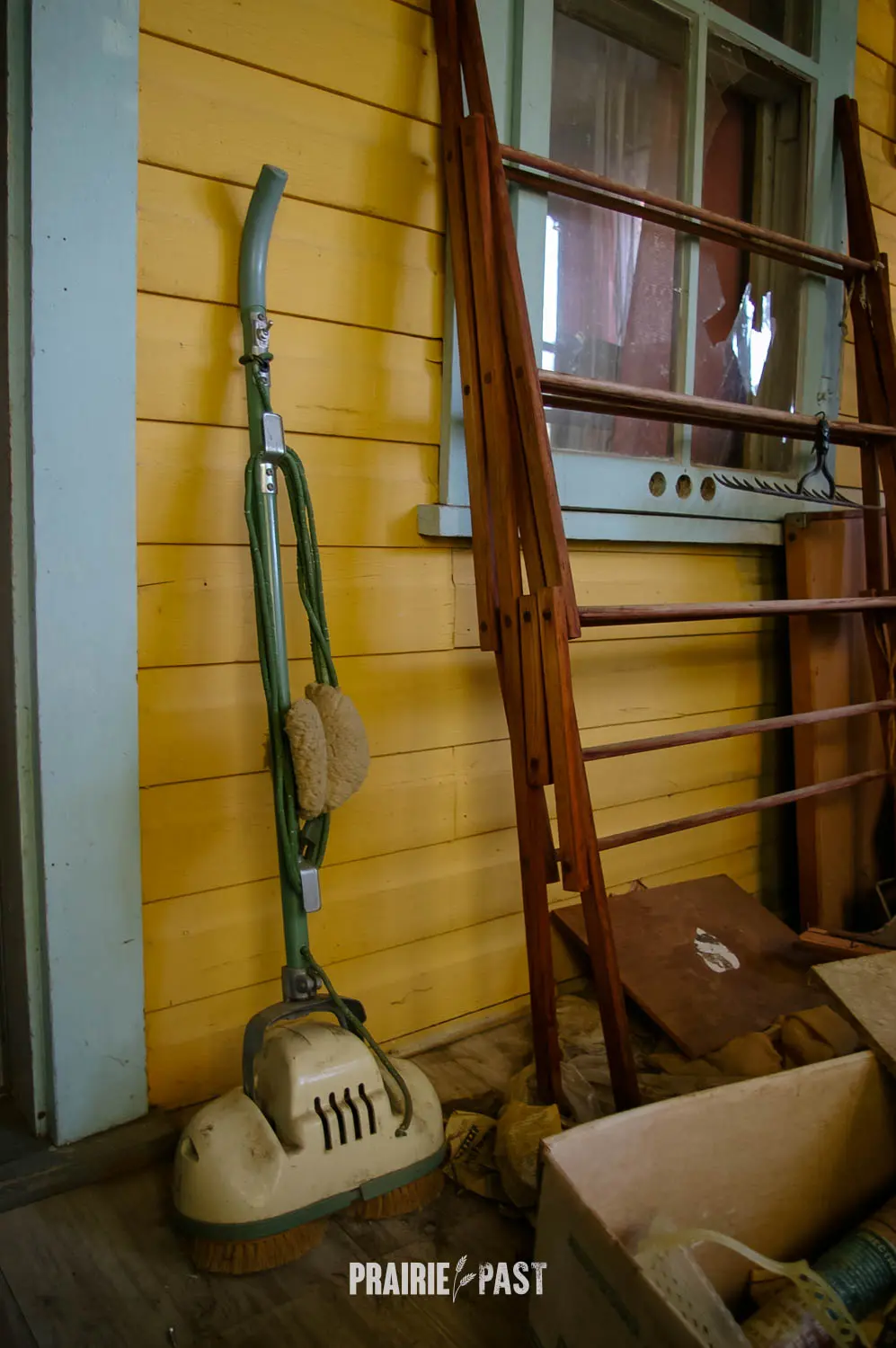
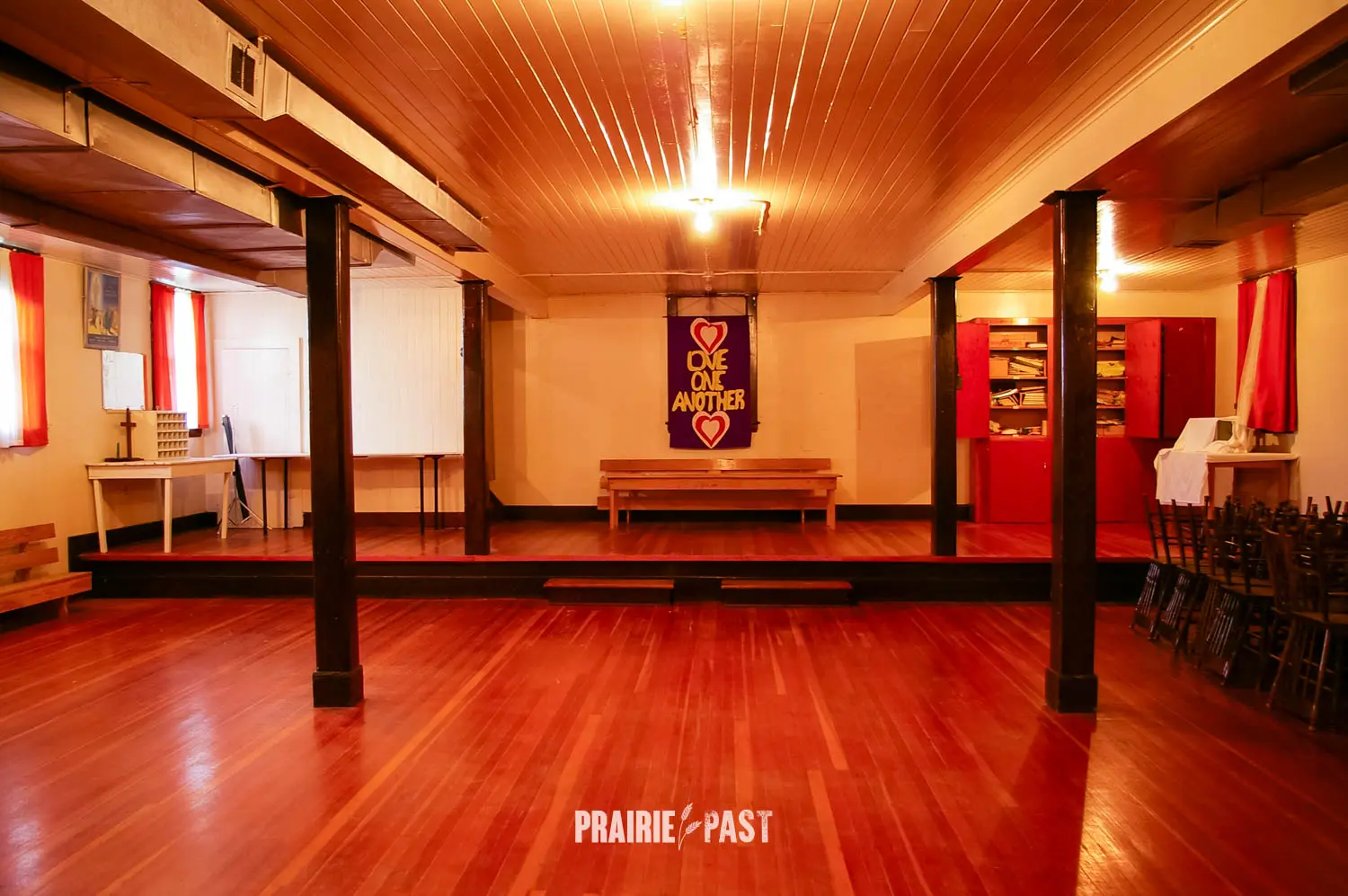
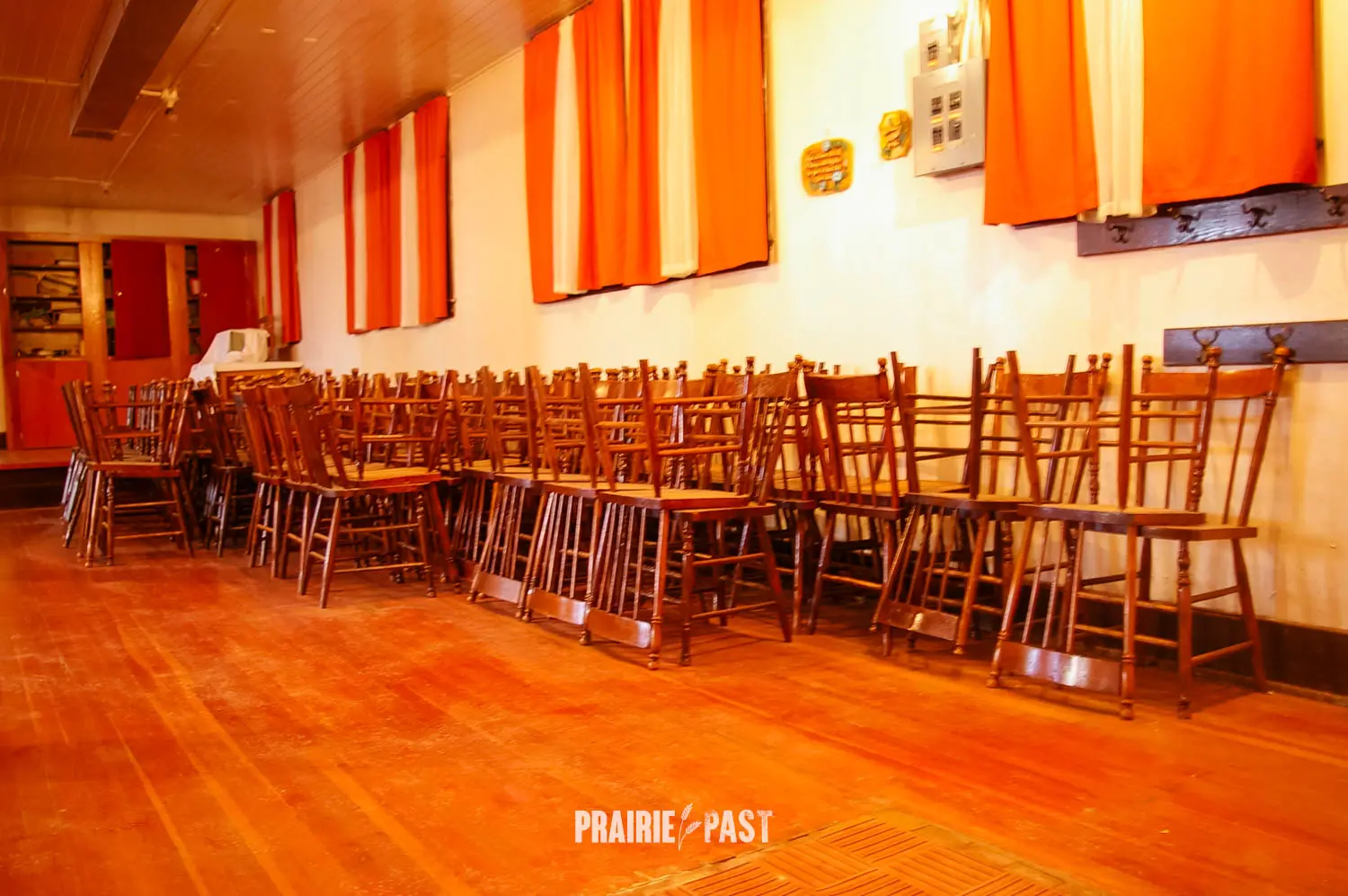
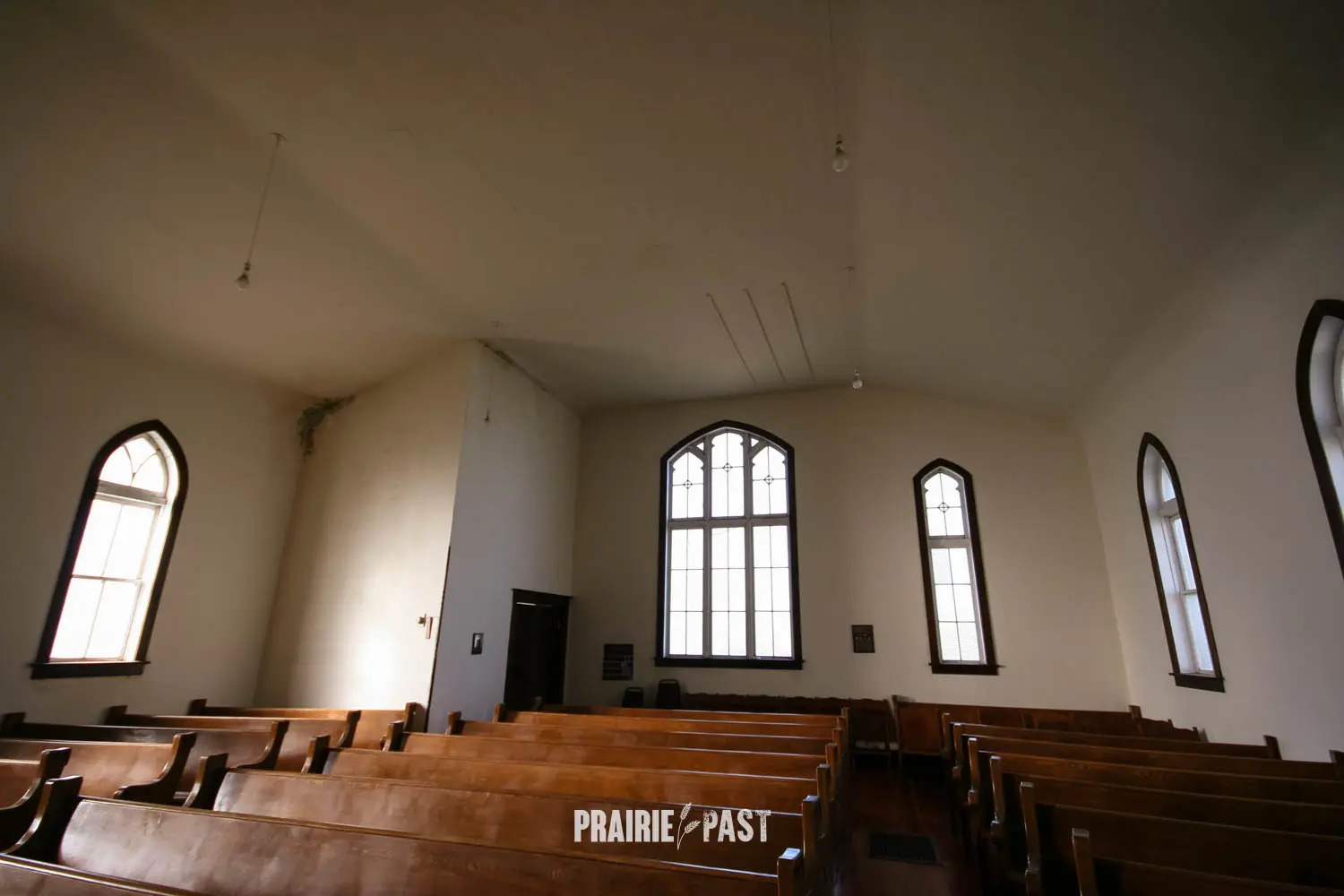
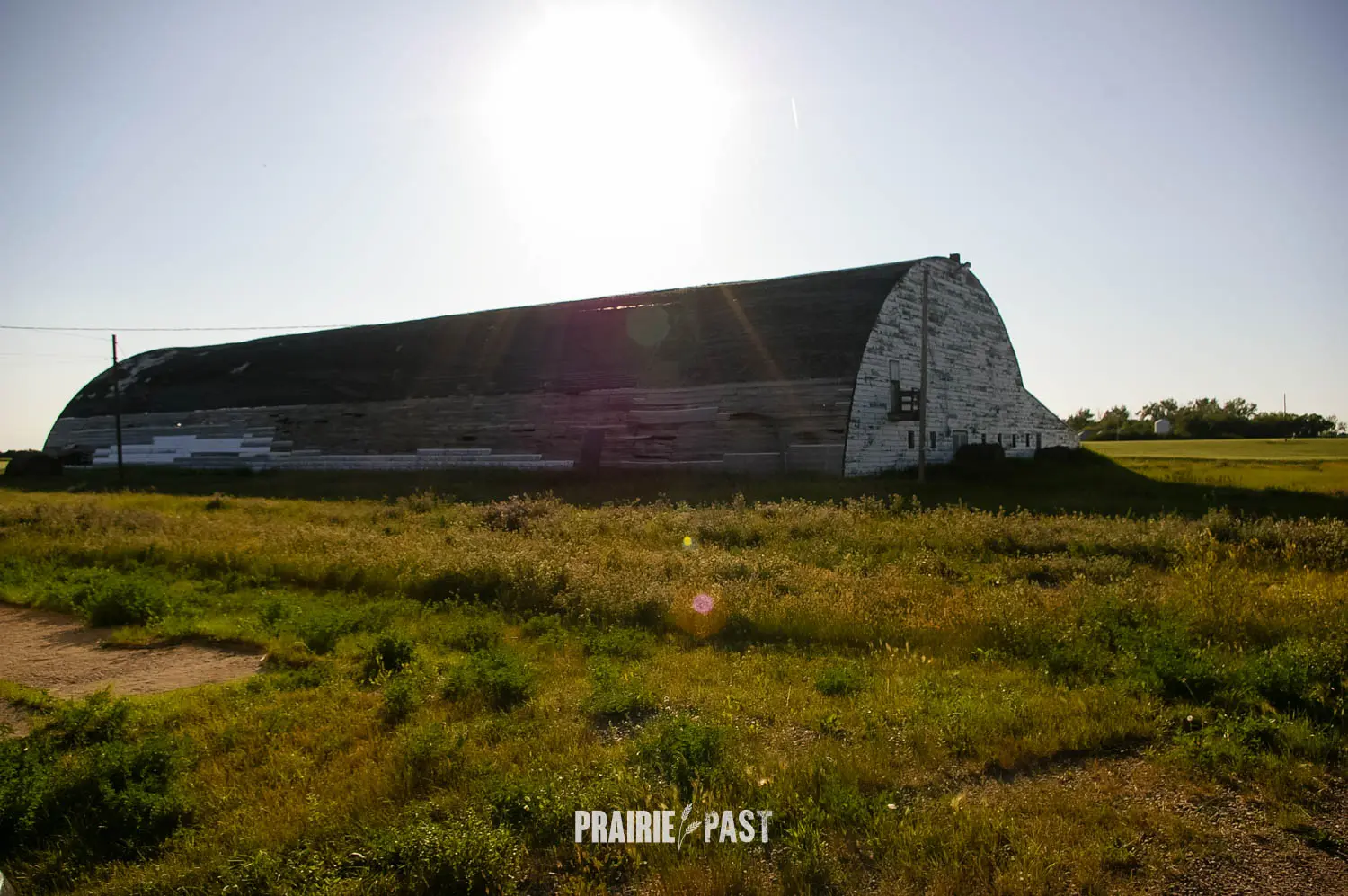
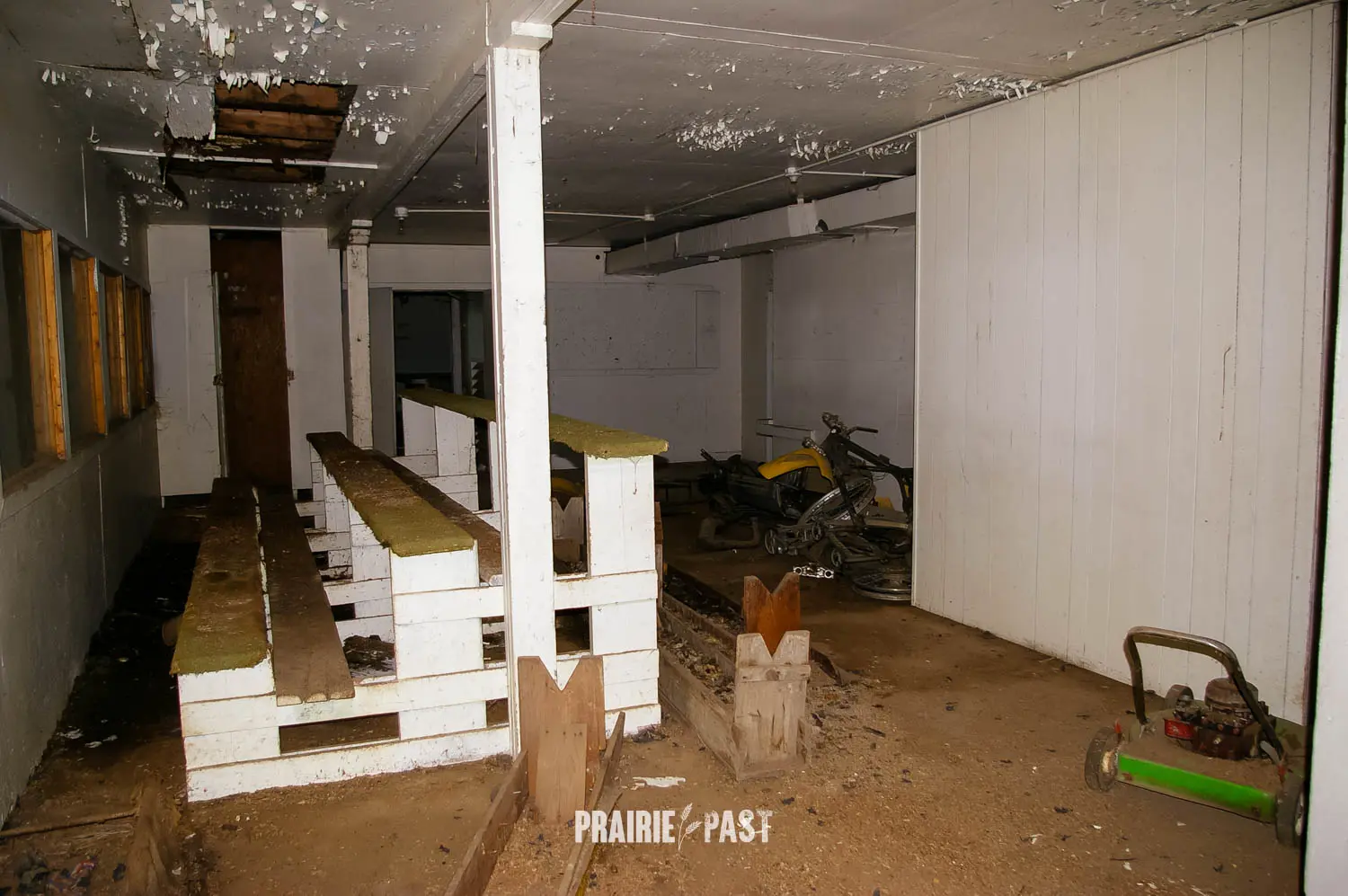
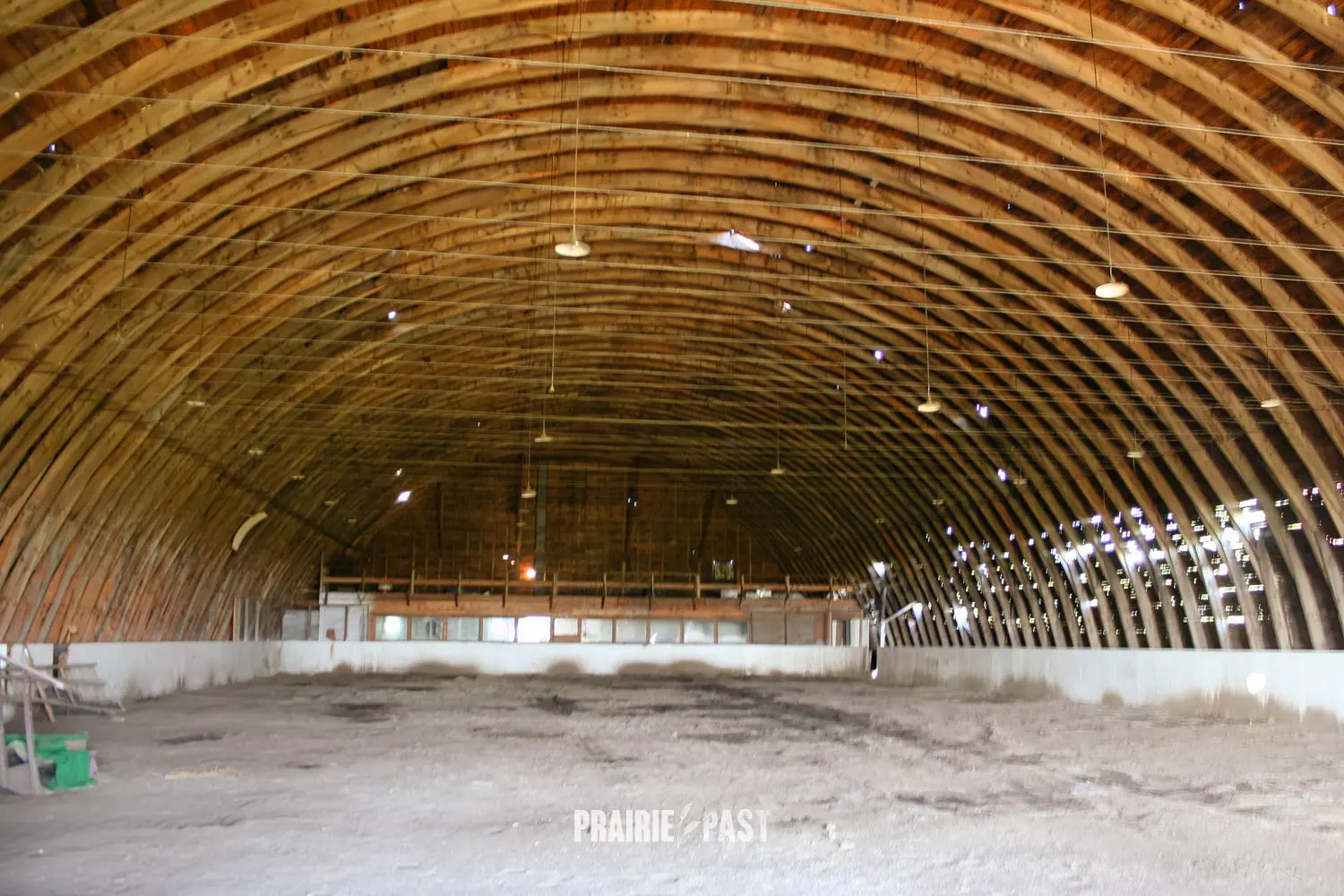
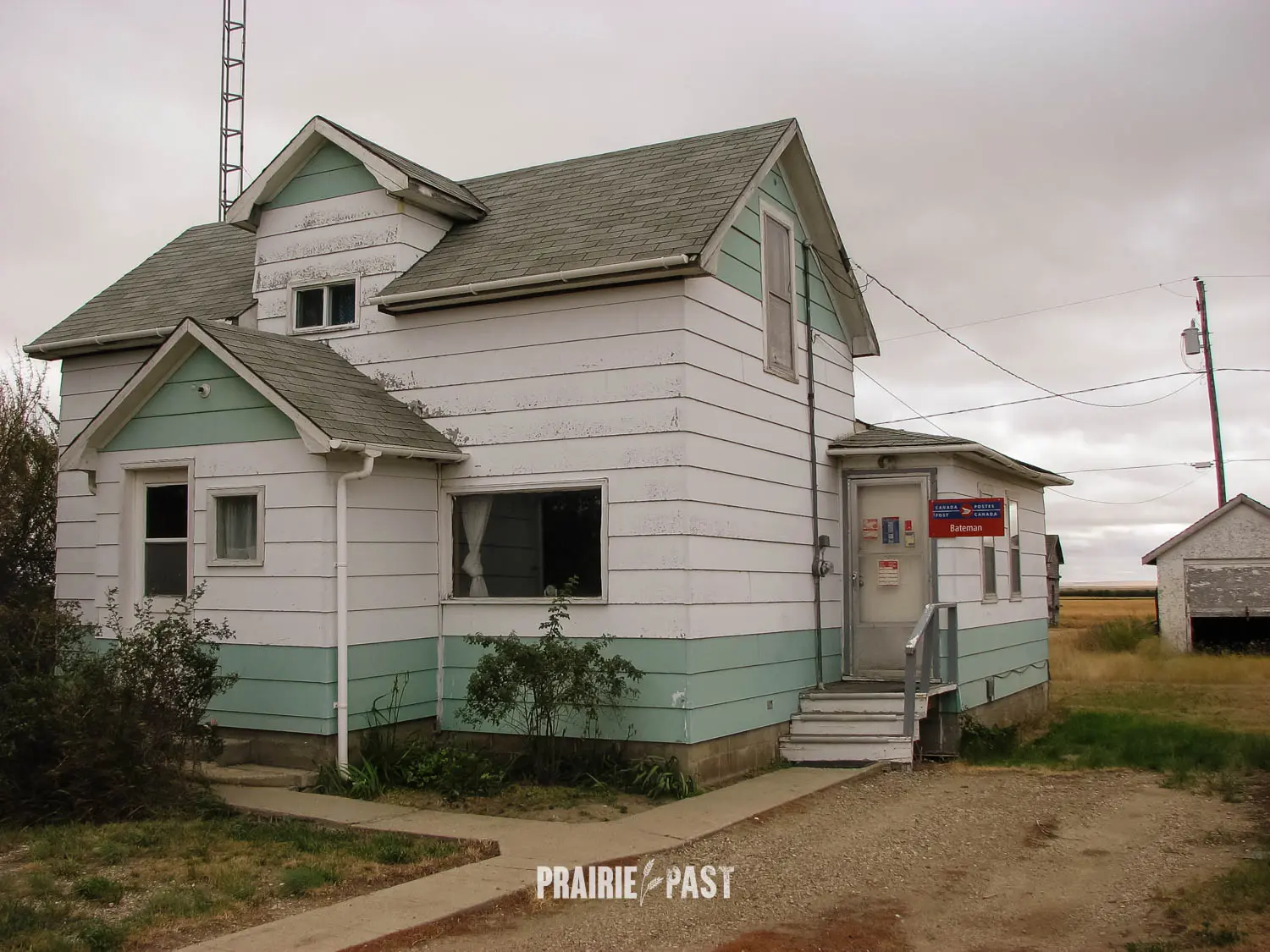
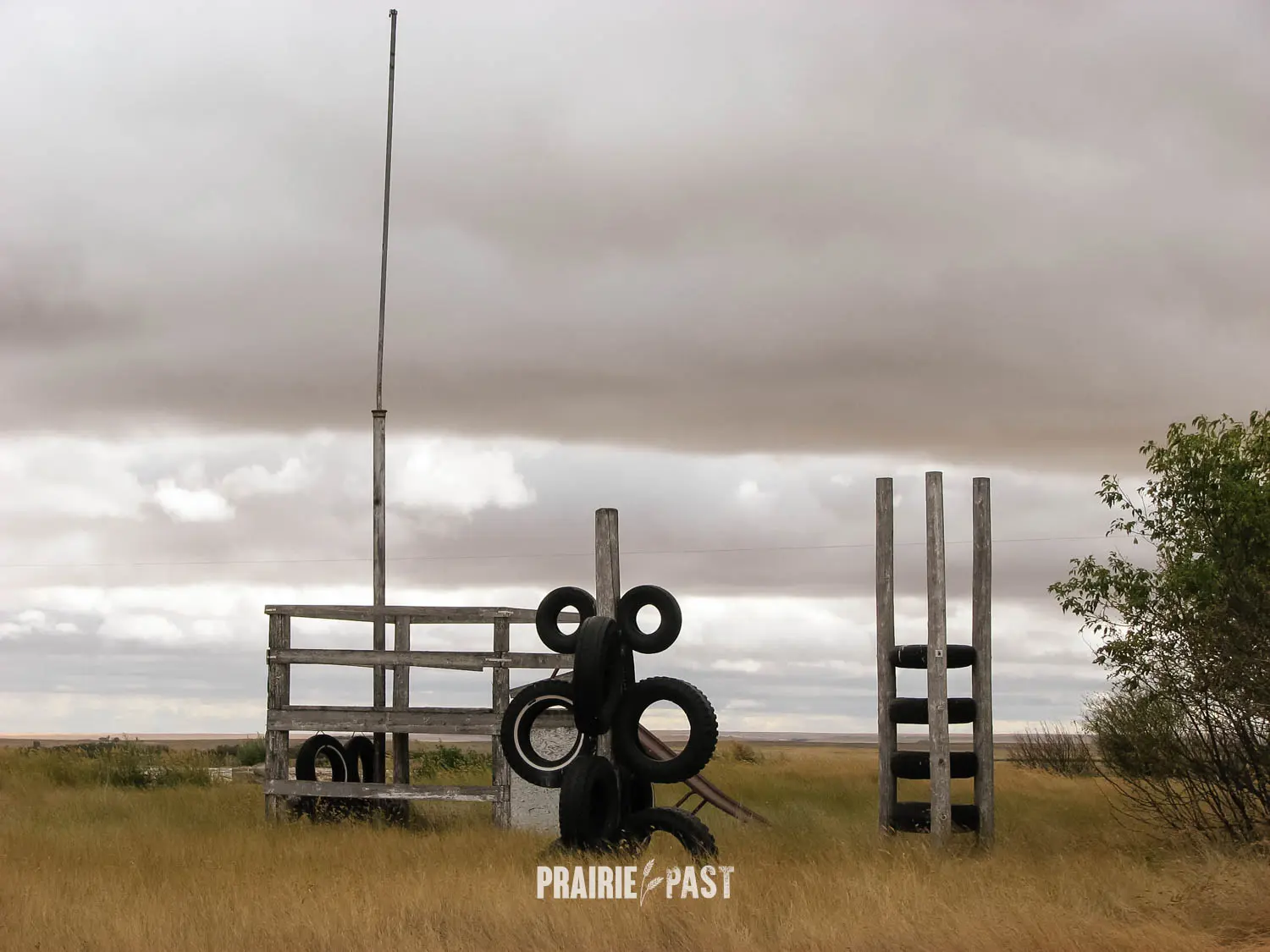
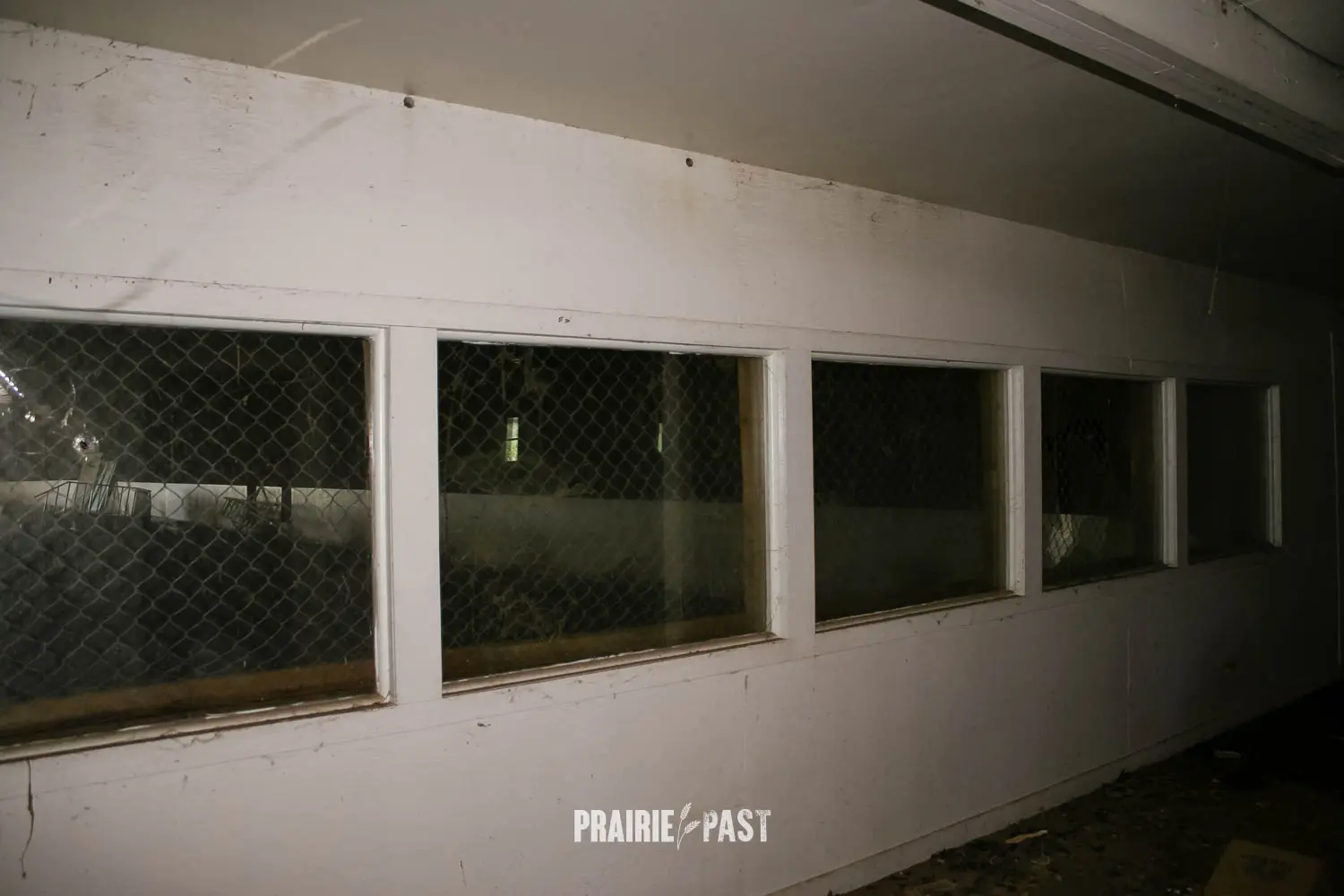
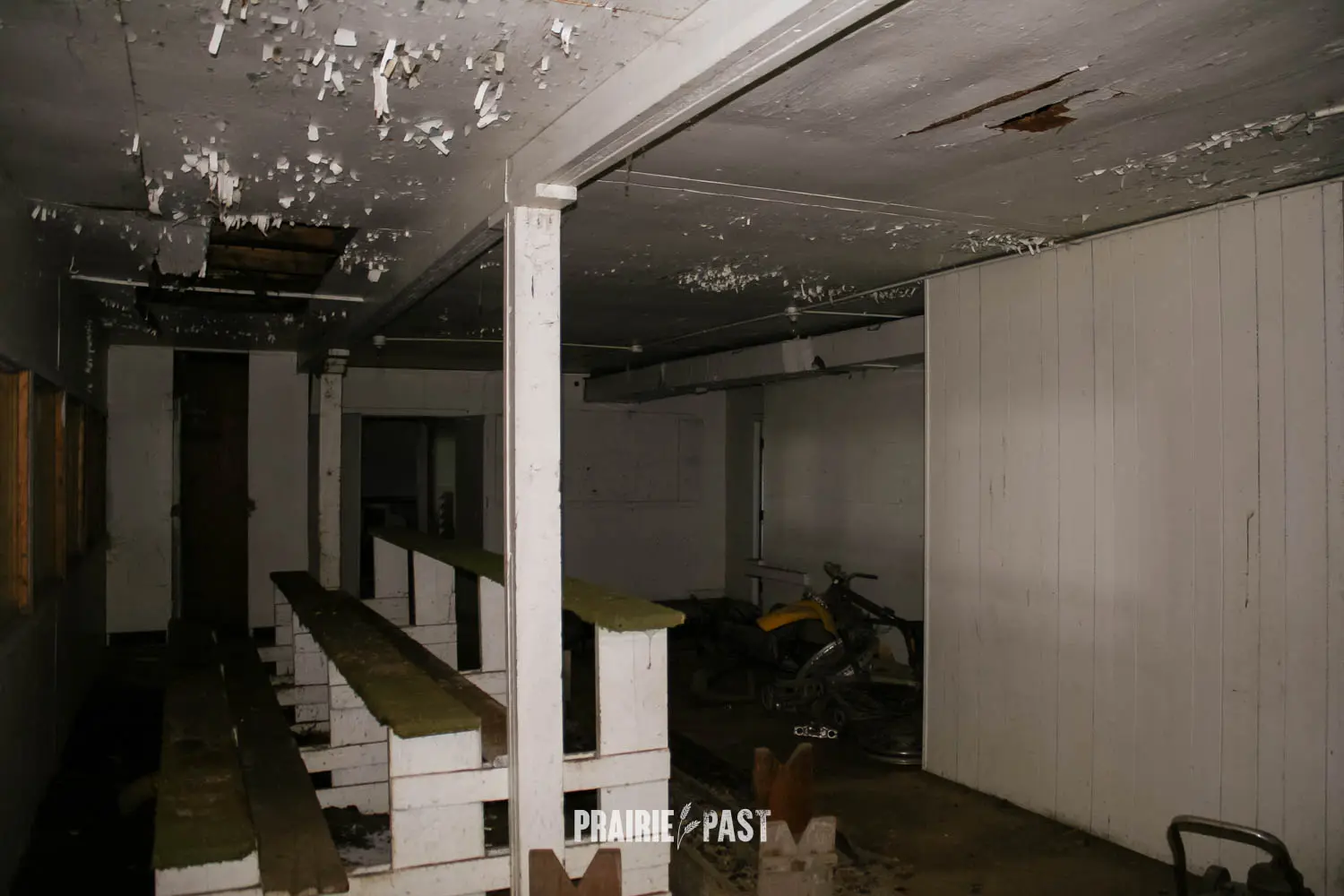
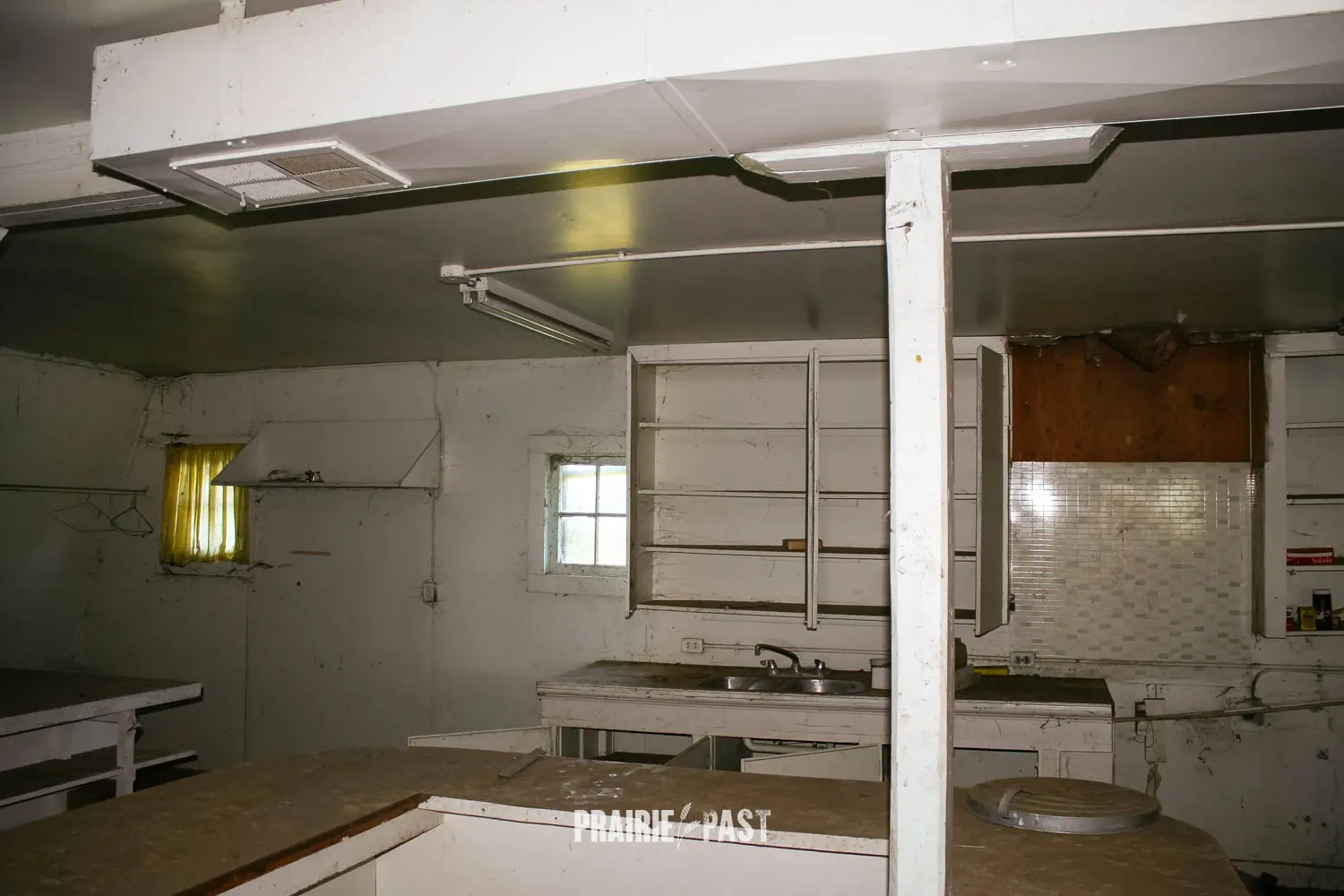
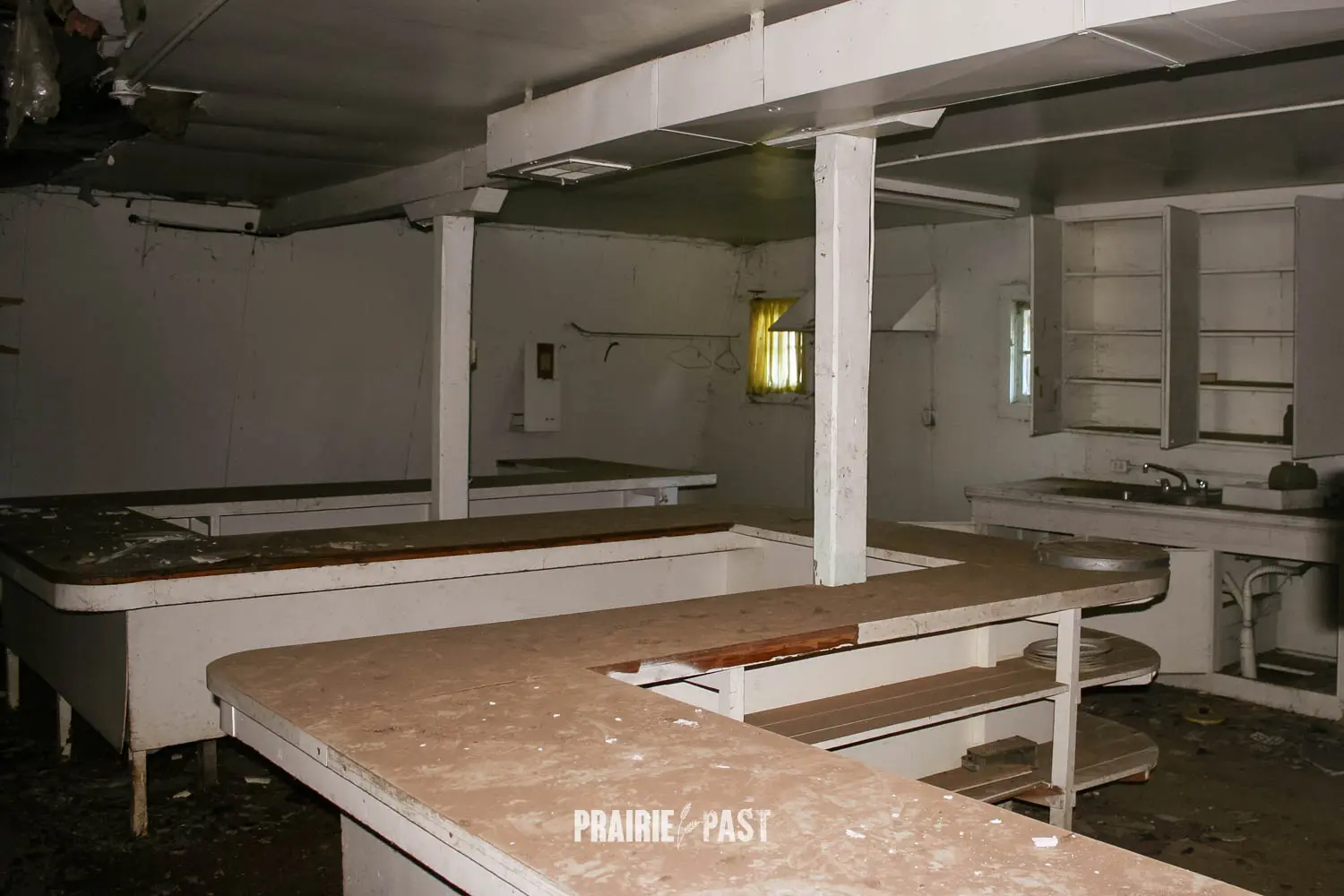
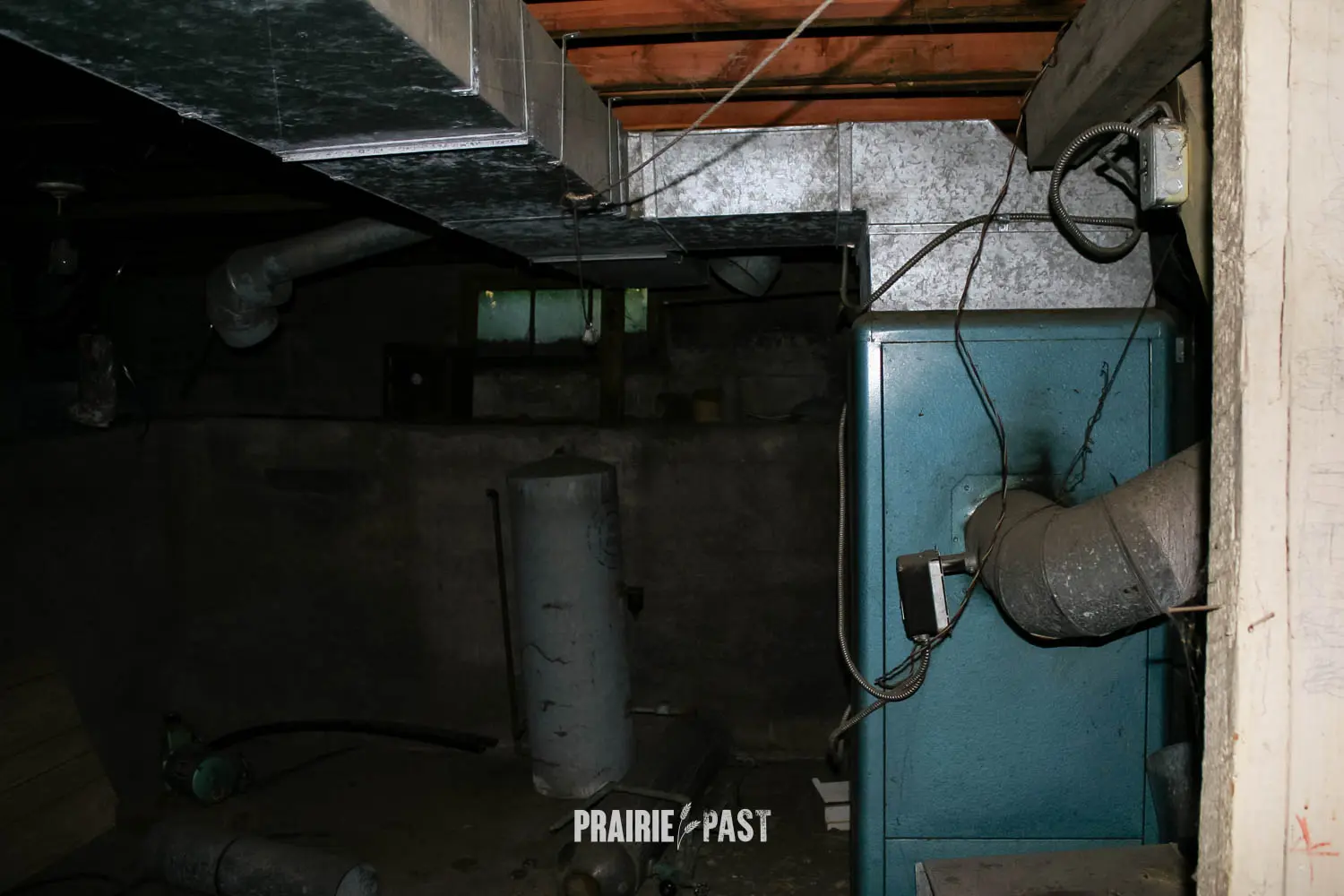
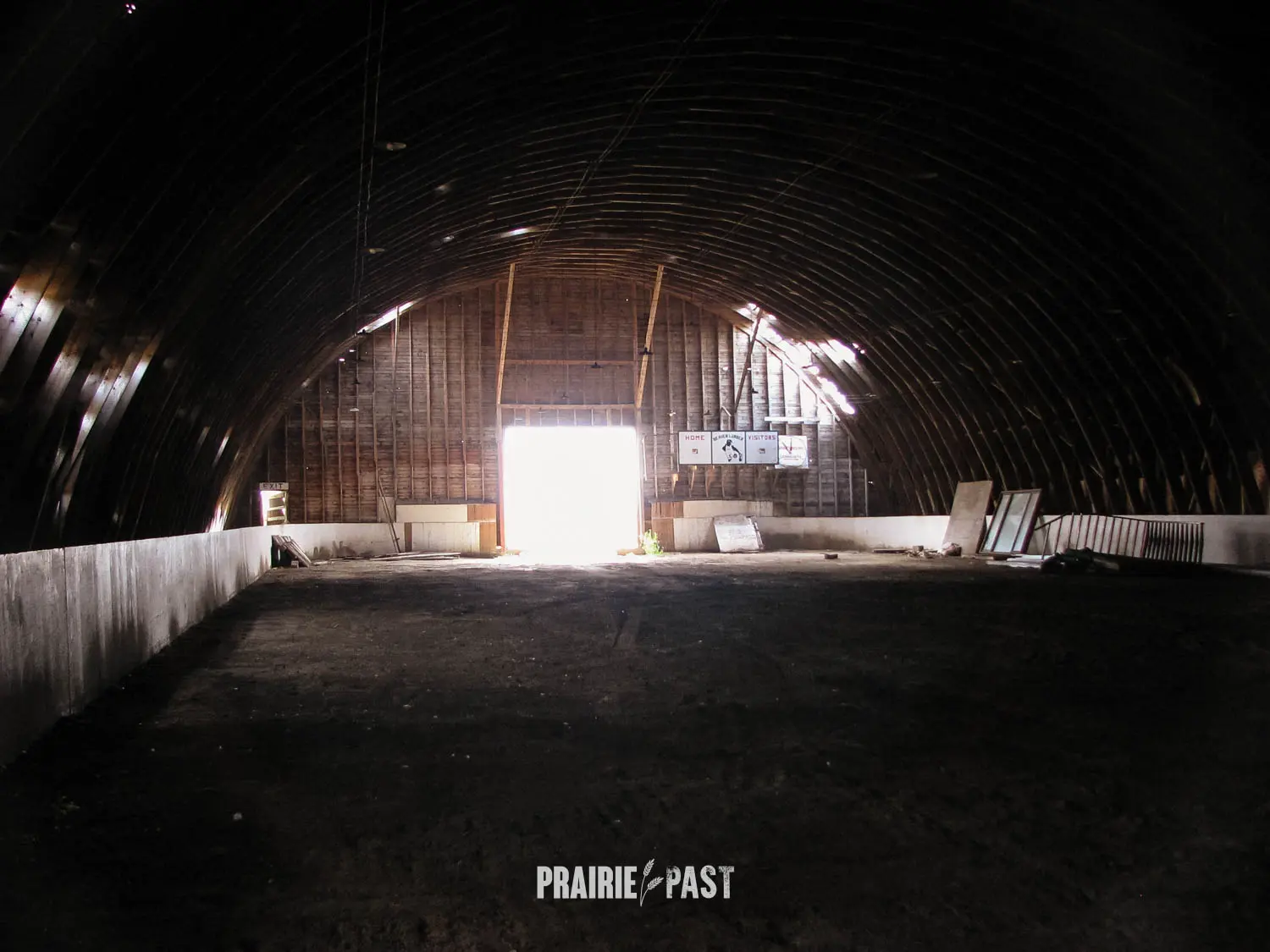
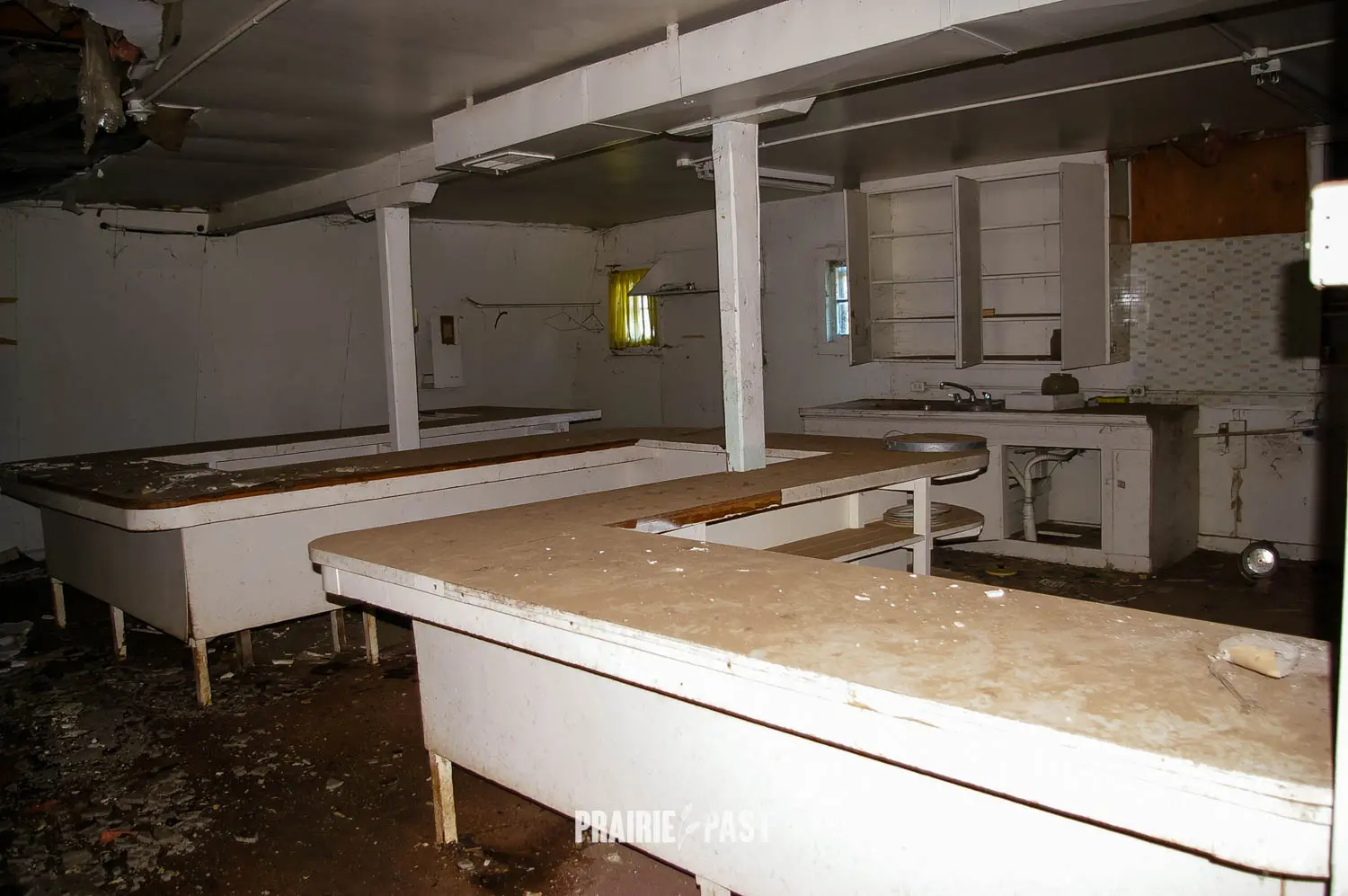
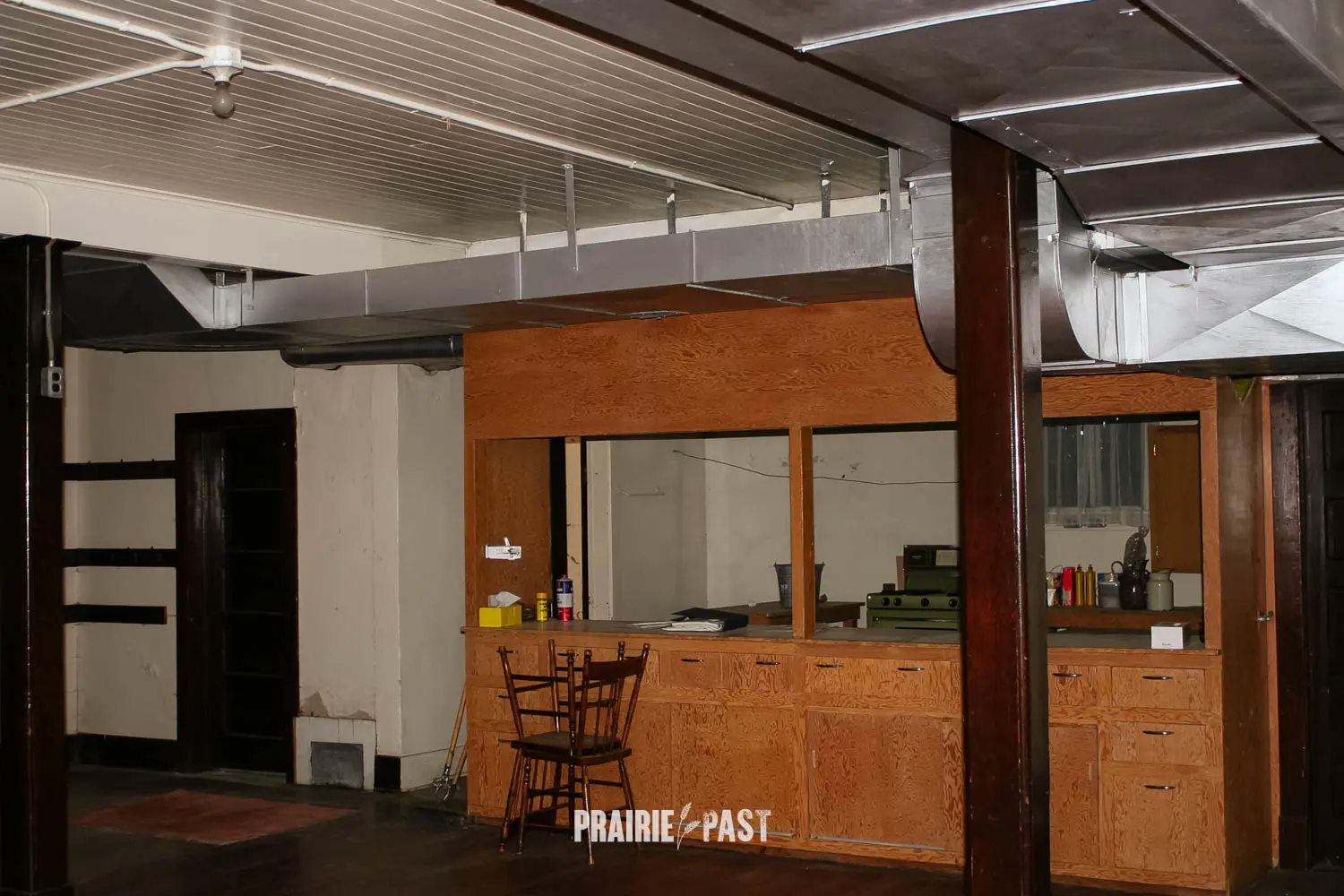
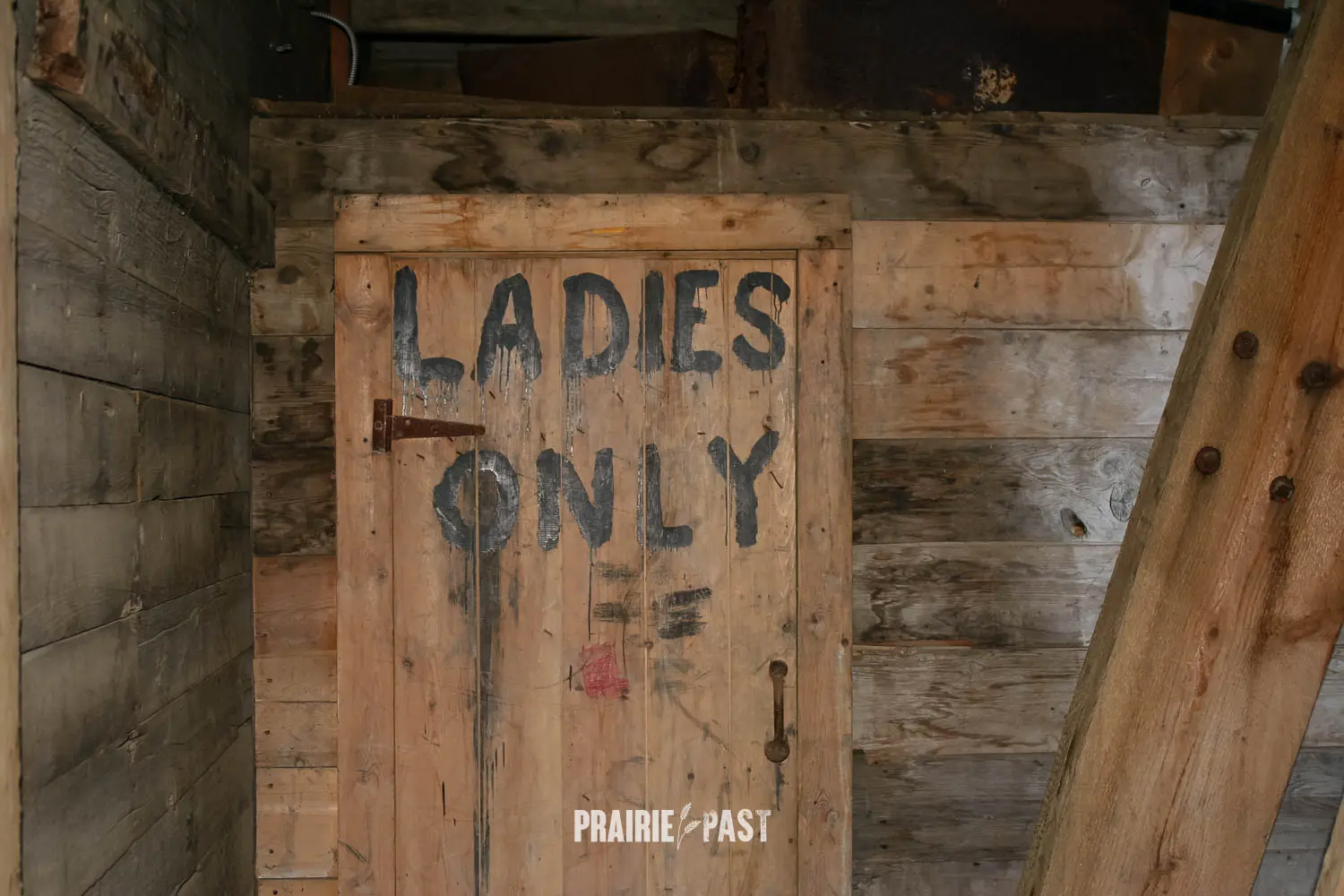
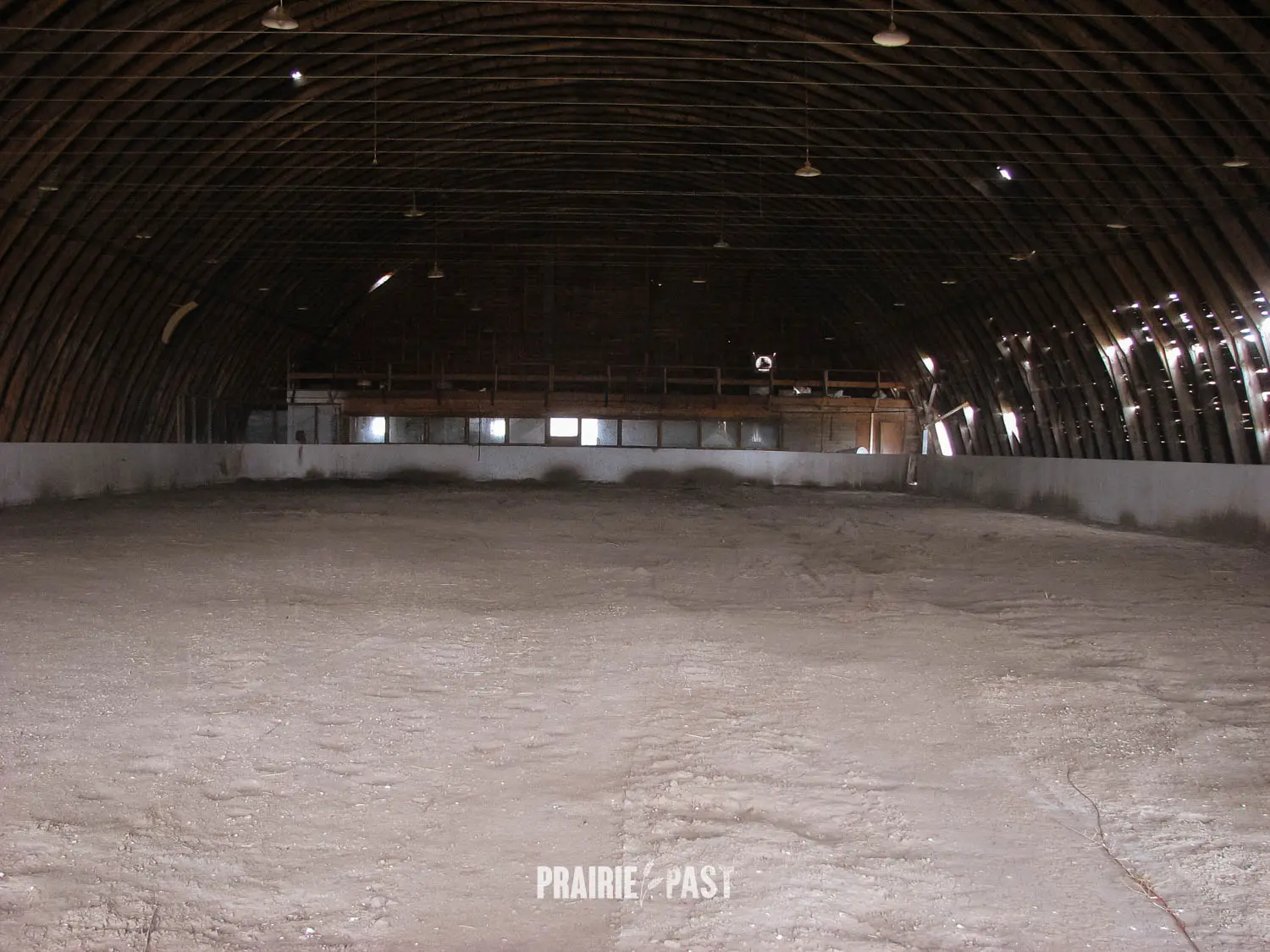
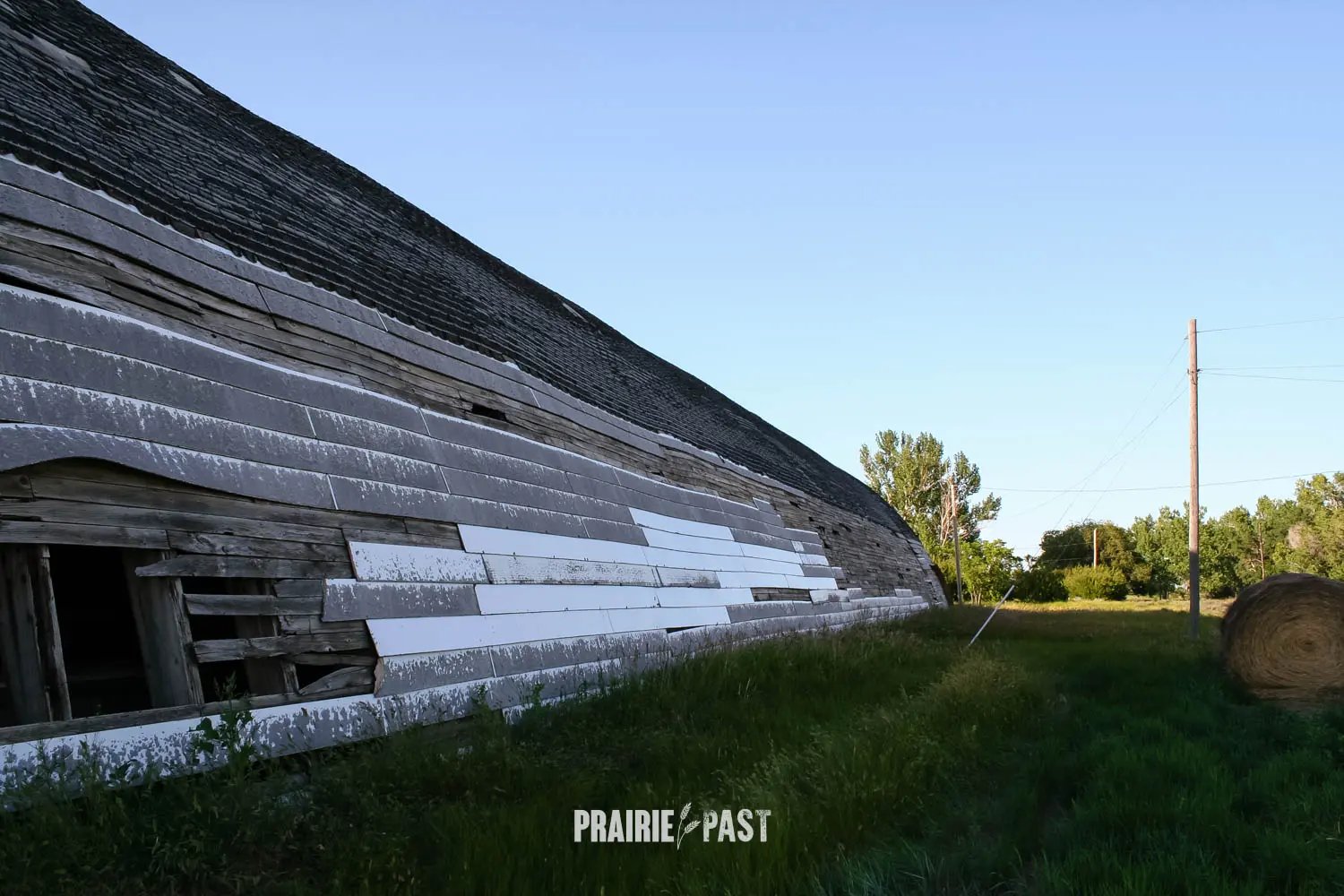
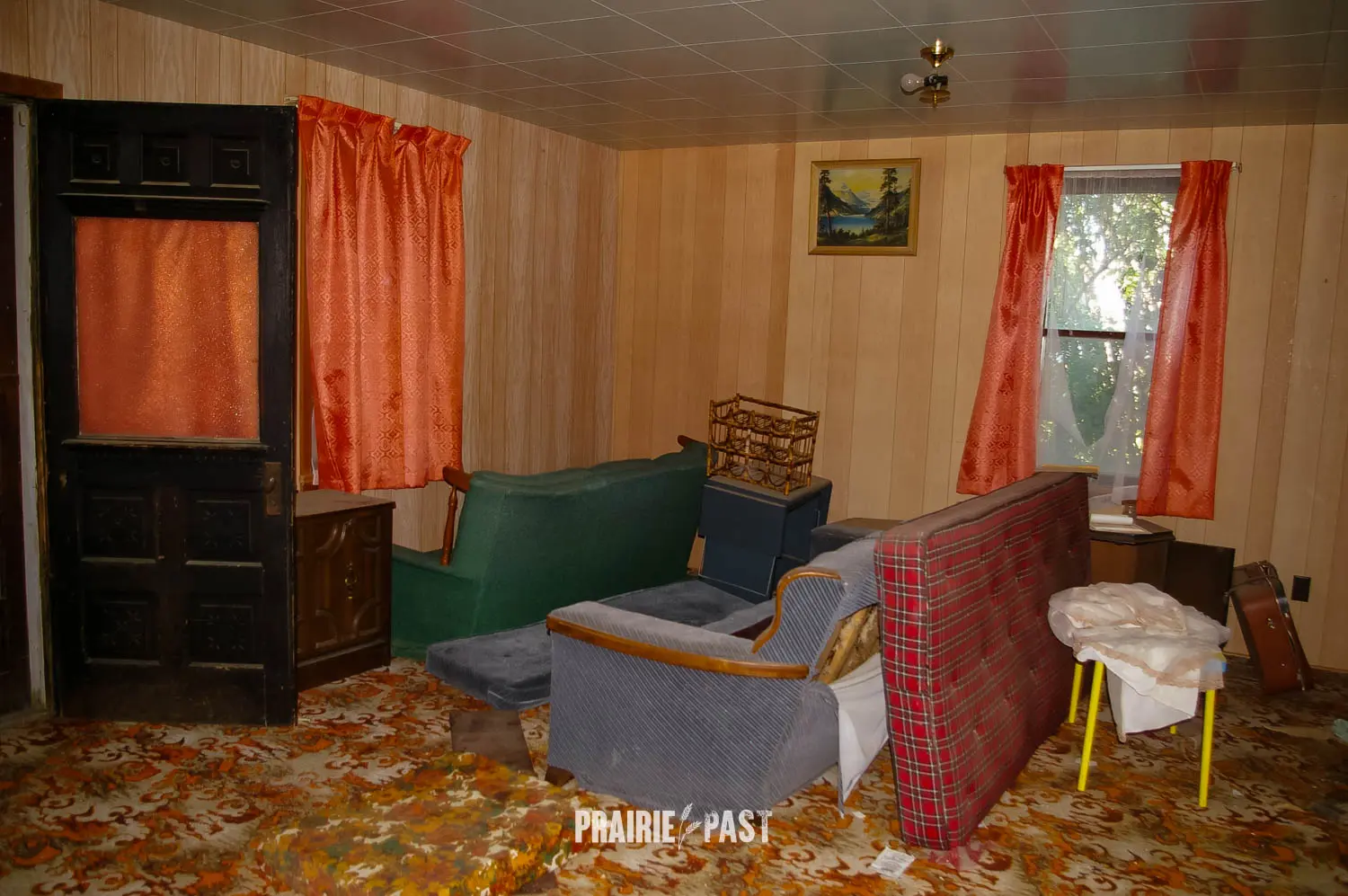
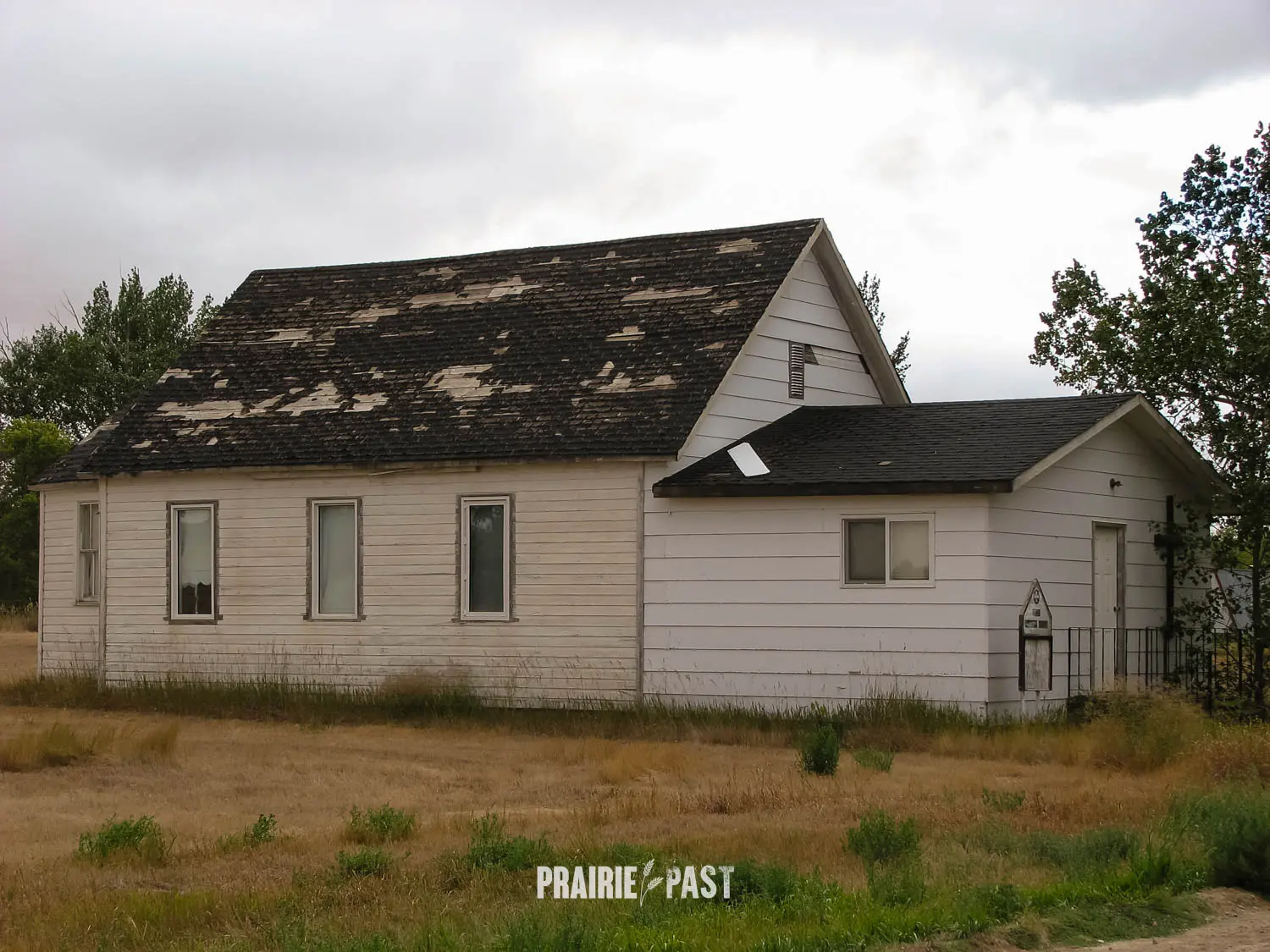
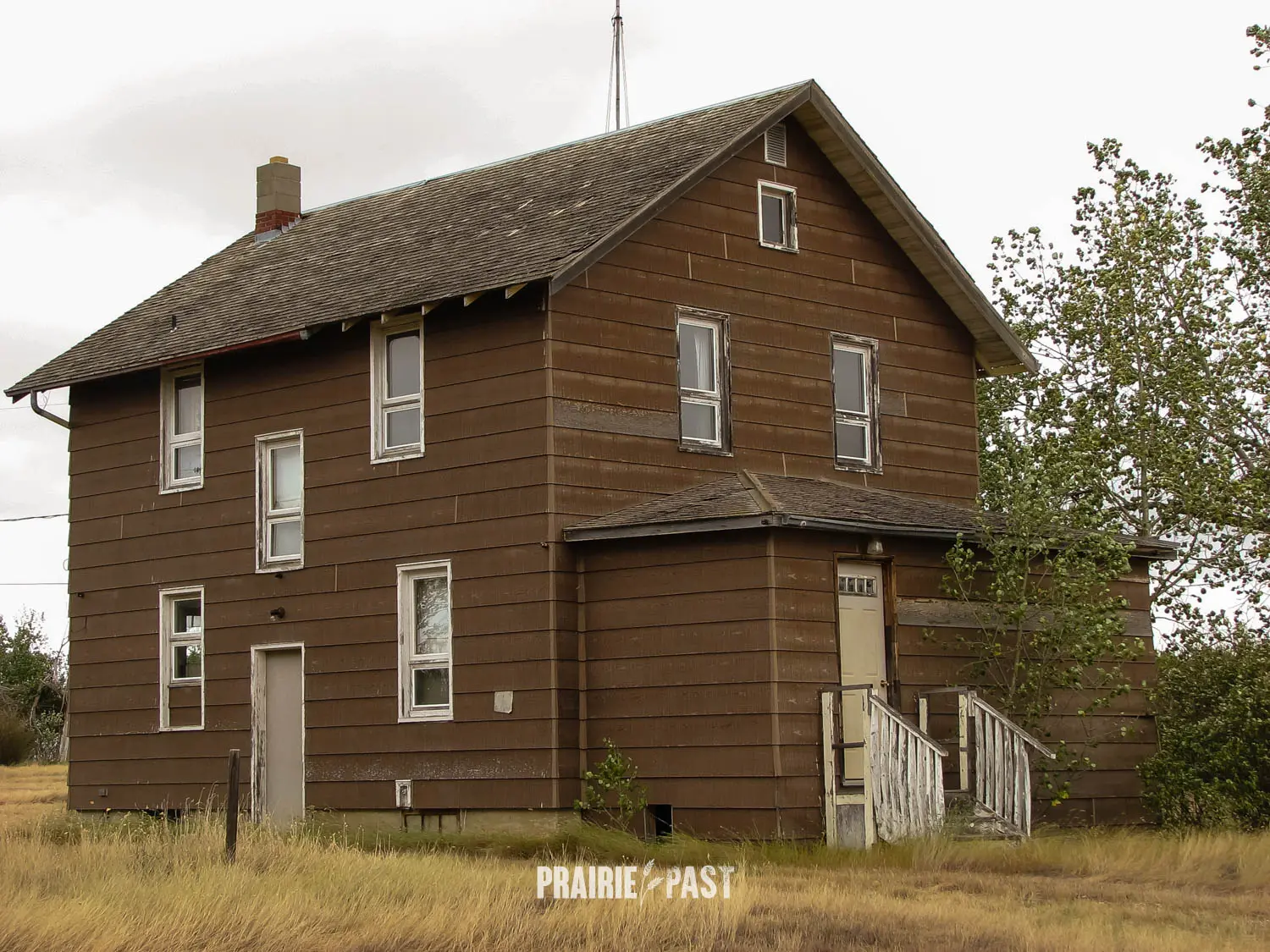
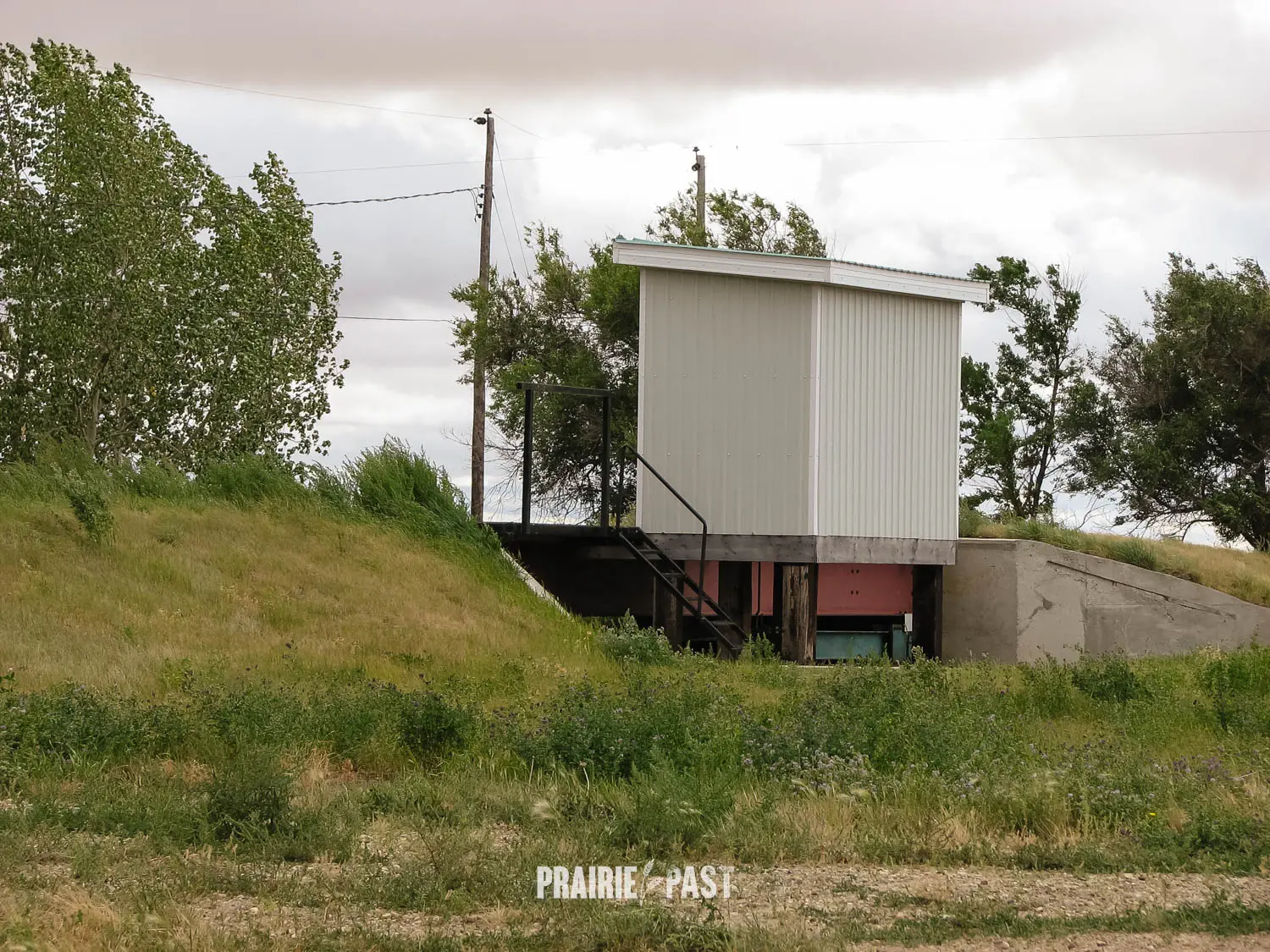
Photographs from 2020